
Prev
1 / 9
Next
 Trekking Tips
By Nanda Rawat|Jan 22, 2026
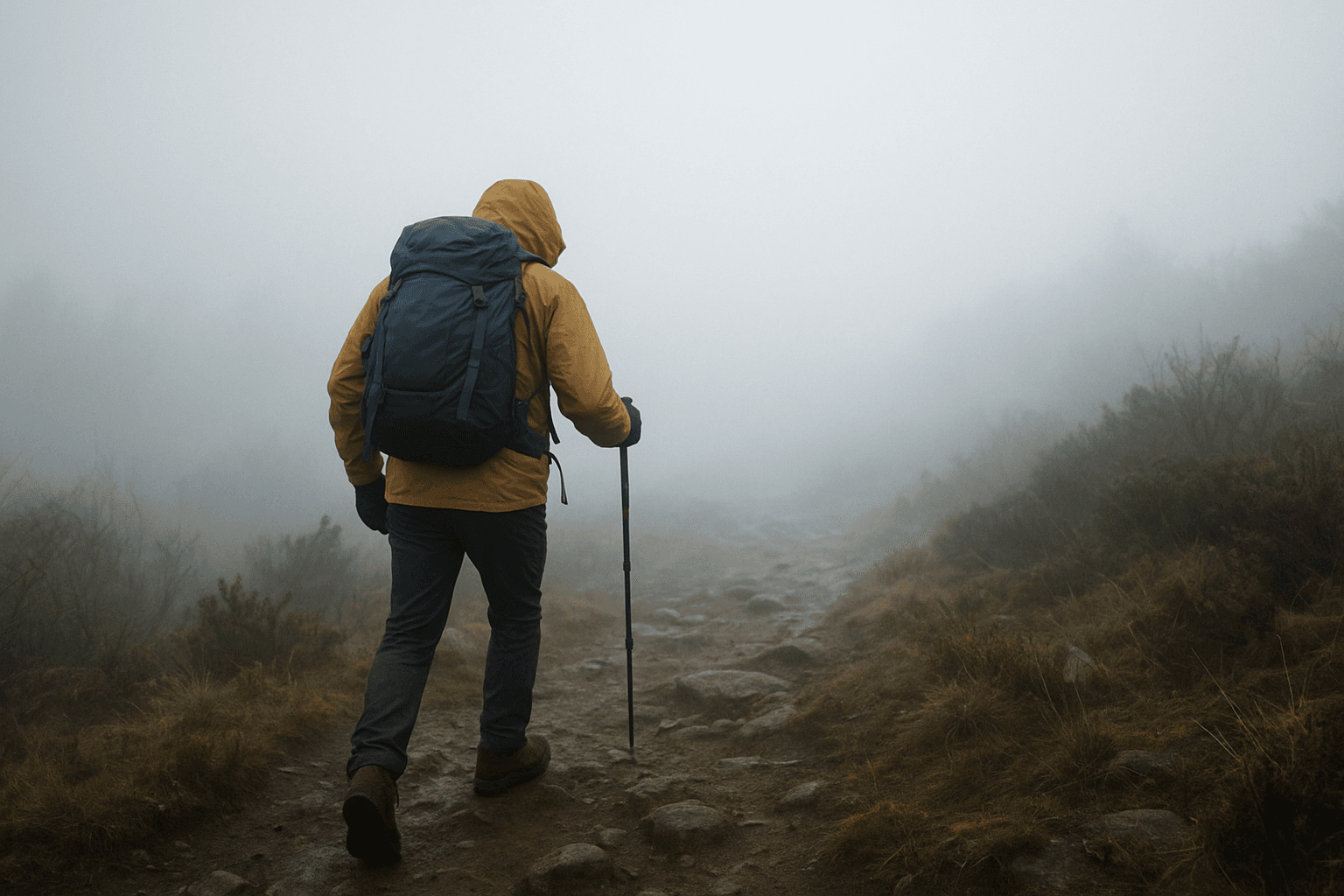
Trekking During Fog: Essential Safety Tips for Low Visibility TrailsThe India's trekking regions -- from to the Himalayan highlands to dense forests of Western Ghats - frequently experience fog, particularly in the early mornings, monsoon seasons and seasonal transitions. Although fog can provide an eerie and mysterious atmosphere to the trail but it can also drastically decreases visibility and increases the risk of navigation errors, and increases the chance of detours, slips, and accidents. The team at TrekUp India Fog safety at TrekUp India is viewed as an important operational issue. Based on years of experience with trails that are prone to fog This guide will show how hikers can deal with low visibility conditions using calm decision-making using the correct tools, as well as well-controlled movements. Fog requires slowing pace, greater awareness, and organized teamwork. The most common form of fog is: Best practices: Do not rush into low visibility. The fog obscures well-defined routes. Being blinded in fog is among the most common reasons for hikers losing their way. Technology can be beneficial, but only if it is properly planned. The recommended tools are: Make sure you enable "breadcrumb" tracking to ensure that you can trace steps even if your visibility decreases. Fog can bring the elements of moisture and cold, even in summer. Essential clothing items: Keep your backpack dry by using a rain cover or umbrella to keep extra layers dry. The speed of a car is a risk in fog. If visibility is low, stay at an level, safe location until the conditions improve. If sight is impaired the sound is crucial. These measures can prevent separation. Fog can distort perception. In the event of confusion: In extreme situations in extreme circumstances, you should set up a temporary shelter, and sit rather than putting yourself in danger of moving. The risk of terrain erosion increases when visibility is low. Don't assume that you know the trail ahead is straight and clear. Fog is a great way to add mystery to your trek, but it also requires perseverance, discipline and an increased sense of. The reduced visibility turns simple trails into complicated navigation challenges that should be handled with respect. We at TrekUp India, we emphasise that fog isn't an issue to be feared, but rather something you need to be prepared for. If you plan it carefully, use the correct gear, reliable navigation and solid team coordination, hikers are able to travel safely in conditions of low visibility. Be cool. Keep your head together. Be sure to let clarity, both mental and physical guide each step.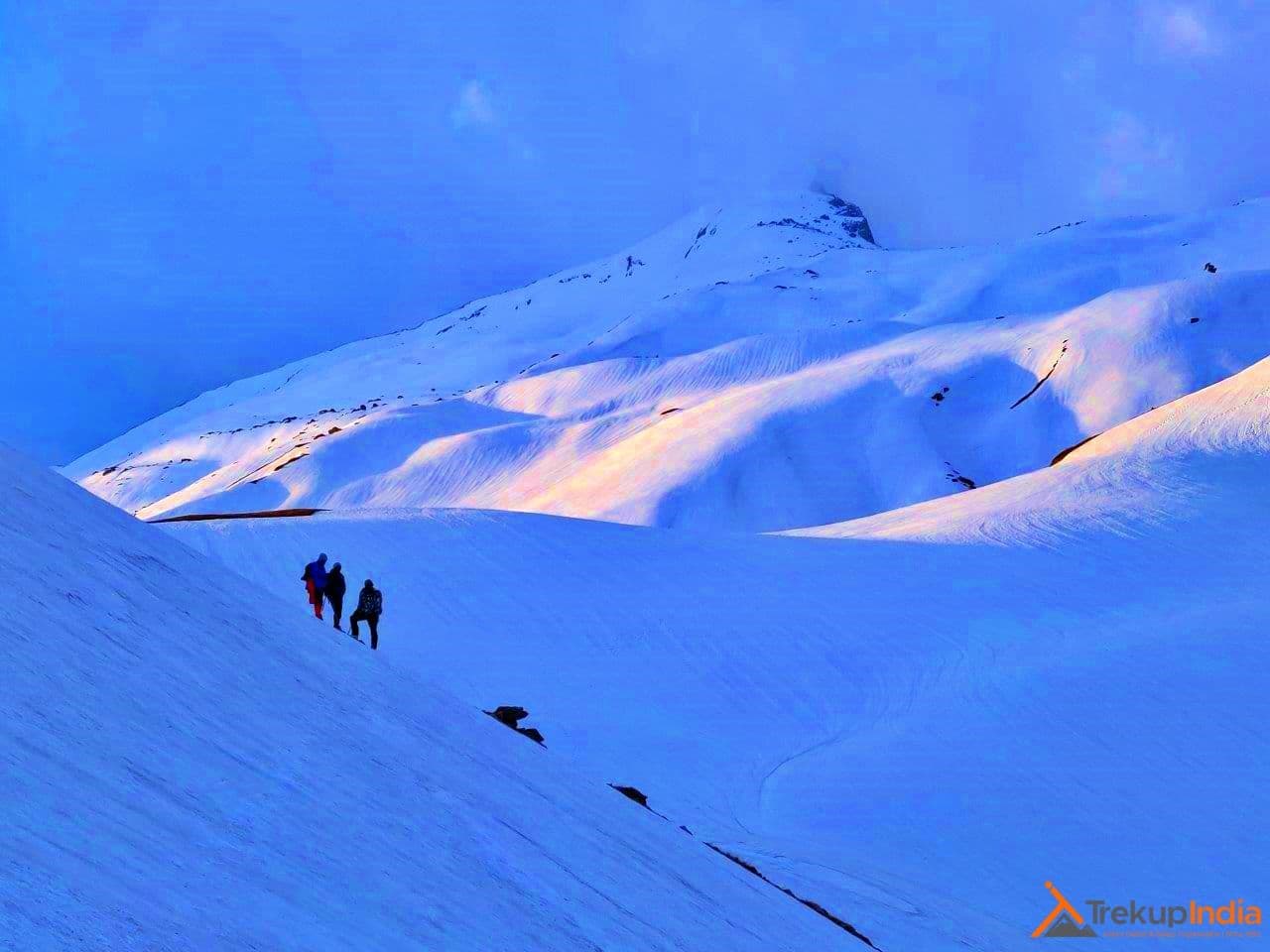 Trekking Tips
By Anoop Rawat|Jan 22, 2026
Crossing Snow Patches & Moraines Safely: Himalayan Trekking TipsHiking at high altitude treks in the Himalayas of India--over regions like Uttarakhand, Himachal Pradesh, Ladakh and Sikkim, often require traversing snow areas and moraines. Although these areas are stunning in their beauty but they also offer one of the more technologically demanding and risky parts of the trek. On the TrekUp India We've observed even the most experienced trekkers struggle with moraine and snow sections, not due to a lack of fitness, but rather due to being unaware of the terrain's behavior. To be safe, crossings need knowledge of the terrain, proper technique, a patient attitude and complete respect for the instructions of guides. This guide will help you find dangers and move safely through snowy areas and moraines. Snow patches are loose or compacted snow areas that are found along high-altitude trails. Their stability is influenced by: They may be slippery, hide gaps that are hollow, or melt to form a deep slush as the temperature rises. Moraines are a collection of gravel, loose rocks and debris that have been left behind by glaciers that are retreating. They are incredibly unstable and easily shift when weighed down, particularly during the warmer times of the day. This is why being cautious in your movements crucial. Do not assume uniform snow conditions. Do not rush. Balance is more important than speed. Poles are essential for stability when skiing. If you are unsure, do not cross in a blind. The choice of route is crucial for moraines. Avoid locking joints. Always ensure that you keep 3 points of contact (two feet, and one pole or reverse) steady prior to transferring weight. This can greatly reduce the chance of falling. The risk of rushing increases when you are falling off or slipping over rocks. The controlled movement of the body ensures the balance and security. The proper spacing will prevent: Do not crowd around moraines. Preparedness and patience can help save lives in high-altitude environments. Moraines and snowy patches provide beauty and challenge to Himalayan treks However, they also require discipline and respect for movement. These mountains are unpredictable, dynamic, and unforgiving of careless choices. We at TrekUp India, we believe security begins by being aware and preparing. Through understanding the behavior of terrain and using the correct techniques and relying on knowledgeable guides, trekkers can traverse areas of moraine and snow confidently and in a safe manner. If they approach them with a sense of humour and grit, these crossings are no longer obstacles but crucial moments in the Himalayan adventure.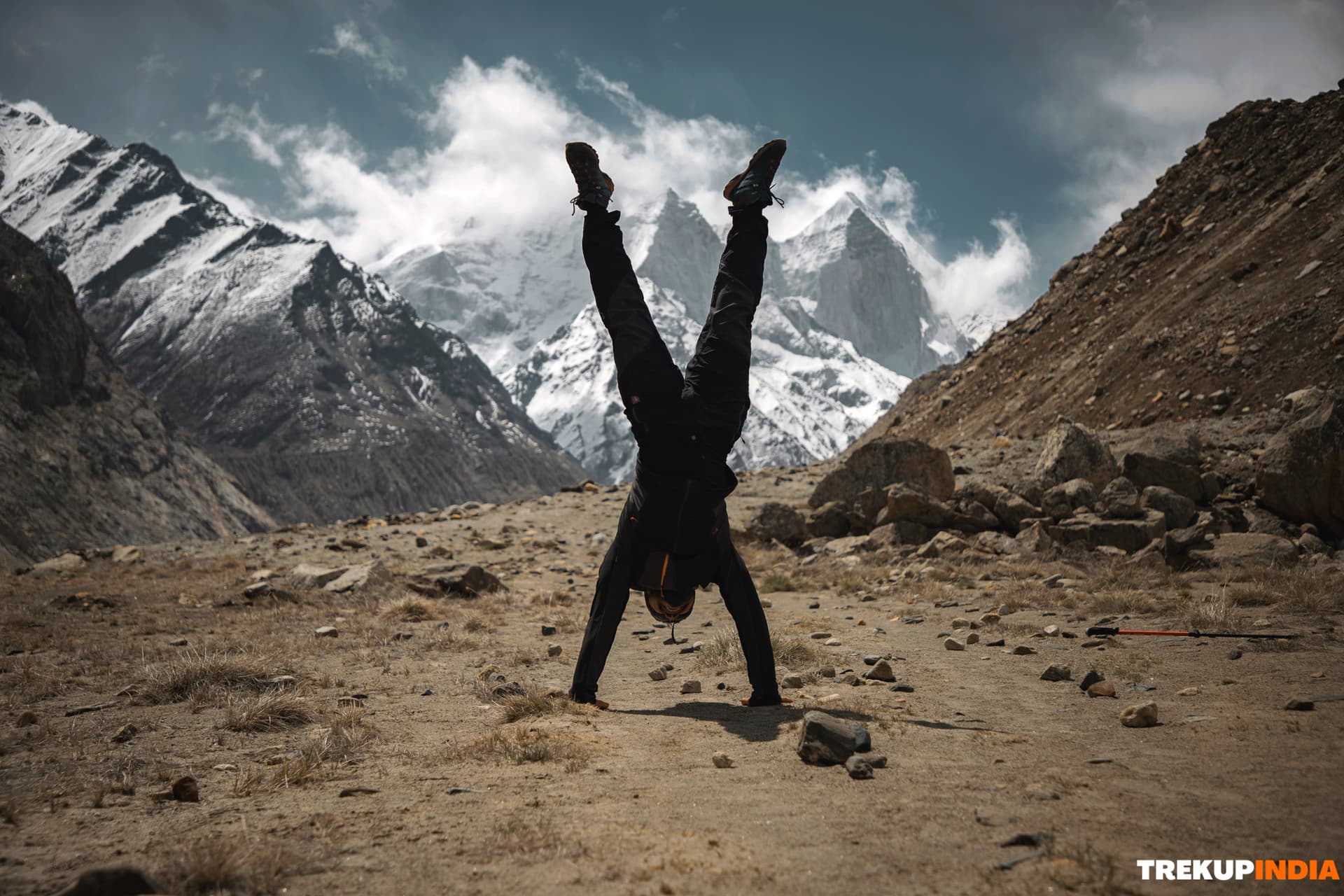 Trekking Tips
By Nanda Rawat|Jan 22, 2026
Embracing Discomfort While Trekking: Finding Joy Beyond the Comfort ZoneThe mountains of India, from the rugged routes that wind through Zanskar as well as Himachal Pradesh to the snow-covered passes and a soaring ascent of Uttarakhand -- offer much more than just beautiful scenery. They offer physical, mental and psychological challenges that push hikers out of their areas of comfort. At altitudes higher than 2,000 feet it is difficult to find comfort the air gets thinner, the nights get colder, the climbs seem like they're never ending, and muscles hurt in unimaginable ways. We at TrekUp India TrekUp India, we've always observed that it's the moments of pain, not ease that leave the most lasting impression on trekkers. When it is initially difficult or unsettling often becomes the most enjoyable aspect of the trek when you look back. It is the perfect opportunity to ditch everyday necessities like hot showers, soft beds high-speed connectivity, and instant food. When they aren't there, hikers build resilience, grit flexibility, adaptability, as well as mental clarity. The mountains require effort and presence In the process, they demonstrate strengths that are not often seen in everyday life. After a tiring time on the trail simple things like a cup of hot tea at camp, sharing laughing in the cold shelter, and the warmth that comes from a sun-drenched day after a dark, cold night -- are profoundly significant. A difficult life can increase appreciation, and turns everyday pleasures into unforgettable rewards. The challenge of navigating challenging terrain, weather, and fatigue together can create bonds of friendship. The stress of being uncomfortable encourages teamwork, empathy and camaraderie, frequently turning strangers into long-lasting acquaintances through shared efforts and mutual help. These discomforts aren't indications of failure. They are part to your trekking experience. Instead of seeing the discomfort as a hindrance take it as a part of the journey. Every difficult experience is the possibility of improvement, growth and self-discovery. Make sure to celebrate progress, even if it's minor: Small wins add up to the confidence, motivation and determination. The preparation is crucial, however flexibility is equally crucial. The terrain is unpredictable and adjusting quickly to changes in the weather reduces stress and increases enjoyment. If fatigue is beginning to set into your body, immerse yourself in the present: Mindfulness can transform exhaustion into awareness. Hearing stories from others or sharing experiences, as well as providing encouragement can boost morale. The mutual support can make difficult times easier and more important. Through years of leading treks and treks, we've discovered that the most memorable memories aren't always from the easiest days. They're the result of muddy climbing, freezing camp and gruelling mornings when people doubted their abilities but persevered. These moments are often the most memorable of the trek and change the way people think about their own abilities. Mountain discomfort is not a hindrance, but an opportunity to build a bridge. A bridge that leads to growth, gratitude and resilience. It is also a bridge to unforgettable memories. Every blister or cold night and the steep ascent is part of a personal narrative lasting far beyond the trek the trek itself. When they embrace discomfort instead of refusing to accept it, hikers discover their strength that they never knew they had, and experience happiness in places that they would never have imagined. TrekUp India is a company that believes in the power of embracing discomfort. TrekUp India, we believe that the greatest reward from trekking is beyond the comfort zone. This is where challenges shape character and the experience is as important in the long run as its destination.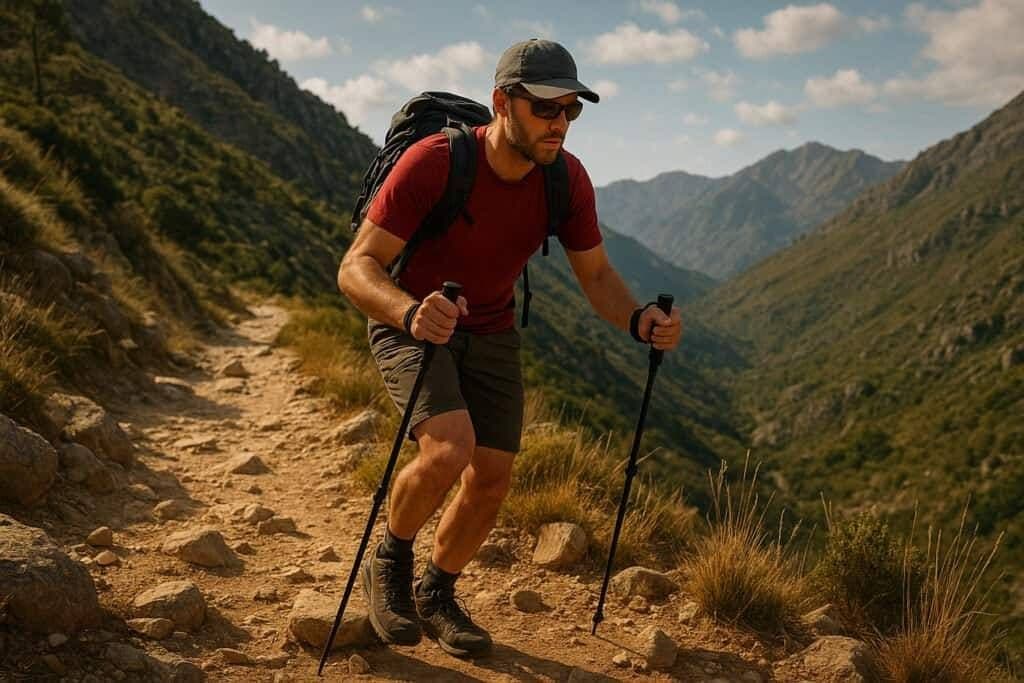 Trekking Tips
By Preetam Singh Rawat|Jan 22, 2026
Knee Pain While Downhill Hiking: Prevention & Safe Descent TechniquesMany trekkers find that perhaps the toughest portion of an mountain trek isn't the difficult upward climb, but the long steep, unending descent. Trails in Himachal Pradesh, Ladakh, and Uttarakhand frequently involve long descents over rough uneven terrain. If not properly prepared and mastered these downhills can put an immense strain on knees making a trek to a painful and uncomfortable experience. In the TrekUp India We have noticed knee pain slowing down, or even stop treks for those who are otherwise fit. The positive side is that knee pain on downhills is generally prevented. With the proper training, equipment and the right movement technique Trekkers can secure their knees, and enjoy ascends and downs with equal ease. The descent of a hill puts more than three times the entire body's weight on your knee joint with each step. Repetition of impact during long inclines can significantly increase the stress on your knee joint. When you descend, your quadriceps are working in an eccentric way to regulate movements. The constant braking force puts an unending tension upon the joint of knee as well as the surrounding tissues. Loose gravel, wet stones and uneven steps create uncomfortable foot positions, which increase the strain on ligaments and tendons. As muscles get older and weaken, shock absorption decreases which makes joints more susceptible to injury and pain, especially towards the end of the day. Strong muscles absorb impacts and help protect joints. The focus should be on: The stronger quadriceps, hamstrings glutes, and calves decrease strain on the knee joint. Regular stretching aids in maintaining flexibility in joints and decreases stiffness. Stretch: Flexible muscles facilitate more smooth movement and improved shock absorption. Training in cardio helps prepare your legs to endure a steady descent. Options that work: Endurance can reduce knee strain caused by fatigue. The extra weight causes knee stress when descending. A lower load means a lower joint impacts. Make smaller, controlled steps to lessen the force of impact. Beware of long strides that can cause painful heel strikes. Maintain a slight bend at the knees, not keeping them straight. This will allow muscles to take on the shock. The trekking poles transfer some weight from your knees onto your arms. Tips: A properly used pole can dramatically lower knee stress. Descending through switchbacks lessens the strain on joints and the severity of gradients when compared to straight downhill movements. The proper footwork can stop sudden knee jolts. The ability to listen to your body's signals is as important as executing the correct technique. Downhill trekking doesn't have the pain of a sling. If you train your muscles properly and flexibility, load management and descent techniques injuries to knees can be drastically diminished or eliminated altogether. We at TrekUp India, we believe that descents should be as fun as ascends. With careful planning, steady pace and precise movement make downhill sections from an unwelcome challenge to an easy, safe part of the trekking journey. Make sure your knees are protected, move carefully, and let each step, whether up or down, add to the enjoyment of the trek.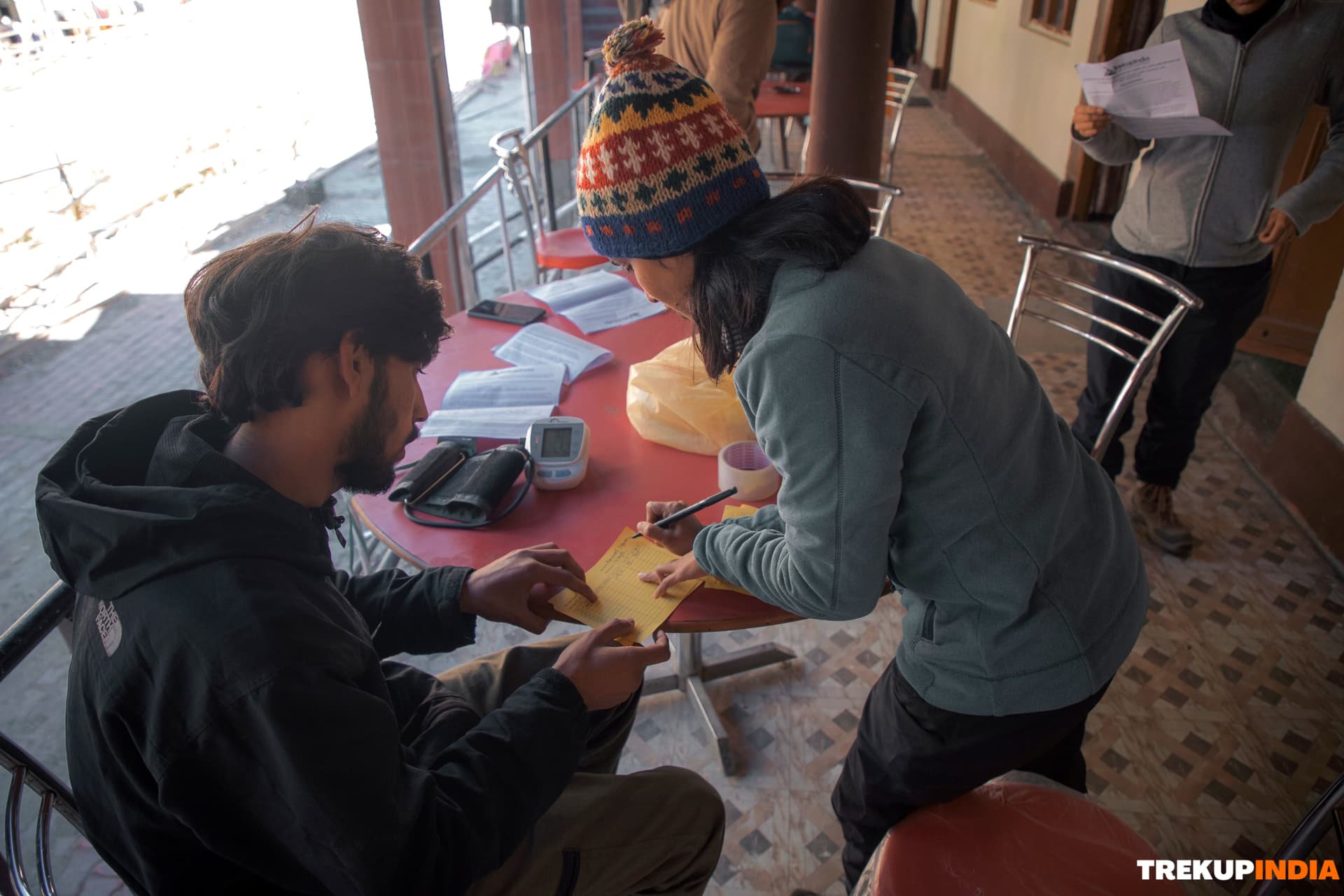 Trekking Tips
By Anoop Rawat|Jan 22, 2026
Acclimatization in the Himalayas: Why Rushing Causes Altitude SicknessThe Himalayas attract climbers and trekkers all over the world due to breathtaking scenery and high altitude difficulties. However, these very same altitudes can pose dangerous physical risks in the event that climbers climb too quickly, without giving their bodies the time to adjust. In TrekUp India We have observed firsthand how inadequate adaptation can result in avoidable medical emergencies, forced evacuations and even abandoned expeditions. Conditions like An acute Mountain Sickness (AMS), High Altitude Pulmonary Edema (HAPE), and High Altitude Cerebral Edema (HACE) are not rare, but they are foreseeable results of an ascent that is rushed without proper rest and proper monitoring. This guide will explain why acclimatization is crucial and how altitude sickness develops and the secure, tested strategies each trekker should use when trekking in the Himalayan Mountains. Above the 2,500 m at 2,500m, oxygen levels decrease dramatically, putting strain to the human body. Higher altitudes mean that your lungs are able to absorb less oxygen each breath and your body needs to gradually adjust by increasing the rate of breathing and heart rate as well as the production of red blood cells. If the ascent rate is too fast the body is unable to compensate adequately, leading to ailments related to altitude. Acute Mountain Sickness (AMS) High Altitude Pulmonary Edema (HAPE) High Altitude Cerebral Edema (HACE) The ascent of the rush is among the main factors of these ailments. During acclimatization days: This lets the body feel less oxygen, while recovering in a safe and secure manner at night. Above 3000m at this point, adhere to the following guidelines: Gradual ascent drastically reduces the risk of contracting AMS. Altitude-related symptoms are exacerbated by dehydration. Best practices: Nutritional support for acclimatization is crucial. Early detection can save lives. Mild AMS: Severe symptoms (HAPE/HACE): Do not ignore the symptoms or try to "push through." Acetazolamide (Diamox) may help in acclimatizing some trekkers, but Medication supports--but never replaces--safe trekking practices. People who don't acclimatize to the terrain frequently encounter: For instance, high altitude treks like Roopkund have been known to produce many AMS cases. Many of them could have been avoided with appropriate acclimatization, pacing and training. The trek in the Himalayas is not a race, it is an gradual acclimatization to the altitude. Be aware of your body's limitations and scheduling acclimatization days and being able to recognize symptoms greatly improves your safety and enjoyment. Here at TrekUp India, we consistently observe that those who slow down do not just ensure their health, but also feel the mountains with more depth. The Himalayas will always be present, but your body won't allow for speed at altitude. Be patient. Relax deeply. Let the mountains come to life in a step-by-step fashion.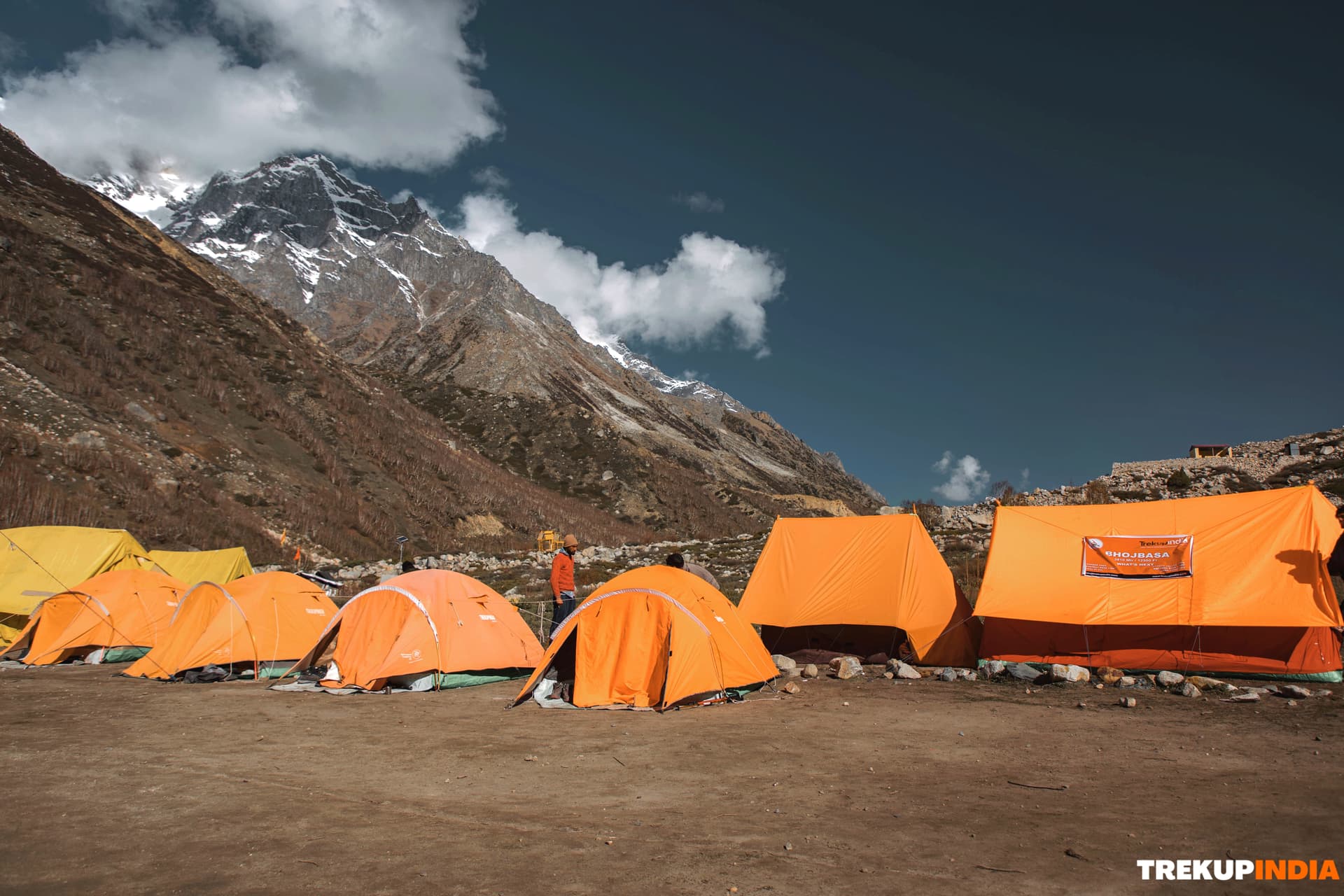 Trekking Tips
By Nanda Rawat|Jan 22, 2026
Camping Cooking Hacks: Easy, Healthy & Nutritious Meals for TrekkersFood during the trek is much more than fuel for the day. It is comfort, recuperation and morale all in one. After a hard day of climbing, walking rough terrain or battling cold winds, a cozy and nutritious meal could completely alter the way a hiker is feeling physically and mentally. In TrekUp India, we've cooked hundreds of meals for campers throughout the Himalayas and Western Ghats. From cold deserts at high altitudes to camp sites in the forest that are damp One thing is for sure: simple, well-planned meals keep trekkers feeling energized and well-nourished.. Camp cooking is not without difficulties: limited fuel, a lack of equipment, unpredictability of weather and high energy requirements. The key is making smart decisions and ensuring that meals are easy, nutritious and effective. The weight of the mountain plays a role. Select ingredients that are light and non-perishable. They are also versatile. Staple carbohydrates: Protein sources: Flavour essentials: Vegetables that are fresh and hardy: These foods provide balanced nutrition that lasts for several days, without refrigeration. One-pot cooking helps save energy, is less messy and streamlines routines at camp. Trustworthy options include: One-pot meals are perfect for those who are exhausted and need to be efficient when it is the most important factor. Preparation in advance saves time and helps avoid the need to carry several containers. When you arrive at camp, just add hot water. There is no measuring or messing up required. This method of reducing fuel consumption is particularly beneficial at higher altitudes. It's great to make quick noodles, soya pieces and grains. It also helps conserve the precious fuel. Small adjustments can greatly boost the calorie density and warm. These supplements are particularly helpful when you live in high-altitude or cold temperatures. Not every meal calls for the use of a stove. Practical snack ideas for you: These snacks are perfect to eat for breakfast or trail breaks, and snacking on snacks for dinner. Inadequate hygiene can cause stomach problems on treks. Always: A healthy lifestyle is just as important as healthy eating outdoors. Cooking in the wilderness isn't about complicated cooking, but about simple planning, smart thinking and nutrition. When you use the correct ingredients and methods simple meals can be comfortable, rejuvenating and relaxing in the camp. In TrekUp India, we have repeatedly observed the way that warm, balanced meals can boost your recovery, improve spirits, and improve all-around trekking experience. In keeping food light healthy, nutritious, and simple to cook, trekkers are able to be able to focus more on enjoying the mountain. Make sure you plan your menu well, cook simple and let each campsite dinner turn into a little celebration in the open air.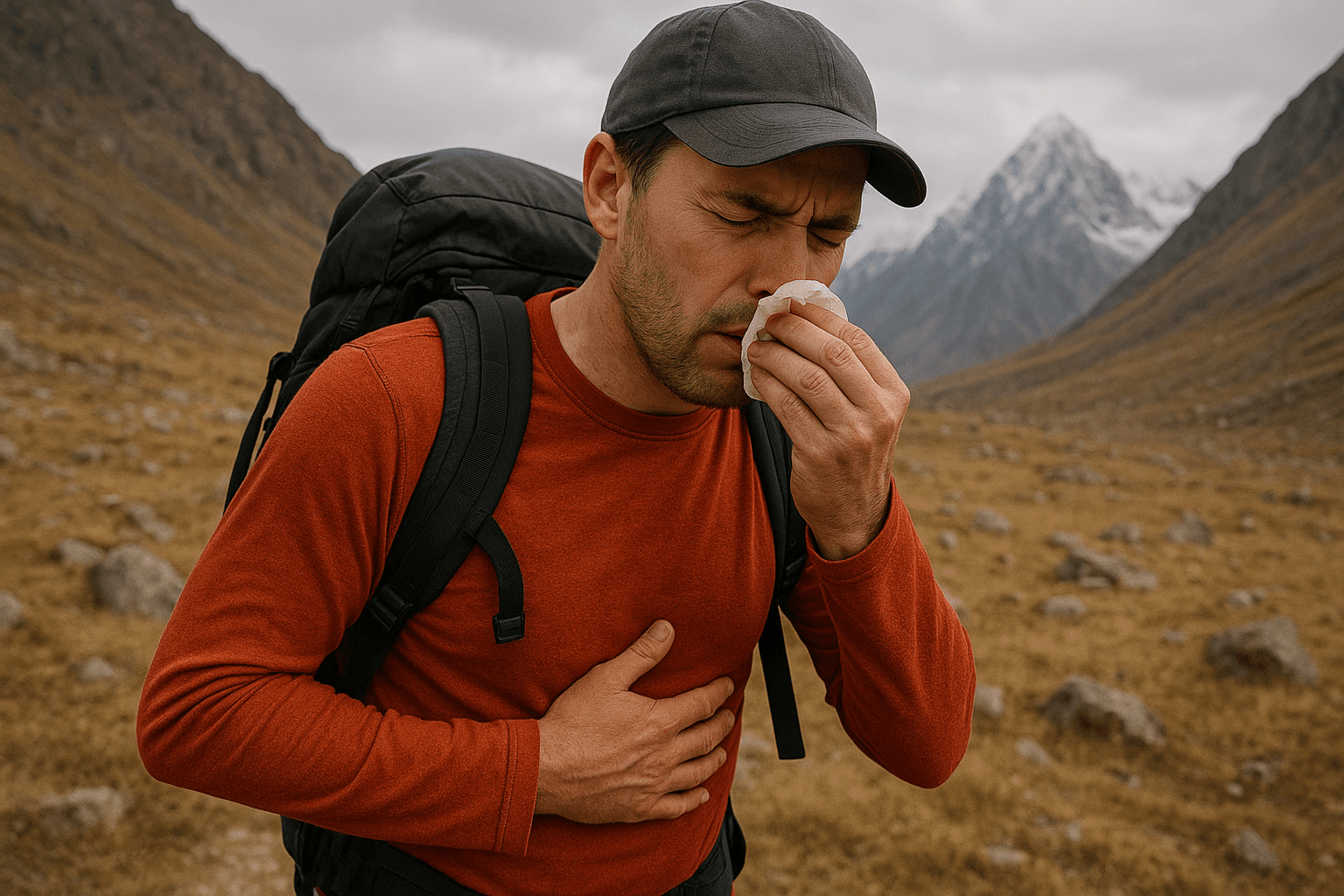 Trekking Tips
By Anoop Rawat|Jan 22, 2026
The Pre-Trek Health Exam India What to Do You Ask Your DoctorThe experience of trekking in the areas like those of the Indian Himalayas or Western Ghats can be a memorable experience that offers breathtaking views, fascinating cultural connections, as well as the excitement of pushing yourself further than ever. But, prior to beginning any trek there is a crucial step that is required that will decide the success or failure of the trek the first step is a pre-trek health assessment. TrekUp India understands that the importance of a well-planned medical plan can make all the difference between a secure and satisfying trek or one that fails prematurely due to illnesses that are preventable. Your body will be challenged including a drop in oxygen levels due to extreme weather conditions and strenuous hikes so consulting with a doctor before beginning can be considered as making a commitment to your safety as well as the success of your training. Before embarking on your trek What are the essential considerations you should talk to your doctor? A high-altitude trekking in India like Roopkund, Stok Kangri, or Goecha La, can put trekkers at risk of developing acute Mountain Sickness (AMS). Talk to your physician concerning: It can be hard and breathing in thinner air can strain the heart and lungs. Therefore, anyone suffering from respiratory problems, COPD as well as heart issues should discuss the subject prior to ascending the mountains. If you haven't done any strenuous exercises in the past few days, a basic stress test can be conducted. Oxygen saturation at rest and following exercise should be fairly consistent. Medical facilities are often distant in rural areas. Talk to your doctor about any questions regarding vaccinations or preventive health care to ensure the best health under these conditions. A booster of Tetanus (especially for children who are older than 10 years old).). Rural and remote trekkers must carry Hepatitis A/B as well as Typhoid vaccines in the event that they go to remote or rural areas. Rabies vaccination is highly recommended for anyone trekking through areas that are populated by wild animals or other wildlife. Watch out if you're hypertensive or diabetic, or suffer from other chronic conditions: Consider altering medication schedules if living remotely. Find out how exercise and altitude affect blood glucose levels or the levels of blood pressure. Extra medication should be kept in containers that are waterproof and labeled. Your doctor can be of assistance in preparing both your mind and body to go on this trek. Cover Pre-treks for training can be an a great method to increase strength, endurance and stability. Ankle back, knee or discomfort that needs bracing or support. Strategies to recover from fatigue or muscle strain Talk to your doctor to obtain their opinion on the selection of the right medical kit for your trek: Pain relieving and anti-inflammatory drugs. Oral Rehydration Salts (ORS). Antihistamines to help with allergies. Essential items for wound treatment (bandages as well as antiseptics). Your diet is likely to alter as your trek advances. How can we ensure electrolytes in balance while trekking? Do not eat certain foods if you are suffering from digestive problems. Safety practices for water that are applicable to mountain areas. Before you embark on your trek making a medical exam can be more than a merely a mandatory procedure. It can provide valuable security from the potential hazards of your trek. To ensure that you are able to meet both physical demands as well as the unpredictable terrain of India will necessitate discussing health issues related to altitude issues with your doctor ahead of time and providing essential medical equipment needed for your diet. Discussion of vaccinations and specific requirements regarding fitness training with them and also any other necessary equipment, will help you to trek through the Himalayas of India successfully. TrekUp India has demonstrated how this can make a huge difference in the experience of an trek which is it is interrupted by unexpected issues or finished with excitement as well as safety and enjoyment. Imagine getting ready to use your most crucial piece of equipment prior to beginning the journey of your body! Trekking Tips
By Nanda Rawat|Jan 22, 2026
Mental Toughness for Trekking: How to Push Through Tough TreksMountain trekking is equally a mental test in the same way as physically demanding. Languish ascents in the Himalayas as well as slippery monsoon tracks through the Western Ghats, biting cold close to summits, and the loss of oxygen levels at high altitudes can be a test for a hiker's determination. Muscles can hurt, breath could be sluggish and worries can sneak into the trail becomes more difficult. We at our TrekUp India We've witnessed time and time again that, while fitness is what gets trekkers going, physical strength and mental stamina is the thing that keeps them up and running. Contrary to equipment that can be packed away or upgraded, mental strength is built through preparation by focusing, awareness, and regular practice both prior to and during the trek. Following strategies provide methods of mental resilience that have been tested in the field and utilized by more experienced trekkers and trek leader to navigate difficult terrains safely and with confidence. Concentrating on the whole distance, which could be 15 km or more, can quickly become overwhelming. Instead, focus on the specifics. Every little achievement builds momentum and increases confidence, making the entire experience feel more manageable. Physical exhaustion can lead to rapid, shallow breathing which then causes anxiety and negative thoughts. A controlled breathing pattern can slow down heart rate, boosts oxygen consumption, and aids in to keep your mind off of stressful stretching. In times of stress it is common for the mind to amplify the discomfort. Removing negative thoughts by using positive self-talk can dramatically alter perception. Examples: While it may seem unnatural at first, positive affirmation is a great way to keep you focused and motivated as fatigue begins to set in. Mental imagery is an effective tool. Imagine yourself: Reward and rest makes difficult terrain feel more purposeful and helps you remember that hard work leads to relaxation and success. When trekking with other people, the collaboration becomes a shared goal. A group effort can often propel people through areas they would be unable to finish on their own. Aversion to discomfort is often a source of the pain. Recognizing that cold, fatigue and strain are all an element of trekking can help reduce mental tension. Instead of thinking "This should not occur," remind yourself: Acceptance transforms hardship into an important part to the overall experience. Doing nothing but dwell on the past or pondering the future's problems drains your mental energy. Instead, focus on the present instead. Focusing on mindfulness diverts attention away from fatigue and shifts difficult upwards into moments of mindfulness and tranquility. Mental toughness is not about absconding with difficulties, it's about accepting the challenges and overcoming these. Each steep ascent, icy wind or exhausting stretch is an chance to increase resilience, confidence and self-confidence. Set smaller goals, managing breathing, practicing positive self-talk, imagining your success, gaining the strength of others, embracing the discomfort and remaining in the moment, trekkers can transform obstacles into achievements. We at TrekUp India, we have repeatedly observed that it's usually the mind, not the legs, that determines whether a hiker can reach the final destination. When you finally take a look back at the end of your trek these moments of uncertainty and adversity often turn into the most memorable and powerful aspects of the trek. Trekking Tips
By Nanda Rawat|Jan 22, 2026
Night Trekking Tips: How to Stay Safe and Enjoy Hiking After DarkNighttime trekking gives a new perspective on the mountains. The trails that are illuminated by the moon as well as cooler temperatures and the peacefulness of night are an experience many trekkers are able to deeply enjoy. But, the reduced visibility, falling temperatures and heightened risks make nighttime trekking demands more preparation and discipline than hiking in the daytime.. TrekUp India TrekUp India We've conducted numerous night walks, usually for summit pushes, sunrise views or short acclimatization hikes. Based on our experience on the ground it is evident that one thing is certain: night treks are enjoyable and safe only if planned with the appropriate plan as well as the right equipment and mental attitude. The use of a flashlight is crucial for nighttime trekking because it keeps your hands free as well as provides constant lighting. Best practices: Do not rely on flashlights for your smartphone because they can drain batteries fast and reduce usability. The temperature drops rapidly when it gets dark even in summer. Wear: Heat loss is the fastest in the hands and head so layering is essential to ensure safety and comfort. Nighttime trekking on unexplored routes greatly increases the chance of becoming lost. Beware of shortcuts and unfamiliar routes at night. A night of solo trekking is strongly advised against. Tips for securing your group: The coordination of groups reduces stress and avoids dissociation. The lack of visibility makes it difficult for dangers to detect. A slower pace lowers risk of injury and keeps the group in sync. The direct light of a bright fixture may temporarily blur vision. The night vision that is preserved improves awareness and balance. In certain areas there are areas where wildlife activity is more active at the night. Respect and awareness are essential in avoiding confrontations. A thirsty person is often disguised by cold conditions. Keeping hydrated and energized helps improve concentration and coordination. Night trekking is not only about achieving your goal. A thoughtful approach can increase enjoyment and safety. Nighttime trekking transforms regular trails into awe-inspiring experiences that provide peace, solitude and a deeper connection to nature. However, the circumstances that can make night hikes amazing also present risky situations that need to be taken care of. With the right lighting, layers of clothing, coordination of groups, as well as route confidence, night hikes can be safe and deeply satisfying. At TrekUp India, we believe the true value of night trekking lies not just in reaching a viewpoint or summit, but in moving thoughtfully through the mountains--respecting their rhythm, silence, and unpredictability. When approached with a sense of preparation as well as awareness trekking beneath the starry skies can be a memorable experience that stays for a long time after the trail is over.