
Prev
1 / 9
Next
 Trekup India on Trek Protocol
By Nanda Rawat|Feb 17, 2026
Leave No Trace Principles: Adapted for Popular Indian TreksThe Indian Himalayas, Western Ghats, and Central Indian forests offer some of the most varied and beautiful trekking landscapes anywhere in the world. But, due to the increasing popularity of trekking these fragile ecosystems are being increasingly impacted by human activities. In TrekUp India, trek leaders often look at the way seemingly innocuous actions - like littering meadows or stepping out of trails, or injuring wildlife--can result in long-term environmental damage. Alpine grasslands forests, forest ecosystems and high-altitude regions recover extremely slow, and often the damage can be irreparable. This is the reason that adhering to this principles of the Leave No Trace (LNT) principles is crucial for anyone who is trekking in India. It was initially developed as an global ethics of outdoor recreation, the guidelines are adaptable to Indian conditions for trekking as well as local culture and habitats for wildlife. Indian trekking regions can be notably vulnerable due to: In contrast to many international trails, the environmental damage in Indian mountains can take decades to recover. Responsible trekking will ensure that these areas remain in pristine condition and accessible to the next generation. Planning ahead can greatly reduce environmental impacts even before the hike begins. The management of waste is one of the most difficult issues for trekkers on Indian treks. Reviewed by Nitin Rana - Trek Leader, TrekUp India This article was read by Nitin Rana who has over 10 years of experience on the ground trekking throughout the Indian Himalayas as well as the Western Ghats. The principles discussed above have been verified by real-world conditions for trails as well as environmental challenges and conservation practices implemented in TrekUp India operations. Leave No Trace is not just a set of rules, it is a responsibilities. It shows respect for nature, the mountains local communities, as well as the future trekkers who will follow these paths. We at TrekUp India, we believe the true value of a trekker isn't determined by the height they have attained, but rather by how well they walk on the Earth under the feet of their shoes. Any responsible choice -- walking on trails, bringing garbage back, and respecting wildlife helps to preserve the trekking heritage of India. When you are preparing for your next hike, be mindful to leave behind nothing more than footprints. Do not take anything back, but memories.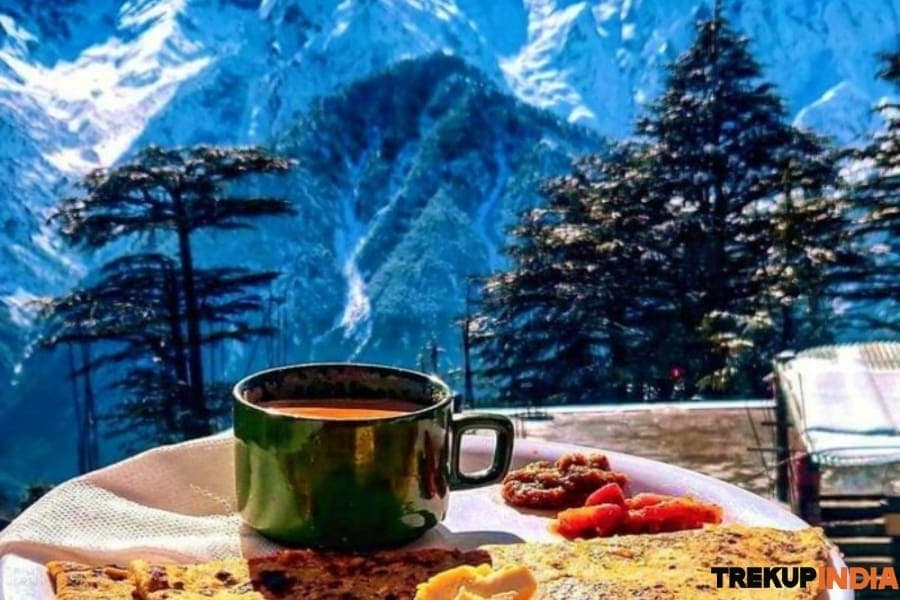 Trekup India on Trek Protocol
By Nanda Rawat|Feb 17, 2026
Vegetarian & Vegan Trekking Nutrition: Protein and Calories GuideA trek through high altitudes like Himalayas or other high altitude regions of India puts a lot of physical strain for the human body. For those who follow an vegetarian or vegan diet the problem is not whether or not it's feasible but whether it's designed correctly. In TrekUp India, we have assisted numerous trekkers with diets based on plants across the challenging Himalayan routes. Our experience on the ground shows that vegans and vegetarian trekkers can perform the same as other trekkers--provided they satisfy their energy, protein and micronutrient requirements. Insufficient planning could result in the loss of muscle, fatigue in recovery, a slow recovery time, and even loss of appetite at high altitudes. If you follow the right approach the right approach, plant-based food can aid in endurance, strength and recovery in the mountains. In high altitudes and on multi-day hikes: Vegans and vegetarians must be mindful of iron Vitamin B12, iron along with omega-3 fats which are essential to fitness and recuperation. The best use for HTML0 is Lunch or dinner at camp Best use: Main meals or protein-rich dinners The best use for it: On-trail snacks and energy boosters The best use for HTML0 is: Lunch or dinner meals Best usage: Evening recovery drink or post-trek snacks At higher altitudes, calorie density matters more than volume. These foods can help meet your the calorie requirements without a heavy stomach burden. BreakfastOatmeal topped with almond butter, bananas, and soy milk Snack for Mid-MorningMix of trail mix that includes pumpkin seeds, nuts and raisins lunchQuinoa served with mix vegetables, tofu and mixed vegetable Lunchtime SnackProtein shake with plant shake of protein with dates DiningLentil soup containing chapati and spinach This structure is able to balance proteins, energy and digestion throughout the day. Examined by Sispal Rana Sispal Rana Trek Leader, TrekUp India This article was examined by Sispal Rana who has extensive experience in leading high-altitude treks for the vegan or vegetarian group of trekkers throughout the Indian Himalayas. The nutritional strategies described above are backed by real-world trail performance, recovery results and altitude-specific dietary issues that were observed during TrekUp India treks. The choice of a vegetarian or vegan diet when trekking through the mountains of India isn't an obstacle, but rather an essential aspect of planning. When you prioritize the consumption of protein-rich foods from plants as well as calorie-dense snacks and essential micronutrients that trekkers are able to maintain the strength, energy, and recuperation throughout their challenging treks. On TrekUp India, we have observed plant-based trekkers complete some of the most difficult Himalayan trails. Often, they do it with more inventive and disciplined diets than their meat-eaters counterparts. With a well-planned preparation, careful packing, and an awareness of your body's requirements, a vegan trekker can excel at altitude, while remaining true to their way of life. Plan well. Take in enough food. Make sure you recover properly.Let plants provide fuel for your journey to the top of mountains.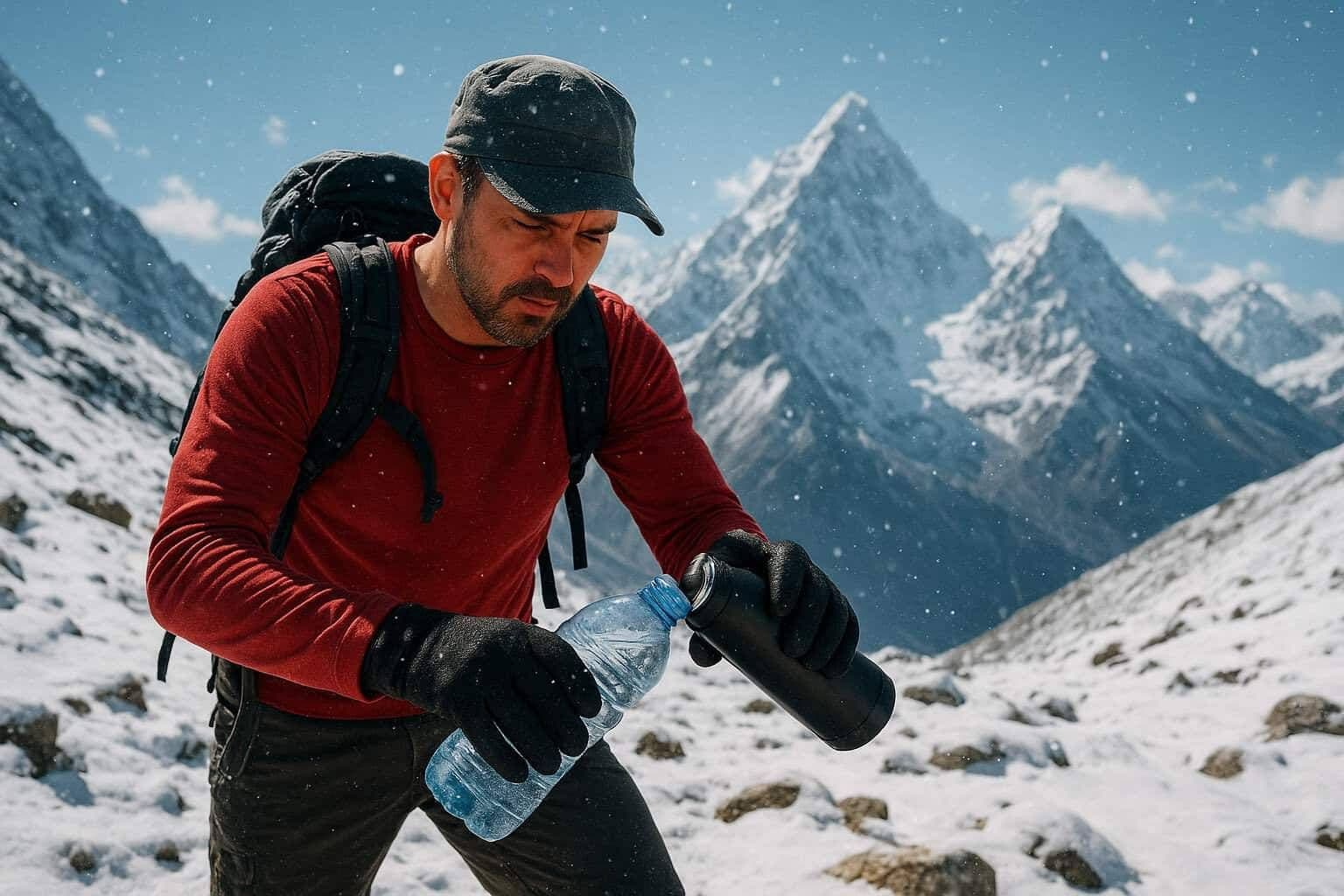 Trekup India on Trek Protocol
By Priyanka Kathiat|Feb 15, 2026
Safe Mountain Water Sources: What to Avoid While TrekkingThe trek to the Himalayas requires relying on natural water sources. However, not all of them are suitable for drinking. Contaminants can cause extreme stomach upset and dehydration and even life-threatening diseases such as cholera or Giardia. Find out the ways TrekUp India can help locate the source, test, clean and purify the water in nature using the TrekUp India method. Drinking water on Indian treks While mountain waters appear to be pure, they can be contaminated by pathogens. The contaminants are: Microbial contamination, like protozoa, bacteria, and viruses may occur. Organic material decays or decomposes over time. The waste generated by human activities (especially near tea houses or trails) must be handled cautiously. Chemical runoff can occur close to villages or areas of grazing. Water testing and removal are not negotiable tasks. Before taking a sample drinking water, be sure to be aware of these aspects of security: Avoid drinking in the vicinity of campgrounds or areas that are used where livestock are grazing. The water that comes directly from snowmelt deposits or glaciers is often the purest. For added security it is recommended to clean or treat it in order to ensure its purity and effectiveness. Natural springs that originate from the rock formations of high altitude are known to be mineral-rich while being relatively safe. Be on the lookout for evidence of activity from animals in the vicinity. Trekup India Hints: The water sources located at the top of valleys tend to be more clean drinking water sources than the sources that follow them. Avoid drinking from slow-moving streams or puddles which may be contaminated with debris or have been contaminated with algae. The water could be contaminated with parasites that could make you sick. Animal waste is a huge pollutant source. Be cautious of rivers that flow close to Gujjar refuges as well as sheep stations and paths that lead into the forest for the purpose of grazing. Human waste such as soap scum and other waste can be seen floating along streams in the vicinity of popular spots for relaxation, like tea houses and camping sites. It is a mistake to assume that drinking water is always available in mountain areas. However with the right understanding and knowledge you can be adequately hydrated, without compromising your health overall.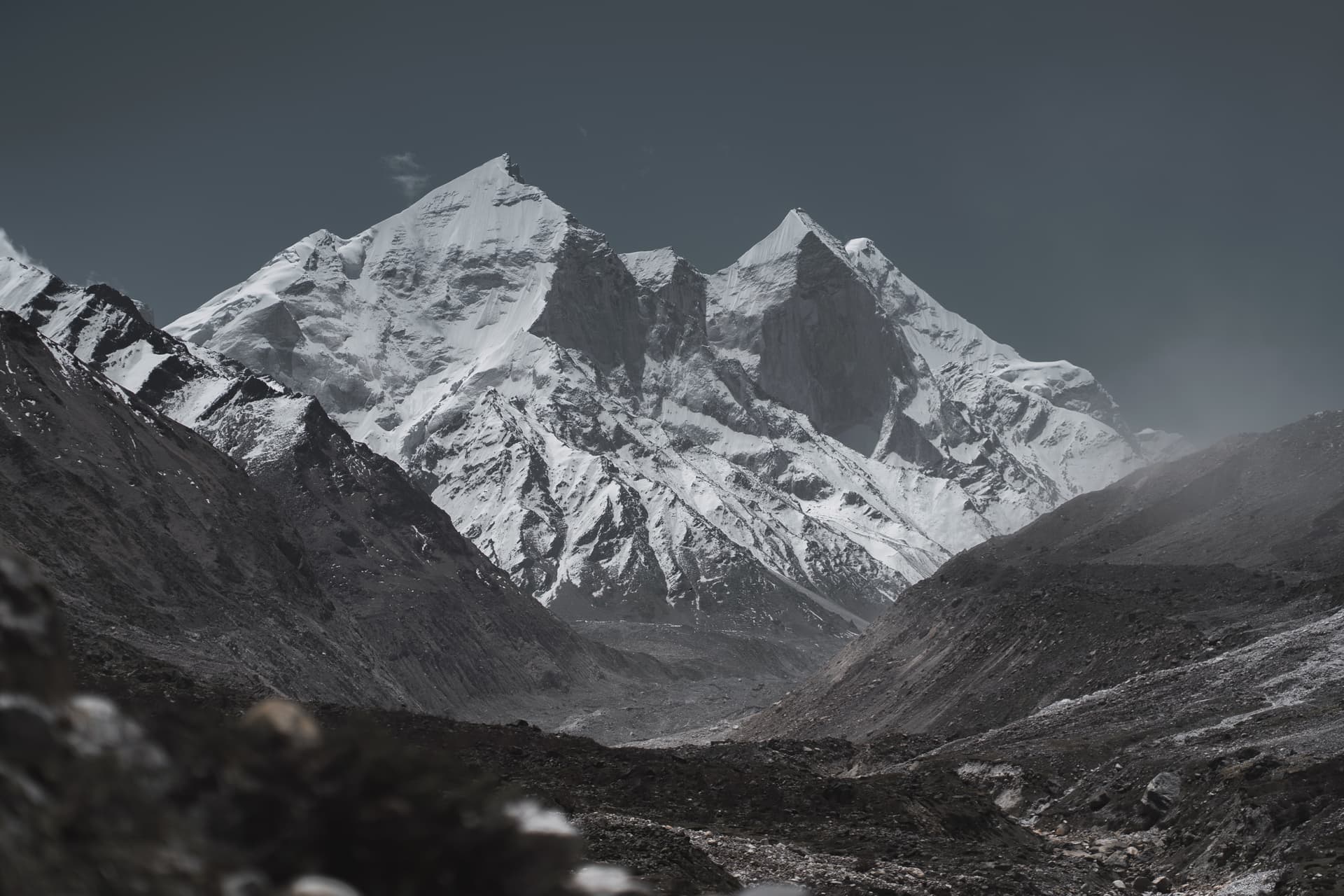 Trekup India on Trek Protocol
By Anoop Rawat|Feb 15, 2026
Top 5 Lesser Known Trekking Tips in India by Trekup IndiaTrekup India believes that the best treks aren't just about the trails. Trekup India, think that enjoyable hikes don't only focus on the trails, they're also about traveling with an awareness of. While most trekkers know the basics-layering, hydration, and acclimatization-there's a world of lesser-known hacks that can dramatically improve your trekking experience. These are the kinds of techniques experienced trekkers use at an end of their minds that could be an important decision between a good excursion and one that's good quality. If you're planning to visit the frozen regions that are Kedarkantha or the stunning meadows of Brahmatal or the rocky canyons which form Pin Bhaba This is the top five tips for trekking that every Indian hiker must be aware of. Blisters are the most common cause of injuries to your walk. Moisture + friction = painful feet. Spread petroleum jelly (Vaseline) on hotspots prior to wearing socks. In the evening high altitude nights be frigid-sleeping within a cozy location is vital. Keeps the water in your body from freezing during the the night. Rehydrate as soon as you wake up! A mountain-based toilet can be scarce as well, and cat hole digging isn't often possible. Sprinkle baking soda inside to neutralize odor. Repairs each and every product-shoes or backpacks, and also cuts (in the case of the need to repair them in the event of). If you're at altitude the body needs electrolytes in addition to power.. The mountains will reward people who design their trek meticulously - not just those with massive loads. With a few clever modifications and hacks to make your trip more efficient your journey will be easier, more smooth, and a lot more enjoyable.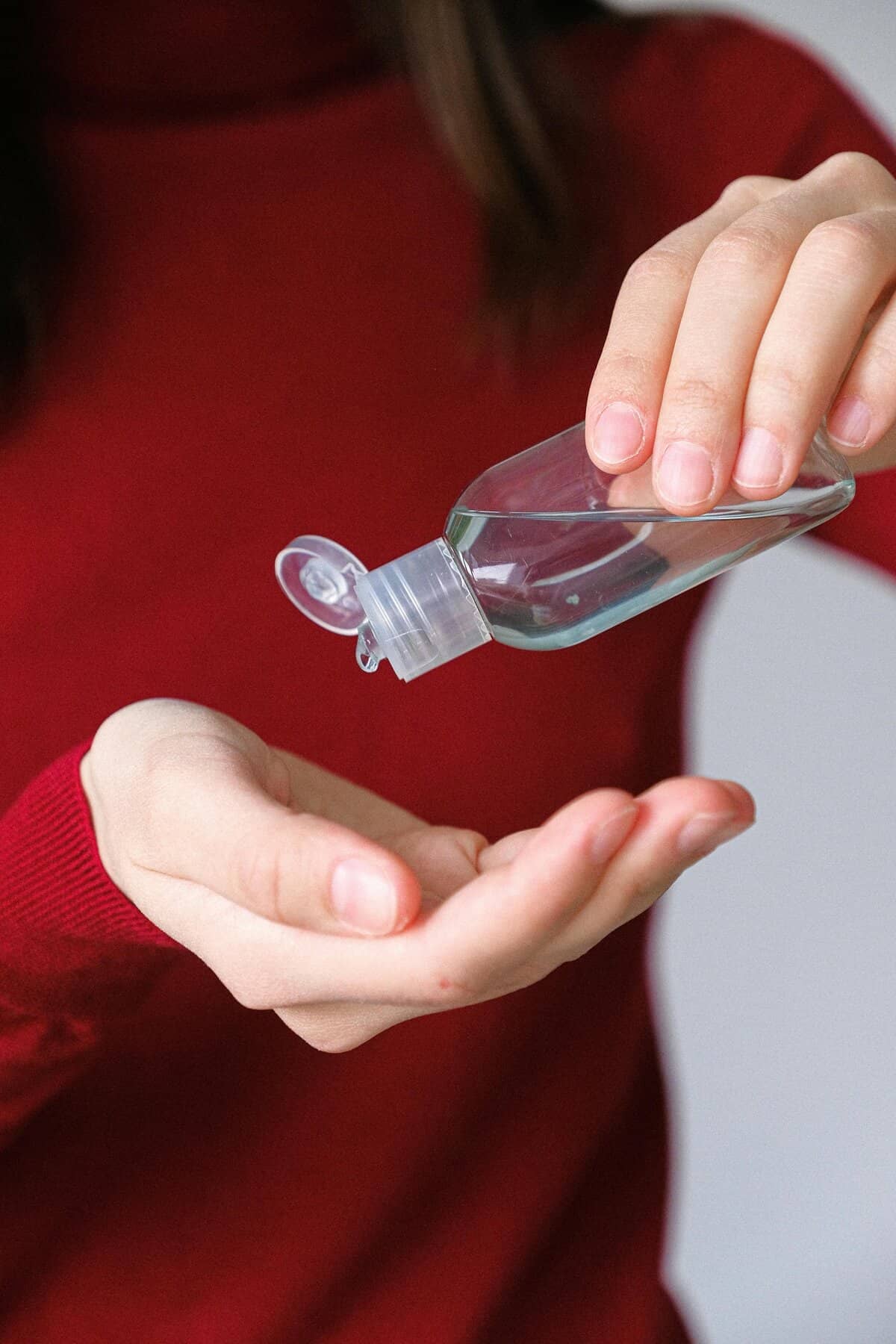 Trekup India on Trek Protocol
By Shivam Shingari|Feb 15, 2026
Trek Hygiene Tips India: Stay Clean on Multi-Day TreksTrekUp India provides simple guidelines to ensure proper sanitation when out on the trail or in the wilderness to make your experience pleasant and safe. By following the most basic hygiene guidelines with minimum effort, you'll remain well-groomed and safe, and will avoid the common health issues in the general population while staying at ease in the remote areas within the Himalayas or Western Ghats. Like everything else preparedness is the most important factor to reducing body odours, dental hygiene and foot hygiene during hiking to control the body odours to dental cleanliness, feet hygiene and eliminating garbage. Cleanliness does not just enhance your trek experience but assures that nature and the other trekkers are treated with respect when you are on the trail. This is because cotton draws sweat, is damp, and eventually becomes the ideal environment for the growth of bacteria. Merino wool/synthetic fabric blends can be naturally antimicrobial, yet dry quickly. You can use two pairs at a time and then turn them around. Professional Tips: Hang sweaty clothing outside your tent during the evening to let the UV rays kill bacteria! What you need: Biodegradable soap such as Dr. Bronner's soap or similar alternatives (such for instance, DTronners soap ) Microfiber light towel which holds 1L of water. How to:Wash a bandana or cloth with soap. Find the most important regions (armpits as well as the groin and the foot). Make sure to wash your hands with water (or wet towels). Dry your clothes with a towel or by air drying. Additional: Use biodegradable baby wipes to refresh your baby's diaper quickly. Dental Hygiene: Don't Neglect Your Teeth Get started with healthy dental hygiene now by putting together an electric toothbrush along with a little bit toothpaste (or baking soda as a backup). Food particles that get caught between your teeth can cause bad breath, gum infections and much more if it is left untreated for a long time. With flossing tools available for buy at the drugstores of today and now more than ever it is imperative to regularly floss to maintain good breath, and maintain your dental health! Mint leaves that are found in Himalayan treks can aid in refreshing your breath. Hacks Avoid rinsing to ensure less water use. Remove any extra paste. Foot Care: Prevent Blisters and Fungus Your feet are important Take good care of them by making sure they are comfortable by airing them off at regular intervals by applying antifungal powder during the evening, and sleeping in dry socks (preferably dry socks) and covering hot spots before blisters develop by using moleskin or tape to prevent any further complications. Warn: Never ignore persistent swelling/redness. Early treatment will prevent from a disaster! Note: When you go on a trek, maintaining your the hygiene of women is essential to ensure your comfort and well-being. It is recommended to carry particular items such as biodegradable pads as well as an menstrual cup or tampons and a small, sealed bag to store the waste. Menstrual cups are an ideal option because it helps reduce the amount of waste generated and can be reused. If you're using pads or tampons be sure to take them along with you. In addition, having a tiny hand sanitizer bottle and the size of a bidet for travel can help. A good hydration level as well as wearing comfortable, quick drying underwear will also help to prevent infections. By focusing on these tips, you can ensure an enjoyable and comfortable walking experience. Use hand sanitizer before meals and at toilet breaks to ensure optimal hand health. Soap leaves provide a gentle alternative. Important: For best results in fighting stomach bugs, try not touching your face with dirty hands. Dry, flaky hair (or baby's powder) can be absorbed through the scalp. The hat or bandana protects you from sun-induced injury by covering up hair exposed to dirt or oil by covering it and securing it. Sunburn protection is crucial. Lip balm and sunscreen can help ease this discomfort. Notice: Long hair should be braided to prevent tangles. To create an efficient kit for hygiene that is light and efficient, we need to design a kit that is both lightweight and powerful. Here's the things you should bring Biodegradable soap, Microfiber towelettes, toothbrush plus paste (biodegradable) Biodegradable wet wipes (biodegradable) ecological that are wet (biodegradable) wipes that are biodegradable (biodegradable) Handsanitizer with antifungal powder as well as Ziplock baggies (for garbage) Specific products designed for menstrual cycles (if required). The incredible treks of India don't necessarily have to come an expense to your personal hygiene. With the proper preparation and equipment at the bag, any trek will be clean, healthy and calming regardless of the length. Through smart choices in clothing and schedules for dry-cleaning and the treatment of feet and dental hygiene tips for women, each little effort can make for an overall relaxed, relaxing and safe trip. In the course of TrekUp India We have discovered that maintaining a healthy lifestyle will boost your morale and also helping to avoid problems such as blisters, infections and digestive problems. So, you should take your health as seriously as you do your equipment and fitness. Healthy people make happy trekkers! That's exactly what we aim for on every hike. Trekup India on Trek Protocol
By Kanishk s|Feb 15, 2026
Altitude Hydration: Why It Matters More at High AltitudesIf you're considering climbing at a high altitude, you should consider India. It could be in the region of Leh-Ladakh, Roopkund or Annapurna Circuit altitude sickness should be treated with care and prompt treatment strategies such as Diamox (Acetazolamide) is highly recommended, even though the use of this drug is a subject to many misperceptions. However, it is true that sometimes medicines such as Diamox (Acetazolamide) can be linked to misinformation, misinformation and abuse. Trekup India believes in creating knowledgeable trekkers. Here's everything you need to be aware of Diamox that was accumulated over the years of experience trekking even on one of India's most challenging trails. Diamox (Acetazolamide) is an antidiuretic as well as a carbonic anhydrase inhibitor that is designed to alleviate severe mountains sickle (AMS). By increasing breathing rate and assisting the body to absorb more oxygen faster it helps to in acclimatizing faster and also helps maintain the blood pH level in a balanced manner - acting as neither an anti-inflammatory or an effective treatment, but rather to be used as a preventative measure. According to Trekup's medical expert and Trek leader, the Diamox could be the most effective when: Rapid ascents to 2,500- three hundred metres is alarming even if you've never had this condition. Begin taking this supplement 24 to 48 hours prior to leaving and then continue for several days following getting to a the highest altitude. The trek route provides several days of acclimatization, before climbing uphill for a few days (similar the Kedarkantha and Pangarchulla Treks). A daily dose of 125 mg, taken every day twice should be enough to stop the onset of OCD. NOTE: Always seek medical guidance prior to self-medicating using Diamox. Do not attempt self-medication before consulting with your doctor first. Reality: No need - as long as your travel plans include appropriate modifications and you're healthy and well-experienced. For maximum performance, it is recommended to only be worn by people who are particularly susceptible or risky. Realism: For optimal effectiveness ensure that you take your medication prior to the symptoms begin to manifest. Taking too soon can decrease its effectiveness and delay improving. Like other medications, Diamox may cause minor to moderate adverse reactions, which require Trekup India trekkers to be cautious about: Taste change: It is especially relevant to carbonated drinks. Nervousness, dizziness, or mild nausea Wear sun block! Allergies (particularly to medicines containing Sulfa-based components) Expert tips: Before travelling, take a test of any medication at home for a week prior to departing for your trip to observe the way your body responds. Diamox is an effective tool for fighting Acute Mountain Sickness if properly and with care. Trekup India has witnessed its application to aid trekkers in navigating difficult terrains at higher altitudes more comfortably. We have also observed its misuse or dependence, which could result in negative outcomes for trekkers. Take note that Diamox should never be used in lieu to acclimatization, exercise, drinking fluids or a thoughtful plan of the best route. Diamox should only be taken for support measures-particularly those who may experience issues at altitude or are traveling along an accelerated ascent path. Before including Diamox into your hiking routine you should consult a doctor to know the body's response and discuss the matter the information with your trek leader. If used correctly it can give additional peace and security when hiking. Trekup India on Trek Protocol
By Adhish Bhandari|Feb 15, 2026
Medication for Altitude: Diamox Uses, Misconceptions & Side EffectsIf you're considering climbing at a high altitude, you should consider India. It could be in the region of Leh-Ladakh, Roopkund or Annapurna Circuit altitude sickness should be treated with care and prompt treatment strategies such as Diamox (Acetazolamide) is highly recommended, even though the use of this drug is a subject to many misperceptions. However, it is true that sometimes medicines such as Diamox (Acetazolamide) can be linked to misinformation, misinformation and abuse. Trekup India believes in creating knowledgeable trekkers. Here's everything you need to be aware of Diamox that was accumulated over the years of experience trekking even on one of India's most challenging trails. Diamox (Acetazolamide) is an antidiuretic as well as a carbonic anhydrase inhibitor that is designed to alleviate severe mountains sickle (AMS). By increasing breathing rate and assisting the body to absorb more oxygen faster it helps to in acclimatizing faster and also helps maintain the blood pH level in a balanced manner - acting as neither an anti-inflammatory or an effective treatment, but rather to be used as a preventative measure. According to Trekup's medical expert and Trek leader, the Diamox could be the most effective when: Rapid ascents to 2,500- three hundred metres is alarming even if you've never had this condition. Begin taking this supplement 24 to 48 hours prior to leaving and then continue for several days following getting to a the highest altitude. The trek route provides several days of acclimatization, before climbing uphill for a few days (similar the Kedarkantha and Pangarchulla Treks). A daily dose of 125 mg, taken every day twice should be enough to stop the onset of OCD. NOTE: Always seek medical guidance prior to self-medicating using Diamox. Do not attempt self-medication before consulting with your doctor first. Reality: No need - as long as your travel plans include appropriate modifications and you're healthy and well-experienced. For maximum performance, it is recommended to only be worn by people who are particularly susceptible or risky. Realism: For optimal effectiveness ensure that you take your medication prior to the symptoms begin to manifest. Taking too soon can decrease its effectiveness and delay improving. Like other medications, Diamox may cause minor to moderate adverse reactions, which require Trekup India trekkers to be cautious about: Taste change: It is especially relevant to carbonated drinks. Nervousness, dizziness, or mild nausea Wear sun block! Allergies (particularly to medicines containing Sulfa-based components) Expert tips: Before travelling, take a test of any medication at home for a week prior to departing for your trip to observe the way your body responds. Diamox is an effective tool for fighting Acute Mountain Sickness if properly and with care. Trekup India has witnessed its application to aid trekkers in navigating difficult terrains at higher altitudes more comfortably. We have also observed its misuse or dependence, which could result in negative outcomes for trekkers. Take note that Diamox should never be used in lieu to acclimatization, exercise, drinking fluids or a thoughtful plan of the best route. Diamox should only be taken for support measures-particularly those who may experience issues at altitude or are traveling along an accelerated ascent path. Before including Diamox into your hiking routine you should consult a doctor to know the body's response and discuss the matter the information with your trek leader. If used correctly it can give additional peace and security when hiking.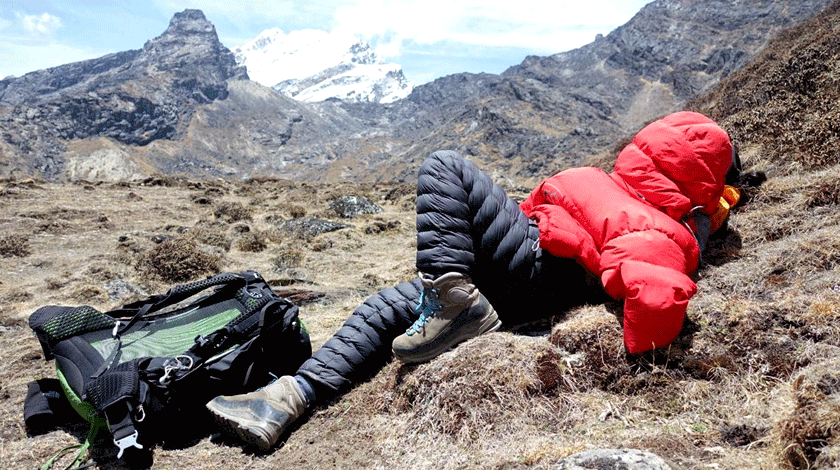 Trekup India on Trek Protocol
By Preetam Singh Rawat|Feb 13, 2026
What Happens to the Body at High Elevations? Effects & Altitude AdaptationThe higher altitudes at which you can trek is an unforgettable experience, both physically and metaphorically. When you climb over 8000m (2,400 feet) or trekking towards Himalayan summits your body goes through a variety of physical changes as it adjusts to lower oxygen at higher elevations. certain changes are manageable while others could be dangerous if not managed. Be aware of any potential physical changes at higher elevations is vital when you are hiking through the mountains. The climb to the Himalayas requires exploration of high altitude areas which is why trekkers must be aware of the impact of this environment on their lives. We prefer the term "exploring" instead of "trekking" because your body reacts similarly to walking, cycling across Khardung La, or simply exploring. So, anyone who is planning an excursion to destinations at high altitudes should read this article and be aware of any possible consequences of high altitude environments. This piece should be required reading! At sea level, your body gets used to the particular amount of oxygen available and will naturally adapt by increasing the intake, which results in you breathing more frequently. When blood oxygen levels are low and discovered your body responds by boosting the circulation of oxygen-rich blood. This causes the heart rate to increase and bone marrow producing numerous red blood cells that supply oxygen throughout your body; ultimately, too numerous red blood cells may cause blood flow to slow down like thickened ketchup resulting in possible clotting when it is not functioning. Higher altitudes mean that increased stress on your lungs and heart causes your body to expelling excess fluids to ease the burden diuresis. Sleep issues at higher elevations can also be caused by breathing in shallowness at night, which prompts your brain to awaken you and remind you to breath properly, which can lead to less restful sleep all over. Adjustments to your body's posture can be a factor in adjusting to higher altitudes. In relation to the physical changes that you're experiencing It's important to understand that they can occur without exerting yourself. They are not related to climbing or hiking. It's simply a result of being at a higher elevation. If you're sitting on an level ground, your body will become more able to adapt to changes. This could be tiring as time passes. It is important to recognize that the changes I've mentioned to date are merely naturally occurring responses to an elevation increase and are not indicators of an issue. The majority of our bodies are able to adjust to higher altitudes. However some times, our bodies are unable to adapt completely, resulting in high-altitude sickness or just being uncomfortable at higher altitudes. Knowing the basics of research makes treating these illnesses fairly simple - the most common issue for trekkers is often to be an inability to recognize the situation which is why I wanted to share this information. Be aware that ignoring stress at altitude could result in serious illnesses that include acute mountain sickness (AMS). This condition is characterized by symptoms like nausea dizziness, headaches fatigue, and a loss of appetite, typically within 6 to 24 hours following ascending to an altitude of more than 8,000 feet. To alleviate the symptoms, you should take frequent breaks and drink plenty of water. Do not ascend or descend if symptoms get worse. Acute Altitude Pulmonary Edema (HAPE) is a condition which could be fatal if it is not treated promptly. The symptoms include breathing problems and chest tightness, as well as coughing that is wet and fatigue. For this reason, it is recommended to quickly descend from high altitudes and seek medical attention immediately. HACE also known as High-Altitude Cerebral edema (HACE) is a serious condition that can cause confusion hallucinations, incoordination and hallucinations as well as a lack of consciousness at higher altitudes. If it occurs rapidly enough, it will require immediate action, including swiftly dropping to lower altitudes and receiving oxygen therapy as quickly as you can. The effects of high altitude differ based on the individual affected. Some individuals might not experience any problems at 10,000 feet, while others may begin to experience symptoms as high as 8000 feet. Fitness doesn't provide protection, but getting acclimatized, drinking enough water and being mindful are the best ways to adapt. Be aware of the signals your body emits and recognize any warning signs when discomfort occurs, and don't risk yourself by attempting to climb the top of the mountain! Trekup India on Trek Protocol
By Nanda Rawat|Feb 13, 2026
Trekking Hygiene: Smart Ways to Stay Fresh & Healthy on the TrekIt is a great way to spend time with friends however, it may also bring challenges of its own such as dealing with grime and dirt and a deficiency of services. Although toughness is a normal part on treks, maintaining good hygiene practices on longer or more intense trips is crucial for health. Simple and healthy hygiene practices can help you stay safe from infections, illness and unpleasant outdoor conditions while also protecting yourself from illnesses, infections, or unpleasant outdoor experiences. Cleaning up after Trekking isn't easy for women who suffer from menstrual issues particularly if there's bathrooms in the vicinity. But there are effective methods and techniques to ensure you are clean and fresh while out on the trails. Trekup India women's Trekking members have put together a list of tips they recommend as methods to keep well-groomed while trekking. Trekup India believes that being healthy does not have to be a struggle however sometimes, taking a few Treks before you know how to manage menstrual flow on outdoor activities is crucial for optimal hygiene practices. The choice of tampons over pads can provide better hygiene. Tampons are small extremely absorbent and efficient in capturing menstrual flow. The main benefit is the fact that they dry rapidly after being inserted, which makes them a great choice for performing activities like walking along rivers or during rainy days. Additionally, their compact dimensions allow them to fit in every backpack, without consuming too much space however, according to Sandhya UC notes, it is essential that users get comfortable with tampons before going on lengthy Treks or walks relying only on them. Don't throw away used products for sanitary use as litter during your trek. Instead, take them home and dispose of them properly when you return to town. If you do not want to use tampons in any way then sanitary pads might be a viable alternative. While they are generally accepted and are accepted in social settings but they might not be practical when you are trekking. Their size makes them susceptible to leakage, however when you find that sanitary napkins make your comfortable, feel free to use them. Menstrual cup is highly recommended. Whatever method you choose make sure that all the items you use return back with you - with newspaper wraps or Ziploc bags - and not leave any items behind at the foot of the mountain. Bio-toilets help menstrual hygiene management while trekking much more convenient due to the eco-friendly materials used in bio-toilets. From pads and tampons to menstrual hygiene, to cups made of sustainable materials allow users to effortlessly maintain the hygiene of their menstrual cycle when they are outdoors. Its size is comparable to a standard bathroom to make it easier to use during outdoor activities. For instance, Lakshmi Selvakumaran, Team Head of Trekup India, has observed her menstrual cycle is consistent while hiking - an easy clean-up using a damp towel is perfect! Prather utilized bio toilets while trekking, but she they could make managing menstrual flow more difficult when outdoors than standard bathrooms. For trekking, you must use wet wipes that are eco-friendly; however their use is now prohibited during treks. Instead, we recommend the use of scentless or soft handkerchiefs made of tissue paper that need to be soaked prior to using to wipe. It is essential to ensure that your hands are clean prior to using them. changing your clothes. "Grooming during extreme temperature fluctuations such as nighttime or the morning hours is advised" according to Sandhya UC. The ideal is to have grooming done early in the morning rather than being put off until later in the afternoon in the manner that is typically done. Morning is the best time to wash and change. If you're planning an excursion one of the first questions you will be asked is what clothes to bring. Women often wonder if new clothes should be packed each day when traveling; according to Sandhya UC's general guidelines is that 3 outfits will suffice on a trip lasting 8-10 days that includes your current clothes and two spare sets. Start by choosing an outfit. Replace sweaty clothes with clean ones inside, while leaving sweaty ones outside making use of both sets for different climate zones. If you can you can wash sweaty clothes by soaking them in water prior to drying them before wear them once more. As you climb higher elevations, where sweat production decreases could necessitate changing clothes less often; if this is the situation, it's sensible to switch clothes every two or three days. Sandhya recommends carrying daily a new set of underwear during menstrual cycles or swapping out cloth panties that are disposable regularly lightweight options that don't take up much space in your bag. You might want to consider having separate bags that can be resealable specifically for sweaty socks and underwear in order to keep them separate from clean clothes inside your bag. This will help keep soiled items separated. Being healthy on the trail can be simpler than you think. Make sure your daily hygiene routines, like washing the hair and washing your face, as well as going to the bathroom are in good order. Camping sites usually provide easy access to clean drinking water to ensure easy drinking. When packing toilet paper, be sure it's biodegradable or organic.