
It is a great way to spend time with friends however, it may also bring challenges of its own such as dealing with grime and dirt and a deficiency of services. Although toughness is a normal part on treks, maintaining good hygiene practices on longer or more intense trips is crucial for health. Simple and healthy hygiene practices can help you stay safe from infections, illness and unpleasant outdoor conditions while also protecting yourself from illnesses, infections, or unpleasant outdoor experiences. Cleaning up after Trekking isn't easy for women who suffer from menstrual issues particularly if there's bathrooms in the vicinity. But there are effective methods and techniques to ensure you are clean and fresh while out on the trails. Trekup India women's Trekking members have put together a list of tips they recommend as methods to keep well-groomed while trekking. Trekup India believes that being healthy does not have to be a struggle however sometimes, taking a few Treks before you know how to manage menstrual flow on outdoor activities is crucial for optimal hygiene practices.
How to manage periods while trekking
The choice of tampons over pads can provide better hygiene. Tampons are small extremely absorbent and efficient in capturing menstrual flow. The main benefit is the fact that they dry rapidly after being inserted, which makes them a great choice for performing activities like walking along rivers or during rainy days. Additionally, their compact dimensions allow them to fit in every backpack, without consuming too much space however, according to Sandhya UC notes, it is essential that users get comfortable with tampons before going on lengthy Treks or walks relying only on them. Don't throw away used products for sanitary use as litter during your trek. Instead, take them home and dispose of them properly when you return to town. If you do not want to use tampons in any way then sanitary pads might be a viable alternative. While they are generally accepted and are accepted in social settings but they might not be practical when you are trekking. Their size makes them susceptible to leakage, however when you find that sanitary napkins make your comfortable, feel free to use them. Menstrual cup is highly recommended. Whatever method you choose make sure that all the items you use return back with you - with newspaper wraps or Ziploc bags - and not leave any items behind at the foot of the mountain.
Bio-toilets: How do you make use of them?
Bio-toilets help menstrual hygiene management while trekking much more convenient due to the eco-friendly materials used in bio-toilets. From pads and tampons to menstrual hygiene, to cups made of sustainable materials allow users to effortlessly maintain the hygiene of their menstrual cycle when they are outdoors. Its size is comparable to a standard bathroom to make it easier to use during outdoor activities. For instance, Lakshmi Selvakumaran, Team Head of Trekup India, has observed her menstrual cycle is consistent while hiking - an easy clean-up using a damp towel is perfect! Prather utilized bio toilets while trekking, but she they could make managing menstrual flow more difficult when outdoors than standard bathrooms.
How do you bathe on the hike?
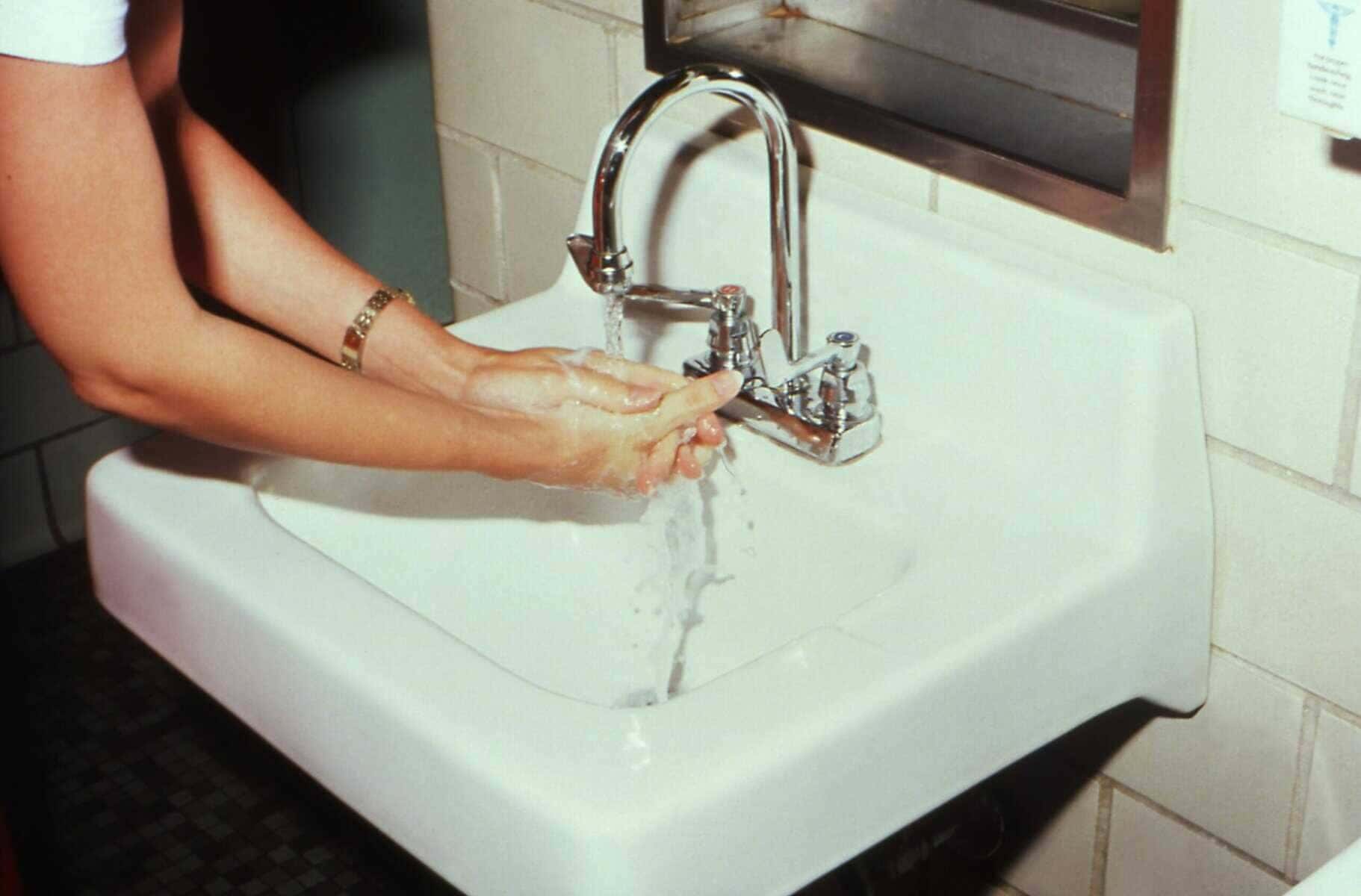
For trekking, you must use wet wipes that are eco-friendly; however their use is now prohibited during treks. Instead, we recommend the use of scentless or soft handkerchiefs made of tissue paper that need to be soaked prior to using to wipe. It is essential to ensure that your hands are clean prior to using them.
Clothing worn on the trek
changing your clothes. "Grooming during extreme temperature fluctuations such as nighttime or the morning hours is advised" according to Sandhya UC. The ideal is to have grooming done early in the morning rather than being put off until later in the afternoon in the manner that is typically done. Morning is the best time to wash and change.
If you're planning an excursion one of the first questions you will be asked is what clothes to bring. Women often wonder if new clothes should be packed each day when traveling; according to Sandhya UC's general guidelines is that 3 outfits will suffice on a trip lasting 8-10 days that includes your current clothes and two spare sets.
Start by choosing an outfit. Replace sweaty clothes with clean ones inside, while leaving sweaty ones outside making use of both sets for different climate zones. If you can you can wash sweaty clothes by soaking them in water prior to drying them before wear them once more. As you climb higher elevations, where sweat production decreases could necessitate changing clothes less often; if this is the situation, it's sensible to switch clothes every two or three days. Sandhya recommends carrying daily a new set of underwear during menstrual cycles or swapping out cloth panties that are disposable regularly lightweight options that don't take up much space in your bag. You might want to consider having separate bags that can be resealable specifically for sweaty socks and underwear in order to keep them separate from clean clothes inside your bag. This will help keep soiled items separated. Being healthy on the trail can be simpler than you think. Make sure your daily hygiene routines, like washing the hair and washing your face, as well as going to the bathroom are in good order. Camping sites usually provide easy access to clean drinking water to ensure easy drinking. When packing toilet paper, be sure it's biodegradable or organic.
About the Author: Trekking Expertise You Can Trust

Operations Manager
Nanda Rawat holds a Master’s degree in Tourism & Hospitality and brings over 16 years of experience in adventure and leisure travel. He has led multiple Himalayan expeditions, contributed to ATOAI, and is trained in first aid by the Indian Mountaineering Foundation. A strong supporter of sustainable and ethical tourism, he plays a key role at Trekup India. Write to him at: nanda@trekupindia.com