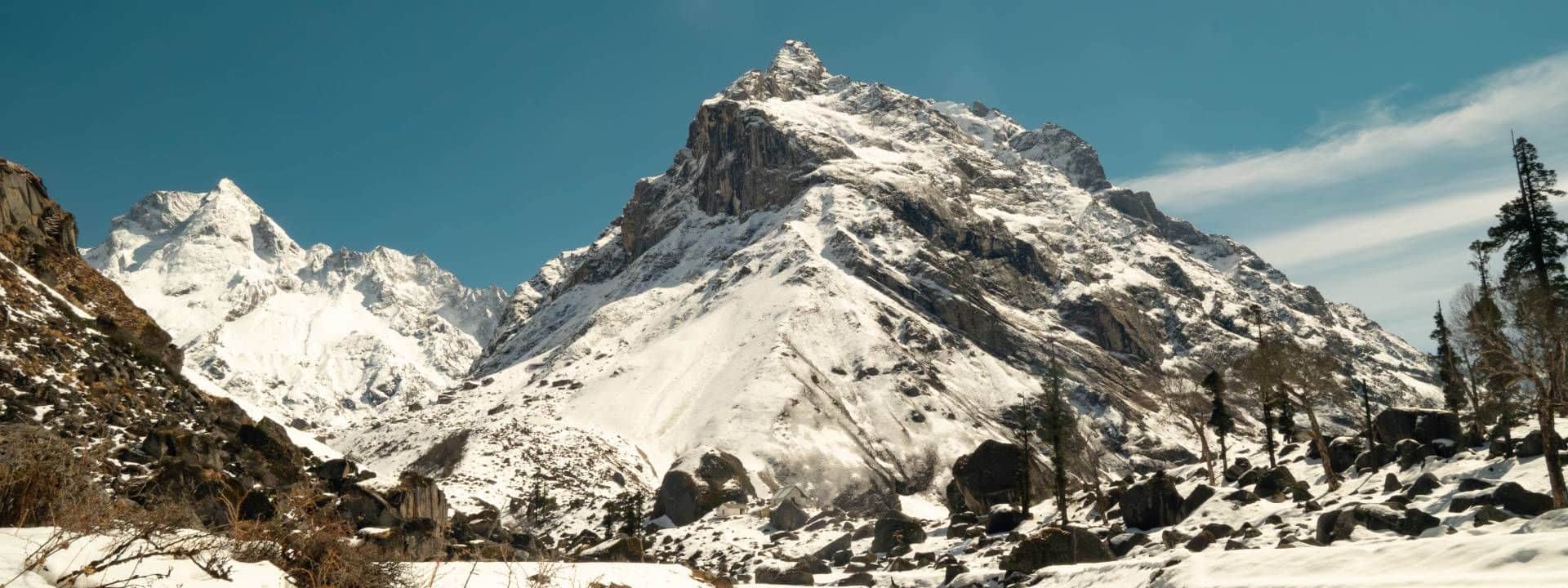
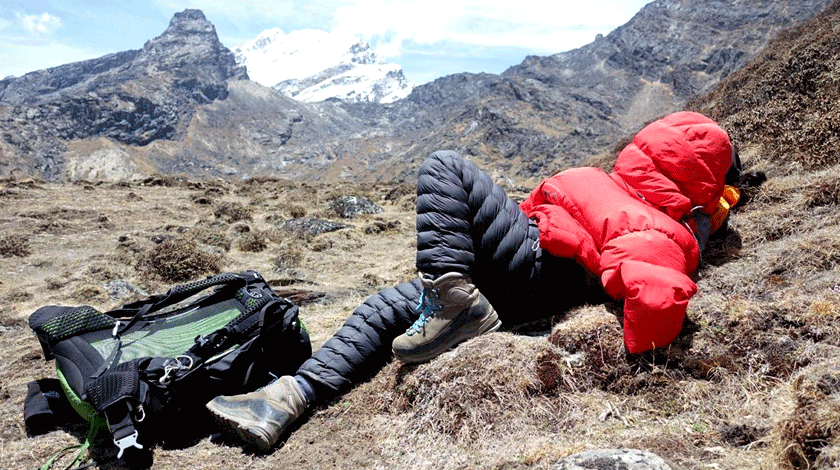
The higher altitudes at which you can trek is an unforgettable experience, both physically and metaphorically. When you climb over 8000m (2,400 feet) or trekking towards Himalayan summits your body goes through a variety of physical changes as it adjusts to lower oxygen at higher elevations. certain changes are manageable while others could be dangerous if not managed. Be aware of any potential physical changes at higher elevations is vital when you are hiking through the mountains. The climb to the Himalayas requires exploration of high altitude areas which is why trekkers must be aware of the impact of this environment on their lives. We prefer the term "exploring" instead of "trekking" because your body reacts similarly to walking, cycling across Khardung La, or simply exploring. So, anyone who is planning an excursion to destinations at high altitudes should read this article and be aware of any possible consequences of high altitude environments. This piece should be required reading!
At sea level, your body gets used to the particular amount of oxygen available and will naturally adapt by increasing the intake, which results in you breathing more frequently. When blood oxygen levels are low and discovered your body responds by boosting the circulation of oxygen-rich blood. This causes the heart rate to increase and bone marrow producing numerous red blood cells that supply oxygen throughout your body; ultimately, too numerous red blood cells may cause blood flow to slow down like thickened ketchup resulting in possible clotting when it is not functioning. Higher altitudes mean that increased stress on your lungs and heart causes your body to expelling excess fluids to ease the burden diuresis. Sleep issues at higher elevations can also be caused by breathing in shallowness at night, which prompts your brain to awaken you and remind you to breath properly, which can lead to less restful sleep all over. Adjustments to your body's posture can be a factor in adjusting to higher altitudes.
In relation to the physical changes that you're experiencing It's important to understand that they can occur without exerting yourself. They are not related to climbing or hiking. It's simply a result of being at a higher elevation. If you're sitting on an level ground, your body will become more able to adapt to changes. This could be tiring as time passes. It is important to recognize that the changes I've mentioned to date are merely naturally occurring responses to an elevation increase and are not indicators of an issue. The majority of our bodies are able to adjust to higher altitudes. However some times, our bodies are unable to adapt completely, resulting in high-altitude sickness or just being uncomfortable at higher altitudes. Knowing the basics of research makes treating these illnesses fairly simple - the most common issue for trekkers is often to be an inability to recognize the situation which is why I wanted to share this information.
Common Altitude-Related Illnesses that Trekkers Must Beware of
Acute Mountain Sickness (AMS)
Be aware that ignoring stress at altitude could result in serious illnesses that include acute mountain sickness (AMS). This condition is characterized by symptoms like nausea dizziness, headaches fatigue, and a loss of appetite, typically within 6 to 24 hours following ascending to an altitude of more than 8,000 feet. To alleviate the symptoms, you should take frequent breaks and drink plenty of water. Do not ascend or descend if symptoms get worse.
Acute Altitude Pulmonary Edema (HAPE)
Acute Altitude Pulmonary Edema (HAPE) is a condition which could be fatal if it is not treated promptly. The symptoms include breathing problems and chest tightness, as well as coughing that is wet and fatigue. For this reason, it is recommended to quickly descend from high altitudes and seek medical attention immediately.
HACE also known as High Altitude Cerebral Embodiment (HACE)
HACE also known as High-Altitude Cerebral edema (HACE) is a serious condition that can cause confusion hallucinations, incoordination and hallucinations as well as a lack of consciousness at higher altitudes. If it occurs rapidly enough, it will require immediate action, including swiftly dropping to lower altitudes and receiving oxygen therapy as quickly as you can.
The effects of high altitude differ based on the individual affected. Some individuals might not experience any problems at 10,000 feet, while others may begin to experience symptoms as high as 8000 feet. Fitness doesn't provide protection, but getting acclimatized, drinking enough water and being mindful are the best ways to adapt. Be aware of the signals your body emits and recognize any warning signs when discomfort occurs, and don't risk yourself by attempting to climb the top of the mountain!
About the Author: Trekking Expertise You Can Trust

Director & Founder
With over 12 years of experience in the Himalayas, he has summited multiple 6000–7000 meter peaks and led more than 200 expeditions across iconic routes like Bali Pass, Buran Ghati, Rupin Pass, Pin Bhabha, Stok Kangri, and Black Peak. His deep mountain experience and leadership make him a trusted name in Himalayan trekking. Write to him at: preetam@trekupindia.com