
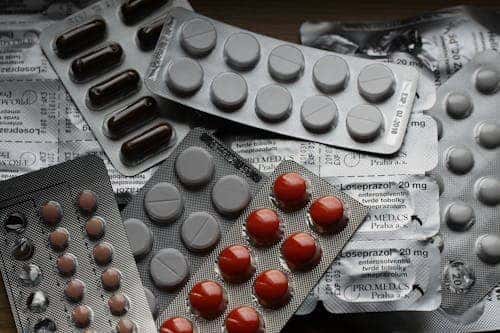
If you're considering climbing at a high altitude, you should consider India. It could be in the region of Leh-Ladakh, Roopkund or Annapurna Circuit altitude sickness should be treated with care and prompt treatment strategies such as Diamox (Acetazolamide) is highly recommended, even though the use of this drug is a subject to many misperceptions. However, it is true that sometimes medicines such as Diamox (Acetazolamide) can be linked to misinformation, misinformation and abuse.
Trekup India believes in creating knowledgeable trekkers. Here's everything you need to be aware of Diamox that was accumulated over the years of experience trekking even on one of India's most challenging trails.
What Is Diamox (Acetazolamide) Used For?
Diamox (Acetazolamide) is an antidiuretic as well as a carbonic anhydrase inhibitor that is designed to alleviate severe mountains sickle (AMS). By increasing breathing rate and assisting the body to absorb more oxygen faster it helps to in acclimatizing faster and also helps maintain the blood pH level in a balanced manner - acting as neither an anti-inflammatory or an effective treatment, but rather to be used as a preventative measure.
When is the best time to Diamox be taken?
According to Trekup's medical expert and Trek leader, the Diamox could be the most effective when:
Rapid ascents to 2,500- three hundred metres is alarming even if you've never had this condition.
Begin taking this supplement 24 to 48 hours prior to leaving and then continue for several days following getting to a the highest altitude.
The trek route provides several days of acclimatization, before climbing uphill for a few days (similar the Kedarkantha and Pangarchulla Treks).
Dosage Recommendations (as as per the normal recommendations):
A daily dose of 125 mg, taken every day twice should be enough to stop the onset of OCD.
NOTE: Always seek medical guidance prior to self-medicating using Diamox. Do not attempt self-medication before consulting with your doctor first.
Common Misconceptions About Diamox
- It is true that Diamox does not treat all-out AMS quickly; rather it serves as an preventive measure. If symptoms that are severe, like breathing difficulties or chest tightness or breathing problems develop and you are unable to breathe, immediate withdrawal should occur.
- "Everyone on a trek should use it."
Reality: No need - as long as your travel plans include appropriate modifications and you're healthy and well-experienced. For maximum performance, it is recommended to only be worn by people who are particularly susceptible or risky.
- "I can take medication only when symptoms appear."
Realism: For optimal effectiveness ensure that you take your medication prior to the symptoms begin to manifest. Taking too soon can decrease its effectiveness and delay improving.
Side Effects to Keep an Eye Out For
Like other medications, Diamox may cause minor to moderate adverse reactions, which require Trekup India trekkers to be cautious about:
- Frequent flow of urine (which is diuretic)
- A tingling sensation can be felt in your fingers, feet or even on lips.
Taste change: It is especially relevant to carbonated drinks.
Nervousness, dizziness, or mild nausea Wear sun block!
Allergies (particularly to medicines containing Sulfa-based components)
Expert tips: Before travelling, take a test of any medication at home for a week prior to departing for your trip to observe the way your body responds.
Advice on Diamox For People at Risk
- It is best to prevent rather than treat. If you're at risk of the development of Acute Myalgic Encephalopathy (AMS) then taking this medication to prevent it can help you save time and energy later.
- Do not rely on only medications. Gentle ascents, hydration, or rest are all ways to help you acclimatize.
- Maintain a backup altitude management program in place and, in addition to Diamox and the Pulse Oximeter take a look at the Pulse Oximeter, ORS packets, and Trekup India's high-altitude protocols guide as essential.
- Inform the trek leader if you are taking any medicine like Diamox.
When to Avoid Diamox
- Diamox is not recommended in the event that you are allergic to products which contain sulfur.
- If you're experiencing problems in your kidneys or liver Seek medical help immediately.
- If you are nursing or pregnant.
- If you are suffering from extreme dehydration or potassium and sodium levels are too low.
Conclusion
Diamox is an effective tool for fighting Acute Mountain Sickness if properly and with care. Trekup India has witnessed its application to aid trekkers in navigating difficult terrains at higher altitudes more comfortably. We have also observed its misuse or dependence, which could result in negative outcomes for trekkers.
Take note that Diamox should never be used in lieu to acclimatization, exercise, drinking fluids or a thoughtful plan of the best route. Diamox should only be taken for support measures-particularly those who may experience issues at altitude or are traveling along an accelerated ascent path.
Before including Diamox into your hiking routine you should consult a doctor to know the body's response and discuss the matter the information with your trek leader. If used correctly it can give additional peace and security when hiking.
About the Author: Trekking Expertise You Can Trust
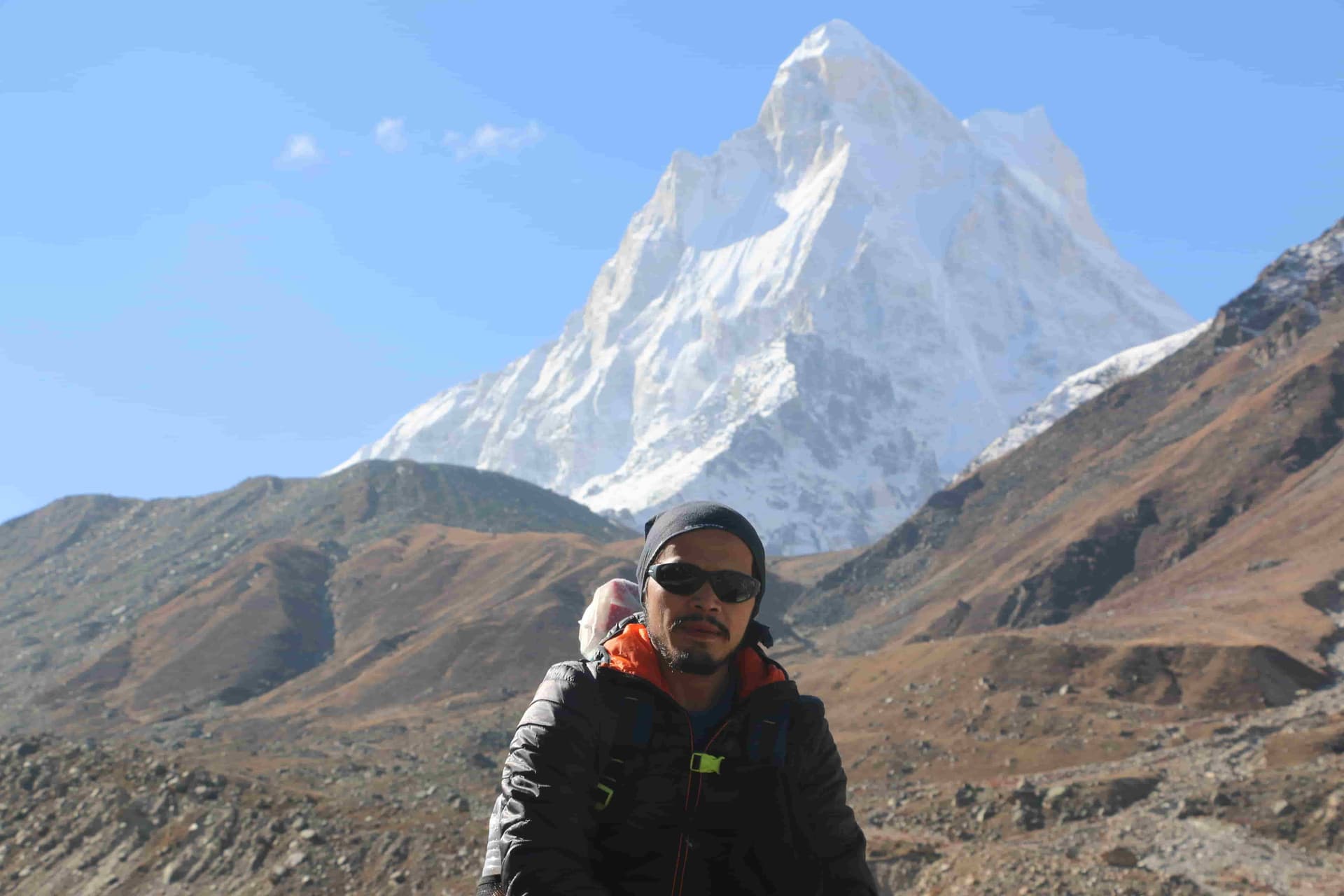
Mountain Expert
Adhish was born and brought up in the Pauri Garhwal region. Since childhood, he has had an inclination towards Mountains. To fulfil this dream, Adhish did his Basic mountaineering Courses from Nehru institute of mountaineering, Advance mountaineering courses from Himalayan mountaineering institute Darjeeling and Skiing courses from ABVIM Manali. He has done various expeditions in the Himalayan region. And his love for mountains and adventure is never-ending. Make sure to get detailed help related to the Himalayan trek from him.