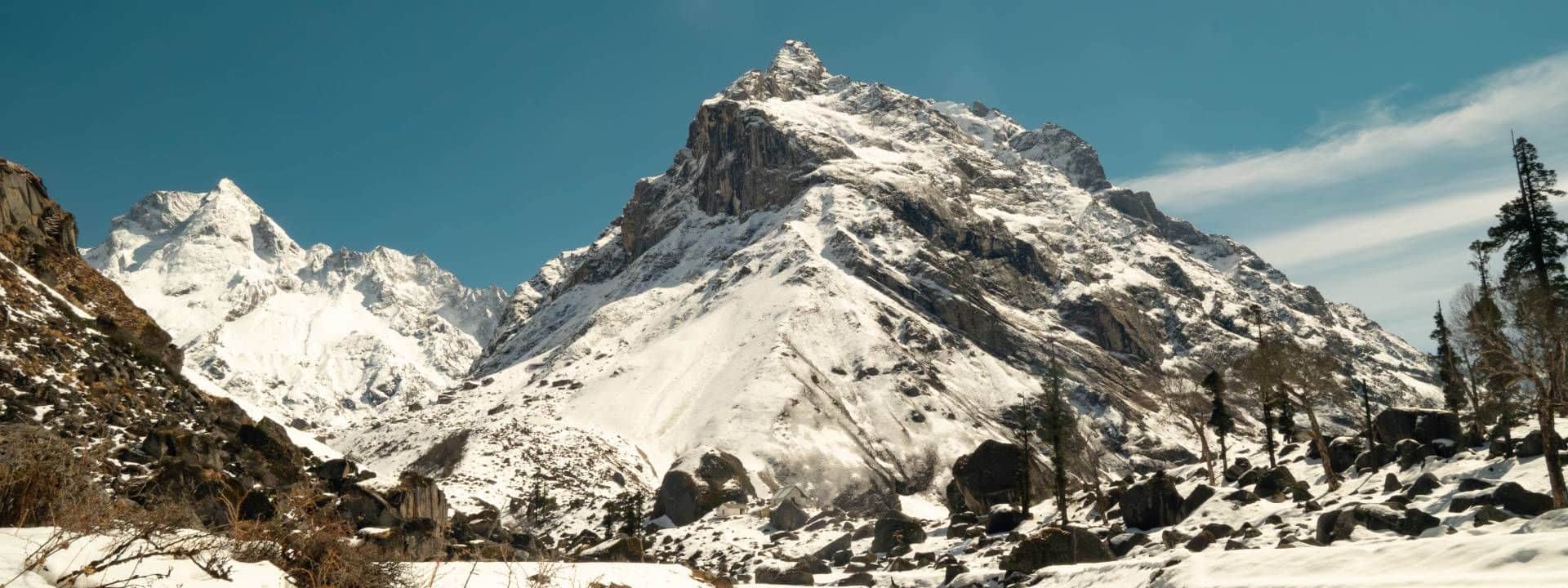
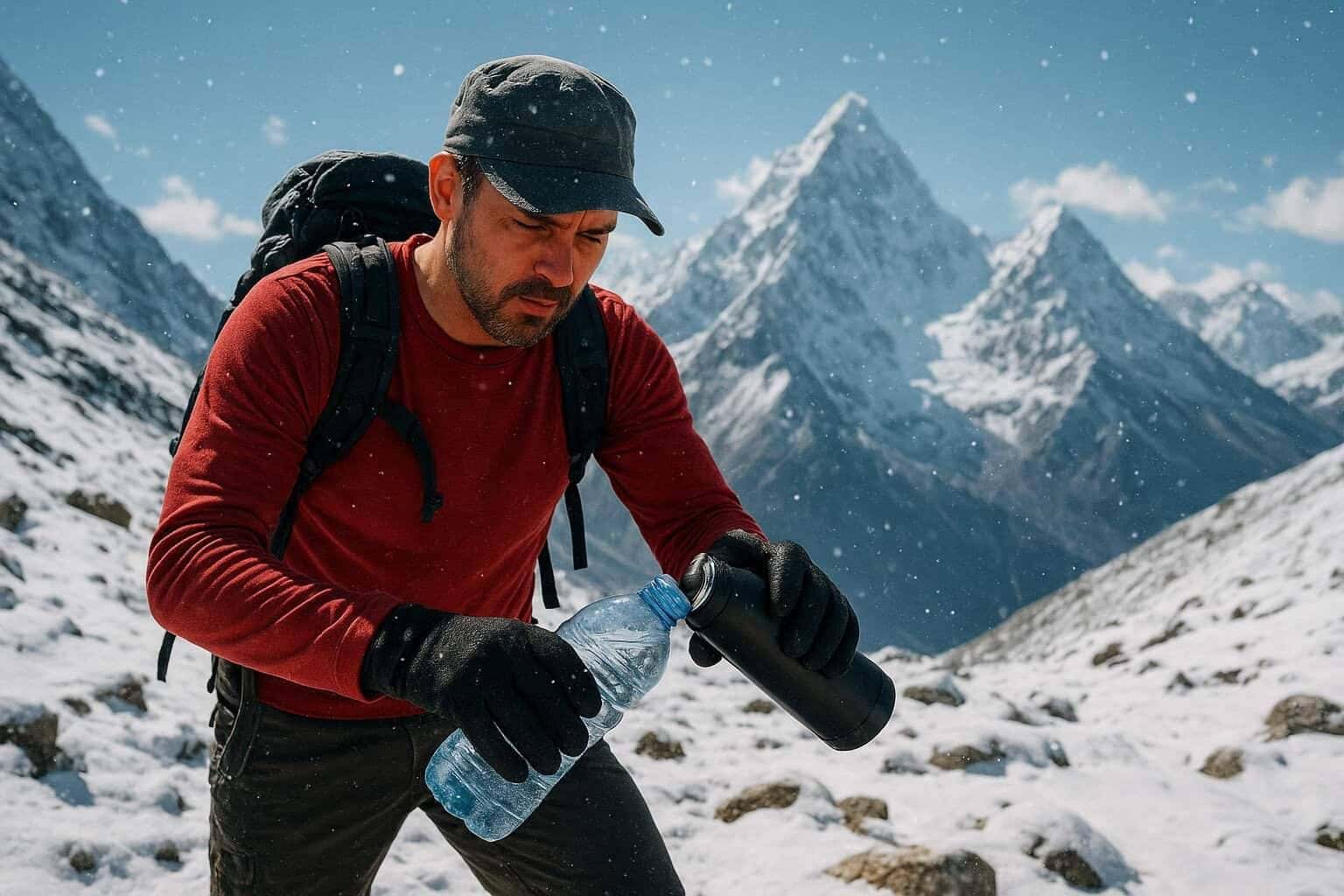
The trek to the Himalayas requires relying on natural water sources. However, not all of them are suitable for drinking. Contaminants can cause extreme stomach upset and dehydration and even life-threatening diseases such as cholera or Giardia. Find out the ways TrekUp India can help locate the source, test, clean and purify the water in nature using the TrekUp India method.
The Reality of Drinking Water on Indian Treks
Drinking water on Indian treks While mountain waters appear to be pure, they can be contaminated by pathogens. The contaminants are: Microbial contamination, like protozoa, bacteria, and viruses may occur. Organic material decays or decomposes over time.
The waste generated by human activities (especially near tea houses or trails) must be handled cautiously. Chemical runoff can occur close to villages or areas of grazing.
Water testing and removal are not negotiable tasks.
What Are the Signs of Safe Water Sources?
Before taking a sample drinking water, be sure to be aware of these aspects of security:
- Rapidly Flowing Streams Streams with faster-flowing streams tend to move away pollutants that are stagnant faster and more efficiently.
Avoid drinking in the vicinity of campgrounds or areas that are used where livestock are grazing.
- Get water from the Glacier or Snowmelt
The water that comes directly from snowmelt deposits or glaciers is often the purest.
For added security it is recommended to clean or treat it in order to ensure its purity and effectiveness.
- High-Elevation Springs
Natural springs that originate from the rock formations of high altitude are known to be mineral-rich while being relatively safe.
Be on the lookout for evidence of activity from animals in the vicinity.
- Remote, Undisturbed Locations. These places in remote areas shouldn't be in close proximity to human settlements or trails.
Trekup India Hints: The water sources located at the top of valleys tend to be more clean drinking water sources than the sources that follow them.
What Makes Water Unsafe?
- Static Ponds or Pools Static ponds or swimming pools could be home to parasites and bacteria which pose dangers.
Avoid drinking from slow-moving streams or puddles which may be contaminated with debris or have been contaminated with algae. The water could be contaminated with parasites that could make you sick.
- Water Near Grazing Areas
Animal waste is a huge pollutant source.
Be cautious of rivers that flow close to Gujjar refuges as well as sheep stations and paths that lead into the forest for the purpose of grazing.
- Water in Close Proximity to Tea Houses or Campsites
Human waste such as soap scum and other waste can be seen floating along streams in the vicinity of popular spots for relaxation, like tea houses and camping sites.
- A noticeable smell or dirtiness in the water. While water might appear clean Any indication of a distinct flavor, smell or floating matter could signal an alarm.
Conclusion
It is a mistake to assume that drinking water is always available in mountain areas. However with the right understanding and knowledge you can be adequately hydrated, without compromising your health overall.
About the Author: Trekking Expertise You Can Trust
Mountain Expert
Born in Gopeshwar, Uttarakhand completed education in Dehradun, and graduated in the technical. After that, Priyanka worked for 1 year in the technical field. However, her passion was to travel so she tried to turn her career in that direction. To fulfill adventure passion, Priyanka did first trek to Kedarkanta, which was a life-changing experience for her. After this Priyanka became curious to explore more, so later she did the Brahmatal Trek, Nag Tibba Trek, and Chopta Tungnath and list goes on. Now she taken this trekking and adventure experience and converted it into a profession. Now she love to advice and guide trekkers. Make sure to get detailed help related to the Himalayan trek from her.