
Prev
1 / 9
Next
 Trekking and Health
By Preetam Singh Rawat|May 17, 2026
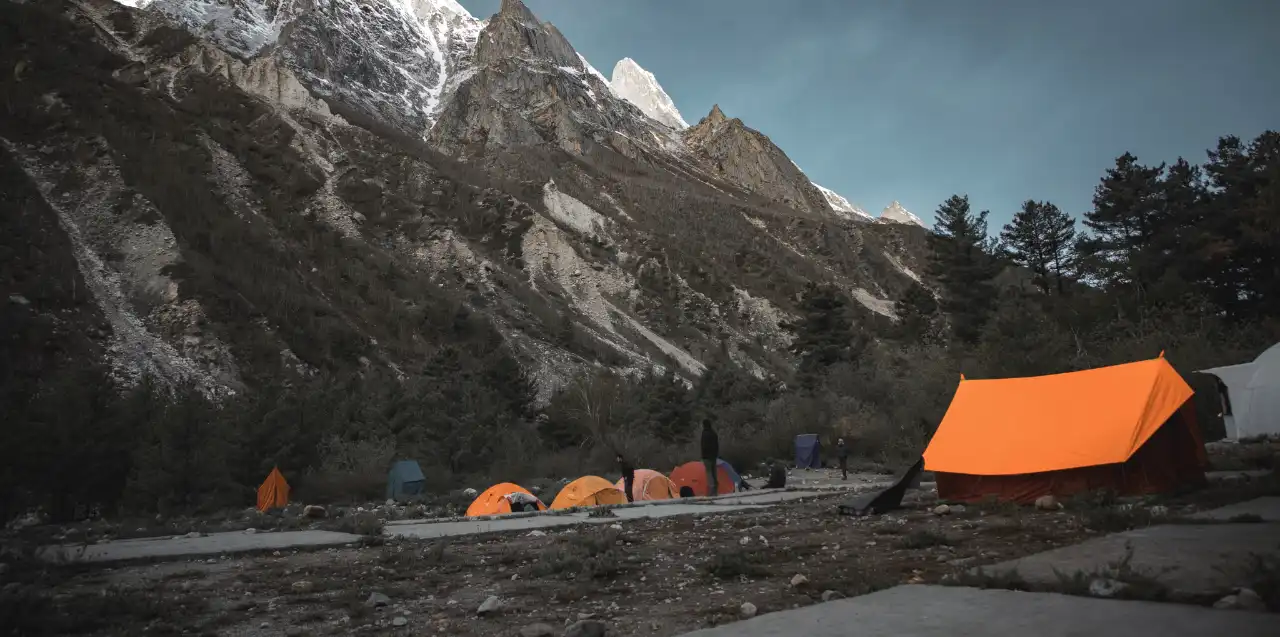
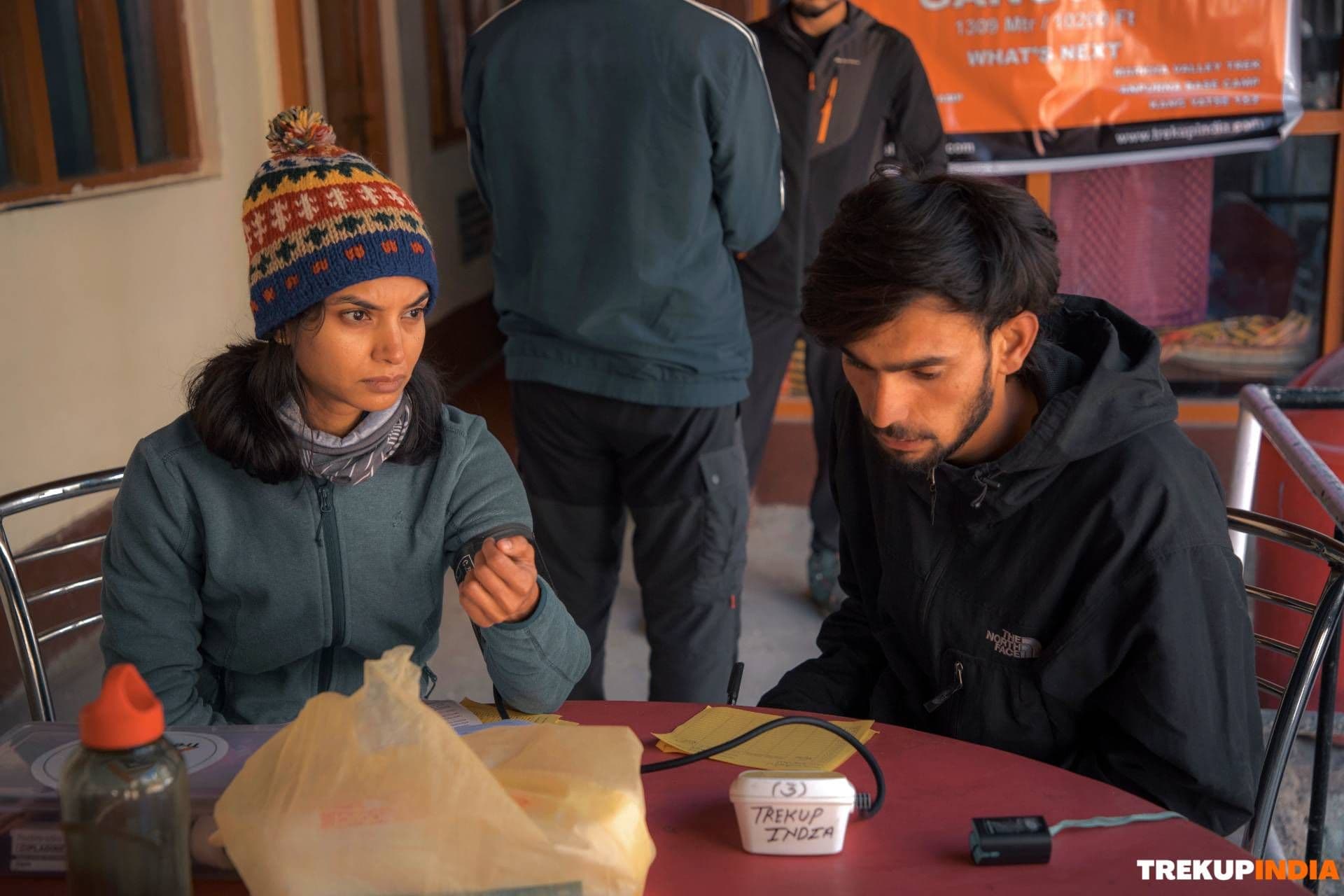
Trekup India Safety Protocol | Safe Himalayan Trekking With Expert Trek LeadersA Himalayan trek is much more than reaching a summit. It is about walking through remote valleys, crossing rivers, climbing snowy trails, breathing thin mountain air, and trusting the people who are leading you in the mountains. At Trekup India, we understand that when someone books a trek with us, they are not only choosing an adventure — they are placing their trust in our team. And we take that responsibility very seriously. For more than 23 years, Trekup India has been organizing Himalayan treks, expeditions, school programs, family adventures, and outdoor journeys across Uttarakhand, Himachal Pradesh, Kashmir, Ladakh, and several other mountain regions. Over the years, we have worked with thousands of trekkers from different age groups and experience levels. That belief shapes every safety decision we make on the mountain. The Himalayas are beautiful, but they are also unpredictable. Weather can change suddenly, trails can become difficult within minutes, and high altitude affects every individual differently. This is why we never treat trekking casually. At Trekup India, safety is not limited to carrying a first-aid kit or appointing a trek leader. It is a complete system that starts long before the trek begins and continues until every trekker safely returns home. Our safety approach focuses on: Because in the mountains, small decisions make a very big difference. A trek is only as safe as the people leading it. At Trekup India, our trek leaders, guides, and technical staff are trained to handle real mountain situations - not just manage groups. Many of our team members are professionally trained from institutes such as: Our mountain teams undergo training in: But beyond certifications, what truly matters is mountain experience. Many of our guides have spent years working in the Himalayas and understand mountain behavior, terrain conditions, weather patterns, and high-altitude challenges extremely well. When situations become difficult on the mountain, experience matters more than anything. Safety starts before the trek even begins. Before every trek, trekkers receive detailed guidance regarding: We strongly encourage trekkers to prepare physically before joining any Himalayan trek. Cardio fitness, stamina, hydration habits, and mental preparedness all play a major role in ensuring a safe trekking experience. If a trekker has any existing medical condition, we recommend consulting a doctor before the trek and informing our team in advance. For us, knowing a trekker’s medical condition beforehand is extremely important because prevention is always better than emergency treatment in remote mountains. High altitude is one of the biggest challenges in Himalayan trekking. Even physically fit people can face altitude related issues, which is why acclimatization is taken very seriously at Trekup India. We carefully design itineraries to allow the body enough time to adapt to increasing altitude. Our teams constantly monitor trekkers for signs of: Every day during the trek, our trek leaders regularly check: We use pulse oximeters to identify problems early before they become serious. If any trekker shows symptoms of altitude sickness, our team immediately takes action, which may include: Sometimes trekkers are advised not to continue further for safety reasons. And honestly, we believe that is the right decision. Because no mountain is more important than someone’s life. Every Trekup India trek carries a complete mountain first-aid medical kit designed specifically for Himalayan conditions. Depending on the trek altitude and difficulty, our teams also carry: Our teams are trained not only to carry this equipment but also to use it properly during real emergencies. Medical preparedness is something we never compromise on. Snow trekking and high-altitude terrain require additional technical precautions. Over the years, Trekup India has introduced multiple safety practices that have become increasingly common across the trekking industry today. For snow and technical sections, we use: We continuously evaluate terrain conditions, snowfall, weather, and trail safety before allowing trekkers to move through risky sections. Safety always comes before speed. One of the biggest challenges in the Himalayas is the lack of mobile network connectivity. To maintain coordination in remote areas, our teams use radio communication systems during treks. This helps different team members stay connected even in regions where phones stop working completely. Along with this, we maintain: In mountain environments, quick communication can make a critical difference during emergencies. Despite all precautions, mountain environments can still be unpredictable. That is why we maintain structured emergency response systems. In case of medical emergencies, our teams are trained to: Depending on the terrain and severity of the situation, evacuation may happen through: Our priority in every emergency situation is simple: Respond quickly, stay calm, and prioritize the trekker’s safety above everything else. We strongly believe that good safety is not possible without personal attention. During the trek, our leaders continuously monitor trekkers for: Whether someone is trekking for the first time or has previous mountain experience, our teams ensure that every trekker feels supported throughout the journey. No one should feel ignored in the mountains. Mountain safety is also connected to responsible trekking practices. Our teams actively encourage: Because protecting the mountains is equally important for future trekkers and local communities. Safety in the Himalayas is always a shared responsibility. We expect every trekker to: Sometimes weather or health conditions may force route changes or summit cancellations. While these decisions may feel disappointing in the moment, they are always taken with safety as the highest priority. Trekkers choose Trekup India because we combine mountain experience, technical preparedness, and genuine human care. Over the years, we have built trust through: The Himalayas are powerful, raw, and unpredictable. No company can control the mountains. But what we can control is how responsibly we prepare for them. And that is exactly what we promise at Trekup India. When you trek with us, you are not just joining a group departure. You are trekking with a team that genuinely cares about your journey, your experience, and most importantly - your safe return home. Trekking and Health
By Preetam Singh Rawat|May 9, 2026
High-Altitude Sun Protection Tips for TravelersCold air can often mask the intense heat of the sun when trekking high altitude passes such as Kongmaru La or Bali Pass. At altitudes between 4000 and 5500 meters, exposure to sunlight is especially hazardous, potentially resulting in sunburn and other serious medical complications. We have witnessed how not recognising its dangers could result in sunburns and more serious medical conditions, such as altitude sickness. Thinner Atmosphere- Stronger radiation results from less UV filtering. Reflection off Snow & Ice: Up to 80% of UV rays may reflect off snow or ice and double your UV exposure. Cool temperatures mask burns- Even though you might not feel heat directly on your skin, it’s still being cooked off. Dry Air & Wind: Exposure to dry air and wind accelerates dehydration of skin cells and chapping. Sunburn: At high altitudes, sunburns of any severity may arise within 20 minutes and be visible on the neck, face and hands. Snow Blindness: Cornea damage due to ultraviolet radiation causes snow blindness; symptoms include red and watery eyes as well as blurred vision or temporary blindness. Dehydration: Even in cooler climates, sunlight can speed up water loss from our bodies when combined with dry mountain air and intense exercise. Heat Exhaustion: Even during winter weather conditions, prolonged exposure to sunlight on clear days may result in dizziness, heatstroke and fatigue. Do not be deceived by fresh air and bright skies into thinking sun protection is unnecessary for high-altitude treks; at Trekup India, we teach our trekkers how to manage the sun’s rays as part of the pre-trek training, providing preventative steps that ensure they can enjoy stunning vistas without experiencing sunburn later each day.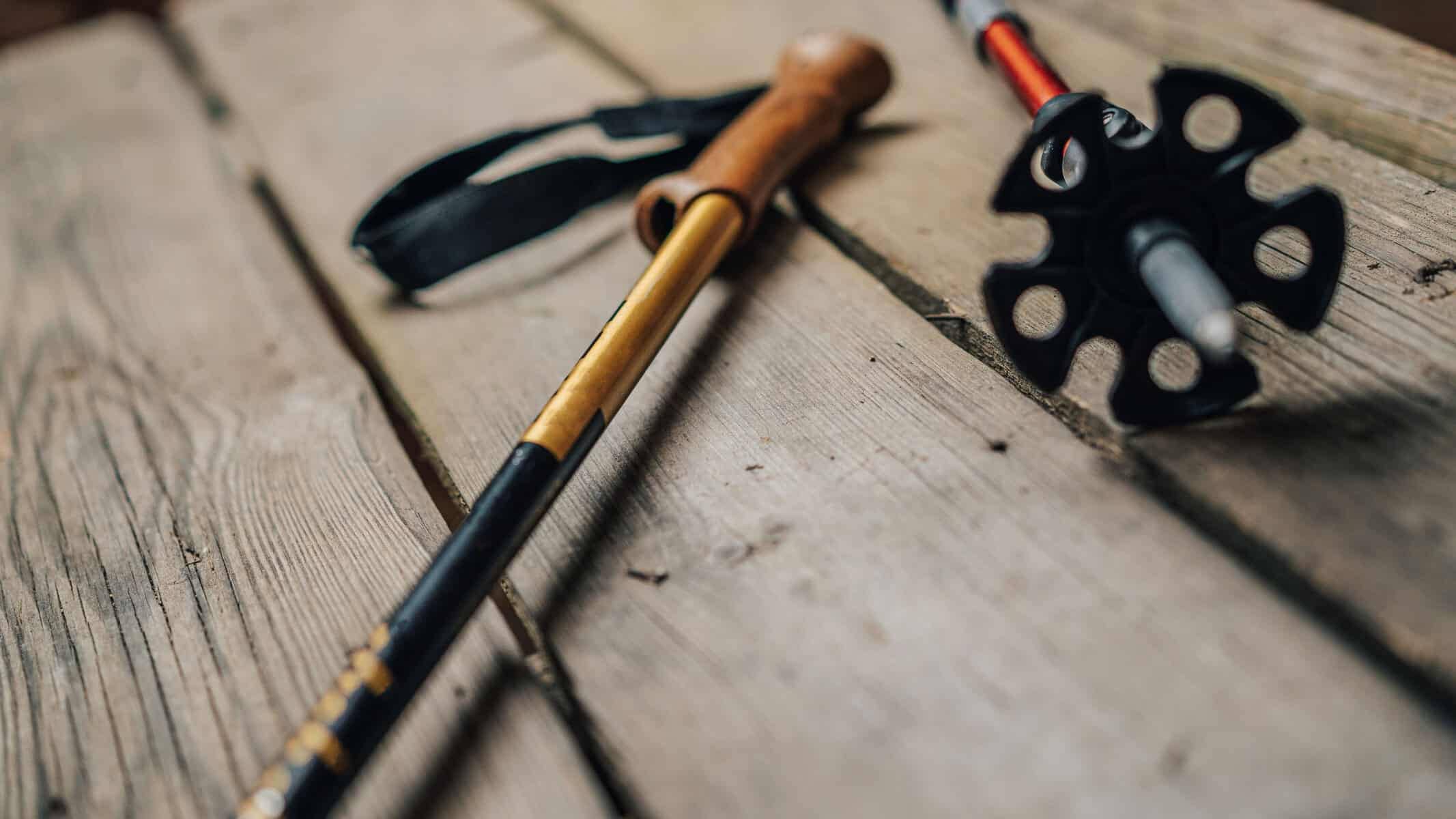 Trekking and Health
By Preetam Singh Rawat|May 8, 2026
Trekking Pole Techniques & Benefits for Indian TrailsTrekking poles may often go unappreciated; however, their use can transform India’s many trails, ranging from Himalayan slopes to Western Ghat trails. From beginners and veteran trekkers alike, using poles correctly can greatly enhance stability during treks while decreasing fatigue levels as well as risk for injuries. This article will show how to get maximum benefit out of them. Indian trails can be unpredictable, often featuring loose rock, muddy patches, and river crossings – trekking poles provide additional legs to provide support over rough Terrain. Steep trails place undue stress on knee joints. Poles help ease this strain by 20-30 percent, which makes a big difference when trekking for extended distances. Lean on your hands and poles to distribute effort across your upper body and make the climb uphill more manageable while conserving energy. This helps make climbing more manageable while saving energy on each attempt at climbing. Defense strategies against unwanted dogs or other animals (rare but very helpful) Ultralight tents rely on poles as support structures, giving the structure some form of strength. Uphill, shorten your poles so you have more pushing power. Downhill The Length will help build strength in your legs to reduce knee strain. Flat Terrain: Adjust your body position so that the elbow is at an angle of 90 degrees when holding the pole. Always grasp with an even, yet loose grip, don’t press too hard against the strap. Make proper use of wrist straps by sliding your hands up from the bottom to allow them to move naturally. To create a natural walking rhythm, place the pole between both feet (left pole for the right foot or vice versa) so as to form natural steps. This method creates rhythmic steps. Retrace your steps for an extra nudge forward. Downhill, the plant is slightly forward to help regulate speed. Moving uphill, move left somewhat before pushing back onto the poles to increase lift. Different poles may not be equal. When selecting trekking poles for use in India, take into consideration several key aspects; Adjustable vs. Fixed Poles that can be adjusted can provide flexibility for various uses in all conditions; grasimi Material such as Aluminum (more durable but more costly) can be contrasted against Carbon fiber which offers lighter yet lighter solutions (but could cost more over time). Holding poles too tightly may cause wrist fatigue. Utilising incorrect Length will lower efficiency. Furthermore, tracing poles behind oneself wastes energy and time. Trekking poles can be an economical investment that delivers huge returns: more stability, less fatigue, and safer walking on hazardous trails. If your trek takes you through Himalayan passes, balipass trek, har ki dun trek, then learning pole-handling techniques can make your trek much more comfortable and pleasurable. Trekking and Health
By Shivam Shingari|May 8, 2026
Why Drinking Water Is Important On Trek?Look, when you’re out there trekking—whether you’re sweating buckets in the heat or grinding up a mountain—water isn’t just a nice-to-have. It’s your lifeline. Forget the “eight glasses a day” rule; that’s for couch days. On the trail, your body’s in beast mode, burning energy and losing fluids faster than you realize. Here’s a ballpark: aim for about a liter of water every 2–3 hours of hiking. Tough trail? Blazing sun? You’ll need more. Even if you’re not parched, you’re losing water through sweat, heavy breathing, and just pushing your body. High altitude or cold weather? Same deal—dehydration doesn’t care about the temperature. Skip the water, and it’ll sneak up on you. First, your lips get dry. Then your legs feel like lead. Next thing you know, you’re battling cramps, a pounding headache, or worse, dizziness. Check your pee—if it’s dark yellow, your body’s screaming, “Yo, hydrate me!” Here’s some real talk from the trail: don’t mess around with tiny bottles. Pack at least a 2-liter water bottle or, better yet, a hydration bladder for easy sipping. Pro move? Get a solid thermo flask (Decathlon’s got some great ones). It’ll keep your water cool on sunny climbs or warm for cozy evenings at camp. Trust me, it’s a game-changer. One mistake I’ve seen too many times? People think, “I’ll drink when I’m less wiped.” Nope. That’s a trap. By the time you’re exhausted, you’re already behind. Make sipping water part of your flow—take a swig every time you pause for a view or adjust your straps. Keep that bottle where you can grab it without breaking stride. Why does this matter? Staying hydrated isn’t just about feeling good. It keeps your muscles firing, your brain sharp, and your vibe high so you’re soaking in the adventure, not dragging yourself to the next checkpoint. So, pack smart, sip often, and don’t underestimate water. It’s the MVP of your trek. Keep it close, and you’ll crush those trails.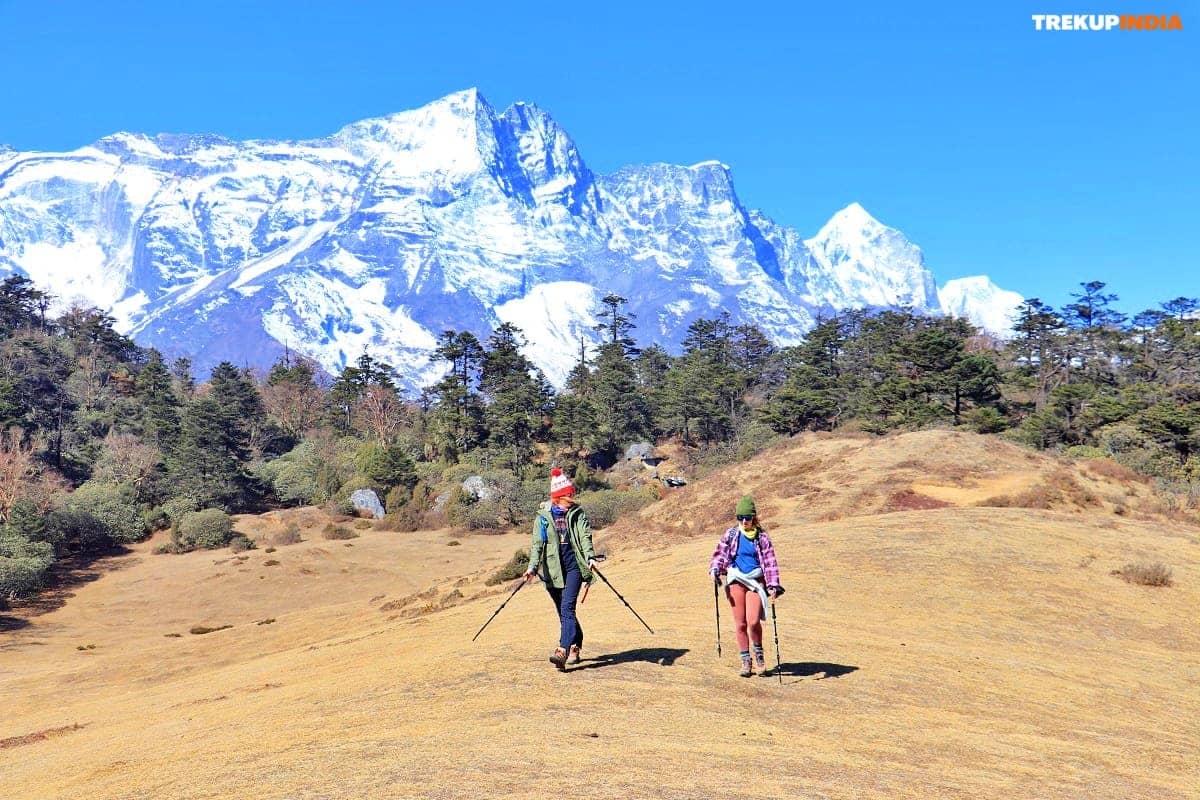 Trekking and Health
By Preetam Singh Rawat|May 7, 2026
Altitude Sickness Prevention India: Trek Safe at High AltitudeAn exhilarating trek through the Indian Himalayas is an unforgettable journey through snow-covered passes, alpine lakes and meadows with views to the skies. However, as soon as you cross 2,500-3,000 meters (8,200-9,800 feet), another challenge awaits: Altitude Sickness. At Trekup India, we understand that even fit trekkers can face difficulties due to altitude changes. Still, with proper precautions taken against Acute Mountain Sickness (AMS), its symptoms can be prevented or managed effectively—comprehensive trek-tested information regarding altitude sickness during Indian trekking expeditions. Acute Mountain Sickness occurs when your body does not have sufficient time to adjust to lower oxygen levels in high altitude environments. High altitude sickness typically manifests itself with fatigue, dizziness and inability to eat or feel full – symptoms commonly experienced when trekking at higher altitudes. Some trekkers may also experience breathlessness or sleep disturbances while resting while climbing up. If the situation becomes acute, life-threatening conditions may arise that require immediate descent. High altitude pulmonary Edema (HAPE), caused by fluid accumulation within the lungs and making breathing very difficult, is one such concern that should be monitored closely. High-Altitude Cerebral Edema (HACE), in which swelling develops in the brain, can result in loss of coordination or unconsciousness and should be addressed quickly with professional aid and descent. Both conditions should be treated immediately by healthcare personnel to reduce risks as soon as possible. To achieve successful altitude acclimatization, avoid climbing more than 1000 feet/300m during any given day. An outstanding example of Kedarkantha Trekking: Day 1: Sankri (6,400ft). Day 2: Judida-ka-Talab (9,100ft). We then return to Sankri for a relaxing night’s stay. Day 3 of Base Camp (11.250ft). At 10,000 feet or higher, to minimize physical exertion by 30% at elevations greater than 10,000 feet. Start slow: Take 50 steps with 10 deep breaths rhythmically. If you are over 40, ensure you obtain a medical certificate before undertaking any ascents or breath-holding exercises, pack an Anti-Money Sack Syndrome medication kit, and book flexible itineraries with buffer days built in. Be mindful: Mountains will always be there – your health should come first! TrekUp India provides expert assistance from its accredited altitude medic team. Our expeditions to higher altitudes adhere to stringent safety protocols: Slow travel plans often include rest days.Trek leaders with extensive training and credentials – basic mountaineering knowledge as well as medical certification for wilderness settings – should lead their trek.Health checkups on a daily basis (pulse for O2 level and signs). Emergency plans should include provisions for backup oxygen and evacuation in case of an oxygen emergency. The Himalayas are breathtakingly beautiful, but should be approached with caution and an awareness of altitude sickness’s potential effects. A careful plan, appropriate acclimatization and awareness can ensure you reach the summit safely.Make sure that when making plans to climb that mountain or lake at high altitude, don’t forget that preparation is the key to successful performance. Trekking and Health
By Adhish Bhandari|May 6, 2026
15 Benefits Of TrekkingA winter trek in the Himalayas offers more than just physical adventure—it provides a profound opportunity for personal growth, spiritual awakening, and a deeper connection with nature. Here are 15 compelling reasons why a Himalayan trek can be a life-changing experience: Trekking at high altitudes enhances both physical endurance and mental resilience. The steady rhythm of walking builds stamina while bringing clarity and calmness to the mind. Facing unpredictable weather and challenging terrain cultivates perseverance and self-discipline. Overcoming these obstacles builds mental toughness and a quiet confidence. The Himalayan landscapes—towering peaks, snowy trails, and pristine valleys—offer visual experiences that stir awe and wonder, deeply touching the soul. The repetitive motion of trekking becomes meditative, allowing you to tune into your thoughts and emotions. It’s a journey not just outward, but inward. Moments of stillness in the mountains provide space for introspection, helping you find peace in silence and solitude—something rare in daily life. Breaking away from your everyday routine helps reset your mind, offering perspective and a chance to re-center yourself in nature. Interacting with Himalayan communities exposes you to rich traditions and humble wisdom. It’s a reminder of simplicity, resilience, and human connection. Spotting rare species in their natural habitat builds appreciation for biodiversity and encourages respect for all living beings. The vastness and serenity of the mountains encourage deep reflection, helping you reconnect with your values, beliefs, and sense of purpose. Immersion in the untouched natural world fosters responsibility toward protecting it. Trekkers often leave with a renewed connection to the Earth. The clean air, silence, and natural rhythm of life in the mountains are powerful antidotes to urban stress, offering a sense of emotional renewal. Shared challenges build trust and connection. From group hikes to shared meals around a campfire, teamwork and camaraderie naturally develop. Trekking encourages problem-solving and resourcefulness. With limited resources, you learn to adapt and make the most of what’s available. From photography and outdoor cooking to map reading and snow-walking techniques, every trek is an opportunity to grow your skillset. Trekking at high altitudes trains you to breathe deeply and mindfully—benefiting both your lungs and your mental focus. Final Thought: The Himalayas are more than just mountains—they are mentors, spiritual spaces, and mirrors that reflect who you truly are. A winter trek here is not just about reaching a summit—it’s about discovering something far more meaningful within yourself. Trekking and Health
By Preetam Singh Rawat|May 6, 2026
Goecha La Trek Preparation Tips: What You Need to KnowNow that the monsoon season has come to a close and winter is quickly approaching, now is an opportune time to plan a journey to the Himalayan Mountains. After exploring Uttarakhand and Himachal for summertime exploration of Trishul, Nandaghunti, Dhauladhars, and Dhaulagiri, it is time to expand our horizons towards eastern locations like Nepal or Bhutan. When we refer to “the east,” we mean North-East. To experience Eastern Himalaya, trekking to Goecha La Pass is unsurpassed, offering breathtaking views of the Kanchendzonga Mountains along its route. Kanchendzonga, popularly referred to as “the sleeping Buddha”, is India’s highest peak and the third highest worldwide. You’re sure to be impressed with this trip – I promise it! Climbs will prove more challenging than expected, while temperatures will prove considerably colder. Follow the path. Treks tend to be moderate in difficulty and climb to 16000 feet, passing through forests of oak, chestnut, and maple as well as pine and magnolia pine needles; finally reaching Rhododendron trees, which have become famous landmarks along their journeys. This trek explores the biodiversity of varied forests throughout its trek path. If you’re lucky, you might spot beautiful birds like Leothrix with a red bill, Rufous vented Yuhina, and Fire-breasted Flowerpecker, along with Silver-eyed Mesia among many others. Not only can birders see Mt Kanchendzonga, but they also have up-close views of Mt Pandim, Kabru, and Simovo – perfect spots for naturalists and mountain worshippers! Keep your camera handy as well as a notebook in case any notes need to be written down! Important to keep in mind is the difficulty of the terrain you will traverse on this trek; mentally and physically strong individuals should be able to do so within 8 days and cover 90 miles. On day 4, crossing Goecha La Pass can become tiring and long; therefore, you should plan for 12 hours on the trek in one sitting. To stay at an appropriate fitness level for this challenge, cardio workouts such as jogging, climbing stairs, and cycling should be performed daily. Running five kilometres within 30 minutes should be your aim if running on a treadmill; otherwise, use it in an inclined mode to achieve maximum results. Alongside cardio workouts, stretching exercises should also be practiced regularly to strengthen the shoulder, calf, and hip muscles. Climbing difficult slopes with your load puts undue strain on both lower back muscles and hip flexors, and an exercise plan designed to build strength will put you in better condition when embarking on your trek. Packing for trekking during summer varies considerably from what should be brought on winter treks. Goecha La in September and October can be significantly cooler than it was during May; therefore, it is necessary to pack carefully. After the monsoon season has subsided, we face cold winds that we must protect ourselves from, while there’s always the possibility of snowfall at the summit or on the road itself. High-quality Trek shoes are essential equipment. Rucksack not exceeding 8 kilograms. Layers of clothing – lightweight layers including full sleeves, collared T-shirts paired with fleece jackets that can be hollow-filled for warmth; Balaclava gloves (waterproof or not), waterproof gloves as well as woollen socks in the evening as well and cotton ones during daytime are required for warmth. Accessories – Head torch sunglasses, toilet kits containing toothbrush, toothpaste, sunscreen lotion, hand soap, water bottle, and trekking poles; accessories. Personal medicine kits must include remedies to treat stomach, cold, fever, anxiety, stomach upset, migraine, pain killer, and Band-Aids for pain. Other – Tissue paper, plastic bags to carry garbage, a day bag, and an original and photocopy of the ID card of the government (there is no space available in Yuksom for print-outs or photocopies) Foreign travellers must obtain an ILP (Inner Line Permit), available at Bagdogra airport or Siliguri checkpoints, before entering Sikkim from Siliguri. Furthermore, trekkers are responsible for filling out and signing the Medical Disclaimer and Certificate of Insurance forms before beginning their treks in Sikkim.Trekking and HealthBy Anoop Rawat|May 5, 2026
Common Post-Trek Issues and How to Overcome Them | Post-Hike Recovery TipsWhenever I go on a high-altitude Himalayan trek, it is an absolutely surreal experience, but once I come back, I often find myself dealing with several issues like soreness, fatigue, and numb toes. Over the years, we at Trekup India have noticed that it’s not just me but a lot of people, especially beginners, who face these problems and often ask us how to recover from a trek. Therefore, I have prepared this guide talking about the best recovery practices after trekking, some post-hike recovery tips, and how to reduce fatigue on treks. Perhaps the most frequent post-trek problem encountered by trekkers is numb or swollen toes. If your toes are limp or puffy following a trek, fear not, it’s sometimes a natural reaction to vigorous physical exertion the body is subjected to during the trek. Why does it occur? Numbness can occur due to several reasons. When you descend from steep and rocky inclines, again and again, your toes repeatedly strike in front of your shoes, damaging sensory nerves. This causes numbness in your toes and can even be accompanied by severe pain and blisters. Moreover, after 2-3 days of continuous hiking, sometimes your feet tend to swell naturally. When this occurs, your shoes tighten, increasing pressure on your toes and aggravating the issue. For the majority of trekkers, this persists for about 10-15 days. Treatment How can swelling and numbness be prevented? We always tell trekkers that the best way to prevent leg pain after trekking is by selecting the right trekking shoes before the trek. Ideally, you should pick shoes that are one size bigger than your regular shoe size. This ensures that your toes have enough space and do not get hurt when you descend. You should also make sure that the trekking shoes you choose have proper ankle support, as this can prevent several potential injuries. Another best practice is to descend properly. Descending poorly exerts extra pressure on your toes. Try bending your knees a little bit, taking careful steps, and employing trekking poles to distribute the weight more evenly on your feet. Feeling sore all over after a trek? This is probably your body’s response to the prolonged physical activity it is subjected to during the trek. Why it happens? Trekking in high-altitude terrains is often hard on the body. We use most of our muscle groups at the same time while hiking, and this tends to put pressure on the legs, back, shoulders, and even the arms. Mountain conditions and physical activity over several hours put more strain on the body. This typically lasts for about 4-5 days, depending on your fitness levels. Treatment How can fatigue be prevented? Although fatigue and body pain is something that is unavoidable after a high-altitude trek, there are things you can do to ensure that it is minimum and you don’t feel too exhausted. Over the years, we have noticed that fitness level plays a crucial role when it comes to the amount of body pain and fatigue one experiences. It is advisable to work on your fitness at least one month before the trek. This ensures that your muscles are in good shape to take the toll of the trek and you don’t feel excessive fatigue. Following a long trek, some individuals develop mild fever, body pain, and fatigue, this condition is popularly known as trek fever. It is not really an illness but a reaction of the body to excessive exertion, dehydration, and changes in altitude. Though generally harmless, it can be uncomfortable and will slow down recuperation. Why Does Trek Fever Happen? Trek fever is essentially brought about by physical fatigue, dehydration, and changes in altitude. The leading causes of trek fever are: Overexertion: Long periods of walking, particularly at high altitudes, result in microtears in muscles, which result in inflammation and a slight increase in body temperature. Dehydration: Inadequate intake of fluids leads to electrolyte imbalance, which makes it more difficult for the body to control temperature. Temperature Changes: Traveling through various altitudes and different kinds of weather can test the immune system, with occasional mild fever-like symptoms. Altitude Illness: In higher altitudes, lower oxygen levels can result in headaches, dizziness, nausea, and even fever in some instances. Treatment If you come down with trek fever, don’t panic, most of the time, it’s temporary and goes away in a day or two with due care. This is how you can recover faster: How can trek fever be prevented? You can lower the risk of developing trek fever by conditioning your body prior to, during, and after the trek. Do these steps to prevent it: Knee pain is probably the most common post-trek challenge regardless of whether you’re an experienced trekker or a first-timer. In our groups, we have often noticed that older people who already have pre-existing knee conditions often suffer from severe knee pain after a trek. Your knees get thrashed, after all, and especially on long downhills. A bit of soreness is inevitable, but chronic pain can impede recovery. Why does it occur? Long Descents have a Heavy Impact: Walking downhill makes your knees absorb several times your body weight, which causes pain and swelling. Here your knees act as shock absorbers and bear tremendous pressure. Weak Knee Ligaments & Muscles: If the muscles surrounding your knees are not strong enough, they don’t properly support the joint, causing strain. Improper Technique: Walking with locked knees, taking long strides, or moving too fast downhill puts unnecessary stress on your joints. Pre-Existing Knee Issues: If you’ve had knee injuries before, a trek can flare up old problems, causing discomfort or even lasting pain. Treatment If your knees are hurting post-trek, don’t push through the pain, your body needs time and care to recover. Here’s what can help speed up the healing: How can Knee Pain be prevented? Prevention is far, far better than suffering later on. If you prepare well ahead, your knees will be thanking you. Trekking is a wonderful experience, but what comes after the trek is equally essential as the journey itself. Treating recovery as much as rehydration and relaxation of muscles to avoiding knee aches and managing trek fever with priority ensures your body recovers rapidly and remains prepared for other challenges ahead. Listen to your body, take care of it, and prepare in advance for your next trek. Whether it’s building up your knees, honing your descent skills, or maintaining hydration levels, small actions can make a huge impact. Trekking should make you feel complete, not crippled; so rest smart, and you’ll be back on the trails stronger than ever. Here’s to many more pain-free, awe-inspiring adventures! How many days should I rest after a long hike? It varies with the intensity of your hike and your physical fitness. In general, 1-3 days of adequate rest should suffice for most individuals. If you do feel very sore or tired, however, allow your body as much as a week to recover completely. Gentle movement such as walking or yoga can accelerate recovery without exhausting yourself. How to get rid of body pain after trekking? Post-trek body pain is preventable with a proper management method. Begin with good hydration and electrolyte repletion to forestall cramps and aches in muscles. Gentle stretches or yoga stretches are useful for dissolving stiffness, while foam rolls and massage treatments enhance blood circulation and alleviate pressure in the muscles. Relax tight muscles through soaking in a warm bath using Epsom salts, and relieve inflammation using ice packs. Finally, ensure quality sleep, as this is vital for muscle repair and general energy replenishment. What to eat after a trek? Proper refuelling after a hike enables your body to recover quickly. Concentrate on protein food such as eggs, lentils, tofu, chicken, and nuts to heal muscle damage, while whole grains, rice, fruits, and potatoes supply energy lost. Healthy fats from avocados, nuts, and seeds contribute to overall recovery, and coconut water, lemon water, and electrolyte mix supply lost minerals with electrolyte drinks. Moreover, anti-inflammatory foods such as turmeric milk, ginger tea, and berries will minimize muscle soreness. Having a good meal with a combination of all these nutrients makes your body bounce back stronger! Trekking and Health
By Adhish Bhandari|May 5, 2026
Why You Should Do Ali Bedni Bugyal TrekSuppose you are looking for a mountain getaway. In that case, Trekup India welcomes you to join our Ali Bedni Bugyal Trek in Uttarakhand, which combines breathtaking views of snow-capped peaks and beautiful meadows. Below are some of the significant highlights that await this trek.