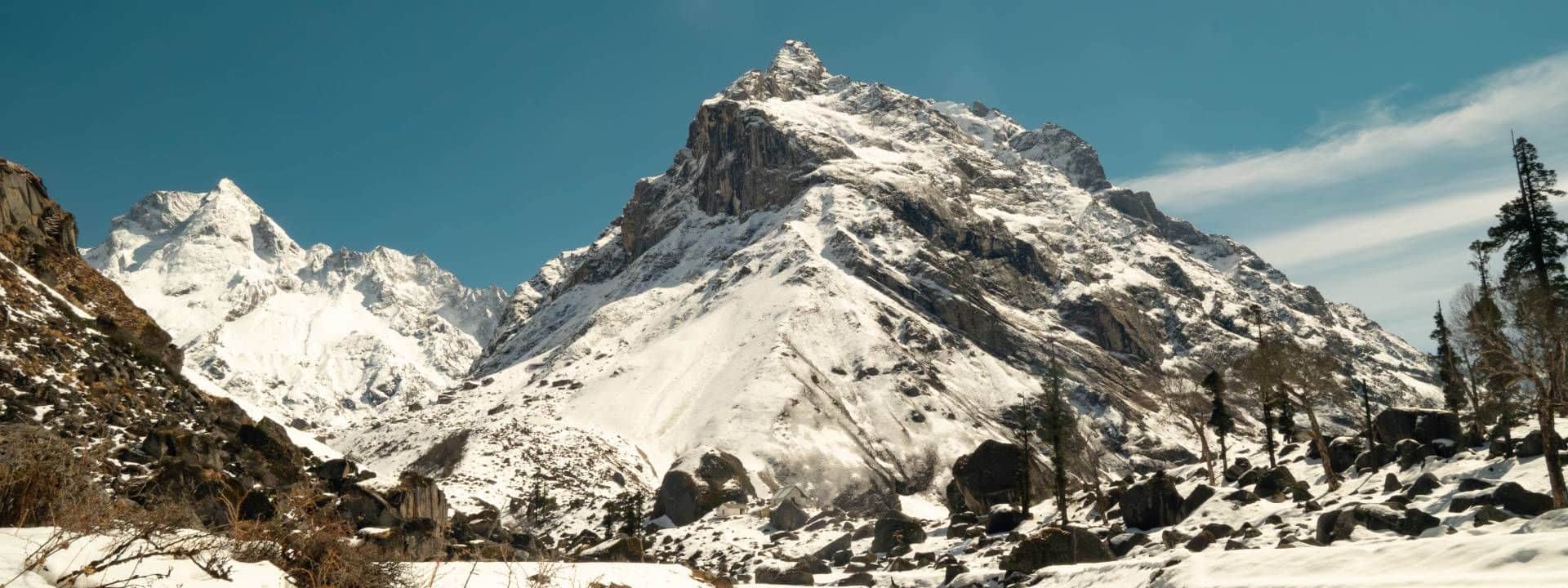
Cold air can often mask the intense heat of the sun when trekking high altitude passes such as Kongmaru La or Bali Pass. At altitudes between 4000 and 5500 meters, exposure to sunlight is especially hazardous, potentially resulting in sunburn and other serious medical complications. We have witnessed how not recognising its dangers could result in sunburns and more serious medical conditions, such as altitude sickness.
Why Is Sun Exposure Worse at High Altitude?
Thinner Atmosphere- Stronger radiation results from less UV filtering.
Reflection off Snow & Ice: Up to 80% of UV rays may reflect off snow or ice and double your UV exposure.
Cool temperatures mask burns- Even though you might not feel heat directly on your skin, it’s still being cooked off.
Dry Air & Wind: Exposure to dry air and wind accelerates dehydration of skin cells and chapping.
Common Sun-Related Hazards for Trekkers
Sunburn: At high altitudes, sunburns of any severity may arise within 20 minutes and be visible on the neck, face and hands.
Snow Blindness: Cornea damage due to ultraviolet radiation causes snow blindness; symptoms include red and watery eyes as well as blurred vision or temporary blindness.
Dehydration: Even in cooler climates, sunlight can speed up water loss from our bodies when combined with dry mountain air and intense exercise.
Heat Exhaustion: Even during winter weather conditions, prolonged exposure to sunlight on clear days may result in dizziness, heatstroke and fatigue.
Trekup India's Sun Safety Strategy for Trekkers
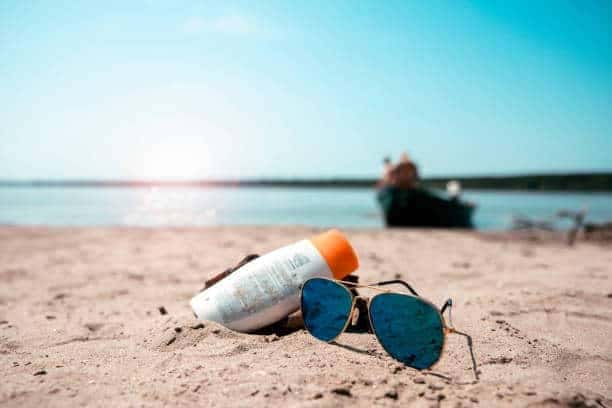
- Utilise High-SPF Sunscreen SPF 50+ broad spectrum sunscreen is recommended. Apply the Sunscreen every 2 to 3 hours; this is particularly essential if you sweat a lot. Don’t forget to cover your neck, ears, nose and under the chin with protection from UV radiation.
- Wear Sunglasses Offering 100% UV Protection Wear sunglasses offering 100% UV protection with side covers (wraparound style is preferred). Glacier glasses are essential gear when trekking Brahmatal, Kedartal or Goechala in snow conditions. Avoid leaving the snow lights out in direct sunlight for even an instant, even for brief moments.
- Protect Your Skin Wear a wide-brimmed hat or one featuring a neck flap to cover any exposed skin areas. Wear full-sleeved trekking shirts that provide UV protection. Be protected from wind and sun by wearing a bandana around your neck and face to shield yourself.
- Stay Hydrated It is recommended to bring at least 2 litres of water daily. Even if you don’t feel thirsty, take frequent sips. Even if it seems unnecessary, take time out of each day to replenish yourself by sipping. To keep a proper salt balance, supplement with ORS electrolyte tablets or capsules.
- Planning Your Treks Wisely To maximise safety on exposed passes or ridges, aim to avoid trekking during peak sunlight hours (11:30 am-2 pm). Rest in shady areas as much as possible.
Pro Tips from Trekup India Trek Leaders
- Apply a lip balm containing SPF; cracked, sunburnt lips are among the most frequently reported issues.
- Be sure always to keep a backup pair of glasses handy.
- Be watchful for signs: make sure that you protect yourself from sunburn before feeling scorching hot.
- Use gloves or full-finger gloves if your hands are prone to burns or tanning.
Essential Sun Safety Kit for Trekkers
| Item | Purpose |
| SPF 50+ Sunscreen | Prevent sunburn |
| UV-protection sunglasses | Shield eyes from UV & snow glare |
| Wide-brim hat or cap | Shade face & neck |
| Lip balm with SPF | Prevent dry, cracked lips |
| Buff or bandana | Cover face/neck |
| UV-protective clothing | Cover arms and shoulders |
| ORS / Electrolyte tablets | Maintain hydration |
Conclusion
Do not be deceived by fresh air and bright skies into thinking sun protection is unnecessary for high-altitude treks; at Trekup India, we teach our trekkers how to manage the sun’s rays as part of the pre-trek training, providing preventative steps that ensure they can enjoy stunning vistas without experiencing sunburn later each day.
About the Author: Trekking Expertise You Can Trust
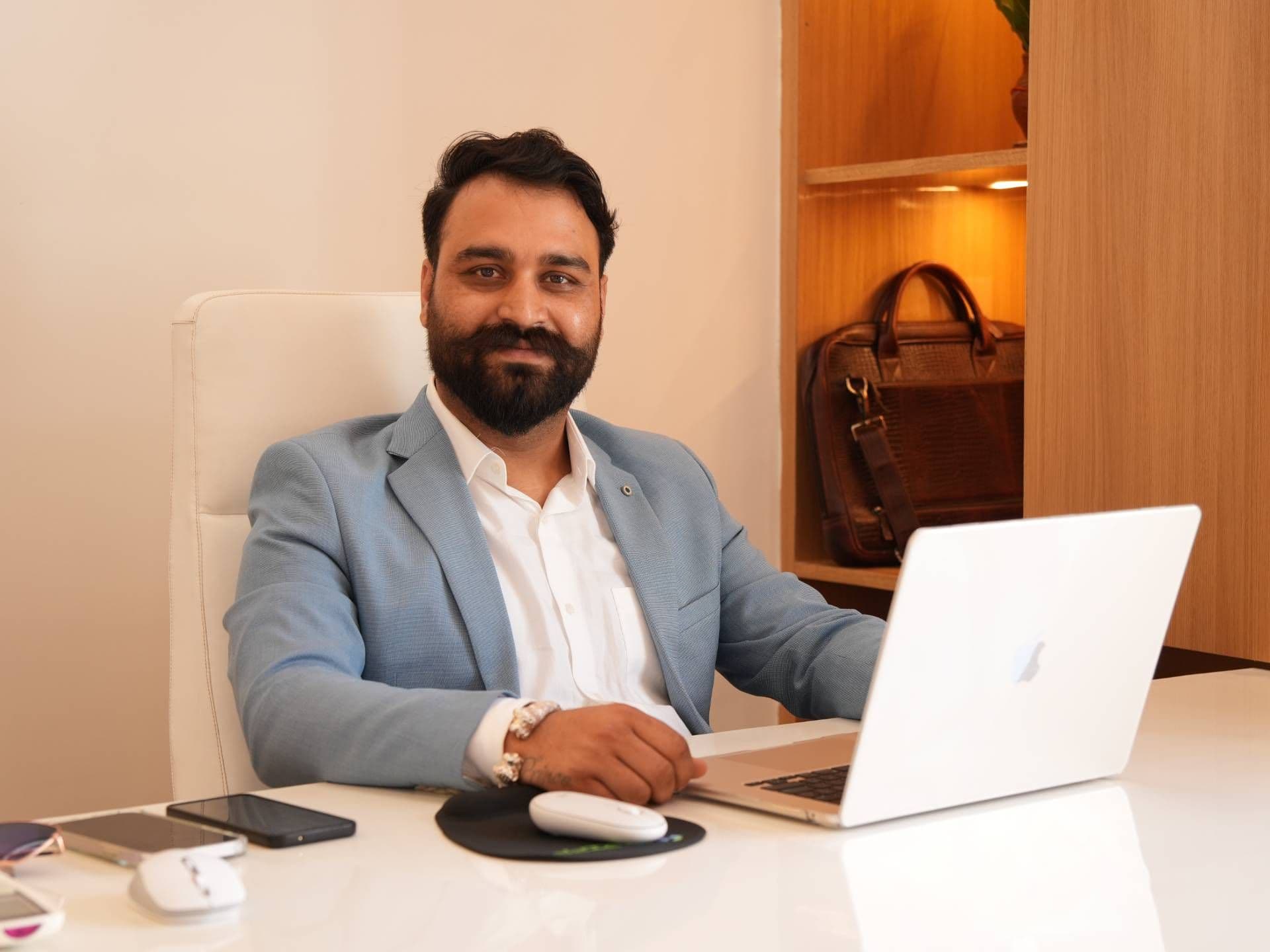
Director & Founder
With over 12 years of experience in the Himalayas, he has summited multiple 6000–7000 meter peaks and led more than 200 expeditions across iconic routes like Bali Pass, Buran Ghati, Rupin Pass, Pin Bhabha, Stok Kangri, and Black Peak. His deep mountain experience and leadership make him a trusted name in Himalayan trekking. Write to him at: preetam@trekupindia.com