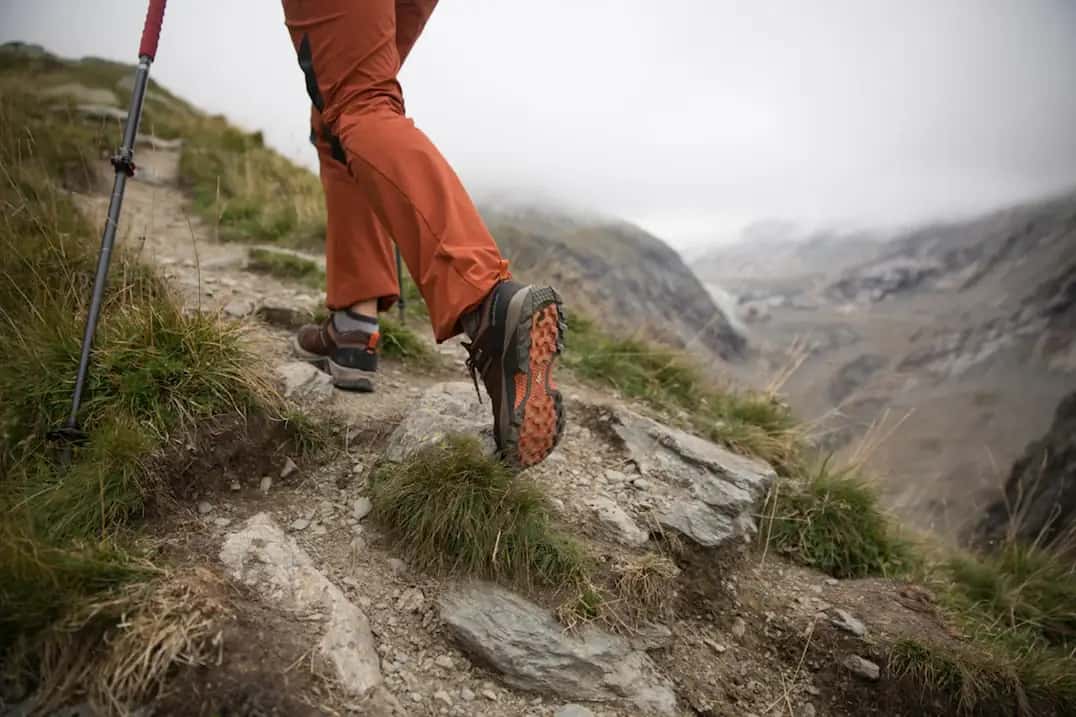
Blisters can quickly turn a wonderful Himalayan trek into a nightmare. Trekup India has witnessed many trekkers struggle through high passes, snowstorms and blisters due to poorly fitting footwear. Your footwear serves as your foundation – so breaking in and blister protection are both equally essential parts of trekking the Himalayas. This guide serves as your ultimate footwear SOS manual–Indian trails tested and trek leader approved.
Why Do Trekking Boots Need Breaking In?
New boots (made of leather or synthetic material with rubber soles) require breaking in before taking on long treks – wearing them straight out of the package may result in uncomfortable situations! When worn directly onto a trek, new materials might cause discomfort as you navigate rocky terrain and change of elevation.
How to Break in Your Trekking Boots (Step-by-Step)
1. Start Early (at Least 2-3 Weeks Before Your Trek)
Utilize Indoor Practice (30 Minutes per day). Gradually increase wear time to 2 to 3 hours.
2. Simulate Trekking Conditions Whilst Testing Out New Terrains
To test out different terrain conditions for trekking, attempt crossing stairs, hills or uneven surfaces such as dirt roads to simulate actual trekking conditions.If it is within your means to do so, continue with your trekking adventure. If possible, take a brief trek (5-6 kilometers) prior to beginning.
3. Wear Appropriate Socks
It is best to choose Merino wool or synthetic socks (avoid cotton as it retains water) when selecting socks to wear for activity.Two-layer socks (a thin liner inside and thick outer layer) may help reduce friction.
4. Adjust Lacing for a Snug Fit
Heel Lock Lacing allows a tight fit, preventing slippage of the heel that leads to blisters and soreness. Toe-Relief Lacing can alleviate pressure on the forefoot.
5. Check for Problem Areas
If you notice hotspots, rubbing or blisters forming on your skin, apply moleskin or tape immediately in order to stop further irritation and possible blisters forming.
How to Prevent Blisters on Treks
1. Select Appropriate Boots
Fitness: When selecting boots for trekking, ensure your toes can move freely while at the same time your heels do not elevate above a natural point.Ankle Support Is Essential on Indian Tracks (e.g. Quechua MH500, Woodland and Columbia).Waterproofing Process: Leather treated with Gore-Tex can withstand monsoon treks without becoming waterlogged or wet, providing for dry trekking excursions.
2. Keep Feet Dry
Replace damp socks as soon as they appear. Utilize powders designed to prevent snow storms as well as foot-based antiperspirant for best results.
3. Lubricate or Tape Hotspots
Vaseline/BodyGlide helps reduce friction. Leukotape/Kinesiology tape stays put even when wet, providing reliable support.
4. Treat Blisters Instantaneously
Avoid popping blisters as this increases your chance of infection and spread of illness.Cover the area with an adhesive blister (Compeed and Band-Aid).If the burst occurs, use antiseptic to clean, then cover the wound with gauze for protection.
Trek Footwear Checklist (Trekup India Verified)
| Item | Quantity | Notes |
| Trekking Boots | 1 pair | Broken in, with ankle support |
| Trekking Socks | 3–4 pairs | Wool or synthetic blend |
| Liner Socks | 1–2 pairs | Optional, for added protection |
| Slippers / Floaters | 1 | For camp wear |
| Micropore Tape / Band-Aid | 1 roll | Essential blister care |
| Foot Cream / Vaseline | 1 tube | Apply at night |
| Extra Laces | 1 pair | Just in case |
Final Words from Trekup India
Your success on any journey begins with your feet. Wearing the appropriate footwear, along with high-quality socks and simple methods of prevention can ensure a more seamless journey from start to summit – whether that means trekking Har Ki Dun, Rupin Pass or Kedarkantha–comfortable feet equal happy hearts!
About the Author: Trekking Expertise You Can Trust
Head Of Mountain Experts