Walking in the cold can be a thrilling experience, thanks to the fresh mountain air and frosty feet. However, winter treks can also bring some health risks, such as lesser-known illnesses such as Chilblains which are easily ignored. If you've suffered from itchy, inflamed or puffy skin due to exposure to freezing temperatures, it is likely that you have experienced Chilblains firsthand. In this article, we'll discuss their causes and signs especially for those who venture out into colder temperatures for trekking or hiking purposes.
Are you unfamiliar with Chilblains and wonder what is their Relation to trekking?
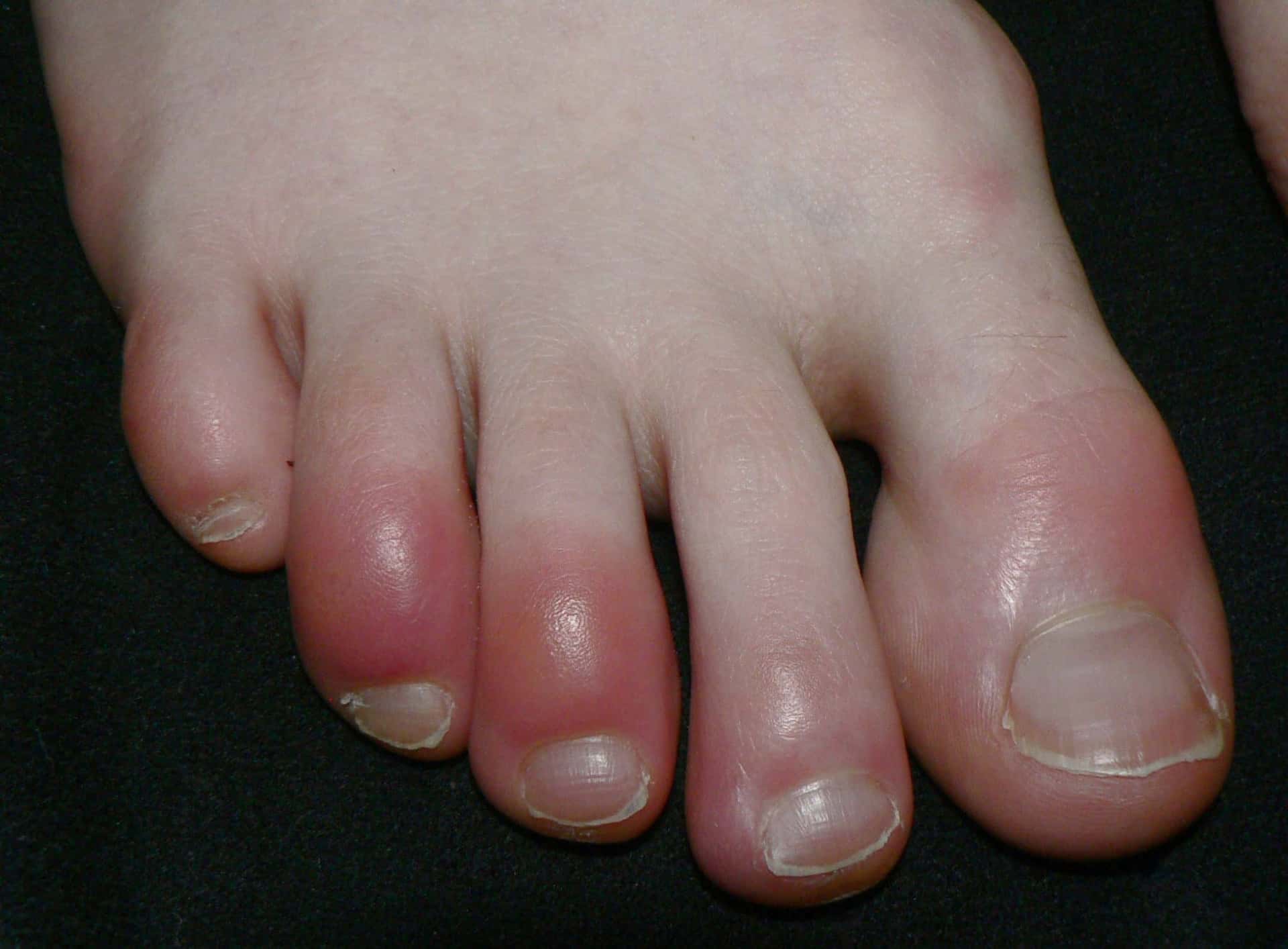
Explore Here. If you're unfamiliar with the term "chilblain" and are unsure of its significance to trekking, it's important to educate yourself about this condition and its ways to prevent it. Chilblains are skin swellings that cause discomfort that may be painful, itchy and blue or red because of sudden temperature changes Although the majority of Indian trekkers aren't likely to experience Chilblains often, having a thorough understanding regarding their causes and how to prevent them must be vital! Although the majority of Indian trekkers will never experience Chilblains however, it is vital that everyone is informed.
The symptoms of Chilblains
Chilblains are characterized through bumpy and itchy areas that range in color from purplish to reddish. They are typically bumpy and itchy on their edges. If left untreated Chilblains could cause ulcers or infection, with severe pain as a result and also the constant itching and numbness of the affected areas. If not treated for a long time they may progress into Frostbite where the tissues under the skin become frozen due to blood vessels that are constricted close to the surface that enlarge blood vessels. They then expand when exposed to heat causing can cause blood leakage into the surrounding tissues results in Chilblains being created only in one region!
Cause
Certain groups and individuals are more at risk of Chilblain intake, which causes blood vessels to narrow for instance, minors and females who drink excessive amounts of caffeine, those with an insufficient body mass index, and those who suffer from Raynaud's Disease, which affects circulation to the extremities. The incorrectly fitted footwear can increase the chance of Chilblains. So, it's crucial to pay attention to your feet when on your trek to avoid the chance of developing this condition. Take preventative measures as soon as you can to decrease the likelihood of Chilblains occuring.
Here are some ways to avoid Chilblains
Drinking water can in easing the process of quitting smoking as drinking enough fluids aids in flushing nicotine out via urine. Physical activity can play an important role in removing the toxins in your body. Eating antioxidant-rich fruits like oranges can aid in the natural detoxification process in the body and help flush nicotine faster.
To prevent discomfort and the possibility of chilblains, choose footwear and boots that have sufficient space for your forefoot that doesn't restrict your feet. Shoes that aren't properly fitted can cause painful blisters, so footwear must be adjusted prior to beginning any trek or hike. Consuming at minimum one warm meal a day is essential to maintain your body's temperature and preventing sudden temperature fluctuations.
Always keep another pair of socks in your bag to ensure that your socks dry frequently and remain at a high level to use. You can hang them under your clothes during the day and around your chest in your sleeping bag to allow them to dry completely. It is advisable to keep at a minimum an extra pair in your bag!
Always ensure that you rest with dry, warm feet. The following guidelines are crucial as even a night of wearing cold and damp socks can sabotage all the progress made during the last few days. If you can, carry an additional towel to dry your feet after every shower.
Start early and end your trek before sunset Be in tune with nature's rhythm when you walk by beginning early and stopping just before sunset to make the most of the sun's warmth while avoiding colder temperatures. Also, this strategy allows plenty of time to take care of your feet and there is no need to delay this task until after bedtime. immediately change to dry socks once you have reached an area to dry your shoes and socks that are wet due to walking!
Regular foot examinations are essential throughout the day, especially in conditions of high altitude, especially when mountain sickness has weakened the communication between body and brain which makes it difficult to recognize symptoms of chilblains. Make it a part of your daily routine to check your feet for any signs of discomfort or injury to ensure you are performing at your best.
Chilblains aren't necessarily dangerous, but they serve as a nagging indicator of the body's response to extreme conditions. By taking preventative measures and recognizing the signs, cold weather excursions can be enjoyed without pain or irritation. So, stay warm and dry. And take your time hiking!
About the Author: Trekking Expertise You Can Trust

Director & Founder
With over 12 years of experience in the Himalayas, he has summited multiple 6000–7000 meter peaks and led more than 200 expeditions across iconic routes like Bali Pass, Buran Ghati, Rupin Pass, Pin Bhabha, Stok Kangri, and Black Peak. His deep mountain experience and leadership make him a trusted name in Himalayan trekking. Write to him at: preetam@trekupindia.com