
Prev
1 / 9
Next
 Blog
BlogBy Adhish Bhandari|Sep 21, 2026
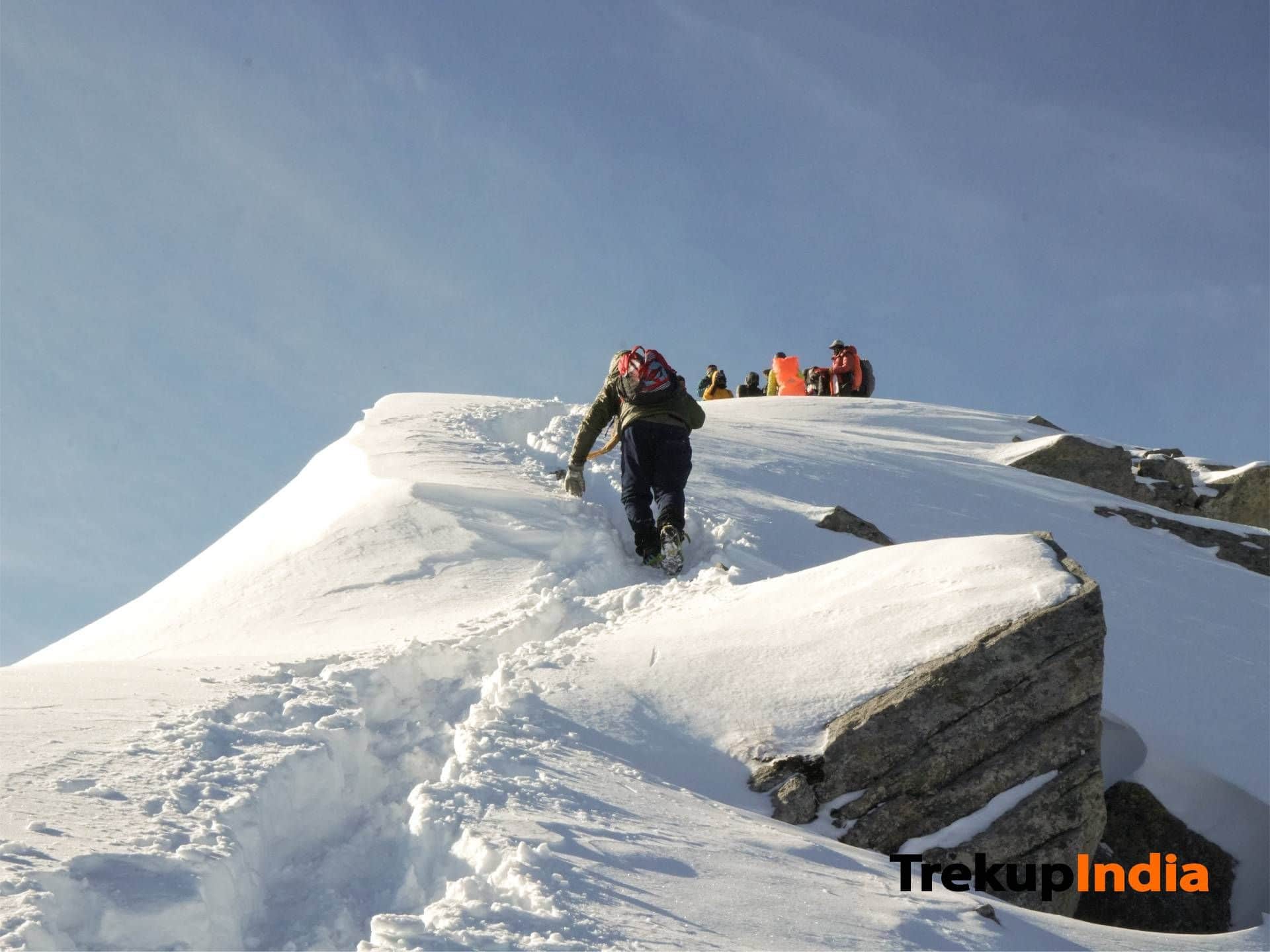
The Mythology and Folklore behind Pangarchulla PeakThe Pangarchulla Peak is not only a paradise for trekkers but also a place filled with mythology and folklore. Situated in the heart of the Garhwal Himalayas of Uttarakhand, this peak has ancient stories still believed by locals that connect nature, gods, and the mountains. Trekking here is not merely climbing to the summit; it’s about treading in the footsteps of the legends, where the mythological stories about these mountains have been passed down for generations. While the mythology of Pangarchulla is less well recorded than that of some other, more popular peaks, it is still rich in the thick cultural richness of Garhwal, with its profound spirituality about gods, spirits, and the land. As you climb up the magnificent Pangarchulla Peak, you cannot help but get immersed in the pages of history, culture, and mythology that have pervaded this monumental marvel. The folklore and mythology of Pangarchulla Peak are not just stories of the land; they are woven deeply into the fabric of the place, holding secrets that have been passed down for centuries. From its spiritual significance to its connection with Lord Hanuman and Lakshman in the Ramayana, this peak is a symbol of spirituality as well as adventure. Mount Dronagiri is one of the most spectacular peaks visible from the Pangarchulla summit. It is believed that the Sanjeevani Booti had exceptional medicinal value, and can even resurrect the dead! In mythology, when Lakshman fell unconscious after receiving a killing arrow in his combat with Maghnada, Lord Hanuman was sent to pick up the Sanjeevani Booti in order to revive him. Hanuman did not find the specific herb, though, and under stress, picked up the entire mountain, which was said to be either Dronagiri or Gandhamardhan, and transported it to the battlefield in order to revive Lakshman. This saved Lakshman’s life but deformed the holy mountain, for which the people have never forgiven the Gods. Even to this day, some communities within the region do not worship Lord Hanuman, even omitting his role in the Ram-Leela performances during Dussehra. This peculiar combination of folklore and religious beliefs provides a profound spiritual layer to the mythical narratives of this region. Other than connection with Lord Hanuman and Sanjeevani Booti, Pangarchulla Peak is also associated with other Hindu Gods. Pandavas, according to local myth, are said to have passed through this very region when heading towards Swargrohini, the peak that represents the path to heaven in Hindu mythology. The Kuari Pass trek section of the total trail to Pangarchulla is said to have been a track trodden by the Pandavas. Even the top has been described as the playground of Lord Ganesha, so many layers are bestowed upon the summit in the way of cultural and spiritual weightage. The convergence of such mythological events makes the Pangarchulla Peak no less than a spiritual journey, representing the convergence of nature, spirituality, and mythology. Trekking Pangarchulla Peak with Trekup India is more than just a trip to the Garhwal region of Uttarakhand. The trek leaders, being locals of the nearby areas, have immense information about the region’s flora, fauna, and rich folklore. Their strong connection with the land and its history enables trekkers to see a part of the Pangarchulla Peak trek that most people do not. You will be treated to fascinating tales about the mythological importance of the mountain, its natural splendor, and the customs of the inhabitants of this region. Trekking with Trekup India provides you with a genuine insight into the local way of life. You will not just be learning about the mountains and the trek but also about the culture, customs, and daily way of life of the people who have inhabited these beautiful landscapes for centuries. The trek leaders will present you with information on the nearby villages, their ways of living, and the way they live peacefully with nature in this distant area of the Garhwal Himalayas. It’s that unique, firsthand cultural experience which makes trekking to Pangarchulla Peak with Trekup India such a unique and memorable one. And that’s not all, Trekup India also sees to it that the food part of your trekking experience becomes equally memorable. Their master chefs serve and prepare local specialties, and you will get an opportunity to enjoy the region’s true flavor. From a hot, warming meal after a trekking day to freshly prepared snacks, all your meals will be true expressions of the region’s rich culinary tradition. Together with the thrill of the adventure and cultural interaction, the dining experience while trekking to Pangarchulla Peak with Trekup India will be an integral part of your memories. Trekking to Pangarchulla Peak is not only a physical trek, it’s a spiritual journey that takes you through territories rich in mythology, folklore, and legend. The association with Lord Hanuman, the Pandavas, and Lord Ganesha gives your journey multiple layers of meaning, making it an experience like no other. As you absorb the stunning vistas and challenge yourself to the top, you’ll discover that the trek has something much deeper to offer, a chance to connect with nature, myth, and the enduring tales that have defined the Garhwal Himalayas for centuries.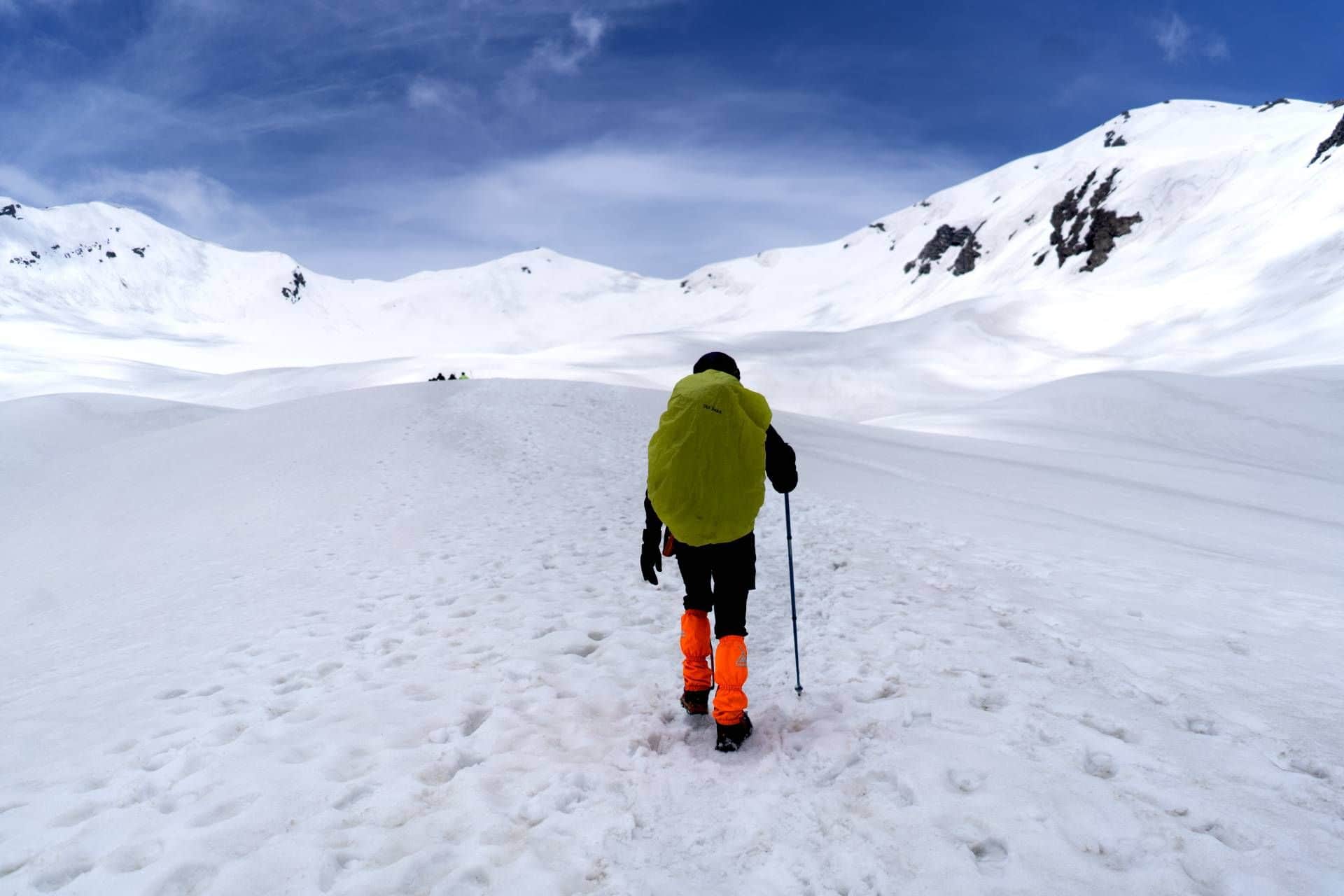 Blog
BlogBy Anoop Rawat|Sep 21, 2026
Bali Pass Trek: A Guide to Its Most Beautiful CampsitesUttarakhand offers an incredible trek in the Himalayas experience combined with breathtaking Himalayan scenery, as this trek blends adventure with stunning Himalayan panorama. Starting from Sankri, a picturesque village near Uttarkashi, and reaching 16,200 feet. The Bali Pass Trek guide highlights its challenging terrain, winding its way through rugged terrains, picturesque villages of Uttarakhand, and dramatic mountain landscapes, with campsites along the trail providing comfort and beauty of this Himalayan adventure. Discover its charm on an unforgettable Himalayan journey – take on its challenging terrains for an unforgettable Himalayan experience. The Bali Pass Trek in Uttarakhand is a thrilling high-altitude experience that begins in Sankri and winds its way up to 16,200 feet. Renowned for its challenging trails and beautiful campsites such as Seema, Devsu Bugyal, Ruinsara Tal, Odari, Bali Col, and Lower Dhamni—each offering serenity as well as breathtaking Himalayan vistas—this Bali Pass Trek guide provides something different than any other. At Camp 1, Trekkers on the Bali Pass Trek will find peace after their long trek from Taluka. Travelling by scenic drive along winding routes through deodar and bamboo forests before beginning your trek through thick chestnut, willow, walnut, and oak forests on the route. En route, Gangad Village showcases vibrant Himalayan architecture and culture as well as authentic Garhwali culture; finally, Seema provides its tranquil sanctuary among snowcapped mountains and unspoiled nature! Seema provides an outline for a trek along the Supin River that leads to Devsu Bugyal in Ruinsara Forest, known for its Himalayan wildflowers, dense greenery, and breathtaking beauty. Wildlife enthusiasts will delight in observing various animal and bird species that reside here. As we journey toward Devsu Bugyal, the path will wind through dense forest with sandy and stone trails gradually descending to the riverbed before following the Supin River shoreline to Rain Basera camping area. Be mindful when approaching Rain Basera as some slippery sections exist near its entrance; be wary, as Rain Basera offers both a safe and enjoyable trekking experience! When arriving at Devsu Bugyal the landscape changes significantly with breathtaking views of Osla Village as well as Ruinsara valley featuring meadows stretching for almost 2 km in Ruinsara valley with its sprawling meadows stretching for approximately 2 km. Ruinsara Tal Campsite can be found along the Bali Pass Trek and offers beautiful camping facilities near Ruinsara Lake for an idyllic camping experience, indulging in peace and serenity as it blends harmoniously into nature’s bounty. Surrounded by majestic mountains and lush meadows, it has a serene atmosphere that creates an environment conducive to deep meditation, not to mention spectacular panoramic views. Ruinsara Tal campsite provides breathtaking views of Yamuna Kanta in the south-west and Dhundhari Kandi Ranges in the east; not to mention White Peak and Kala Nag in the southeast, For trekkers looking to experience trekking firsthand, camping at Ruinsara Tal offers a thrilling opportunity among these iconic Himalayan peaks – Ruinsara Tal is our go-to spot to capture everything trekking offers. Odari Campsite can be found along the Bali Pass Trek and offers tranquility in beautiful surroundings. According to legend, Odari was named for a rock cave believed to be where Bali, Sugreev’s brother resided. Swargrohini Mountains offer stunning scenery; you may even catch sight of Himalayan Mountain Bear, plus this campsite’s prime position provides beautiful panoramic views of scenic valleys and Bali Pass. The Bali Col Camp serves as the final stop before ascending Bali Pass’ summit, situated at an elevation of 15100 feet on the trek route and offering breathtaking views and exhilarating challenges ahead. Trekkers who wish to avoid Acute Mountain Sickness should make it their top priority to remain well hydrated on their trek, particularly when traversing steep ridges with slopes of 60 degrees or steeper. Rapid temperature drops and prolonged acclimatization times at higher altitudes require careful preparation as well as compliance with instructions from leaders. Lower Dhamni is the final camp on the Bali Pass Trek and features stunning vistas as you make your descent down narrow trails towards Bali Pass Summit. Here you will enjoy peaceful camping site access via trails winding through forests – providing an idyllic retreat before returning back into civilization. On your Bali Pass Trek, you will come across various campsites, each one providing its opportunities and challenges. Each campsite allows you to experience the Himalayas’ beauty up close while making new connections as you traverse challenging terrain together with fellow trekkers and your trek leader.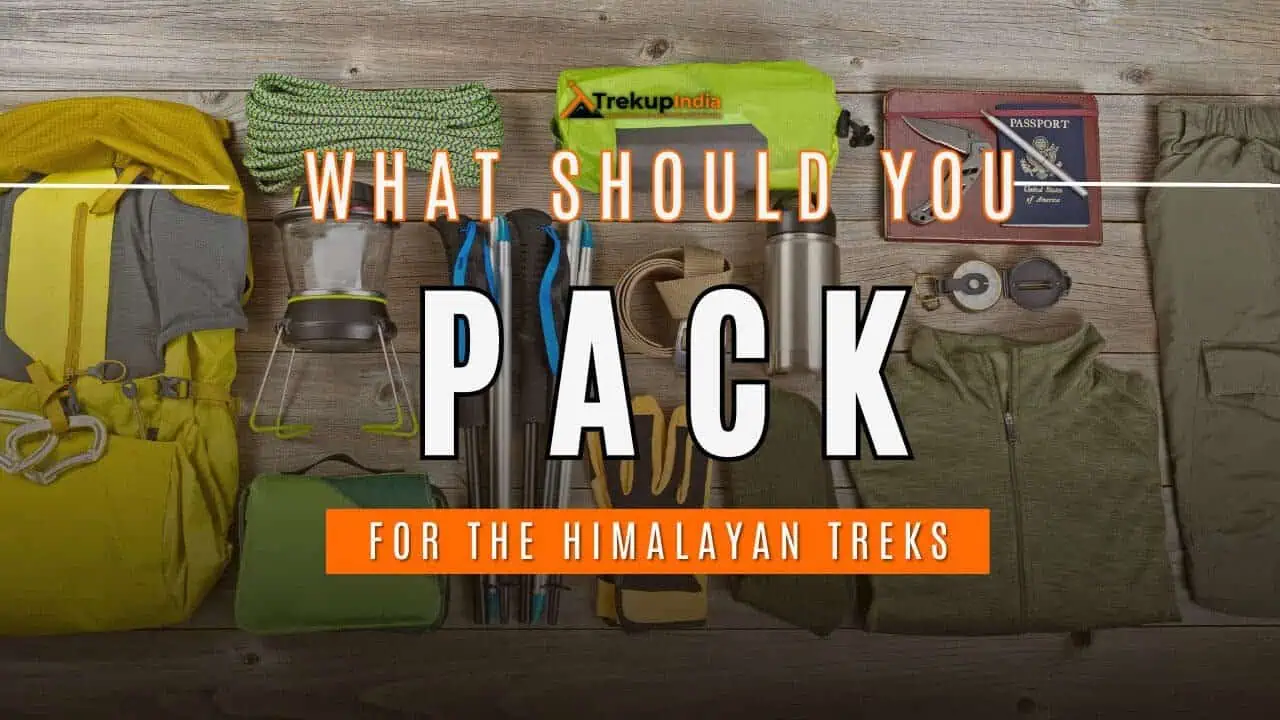 Blog
BlogBy Nanda Rawat|Sep 21, 2026
Trekup India Trek Checklist: Prep for Your ExpeditionPreparing for your trek involves more than simply filling your backpack. Proper organization, training, and preparation of the backpack should all play an integral part in ensuring an enjoyable adventure, whether that means climbing Kedarkantha’s snowy heights, strolling lush treks of Tarsar Marsar, or trekking over Pin Bhaba Pass – preparation is key to guaranteeing both safety and enjoyment during any adventure. At Trekup India, we know that being well prepared is key to an enjoyable trekking experience. Therefore, we have created an extensive pre-departure checklist for trekkers joining any Trekup India expeditions. Footwear for Trekking The following shoes should be considered essential: Ankle Support, Water-proof, and well-worn-in (never use brand new footwear on any trek!). Camp Shoe Sandals or flip flops provide lightweight relaxation options. Backpack & Accessories Food & Hydration Pick up energy bars or dry fruit snacks as quick bites for energy on your trek. Electrolytes/ORS – Help prevent dehydration by replenishing lost fluids. Lightweight Cutlery: A Foldable Spoon and a Reusable Mug are essential pieces to have when traveling light. Exercise Checklist (4-6 weeks before event ) Fitness Training Strength of Leg Exercise (squats, lunges, and calf raises), Mental Readiness Evaluate the difficulty and terrain before setting out. Prepare yourself to cope with unpredictable weather as well as basic living conditions. Keep your eye on the prize! Running is both an exercise in mental and physical strength! Before travelling abroad, always carry original and photocopies of travel permits and IDs, as backup. cash may not always be readily available at remote ATMs. Communicate your itinerary as well as emergency contact numbers with family/friends as an extra precautionary measure. Check for updates regarding snowfall/rainfall at the last minute. backpack weight should not exceed 10-12kg (unless on an adventure trip). TrekUp India encourages sustainable trekking by encouraging responsible practices – such as using fewer plastics and respecting local cultures when traveling abroad. Mountains reward those who put in enough training time, so check your gear and start training smart to be ready for an incredible trip.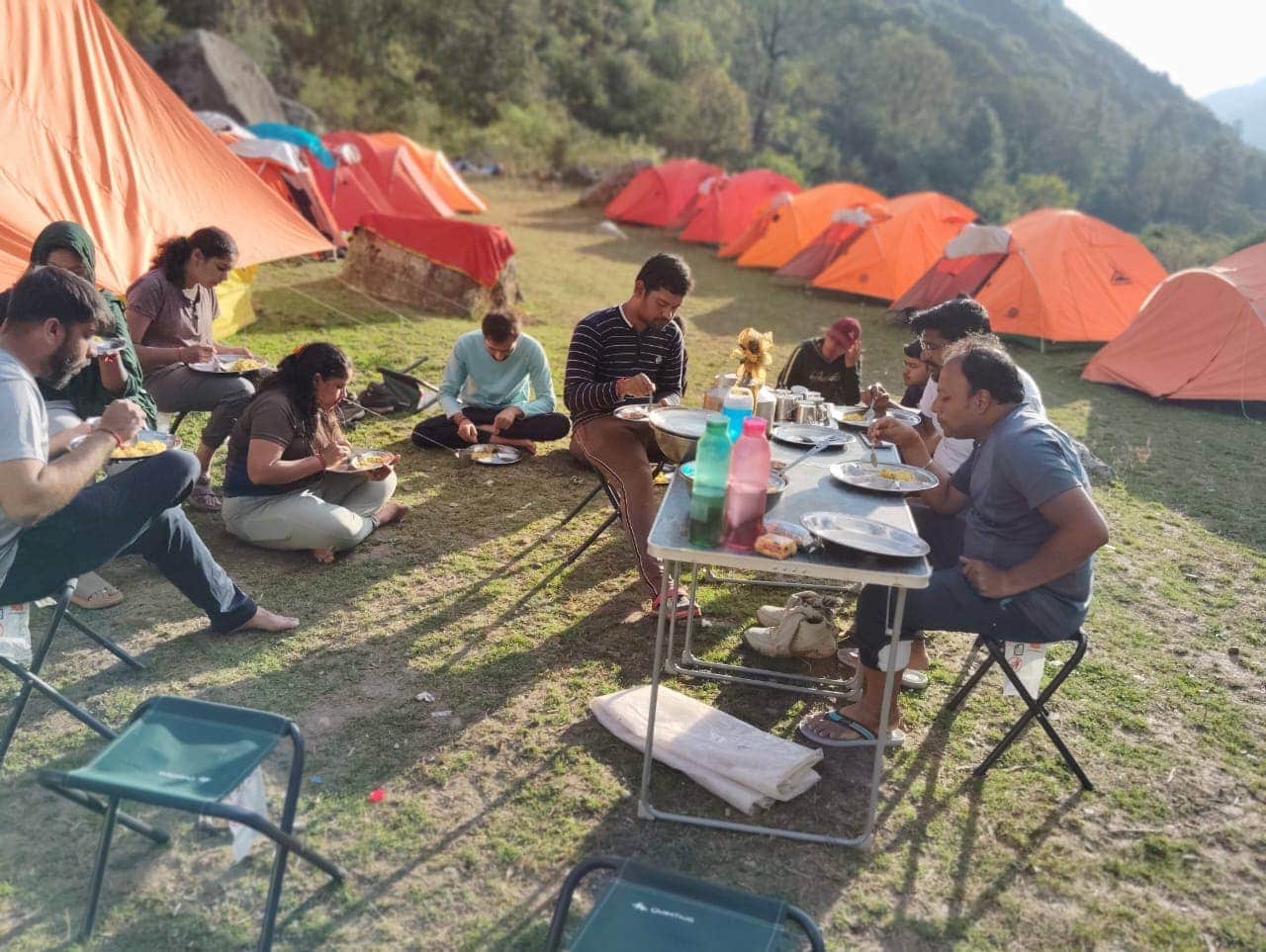 Blog
BlogBy Preetam Singh Rawat|May 17, 2026
Food on Trek with Trekup India | Healthy & Hygienic Trek MealsWhen people imagine trekking in the Himalayas, they usually think about snow-covered mountains, forests, rivers, and breathtaking views. But once the trek actually begins, one thing quickly becomes very important — food. After trekking for long hours in cold weather and high altitude conditions, your body needs proper nutrition, warmth, and energy. A hot meal at the campsite after an exhausting day feels less like luxury and more like comfort. At Trekup India, we understand this because we are trekkers ourselves. Over the years, we have learned that good food can completely change a trekking experience. That is why we put special focus on serving meals that are fresh, hygienic, nutritious, and satisfying. During our treks, you do not need to worry about food arrangements. From morning tea to hot dinners under the stars, everything is prepared carefully by experienced mountain cooks. We mainly serve Indian vegetarian food during our treks because it is: Our meals usually include: The food is simple, homemade, and cooked fresh every day. Trekking in the Himalayas is physically demanding. Your body burns much more energy because of: This is why trekkers need meals rich in: Before preparing trek menus, we carefully consider: Every meal served during the trek is designed to help trekkers stay energetic and recover properly. One of the best feelings during a Himalayan trek is waking up inside a tent surrounded by mountains and receiving a hot cup of tea early in the morning. To help trekkers feel refreshed, we usually serve: That warm drink in freezing mountain weather instantly lifts your mood and prepares you for the day ahead. Breakfast is one of the most important meals during trekking because it provides the energy needed for the day’s climb. Our breakfasts are warm, filling, and prepared fresh at the campsite. Served along with: The idea is simple — start the trekking day with enough energy and warmth. Some trekking days are longer and more demanding than others. During such days, trekkers are also provided packed snacks to maintain energy on the trail. These may include: Fresh local fruits like apples are also served whenever available. Small snacks during trekking help maintain stamina and prevent exhaustion. Lunch during trekking is kept simple and balanced so trekkers feel energetic rather than heavy after eating. A warm lunch in cold mountain weather gives the body much-needed recovery during the day. Evenings on a trek have their own charm. After reaching the campsite tired and dusty, trekkers gather together for tea, snacks, and conversations about the day’s journey. Served with: These small moments often become some of the happiest memories from the trek. Mountain nights can become extremely cold, especially at higher altitudes. Before dinner, trekkers are usually served hot soup to help the body stay warm and comfortable. Sitting with fellow trekkers and sipping hot soup under the Himalayan sky is an experience difficult to describe in words. After trekking throughout the day, dinner becomes the most comforting meal. All meals are freshly prepared and served hot at the campsite. A hot dinner after a freezing trekking day genuinely feels rewarding. Many trekkers are surprised to discover that desserts are also served during Himalayan treks. But after a difficult trekking day, sweets instantly improve everyone’s mood. Hot desserts in cold weather create memories trekkers never forget. Food hygiene becomes extremely important in mountain environments. At Trekup India: Our teams understand how important safe food is during trekking. Trekkers usually come for: But later, they also remember: Food on a trek is not just about eating. It becomes part of the entire journey. Trekking in the Himalayas is challenging, beautiful, and unforgettable. Good food makes the experience even better. At Trekup India, we make sure every trekker receives warm, nutritious, hygienic, and freshly prepared meals throughout the journey. From hot breakfasts to comforting dinners under the stars, every meal is prepared with care so you can enjoy the mountains without worrying about food. Because after a long trekking day in the Himalayas, even a simple hot meal feels extraordinary.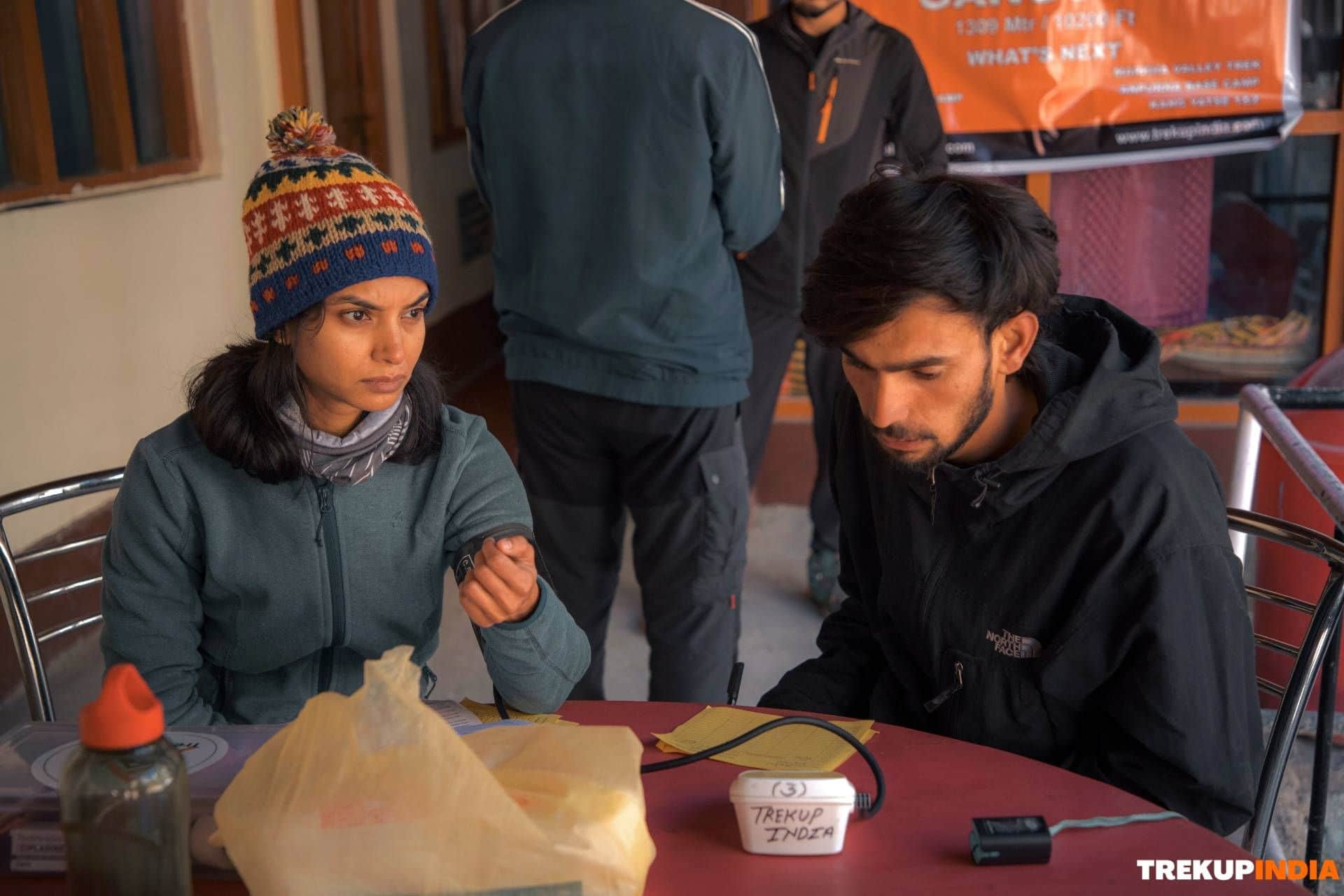 Blog
BlogBy Preetam Singh Rawat|May 17, 2026
Trekup India Safety Protocol | Safe Himalayan Trekking With Expert Trek LeadersA Himalayan trek is much more than reaching a summit. It is about walking through remote valleys, crossing rivers, climbing snowy trails, breathing thin mountain air, and trusting the people who are leading you in the mountains. At Trekup India, we understand that when someone books a trek with us, they are not only choosing an adventure — they are placing their trust in our team. And we take that responsibility very seriously. For more than 23 years, Trekup India has been organizing Himalayan treks, expeditions, school programs, family adventures, and outdoor journeys across Uttarakhand, Himachal Pradesh, Kashmir, Ladakh, and several other mountain regions. Over the years, we have worked with thousands of trekkers from different age groups and experience levels. That belief shapes every safety decision we make on the mountain. The Himalayas are beautiful, but they are also unpredictable. Weather can change suddenly, trails can become difficult within minutes, and high altitude affects every individual differently. This is why we never treat trekking casually. At Trekup India, safety is not limited to carrying a first-aid kit or appointing a trek leader. It is a complete system that starts long before the trek begins and continues until every trekker safely returns home. Our safety approach focuses on: Because in the mountains, small decisions make a very big difference. A trek is only as safe as the people leading it. At Trekup India, our trek leaders, guides, and technical staff are trained to handle real mountain situations - not just manage groups. Many of our team members are professionally trained from institutes such as: Our mountain teams undergo training in: But beyond certifications, what truly matters is mountain experience. Many of our guides have spent years working in the Himalayas and understand mountain behavior, terrain conditions, weather patterns, and high-altitude challenges extremely well. When situations become difficult on the mountain, experience matters more than anything. Safety starts before the trek even begins. Before every trek, trekkers receive detailed guidance regarding: We strongly encourage trekkers to prepare physically before joining any Himalayan trek. Cardio fitness, stamina, hydration habits, and mental preparedness all play a major role in ensuring a safe trekking experience. If a trekker has any existing medical condition, we recommend consulting a doctor before the trek and informing our team in advance. For us, knowing a trekker’s medical condition beforehand is extremely important because prevention is always better than emergency treatment in remote mountains. High altitude is one of the biggest challenges in Himalayan trekking. Even physically fit people can face altitude related issues, which is why acclimatization is taken very seriously at Trekup India. We carefully design itineraries to allow the body enough time to adapt to increasing altitude. Our teams constantly monitor trekkers for signs of: Every day during the trek, our trek leaders regularly check: We use pulse oximeters to identify problems early before they become serious. If any trekker shows symptoms of altitude sickness, our team immediately takes action, which may include: Sometimes trekkers are advised not to continue further for safety reasons. And honestly, we believe that is the right decision. Because no mountain is more important than someone’s life. Every Trekup India trek carries a complete mountain first-aid medical kit designed specifically for Himalayan conditions. Depending on the trek altitude and difficulty, our teams also carry: Our teams are trained not only to carry this equipment but also to use it properly during real emergencies. Medical preparedness is something we never compromise on. Snow trekking and high-altitude terrain require additional technical precautions. Over the years, Trekup India has introduced multiple safety practices that have become increasingly common across the trekking industry today. For snow and technical sections, we use: We continuously evaluate terrain conditions, snowfall, weather, and trail safety before allowing trekkers to move through risky sections. Safety always comes before speed. One of the biggest challenges in the Himalayas is the lack of mobile network connectivity. To maintain coordination in remote areas, our teams use radio communication systems during treks. This helps different team members stay connected even in regions where phones stop working completely. Along with this, we maintain: In mountain environments, quick communication can make a critical difference during emergencies. Despite all precautions, mountain environments can still be unpredictable. That is why we maintain structured emergency response systems. In case of medical emergencies, our teams are trained to: Depending on the terrain and severity of the situation, evacuation may happen through: Our priority in every emergency situation is simple: Respond quickly, stay calm, and prioritize the trekker’s safety above everything else. We strongly believe that good safety is not possible without personal attention. During the trek, our leaders continuously monitor trekkers for: Whether someone is trekking for the first time or has previous mountain experience, our teams ensure that every trekker feels supported throughout the journey. No one should feel ignored in the mountains. Mountain safety is also connected to responsible trekking practices. Our teams actively encourage: Because protecting the mountains is equally important for future trekkers and local communities. Safety in the Himalayas is always a shared responsibility. We expect every trekker to: Sometimes weather or health conditions may force route changes or summit cancellations. While these decisions may feel disappointing in the moment, they are always taken with safety as the highest priority. Trekkers choose Trekup India because we combine mountain experience, technical preparedness, and genuine human care. Over the years, we have built trust through: The Himalayas are powerful, raw, and unpredictable. No company can control the mountains. But what we can control is how responsibly we prepare for them. And that is exactly what we promise at Trekup India. When you trek with us, you are not just joining a group departure. You are trekking with a team that genuinely cares about your journey, your experience, and most importantly - your safe return home. Blog
BlogBy Preetam Singh Rawat|May 9, 2026
High-Altitude Sun Protection Tips for TravelersCold air can often mask the intense heat of the sun when trekking high altitude passes such as Kongmaru La or Bali Pass. At altitudes between 4000 and 5500 meters, exposure to sunlight is especially hazardous, potentially resulting in sunburn and other serious medical complications. We have witnessed how not recognising its dangers could result in sunburns and more serious medical conditions, such as altitude sickness. Thinner Atmosphere- Stronger radiation results from less UV filtering. Reflection off Snow & Ice: Up to 80% of UV rays may reflect off snow or ice and double your UV exposure. Cool temperatures mask burns- Even though you might not feel heat directly on your skin, it’s still being cooked off. Dry Air & Wind: Exposure to dry air and wind accelerates dehydration of skin cells and chapping. Sunburn: At high altitudes, sunburns of any severity may arise within 20 minutes and be visible on the neck, face and hands. Snow Blindness: Cornea damage due to ultraviolet radiation causes snow blindness; symptoms include red and watery eyes as well as blurred vision or temporary blindness. Dehydration: Even in cooler climates, sunlight can speed up water loss from our bodies when combined with dry mountain air and intense exercise. Heat Exhaustion: Even during winter weather conditions, prolonged exposure to sunlight on clear days may result in dizziness, heatstroke and fatigue. Do not be deceived by fresh air and bright skies into thinking sun protection is unnecessary for high-altitude treks; at Trekup India, we teach our trekkers how to manage the sun’s rays as part of the pre-trek training, providing preventative steps that ensure they can enjoy stunning vistas without experiencing sunburn later each day.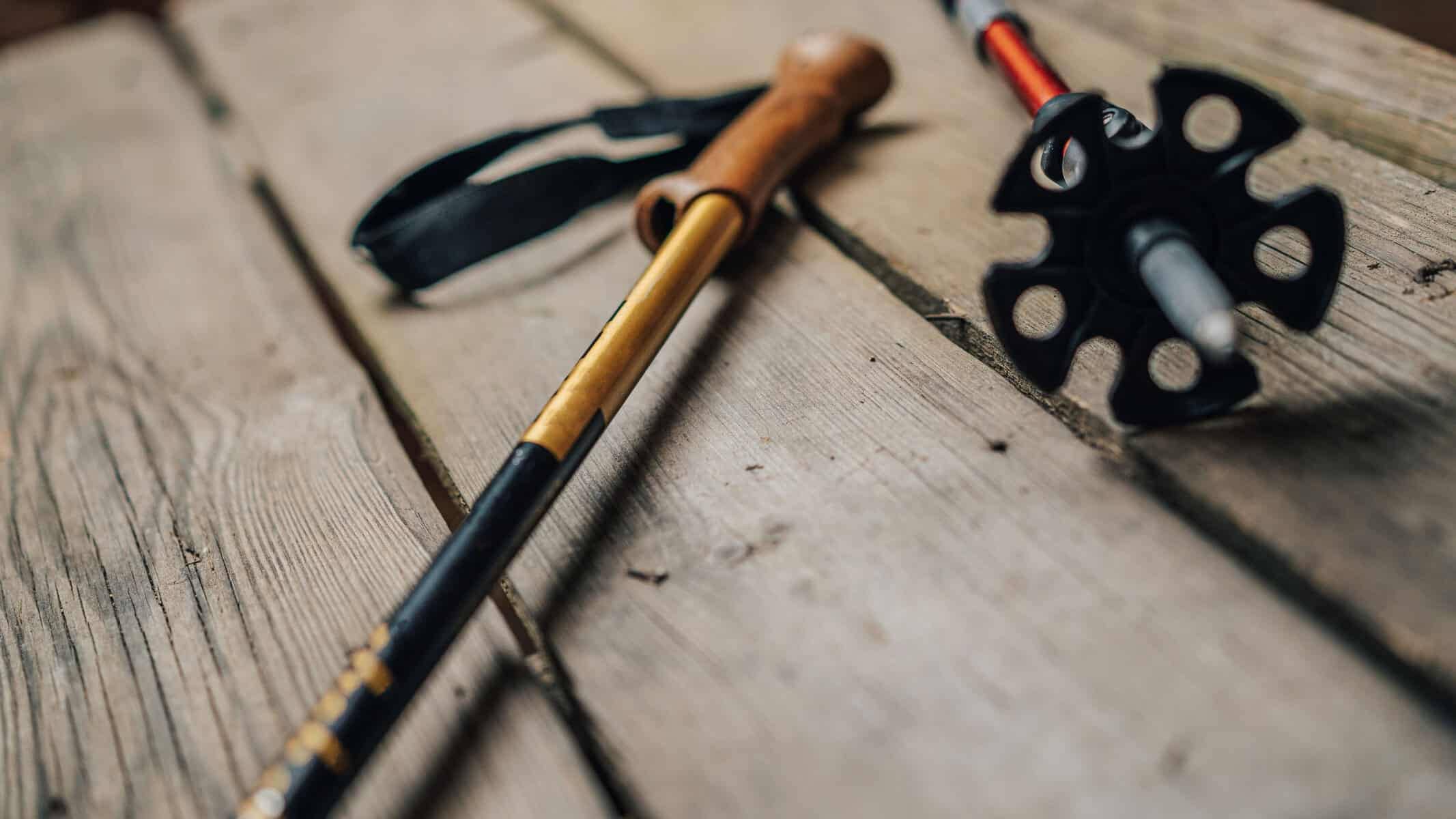 Blog
BlogBy Preetam Singh Rawat|May 8, 2026
Trekking Pole Techniques & Benefits for Indian TrailsTrekking poles may often go unappreciated; however, their use can transform India’s many trails, ranging from Himalayan slopes to Western Ghat trails. From beginners and veteran trekkers alike, using poles correctly can greatly enhance stability during treks while decreasing fatigue levels as well as risk for injuries. This article will show how to get maximum benefit out of them. Indian trails can be unpredictable, often featuring loose rock, muddy patches, and river crossings – trekking poles provide additional legs to provide support over rough Terrain. Steep trails place undue stress on knee joints. Poles help ease this strain by 20-30 percent, which makes a big difference when trekking for extended distances. Lean on your hands and poles to distribute effort across your upper body and make the climb uphill more manageable while conserving energy. This helps make climbing more manageable while saving energy on each attempt at climbing. Defense strategies against unwanted dogs or other animals (rare but very helpful) Ultralight tents rely on poles as support structures, giving the structure some form of strength. Uphill, shorten your poles so you have more pushing power. Downhill The Length will help build strength in your legs to reduce knee strain. Flat Terrain: Adjust your body position so that the elbow is at an angle of 90 degrees when holding the pole. Always grasp with an even, yet loose grip, don’t press too hard against the strap. Make proper use of wrist straps by sliding your hands up from the bottom to allow them to move naturally. To create a natural walking rhythm, place the pole between both feet (left pole for the right foot or vice versa) so as to form natural steps. This method creates rhythmic steps. Retrace your steps for an extra nudge forward. Downhill, the plant is slightly forward to help regulate speed. Moving uphill, move left somewhat before pushing back onto the poles to increase lift. Different poles may not be equal. When selecting trekking poles for use in India, take into consideration several key aspects; Adjustable vs. Fixed Poles that can be adjusted can provide flexibility for various uses in all conditions; grasimi Material such as Aluminum (more durable but more costly) can be contrasted against Carbon fiber which offers lighter yet lighter solutions (but could cost more over time). Holding poles too tightly may cause wrist fatigue. Utilising incorrect Length will lower efficiency. Furthermore, tracing poles behind oneself wastes energy and time. Trekking poles can be an economical investment that delivers huge returns: more stability, less fatigue, and safer walking on hazardous trails. If your trek takes you through Himalayan passes, balipass trek, har ki dun trek, then learning pole-handling techniques can make your trek much more comfortable and pleasurable.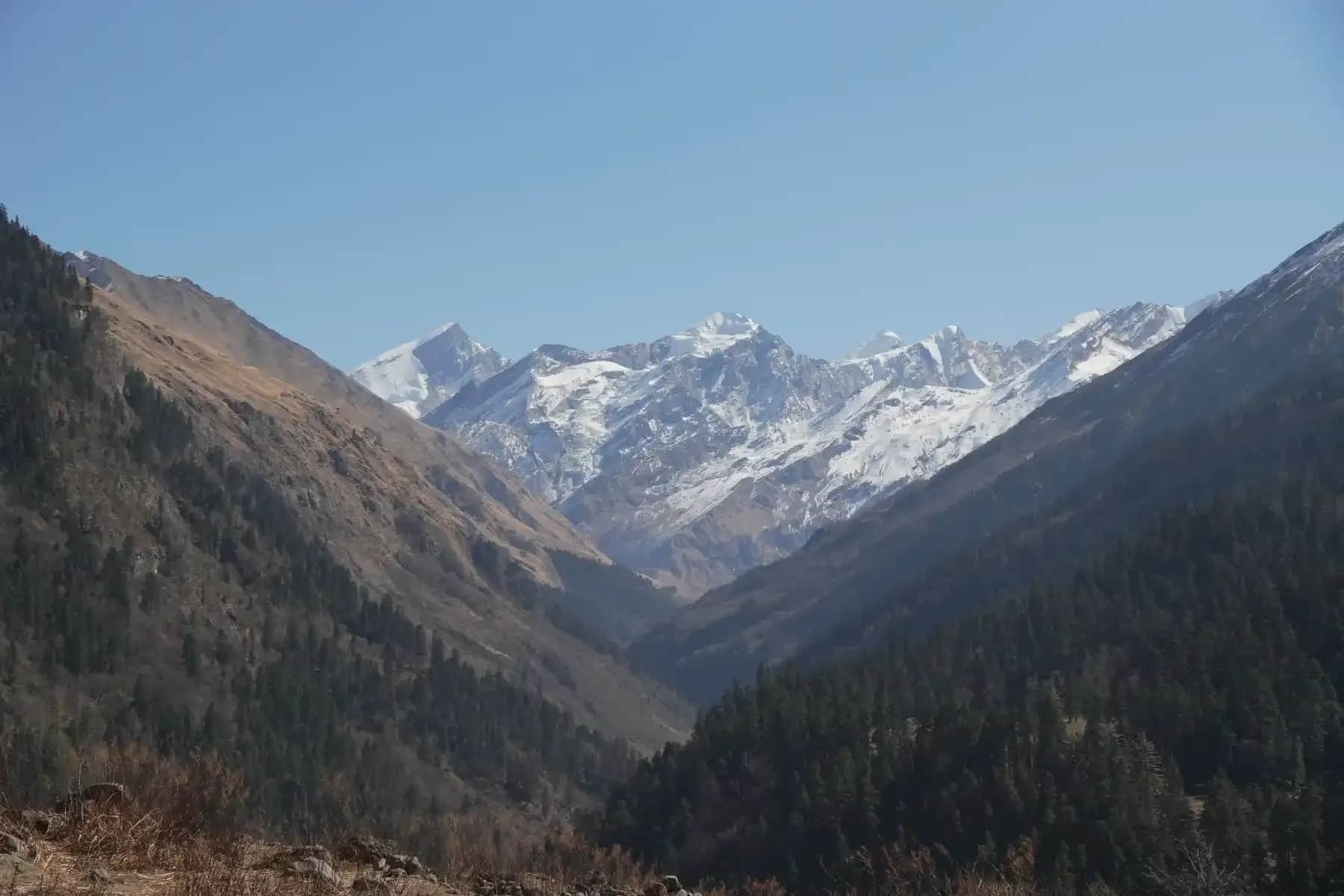 Blog
BlogBy Anoop Rawat|May 8, 2026
Best Treks in May in India to Escape the Summer Heat and Embrace the HimalayasDuring the month of May, as the plains start to sizzle under the summer sun, the Himalayas call out with cold breezes and stunning flora and fauna (and even some snow-kissed trails!). If you’re looking to beat the heat and be in the fresh mountain air for some time, May is one of the best times to go trekking in India. From lush meadows to high-altitude passes, the mountains are alive and welcoming, and there’s a perfect trail for every type of trekker. Here’s a guide to India’s top May treks, carefully selected for breathtaking views, nice weather, and an experience never to forget. While discussing the top treks to do in Himachal during May, the tranquil Buran Ghati takes everyone by surprise. The trek offers everything from thick pine forests, old villages, alpine lakes, and snow bridges from an adrenaline-pumping rappel on the Buran Pass. Due to melting snow and flowering meadows, May is the best time to embark on this adventure. It’s a whole package for variety-seekers packed into one trail. Highest Elevation gained: 15,000 ft. Duration: 6 Nights, 7 Days Best Time to visit: May to June; September to October Difficulty Level: Moderately challenging Base Camp: Janglik village If you’re looking for adventure, thrill, and stunning landscapes, the Goechala trek is a no-brainer. May is the last month before the trek closes during the monsoon season, and the views of Kanchenjunga and its surrounding giants are breathtakingly clear. Add to that the blooming rhododendrons and cold temperature, and you’ve got one of the most rewarding treks in May in India. Highest Elevation gained: 15,100 ft. Duration: 10 Nights, 11 Days Best Time to visit: April to May; September to October Difficulty Level: Moderate-difficult Base Camp: Yuksom Imagine walking on lush green carpets of grass, with snowy peaks like Bandarpoonch towering in the background. That’s Dayara Bugyal in May—peaceful, picturesque, and soul-calming. It’s a simple trek, so one of the best Himalayan treks in May for families or first-time trekkers who still want those postcard-perfect views of mountains. Highest Elevation gained: 12,090 ft. Duration: 3 Nights, 4 Days Best Time to visit: January to June Difficulty Level: Easy Base Camp: Raithal village With its rich mythological past and picturesque villages, the Har Ki Dun trek provides a lovely combination of culture and nature. The valley comes alive in May with colourful flowers, crystal-clear streams, and gentle patches of residual snow. This is one of the more leisurely treks in May that still provides spectacular alpine beauty. It is perfect for those who want to take it easy and enjoy the scenery. Highest Elevation gained: 12,000 ft. Duration: 6 Nights, 7 Days Best Time to Visit: April to June; September to November Difficulty Level: Easy to moderately challenging Base Camp: Sankri village The Chopta Tungnath trek is a relatively short but phenomenally rewarding hike that crams spiritual energies, spectacular summit panoramas, and tranquility that you can only get in such rare places. During May, the weather is bright and the rhododendrons bloom, and thus it is one of the best treks with clear skies in May in India. The trek to Chandrashilla provides you with panoramic vistas of prominent Himalayan peaks such as Nanda Devi, Trishul, and Chaukhamba, a sight that is unforgettable, particularly at sunrise. If you want a weekend trek with a high return, this one’s difficult to surpass. Highest Elevation gained: 12,100 ft. Duration: 2 Nights, 3 Days Best Time to visit: December to May Difficulty Level: Easy Base Camp: Sari village If pristine alpine meadows and postcard-like mountain scenery are your delight, the Ali Bedni Bugyal trek should be at the top of your list. The trek passes through two of the most stunning high-altitude grasslands in India, Ali and Bedni, surrounded by snow-covered mountains and ancient oak groves. May is the best time for this trek with good weather, wildflowers bursting all around, and long day hours to indulge in the scenery. It’s really one of the finest Himalayan treks in May if you want peace, beauty, and a dash of magic at every step. Highest Elevation gained: 12,557 ft. Duration: 5 Nights, 6 Days Best Time to visit: April to June; September to October Difficulty Level: Easy Base Camp: Lohajung It doesn’t matter if you’re an avid trekker or someone who has just been introduced to it, treks open during May offer the best combination of nice weather, colourful paths, and mesmerizing views. From the stunning charm of the meadows of Dayara Bugyal to the grand landscapes of Goechala and Buran Ghati, there’s something truly unique waiting for you in every corner of the Himalayas. So, get your boots buckled, set your bags ready, and have the mountains enchant you. Head out this May, beyond those familiar getaways and opt for the road not taken. Blog
BlogBy Shivam Shingari|May 8, 2026
Why Drinking Water Is Important On Trek?Look, when you’re out there trekking—whether you’re sweating buckets in the heat or grinding up a mountain—water isn’t just a nice-to-have. It’s your lifeline. Forget the “eight glasses a day” rule; that’s for couch days. On the trail, your body’s in beast mode, burning energy and losing fluids faster than you realize. Here’s a ballpark: aim for about a liter of water every 2–3 hours of hiking. Tough trail? Blazing sun? You’ll need more. Even if you’re not parched, you’re losing water through sweat, heavy breathing, and just pushing your body. High altitude or cold weather? Same deal—dehydration doesn’t care about the temperature. Skip the water, and it’ll sneak up on you. First, your lips get dry. Then your legs feel like lead. Next thing you know, you’re battling cramps, a pounding headache, or worse, dizziness. Check your pee—if it’s dark yellow, your body’s screaming, “Yo, hydrate me!” Here’s some real talk from the trail: don’t mess around with tiny bottles. Pack at least a 2-liter water bottle or, better yet, a hydration bladder for easy sipping. Pro move? Get a solid thermo flask (Decathlon’s got some great ones). It’ll keep your water cool on sunny climbs or warm for cozy evenings at camp. Trust me, it’s a game-changer. One mistake I’ve seen too many times? People think, “I’ll drink when I’m less wiped.” Nope. That’s a trap. By the time you’re exhausted, you’re already behind. Make sipping water part of your flow—take a swig every time you pause for a view or adjust your straps. Keep that bottle where you can grab it without breaking stride. Why does this matter? Staying hydrated isn’t just about feeling good. It keeps your muscles firing, your brain sharp, and your vibe high so you’re soaking in the adventure, not dragging yourself to the next checkpoint. So, pack smart, sip often, and don’t underestimate water. It’s the MVP of your trek. Keep it close, and you’ll crush those trails.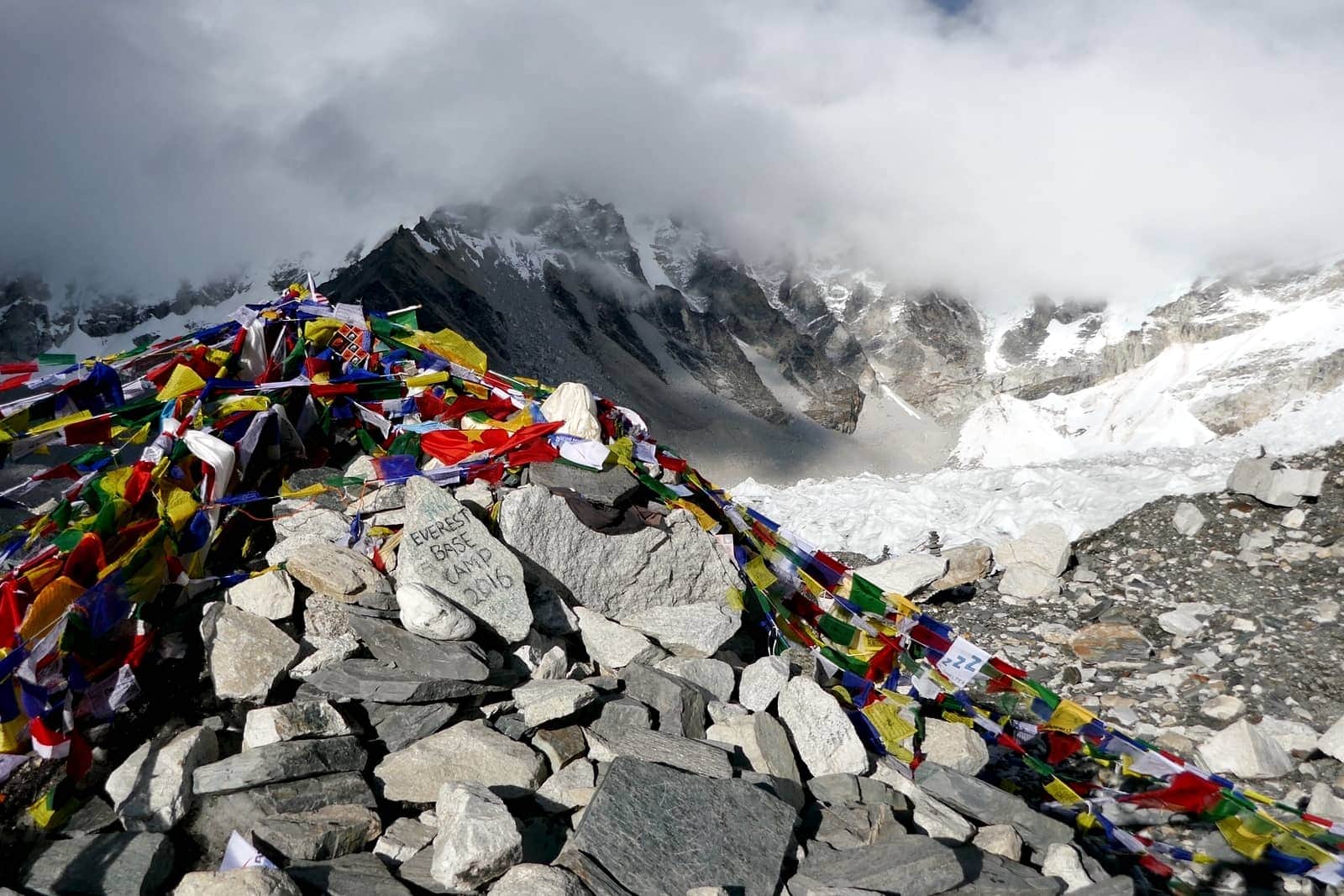 Blog
BlogBy Nanda Rawat|May 8, 2026
Everest Base Camp vs. Annapurna Base Camp: Which Himalayan Trek is Best Suited for You?The Everest Base Camp and Annapurna Base Camp treks (lovingly called EBC and ABC) are not merely trails carved out in the soul of the Himalayas—they are mythical expeditions that every trekker wishes to overcome. Both trails, to the bases of two of the globe’s most famous mountains, Mount Everest and Mount Annapurna; are far more than picturesque excursions. They are an experience of a lifetime that tests you both physically and mentally, pushing you beyond what you believed you were capable of. If you’re standing at Mount Everest Base Camp, looking up at the majesty of the highest point on our planet, or soaking in the alpine panorama of the Annapurna Massif at ABC, the feeling of accomplishment and wonder is impossible to put into words. These hikes are not merely about getting to a place; they’re about finding the strength within yourself in the midst of the Himalayas’ awe-inspiring altitudes. Both these treks are iconic, and offer a once-in-a-lifetime experience, but which one is best suited for you? I have written this blog to discuss the unique aspects of both these treks so that you can make an informed decision about which one would be ideal for you. I have covered aspects like difficulty, costs, landscapes, elevations, and the best time to visit both EBC and ABC to help you decide which one would be the most suitable for you. Height: 5,364 meters (17,598 feet)Duration: 12–14 daysDifficulty: Moderate to challengingBest Time to Visit: March to May and September to NovemberThe Mount Everest Base Camp trek is among the most famous treks in the world. It leads you through the breathtaking Khumbu valley, with its white-capped mountains, suspension bridges, and picturesque Sherpa villages. The trek is tough because of its high altitude and the possibility of altitude sickness, but the payback is the breathtaking sight of Mount Everest and a feeling of achievement. Height: 4,130 meters (13,550 feet) Duration: 7–10 days Difficulty: Moderate Best Time to Visit: March to May and September to November (also possible in February for winter trekkers) The Annapurna Base Camp trek from Pokhara is shorter and less demanding than the Everest Base Camp trek. This trek takes you through terraced fields, dense rhododendron forests, and picturesque Gurung villages, all while being surrounded by the towering Annapurna Massif. The moderate Annapurna Base Camp trek difficulty makes it more beginner-friendly, while the lower elevation significantly reduces the risk of altitude sickness. Mount Everest Base Camp v. The Annapurna Base Camp Everest Base Camp trek tends to be more crowded than the Annapurna Base Camp trek, particularly during peak trekking seasons such as spring (March to May) and autumn (September to November). The magnetism of visiting the base of the world’s highest mountain lures hikers from around the world, so the trails come alive, particularly along hotspots such as Namche Bazaar and Tengboche. Annapurna has also become quite popular in recent years but its still not as crowded as the Mount Everest Base Camp. People often combine it with Annapurna circuit which is even less travelled upon by people. Therefore, if you’re somebody who enjoys solitude and a quieter experience in general, Annapurna Base Camp Trek would be the better choice. Everest Base Camp Trek: This trek is tougher because of the greater elevation (5,364 meters), greater length of time spent, and more rarefied air. Acclimatization is important, and trekkers must prepare themselves for steep climbs and longer walking days. Annapurna Base Camp Trek: Although the Annapurna Base Camp trek altitude is shorter (4,130 meters), one still needs good physical fitness. The climb entails slow rises, and it is relatively easier to acclimatize.My advice: People who are knew to the world of trekking may find the Annapurna Base Camp trek less challenging as compared to the Everest Base Camp trek. However, if you are a seasoned trekker looking for a challenge, then I suggest you go for EBC. It would not be fair to say that one of these hikes has better views than the other as both have a different charm that cannot be compared. At the end of the day, it is up to you and what kind of landscapes and views you would enjoy more. Rugged Terrain of EBC: Mount Everest Base Camp is renowned for spectacular mountain scenery, such as Everest, Lhotse, and Ama Dablam. The trail also goes through glaciers, alpine country, and famous sights like Tengboche Monastery. Beautiful green forests slowly give way to barren, rocky valleys with glacial sheets. You’ll walk over swaying suspension bridges, navigate loose-soil paths, and touch one side of the glorious Khumbu Glacier. It all happens as you gradually get used to the rigors of ascending to higher altitudes. Lush Greenery of ABC: ABC provides a blend of landscapes, ranging from forests and fields to giant peaks like Annapurna I, Machapuchare, and Dhaulagiri. It also possesses a warmer and more verdant ambiance than the barren, rocky landscape of EBC. This trek is better suited for you if you would prefer slightly warmer and comparatively more comfortable temperature that EBC. What I think: Both treks are great for views, but EBC suits people who prefer rugged and snow-covered landscapes, whereas ABC is perfect for trekkers who enjoy greeneries and varied landscapes. Everest Base Camp Trek Cost: Trekup India charges about $1500 for this trek, and the cost includes any permits and permissions, food, lodging, guides, trek leaders, porters, accommodation, and some necessary mountain gear. Flying into Lukla can very much add to the cost. Annapurna Base Camp Trek: The ABC trek is a less costly affair at about $350, excluding the costs of the flights. Nevertheless, the flights are also not that costly, and the departure point, Pokhara, can be reached either by road or by a short domestic flight, depending on where you’re coming from. Verdict: Annapurna Circuit would be the clear choice if budget concerns are there, as it is much more affordable. Everest Base Camp Trek Altitude Sickness: Altitude sickness is a very prevalent problem on the Mount Everest Base Camp Trek. Therefore, we always advice trekkers that before embarking on this journey they must prepare meticulously. Other than that, drinking lots of fluids while on the trails is extremely important so that the body acclimatizes to the harsh weather conditions properly. Annapurna Base Camp Trek Altitude Sickness: Lower elevation means less problem with altitude sickness, but one should still ascend slowly and use precautions. Conclusion: ABC trek is better for individuals concerned about altitude sickness. Everest Base Camp Trek: The ideal season for EBC trek would be before the arrival of monsoon (March to May) and after the monsoons have gone by (September to November). Both of them provide optimal weather and sunny views. Annapurna Base Camp Trek: Same for this, although Annapurna Base Camp in February can prove to be an exciting challenge for avid trekkers who want to experience the magic of this place in winter. Verdict: Either trek is at its most beautiful (and the safest) during Spring and Fall. EBC is a bit more challenging and physically demanding as compared to Annapurna Base Camp Trek. While the same fitness regimen can be followed for both; which would be 2-3 months of proper strength training and cardio, ABC would be a better choice if you do not have much experience with high-altitude Himalayan treks. If you are looking to plan an Everest Base Camp trek or Annapurna Circuit trek, Trekup India is the ideal companion for your tour. Recognized for their effective itineraries, skilled guides, and top-notch safety measures, Trekup India makes your experience memorable and stress-free. They also provide personalized assistance, making them the best option for first-timers and seasoned trekkers alike. With a dedication to environmentally friendly activities and sustainable tourism, Trekup India is your trekking agency of choice. Both the Annapurna Base Camp trek from Pokhara and the Everest Base Camp trek have different experiences, so your decision will be based on your budget, fitness level, and purpose of trekking. For a tough high-altitude trekking experience, go for EBC. For a short, affordable trek with varied landscapes, choose ABC. Regardless of the trek you undertake, good preparation, acclimatization, and selecting a proper trekking agency (such as Trekup India!) will guarantee an unforgettable experience in the heart of the Himalayas. No, not really. While climbing the summit of the Annapurna massif is something that requires immense preparation and skill and could still be dangerous, the journey to its base camp is a lot safer. At Trekup India, your safety is paramount for us and our experienced team ensures that you have a safe and memorable experience. No, Annapurna Base Camp trek has lesser number of trekking days and slightly easier ascents as compared to Everest Base Camp trek. While both require a lot of preparation, ABC is more suited for beginners or those having less experience with high altitude Himalayan treks. Yes, beginners can surely attempt the Annapurna Base Camp trek. Even though it has its challenges, but with the right will and determination, they are perfectly manageable. Annapurna Base Camp is a great choice for people looking to start their Himalayan high altitude trekking journey.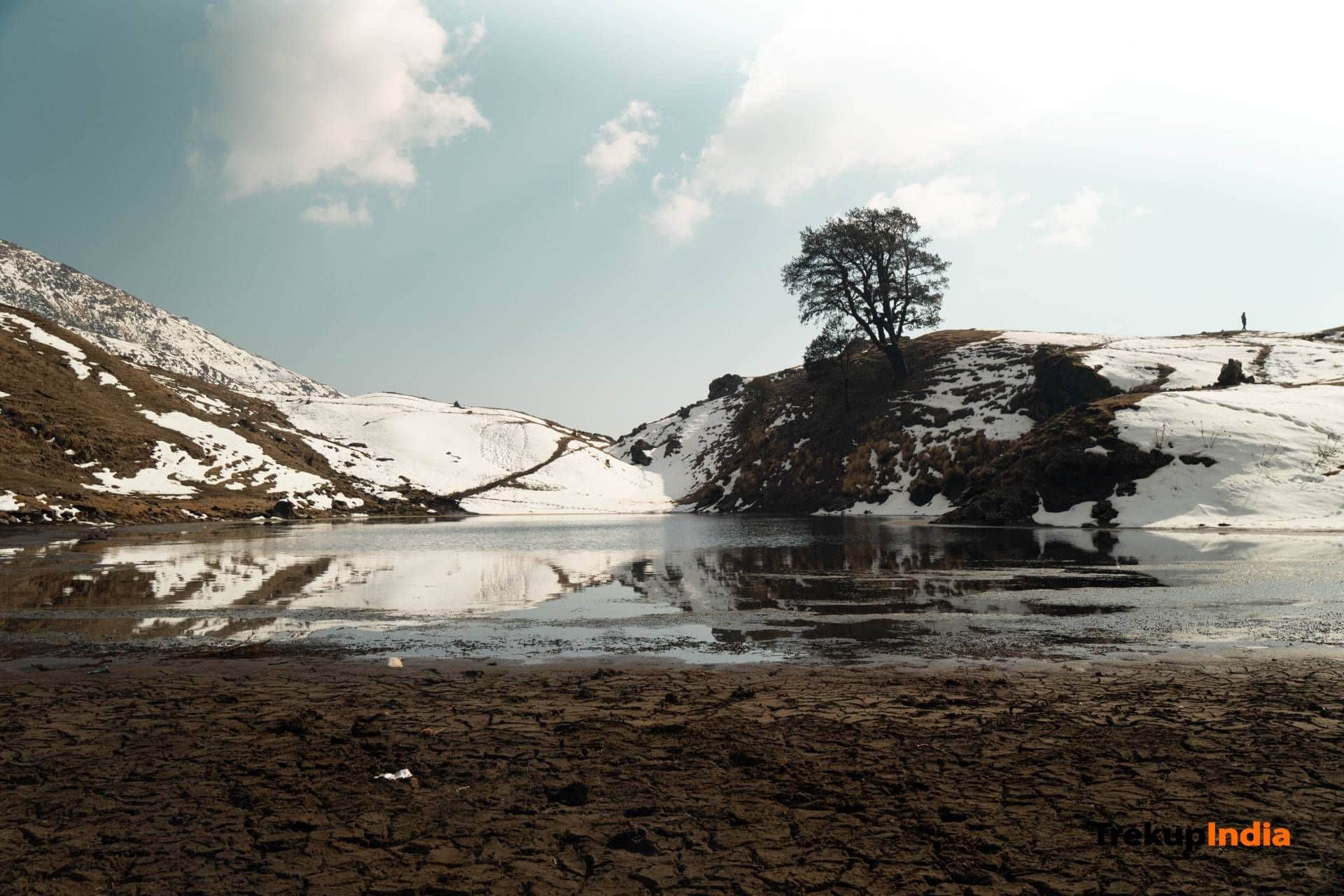 Blog
BlogBy Adhish Bhandari|May 7, 2026
Top 10 Best Himalayan Treks in India for Adventure LoversIndia is a paradise for trekkers. With its breathtaking Himalayan mountains, alpine meadows, glacial lakes, and spiritual valleys, India offers the most picturesque and diverse trekking experiences anywhere in the world. No matter if you’re a beginner looking to start the first time to go on a snow trek as well as an expert trekker searching for high altitude passes in the Indian Himalayas offer it everything. Here’s an overview of the most popular treks you can take in India–featuring an ideal mix of easy, moderate, and demanding trails. Kedarkantha is India’s most renowned winter trek and a popular choice for those who are just beginning. The well-marked trail, along with the stunning summit climb and the stunning Juda Ka Talab, make it ideal for trekkers who have never before attempted it. Hampta Pass is a thrilling trek that has a wide range of scenery from woodlands, meadows, and glacial valleys. The most notable is the crossing between the green Kullu to the stark Spiti at 14,000 feet. This snow-covered trek will take you to the gorgeous Brahmatal Lake, which is frozen in winter and surrounded by imposing mountain ranges. It’s an excellent option for those looking for an unforgettable snow trekking experience. A monsoon-friendly gem, the Valley of Flowers blooms with diverse flowers throughout the year and makes it among the most vibrant hikes in India. The spiritual connection to Hemkund Sahib is a cultural layer. Goechala is a high-altitude trek that will test your endurance and reward you with breathtaking views of the 3rd highest mountain in the world. It is ideal for those who have experience and want the challenge and beauty. Also known as the “Valley of the Gods,” Har Ki Dun is rich in mythology and culture. It’s the perfect place for those who are drawn to the remote Himalayan settlements, meadows, and peaceful trails. Kuari Pass is one of the most popular treks for families and beginners, offering sweeping views of the major Himalayan summits and a pleasant slope. It is famous for its stunning forest of oak and rhododendron. Rupin Pass is an adventure-packed trek that includes everything from pine forests to frozen waterfalls, glaciers and snow. Meadows. The high altitude pass crossing can be a thrilling adventure for experienced trekkers. Buran Ghati is regarded as a “complete trek”-featuring forest, meadows, villages, and a technical ascent with snow descent. It’s perfect for those seeking an even mix of adrenaline and beauty. Sandakphu can be described as the most awe-inspiring spot located in West Bengal and offers one of the most unique views—four of the five tallest mountains are visible. The unique cultural mix between India and Nepal makes it more distinctive. These top 10 trekking routes in India offer a wide range of adventures, from easy snow trails to challenging high-altitude passes. If you’re looking for peace, cultural exploration, or a high-intensity adventure, there’s an Indian trail that will call your name. So, get your gear on and put on your boots and face the mountains, they’re waiting.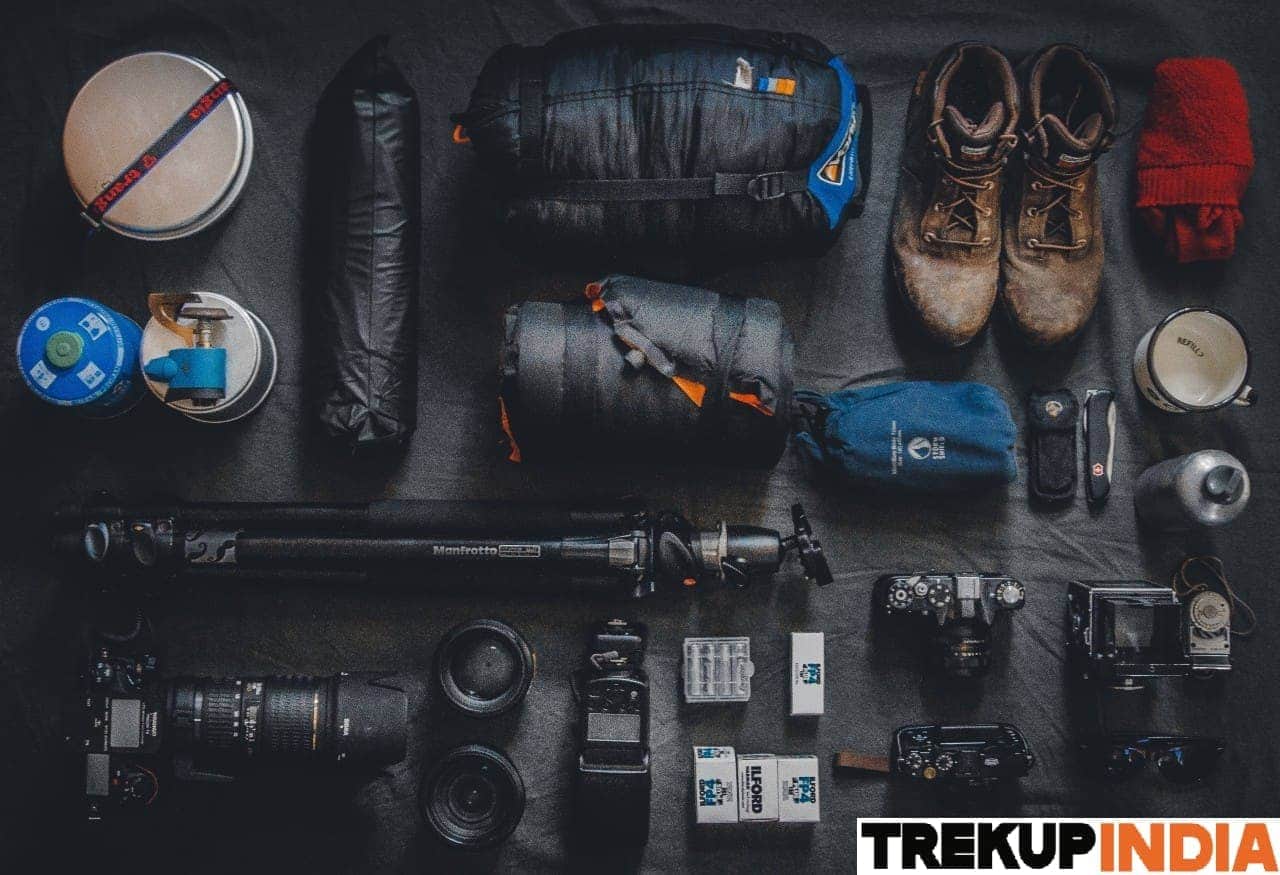 Blog
BlogBy Nanda Rawat|May 7, 2026
Trekup India Gear List: What’s Essential & WhyIt’s not only about putting a few items in a backpack. It’s about making smart decisions, preparing correctly, and packing properly. If you’re headed to the icy peaks of Kedarkantha, the gorgeous trails of Tarsar Marsar, or the rocky mountain terrain in Pin Bhaba Pass, the key to having a safe and pleasurable trip is. We at Trekup India believe that a prepared person for a trek is a comfortable one. This is why we have compiled a complete checklist for pre-departure for all participants who are joining a Trekup India expedition. Ankle Support + Waterproof trekking shoes should always be on the list of must-have items for trekking adventures. Why? India’s rugged treks – from Himalayan slopes of scree to Western Ghats’ slippery rocks–require robust shoes. Knee support helps prevent sprains and strains; Vibram rubber soles offer maximum traction and security, while Gore-Tex waterproofing technology keeps feet dry when crossing streams or when raindrops fall. Note: For optimal trekking success, break in your shoes for at least two weeks prior to embarking on your adventure, in order to prevent blisters. The temperature can vary widely during an Indian trek. Layering up can help regulate temperatures by keeping moisture at bay while providing insulation against cold nights. Base Layer (Synthetic/Marino Wool): Best for moisture wicking and fast drying times. Mid-Layer (Fleece/Down Jacket): Traps the body heat. Exterior Shell (Waterproof jacket): Protects from wind and rain. Cotton should be avoided as it retains moisture, leading to chills in high altitudes. A properly fitting backpack will distribute weight evenly between your hips and shoulders without straining or overburdening either one of you. An option that offers this distribution of weight across both hips is best, while 40-60L capacity backpacks provide sufficient room for gear without being excessive. Raincovers should always be carried along just in case unexpected rain hits! Why? Trekking poles reduce knee injuries by 25-30% when descending. Enhances Balance on Rocks & River Crossings. Helps maintain rhythm, conserving energy. Why? To facilitate pre-dawn summit pushes. Red light protects night vision while deterring insects. As batteries discharge energy rapidly, backups are essential. Insufficient water at altitude can lead to fatigue and headaches. Providing yourself with enough hydration through bottles/bladder and electrolytes may help protect against this effect. Water bladders of 2-3L capacity make for easier transport when walking. Electrolyte-containing tablets may help prevent cramps on humid walks. Why? At altitude, UV rays increase, increasing the chances of snow blindness unless sunglasses are worn to block them out. SPF 50+ sunblock should not be required in any weather condition, even on cloudy days. Chapped lips often worsen in dry environments; to protect your lips further, use sunscreen-based balms as soon as you feel symptoms. Blister tape (Leukotape) should be an indispensable item on longer treks. Diamox may help alleviate high altitude sickness (please consult your physician). Basic medicines to treat diarrhea, headaches, and muscle pain include Imodium(r). Sleeping Bag Rated for Sub-Zero Temperatures Even during summer, Himalayan nights can drop below freezing, so having a sleeping bag that is rated between -5 °C and -10 °C can provide much-needed warmth. Note: Use a liner to add insulation and ensure hygiene. Showers may not be common, so moist wipes make a great companion when taking a bath or shower. Tissues made of microfiber dry quickly and do not add weight. Keep electronics dry. Teatrul Store trash (Leave No Trace!). Sort small items (meds or snacks). High-end Denim Jeans can take an eternity to dry. Multiple cotton T-shirts become damp and could potentially lead to hypothermia. In terms of cameras, one simple phone or camera is often enough. Over-the-top toiletries: Limit yourself to essentials (toothbrush, small soap bar, and small sunscreen). TrekUp India’s Professional Packing Philosophy Single-use gear that can serve multiple functions (for instance, a buff can also serve as a bandana and scarf). Test Before Trek: It’s always wise to bring gear or footwear that has not been put through rigorous use prior to heading out on an outdoor excursion. The gear selection of TrekUp India is tested and proven in battle throughout Indian terrain–from the frozen Ladakh pass to Kerala’s monsoon trek. Stay with the basic gear, make sure you don’t overpack, and you’ll be able to move more quickly, you’ll feel better, and enjoy the trip to the fullest.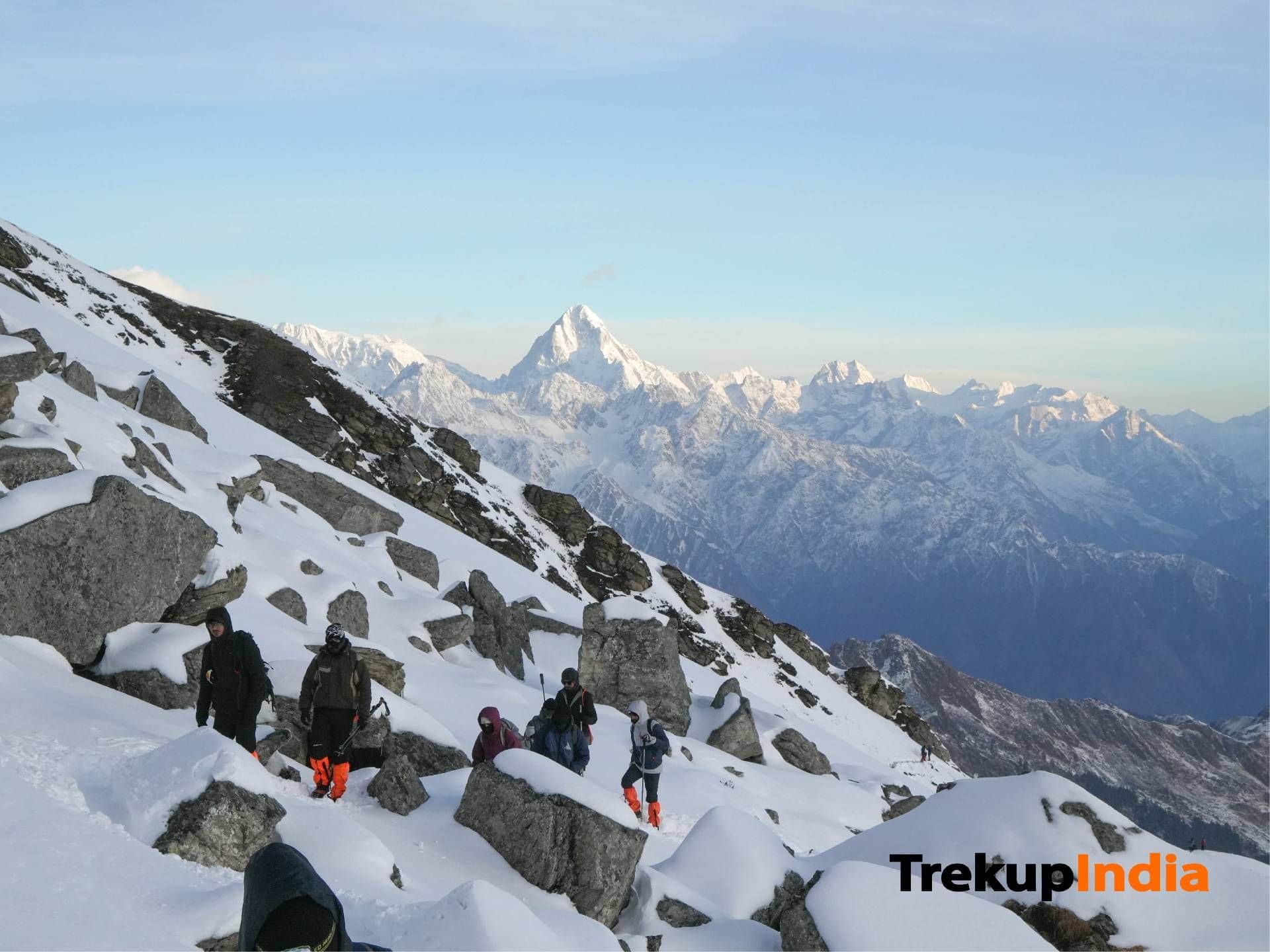 Blog
BlogBy Anoop Rawat|May 7, 2026
Best Himalayan Treks in OctoberMountains adorned with lush vegetation and fragrant earthy moss mark the end of the monsoon season and herald autumn’s arrival. October is an ideal month for discovering Himalayas beauty with lush trees, lakes, stunning green mountains, and blue skies as you trek along. As autumn colours emerge on these incredible trees and lakes with blue skies overhead, trekking along this trek in October would make your experience truly worthwhile, with stunning night skies lighting up before dusk and dawn to add that final touch. As October offers amazing treks that can help alleviate daily tension, it may be wise to consider which destinations may provide some respite this fall. Here is our selection of Himalayan trekking routes available during October that may soothe and revitalize. Everest Base Camp Trek (commonly referred to as EBC) allows visitors to witness some of the tallest mountain peaks on earth, including Mt Everest! Everyone should make EBC part of their bucket list; Sagarmatha National Park provides cold desert terrain throughout with little vegetation for most of its trek, and an exciting ride from Kathmandu via Lukla makes accessibility easier and exciting. Although EBC may seem a long trek, however, its stunning sights include monasteries as well as suspension bridges. October is an ideal month to begin an EBC trek, as temperatures remain relatively constant and do not cause travel delays or freezing nights. Contrary to popular perception, trekking to EBC needn’t be daunting: anyone with great fitness levels and prior gym training is capable of undertaking this incredible journey. While trekking at higher altitudes with reduced oxygen may put additional strain on you physically, seeing some of the greatest summits certainly makes the effort worth your while! Pangarchulla Trek provides an exceptional Himalayan trekking adventure that may not be well known. Set within Nanda Devi National Park, this excruciating journey towards 15000-foot ridge summit from Joshimath/Auli takes five to six days typically, giving trekkers the opportunity to witness some of the highest peaks including Mana Peak (23,858ft), Mount Kamet (25 446 ft) and Abi Gamin (24 130 feet), among many more. March and April have long been considered ideal months for trekking expeditions; however, many trekkers now choose October as well. Although temperatures in October tend to be chilly and it is possible for massive snowfall, October still provides the ideal Himalayan winter trekking adventure experience. While trekking to Pangarchulla peak may prove challenging, anyone with adequate trekking knowledge and physical fitness should attempt its ascent; once on top, however, its views from its peak are truly captivating – not to mention it often brings fewer crowds of people, which only adds enjoyment during this trek. Har Ki Dun Trek lies deep within the Garhwal Himalayas and is famous for its dramatic hanging valley and vibrant colours that mesmerize visitors who visit this ravine. Also dubbed as “God’s Valley”, the Pandavas from the Mahabharata used this route to reach heaven. Har Ki Doon stands out among other destinations due to its Alpine forests that boast diverse wildlife and plants; expect sightings of Black bears, wild boars, and languorous families such as Barasingha families among others. Also notable: this destination remains unaffected by modernization. Peaceful forests and valleys provide the ideal setting for nature enthusiasts, bird watchers, and shutterbugs alike to unwind and recharge their batteries. Not only will its natural beauty entice you, but its serene atmosphere could end up becoming home. Discovering their day-to-day activities will create a closer bond between the valley and its inhabitants. Har Ki Doon provides an incredible trekking experience, featuring cattle and horses grazing across expansive meadows, breathtaking mountain scenery, peaceful campsites with comfortable rest stops, and unspoiled alpine meadows to meet all your desires and relax on comfortable campsites – an unmissable stop on any October trek! For trekkers searching out stunning beauty, Har Ki Doon offers breathtaking trekking routes. Kedarkantha trek is an unforgettable adventure and an ideal autumn destination. October offers the ideal opportunity to tackle the Kedarkantha trek, as many prefer avoiding crowds during this trek. April is also an exceptional month to trek because its mountain views are free from clouds, offering stunning vistas of Mt Swargrohini and Kedarkantha along your trek route, giving the feeling that it came straight out of a painting by an artist. As you trek along this trek, you’ll come across beautiful blooming flowers that bring new life and wonder to every trekker. Nature’s breathtaking beauty provides breathtaking vistas while trekking. Kedarkantha Hill is also well known as being home to numerous Shiva temples; its name refers to Shiva’s throat. Devotees often travel here seeking peace in his sanctuary. Goechala trek stands as one of the most rewarding journeys within Sikkim. There isn’t just one peak that stands out like Kanchenjunga; rather, there are multiple summits that form its distinct contrasts. To truly appreciate the grandeur of mountains, breathtaking vistas are essential, and only in October-November can one witness breathtaking perspectives – when fog has lifted and one witnesses breathtaking sunrise/sunset spectacles; rainy season brings fresh water; vibrant vegetation offers an idyllic environment to this journey. Sunrises can be breathtakingly gorgeous; when the first rays of the sun hit silvery peaks, it becomes even more so. Images of snow-covered mountains can draw the eye immediately, such as Khangchendzonga, Mt Pandin, and Frey’s Peak; Koktang Rathong Rathong Kabru Group mountains, Mt Tien Chenkhang Jopuno; in September/October, it may snow occasionally, though you shouldn’t expect actual accumulation, making for pleasant conditions throughout this month of travel. This trek leads you directly to Beas Kund and allows you to see where the Beas River begins its course, offering breathtaking views as glaciers melt away into small streams that eventually join forces as part of an impressive river like Beas. This trek offers something truly exceptional: uneven treks and cobblestone pathways create a memorable adventure, making this trek ideal for beginners looking to try their luck at trekking, and completed in three days, making this adventure ideal for short vacations. Beas Kund Trek offers breathtaking mountain and river landscapes, and ideal temperatures from May through October to make trekking enjoyable. These months also offer perfect trekking temperatures, offering breathtaking natural views along the Beas Kund trek originating in Manali. This trek features picturesque meadows, mountains, and fresh air for an unforgettable journey. Beas Kund offers expansive meadows and fresh, clean air, accompanied by the whistling river noises for a peaceful setting and a refreshing walk. The Beas Kund trek offers jaw-dropping beauty that Mother Nature provides! Don’t miss this incredible journey through Beas Kund! Beas Kund Trek. Sandakphu offers trekkers an unforgettable Himalayan trekking experience, boasting views of five of the most recognizable mountains, such as Kanchenzongda, Everest, Lhotse, and Makalu. At an elevation of 11,900 feet northwest of Darjeeling, this trek offers everything one would desire from trekking. Its breathtaking panorama and truly extraordinary treks will create an incredible trekking adventure you must experience at least once! If trekking is your passion but the trek remains incomplete, don’t wait – join this exciting West Bengal State trek and don’t delay in signing up! Experience the sheer joy of strolling through an exquisite Rhododendron Forest of Mammoth Magnolias and majestic magnolias, as well as numerous varieties of beautiful orchids, which is truly magical. Shilgalila National Park adds another unforgettable dimension to this trekking journey, providing visitors with rare species such as Red Pandas and Pangolins as well as birds. An optimal timeframe for the Sandakphu trek would be May-June or a mid-August period between August and October.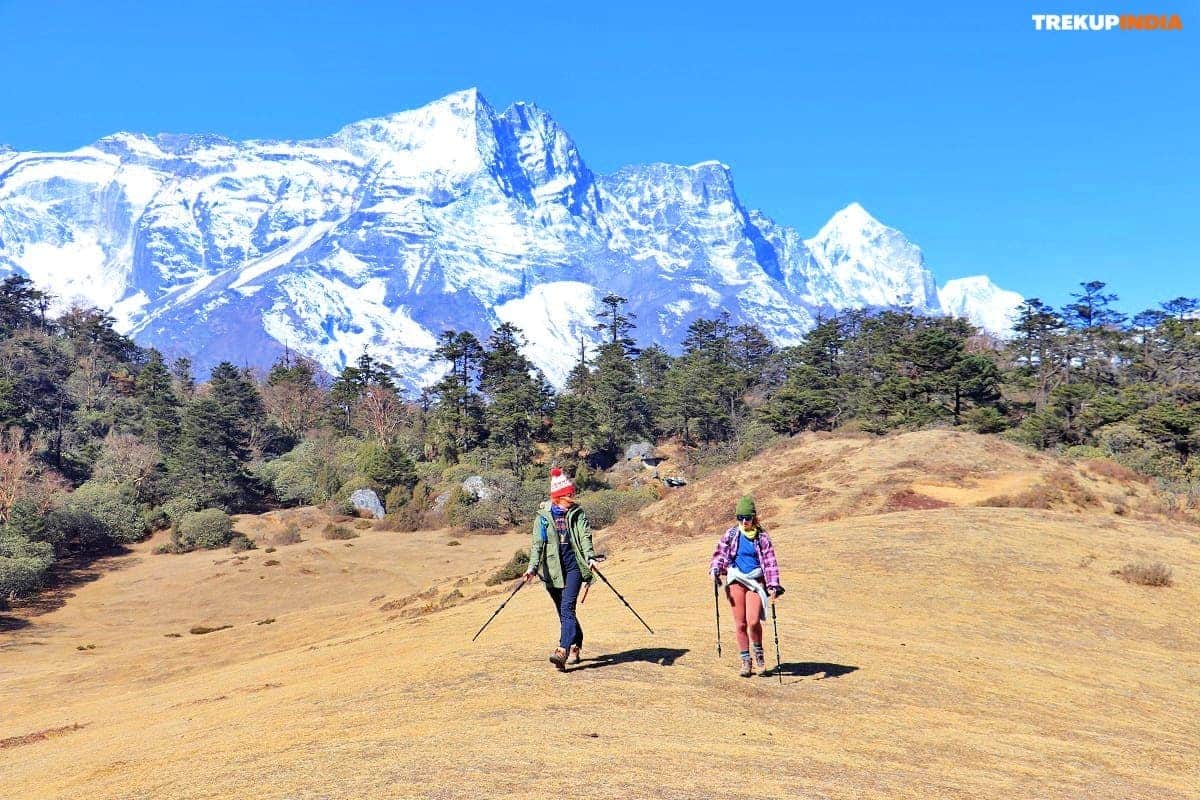 Blog
BlogBy Preetam Singh Rawat|May 7, 2026
Altitude Sickness Prevention India: Trek Safe at High AltitudeAn exhilarating trek through the Indian Himalayas is an unforgettable journey through snow-covered passes, alpine lakes and meadows with views to the skies. However, as soon as you cross 2,500-3,000 meters (8,200-9,800 feet), another challenge awaits: Altitude Sickness. At Trekup India, we understand that even fit trekkers can face difficulties due to altitude changes. Still, with proper precautions taken against Acute Mountain Sickness (AMS), its symptoms can be prevented or managed effectively—comprehensive trek-tested information regarding altitude sickness during Indian trekking expeditions. Acute Mountain Sickness occurs when your body does not have sufficient time to adjust to lower oxygen levels in high altitude environments. High altitude sickness typically manifests itself with fatigue, dizziness and inability to eat or feel full – symptoms commonly experienced when trekking at higher altitudes. Some trekkers may also experience breathlessness or sleep disturbances while resting while climbing up. If the situation becomes acute, life-threatening conditions may arise that require immediate descent. High altitude pulmonary Edema (HAPE), caused by fluid accumulation within the lungs and making breathing very difficult, is one such concern that should be monitored closely. High-Altitude Cerebral Edema (HACE), in which swelling develops in the brain, can result in loss of coordination or unconsciousness and should be addressed quickly with professional aid and descent. Both conditions should be treated immediately by healthcare personnel to reduce risks as soon as possible. To achieve successful altitude acclimatization, avoid climbing more than 1000 feet/300m during any given day. An outstanding example of Kedarkantha Trekking: Day 1: Sankri (6,400ft). Day 2: Judida-ka-Talab (9,100ft). We then return to Sankri for a relaxing night’s stay. Day 3 of Base Camp (11.250ft). At 10,000 feet or higher, to minimize physical exertion by 30% at elevations greater than 10,000 feet. Start slow: Take 50 steps with 10 deep breaths rhythmically. If you are over 40, ensure you obtain a medical certificate before undertaking any ascents or breath-holding exercises, pack an Anti-Money Sack Syndrome medication kit, and book flexible itineraries with buffer days built in. Be mindful: Mountains will always be there – your health should come first! TrekUp India provides expert assistance from its accredited altitude medic team. Our expeditions to higher altitudes adhere to stringent safety protocols: Slow travel plans often include rest days.Trek leaders with extensive training and credentials – basic mountaineering knowledge as well as medical certification for wilderness settings – should lead their trek.Health checkups on a daily basis (pulse for O2 level and signs). Emergency plans should include provisions for backup oxygen and evacuation in case of an oxygen emergency. The Himalayas are breathtakingly beautiful, but should be approached with caution and an awareness of altitude sickness’s potential effects. A careful plan, appropriate acclimatization and awareness can ensure you reach the summit safely.Make sure that when making plans to climb that mountain or lake at high altitude, don’t forget that preparation is the key to successful performance.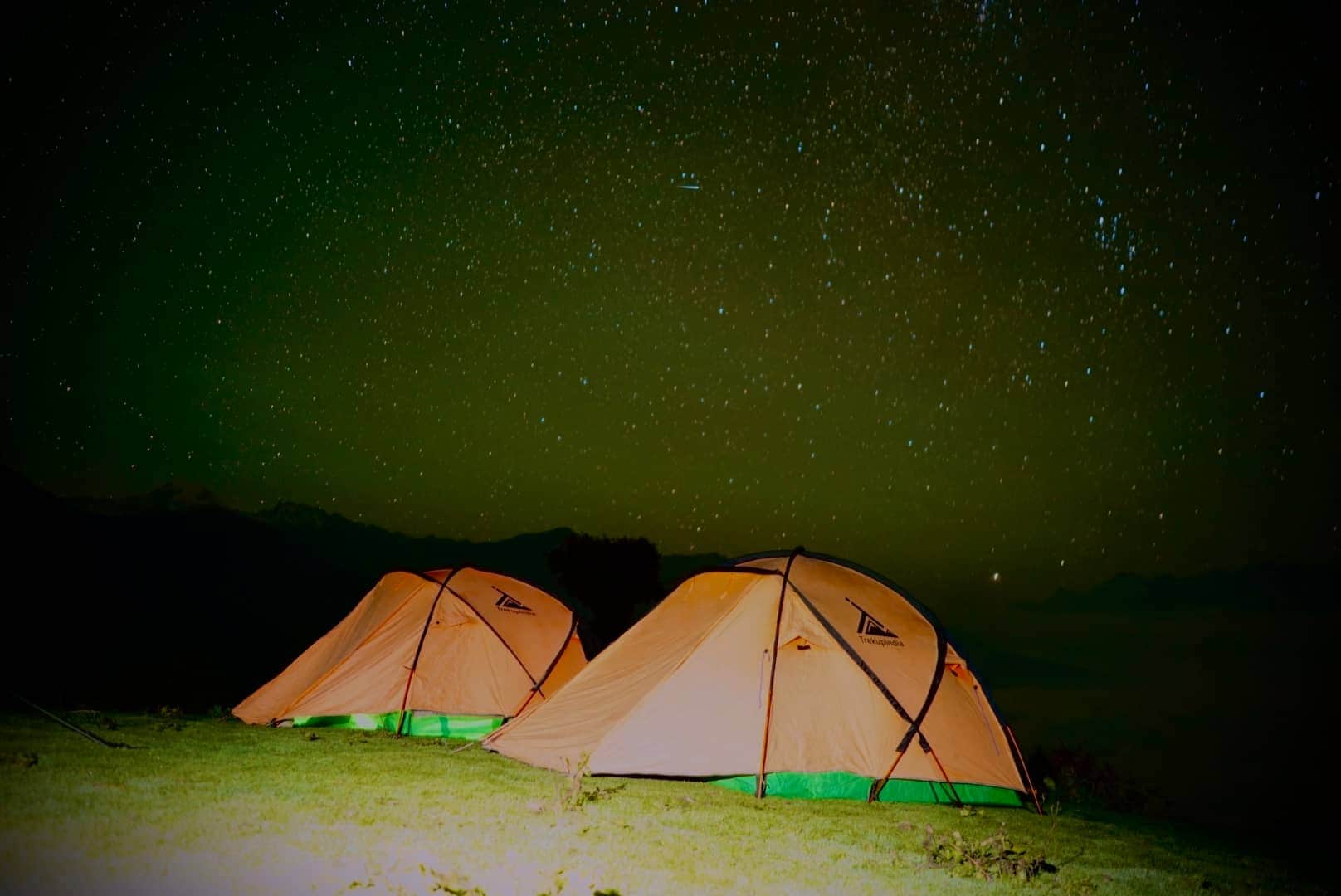 Blog
BlogBy Nanda Rawat|May 6, 2026
Best Stargazing Treks for Night PhotographyMountain night skies hold a charming appeal, stars become even brighter, the Milky Way becomes easily discernible, and their peacefulness creates the best setting for incredible experiences. Trekkers who combine Trekking with photography of night skies can experience truly remarkable encounters by combining both activities – below is our selection of top treks in India that provide incredible opportunities for stargazing and photography at night – providing truly incredible memories that stand the test of time. Kedarkantha is an best winter trekking destination, providing stunning opportunities for astrophotography with its clear night skies and snowy landscape. Key features of Kedarkantha include camps covered by snow blanketing under starry skies; ease of accessibility for beginners; panoramic sunrise views from summit, starlit nights at campsite and more – ideal time for visits is December through April. Har Ki Dun Trek in Uttarakhand’s Govind Wildlife Sanctuary provides an unforgettable celestial experience, thanks to its remoteness and lack of artificial lighting. As its dark skies allow stargazers and amateur astrophotographers to capture stunning shots of the Milky Way and star trails framed by majestic snow-capped mountains and lush alpine meadows, evening skies here become especially clear during post-monsoon and winter seasons; drawing professional astrophotographers as well as amateur stargazers alike. Beginning your adventure from lively Manali, the Hampta Pass Trek offers breathtaking Himalayan landscapes. Pass through lush forests and meadows before reaching Lahaul valley’s desolation for an unforgettable journey. Attractions to visit here include Hampta Pass at an elevation of 14,065 feet and reaching its summit, offering breathtaking panoramic views of snow-covered peaks such as Deo Tibba, Indrasan and Hanuman Tibba. Beyond physical exertion, this trek provides an extraordinary cultural journey. Shifting landscapes from Kullu’s lush greenery to Lahaul’s dry allure provide an unforgettable journey from Manali in Himachal Pradesh with elevation 14105 and difficulty grades moderate to difficult – creating an adventure like no other! Starting point: Manali in Himachal Pradesh with elevation 14,065 and starting point Manali and difficulty from moderate to difficult difficulty levels. This trek is perfect for stargazing due to its gorgeous surroundings and impressive night skies. Deoriatal Lake provides a serene reflection of stars on its tranquil surface while Chandrashila summit provides the rare chance to observe them above the clouds. Attractions include stargazing by the lake, seeing Himalayan peaks like Chaukhamba in moonlight viewing sessions, astrophotography photography during short weekend getaways or even simply stargazing alone by moonlight; optimal times to visit are March to May and September-December. Tso Moriri, located in an isolated and elevated area with beautiful, desolate surroundings, provides the ideal location for celestial photography. Visitors can witness meteor showers, constellations and satellite trails during their visits here. Other features worth mentioning are its absence of light pollution for miles around, being designated one of India’s dark sky zones and suitableness for wide-angle and time-lapse night photography – with the optimal timeframe being July through September for visitation.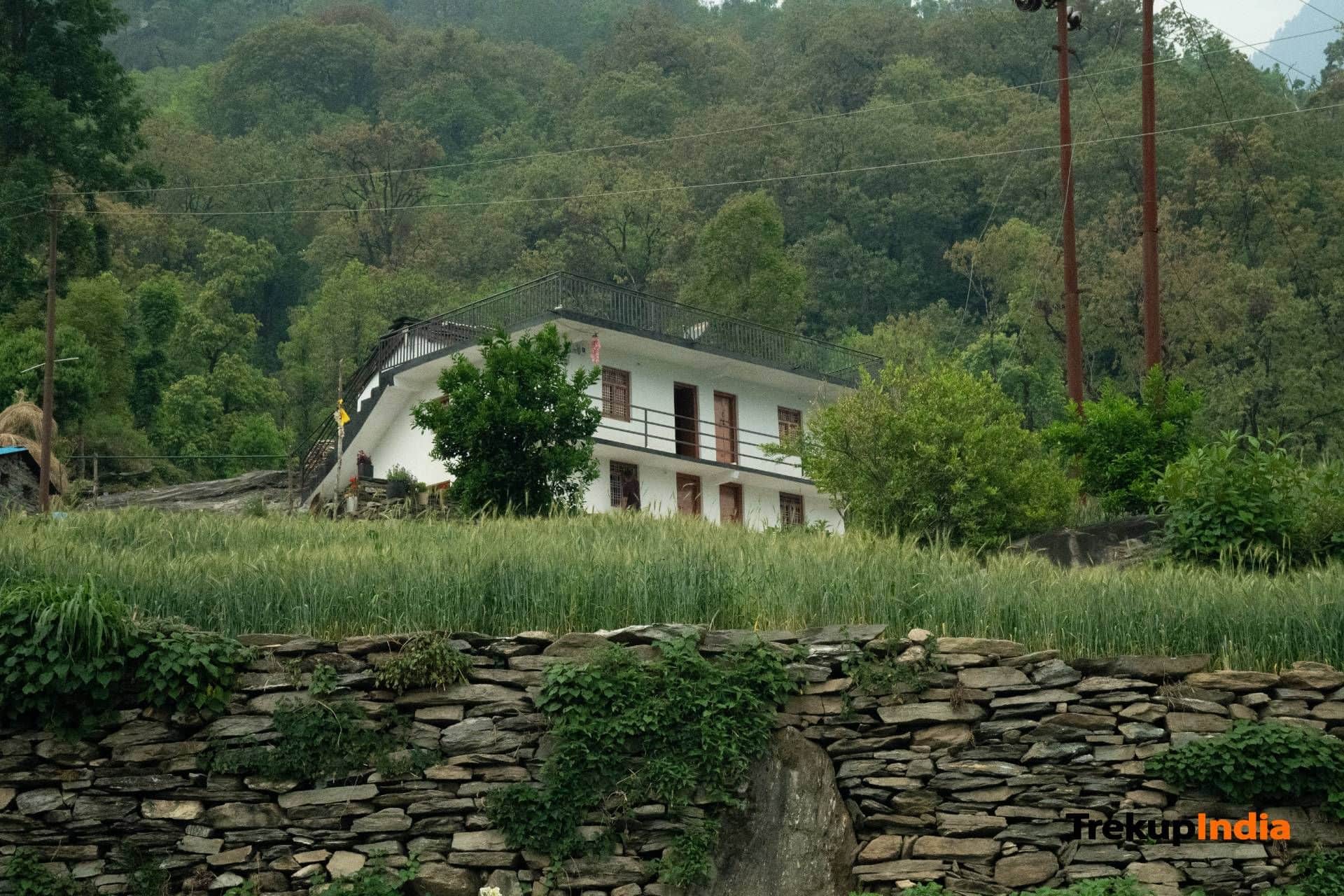 Blog
BlogBy Adhish Bhandari|May 6, 2026
15 Benefits Of TrekkingA winter trek in the Himalayas offers more than just physical adventure—it provides a profound opportunity for personal growth, spiritual awakening, and a deeper connection with nature. Here are 15 compelling reasons why a Himalayan trek can be a life-changing experience: Trekking at high altitudes enhances both physical endurance and mental resilience. The steady rhythm of walking builds stamina while bringing clarity and calmness to the mind. Facing unpredictable weather and challenging terrain cultivates perseverance and self-discipline. Overcoming these obstacles builds mental toughness and a quiet confidence. The Himalayan landscapes—towering peaks, snowy trails, and pristine valleys—offer visual experiences that stir awe and wonder, deeply touching the soul. The repetitive motion of trekking becomes meditative, allowing you to tune into your thoughts and emotions. It’s a journey not just outward, but inward. Moments of stillness in the mountains provide space for introspection, helping you find peace in silence and solitude—something rare in daily life. Breaking away from your everyday routine helps reset your mind, offering perspective and a chance to re-center yourself in nature. Interacting with Himalayan communities exposes you to rich traditions and humble wisdom. It’s a reminder of simplicity, resilience, and human connection. Spotting rare species in their natural habitat builds appreciation for biodiversity and encourages respect for all living beings. The vastness and serenity of the mountains encourage deep reflection, helping you reconnect with your values, beliefs, and sense of purpose. Immersion in the untouched natural world fosters responsibility toward protecting it. Trekkers often leave with a renewed connection to the Earth. The clean air, silence, and natural rhythm of life in the mountains are powerful antidotes to urban stress, offering a sense of emotional renewal. Shared challenges build trust and connection. From group hikes to shared meals around a campfire, teamwork and camaraderie naturally develop. Trekking encourages problem-solving and resourcefulness. With limited resources, you learn to adapt and make the most of what’s available. From photography and outdoor cooking to map reading and snow-walking techniques, every trek is an opportunity to grow your skillset. Trekking at high altitudes trains you to breathe deeply and mindfully—benefiting both your lungs and your mental focus. Final Thought: The Himalayas are more than just mountains—they are mentors, spiritual spaces, and mirrors that reflect who you truly are. A winter trek here is not just about reaching a summit—it’s about discovering something far more meaningful within yourself.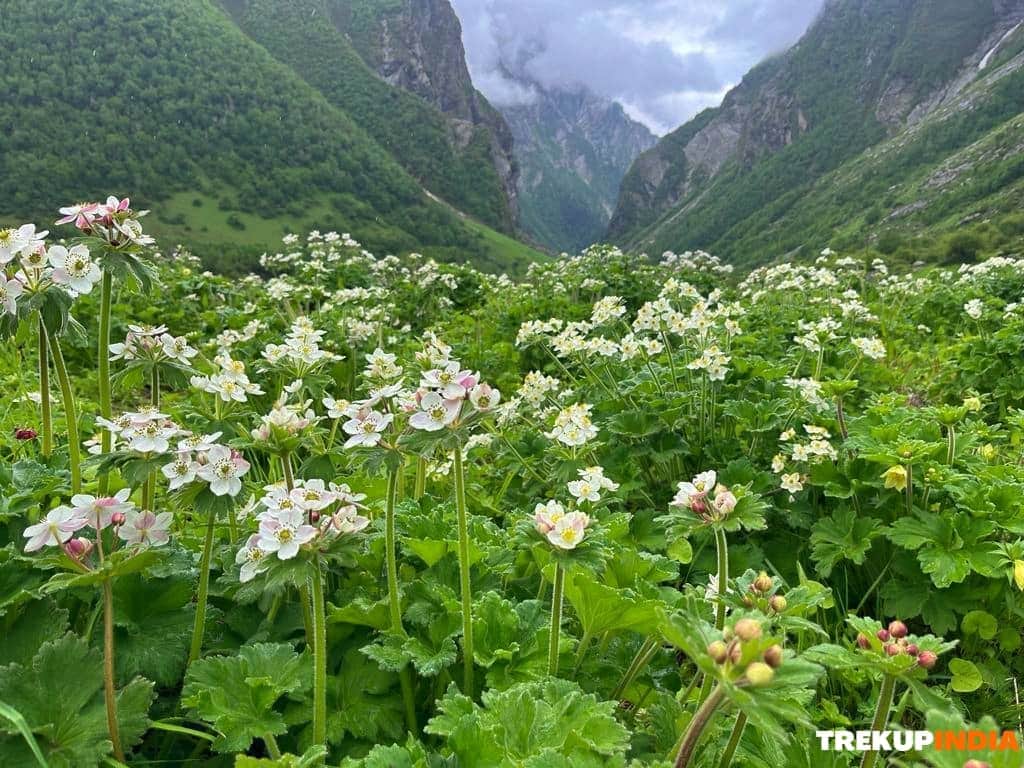 Blog
BlogBy Anoop Rawat|May 6, 2026
Valley of Flowers – A UNESCO World Heritage SiteThe Valley of Flowers lies at an elevation of 3,658m (12,000 feet), covering 87.5 square kilometres in the Nanda Devi Biosphere Reserve. From July until September, it comes alive with over 500 varieties of flowers, such as blue poppies, orchids, primulas, and the extraordinary Brahma Kamal – as well as snow-capped mountains with flowing streams and lush grasses – to put on an incredible show. Monsoon season typically runs from late June through September in the Valley of Flowers, and it is an unforgettable adventure! Bursting with breathtaking displays of blooms, this vibrant, colourful paradise transforms under monsoon rains, nourishing soil nutrients for rare and threatened species to flourish, and a blooming landscape combined with fresh air provides an incredible hiking adventure that you will remember forever! In our discussion about its UNESCO World Heritage status and fascinating aspects that make this such an essential destination, come join us! We will also talk about its identification process. Frank Smythe was one of a group of British explorers who discovered the Valley of Flowers while exploring Mt. Kamet in 1931. Drawn by its stunning splendour, they appropriately named it: “Valley of Flowers.” So taken with its beauty was Smythe, that he decided to stay for over one month writing notes for his next book and collecting specimens to give to Edinburgh’s Royal Botanic Garden. Joan Margaret Legge, an esteemed botanist, decided to explore the valley after Smythe’s groundbreaking research had spurred her interest. Unfortunately, this love led to tragedy when Joan fell off a rock while collecting flowers; five years after this tragic incident, she established a small memorial that stands as a lasting tribute to Joan and her deep passion for the Himalayan Mountains, with its words as a powerful tribute to her spirit. This lovely valley boasts an exquisite and rare variety of stunning flowers, such as poppies, orchids, primulas, and anemones, that form an eye-catching display. Rhododendron and birch trees add even more colour. As you walk through this exquisite floral paradise, you’ll encounter stunning varieties of blooms such as delicate Pink Primulas and vibrant Pedicularis, as well as Golden Lilies and Anemones – among others! Take stunning photos of magnificent purple Asters, stunning white Androsace, and breathtaking blue Borage for stunning results! The vibrant landscape of the valley is further enhanced by rose-coloured Cypripedium and vivid blue Forget-me-nots, distinctive Fritillaries, and stunning Geraniums, adding colour and beauty. The elegant beauty of beautiful purple and dwarf Irises, as well as Larkspurs, Nomo Charis, and vibrant blooms such as Pansies, Deep Mauve Polemoniums, and Ocean Blue Poppies, is truly captivating. Admire the exquisite pink and white Potentillas, gold Lillies, tiny Rhododendrons in various hues ranging from soft pink to deepest purple, Ranunculi’s flowers with pink Epilobium leaves, fragrant Brahma Kamals, and other decorative plants that add charm. All combine for an extraordinary display. Trekkers heading towards the Valley of Flowers begin their journey from Govindghat near Joshimath, in a town close by Ghangaria which serves as both the base camp for The Valley of Flowers and Hemkund Sahib. This 16km trek features moderate difficulty that is suitable for novice as well as experienced hikers, offering wonderful views of waterfalls, dense forests, and Pushpawati River along its path. Hemkund Sahib (sometimes known as Gobind Dham) is a well-known Gurudwara located at an elevation of 14,100 feet in Himachal Pradesh, dedicated to Guru Gobind Singh Ji. This sacred site holds immense spiritual importance for Sikhs as this was where their 10th Guru spent his majority of time meditating; hence its deep reverence among Sikhs and devotion from thousands who visit each year for bathing rituals with sacred water from Hemkund Sarovar (Hemkund Sarovar). A trip uphill from Hemkund Sahib symbolises both physical and spiritual journeys forward.Hemkund Sahib holds an important place in Sikhism due to the belief that Guru Gobind Singh Ji, its supreme guru and master teacher was a devotee who meditated here prior to leaving this earthly realm. Guru Gobind Singh Ji was an exceptional leader and gifted teacher whose words remain an inspiration to Sikhs worldwide; his legacy, marked by wisdom, courage and spiritual wisdom still influences society today.The Valley of Flowers provides an incredible experience for nature enthusiasts looking for adventure. Everyone should visit at some point in their lifetime! Best Time of Visit For maximum floral splendour, the ideal time to visit this Valley of Flowers is between July and September during monsoon season, when rain has transformed it into an oasis. At this time of year, visitors from around the globe come here for its vibrant flower displays that draw tourists from near and far.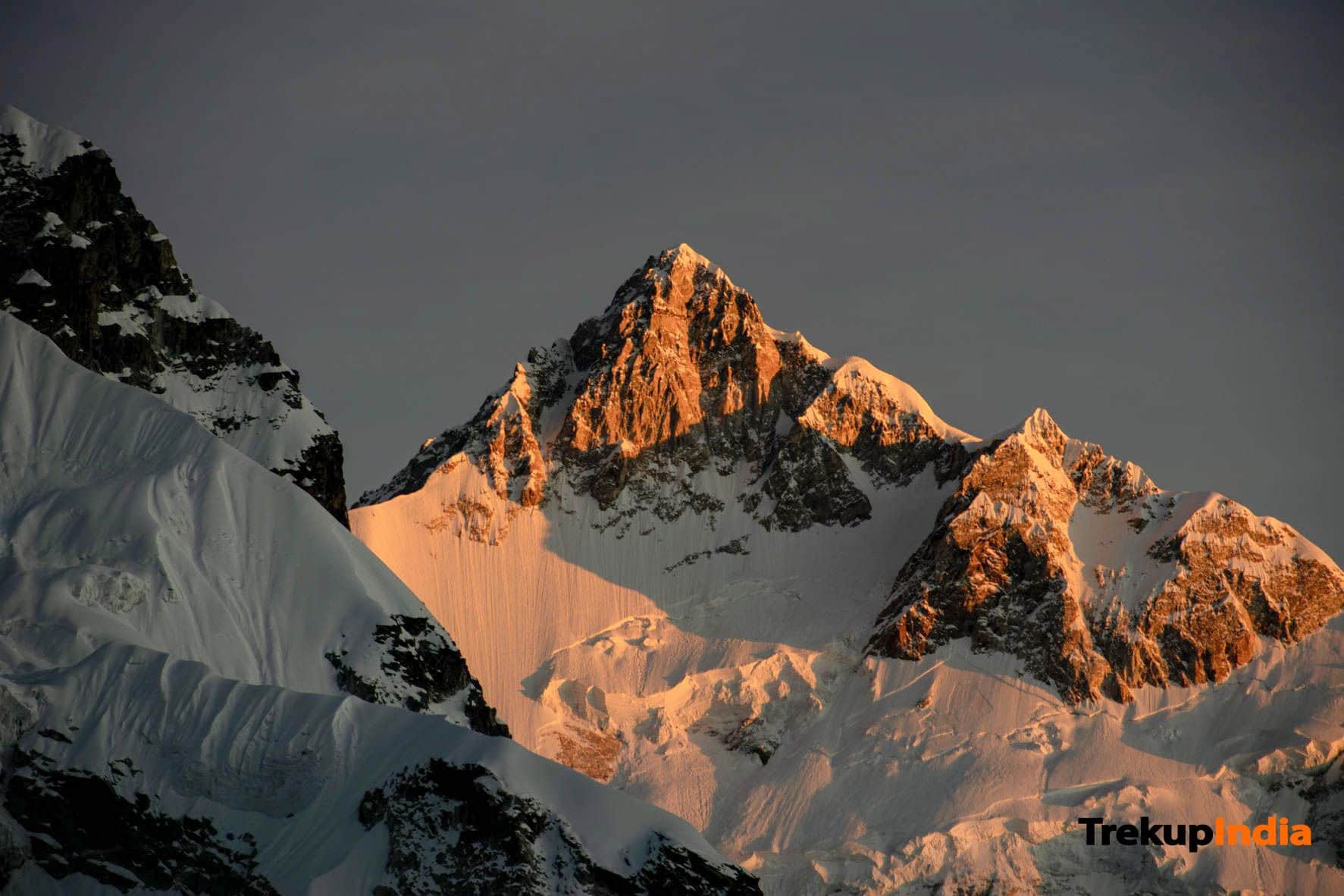 Blog
BlogBy Preetam Singh Rawat|May 6, 2026
Goecha La Trek Preparation Tips: What You Need to KnowNow that the monsoon season has come to a close and winter is quickly approaching, now is an opportune time to plan a journey to the Himalayan Mountains. After exploring Uttarakhand and Himachal for summertime exploration of Trishul, Nandaghunti, Dhauladhars, and Dhaulagiri, it is time to expand our horizons towards eastern locations like Nepal or Bhutan. When we refer to “the east,” we mean North-East. To experience Eastern Himalaya, trekking to Goecha La Pass is unsurpassed, offering breathtaking views of the Kanchendzonga Mountains along its route. Kanchendzonga, popularly referred to as “the sleeping Buddha”, is India’s highest peak and the third highest worldwide. You’re sure to be impressed with this trip – I promise it! Climbs will prove more challenging than expected, while temperatures will prove considerably colder. Follow the path. Treks tend to be moderate in difficulty and climb to 16000 feet, passing through forests of oak, chestnut, and maple as well as pine and magnolia pine needles; finally reaching Rhododendron trees, which have become famous landmarks along their journeys. This trek explores the biodiversity of varied forests throughout its trek path. If you’re lucky, you might spot beautiful birds like Leothrix with a red bill, Rufous vented Yuhina, and Fire-breasted Flowerpecker, along with Silver-eyed Mesia among many others. Not only can birders see Mt Kanchendzonga, but they also have up-close views of Mt Pandim, Kabru, and Simovo – perfect spots for naturalists and mountain worshippers! Keep your camera handy as well as a notebook in case any notes need to be written down! Important to keep in mind is the difficulty of the terrain you will traverse on this trek; mentally and physically strong individuals should be able to do so within 8 days and cover 90 miles. On day 4, crossing Goecha La Pass can become tiring and long; therefore, you should plan for 12 hours on the trek in one sitting. To stay at an appropriate fitness level for this challenge, cardio workouts such as jogging, climbing stairs, and cycling should be performed daily. Running five kilometres within 30 minutes should be your aim if running on a treadmill; otherwise, use it in an inclined mode to achieve maximum results. Alongside cardio workouts, stretching exercises should also be practiced regularly to strengthen the shoulder, calf, and hip muscles. Climbing difficult slopes with your load puts undue strain on both lower back muscles and hip flexors, and an exercise plan designed to build strength will put you in better condition when embarking on your trek. Packing for trekking during summer varies considerably from what should be brought on winter treks. Goecha La in September and October can be significantly cooler than it was during May; therefore, it is necessary to pack carefully. After the monsoon season has subsided, we face cold winds that we must protect ourselves from, while there’s always the possibility of snowfall at the summit or on the road itself. High-quality Trek shoes are essential equipment. Rucksack not exceeding 8 kilograms. Layers of clothing – lightweight layers including full sleeves, collared T-shirts paired with fleece jackets that can be hollow-filled for warmth; Balaclava gloves (waterproof or not), waterproof gloves as well as woollen socks in the evening as well and cotton ones during daytime are required for warmth. Accessories – Head torch sunglasses, toilet kits containing toothbrush, toothpaste, sunscreen lotion, hand soap, water bottle, and trekking poles; accessories. Personal medicine kits must include remedies to treat stomach, cold, fever, anxiety, stomach upset, migraine, pain killer, and Band-Aids for pain. Other – Tissue paper, plastic bags to carry garbage, a day bag, and an original and photocopy of the ID card of the government (there is no space available in Yuksom for print-outs or photocopies) Foreign travellers must obtain an ILP (Inner Line Permit), available at Bagdogra airport or Siliguri checkpoints, before entering Sikkim from Siliguri. Furthermore, trekkers are responsible for filling out and signing the Medical Disclaimer and Certificate of Insurance forms before beginning their treks in Sikkim.BlogBy Anoop Rawat|May 5, 2026
Common Post-Trek Issues and How to Overcome Them | Post-Hike Recovery TipsWhenever I go on a high-altitude Himalayan trek, it is an absolutely surreal experience, but once I come back, I often find myself dealing with several issues like soreness, fatigue, and numb toes. Over the years, we at Trekup India have noticed that it’s not just me but a lot of people, especially beginners, who face these problems and often ask us how to recover from a trek. Therefore, I have prepared this guide talking about the best recovery practices after trekking, some post-hike recovery tips, and how to reduce fatigue on treks. Perhaps the most frequent post-trek problem encountered by trekkers is numb or swollen toes. If your toes are limp or puffy following a trek, fear not, it’s sometimes a natural reaction to vigorous physical exertion the body is subjected to during the trek. Why does it occur? Numbness can occur due to several reasons. When you descend from steep and rocky inclines, again and again, your toes repeatedly strike in front of your shoes, damaging sensory nerves. This causes numbness in your toes and can even be accompanied by severe pain and blisters. Moreover, after 2-3 days of continuous hiking, sometimes your feet tend to swell naturally. When this occurs, your shoes tighten, increasing pressure on your toes and aggravating the issue. For the majority of trekkers, this persists for about 10-15 days. Treatment How can swelling and numbness be prevented? We always tell trekkers that the best way to prevent leg pain after trekking is by selecting the right trekking shoes before the trek. Ideally, you should pick shoes that are one size bigger than your regular shoe size. This ensures that your toes have enough space and do not get hurt when you descend. You should also make sure that the trekking shoes you choose have proper ankle support, as this can prevent several potential injuries. Another best practice is to descend properly. Descending poorly exerts extra pressure on your toes. Try bending your knees a little bit, taking careful steps, and employing trekking poles to distribute the weight more evenly on your feet. Feeling sore all over after a trek? This is probably your body’s response to the prolonged physical activity it is subjected to during the trek. Why it happens? Trekking in high-altitude terrains is often hard on the body. We use most of our muscle groups at the same time while hiking, and this tends to put pressure on the legs, back, shoulders, and even the arms. Mountain conditions and physical activity over several hours put more strain on the body. This typically lasts for about 4-5 days, depending on your fitness levels. Treatment How can fatigue be prevented? Although fatigue and body pain is something that is unavoidable after a high-altitude trek, there are things you can do to ensure that it is minimum and you don’t feel too exhausted. Over the years, we have noticed that fitness level plays a crucial role when it comes to the amount of body pain and fatigue one experiences. It is advisable to work on your fitness at least one month before the trek. This ensures that your muscles are in good shape to take the toll of the trek and you don’t feel excessive fatigue. Following a long trek, some individuals develop mild fever, body pain, and fatigue, this condition is popularly known as trek fever. It is not really an illness but a reaction of the body to excessive exertion, dehydration, and changes in altitude. Though generally harmless, it can be uncomfortable and will slow down recuperation. Why Does Trek Fever Happen? Trek fever is essentially brought about by physical fatigue, dehydration, and changes in altitude. The leading causes of trek fever are: Overexertion: Long periods of walking, particularly at high altitudes, result in microtears in muscles, which result in inflammation and a slight increase in body temperature. Dehydration: Inadequate intake of fluids leads to electrolyte imbalance, which makes it more difficult for the body to control temperature. Temperature Changes: Traveling through various altitudes and different kinds of weather can test the immune system, with occasional mild fever-like symptoms. Altitude Illness: In higher altitudes, lower oxygen levels can result in headaches, dizziness, nausea, and even fever in some instances. Treatment If you come down with trek fever, don’t panic, most of the time, it’s temporary and goes away in a day or two with due care. This is how you can recover faster: How can trek fever be prevented? You can lower the risk of developing trek fever by conditioning your body prior to, during, and after the trek. Do these steps to prevent it: Knee pain is probably the most common post-trek challenge regardless of whether you’re an experienced trekker or a first-timer. In our groups, we have often noticed that older people who already have pre-existing knee conditions often suffer from severe knee pain after a trek. Your knees get thrashed, after all, and especially on long downhills. A bit of soreness is inevitable, but chronic pain can impede recovery. Why does it occur? Long Descents have a Heavy Impact: Walking downhill makes your knees absorb several times your body weight, which causes pain and swelling. Here your knees act as shock absorbers and bear tremendous pressure. Weak Knee Ligaments & Muscles: If the muscles surrounding your knees are not strong enough, they don’t properly support the joint, causing strain. Improper Technique: Walking with locked knees, taking long strides, or moving too fast downhill puts unnecessary stress on your joints. Pre-Existing Knee Issues: If you’ve had knee injuries before, a trek can flare up old problems, causing discomfort or even lasting pain. Treatment If your knees are hurting post-trek, don’t push through the pain, your body needs time and care to recover. Here’s what can help speed up the healing: How can Knee Pain be prevented? Prevention is far, far better than suffering later on. If you prepare well ahead, your knees will be thanking you. Trekking is a wonderful experience, but what comes after the trek is equally essential as the journey itself. Treating recovery as much as rehydration and relaxation of muscles to avoiding knee aches and managing trek fever with priority ensures your body recovers rapidly and remains prepared for other challenges ahead. Listen to your body, take care of it, and prepare in advance for your next trek. Whether it’s building up your knees, honing your descent skills, or maintaining hydration levels, small actions can make a huge impact. Trekking should make you feel complete, not crippled; so rest smart, and you’ll be back on the trails stronger than ever. Here’s to many more pain-free, awe-inspiring adventures! How many days should I rest after a long hike? It varies with the intensity of your hike and your physical fitness. In general, 1-3 days of adequate rest should suffice for most individuals. If you do feel very sore or tired, however, allow your body as much as a week to recover completely. Gentle movement such as walking or yoga can accelerate recovery without exhausting yourself. How to get rid of body pain after trekking? Post-trek body pain is preventable with a proper management method. Begin with good hydration and electrolyte repletion to forestall cramps and aches in muscles. Gentle stretches or yoga stretches are useful for dissolving stiffness, while foam rolls and massage treatments enhance blood circulation and alleviate pressure in the muscles. Relax tight muscles through soaking in a warm bath using Epsom salts, and relieve inflammation using ice packs. Finally, ensure quality sleep, as this is vital for muscle repair and general energy replenishment. What to eat after a trek? Proper refuelling after a hike enables your body to recover quickly. Concentrate on protein food such as eggs, lentils, tofu, chicken, and nuts to heal muscle damage, while whole grains, rice, fruits, and potatoes supply energy lost. Healthy fats from avocados, nuts, and seeds contribute to overall recovery, and coconut water, lemon water, and electrolyte mix supply lost minerals with electrolyte drinks. Moreover, anti-inflammatory foods such as turmeric milk, ginger tea, and berries will minimize muscle soreness. Having a good meal with a combination of all these nutrients makes your body bounce back stronger!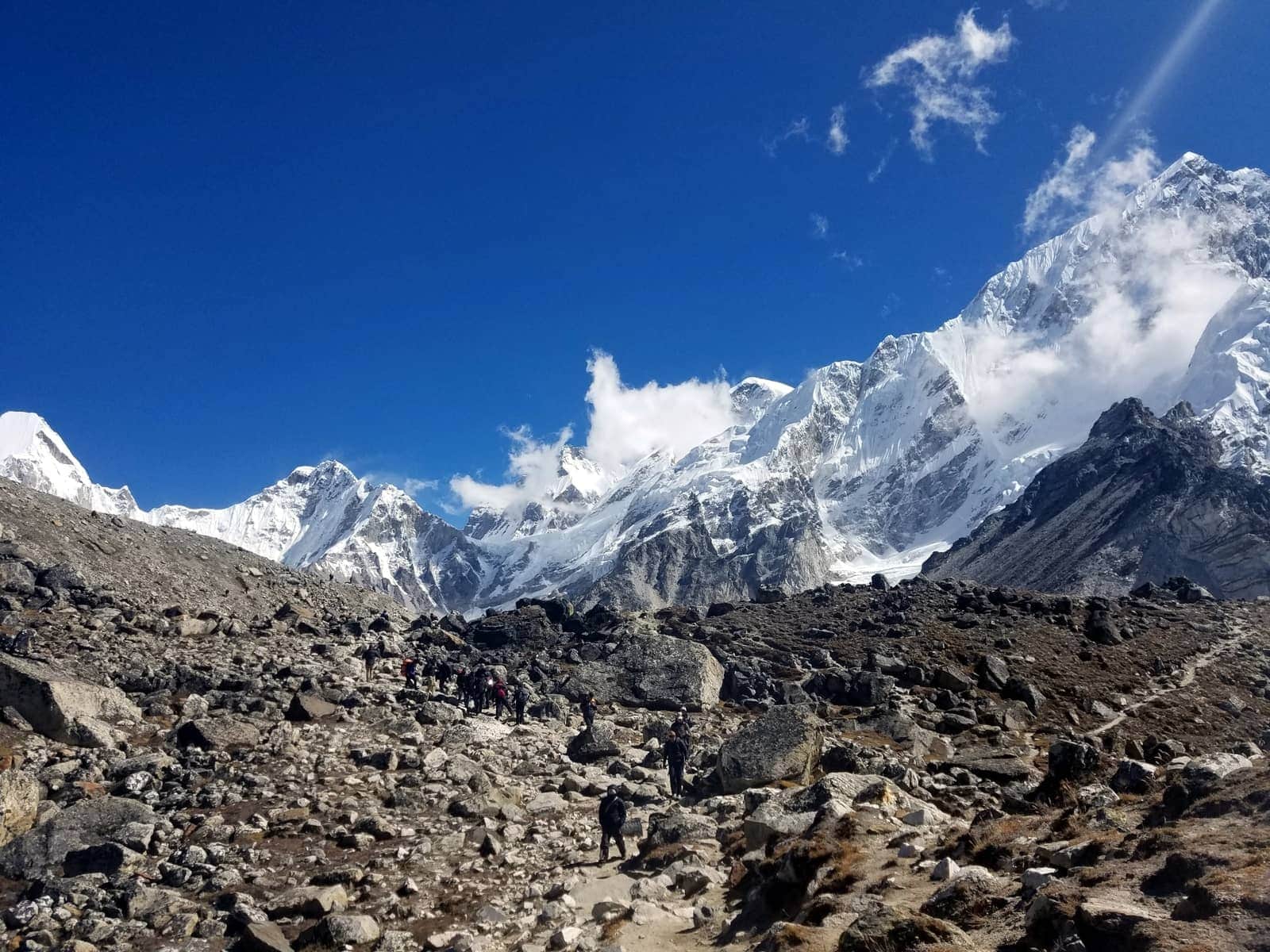 Blog
BlogBy Nanda Rawat|May 5, 2026
Why You Should Do Everest Base Camp Trek?Mount Everest is the most famous mountain peak in the country and the world; this trek is the base camp of the highest mountain in the world. The trek is also known as the “steps of heaven,” as the view from here is unlike another you have seen on any trek. Everest Base Camp trek presents a beautiful opportunity to experience the grandeur of the Himalayas, the imposing challenge and thrill of the climb, and the charming culture of Nepal.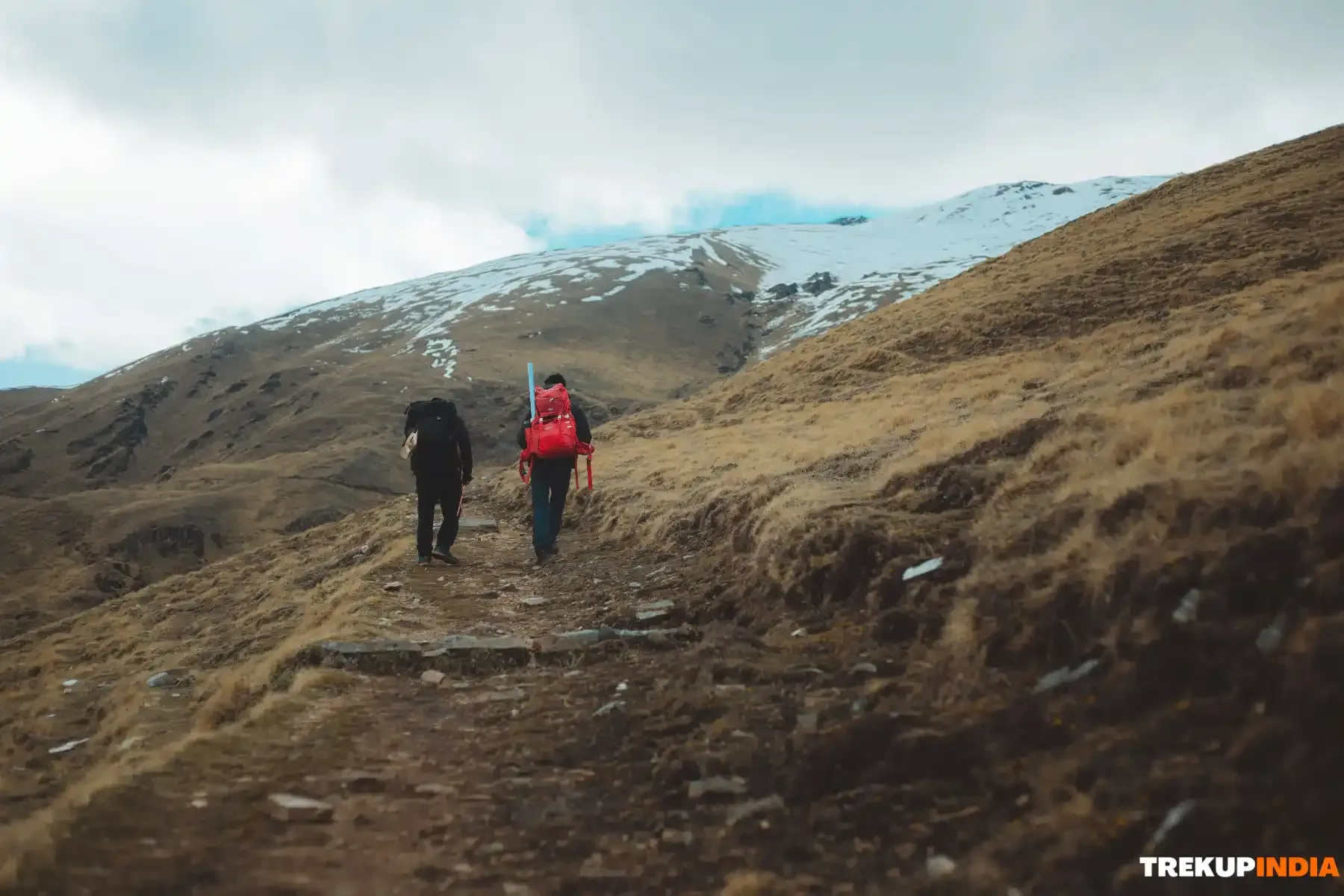 Blog
BlogBy Adhish Bhandari|May 5, 2026
Why You Should Do Ali Bedni Bugyal TrekSuppose you are looking for a mountain getaway. In that case, Trekup India welcomes you to join our Ali Bedni Bugyal Trek in Uttarakhand, which combines breathtaking views of snow-capped peaks and beautiful meadows. Below are some of the significant highlights that await this trek.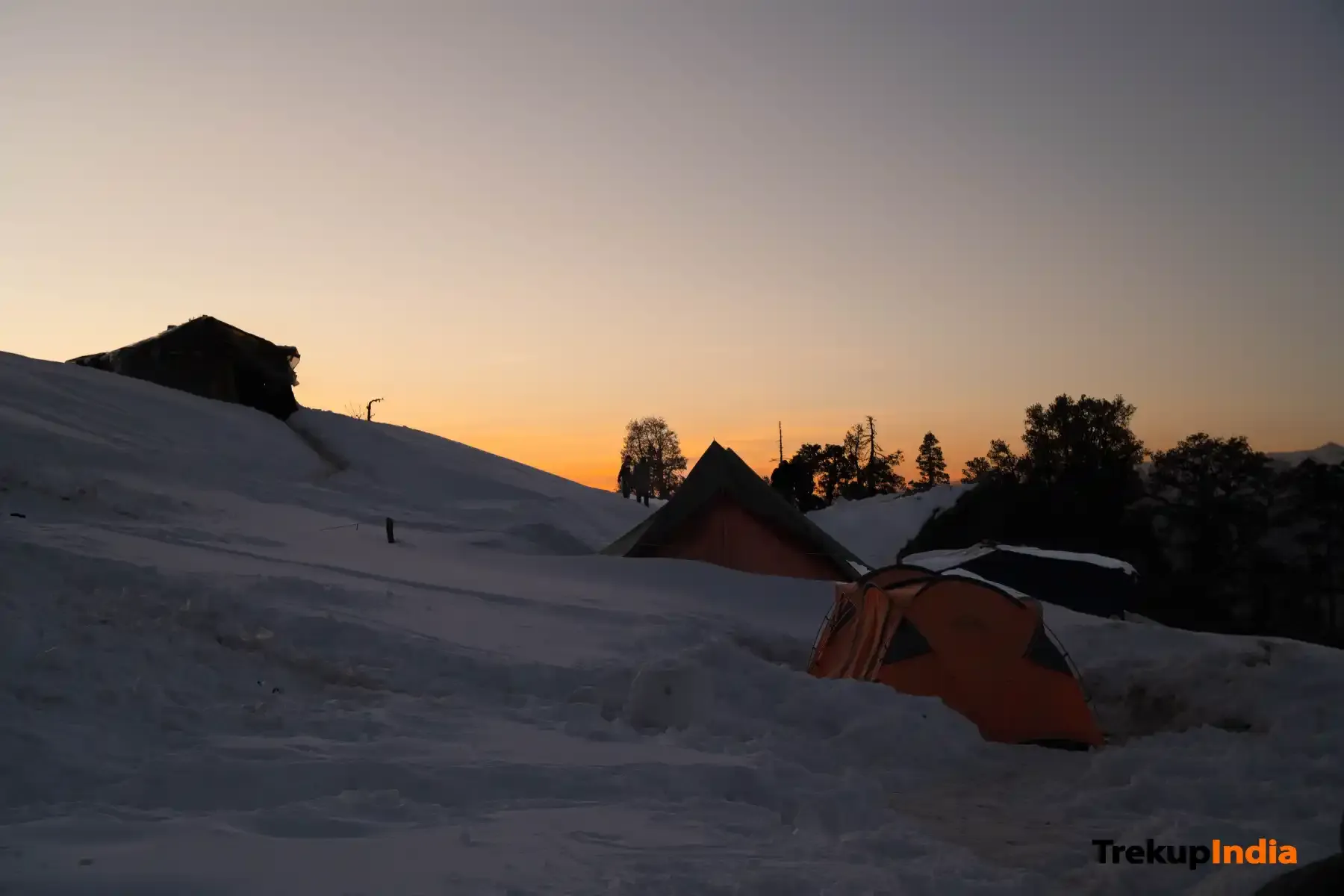 Blog
BlogBy Preetam Singh Rawat|May 5, 2026
Best Treks for Beginners: Top Himalayan Treks you can start your Trekking Journey withBest Treks for Beginners: Top Himalayan Treks You Can Start Your Trekking Journey WithIf you are a beginner in trekking and seeking the best adventure to begin your journey with, you have come to the right place! The Himalayas in Uttarakhand and Himachal Pradesh offer some of the most stunning yet beginner-friendly trails—no technical expertise required, just a passion for nature and adventure. Whether you’re looking for a short, scenic escape or a slightly more challenging but rewarding experience, these Himalayan treks for beginners promise unforgettable memories and breathtaking views. Dayara Bugyal is one of the most beautiful and an easy trek for beginners. It has huge snow-covered meadows in winter meadows in winter and is covered with colourful flowers in summer. The scenery of mountains such as Bandarpoonch, Black Peak, Srikanth and Draupadi ka Danda is just wonderful. The gradual slope and well-marked paths make it an ideal trek for newbies. Moreover, the ascent and descent are more or less even and there is no summit, making it a suitable choice for introducing yourself to high-altitude trekking in the Himalayas. What adds to the uniqueness of this trek is how easy and accessible it is—it’s perfect for families with children and older people who want to experience the essence of the Garhwal Himalayas without a laborious ascent. Highest Altitude gained: 12,090 ft. Best Time to Visit: March to June, December to February Duration: 3 Nights, 4 Days Base Camp: Raithal Village The Kedarkantha trek is the perfect pick for anyone looking for a winter wonderland experience in the heart of the Himalayas. It has breathtaking views of snow-covered peaks, icy lakes, and thick pine forests. The summit climb is an exciting but feasible challenge, making it a popular destination among first-timers. Fun fact: this trail was first discovered by one of the co-founders of Trekup India in 1993, and since then, it has been a rite of passage for several aspiring trekkers seeking to reach their first Himalayan summit. Highest Altitude gained: 12,500 ft. Best Time to Visit: December to April Duration: 5 Nights, 6 Days Base Camp: Sankari Village Har Ki Dun, or the ‘Valley of Gods,’ is an ideal beginner trek for those interested in mythological stories and scenic beauty. This is not a trek, it’s a walk through culture and folklore. Har Ki Dun is a cultural trail dating back centuries, ideal for trekkers as well as those interested in mythology. It’s an easy trek for beginners that goes through ancient villages, alpine meadows, and thick forests, with a combination of cultural and natural scenery. It’s also one of the best ways to witness how people in the Garhwal Himalayas live, providing an authentic glimpse into mountain life. If you’ve ever wanted to step into a world where mythology and nature intertwine, this is the trek for you. Highest Altitude gained: 12,000 ft. Best Time to Visit: March to June, September to November Duration: 6 Nights, 7 Days Base Camp: Sankari Village If you’re looking to enjoy the unspoiled beauty of Kashmir minus the crowds in popular treks like Kashmir Great Lakes, then the Tarsar Marsar trek is ideal for you. The trek goes through alpine meadows that look straight out of dreams, valleys, and two sparkling lakes, Tarsar and Marsar against the majestic backdrop of snow-covered peaks. The landscape is so unreal that you’ll wonder if you’re still in India. The highlight? It’s a simple hike, which is perfect for novices who wish to experience the stunning beauty of Kashmir without undertaking a taxing challenge. The tranquillity of the location, coupled with its postcard-pretty scenery, will leave you completely enchanted. Highest Altitude gained: 13,498 ft. Best Time to Visit: July to mid-September Duration: 6 Nights, 7 Days Base Camp: Aru Kuari Pass Trek, popularly known as the ‘Curzon Trail’, is one of the best Himalayan treks for beginners. The trek sees a combination of dense forest cover, open pasturelands, and majestic views of peaks such as Nanda Devi and Dronagiri. It’s excellent for fit beginners looking for a moderately challenging trek. Other than this, if you’re an experienced trekker looking for a slightly more different trek, then you can consider going on the Pangarchulla Peak trek that not only covers Kuari Pass but also takes you to the thrilling summit of Pangarchulla Peak. Highest Altitude gained: 12,516 ft. Best Time to Visit: December to March Duration: 5 Nights, 6 Days Base Camp: Joshimath Ali and Bedni Bugyal are two of India’s most scenic high-altitude meadows. The trek is one of the largest green pastures, the most spectacular mountain scenery, and a gentle trail that is beginner-friendly. The trek through lush rhododendron groves and scenic campsites makes it an outdoorsman’s dream trek. In spring, the meadows are a riot of colours, while winter turns them into a fairy-tale white carpet. It’s among the best beginner treks for a serene and scenic Himalayan experience. Highest Altitude gained: 12,557 ft. Best Time to Visit: April to June, September to November Duration: 5 Nights, 6 Days Base Camp: Lohajung Sandakphu Trek is a special trek in the sense that it provides glimpses of four of the world’s highest mountains: Everest, Kanchenjunga, Lhotse, and Makalu. Trekking on the Indo-Nepal border, you’ll get to see a combination of cultures, sunrises that will take your breath away, and a ridge walk that makes this trek stand out from any other trek in India. The gradual climb and well-trodden paths make it an excellent beginner’s trek for those who desire to witness the majesty of the Himalayas with not too demanding a climb. Highest Altitude gained: 12,950 ft. Best Time to Visit: January to April, September to December Duration: 6 Nights, 7 Days Base Camp: Sepi A UNESCO World Heritage Site, the Valley of Flowers trek is a most captivating starter trek in India. The route goes through a colourful valley that’s laden with exotic and rare flowers, thus turning out to be nature enthusiasts’ dream trek. The extensive diversity of flora set against the stunning background of snow-covered peaks results in a surreal experience of sorts. It is a well-trodden path, so it is an easy but satisfying endeavour, and monsoon is the peak time to visit if the valley is in bloom. It’s an experience that is like a splashing fairy tale. Highest Altitude gained: 14,100 ft. Best Time to Visit: June to September Duration: 5 Nights, 6 Days Base Camp: Pipalkoti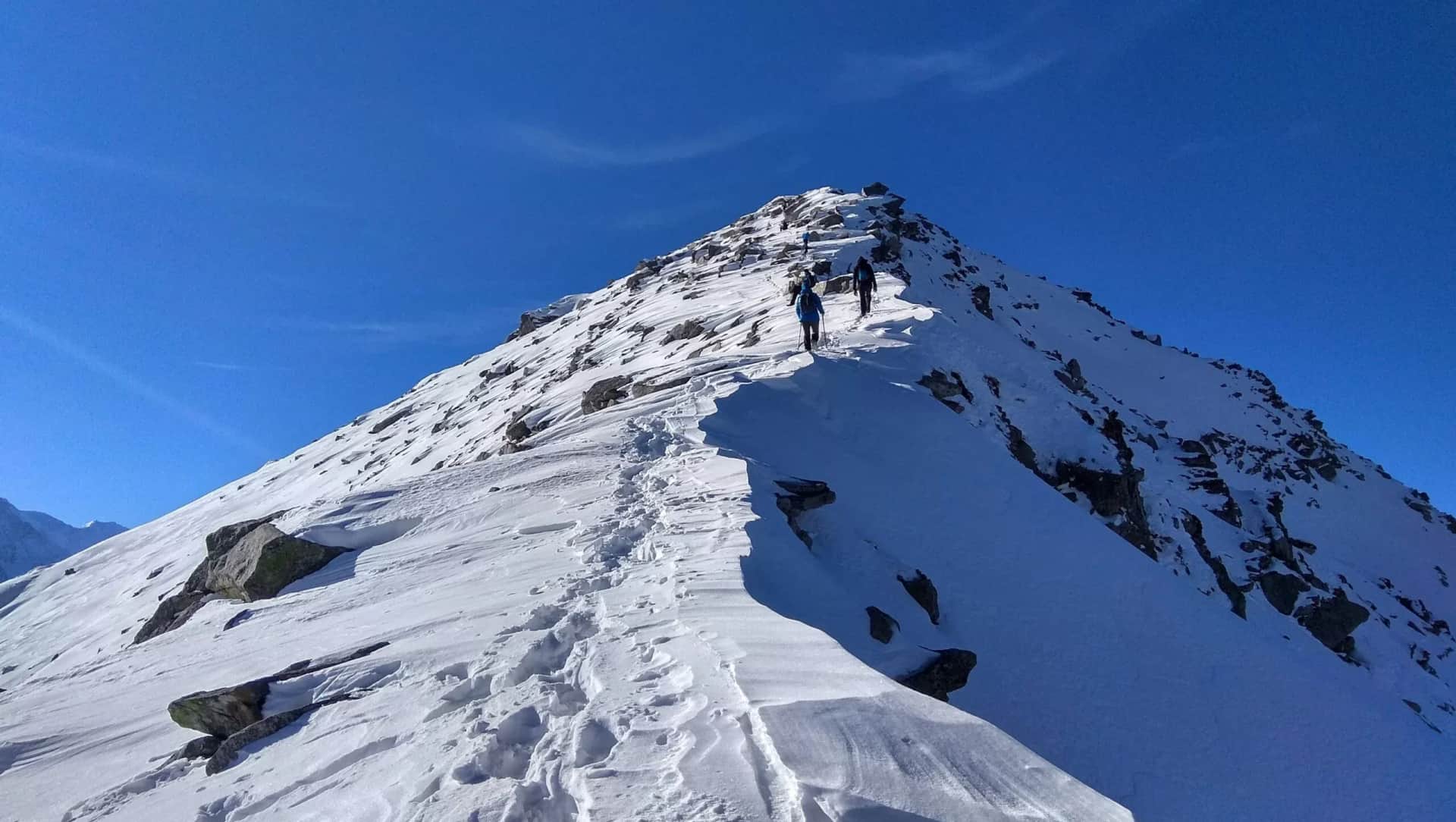 Blog
BlogBy Preetam Singh Rawat|May 5, 2026
Kuari Pass v. Pangarchulla Peak: Which trek is suitable for you?The Garhwal Himalayas in Uttarakhand feature some of India’s most lovely treks, among which the Pangarchulla Peak Trek and the Kuari Pass Trek are the most popular. Both the treks feature breathtaking scenery, an opportunity to get in touch with nature, and a good challenge for adventure-seekers who love trekking. But each trek has its unique characteristics, making a choice between the two challenging, particularly for first-time trekkers or those inexperienced with high-altitude trekking. To guide you in making the right choice, we’ve pitted these two iconic treks against each other based on essential considerations such as trail difficulty, scenery, best bits, and the optimal time to visit. If you prefer a trek that’s easier for first-timers, the Kuari Pass Trek may be a better choice. The trek is a gentle rise through well-paved trails, making it a good introduction to trekking in the Himalayas. The difficulty of the trek is usually graded as moderate, and it is suitable for beginners or those with little trekking experience. However, the Pangarchulla Peak Trek is a little tougher. Being nothing but an extension of Kuari Pass, the first half of the trek remains equally challenging. Therefore, Pangarchulla is ideal for those who wish to venture further than Kuari Pass. Steeper ascents and greater altitudes in the hike to Pangarchulla Peak make it a little tougher. This trek is classified as moderate to challenging and is more appropriate for trekkers with some experience in high-altitude trekking or those who are physically fit for a more demanding hike. The final push to the top can push you to your limits, particularly as you go beyond 14,000 feet. So, if you’re ready for a more demanding experience, the Pangarchulla Peak Trek is the option to choose. Both treks have stunning views, but the scenery is different. Kuari Pass Trek: Popularly referred to as the “Lord Curzon Trail,” Kuari Pass Trek provides panoramic vistas of the Garhwal Himalayas, such as Nanda Devi, Chaukhamba, and Dronagiri. The trek is renowned for its white landscapes (depending on the season) and walking through untouched rhododendron forests and traditional villages. It’s ideal for trekkers who want a serene and scenic trek along green meadows, with tall mountains looming all around. Pangarchulla Peak Trek: The Pangarchulla Peak also provides more breathtaking views, including a view of the entire Nanda Devi range and the imposing Chaukhamba Peak. The summit itself is the highlight of this trek. At the summit of Pangarchulla Peak, one can have a view of not only the panoramic view of the entire Garhwal range but also of the Badrinath valley, and even the Trishul and Kamet peaks. The trek gives you a higher altitude experience, with stunning views from over 14,000 feet, which is ideal for those seeking a more immersive high-altitude hiking experience. Kuari Pass Trek: March-April and September-November are the best times to trek to Kuari Pass. The path is easier during these times, with better climatic conditions and less likelihood of heavy snowfall. It is a wonderful trek for experiencing the spring flowers or autumn leaves. Pangarchulla Peak Trek: Pangarchulla Peak is only accessible during March-April. This is the time when snow-capped mountains make a beautiful contrast with deep blue skies. The weather can be a bit harsh during this time, but you are able to get a better view of the Himalayan range. During winter, the trek becomes inaccessible because of excessive snowfall, and hence, April proves to be the best time to go for such Himalayan treks. For First-Timers and Less-Experienced Trekkers: If you’re just starting to get into Himalayan treks or you only have some experience, the Kuari Pass Trek will probably be the better option. It is a more gentle rise and has not so demanding paths, which are ideal for one seeking an easy-level trek. For Experienced Trekkers and Thrill Hunters: If you already have high-altitude trekking experience and would like to challenge yourself further, the Pangarchulla Peak Trek is a more satisfying challenge with its challenging climbs and summit view. It’s also ideal for those looking for an added boost of adventure and opportunity to hike on the less traveled routes of the Garhwal Himalayas. When selecting the best trekking agency in India, Trekup India is excellent because of its years of experience and competence in organizing Himalayan treks. Being one of the best trekking agencies in India, they have everything you require for an adventure to remember, right from high-quality equipment such as microspikes for walking on ice to professional local guides who know the trails like the back of their hand. Trek Up India is also focused on sustainability, operating the Save the Trail program to keep the scenic landscapes unspoiled for other trekkers in the future. Apart from this, Trekup India’s skilled chefs will have you taste the local cuisine of the region, providing mouth-watering meals during the trek. Whether you are an individual traveller, a female, or have particular needs, Trek Up India keeps safety and care in mind and is thus the perfect option for anyone who wishes to trek in the Garhwal Himalayas. Selecting the Kuari Pass Trek or the Pangarchulla Peak Trek boils down to how experienced you are and what type of trekking experience you want. While both offer unique experiences and the beauty of the Garhwal Himalayas, the Kuari Pass Trek is better suited for beginners, whereas Pangarchulla Peak offers a more challenging and rewarding experience for those ready to test their endurance. Either way, both treks provide a chance to experience the splendor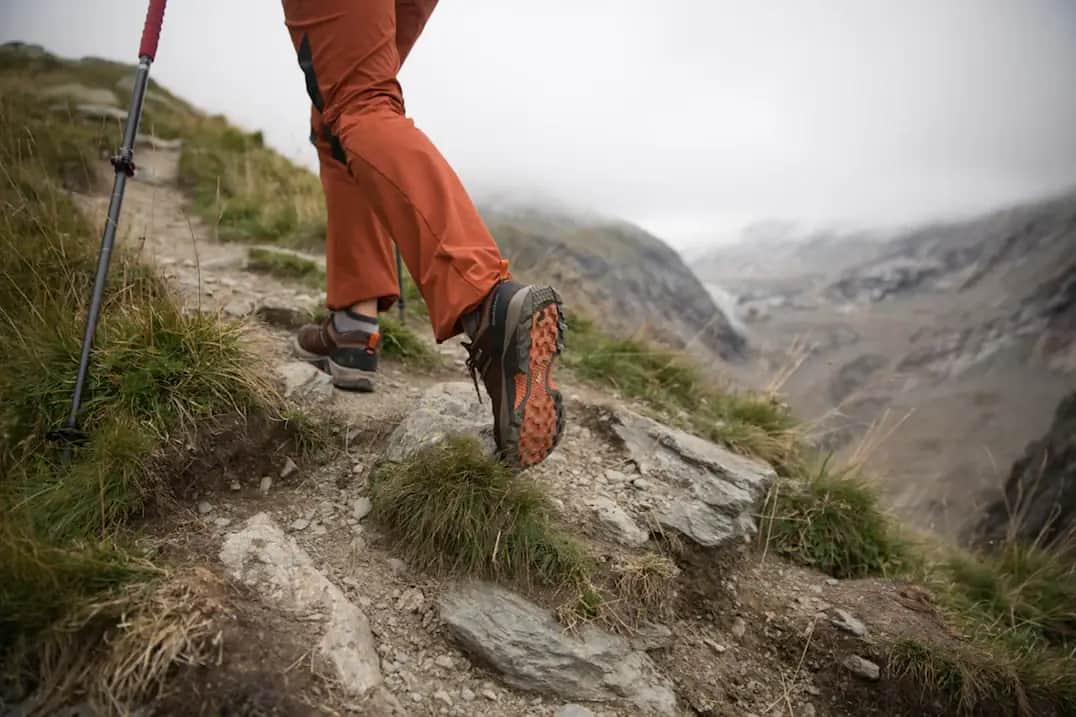 Blog
BlogBy Shivam Shingari|May 4, 2026
Trekking Boots India Tips: Break-In & Blister PreventionBlisters can quickly turn a wonderful Himalayan trek into a nightmare. Trekup India has witnessed many trekkers struggle through high passes, snowstorms and blisters due to poorly fitting footwear. Your footwear serves as your foundation – so breaking in and blister protection are both equally essential parts of trekking the Himalayas. This guide serves as your ultimate footwear SOS manual–Indian trails tested and trek leader approved. New boots (made of leather or synthetic material with rubber soles) require breaking in before taking on long treks – wearing them straight out of the package may result in uncomfortable situations! When worn directly onto a trek, new materials might cause discomfort as you navigate rocky terrain and change of elevation. Utilize Indoor Practice (30 Minutes per day). Gradually increase wear time to 2 to 3 hours. To test out different terrain conditions for trekking, attempt crossing stairs, hills or uneven surfaces such as dirt roads to simulate actual trekking conditions.If it is within your means to do so, continue with your trekking adventure. If possible, take a brief trek (5-6 kilometers) prior to beginning. It is best to choose Merino wool or synthetic socks (avoid cotton as it retains water) when selecting socks to wear for activity.Two-layer socks (a thin liner inside and thick outer layer) may help reduce friction. Heel Lock Lacing allows a tight fit, preventing slippage of the heel that leads to blisters and soreness. Toe-Relief Lacing can alleviate pressure on the forefoot. If you notice hotspots, rubbing or blisters forming on your skin, apply moleskin or tape immediately in order to stop further irritation and possible blisters forming. Fitness: When selecting boots for trekking, ensure your toes can move freely while at the same time your heels do not elevate above a natural point.Ankle Support Is Essential on Indian Tracks (e.g. Quechua MH500, Woodland and Columbia).Waterproofing Process: Leather treated with Gore-Tex can withstand monsoon treks without becoming waterlogged or wet, providing for dry trekking excursions. Replace damp socks as soon as they appear. Utilize powders designed to prevent snow storms as well as foot-based antiperspirant for best results. Vaseline/BodyGlide helps reduce friction. Leukotape/Kinesiology tape stays put even when wet, providing reliable support. Avoid popping blisters as this increases your chance of infection and spread of illness.Cover the area with an adhesive blister (Compeed and Band-Aid).If the burst occurs, use antiseptic to clean, then cover the wound with gauze for protection. Your success on any journey begins with your feet. Wearing the appropriate footwear, along with high-quality socks and simple methods of prevention can ensure a more seamless journey from start to summit – whether that means trekking Har Ki Dun, Rupin Pass or Kedarkantha–comfortable feet equal happy hearts!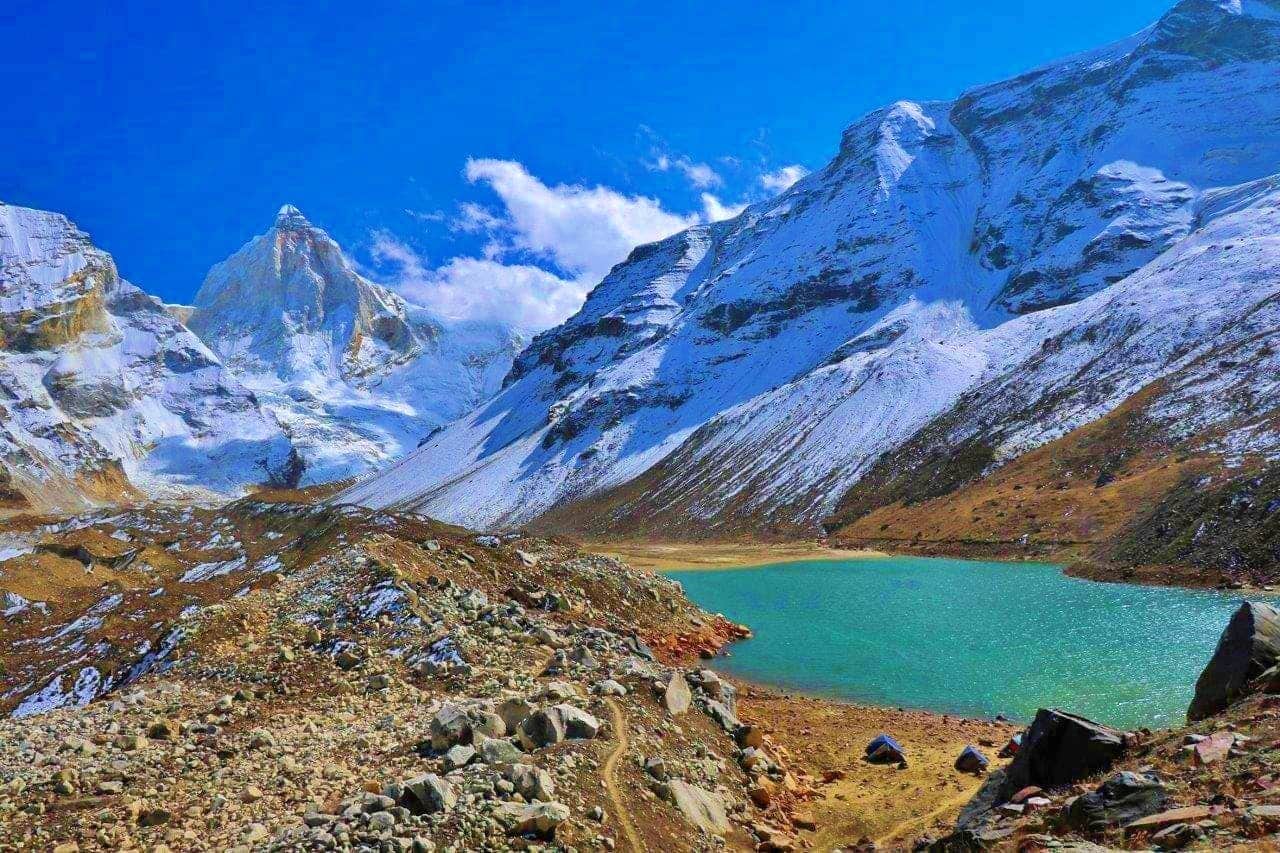 Blog
BlogBy Nanda Rawat|May 4, 2026
Kedartal Trek: A Hidden Gem Every Trekker Must ExploreAt high altitudes in the Garhwal Himalayas where air becomes thinner and mountain peaks reach for the sky is Kedartal Trek, an impressive trekking journey through an incredible lake at 4800 feet altitude surrounded by some of India’s most revered peaks – an experience beyond an excursion through mountains; more like an adventure into an unforgettable world of natural beauty and spiritual significance. Kedartal Trek in the Garhwal Himalayas provides an exciting adventure, far beyond what one would expect from a trek. Join us as we journey along this stunning trek, as we reveal incredible attractions and marvels along its length in this article. Gangotri, located in Uttarakhand, serves as a starting point for numerous trekking adventures and treks, including Aarti (nightly Aarti ceremony at ancient temple), tranquil caves and ashrams, fragrant pine forests, spiritual seeking, peace, and serenity – Gangotri offers something special! Dubbed the Gateway of the Gods by locals. Gangotri boasts its unique mix of cultural and historical heritage, making it a superb starting point for any trek. Starting Trek in Gangotri. Our trek will commence after a night of restful relaxation in Gangotri on our third day. Ascending along Kedar Ganga river towards higher altitudes with lush pine forest on either side and birch grove on either side, leading up to Bhoj Kharak, where our initial camping spot awaits, providing comfortable shade from its trees as vibrant purple rhododendrons dance through the air in the distance! This campsite sets the bar high for future campsites we will visit. Kedartal Trekking is known for its breathtaking scenery and spiritual significance, but also offers a challenging obstacle called The Spider Wall. Before reaching the Bhoj Kharak camp, trekkers face an unforgiving 60-degree tilted rock with limited footholds, which tests both their skills and courage. Along this 15-meter-long granite slab are two narrow ledges that offer sufficient room to firmly grip their shoe edges for progressing forward on this trek. To navigate this area effectively and successfully, one must imitate the speed and movement of spiders, making this experience truly exceptional and unforgettable. Climbing this Spider Wall offers breathtaking views from every step. Step after step brings breathtaking panoramas of the surrounding mountains and Kedartal Lake below you, turning this journey into an unforgettable adventure. Kedar Kharak, the second campsite of this trek, lives up to the high standard set by Bhoj Kharak – with stunning mountainous settings surrounding this idyllic campsite and snow-capped summits that shimmer in the sunlight, as well as steep slopes offering stunning vistas and snowy mountain slopes that create stunning vistas – not forgetting those adorable blue sheep roaming freely through this region and adding nature-based charm. Ruggedness of Kedar Kharak’s campsite is part of its allure. Partly destroyed by an earlier landslide, its route presents hazards and is steep. Cliffs that drop towards both riverbanks offer thrilling adventures along this trek towards Kedar Kharak. On the third day of your travels, the breathtaking beauty of Mt. Thalaysagar appears from behind an evergreen forest in the Garhwal Himalayas. However, while traversing through difficult spider wall terrain and rough terrain can be easy to lose track of the breathtaking scene that awaits. Mt. Thalaysagar stands out in the distance with its striking and irregular surface covered by snow. The place exudes power and grandeur. The mountains’ peaks shimmer in sunlight, creating a breathtaking display of nature’s magnificence and beauty. Mountain enthusiasts and photographers will find Thalay Sagar an enthralling sight. Situated within the Kedar Kharak campsite, visitors can view this majestic mountain up close and appreciate its magnificence in person. When gazing upon Thalay Sagar, one cannot help but be taken aback by its strength and magnificence amongst the Himalayas. On your fifth and final day of trekking to Kedar Tal, you’ll navigate over rugged hills dotted with boulders and dirt tracks woven through ridges, as well as treks marked with towering rock formations known as cairns that act as guides along your journey. After conquering your first two ridges, you may catch sight of another ahead, prompting you to explore it further. Reaching its summit, an incredible view awaits! There’s nothing quite as spectacular as Kedartal Lake, an awe-inspiring frozen emerald perched atop an altitude of 4,800 meters and formed glacially by nature itself. At Kedartal Lake, there is a clear view of the peak you named – imagine yourself sitting by its edge while breathing in fresh mountain air, while being surrounded by Thalay Sagar, Mt. Bhrigupanth, and Mt. Meru are just two of many Himalayan mountains renowned for their peace. Here you’ll find crystal-clear waters of Lake Pangong reflecting the majestic mountains that encase it, creating an astonishing scene that leaves visitors speechless. Kedartal offers more than its striking scenery; it provides an intense spiritual experience. According to legend, Lord Shiva reportedly meditated here at one time and left an immovable, mysterious presence behind. While trekking through the valley, you might come across religious people searching for spiritual awakening – watching their religious practices or simply taking in their environment will enhance your experience and leave an impactful memory in your heart that won’t soon fade away. Sadhus of the Himalayan region regularly invite travellers to attend their sacred rituals, providing an unparalleled understanding of their unrivalled spirituality. Becoming part of these spiritual ceremonies can give visitors an unforgettable experience. Travel through this beloved landscape to be delighted by nature’s magnificent sights and to develop a deeper appreciation for its religious significance – something which pilgrims have been drawn to do for many years. We hope that soon enough you’ll experience these wonders for yourself; should any questions arise, feel free to contact us anytime!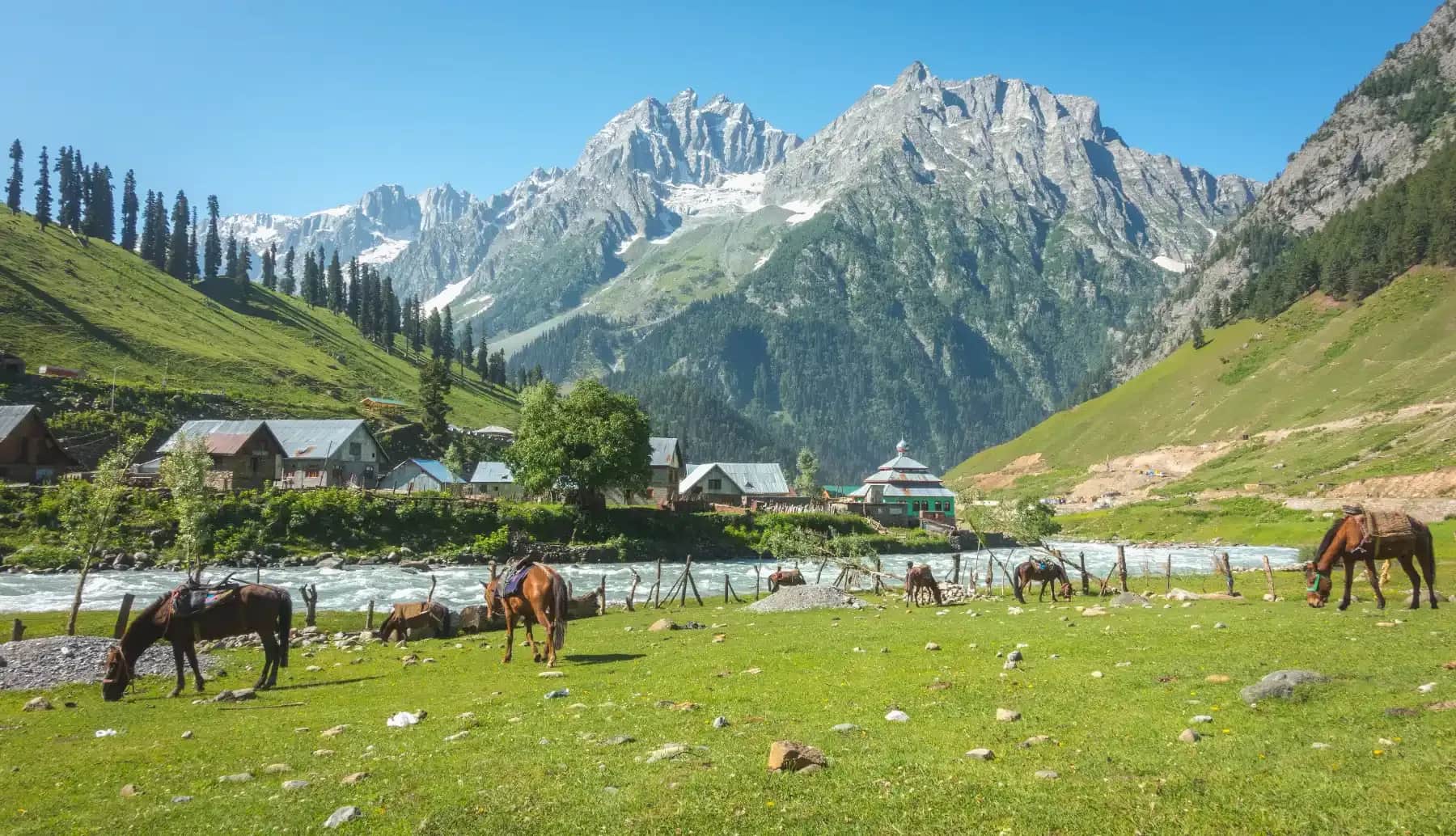 Blog
BlogBy Anoop Rawat|May 4, 2026
How Difficult Is Kashmir Great Lakes Trek?Maximum Altitude: ~13,800 ft Trek Duration: 7–8 days The Kashmir Great Lakes Trek is one of the more challenging high altitude treks in India, demanding strong physical and mental stamina from experienced trekkers. Not recommended for novice or casual walkers, this trek is designed for advanced to intermediate trekkers looking to push themselves while taking advantage of some of India’s breathtaking alpine landscapes. Ascending steeply along with unpredictable weather and trekking from altitudes of 9,000 to 13,000 ft over seven beautiful alpine lakes presents you with the challenge and reward of trekking at altitudes ranging 13750 feet over remote terrain, your fitness, gear selection and mental state can have a direct effect on both enjoyment and safety. We will discuss the specific challenges along your route, including the types of terrain you will face, the mental and physical demands required of trekking the Himalayan region, as well as any necessary safety precautions before setting out on this rewarding Himalayan adventure. The Kashmir Great Lakes Trek travels through the stunning mountain landscapes of Kashmir, providing travelers with some of the most spectacular mountain vistas found anywhere on the Indian subcontinent. Trekkers traverse through an area whose landscape has long been used for geologic research and mountaineering expeditions. Trekking provides access to remote and unexplored regions of Kashmir, which have remained virtually untouched for hundreds of years. The trekking trek passes various high altitude lakes as it traverses intricate mountain passes and valleys which have served as natural passageways for surveyors and explorers throughout history. The Kashmir Great Lakes Trek presents trekkers with numerous challenges that test both their endurance and technical abilities. Elevation changes require trekkers to traverse at different altitudes that could significantly impact physical performance as well as any necessary acclimatization needs. Trekkers encounter meadows, mesas, rock outcrops, glacial moraines and rocky outcrops as well as steep ascents requiring physical and mental toughness. Additionally, as their journey moves up higher altitudes the terrain becomes increasingly challenging; each section poses its own set of unique challenges which must be met using specific skills and strategies for preparation. Harmukh Mountain, standing majestically at over 16,000 feet and surrounding the landscape like an impressive beacon, stands as one of the most striking geographical features on any trek to this area. As its presence alone provides both inspiration and challenge to any trekker attempting this trip. Harmukh Mountain creates captivating microclimates and weather patterns, directly impacting conditions for trekking. Due to its height and position, Harmukh serves as an invaluable guide in terms of navigation and route planning during treks. Harmukh holds immense historical and recreational significance for trekking. In 1856, Thomas Montgomerie’s Great Trigonometric Survey expedition to Harmukh led by Thomas Montgomerie first discovered K2, forever linking mountaineering regions and trekking histories together. K2 was given its distinctive moniker due to a special circumstance within the region. While most mountains had traditional local names, K2 didn’t forcing a team of surveyors to assign temporary names for it during a temporary survey. Trekkers who experience trekking in this area will gain a deeper understanding by traversing terrains where one of the world’s most treacherous mountain ranges was first explored and documented by early mountain explorers. Now that we understand the route and its unique terrain, understanding the mental and physical demands of trekking the Kashmir Great Lakes Trek is essential for its preparation. The challenging journey tests your physical endurance as well as mental resilience in multiple dimensions. Kashmir’s mountain climate provides extreme and unpredictable weather patterns that can change within minutes, even for experienced spiritual seekers. According to historical accounts even experienced spiritual seekers have encountered extreme difficulty when traveling under these circumstances; one mythological tale recounts a 12 year journey for one saint up Harmukh Mountain alone! These tales demonstrate that weather can become life threatening if one fails to prepare adequately and respect mountain environments. Temperature fluctuations can be dramatic, with scorching midday sun turning to cold evenings. Snow, rain, and sudden storms are regular occurrences that turn manageable treks into treacherous ones; and combined with extremes in precipitation, wind speed, and temperature extremes, create an environment which demands constant attention and flexibility from its inhabitants. Altitude challenges are among the most significant difficulties on any trek. Pilgrims participating in “Yatras” to honour Shiva at Harmukh Mountain can ascend as high as 14,000 feet, underscoring the religious significance that motivates them to these lofty heights, despite the potential risks involved. At these elevations, oxygen levels typically decline dramatically reaching approximately 60% of sea level levels compromising every bodily function from circulation and breathing to cognitive abilities and sleeping patterns. Altitude sickness is a serious complication ranging from nausea and headaches to potentially life threatening issues such as cerebral or pulmonary swelling. Physical exertion combined with altitude exposure can be taxing even for experienced trekkers, and could become challenging at high altitudes. Your body requires time to adapt, so rushing things could result in serious health concerns for trekkers. Long distance trekking requires consistent physical effort across consecutive days while carrying essential equipment and supplies, building on each previous day’s exhaustion to create more strain on joints, muscles and cardiovascular system. Mental toughness must also be considered a vital asset when pushing through discomfort, uncertainty and psychological strain of spending long periods in difficult wilderness conditions. Endurance requires more than walking abilities; it necessitates sleep deprivation, diet modifications and mental toughness that can keep one safe throughout their journey. The Kashmir Great Lakes Trek holds significant spiritual meaning due to its connection to ancient Hindu mythology. Local legend holds that Lord Shiva can be found at the top of Harmukh Mountain over 16,000 feet in elevation! With this belief comes an experience of sacred landscape that leads you closer to God Himself! Spiritual significance has grown through legends passed down from generation to generation. One powerful tale depicts a pilgrim’s extraordinary 12 year quest to climb Harmukh and see Shiva; eventually reaching Nirvana and disappearing into God’s realm. This tale illustrates both the transformative power of pilgrimages and their spiritual value for trekkers today, inspiring them to tread lightly as they traverse this sacred land. Spirituality of this region can be seen in its ongoing religious worship rituals that continue into modern day society. Harmukh Day marks an annual “Yatra”, with devotees ascending 14,000 feet on an ascent that honors Shiva as their patron god of worship. This pilgrimage showcases an ongoing spiritual tradition that connects adventurers of today with ancient practices of prayer and spiritual pursuit. Pilgrimage routes highlight the balance between physical effort and spiritual fervor when devotees undertake strenuous climbs to adhere to their faith. Modern trekkers are following paths venerated by millions of pilgrims over many decades. Harmukh holds a great deal of significance beyond spirituality; its significance extends into scientific exploration and historical discovery as well. Thomas Montgomerie led his first known expedition into Harmukh as part of the Great Trigonometric Survey expedition in 1856, which marked a critical moment in exploring this Himalayan region. K2 was discovered during this trip proving Kashmir Great Lakes region played an instrumental role in some of history’s most outstanding mountaineering achievements and discoveries. After examining the challenges and significance of the Kashmir Great Lakes Trek, it’s essential to discuss safety precautions that can make the difference between a safe adventure and one fraught with potential perils. To stay safe while trekking at such altitude, careful planning and training must take place before embarking upon this breathtakingly beautiful yet perilous mountain environment. As Kashmir’s weather patterns can be highly unpredictable, it requires extensive planning of clothing. Your layers must consist of moisture wicking layers of moisture management combined with insulating mid layers and waterproof outer shells; temperatures can drop drastically in the evening even in summer! Essential items for four season camping include a four season sleeping bag suitable for subzero temperatures. This sturdy tent can withstand severe winds, and trekking boots with ankle support are recommended, as navigation devices (GPS devices, topographic maps, and compasses) are essential in case the weather can rapidly shift and impact visibility. First aid kits and tablets for water purification, headlamps with batteries as an emergency safety backup, rain gear during monsoon conditions and sun protection such as sunglasses or sunscreen may help shield from intense UV radiation at higher altitudes. Past trekkers have often underestimated the physical demands of this challenging route. The Kashmir Great Lakes Trek requires exceptional fitness and endurance from trekkers, particularly in the legs and core muscles. Training should start 8 – 12 weeks before departure, focusing on building endurance through regular running, trekking, or stair climbing exercises to build stamina for endurance gains. Strength training exercises that target your hamstrings, quadriceps, glutes, and calves are also important when trekking. Train with a weighted backpack during treks to simulate conditions for treks. Acclimatizing to altitude is crucial when trekking; so if possible take time at lower elevations before starting your trek. Mental preparation for any participant in a trek is also of utmost importance; these treks test both physical and psychological endurance by forcing participants to endure numerous conditions that cause physical discomfort while being removed from modern amenities. Knowing the weather patterns of Kashmir is essential to planning a safe trek. The optimal timeframe for trekking is July September when most high altitude passes are accessible and weather is relatively stable. Post monsoon and pre monsoon seasons bring their own set of challenges. Early season treks may encounter snow that remains on high passes while late season may bring sudden weather changes that lead to snowfall. Furthermore, afternoon thunderstorms make early morning hours essential when traversing exposed ridges or passes safely. Temperature fluctuations can be dramatic; daytime temperatures often reach comfortable levels while nighttime lows drop below freezing. Wind patterns tend to become more intense at higher elevations and create dangerous wind chills which could result in hypothermia if appropriate precautions aren’t taken. The Kashmir Great Lakes Trek presents an arduous yet rewarding challenge that puts physical endurance and mental toughness to the test. Traveling across various terrains and high altitude conditions while understanding sacred mountains such as Harmukh where pilgrims have traveled for centuries to worship Lord Shiva at 14,000 feet are just part of its charm; moreover it requires careful preparation in terms of safety, appropriate precautions, and respecting its sacred heritage that has attracted pilgrims and adventurers for millennia alike. Though its difficulty might appear daunting, the Kashmir Great Lakes Trek’s stunning alpine lakes, rich cultural experiences, and personal achievements more than make up for any perceived difficulty. To fully experience this trek, prepare both mentally and physically by immersing yourself in local culture. Understanding local practices thoroughly as part of your trek preparation is also highly recommended, if applicable. The journey is more about embarking on an incredible transformational experience in one of nature’s most majestic mountain landscapes!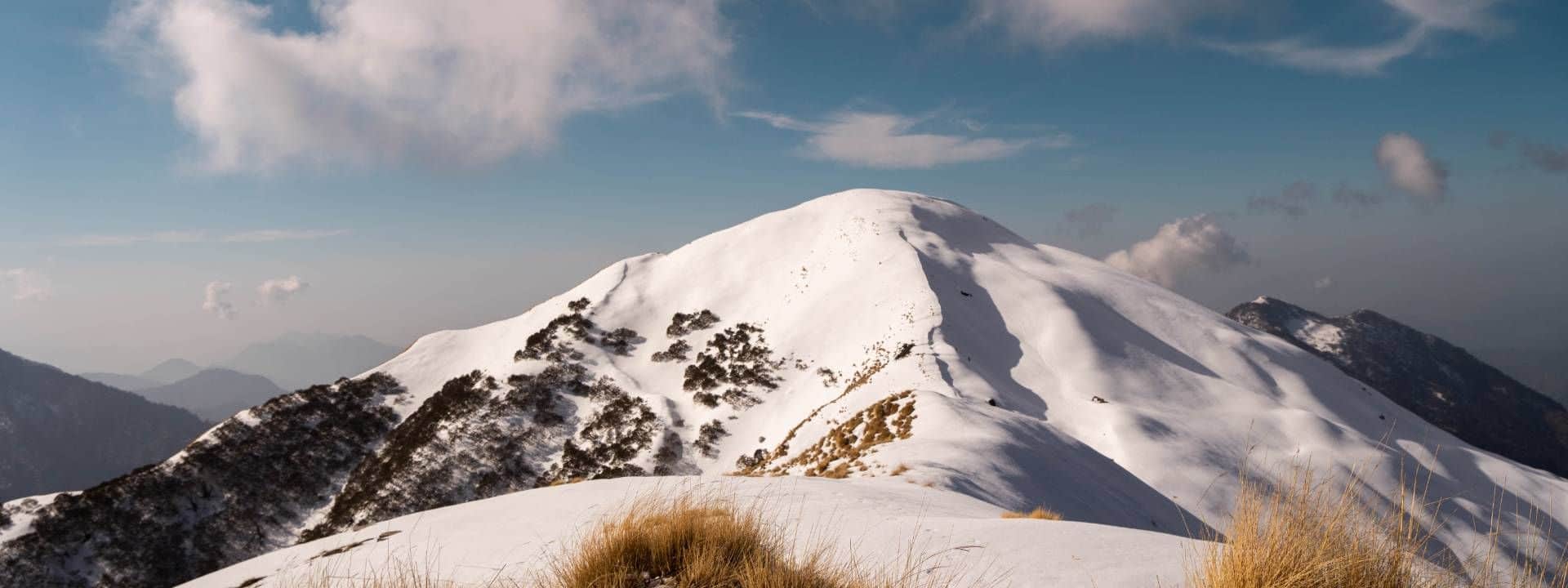 Blog
BlogBy Shivam Shingari|May 2, 2026
How to physically prepare yourself for the Himalayan TreksTrek Preparation Plan: 30-Day Fitness Routine for Easy Level Treks As a Mountain Expert at Trekup India, I’ve seen many trekkers assume that running or a few hours of cardio are enough to prepare for a Himalayan trek. But trekking in the mountains is vastly different from walking or jogging on flat terrain. The uneven paths, changing altitude, and thinner air require a more targeted fitness approach. To help you get trek-ready, I’ve put together a 30-day pre-trek fitness routine, designed in collaboration with fitness experts. This plan assumes you’re preparing for an easy-level trek and have 30 days before departure. Our goal is to build endurance, enhance breathing capacity, and improve flexibility. 1. Walk – 40 MinutesBegin with a brisk 40-minute walk. This helps activate your muscles and gradually builds endurance and strength, preparing your body for the coming days of training. Consistent walking improves cardiovascular health and mimics the effort needed for uphill trekking. 2. Body Stretching – 20 to 25 MinutesIncorporate a full-body stretching routine focusing on legs, hips, and back. Stretching improves joint mobility, flexibility, and blood circulation. It also reduces the risk of common trekking injuries like cramps, strains, and stiffness, especially after long walking sessions. 3. Breathing Exercises (Cool-down)End your session with 15–20 minutes of deep breathing exercises (e.g., Pranayama). These techniques expand your lung capacity and strengthen respiratory muscles, critical for trekking at high altitudes where oxygen levels drop. Regular breathing practice supports faster and easier acclimatization as your body adapts to lower oxygen saturation in the mountains. Now that you’ve completed your walking phase, it’s time to level up by introducing jogging, deeper stretching, and focused breathing exercises. Tip: Focus on maintaining good form — keep your shoulders relaxed, breathe rhythmically, and land softly to reduce joint impact. Tip: Stretch right after jogging when your muscles are warm for best results. Tip: Perform breathing exercises in a quiet, seated position, preferably in fresh air or a ventilated space. After six consistent days of physical activity, Day 7 is your designated rest day — a crucial part of your fitness journey. Rest allows your muscles to recover, rebuild, and grow stronger. More importantly, it helps prevent injury and mental burnout. While it’s a rest day, gentle movement can still support recovery: Note: Keep the pace light, the goal is recovery, not intensity. Physical activity and proper nutrition go hand-in-hand. Without the right fuel, your body won’t fully benefit from your workouts. Focus on balanced, clean eating. Tip: If you’re non-vegetarian, include fish or eggs regularly. Vegetarians can rely on paneer, tofu, lentils, peanut butter, and soy. Stick to a consistent three-meal structure: Staying hydrated is essential for recovery, muscle function, and energy levels. A backpack is an essential accessory for trekking, as it carries important items like snacks, water, extra clothing, and other essentials. To prepare your body for the actual trekking experience, it’s helpful to practice walking or running with your backpack. This helps you get accustomed to the added weight and improves your posture, balance, and stamina under load. Trekking is more than just a physical activity — it has significant mental health benefits as well. Spending time in nature and engaging in moderate-to-intense physical movement helps to reduce stress, lower anxiety levels, and improve overall mood. It also plays a supportive role in managing symptoms of ADHD (Attention-Deficit/Hyperactivity Disorder) by enhancing focus, reducing impulsivity, and promoting calmness. The combination of fresh air, scenic views, and physical exertion creates a powerful environment for both mental clarity and emotional balance. In conclusion, trekking is one of the most effective ways to improve both physical fitness and mental well-being. When combined with a consistent workout routine, proper rest, and a balanced, nutritious diet, it becomes even more beneficial. By following the plan outlined above, you’ll build the strength, stamina, and resilience needed to enjoy your trek without unnecessary strain or difficulty. With the right preparation, trekking can become a fulfilling and enjoyable experience rather than a challenging task.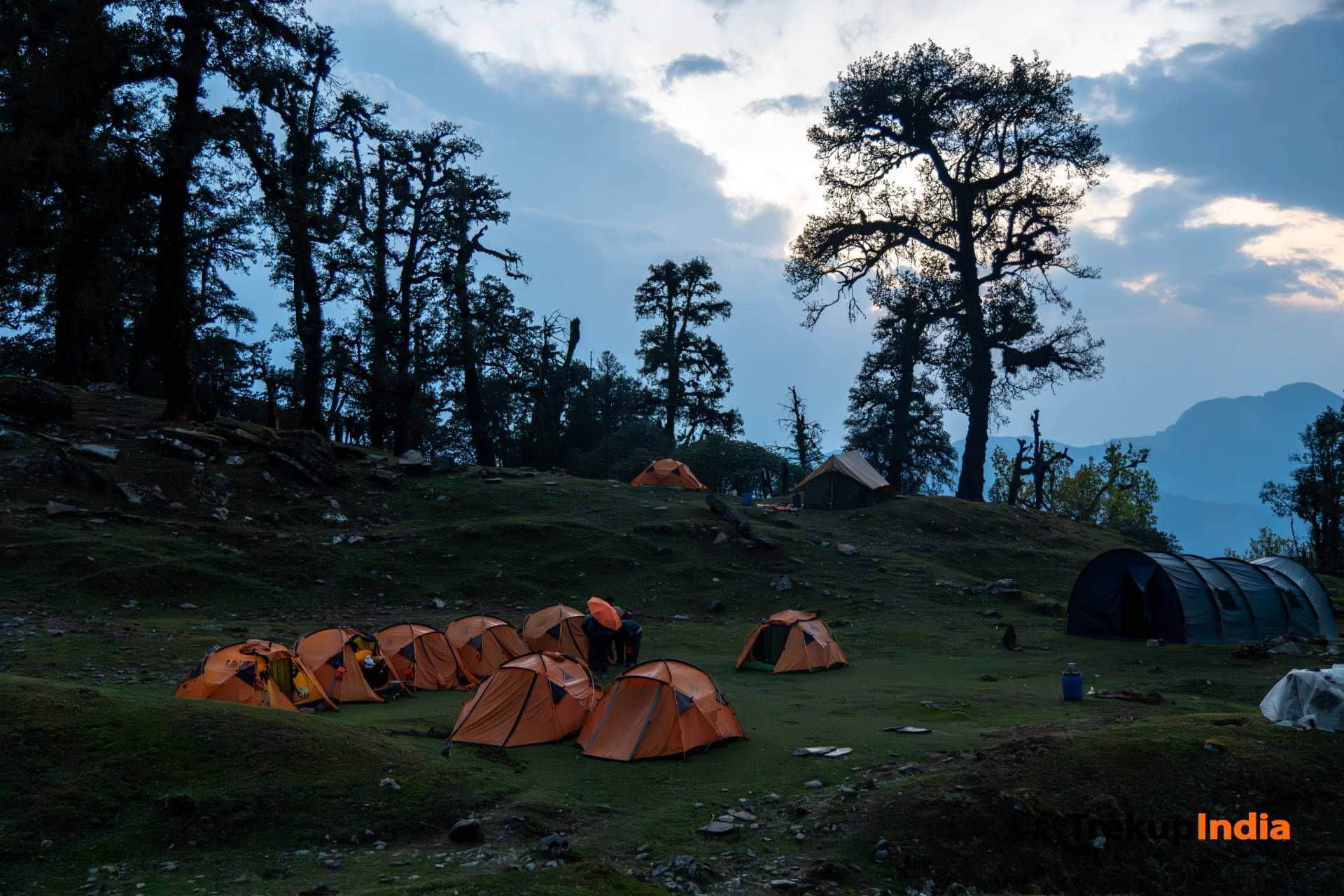 Blog
BlogBy Anoop Rawat|May 2, 2026
Monsoon Trekking Tips: Stay Dry, Safe & Comfortable on Rainy TrailsMonsoon treks are breathtaking – lush green valleys, cascading waterfalls and mist-laced trails with earthenware aroma await your visit. Unfortunately, however, not everything about these monsoon excursions is poetry: rain can fall for days on end, making trails slippery while your gear remains wet until reaching your campsite. Here at Trekup India, we have assisted numerous trekkers during monsoon season treks and gained valuable lessons that we have put into this guide on staying dry, safe and secure while trekking during rainy conditions. A watertight backpack and rain cover are essential in order to keep equipment dry in case it rains, such as dry bags for electronic devices, as well as zip-lock bags containing important documents. Clothing That Dries Fast Cotton clothing absorbs moisture quickly and takes some time to dry; try instead choosing quick-dry clothing made of materials like polyester that evaporate quickly, such as: Leeches can be a major problem during monsoons. But you can help protect yourself by following a few easy tips: Plastic Bags for Clothing and Waste (including plastic garbage bags). Extra socks (wet feet can cause blisters!) will prevent this scenario. Clean your phone in an environmentally-friendly and fast-drying microfiber pouch (with waterproof lining). For even faster drying times, grab an accompanying microfiber towel. Electronics in silica gel packs (to prevent moisture damage) is another effective way of protecting them from moisture damage. Take care when walking over slippery surfaces by carefully testing each step before placing weight on it. Use trekking poles for balance when trekking. Be cautious of shortcuts and follow trail markers. Be careful around waterfalls & river crossings (water levels can quickly rise!). Also, exercise extra caution at waterfalls & river crossings as water levels can quickly change! Place tents on elevated surfaces to prevent water from pooling underneath them, thus avoiding possible flooding issues at your campsite. Use a groundsheet under your tent. Be sure to keep wet shoes out of the tent by placing them upside-down for drying purposes. Before embarking on any journey, ensure you are aware of the weather forecasts before making plans to travel. Stay ahead of heavy afternoon rainfall by rising early. Always be ready for unexpected fog conditions by carrying a whistle and a torch with you. Monsoon trekking can be an exhilarating adventure, yet it requires more caution and awareness than other excursions. By equipping yourself with appropriate gear and keeping an open mind, you can successfully traverse treacherous slopes, avoid insects, and enjoy nature’s raw beauty. Are you heading out on a monsoon trek? Make sure that you pack carefully, travel safely and let the rain fuel your adventures!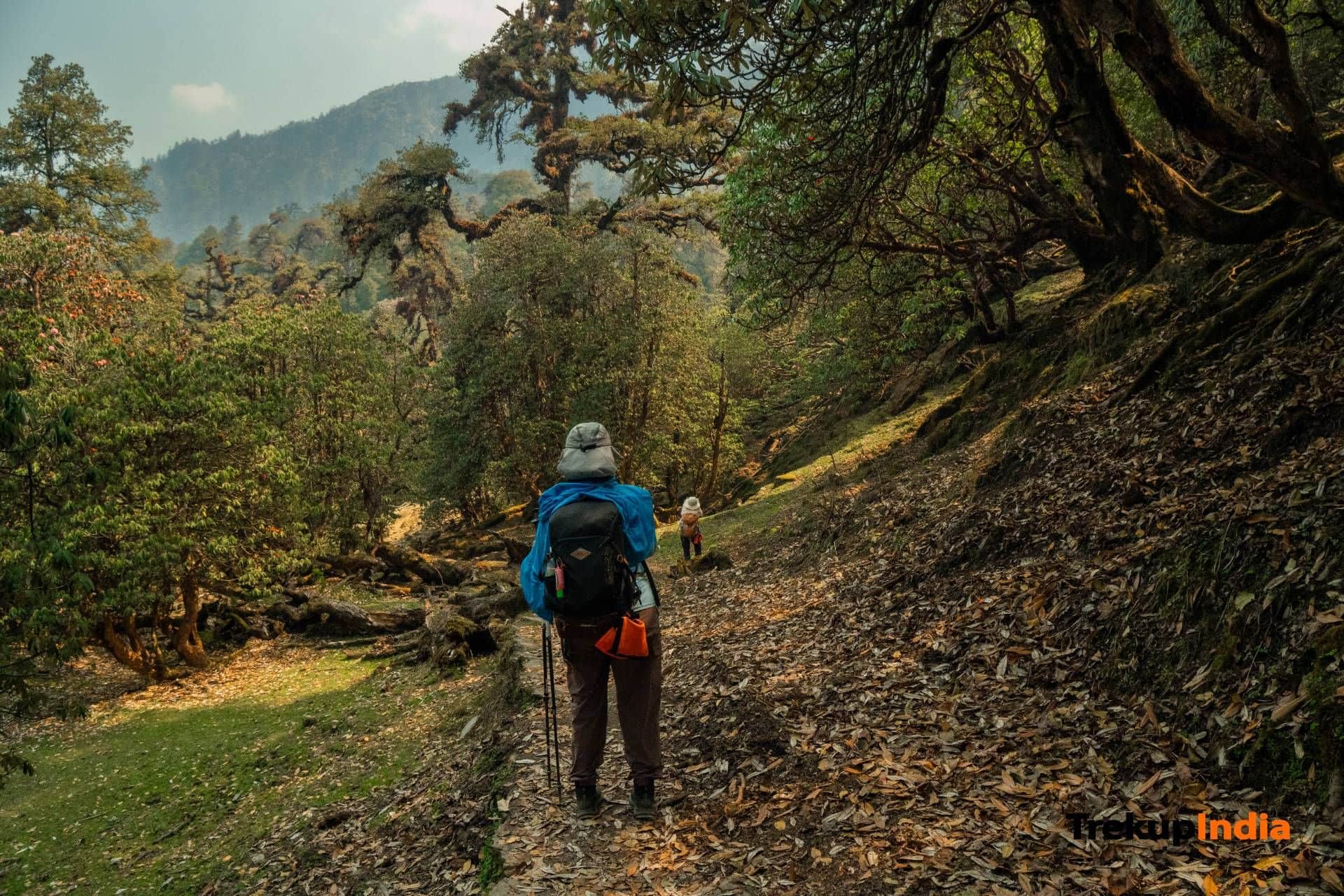 Blog
BlogBy Preetam Singh Rawat|May 2, 2026
Solo vs Group Trekking in India: Which One Suits You Best?The sound of the gravel underfoot, the huge expanse of mountains that unfold before you, the utter silence, and the experience of trekking is pure bliss. One of the most important choices that any trekker has to make is whether to go on your own or join a group? Both solo trekking (embarking on your own) and group trekking (with families, friends, or organised excursions) are growing in popularity throughout the country’s incredible landscapes. Individual trekkers seek to connect with the natural world and their own inner selves, while group trekkers are drawn to shared experiences and the camaraderie. There is no one “right” answer, however understanding the subtleties is crucial. What trail style is best suited to your love of adventure? Let’s put on our boots and start exploring. Solo trekking is the act of going on a trek solely on your own, accountable for the entire planning as well as navigation, safety and even decision-making. Imagine a lonely figure walking through the valley, setting up camp at night, and relying solely on their own abilities and preparedness. Ideal for: Experienced trekkers with solid navigational skills, excellent fitness, and self-resilience, who also have a comfortable relationship in a quiet environment. The perfect choice for those who want the challenge of a lifetime or a calm moment of reflection. Group trekking involves hiking with other trekkers that range from a small group of buddies to more extensive organized tours that include guides and personnel (like the ones provided through Trekup India ). Ideal for:- Beginners who are learning to walk, trekkers with a focus on safety (especially in high-altitude and remote regions), Social butterflies who are drawn to group activity, or those looking for a hassle-free logistical experience, and anyone who is tackling difficult routes in the beginning. Here’s a quick breakdown to help you weigh the essentials: “Solo treks can be spiritually rewarding but require high preparedness. For high-altitude or technical trails, group treks are definitely safer and more enjoyable.”— Nitin, Trek Leader at Trekup India “When I started trekking, I loved the freedom of solo hikes. But the best laughs and memories came from group treks.”— Neha, 12 trek veteran from Mumbai We at Trekup India are open to individuals as well as groups of trekkers. We will be supporting each of them: Explore Upcoming Group Treks The decision between group and solo trekking isn’t about which one is more effective but rather the one that suits you most at this point on your trek. Consider this: For experienced trekkers an individual trek could be the most powerful expression of independence. For beginners the structure and the support of a group could help to build confidence and transform a trek into a lifetime of memories. Here at Trekup India, we’re here for you, no matter if it’s to trek by yourself in peace and contemplation or join an energetic group of people sharing stories in the night. Be aware: There’s a perfect trail for each trekker – Choose the one that is in tune with your love of adventure as well as the peaks will be there to reward you in ways that you’d never have thought of.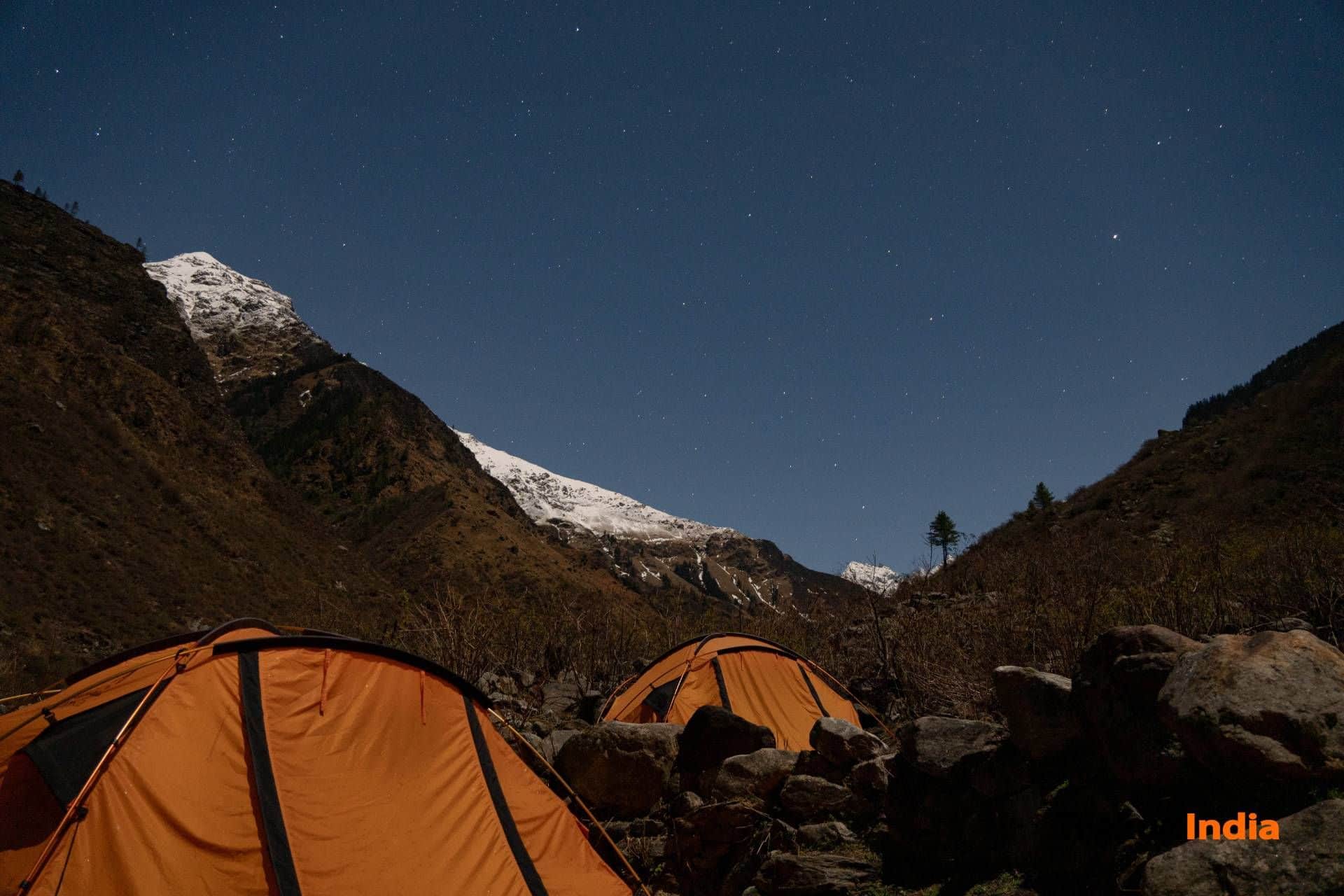 Blog
BlogBy Nanda Rawat|May 2, 2026
When and Why Trek Cancellations Happen | Trekup India InsightsTrekup India is a place where you can experience the best of both worlds. Trekup India we are obsessed with the mountains, We dream of beautiful trails, stunning summits, and the joy that comes from sharing an adventure. The decision to cancel the trek is probably the last thing we’d ever want to do as it upsets the trekkers as well as sabotages our enthusiasm. But, the mountains are unpredictable and deserve a great deal of respect. Your safety is our primary concern. Sometimes, cancellation is the only choice that’s safe. Knowing what and what happens when this is happening, and also how Trekup India handles it according to our Terms and Conditions helps to manage expectations and establish trust. Let’s open the curtains: We recognize that cancellations can be disruptive. Our Terms and Conditions define a clear and well-organized refund policy that is fair and fair in covering the unavoidable costs of operation prior to cancellation (Important Be sure to look up the cancellation page and the most up-to-date T&C on our site for specific percentages and timelines since they can differ somewhat for each trek). Refunds cover the trek cost that you pay by Trekup India. The refund does not cover: doesn’t pay for: Trek cancellation, although very regrettable, it is a important safety tool. We at Trekup India, we don’t take it lightly. It is a result of our unwavering determination to bring our trekkers back from the mountains without any hassle, and with amazing memories and without unnecessary risk. Our Terms and Conditions offer a clear and concise framework for these events that are rare to ensure fairness and honesty. Through understanding how to answer the “why” and “when,” and then preparing for the event accordingly (especially using insurance) it is possible to make a reservation for an Himalayan trek by contacting Trekup India confidently, knowing that your safety is our top priority above everything else.