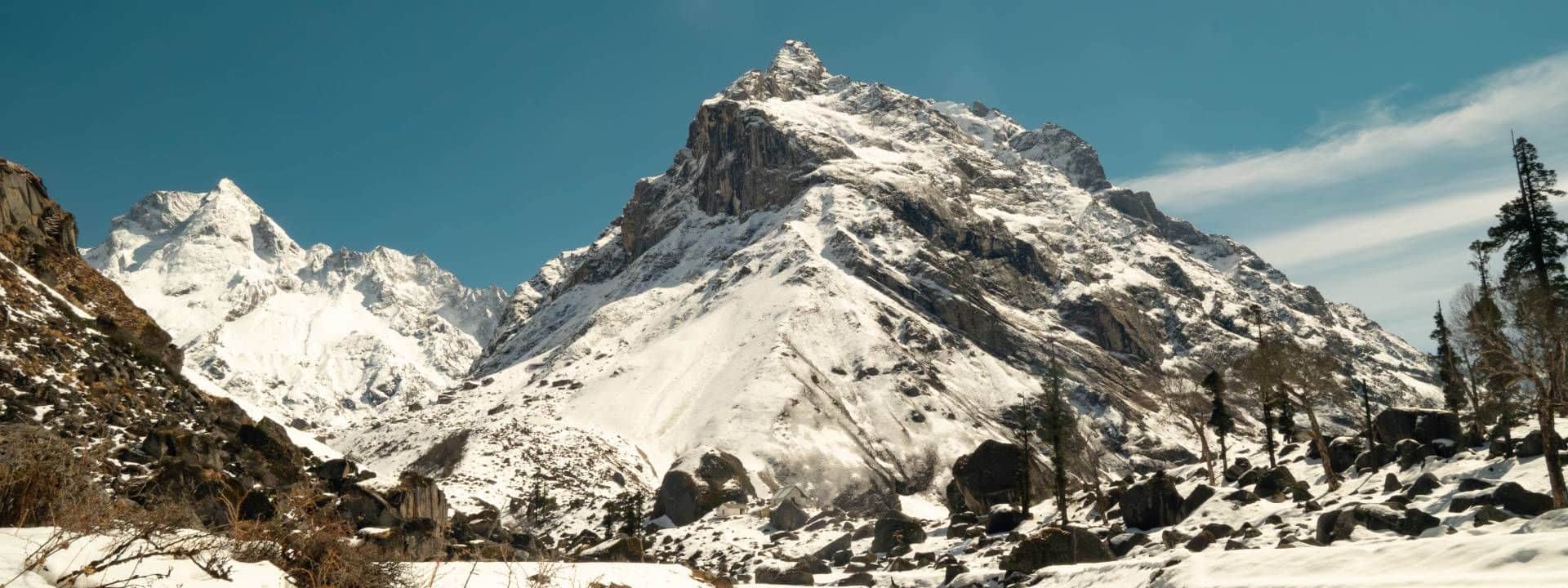
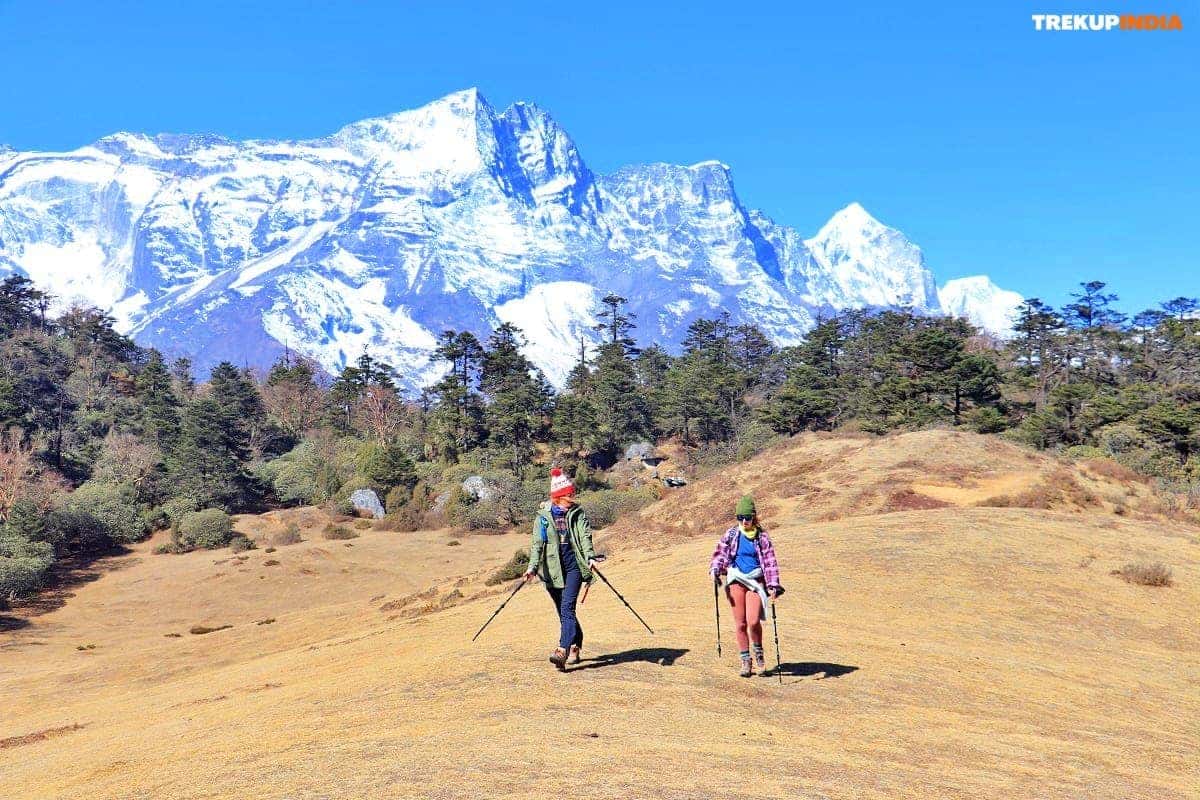
An exhilarating trek through the Indian Himalayas is an unforgettable journey through snow-covered passes, alpine lakes and meadows with views to the skies. However, as soon as you cross 2,500-3,000 meters (8,200-9,800 feet), another challenge awaits: Altitude Sickness. At Trekup India, we understand that even fit trekkers can face difficulties due to altitude changes. Still, with proper precautions taken against Acute Mountain Sickness (AMS), its symptoms can be prevented or managed effectively—comprehensive trek-tested information regarding altitude sickness during Indian trekking expeditions.
What is Altitude Sickness?
Acute Mountain Sickness occurs when your body does not have sufficient time to adjust to lower oxygen levels in high altitude environments.
Common Symptoms of Headache
High altitude sickness typically manifests itself with fatigue, dizziness and inability to eat or feel full – symptoms commonly experienced when trekking at higher altitudes. Some trekkers may also experience breathlessness or sleep disturbances while resting while climbing up. If the situation becomes acute, life-threatening conditions may arise that require immediate descent. High altitude pulmonary Edema (HAPE), caused by fluid accumulation within the lungs and making breathing very difficult, is one such concern that should be monitored closely. High-Altitude Cerebral Edema (HACE), in which swelling develops in the brain, can result in loss of coordination or unconsciousness and should be addressed quickly with professional aid and descent. Both conditions should be treated immediately by healthcare personnel to reduce risks as soon as possible.
The 3 Golden Rules of Altitude Acclimatization
1. Never Climb Higher Than 1000 Feet/300m
To achieve successful altitude acclimatization, avoid climbing more than 1000 feet/300m during any given day.
An outstanding example of Kedarkantha Trekking:
Day 1: Sankri (6,400ft).
Day 2: Judida-ka-Talab (9,100ft). We then return to Sankri for a relaxing night’s stay.
Day 3 of Base Camp (11.250ft).
2. Hydrate Like a Camel
- We must drink 4-6 liters of clean water daily (urine must also be clean).
- Integrate an ORS or Electral one-liter solution daily.
- Do not smoke or consume alcohol.
3. The 30% Rule
At 10,000 feet or higher, to minimize physical exertion by 30% at elevations greater than 10,000 feet.
Start slow: Take 50 steps with 10 deep breaths rhythmically.
Pre-Trek Preparation
- Cardio Training: 6-Week Program Concentrating on Lung Capacity.
- Iron-Rich Diet: Spinach, Dates, Jaggery (boosts Hemoglobin Levels).
- Medication: Diamox (125mg twice daily starting one day prior to ascent).
- On the Trek for Garlic Soup, Garlic Soup is a local solution in the Leh/Ladakh region.
- Pranayama Breathing, Alternate nostril breathing every 10 minutes throughout the day is known as Pranayama Breathing.
- Layering helps prevent cold stress, which may aggravate AMS symptoms.
- Ginger-Tulsi Tea: Fights nausea
- Ajwain Water can help facilitate digestion at high altitude.
- Dark Chocolate: Vasodilators that improve circulation.
Altitude Medication Guide
| Medicine | Dosage | Notes |
| Diamox | 125mg twice daily | Start 1 day before ascent |
| Dexamethasone | Emergency use only | For HACE treatment |
| Nifedipine | For HAPE | Prescription required |
TrekUp India's Altitude Checklist
If you are over 40, ensure you obtain a medical certificate before undertaking any ascents or breath-holding exercises, pack an Anti-Money Sack Syndrome medication kit, and book flexible itineraries with buffer days built in.
Be mindful: Mountains will always be there – your health should come first!
TrekUp India provides expert assistance from its accredited altitude medic team.
Trekup India’s High-Altitude Safety Protocol
Our expeditions to higher altitudes adhere to stringent safety protocols:
Slow travel plans often include rest days.Trek leaders with extensive training and credentials – basic mountaineering knowledge as well as medical certification for wilderness settings – should lead their trek.Health checkups on a daily basis (pulse for O2 level and signs). Emergency plans should include provisions for backup oxygen and evacuation in case of an oxygen emergency.
Conclusion
The Himalayas are breathtakingly beautiful, but should be approached with caution and an awareness of altitude sickness’s potential effects. A careful plan, appropriate acclimatization and awareness can ensure you reach the summit safely.Make sure that when making plans to climb that mountain or lake at high altitude, don’t forget that preparation is the key to successful performance.
About the Author: Trekking Expertise You Can Trust

Director & Founder
With over 12 years of experience in the Himalayas, he has summited multiple 6000–7000 meter peaks and led more than 200 expeditions across iconic routes like Bali Pass, Buran Ghati, Rupin Pass, Pin Bhabha, Stok Kangri, and Black Peak. His deep mountain experience and leadership make him a trusted name in Himalayan trekking. Write to him at: preetam@trekupindia.com