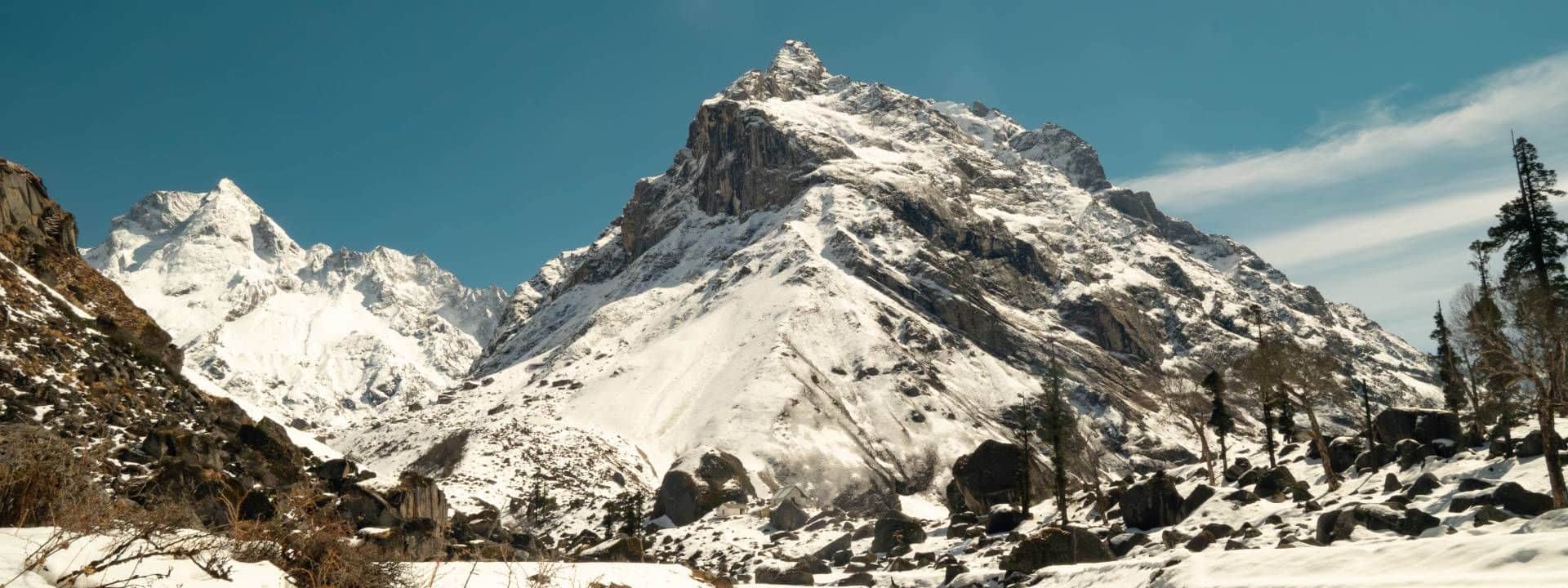
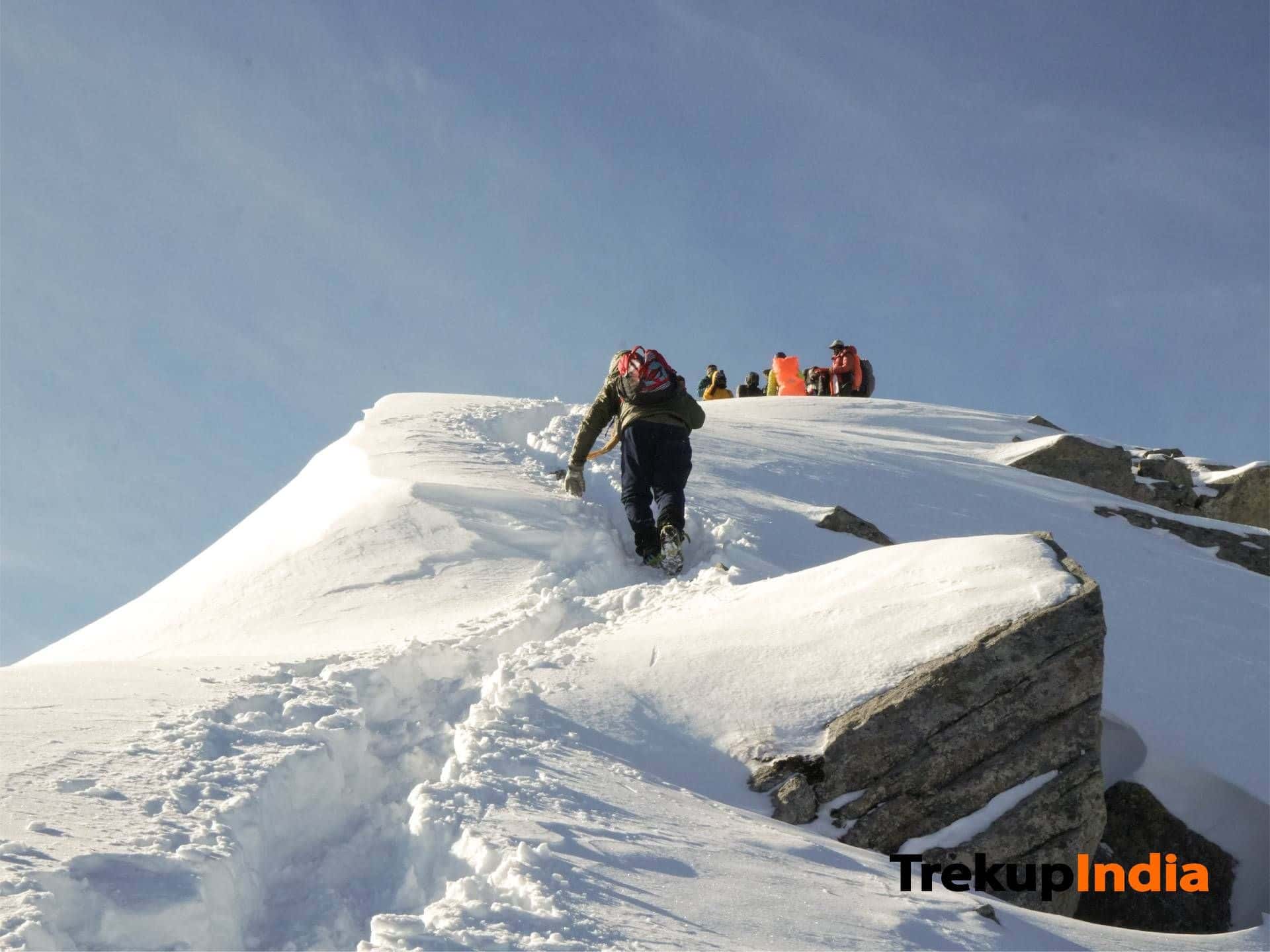
The Pangarchulla Peak is not only a paradise for trekkers but also a place filled with mythology and folklore. Situated in the heart of the Garhwal Himalayas of Uttarakhand, this peak has ancient stories still believed by locals that connect nature, gods, and the mountains. Trekking here is not merely climbing to the summit; it’s about treading in the footsteps of the legends, where the mythological stories about these mountains have been passed down for generations. While the mythology of Pangarchulla is less well recorded than that of some other, more popular peaks, it is still rich in the thick cultural richness of Garhwal, with its profound spirituality about gods, spirits, and the land.
1. The Mythology and Folklore of Pangarchulla Peak
As you climb up the magnificent Pangarchulla Peak, you cannot help but get immersed in the pages of history, culture, and mythology that have pervaded this monumental marvel.
The folklore and mythology of Pangarchulla Peak are not just stories of the land; they are woven deeply into the fabric of the place, holding secrets that have been passed down for centuries. From its spiritual significance to its connection with Lord Hanuman and Lakshman in the Ramayana, this peak is a symbol of spirituality as well as adventure.
2. Dronagiri: The Abode of the Sanjeevani Booti
Mount Dronagiri is one of the most spectacular peaks visible from the Pangarchulla summit. It is believed that the Sanjeevani Booti had exceptional medicinal value, and can even resurrect the dead!
In mythology, when Lakshman fell unconscious after receiving a killing arrow in his combat with Maghnada, Lord Hanuman was sent to pick up the Sanjeevani Booti in order to revive him. Hanuman did not find the specific herb, though, and under stress, picked up the entire mountain, which was said to be either Dronagiri or Gandhamardhan, and transported it to the battlefield in order to revive Lakshman. This saved Lakshman’s life but deformed the holy mountain, for which the people have never forgiven the Gods. Even to this day, some communities within the region do not worship Lord Hanuman, even omitting his role in the Ram-Leela performances during Dussehra. This peculiar combination of folklore and religious beliefs provides a profound spiritual layer to the mythical narratives of this region.
3. A Trek Steeped in History and Spirituality
Other than connection with Lord Hanuman and Sanjeevani Booti, Pangarchulla Peak is also associated with other Hindu Gods. Pandavas, according to local myth, are said to have passed through this very region when heading towards Swargrohini, the peak that represents the path to heaven in Hindu mythology. The Kuari Pass trek section of the total trail to Pangarchulla is said to have been a track trodden by the Pandavas. Even the top has been described as the playground of Lord Ganesha, so many layers are bestowed upon the summit in the way of cultural and spiritual weightage. The convergence of such mythological events makes the Pangarchulla Peak no less than a spiritual journey, representing the convergence of nature, spirituality, and mythology.
Why Explore Pangarchulla Peak with Trekup India?
Trekking Pangarchulla Peak with Trekup India is more than just a trip to the Garhwal region of Uttarakhand. The trek leaders, being locals of the nearby areas, have immense information about the region’s flora, fauna, and rich folklore. Their strong connection with the land and its history enables trekkers to see a part of the Pangarchulla Peak trek that most people do not. You will be treated to fascinating tales about the mythological importance of the mountain, its natural splendor, and the customs of the inhabitants of this region.
Trekking with Trekup India provides you with a genuine insight into the local way of life. You will not just be learning about the mountains and the trek but also about the culture, customs, and daily way of life of the people who have inhabited these beautiful landscapes for centuries. The trek leaders will present you with information on the nearby villages, their ways of living, and the way they live peacefully with nature in this distant area of the Garhwal Himalayas. It’s that unique, firsthand cultural experience which makes trekking to Pangarchulla Peak with Trekup India such a unique and memorable one. And that’s not all, Trekup India also sees to it that the food part of your trekking experience becomes equally memorable.
Their master chefs serve and prepare local specialties, and you will get an opportunity to enjoy the region’s true flavor. From a hot, warming meal after a trekking day to freshly prepared snacks, all your meals will be true expressions of the region’s rich culinary tradition. Together with the thrill of the adventure and cultural interaction, the dining experience while trekking to Pangarchulla Peak with Trekup India will be an integral part of your memories. Trekking to Pangarchulla Peak is not only a physical trek, it’s a spiritual journey that takes you through territories rich in mythology, folklore, and legend. The association with Lord Hanuman, the Pandavas, and Lord Ganesha gives your journey multiple layers of meaning, making it an experience like no other.
As you absorb the stunning vistas and challenge yourself to the top, you’ll discover that the trek has something much deeper to offer, a chance to connect with nature, myth, and the enduring tales that have defined the Garhwal Himalayas for centuries.
About the Author: Trekking Expertise You Can Trust
Mountain Expert
Adhish was born and brought up in the Pauri Garhwal region. Since childhood, he has had an inclination towards Mountains. To fulfil this dream, Adhish did his Basic mountaineering Courses from Nehru institute of mountaineering, Advance mountaineering courses from Himalayan mountaineering institute Darjeeling and Skiing courses from ABVIM Manali. He has done various expeditions in the Himalayan region. And his love for mountains and adventure is never-ending. Make sure to get detailed help related to the Himalayan trek from him.