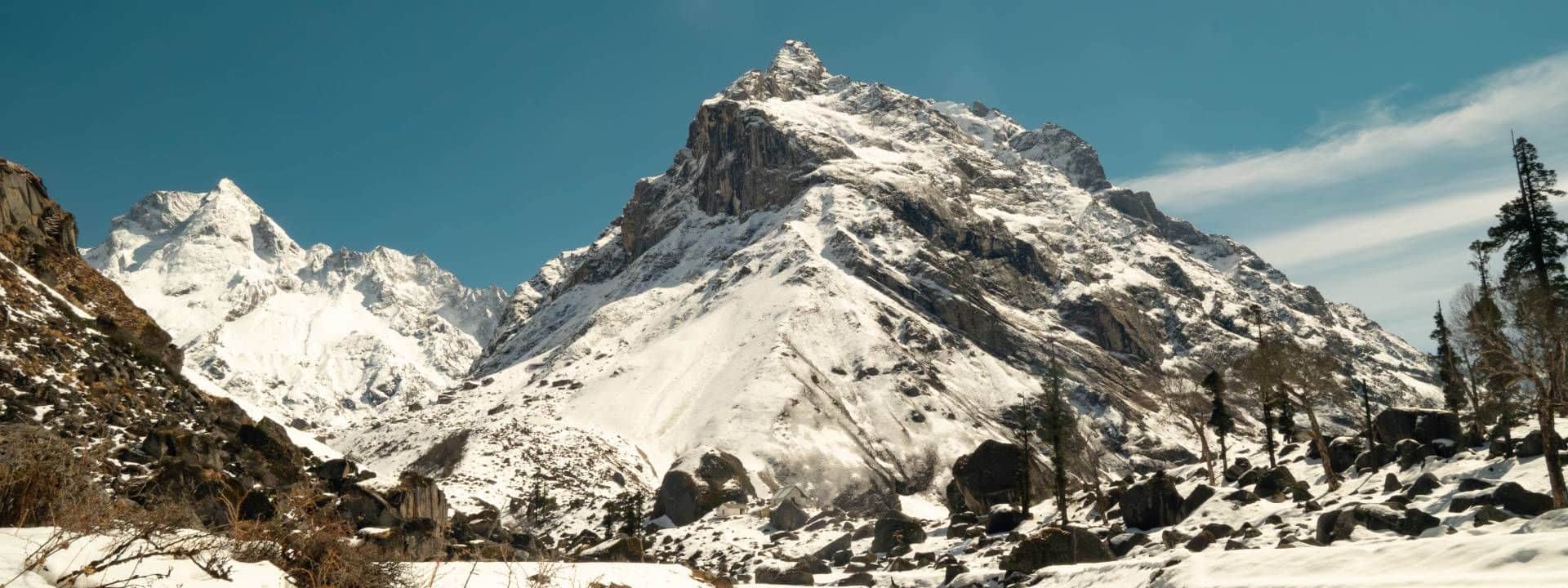
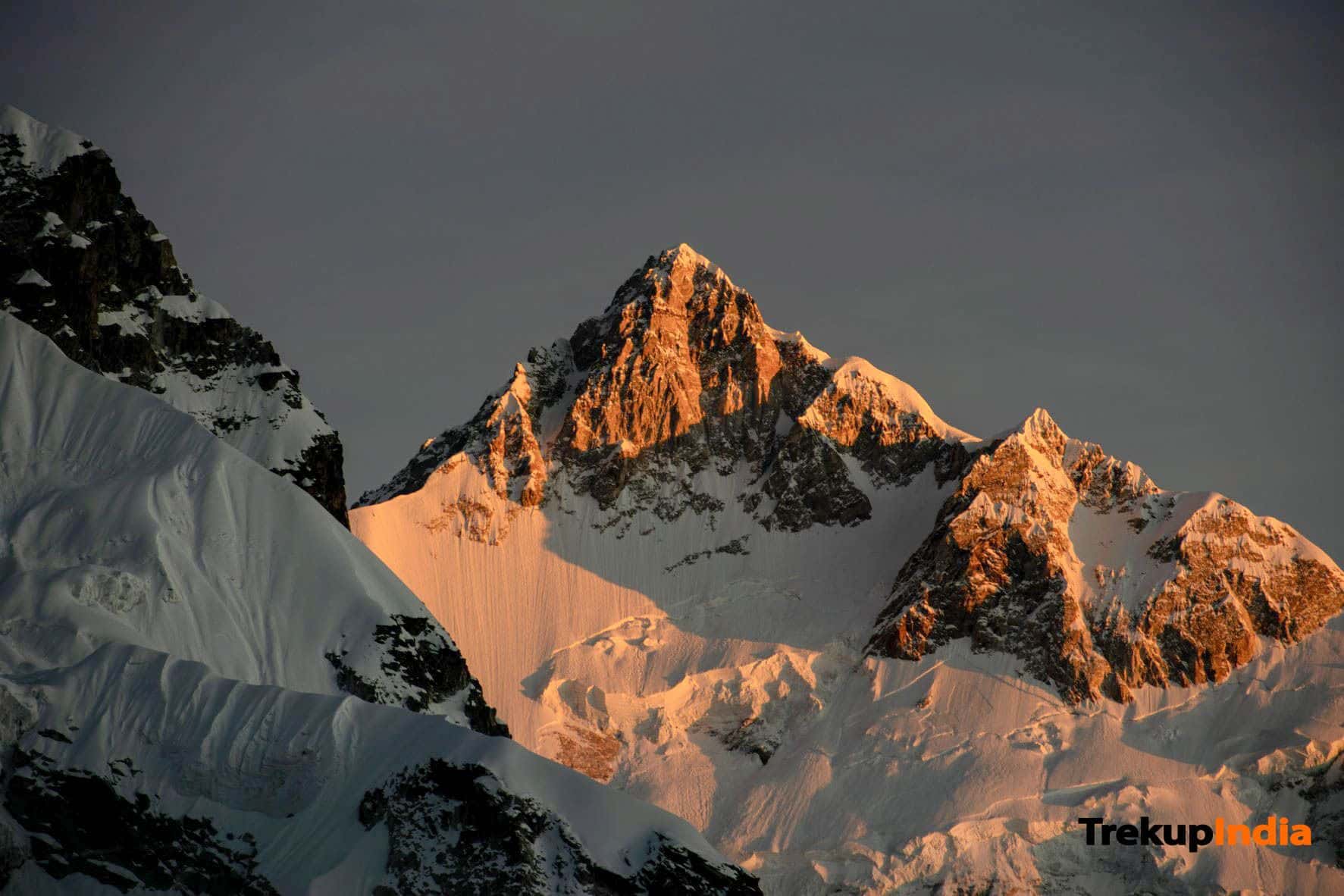
Now that the monsoon season has come to a close and winter is quickly approaching, now is an opportune time to plan a journey to the Himalayan Mountains. After exploring Uttarakhand and Himachal for summertime exploration of Trishul, Nandaghunti, Dhauladhars, and Dhaulagiri, it is time to expand our horizons towards eastern locations like Nepal or Bhutan. When we refer to “the east,” we mean North-East. To experience Eastern Himalaya, trekking to Goecha La Pass is unsurpassed, offering breathtaking views of the Kanchendzonga Mountains along its route. Kanchendzonga, popularly referred to as “the sleeping Buddha”, is India’s highest peak and the third highest worldwide. You’re sure to be impressed with this trip – I promise it! Climbs will prove more challenging than expected, while temperatures will prove considerably colder.
Some key points you should keep in mind to be ready for a Goecha La Trek experience.
Follow the path. Treks tend to be moderate in difficulty and climb to 16000 feet, passing through forests of oak, chestnut, and maple as well as pine and magnolia pine needles; finally reaching Rhododendron trees, which have become famous landmarks along their journeys. This trek explores the biodiversity of varied forests throughout its trek path. If you’re lucky, you might spot beautiful birds like Leothrix with a red bill, Rufous vented Yuhina, and Fire-breasted Flowerpecker, along with Silver-eyed Mesia among many others. Not only can birders see Mt Kanchendzonga, but they also have up-close views of Mt Pandim, Kabru, and Simovo – perfect spots for naturalists and mountain worshippers! Keep your camera handy as well as a notebook in case any notes need to be written down!
An unforgettable journey starts here with proper preparation.
Important to keep in mind is the difficulty of the terrain you will traverse on this trek; mentally and physically strong individuals should be able to do so within 8 days and cover 90 miles. On day 4, crossing Goecha La Pass can become tiring and long; therefore, you should plan for 12 hours on the trek in one sitting.
To stay at an appropriate fitness level for this challenge, cardio workouts such as jogging, climbing stairs, and cycling should be performed daily. Running five kilometres within 30 minutes should be your aim if running on a treadmill; otherwise, use it in an inclined mode to achieve maximum results.
Alongside cardio workouts, stretching exercises should also be practiced regularly to strengthen the shoulder, calf, and hip muscles. Climbing difficult slopes with your load puts undue strain on both lower back muscles and hip flexors, and an exercise plan designed to build strength will put you in better condition when embarking on your trek.
What is the best way to pack?
Packing for trekking during summer varies considerably from what should be brought on winter treks. Goecha La in September and October can be significantly cooler than it was during May; therefore, it is necessary to pack carefully. After the monsoon season has subsided, we face cold winds that we must protect ourselves from, while there’s always the possibility of snowfall at the summit or on the road itself.
High-quality Trek shoes are essential equipment.
Rucksack not exceeding 8 kilograms.
Layers of clothing – lightweight layers including full sleeves, collared T-shirts paired with fleece jackets that can be hollow-filled for warmth; Balaclava gloves (waterproof or not), waterproof gloves as well as woollen socks in the evening as well and cotton ones during daytime are required for warmth.
Accessories – Head torch sunglasses, toilet kits containing toothbrush, toothpaste, sunscreen lotion, hand soap, water bottle, and trekking poles; accessories. Personal medicine kits must include remedies to treat stomach, cold, fever, anxiety, stomach upset, migraine, pain killer, and Band-Aids for pain.
Other – Tissue paper, plastic bags to carry garbage, a day bag, and an original and photocopy of the ID card of the government (there is no space available in Yuksom for print-outs or photocopies)
Foreign travellers must obtain an ILP (Inner Line Permit), available at Bagdogra airport or Siliguri checkpoints, before entering Sikkim from Siliguri. Furthermore, trekkers are responsible for filling out and signing the Medical Disclaimer and Certificate of Insurance forms before beginning their treks in Sikkim.
About the Author: Trekking Expertise You Can Trust

Director & Founder
With over 12 years of experience in the Himalayas, he has summited multiple 6000–7000 meter peaks and led more than 200 expeditions across iconic routes like Bali Pass, Buran Ghati, Rupin Pass, Pin Bhabha, Stok Kangri, and Black Peak. His deep mountain experience and leadership make him a trusted name in Himalayan trekking. Write to him at: preetam@trekupindia.com