
Prev
1 / 9
Next
 Save The Trail
By Nanda Rawat|Feb 17, 2026
Leave No Trace Principles: Adapted for Popular Indian TreksThe Indian Himalayas, Western Ghats, and Central Indian forests offer some of the most varied and beautiful trekking landscapes anywhere in the world. But, due to the increasing popularity of trekking these fragile ecosystems are being increasingly impacted by human activities. In TrekUp India, trek leaders often look at the way seemingly innocuous actions - like littering meadows or stepping out of trails, or injuring wildlife--can result in long-term environmental damage. Alpine grasslands forests, forest ecosystems and high-altitude regions recover extremely slow, and often the damage can be irreparable. This is the reason that adhering to this principles of the Leave No Trace (LNT) principles is crucial for anyone who is trekking in India. It was initially developed as an global ethics of outdoor recreation, the guidelines are adaptable to Indian conditions for trekking as well as local culture and habitats for wildlife. Indian trekking regions can be notably vulnerable due to: In contrast to many international trails, the environmental damage in Indian mountains can take decades to recover. Responsible trekking will ensure that these areas remain in pristine condition and accessible to the next generation. Planning ahead can greatly reduce environmental impacts even before the hike begins. The management of waste is one of the most difficult issues for trekkers on Indian treks. Reviewed by Nitin Rana - Trek Leader, TrekUp India This article was read by Nitin Rana who has over 10 years of experience on the ground trekking throughout the Indian Himalayas as well as the Western Ghats. The principles discussed above have been verified by real-world conditions for trails as well as environmental challenges and conservation practices implemented in TrekUp India operations. Leave No Trace is not just a set of rules, it is a responsibilities. It shows respect for nature, the mountains local communities, as well as the future trekkers who will follow these paths. We at TrekUp India, we believe the true value of a trekker isn't determined by the height they have attained, but rather by how well they walk on the Earth under the feet of their shoes. Any responsible choice -- walking on trails, bringing garbage back, and respecting wildlife helps to preserve the trekking heritage of India. When you are preparing for your next hike, be mindful to leave behind nothing more than footprints. Do not take anything back, but memories..jpg&w=1920&q=75 "The Biodiversity of Kedarkantha Trek in Uttarakhand | Flora & Fauna of the Himalayas") Save The Trail
Save The TrailBy Shivam Shingari|Feb 13, 2026
The Biodiversity of Kedarkantha Trek in Uttarakhand | Flora & Fauna of the HimalayasThe area is part of the Govind National Park in Uttarakhand, Kedarkantha is a popular trekking destination in India famous for its stunning landscape and breathtaking views from the summit. Although it is beautiful in its natural surroundings, the area's remarkable biodiversity is often overlooked. The hike across the national park reveals an array of plant and animals, with various zones of vegetation changing from dense pine and oak forest at lower elevations to beautiful alpine meadows higher up. This unique altitude variation creates a diverse ecosystem that supports numerous species of animal and plant. Kedarkantha is the home of a variety of rare species of plants, such as the gorgeous Brahma Kamal. It is a refuge for wildlife, including the Himalayan Monal, Musk Deer and a variety of bird species. The Kedarkantha Trek is moderately complex and is suitable for both novices and experienced trekkers. Each of them contributes to the abundant diversity of the Himalayas. Please keep in mind the following paragraph about plants and wildlife you might encounter on the Kedarkantha Trek: The Kedarkantha Trek offers an extensive view of rhododendron forest in a variety of shades, including pink, red and white, which are particularly evident in spring. These forests provide a vibrant contrast to the snowy landscape. The hike is through thick pine and oak forests that support a wide range of species of animals and plants which includes a variety of species of birds as well as small mammals. Higher elevations, you'll be able to see tranquil landscapes filled with moss and lichen, which are essential for maintaining the ecological balance of the region. The trek is a tribute to the Brahma Kamal, a adored plant species that is essential to the Uttarakhand's indigenous population. The unique Himalayan Monal, known as the bird of state in Uttarakhand is a beautiful sight in the dense forests with its sparkling feathers. The sighting of this majestic bird is a prestigious experience that will add a sense exclusivity to your trek. With its graceful movements, the mysterious red fox is a stunning part of the breathtaking snowy landscape. The presence of the fox adds a bit of awe to the already beautiful landscape, making your trip even more captivating. Find the magnificent Himalayan Tahrs with their curving fur and horns on the meadows of the alpine. Energetic macaques and langurs provide a thrilling element to the natural world. The chance to spot the elusive musk deer an exciting and rare experience in the stunning landscape of the Kedarkantha Trek, is sure to keep your heart pumping. The excitement of such an encounter will be an unforgettable experience of your trek. Thanks to its rich biodiversity The Kedarkantha Trek is a valuable adventure for nature lovers providing the opportunity to discover the amazing natural world.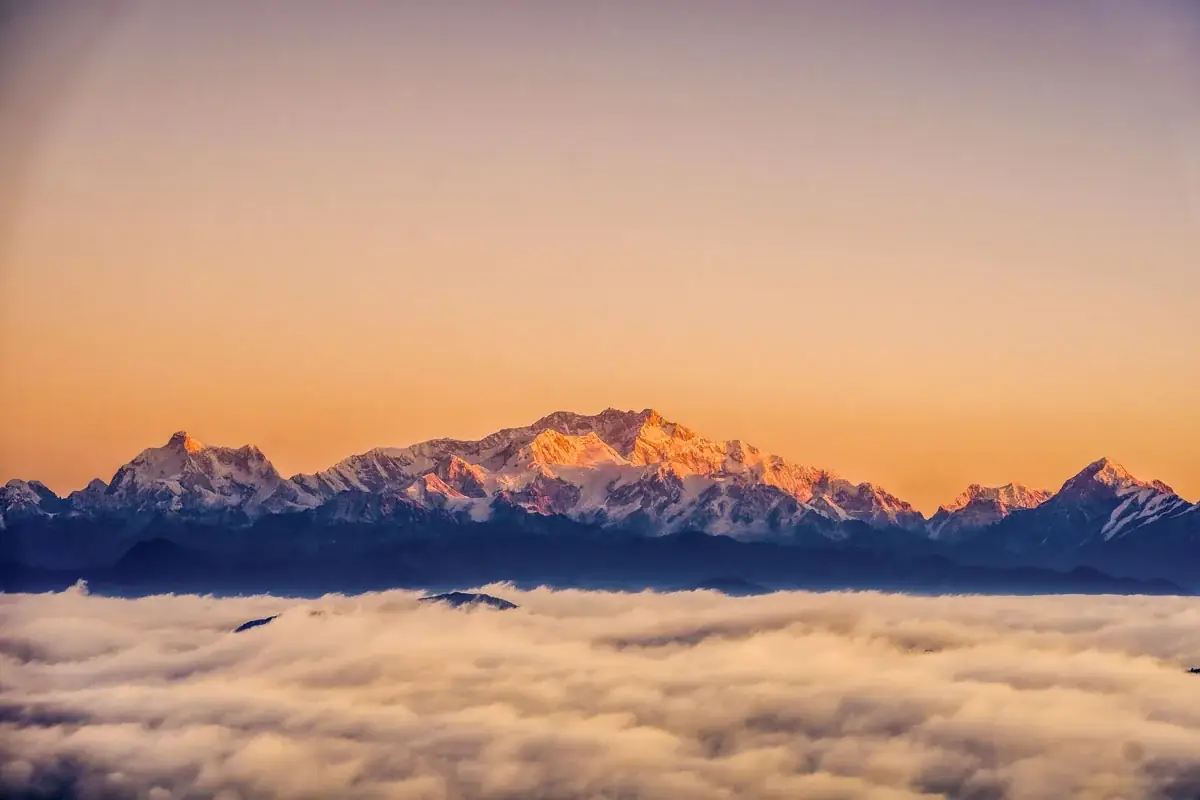 Save The Trail
By Preetam Singh Rawat|Feb 13, 2026
Best Himalayan Treks in Northeast India | Scenic & Offbeat Mountain TrailsRecent years have revealed our admiration for the Himalayas especially since their rising. A large part of Northeast India - approximately 70 percent - is comprised of hills and mountains. Sikkim and Arunachal Pradesh, two renowned tourist destinations, make up around 35 percent of the Indian Himalayas. Between the two states are many of the top peaks located in the Northern Himalayas, making this an ideal location for nature and adventure trekkers who want to experience thrilling journeys through unfamiliar terrains. While every one of the Northeast India states offer distinct terrains, Sikkim and Arunachal Pradesh are notable for their mountainous landscapes and rugged mountains that offer some of the best trekking routes. There are numerous routes within this untouched region, and there are numerous treks to choose from however, we've picked five of the best trekking routes in this region as our top choices. Explore Arunachal Pradesh's Talle Valley Trek and experience its lush forests that cover more than 80 percent of its land area, providing protection from wind and heat as well as lush canopy of plants to shade the sun and provide some relief from the heat and winds. High-altitude communities surrounded by dense forests and snow-capped mountain ranges provide peace from the brutal winters and scorching summers which provide the perfect environment for trekking adventures like the Talle Valley Trek in Arunachal Pradesh. Explore stunning forests and trails that aren't marked to get to the ancestral home of a dying tribe on a thrilling six-day trek through stunning jungle terrain. Don't miss out on this chance; take your bags today to embark on this unforgettable forest adventure. It is said that the Arunachal Seven Lakes Trek in Pradesh is a different adventure from the Kashmir Great Lakes trek, with a pristine high-mountain area featuring stunning lakes waiting to be discovered. The Seven Lakes trek provides the opportunity to explore hidden gems that are waiting to be discovered! A more offbeat trek is a trek along the Indo-Tibetan border Dibang Valley - one of the most beautiful valleys of Northeast India through the Indo-Tibetan border as well as through the breathtaking beauty of Dibang Valley which proves that it takes three days to get there! The remoteness of this trip can be seen in the fact that three distinct times are required in order to get to Dibang. The Idu Mishmi tribe of Idu remains unoccupied in this area and their way of life exemplifies sustainability practices for living. They heavily rely on forest resources for health and food requirements in addition to providing shelter. Anyone who wants to experience the forest for themselves can spend all night in their houses along the treks for an authentic experience in the forest. Goechala Trek in Sikkim is among the most sought-after treks in the Northeast with good reason. It is situated in the Kanchenjunga National Park's stunning beauty and stunning views and breathtaking views, the Goechala trekking route offers an unforgettable experience with Asia's third highest mountain range. Additionally each visit brings new and diverse memories due to its enchanting charm that changes with the seasons, leaving a lasting, memorable impression. Sikkim's Danphebir La Pass Trek may not be well-known as the more famous Goechala treks, however, this off-the-beaten-path trek is located at the border between Nepal as well as India as well as West Sikkim, providing an thrilling adventure. Danphebir La, a 4,530m mountain pass located in Sikkim that is largely unexplored by trekkers can be reached via this route. Trekkers can walk through dense grasslands, vast forests, and ridges that are steep and camping in the vicinity of three glacial lakes could be possible. Trekkers who have reached an altitude of 4,000m could encounter a variety of glacial lakes when they trek this less-known trek in Sikkim which makes it a truly memorable experience and offering breathtaking views. The location of Arunachal Pradesh in India's remote Mishimi Hills lies Dree River Valley one of Arunachal Pradesh's most secretive areas. The unexplored trek takes you through dense bamboo forest and lush greenery, before soaring through snow-covered mountains high peaks, creating an incredible backdrop. Soft terrain creates an enjoyable and non-scary adventure in the jungle. discover the rich culture and traditions when you travel on this amazing trek for a whole new level of enjoyment on any trip and truly experience the jungle life in this amazing trek. Northeast India offers an abundance of trekking options for those who love adventure with unspoiled natural landscapes and unique indigenous cultures and challenging terrains ideal for those seeking their next trek adventure. From Sikkim's Goechala Trek to Arunachal Pradesh's Seven Lakes and Talle Valley Treks, each adventure takes you to a place that is far from the ordinary. Hidden treasures like Danphebir La Pass and Dree River Valley provide an additional dimension to the region, offering those who want to go off the traditional routes an unforgettable experience. No matter if you're an experienced trekker or a nature seeker seeking peace and thrills, Northeast India promises an amazing and exciting journey, with each step bringing you closer to the beauty of nature in the Eastern Himalayas..jpg&w=1920&q=75 "Ali Bedni Bugyal Highlights – Meadows, Peaks & Serenity | Himalayan Meadow Trek") Save The Trail
Save The TrailBy Nanda Rawat|Feb 13, 2026
Ali Bedni Bugyal Highlights – Meadows, Peaks & Serenity | Himalayan Meadow TrekAli Bedni's Bugyal Trek is a fantastic way to earn rewards with little effort. It is accessible throughout the year, and offers stunning scenery like vast open spaces and picturesque views from vantage points that offer panoramic views. Trekking gives newbies to trekking an the chance to experience the magnificent Himalayas in their entirety however nothing compares with experiencing their beauty in person. Here, we've tried our best to convey the essence of trekking as accurately as we can in this article. Lohajung located in the Chamoli district in the Garhwal Himalayas, is an entry point to popular treks like Roopkund, Brahmatal, and Ali Bedni Bugyal. The village is located at 2300 m this charming village offers breathtaking views and is awash in the mountain tradition. Relax on the porch of your hotel as you gaze upon the mountain, that is adorned with precise geometric shapes and vivid green shades. sipping tea from the traditional clay cup (kullhad) while watching a whirlwind of steam collide with clouds and create a serene atmosphere. Apart from offering a cultural immersion and a sense of relaxation, the trip between Dehradun to Lohajung is also an enjoyable experience. Travel to the Kumaon region to the Garhwal Himalayan Belt on well-maintained roads, dotted with the Shivalik ranges that lie in the background, and an associated river. A highlight of this trip is crossing three of the five major confluences of Alaknanda River along its journey from Devprayag to Lohajung. In Devprayag where tradition and modernity meet as the Bhagirathi joins the Alaknanda River at Devprayag first confluence point. The vibrant teal and turquoise hues of these rivers are mixing within the valley beneath. Srinagar is a town that has been around for centuries located on the banks of the Alaknanda River is located forty kilometers to the south of Devprayag with Rudraprayag just a few miles along. Rudraprayag is the place where you can see the intersection of the Mandakini and Alaknanda rivers. Karnaprayag is where Alaknanda connects with the Pindari River, is approximately 33 km from Rudraprayag and each confluence is unique in its own way that creates stunning sights. The history of this trekking route is awash in mythology and legend, and is it is believed by many to be utilized by Shiva and his family members when travelling from Kumaon Valley in Nepal to Mansarovar. Nanda Devi Raat Jaag Yatra festival occurs every year, in this area. The entire village takes part in a fervent pilgrimage to commemorate the destruction of their homes as a part of this holy journey. Many people flock to Uttarakhand every year for this grand celebration. When you embark on this trek be sure to inquire with your guide local for a detailed version of the story. listening to their passion and engaging stories is truly unique and being able to experience it in person is the most effective way to comprehend the significance of it. Ali Bedni Bugyal offers a breathtaking view of the Garhwal Himalayas' beauty with Mounts Nanda Ghunti and Trishul as strong and powerful visitors throughout your trek. While you'll be able to see these mountains from everywhere during your trek The most stunning views are found from Bed Top, located at an elevation of 3,803m at which point they become more visible as smaller mountains that obscured their view that leave you stunned or even speechless by the vistas that lie beyond. Apart from these two magnificent giants The Chaukhamba range also has other impressive mountains, making this trip an unforgettable experience. The experience of hiking for the first time can be incredibly rewarding. We at Highlight 4 are happy to make sure this trip is among your top choices! Ali and Bedni bugyals trek is perfect for hikers who are just beginning their journey due because of its low elevation, easy terrain and a pleasant climate. In just five days of walking this trek will allow access to a variety of attractions throughout the Himalayas. Ali Bedni Bugyal boasts lush forests, imposing peaks, open meadows bursting with vibrant colors and babbling streams that lead to mountain villages, lush fields filled with curious livestock and lush fields all year long All the things you could ever want is in Ali Bedni Bugyal! It doesn't matter if it's summer or snowfall, lush alpine forests bursting with vibrant rhododendrons and wildflowers make this trip very welcoming at all year round! Your trip winds through thick oak groves. Dappled sunlight is reflected through the lush canopy above, while the gentle breeze agitates the leaves beneath your feet squeezing the dry leaves of each step. Prepare yourself for a thrilling experience where shadow and light can play with you in these forests that can be a bit disorienting and thrilling. Caterpillar Fungus' Intriguing Cycle Caterpillar Fungus serves as an emblematic example of the harsh reality of nature, prevalently found in meadows with high altitudes over 3,500m and acting as an illicit, but high-paying source of income for those living there. The process of formation for this fungus is fascinating it infects and kills larvae of moth species that are native to these elevations, and then creating the locally referred to as Keeda Jadi structures, which are able to fetch large amounts in the black market. The families that live in these mountain villages commit months of laborious effort seeking out a mysterious but sought-after commodity. Amid the harsh winter conditions, they search through the overgrown terrain with meticulous precision to locate these tiny creatures, cleverly disguised in camouflage Once they have been found, they are carefully taken care of wrapped, packed, and then auctioned off as an innovative and creative solution to ensure that no animal is wasted, even those that are prey to smaller predators. Simply searching online will yield shocking images that depict this natural phenomenon. Ali and Bedni Meadows offer an exciting hike throughout the year, with each season revealing unique features in these meadows that offer different kinds of beauty. Winter brings white snow that sparkles over them, monsoon brings explosions of wildflowers blooming across the meadows, and pre-winter boasts bright yellow hues all over them, and the summer months bring warmth and affluence abundance. Ali Bedni Bugyal stands out among the highlights of this trek as a unique feature thanks to its vast meadows referred to as bugyals. They provide stunning views, stunning viewpoints with moderate altitude, and a welcoming climate throughout the year, not to mention its vast expanse that is alive on four legs, or static. Watching life thrive in these vast spaces is a exciting experience. Ali Bedni Bugyal provides more than just a trek It offers an unforgettable experience of nature, culture, as well as the breathtaking beauty of the Himalayas. For novice trekkers to seasoned trekkers This trail offers excitement and challenge in equal proportion. Every step is awe-inspiring from enchanting meadows and forests to breathtaking landscapes Trishul and Nanda Ghunti. The journey through ancient villages and sacred river confluences and ever-changing landscapes offers a memorable adventure, but also creates an intimate understanding of Uttarakhand's rich past and its essence. It is a year-round destination with moderate difficulty levels The Ali Bedni Bugyal Trek provides an inviting experience that is enriching and unforgettable journey into the middle of the Himalayas.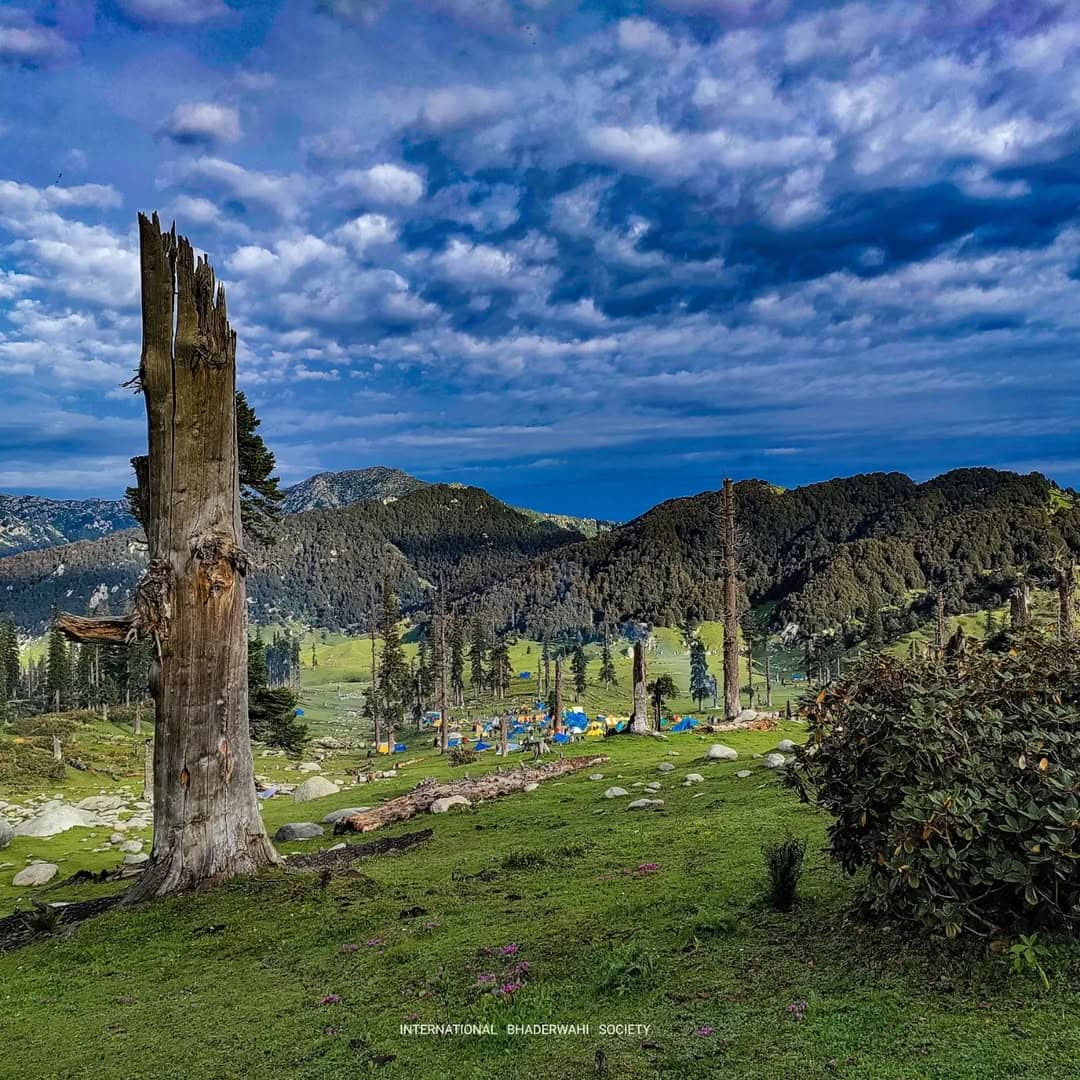 Save The Trail
By Shivam Shingari|Feb 13, 2026
Himalayan Trekking Meditation for Healing and Peace | Mindful Treks in the HimalayasIn the crowded world, it's challenging to achieve peace. We live in a world where silence seems impossible to attain and solitude is scarce and noise from the internet has become a regular phenomenon. However, the desire for peace isn't gone, bringing people back to nature. One of the most effective methods to reconnect with nature is walking-especially in the tranquil heart-warming Himalayas. The walk is more than about exercise. It's also an contemplative experience that can lead to mental healing and spiritual clarity. If you go through long-standing forests, stroll over the clouds along ridgelines or sit in the lakes in the mountains and alpine you will experience an inner shift in your self. This is why no other place can provide more of this than the Himalayas, particularly when you go on a trek through Trekup India's meticulously planned trekking excursions that aren't just focused on thrills but also on the inner alignment. The Himalayas aren't only a mountain range; they're holy places. Over the many thousands of years the spiritual gurus, sages and monks and seekers have walked the same paths, searching for peace, truth and freedom. This energy is an energy frequency that soothes the mind and awakens the soul. It's about the spirituality of Uttarakhand or the mystical lakes of Kashmir or the peace valleys of Himachal's hidden valleys, Trekup India offers trekking experiences that go beyond beauty. They alter. The purpose of mindfulness is being present. What is a better method to cultivate mindfulness than taking a step at a time walking through the woods? Trekking demands awareness: Your feet are where you rest. The way that your breath is coordinated with the movements of your body. The body's response to altitude and terrain. Walking in a mindful manner reduces thoughts and keeps your focus on the present. As time passes, this constant awareness is reflected in the core of meditation. The experience becomes more stimulating not only with the world and nature but also with you. Trekup India Treks That Offer Meditative Healing Location: Uttarakhand Best Season: May-June, September-October Phulara Ridge is unique to any other trek route in India. It's a ridge hike that offers 360-degree views of the Himalayas for an extended period of time. The pace of the hike is an tranquil mental state that takes place as you're walking through the ridge. It's similar to walking along the spine of the earth. There aren't any crowds or commercial noises, making this a authentic meditative experience that offers a serene environment and peace. Healing Highlight A lengthy, steep hike that requires conscious movement stillness, reflection, and silence on your soul. Location: Uttarakhand Best Season: December to April Kedarkantha is often described as"the "Winter Wonder Trek"-but it's actually a charming spiritual retreat that's hidden as. It's a path that runs through old woodlands charming towns and temples. It culminates in a ridge that offers a stunning sunrise over the clouds. This hike is perfect for those who want to experience an inner release from their emotions and relaxation, especially with the tranquility of snow. The snow-white, pure landscape can give you the tranquil effect-as as when you're letting go of the weight of your problems by every step you take on the snow. Healing Summary The peace of the mountains covered in snow as well as the sunrise temple energy and summits in Juda ka Talab. Location: Himachal Pradesh Best Season: July to September Within the shadows of Kinnaur, Yulla Kanda is located in Kinnaur. It is an lesser-known spiritual treasure. It takes you to a sacred lake believed to be Lord Shiva's meditation spot. The trek is long and rough, but the final destination, a beautiful lake surrounded by snow-capped mountains, is awe-inspiring. The trek encourages reflection. Many trekkers linger at the edge of the lake watching their reflections as they dance across the serene waters. This is the perfect place for anyone seeking answers to their questions, peace and clarity. Amazing Healing A tranquil lake with importance to the spiritual perfect for contemplation or quiet journaling. Location: Uttarakhand Best Season: December to March Brahmatal is the source of legends. The name refers to Lord Brahma The trek takes visitors to two lakes in the alpine which are buried in oak forests that are encased in snow, and on top of the ridgelines. But it's not just stunning views, but legends and potential of the area attracts you. In this location you can walk around in peace as you feel like nature was waiting to breathe. The snow blocks sound, while the frozen lakes act as mirrors of the soul. Ideal for those seeking internal healing and it helps to align their energy. Healing Highlight Highlight: Pine forest silence of frozen lakes, the ancient mythological resonance. Location: Uttarakhand Best Season: May-June, September-October If you're hoping to be able to feel the sensation of meditation while moving, Dayara Bugyal is the ideal trek. The vast meadows in the alpine seem endless, as if green oceans in blue skies. Every step is breathing. Each air feels like a blessing. The hike is relatively easy and is perfect for those who want to to be in nature, but without the physical strain. It is perfect for yoga lovers and nature lovers and those who are recovering from fatigue or burnout. Healing Summary Meadows with gentle slopes are ideal for yoga, walking meditation and for regaining your balance. Location: Kashmir Best Season: July to September There is no other place that can rival the stunning emotional awe of Tarsar or Marsar Lakes. The two lakes in the alpine located in Kashmir offer an incredible magical, surreal and mystical experience. These lakes are bordered by impressive rocks and also flowers. These lakes are perfect for meditation during long periods of solitude as well as journaling. The trek is about getting rid-of the past, the pain and identity that was lost in the past. Many trekkers have stated that the tranquility of Tarsar will stay with them for a long time after they returned home. Healing Summary The blue glacial lakes are surrounded by natural beauty, which triggers an emotional cleansing. However, each conscious trek across the Himalayan mountains can bring you to an experience of meditation, some routes are blessed with energy and past physical form and their history, making them powerful conduits for exploration and healing. Here are a few walks that can be an exercise in meditation What is it that it is that it contemplates: Often called the "classic" trek, its long length (traditionally between 15 and 21 days) gives you a profound experience and a rhythm. The gradual ascent through a variety of landscapes, such as dense subtropical valleys, lush Rhododendron-filled forests, and the high desert that is dry (Manang) and finally the imposing and soaring Thorong La pass (5,416m) is an expression of an inner experience. Walking every day can create an intense flow. Meditative Elements The nature of the circuit reflects the constantly changing, non-linear pathways of life. The journey across Thorong La isn't just about physical challenges. It's also an indication of letting go and commitment, and requires total presence. The presence of ancient Hindu and Buddhist villages (like Braga, Manang, Muktinath) along with monasteries and chortens provide the opportunity to meditate in natural moments. Hot springs in Tatopani are both a metaphorical and literal cleansing. Ideal for shedding the burden of stress, gaining an overall perspective and gaining endurance through constant efforts and adapting. The long length allows the buried emotions to have sufficient space to surface and be integrated. What does it mean: This strenuous hike (Kongma La, Cho La, Renjo La at 5,300m and all above) explores valleys that aren't as crowded (like Gokyo and the sacred Thame) beneath several of the most stunning mountains on earth. The high altitude, vast glacial terrains and extreme physical strain create a powerful setting for change. The silence that envelops the clouds is profound. Meditative Elements The mountains demand total focus on breathing and walking There's no room for distraction. The sheerness and force of the mountains (Nuptse, Lhotse, Everest, Ama Dablam) induce the humble and sloughing away of the self-defence. The clear and crystal-clear Gokyo Lakes are a place where you can enjoy moments of complete quiet and meditation. The simple lifestyle of high Sherpa communities can help you get away from the shackles of unnecessary things. Healing Concentration Effective in overcoming fears (of extremes and exposure, or personal limits) and also feeling a profound humility and peace through the simple cleansing the body. Its intensity builds a deep connection with the vitality and breath. What is it about: Set in the high-altitude desert moonscapes of Ladakh, "The Land of High Passes," this excursion provides stunning beauty, as well as tranquil silence and an extensive experience of Tibetan Buddhist culture. Crossing passes like Kongmaru La (5,260m) reveals surreal vistas. The surroundings are beautiful and peaceful. Meditational Elements The dry, large areas create a vast space for meditation and peace. The squeak rhythmic of a pair of shoes smacking against the gravel creates a powerful sound. Staying in a traditional homestay in Ladakhi villages is a chance to experience a cultural immersion as well as a simple life. The monasteries' passage that have been in existence since the beginning of time (Hemis, Thiksey) and many mani walls and chortens constantly remind that we are in the spirit side. Sky is vast, ideal for a meditation on the sky. Healing Concentration A wonderful method for bringing inner peace into the middle of immense emptyness, and learning from the lasting happiness of the Ladakhi people, and observing the deep stillness of the desert mountains. The Buddhist environment naturally encourages mindfulness and meditation practices. What does it mean? This extraordinary trek, which is often associated with Hemkund Sahib, doesn't just about mountain passes, but much as it is a trip through meadows that are breathtaking at high altitude, full of rare blooms (July-August). It's a trip that is both sensory and an opportunity to celebrate the world's stunning beauty. Walking turns into an energizing flowing movement that runs across a variety of colors. It's a shift of concentration to the senses and the variety of flowers as well as the scent of the earth and flowers and the sound of water falling and the chirping of insects. The beautiful landscape contrasts with the peaks of snow that are in the background. The scene is a symbol of "walking beauty," a kind of exercise that is characterized by walking with gratitude. Profoundly restorative for anxiety or mental fatigue, stress and tension. It helps you reconnect to the earth's gorgeous and abundant beauty. It also encourages happiness, gratitude, as well as a sense of reverence. The ideal choice for a easy, open-hearted meditation that can heal the healing power of nature. The reason it's a Meditate is that Mount Kailash is widely thought of as the axis (center of the universe) according to Hinduism, Buddhism, Jainism as well as Bon. The circular trek (Kora) around the summit (52km and up to 5,650m at Dolma La Pass) is one of the most venerated pilgrimages in the world. It is designed to be a workout in walking. Meditative Elements It is believed that the Kora is performed with intention and often in silence or singing mantras (like "Om Mani Padme Hum"). The Kora is adorned with mani stones, prayer flags, and places to prostrate. Physical challenges (altitude or distance) is not important in the pursuit of spirituality. The pilgrims of various faiths unite in a powerful force of devotion. The harmony of the mountain is breathtaking. Healing Concentration This is an intense soul-level process. It's about cleansing, releasing the cycle of karmic rebirth (symbolized via the Kora) and deep reverence, as well as reconnecting with God (however it's defined). Healing is often described as transformative and transcendental. What these journeys have they share is the simplicity. No Wi-Fi, no concrete, no deadlines. Only the sky, the tracks of trees and the time. With this simple approach, there is an inner peace that is calming your soul. It's easy to recall the person you were before the turmoil. Then, you are reminded of it. You listen again. It is for the second time, a human being-not an individual doing. The most significant impact of the walks will not be just present but also in the way they do with what they've left behind after. Once you are back you'll be able to focus greater focused. It is obvious that you're less reactive and you are more adaptable. It is at this point that you start to believe in the process of life as if you believed in the journey. The best way to heal is by trekking. It's not through preaching but rather through dawns. This isn't with the therapeutic value of hikes on trails. It's not due to the pressure but the presence. The Himalayan mountains aren't just challenging your body but also cleanse your spirit. If you go in the right direction, the right path, and have the right goals the journey becomes more than a mere journey of adventure. It's an experience that will make you feel alive.. Trekup India is not just an organization for trekking, but rather a network that is comprised of seekers, travelers, and healers. Each trek is designed to give you not just excitement but also the therapeutic advantages.. Save The Trail
By Nanda Rawat|Feb 13, 2026
Trekking Hygiene: Smart Ways to Stay Fresh & Healthy on the TrekIt is a great way to spend time with friends however, it may also bring challenges of its own such as dealing with grime and dirt and a deficiency of services. Although toughness is a normal part on treks, maintaining good hygiene practices on longer or more intense trips is crucial for health. Simple and healthy hygiene practices can help you stay safe from infections, illness and unpleasant outdoor conditions while also protecting yourself from illnesses, infections, or unpleasant outdoor experiences. Cleaning up after Trekking isn't easy for women who suffer from menstrual issues particularly if there's bathrooms in the vicinity. But there are effective methods and techniques to ensure you are clean and fresh while out on the trails. Trekup India women's Trekking members have put together a list of tips they recommend as methods to keep well-groomed while trekking. Trekup India believes that being healthy does not have to be a struggle however sometimes, taking a few Treks before you know how to manage menstrual flow on outdoor activities is crucial for optimal hygiene practices. The choice of tampons over pads can provide better hygiene. Tampons are small extremely absorbent and efficient in capturing menstrual flow. The main benefit is the fact that they dry rapidly after being inserted, which makes them a great choice for performing activities like walking along rivers or during rainy days. Additionally, their compact dimensions allow them to fit in every backpack, without consuming too much space however, according to Sandhya UC notes, it is essential that users get comfortable with tampons before going on lengthy Treks or walks relying only on them. Don't throw away used products for sanitary use as litter during your trek. Instead, take them home and dispose of them properly when you return to town. If you do not want to use tampons in any way then sanitary pads might be a viable alternative. While they are generally accepted and are accepted in social settings but they might not be practical when you are trekking. Their size makes them susceptible to leakage, however when you find that sanitary napkins make your comfortable, feel free to use them. Menstrual cup is highly recommended. Whatever method you choose make sure that all the items you use return back with you - with newspaper wraps or Ziploc bags - and not leave any items behind at the foot of the mountain. Bio-toilets help menstrual hygiene management while trekking much more convenient due to the eco-friendly materials used in bio-toilets. From pads and tampons to menstrual hygiene, to cups made of sustainable materials allow users to effortlessly maintain the hygiene of their menstrual cycle when they are outdoors. Its size is comparable to a standard bathroom to make it easier to use during outdoor activities. For instance, Lakshmi Selvakumaran, Team Head of Trekup India, has observed her menstrual cycle is consistent while hiking - an easy clean-up using a damp towel is perfect! Prather utilized bio toilets while trekking, but she they could make managing menstrual flow more difficult when outdoors than standard bathrooms. For trekking, you must use wet wipes that are eco-friendly; however their use is now prohibited during treks. Instead, we recommend the use of scentless or soft handkerchiefs made of tissue paper that need to be soaked prior to using to wipe. It is essential to ensure that your hands are clean prior to using them. changing your clothes. "Grooming during extreme temperature fluctuations such as nighttime or the morning hours is advised" according to Sandhya UC. The ideal is to have grooming done early in the morning rather than being put off until later in the afternoon in the manner that is typically done. Morning is the best time to wash and change. If you're planning an excursion one of the first questions you will be asked is what clothes to bring. Women often wonder if new clothes should be packed each day when traveling; according to Sandhya UC's general guidelines is that 3 outfits will suffice on a trip lasting 8-10 days that includes your current clothes and two spare sets. Start by choosing an outfit. Replace sweaty clothes with clean ones inside, while leaving sweaty ones outside making use of both sets for different climate zones. If you can you can wash sweaty clothes by soaking them in water prior to drying them before wear them once more. As you climb higher elevations, where sweat production decreases could necessitate changing clothes less often; if this is the situation, it's sensible to switch clothes every two or three days. Sandhya recommends carrying daily a new set of underwear during menstrual cycles or swapping out cloth panties that are disposable regularly lightweight options that don't take up much space in your bag. You might want to consider having separate bags that can be resealable specifically for sweaty socks and underwear in order to keep them separate from clean clothes inside your bag. This will help keep soiled items separated. Being healthy on the trail can be simpler than you think. Make sure your daily hygiene routines, like washing the hair and washing your face, as well as going to the bathroom are in good order. Camping sites usually provide easy access to clean drinking water to ensure easy drinking. When packing toilet paper, be sure it's biodegradable or organic.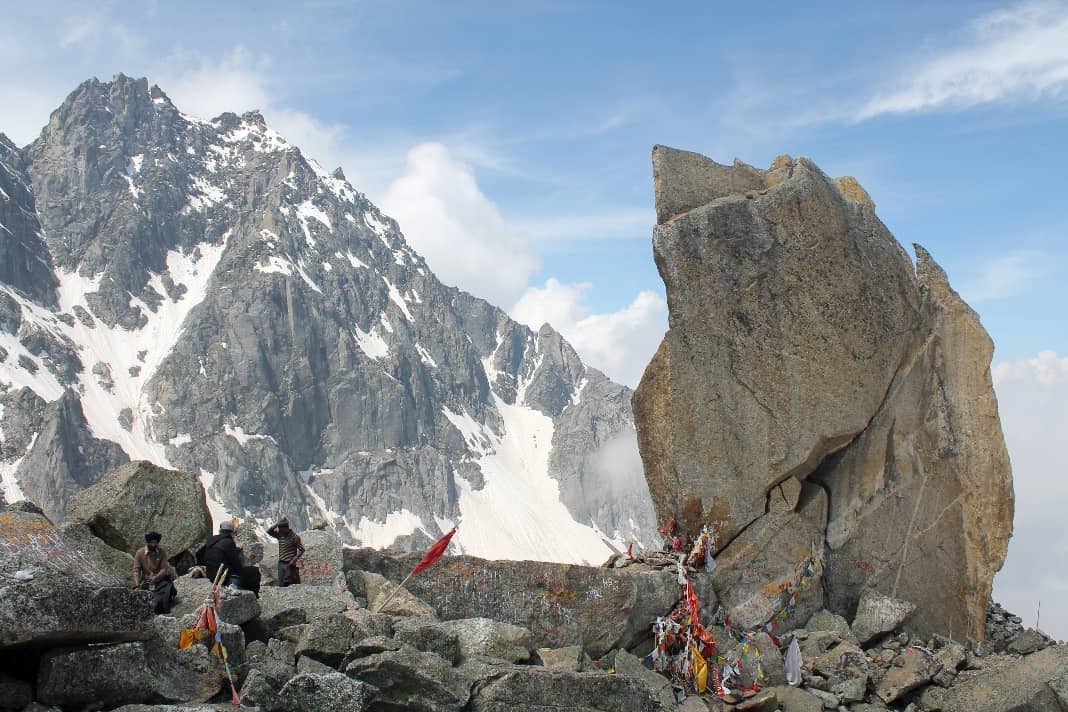 Save The Trail
By Preetam Singh Rawat|Feb 13, 2026
Sacred Himalayan Treks: Kinnaur Kailash to Gaumukh | Spiritual Journeys in the HimalayasIndia and its Himalayan neighbors aren't just trekking destinations; they're landscapes that's engraved with affection. Over the years, trekkers pilgrims and travelers have walked these paths and have combined fitness with a deep desire to be religious. We'll go over a more detailed study of the sacred treks which include your personal touches to the spot where boots and faith meet: Holy Focus The 6,050m summit is thought of as Lord Shiva's winter residence and the enormous natural Shiva Lingam. Travel: The ascent can be steep starting from Tapri/Tangling and traversing Kinnauri villages and ending in an arduous Parikrama (circumambulation). Essence: Raw devotion, syncretic Kinnauri culture, awe-inspiring geology. Moderate-Challenging. Best: May-Jun, Sep-Oct. To Kinnaur Kailash Trek Itinerary Holy Focus Glacier nose is the origin of the frozen Mother Ganga (Bhagirathi River). The Journey This journey is a rumbling Bhagirathi beginning at Gangotri Temple through Chirbasa forests until Bhojbasa to the glacial "Cow's Mouth." The essence: A trip to the most holy river in Hinduism. Pure humility and purification. Moderate. Best: May-Jun, Sep-Oct. To Gaumukh Tapovan Trek Itinerary The sacred Insight: Mythical "Valley of Gods" as well as a trade route that was once in use. It is connected to Pandavas who smelled towards Swarga (heaven). Journey A leisurely valley stroll through Garhwali village (Sankri, Taluka, Osla) with lush meadows and glacial basins. The views from Swargarohini summit. The essence Mythological resonance, unattainable beauty Cultural integration. Serene voyage through the centuries. Easy-Moderate. Best: Apr-Jun, Sep-Nov. To Har Ki Dun Trek Itinerary Sacred Focus: Valley of Flowers: A UNESCO site mythical garden in which Hanuman met the plant Sanjeevani. - Hemkund Sahib: Highest Gurudwara in the world (4,329m). It is a sacred Sikh temple that is surrounded by an glacial lake. Journey The trek starts in Govindghat over Ghangaria. Then, you can go towards the valley of flowers or climb up to Hemkund. The essence: A unique combination of Sikh faith and Hindu mythology in stunning alpine meadows. Moderate (VoF), Challenging (Hemkund). Best: Jul-Sep. To Valley Of Flowers Trek Itinerary Sacred Focus: Triangular glacial lake (4,600m) named after Hindu Trinity (Brahma-Vishnu-Mahesh). It is believed to be the entry point to heaven. Journey Inquiring for extension past Badrinath. Explore glaciers, moraines, and glaciers. establish the camp close to Laxmiban. The permit is required and previous experience. The essence: Extremely remoteness profound mysticism, and a terrifying challenge for dedicated pilgrims. Challenging/Difficult. Best: Jun-Sep. To Satopanth Lake Trek Itinerary Holy Insight: Buddhist heartland. Monasteries from the past (Hankar, Thiksey, Hemis) Chortens prayer flags that mark the terrain. Journey The most famous Ladakhi trekking through mountains (Ganda La and Kongmaru Kongmaru La) villages, valleys of rivers, and rough desert mountains. The essence is walking in meditation throughout the live Buddhist tradition. Landscapes that symbolize impermanence and spiritual endurance. Moderate-Challenging. Best: Jun-Sep. To Markha Valley Trek Itinerary Sacred Focus: Mt. Kailash (6,638m) is the home of Lord Shiva Axis mundi of Hindus, Buddhists, Jains and Bonpos. Sacred Lake Mansarovar. Journey is a highly-regulated and controlled pilgrimage that is controlled and controlled. It requires strenuous treks at high altitudes (5,000mplus) to complete The Kora (circumambulation) in Kailash as well as Mansarovar dip. The essence: A final journey for thousands. Physical and spiritual tests of devotion. Extreme. Best: May-Sep (limited access). To Kailash Mansarovar Yatra Trek Itinerary Holy Focus: Although it is not specifically a religiously based area, the Khumbu region is an Sherpa influenced region. Everest (Chomolungma"Mother Goddess of the World") "Mother Goddess of the World") is a sacred site. The monasteries (Tengboche) offer spiritual anchors. Journey An exciting high altitude trek that traverses Kongma La, Cho La and Renjo La passes, circling Everest while taking the scenic route through Gokyo Lakes. In essence: A profound respect for the highest mountains on earth, an intense experience of Sherpa faith and a test of mankind's faith in the sacred. Very Challenging. Best: Mar-May, Sep-Nov. To Everest Three Passes Trek Itinerary The Sacred Focus The HTML0 Sacred Focus traverses Hindu as in addition to Tibetan Buddhist regions. Muktinath Temple (3,800m) is an important religious site that is has been regarded as sacred by Hindus (Saligram) and and Buddhists. Journey Various "classic" journey in the Annapurna mountains, which includes Thorong La pass (5,416m) villages and forests, and high desert. Essentials: A spiritual and cultural journey through various communities, culminating in the sacred Muktinath. Challenging. Best: Mar-May, Oct-Nov. To Annapurna Base Camp Trek Itinerary These treks, which differ by place and history, have a common theme: Inner Pilgrimage Physical challenges remove any normal and encourages contemplation, resilience and clarity. The landscape as a temple the origin of Gaumukh's glacial Ice and Kailash's magnificent symmetry Himalayas are the symbol of God. Their sheer size and beauty attracts admiration and respect. Living Religion: Watching pilgrims prostrate before Kailash and being participant in Sikh music at Hemkund and receiving blessings in an alpine ghompa and attending ceremonies at Gangotri the living worship is deeply touching. Cultural Tapestry Connecting with Kinnauris Garhwalis, Ladakhis, Sherpas and Nepali villagers shows their lives in relation to sacred geographical regions. The Sacredness Beyond Religion: Treks like Everest Three Passes or Valley of Flowers provide a universal sense of the sacred through the nature's power and beauty. Respect is the most important thing: Follow the local laws (dress appropriately, don't wear shoes or take photos) Keep a respectful silence at holy places and take care to dispose of all garbage. These aren't just tracks, but holy places. Be sure to prepare thoroughly: train physically. Be aware of dangers that come with altitude (AMS) and adapt according to your needs. Do your research thoroughly (especially Satopanth, Kailash, Tibet trekking). Find Guidance: Hire local guides or porters. They ensure safety, provide insight into the culture and aid in the development of the economy in the area. Choose reputable firms for difficult journeys (Kailash, Everest, Annapurna). Take note of: sturdy boots, clothing that is multi-layered (extreme temperatures) and rain gear to protect yourself from the sun and water purification kit, as along with a headlamp. Pack light but essential. A mindful approach: Be an individual pilgrim, not simply becoming a tourist. Accept change and embrace the challenges and the beauty, calm and connections. From the quaint valleys of Har Ki Dun to the infinite axis of Kailash These sacred trails lead toward the soul. They require determination, but they reward with stunning beauty and spiritual resonance. If you're drawn by a strong belief or a desire to be outdoors or a desire to discover yourself, the ancient trails provide an opportunity to connect with God, imprinted forever in the midst of the Himalayas. Choose your trek make it a sacred plan and let the Himalayas revive the soul of your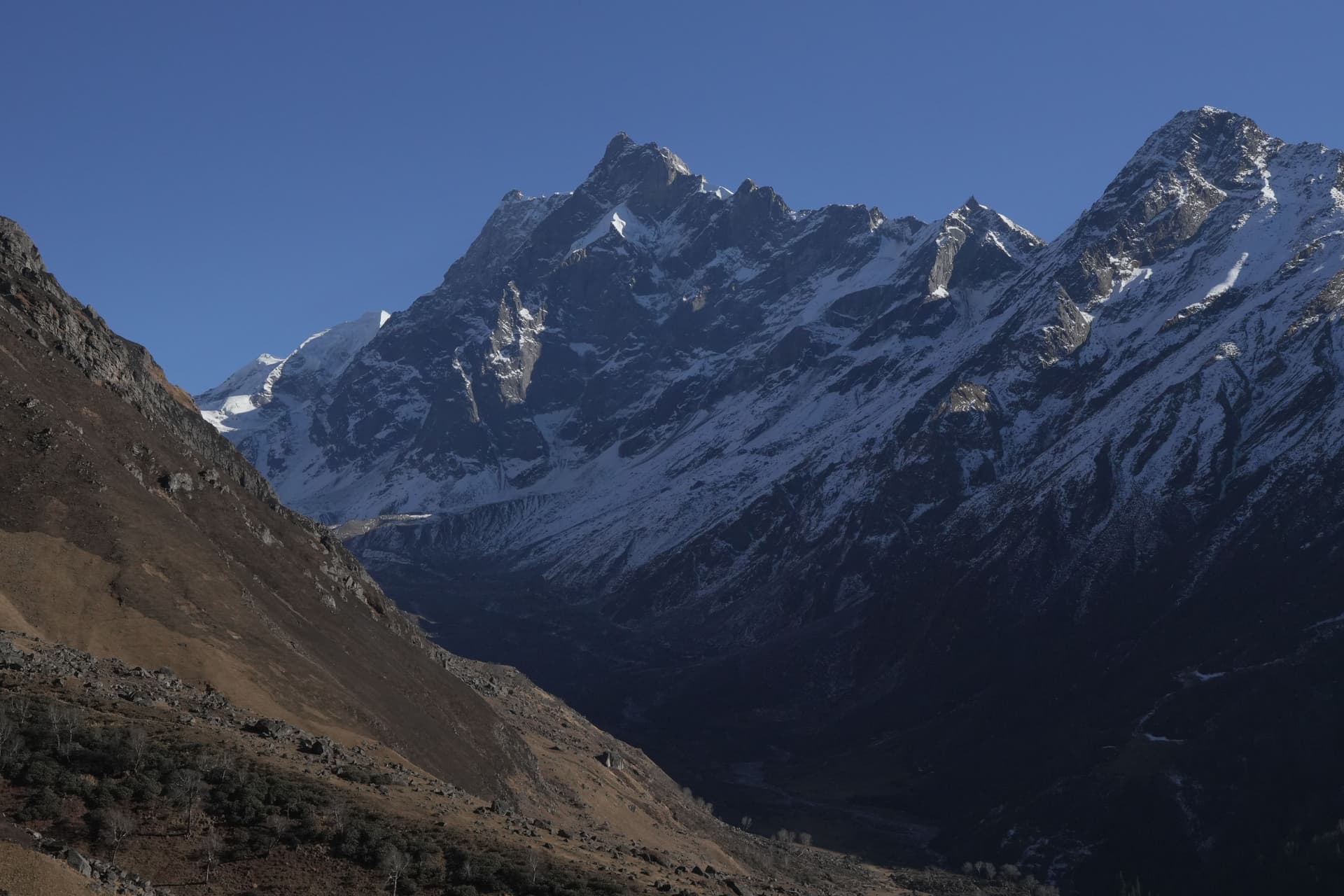 Save The Trail
By Nanda Rawat|Feb 13, 2026
Himalayan Culture and Life in the Mountains | Traditions, People & LifestyleThe Himalayan Mountains aren't just about snow peaks, glaciers and stunning scenery. They're home. It's the home of lively traditions and ancient cultures and some of the warmest and friendly people you'll meet. In Trekup India, we believe that the heartbeat of a trek is not just in the trail and its surroundings, but in the people who make it. Their smiles and customs-made food and family celebrations, folklore, and festivals create the Himalayan trek an unforgettable experience. This is a deeper glimpse into the everyday life of the Himalayas and more than 30 hikes that don't just walk along the mountains, but meet mountain people. This is an overview of the treks in India's regions where interaction with culture plays a an important role in the experience you have Trekup India.