.jpg&w=1920&q=60 "The Biodiversity of Kedarkantha Trek in Uttarakhand | Flora & Fauna of the Himalayas")
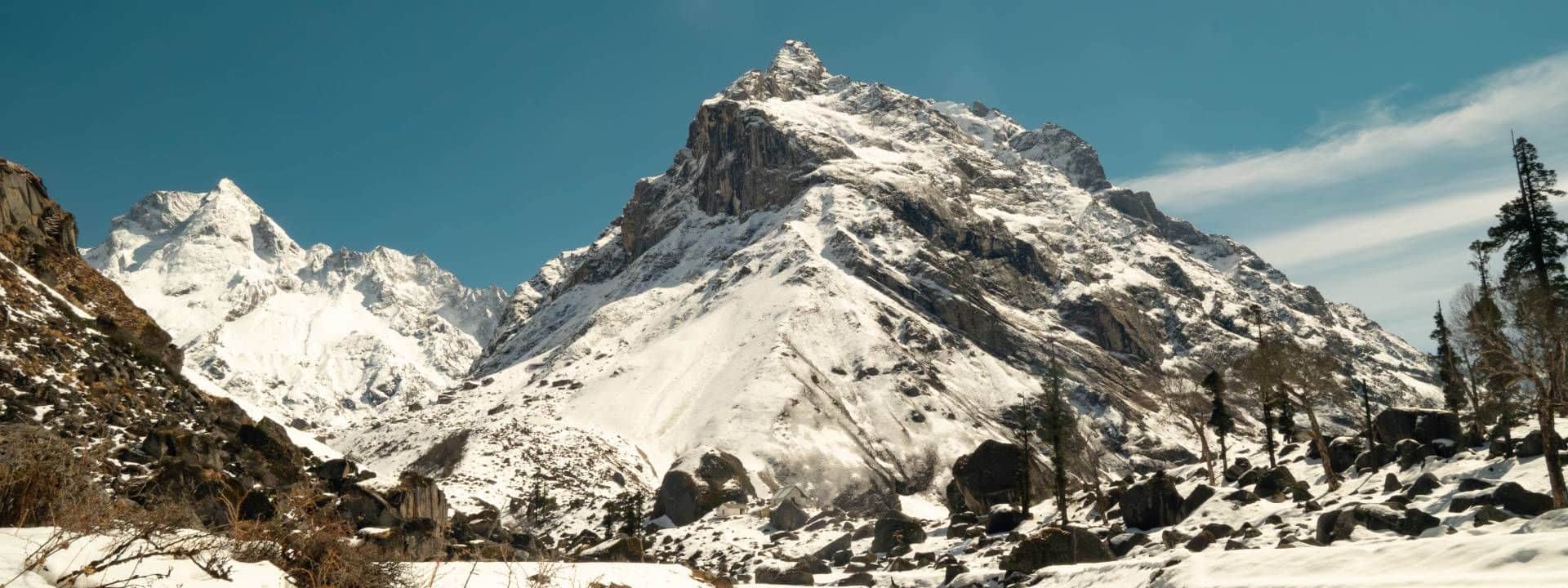
The area is part of the Govind National Park in Uttarakhand, Kedarkantha is a popular trekking destination in India famous for its stunning landscape and breathtaking views from the summit. Although it is beautiful in its natural surroundings, the area's remarkable biodiversity is often overlooked. The hike across the national park reveals an array of plant and animals, with various zones of vegetation changing from dense pine and oak forest at lower elevations to beautiful alpine meadows higher up. This unique altitude variation creates a diverse ecosystem that supports numerous species of animal and plant. Kedarkantha is the home of a variety of rare species of plants, such as the gorgeous Brahma Kamal. It is a refuge for wildlife, including the Himalayan Monal, Musk Deer and a variety of bird species. The Kedarkantha Trek is moderately complex and is suitable for both novices and experienced trekkers. Each of them contributes to the abundant diversity of the Himalayas.
Please keep in mind the following paragraph about plants and wildlife you might encounter on the Kedarkantha Trek:
Plant Life in Kedarkantha Trek
1. Rhododendron Blooms
The Kedarkantha Trek offers an extensive view of rhododendron forest in a variety of shades, including pink, red and white, which are particularly evident in spring. These forests provide a vibrant contrast to the snowy landscape.
2. Oak & Pine Forests
The hike is through thick pine and oak forests that support a wide range of species of animals and plants which includes a variety of species of birds as well as small mammals.
3. Moss & Lichen
Higher elevations, you'll be able to see tranquil landscapes filled with moss and lichen, which are essential for maintaining the ecological balance of the region.
4. Medicinal Plants
The trek is a tribute to the Brahma Kamal, a adored plant species that is essential to the Uttarakhand's indigenous population.
Wildlife on the Kedarkantha
1. Himalayan Monal
The unique Himalayan Monal, known as the bird of state in Uttarakhand is a beautiful sight in the dense forests with its sparkling feathers. The sighting of this majestic bird is a prestigious experience that will add a sense exclusivity to your trek.
2. Red Fox
With its graceful movements, the mysterious red fox is a stunning part of the breathtaking snowy landscape. The presence of the fox adds a bit of awe to the already beautiful landscape, making your trip even more captivating.
3. Himalayan Tahr
Find the magnificent Himalayan Tahrs with their curving fur and horns on the meadows of the alpine.
4. Langurs and Macaques
Energetic macaques and langurs provide a thrilling element to the natural world.
5. Musk Deer
The chance to spot the elusive musk deer an exciting and rare experience in the stunning landscape of the Kedarkantha Trek, is sure to keep your heart pumping. The excitement of such an encounter will be an unforgettable experience of your trek.
Thanks to its rich biodiversity The Kedarkantha Trek is a valuable adventure for nature lovers providing the opportunity to discover the amazing natural world.
About the Author: Trekking Expertise You Can Trust

Head Of Mountain Experts