
Prev
1 / 9
Next
 Trek Gears Tips & Reviews
By Nanda Rawat|Sep 21, 2026
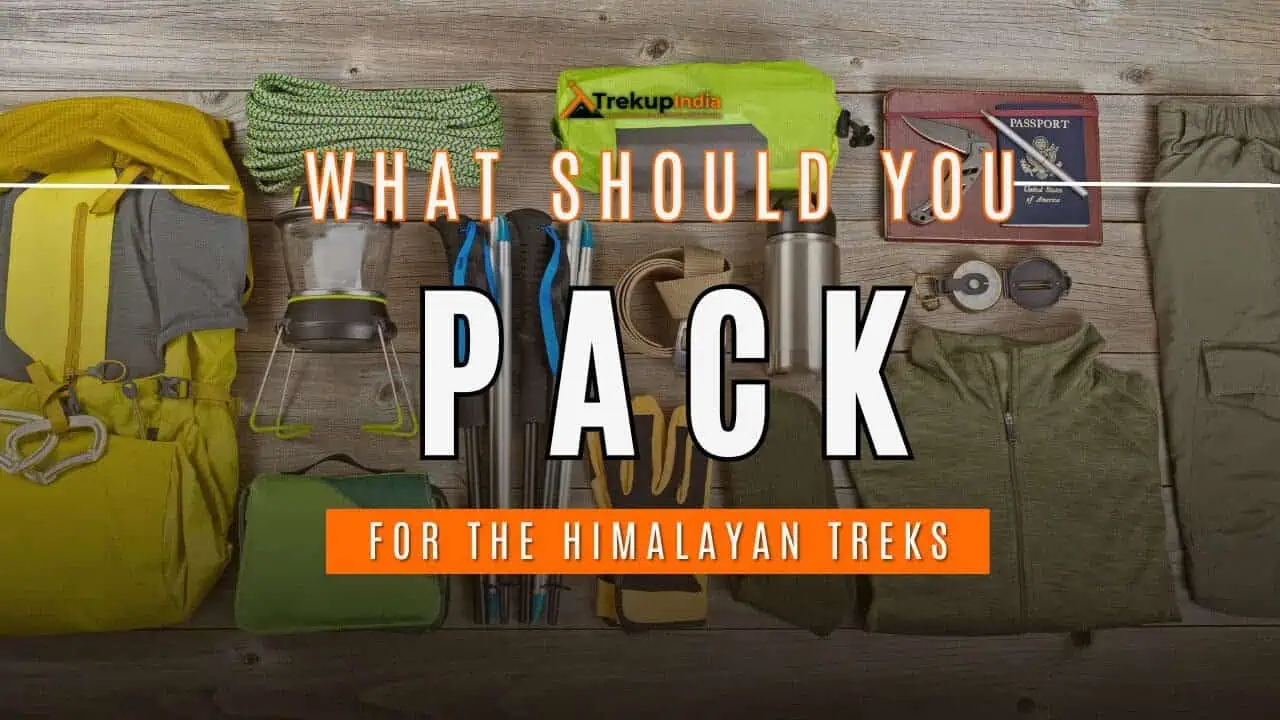
Trekup India Trek Checklist: Prep for Your ExpeditionPreparing for your trek involves more than simply filling your backpack. Proper organization, training, and preparation of the backpack should all play an integral part in ensuring an enjoyable adventure, whether that means climbing Kedarkantha’s snowy heights, strolling lush treks of Tarsar Marsar, or trekking over Pin Bhaba Pass – preparation is key to guaranteeing both safety and enjoyment during any adventure. At Trekup India, we know that being well prepared is key to an enjoyable trekking experience. Therefore, we have created an extensive pre-departure checklist for trekkers joining any Trekup India expeditions. Footwear for Trekking The following shoes should be considered essential: Ankle Support, Water-proof, and well-worn-in (never use brand new footwear on any trek!). Camp Shoe Sandals or flip flops provide lightweight relaxation options. Backpack & Accessories Food & Hydration Pick up energy bars or dry fruit snacks as quick bites for energy on your trek. Electrolytes/ORS – Help prevent dehydration by replenishing lost fluids. Lightweight Cutlery: A Foldable Spoon and a Reusable Mug are essential pieces to have when traveling light. Exercise Checklist (4-6 weeks before event ) Fitness Training Strength of Leg Exercise (squats, lunges, and calf raises), Mental Readiness Evaluate the difficulty and terrain before setting out. Prepare yourself to cope with unpredictable weather as well as basic living conditions. Keep your eye on the prize! Running is both an exercise in mental and physical strength! Before travelling abroad, always carry original and photocopies of travel permits and IDs, as backup. cash may not always be readily available at remote ATMs. Communicate your itinerary as well as emergency contact numbers with family/friends as an extra precautionary measure. Check for updates regarding snowfall/rainfall at the last minute. backpack weight should not exceed 10-12kg (unless on an adventure trip). TrekUp India encourages sustainable trekking by encouraging responsible practices – such as using fewer plastics and respecting local cultures when traveling abroad. Mountains reward those who put in enough training time, so check your gear and start training smart to be ready for an incredible trip.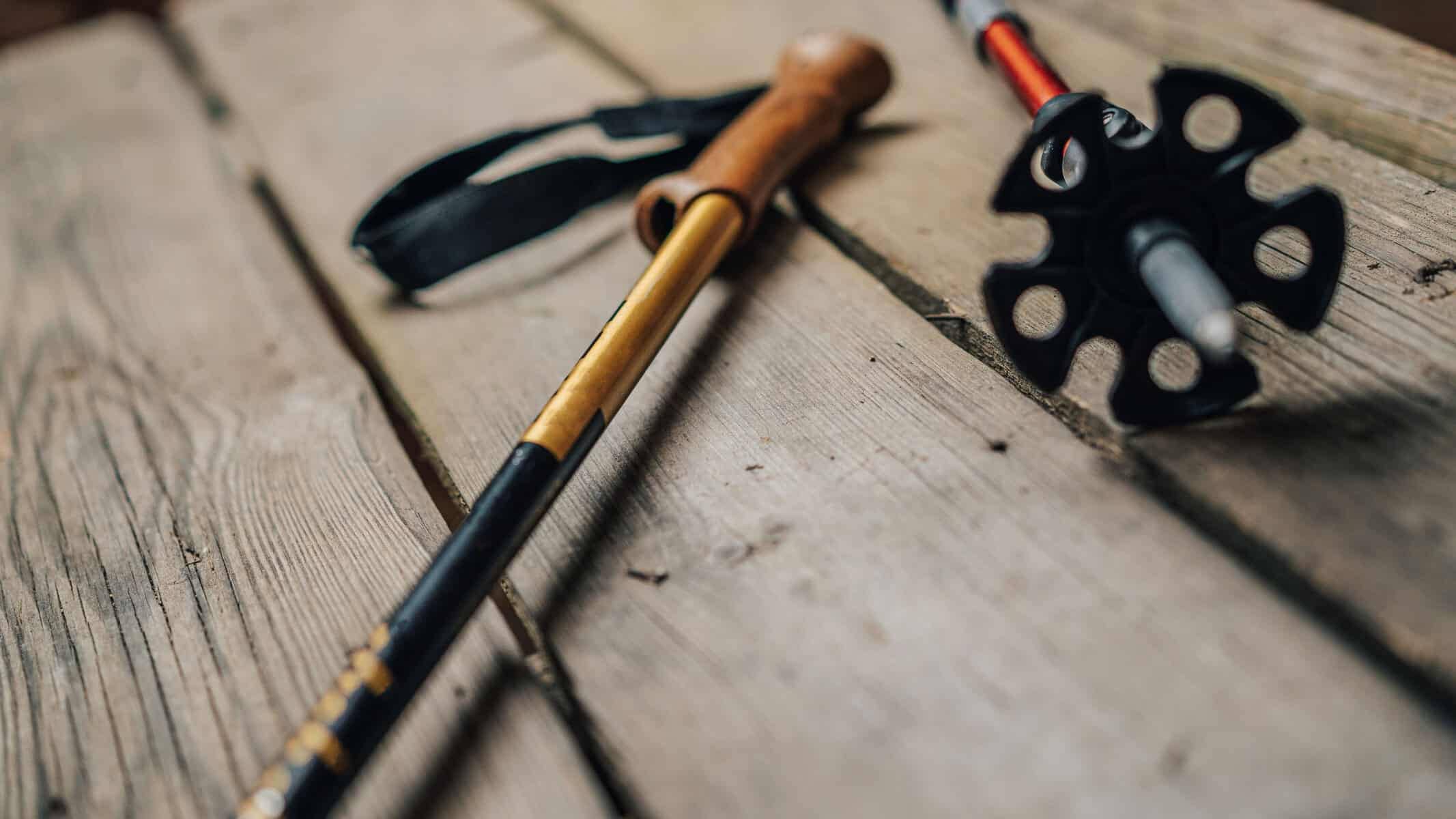 Trek Gears Tips & Reviews
By Preetam Singh Rawat|May 8, 2026
Trekking Pole Techniques & Benefits for Indian TrailsTrekking poles may often go unappreciated; however, their use can transform India’s many trails, ranging from Himalayan slopes to Western Ghat trails. From beginners and veteran trekkers alike, using poles correctly can greatly enhance stability during treks while decreasing fatigue levels as well as risk for injuries. This article will show how to get maximum benefit out of them. Indian trails can be unpredictable, often featuring loose rock, muddy patches, and river crossings – trekking poles provide additional legs to provide support over rough Terrain. Steep trails place undue stress on knee joints. Poles help ease this strain by 20-30 percent, which makes a big difference when trekking for extended distances. Lean on your hands and poles to distribute effort across your upper body and make the climb uphill more manageable while conserving energy. This helps make climbing more manageable while saving energy on each attempt at climbing. Defense strategies against unwanted dogs or other animals (rare but very helpful) Ultralight tents rely on poles as support structures, giving the structure some form of strength. Uphill, shorten your poles so you have more pushing power. Downhill The Length will help build strength in your legs to reduce knee strain. Flat Terrain: Adjust your body position so that the elbow is at an angle of 90 degrees when holding the pole. Always grasp with an even, yet loose grip, don’t press too hard against the strap. Make proper use of wrist straps by sliding your hands up from the bottom to allow them to move naturally. To create a natural walking rhythm, place the pole between both feet (left pole for the right foot or vice versa) so as to form natural steps. This method creates rhythmic steps. Retrace your steps for an extra nudge forward. Downhill, the plant is slightly forward to help regulate speed. Moving uphill, move left somewhat before pushing back onto the poles to increase lift. Different poles may not be equal. When selecting trekking poles for use in India, take into consideration several key aspects; Adjustable vs. Fixed Poles that can be adjusted can provide flexibility for various uses in all conditions; grasimi Material such as Aluminum (more durable but more costly) can be contrasted against Carbon fiber which offers lighter yet lighter solutions (but could cost more over time). Holding poles too tightly may cause wrist fatigue. Utilising incorrect Length will lower efficiency. Furthermore, tracing poles behind oneself wastes energy and time. Trekking poles can be an economical investment that delivers huge returns: more stability, less fatigue, and safer walking on hazardous trails. If your trek takes you through Himalayan passes, balipass trek, har ki dun trek, then learning pole-handling techniques can make your trek much more comfortable and pleasurable.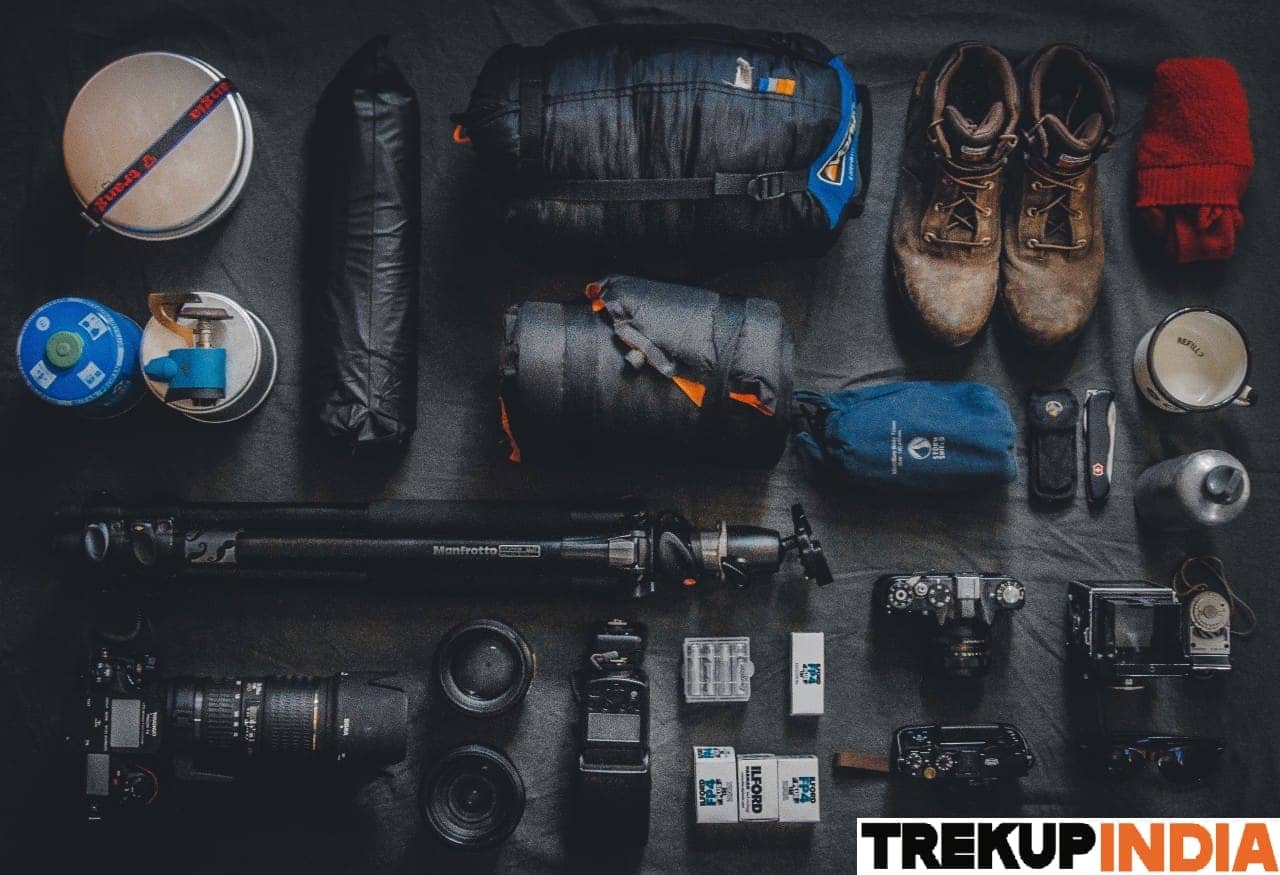 Trek Gears Tips & Reviews
By Nanda Rawat|May 7, 2026
Trekup India Gear List: What’s Essential & WhyIt’s not only about putting a few items in a backpack. It’s about making smart decisions, preparing correctly, and packing properly. If you’re headed to the icy peaks of Kedarkantha, the gorgeous trails of Tarsar Marsar, or the rocky mountain terrain in Pin Bhaba Pass, the key to having a safe and pleasurable trip is. We at Trekup India believe that a prepared person for a trek is a comfortable one. This is why we have compiled a complete checklist for pre-departure for all participants who are joining a Trekup India expedition. Ankle Support + Waterproof trekking shoes should always be on the list of must-have items for trekking adventures. Why? India’s rugged treks – from Himalayan slopes of scree to Western Ghats’ slippery rocks–require robust shoes. Knee support helps prevent sprains and strains; Vibram rubber soles offer maximum traction and security, while Gore-Tex waterproofing technology keeps feet dry when crossing streams or when raindrops fall. Note: For optimal trekking success, break in your shoes for at least two weeks prior to embarking on your adventure, in order to prevent blisters. The temperature can vary widely during an Indian trek. Layering up can help regulate temperatures by keeping moisture at bay while providing insulation against cold nights. Base Layer (Synthetic/Marino Wool): Best for moisture wicking and fast drying times. Mid-Layer (Fleece/Down Jacket): Traps the body heat. Exterior Shell (Waterproof jacket): Protects from wind and rain. Cotton should be avoided as it retains moisture, leading to chills in high altitudes. A properly fitting backpack will distribute weight evenly between your hips and shoulders without straining or overburdening either one of you. An option that offers this distribution of weight across both hips is best, while 40-60L capacity backpacks provide sufficient room for gear without being excessive. Raincovers should always be carried along just in case unexpected rain hits! Why? Trekking poles reduce knee injuries by 25-30% when descending. Enhances Balance on Rocks & River Crossings. Helps maintain rhythm, conserving energy. Why? To facilitate pre-dawn summit pushes. Red light protects night vision while deterring insects. As batteries discharge energy rapidly, backups are essential. Insufficient water at altitude can lead to fatigue and headaches. Providing yourself with enough hydration through bottles/bladder and electrolytes may help protect against this effect. Water bladders of 2-3L capacity make for easier transport when walking. Electrolyte-containing tablets may help prevent cramps on humid walks. Why? At altitude, UV rays increase, increasing the chances of snow blindness unless sunglasses are worn to block them out. SPF 50+ sunblock should not be required in any weather condition, even on cloudy days. Chapped lips often worsen in dry environments; to protect your lips further, use sunscreen-based balms as soon as you feel symptoms. Blister tape (Leukotape) should be an indispensable item on longer treks. Diamox may help alleviate high altitude sickness (please consult your physician). Basic medicines to treat diarrhea, headaches, and muscle pain include Imodium(r). Sleeping Bag Rated for Sub-Zero Temperatures Even during summer, Himalayan nights can drop below freezing, so having a sleeping bag that is rated between -5 °C and -10 °C can provide much-needed warmth. Note: Use a liner to add insulation and ensure hygiene. Showers may not be common, so moist wipes make a great companion when taking a bath or shower. Tissues made of microfiber dry quickly and do not add weight. Keep electronics dry. Teatrul Store trash (Leave No Trace!). Sort small items (meds or snacks). High-end Denim Jeans can take an eternity to dry. Multiple cotton T-shirts become damp and could potentially lead to hypothermia. In terms of cameras, one simple phone or camera is often enough. Over-the-top toiletries: Limit yourself to essentials (toothbrush, small soap bar, and small sunscreen). TrekUp India’s Professional Packing Philosophy Single-use gear that can serve multiple functions (for instance, a buff can also serve as a bandana and scarf). Test Before Trek: It’s always wise to bring gear or footwear that has not been put through rigorous use prior to heading out on an outdoor excursion. The gear selection of TrekUp India is tested and proven in battle throughout Indian terrain–from the frozen Ladakh pass to Kerala’s monsoon trek. Stay with the basic gear, make sure you don’t overpack, and you’ll be able to move more quickly, you’ll feel better, and enjoy the trip to the fullest.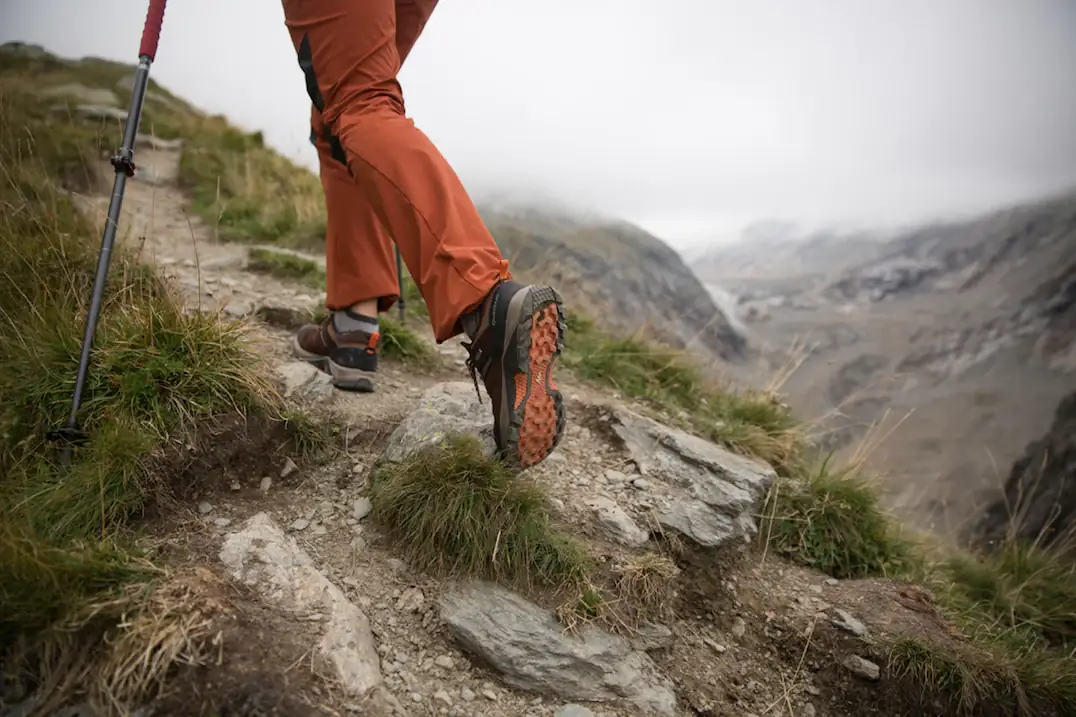 Trek Gears Tips & Reviews
By Shivam Shingari|May 4, 2026
Trekking Boots India Tips: Break-In & Blister PreventionBlisters can quickly turn a wonderful Himalayan trek into a nightmare. Trekup India has witnessed many trekkers struggle through high passes, snowstorms and blisters due to poorly fitting footwear. Your footwear serves as your foundation – so breaking in and blister protection are both equally essential parts of trekking the Himalayas. This guide serves as your ultimate footwear SOS manual–Indian trails tested and trek leader approved. New boots (made of leather or synthetic material with rubber soles) require breaking in before taking on long treks – wearing them straight out of the package may result in uncomfortable situations! When worn directly onto a trek, new materials might cause discomfort as you navigate rocky terrain and change of elevation. Utilize Indoor Practice (30 Minutes per day). Gradually increase wear time to 2 to 3 hours. To test out different terrain conditions for trekking, attempt crossing stairs, hills or uneven surfaces such as dirt roads to simulate actual trekking conditions.If it is within your means to do so, continue with your trekking adventure. If possible, take a brief trek (5-6 kilometers) prior to beginning. It is best to choose Merino wool or synthetic socks (avoid cotton as it retains water) when selecting socks to wear for activity.Two-layer socks (a thin liner inside and thick outer layer) may help reduce friction. Heel Lock Lacing allows a tight fit, preventing slippage of the heel that leads to blisters and soreness. Toe-Relief Lacing can alleviate pressure on the forefoot. If you notice hotspots, rubbing or blisters forming on your skin, apply moleskin or tape immediately in order to stop further irritation and possible blisters forming. Fitness: When selecting boots for trekking, ensure your toes can move freely while at the same time your heels do not elevate above a natural point.Ankle Support Is Essential on Indian Tracks (e.g. Quechua MH500, Woodland and Columbia).Waterproofing Process: Leather treated with Gore-Tex can withstand monsoon treks without becoming waterlogged or wet, providing for dry trekking excursions. Replace damp socks as soon as they appear. Utilize powders designed to prevent snow storms as well as foot-based antiperspirant for best results. Vaseline/BodyGlide helps reduce friction. Leukotape/Kinesiology tape stays put even when wet, providing reliable support. Avoid popping blisters as this increases your chance of infection and spread of illness.Cover the area with an adhesive blister (Compeed and Band-Aid).If the burst occurs, use antiseptic to clean, then cover the wound with gauze for protection. Your success on any journey begins with your feet. Wearing the appropriate footwear, along with high-quality socks and simple methods of prevention can ensure a more seamless journey from start to summit – whether that means trekking Har Ki Dun, Rupin Pass or Kedarkantha–comfortable feet equal happy hearts!Trek Gears Tips & ReviewsBy Preetam Singh Rawat|May 1, 2026
Why Trekking Pants Are Necessary For Trekking?Trekking is one of the best ways to immerse yourself in nature, breathe in fresh air, and disconnect from the hustle and bustle of daily life. However, to fully enjoy your trekking experience, being well-prepared is essential. One key piece of gear that cannot be overlooked is trekking pants. Whether you need them to be lightweight, weather-resistant, quick-drying, or just plain comfortable, the right pair of trekking pants can make a huge difference in your experience. Many trekkers make the mistake of wearing regular jeans, but these aren’t designed for the demands of trekking. Trekking pants, on the other hand, are specifically crafted to meet the unique needs of adventurers. These pants are generally made from Polyamide, a specialized fiber blending polyester and elastane, which provides them with the perfect amount of stretch, durability, and flexibility needed for a variety of terrains. When choosing trekking pants, it’s crucial to research and find the right fit for you, based on the conditions you’ll be trekking in. The right pair will ensure you stay comfortable, dry, and protected as you explore the great outdoors. Below, we’ll dive deeper into why trekking pants are an essential piece of gear for any adventurer. There are several important differences between trekking pants and jeans that every adventurer should consider when gearing up for a trek. Here are some of the key distinctions: Trekking pants are essential gear for any adventurer, as they are specifically designed to ensure comfort, mobility, and protection while trekking through diverse and challenging terrains. Below are some important features that make trekking pants a must-have for outdoor expeditions: Trekking pants are primarily made from durable materials like nylon, polyester, and polyamide (a blend of polyester and elastane). These fabrics are known for their quick-drying, lightweight, and strong properties, making them ideal for harsh conditions. Whether you’re trekking through mud, rocks, or even ice, these pants are built to withstand the elements and provide long-lasting performance. One of the key advantages of trekking pants is their lightweight design. This feature is crucial for trekkers, as it ensures ease of movement and reduces fatigue. Heavy clothing can slow you down and become uncomfortable, especially on long treks, but the lightweight material of trekking pants allows you to move freely without feeling burdened by extra weight. Trekking pants are tailored for maximum mobility. The flexible fabric and design ensure that you can move smoothly, whether you’re climbing hills, navigating rough terrain, or walking for extended periods. Unlike regular pants, trekking pants don’t restrict your movement, meaning you can focus on the trail without constantly adjusting your clothing. This mobility is essential for maintaining good posture while ascending or descending during your trek. During a trek, it’s difficult to wash clothes, especially in remote areas. Trekking pants solve this issue by being quick-drying. Whether you’re caught in a rainstorm, crossing a river, or sweating heavily, these pants won’t retain moisture. The material wicks away water, ensuring that you stay dry and comfortable, even in wet conditions. Breathability is another crucial feature of trekking pants. These pants are designed to allow sweat to evaporate and air to circulate, keeping you dry and cool. The fabric absorbs sweat from your skin and allows it to dry quickly, preventing discomfort or chafing during long hours on the trail. This also helps regulate your body temperature, especially when trekking in fluctuating weather conditions. Trekking pants come with multiple pockets that are perfect for carrying important items like your mobile phone, batteries, power banks, sunglasses, or snacks. These pockets often feature secure closures like zippers or Velcro, ensuring that your belongings won’t fall out while you’re moving. With well-organized pockets, you can keep essential gear within easy reach. Mountain weather can be unpredictable, and temperatures can drop drastically, especially in regions like the Himalayas. Trekking pants are equipped with a layering system that helps protect you from extreme weather conditions, including cold temperatures as low as -10°C. The design of these pants provides a shield against the elements, ensuring that you remain comfortable and warm throughout your trek.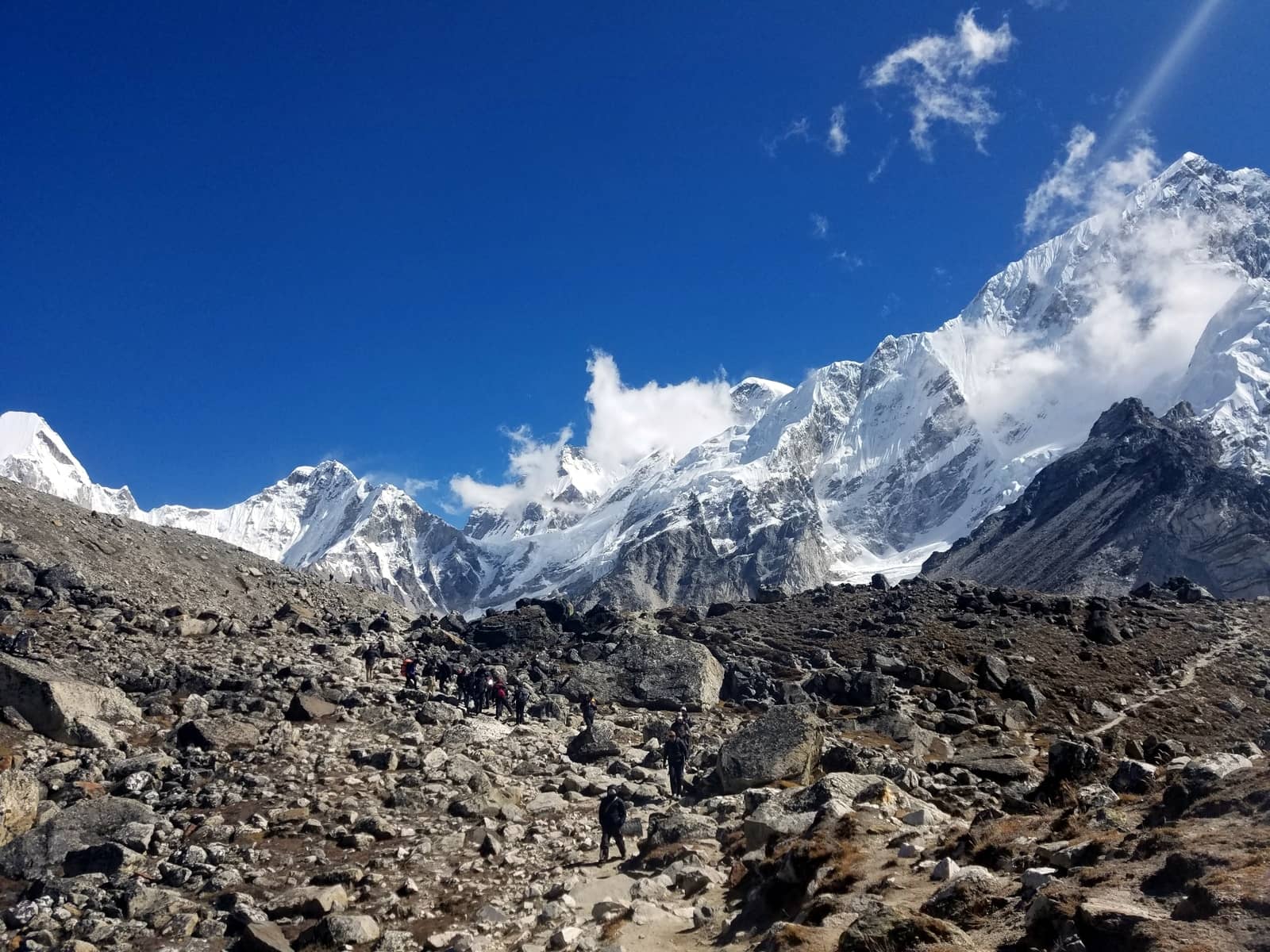 Trek Gears Tips & Reviews
By Nanda Rawat|Apr 30, 2026
Everest Base Camp Trek Preparation Checklist: Are You Really Ready?Many great people from around the globe have rightly dubbed Everest as “stairs to heaven”. With breath taking views and fresh air, this wonder of nature attracts visitors from around the world, who come to enjoy nearby bazaars and monasteries (if not itself). Unbelievably beautiful and breathtakingly majestic, this spectacular scene awaits those with enough courage to imagine what an adventure it would be to feel the fresh mountain air, climb its peak, and experience one of Earth’s highest points first-hand. Below is a checklist that covers some of the basic and advanced needs in deciding if an Everest Base Camp (EBC) Trek should be undertaken by you. However, this shouldn’t be taken as definitive information – before taking on such an amazing adventure, it would be prudent to speak with a doctor or experienced trekker first. An Everest Base Camp (EBC) trek is on many bucket lists. But before embarking on such an endeavour, it’s vital to ask yourself: Am I really capable? The EBC Trek isn’t your average trekking trek: It is an extreme, multi-day challenge designed to put both mind and body to the ultimate test. For experienced hikers or those just beginning, this list provides an effective means of measuring how prepared you are to face such an adventure. For obvious reasons, having more experience trekking at higher altitudes, particularly that relating to EBC (29,028 feet), can significantly prepare you mentally and physically for this endeavour. Experienced trekkers tend to be less likely to need to answer distress calls on a similar trip than novice trekkers; when temperatures drop to 60 degrees Celsius during winter months, however, only those who possess exceptional ability should attempt this endeavour. A) These individuals generally are healthy and do not present with any serious diseases that might increase due to altitude (for instance, heart or lung conditions). B) You possess an exceptional capacity for long-distance walking. EBC trekking should take between 4-10 hours with adequate breaks during that time; what’s essential to survive this adventure is exerting consistent effort over a sustained period. C) When traveling, staying focused and motivated are keys to a successful adventure. D) You enjoy working in teams. Knowing this, take heart in knowing that embarking on this challenging journey with like-minded colleagues can boost motivation and help overcome its hurdles! Everyone has flaws and weaknesses, but to ensure success, it is vitally important that we start planning our journey now and increase the intensity of our fitness regimen a minimum six months before our trek. If you are at risk for lung or heart diseases, chances are it won’t be permitted for you to embark on the trek. Furthermore, being a smoker or heavy alcohol consumer makes this task far more difficult in comparison with others in better physical shape for high altitude trekking – smoking restricts breathing at higher elevations; drinking or drug exposure alters judgment could result in further health risks. Acclimatization should not be neglected when traveling at altitude, as Acute Mountain Sickness (AMS) is an actual health risk triggered by high-altitude environments. A higher altitude, with decreased oxygen levels, tension in the air, and stress contributing, can trigger it; often seen around 8000ft or higher and leading to headaches, nausea, dizziness, shortness of breath, as well as headaches. Although usually mild and quickly resolved, occasionally symptoms of altitude illness can become serious and cause lasting complications in the brain or lungs. Rare cases involving brain or lung complications occur, which require hospitalization. Acclimatization to high altitudes through spending several days in certain locations before and during your trek or trek is critical to minimize health problems, and should take 13-20 days on average for EBC Journeys. Keep this in mind as nutrition plays an integral role in finishing any trek successfully. A balanced and nutritious diet must be maintained while trekking towards EBC. Your guides and sherpas will likely serve you light meals that are easily digestible in the tea houses you stay at, such as herbal tea, electrolytes, energy bars, light snack bars, dry fruits, or digestive biscuits to ease hunger pangs. When hunger strikes in between meals served at tea houses, you might require other sources to provide relief – some items could include herbal tea, electrolytes, energy bars, snack bars, light snack bars, dry fruits, and digestive biscuits. At least two to three months before embarking on any trek, it is necessary to develop an efficient workout program designed to build up endurance for trekking over an extended duration. A) Walking for 60 days before embarking on your trek can help prepare you for its physical demands and core strength development. B) Plank exercises may also prove helpful. C) Engaging in some yoga can help alleviate breathing issues as well as strengthen core muscles. D) Swimming or cycling for just a few minutes each week could help build lean, toned muscles. Mt Everest remains one of the world’s most revered mountains, drawing accolades and praise songs that honor it from across all sectors of society. Every year, thousands of trekkers make the trek up to Everest Base Camp; you may just be one of them one day! So have faith!Trek Gears Tips & ReviewsBy Nanda Rawat|Apr 30, 2026
Trekking Gear Rental India: Should You Rent or Buy for Your Trek?Trekking can bring with it many adventures, yet it sometimes presents difficulties as well. One of the main issues for those trekking throughout India is deciding between renting or purchasing gear – we at Trekup India have assisted hundreds of trekkers when making this decision; here is our advice: Your decision should depend on factors like frequency of trips, goals set forth for them and budget considerations. A practical guideline designed to assist in making the smartest possible choice. When trekking the Himalayas or other trek regions, proper equipment is key – from warm jackets and sleeping bags to waterproof footwear and tents. But gear can be expensive, cumbersome and difficult to maintain; therefore, it is wise to consider which items you should invest in or rent carefully, as well as when renting may be more appropriate. Best for: Newcomers to trekking who are exploring the wilderness (1-2 trips annually), Travelers from all over the world avoiding baggage hassles, High altitude/specialized gear such as ice axes or crampons. Top Items to Rent: Tents (large and seldom utilized outside of trekking) Sleeping bags (season-specific and expensive to purchase) Trekking poles (which can be useful but are often unnecessary) Winter trekking requires proper attire – jackets, gaiters, and microspikes should all be packed away safely in your bag. Pros of Renting: Effective and Cost-Effective Renting is both cost-effective and time-effective, saving between 60 to 80% compared with purchasing, without hassle for storage or mess in your home. Before making a decision to buy or rent equipment, it is wise to ensure its quality before purchasing or renting gear. Cons of Renting: (Hygiene Concerns and Time Constraints) Some gear is only available for short-term rental; peak seasons see it quickly booked up. Where Can I Rent? You can rent all the trekking gear from the Trekup India website rental portal. Best for frequent trekkers (3+ trips annually), who prioritize cleanliness and personal comfort. Also suitable for investors interested in long-term adventure investments. Top Items to Purchase for Trekking: Trekking shoes must fit properly so as to prevent costly rentals. Backpack (personal convenience is of utmost importance). Base layers (hygiene-sensitive) Headlamp/gloves (often utilized) Pros of Purchasing: Improved Hygiene; Sleeping bags or jackets may offer improved hygienic conditions; Convenience is available when any spontaneous journey arises, and long-term savings (less expensive than five treks) Cons of Buying: And the downsides: An Initial investment cost and more storage space needed than expected, due to large sleeping bags/tents are both essential. Budget Buying Tips: Decathlon provides an affordable and robust kit for beginners. Winter gear sales during summer can be significantly discounted. Second-Hand Market (Facebook Group, OLX) As for casual trekkers, the easiest way to begin their adventure is by renting equipment (it will save money and reduce storage pressure). Regular adventurers – invest in essential gear such as shoes or backpacks with layers. Expedition/snow trekkers – Hire technical equipment (ice Axes and tents for expeditions). Pro Tip: Before accepting rental equipment, always conduct a condition inspection!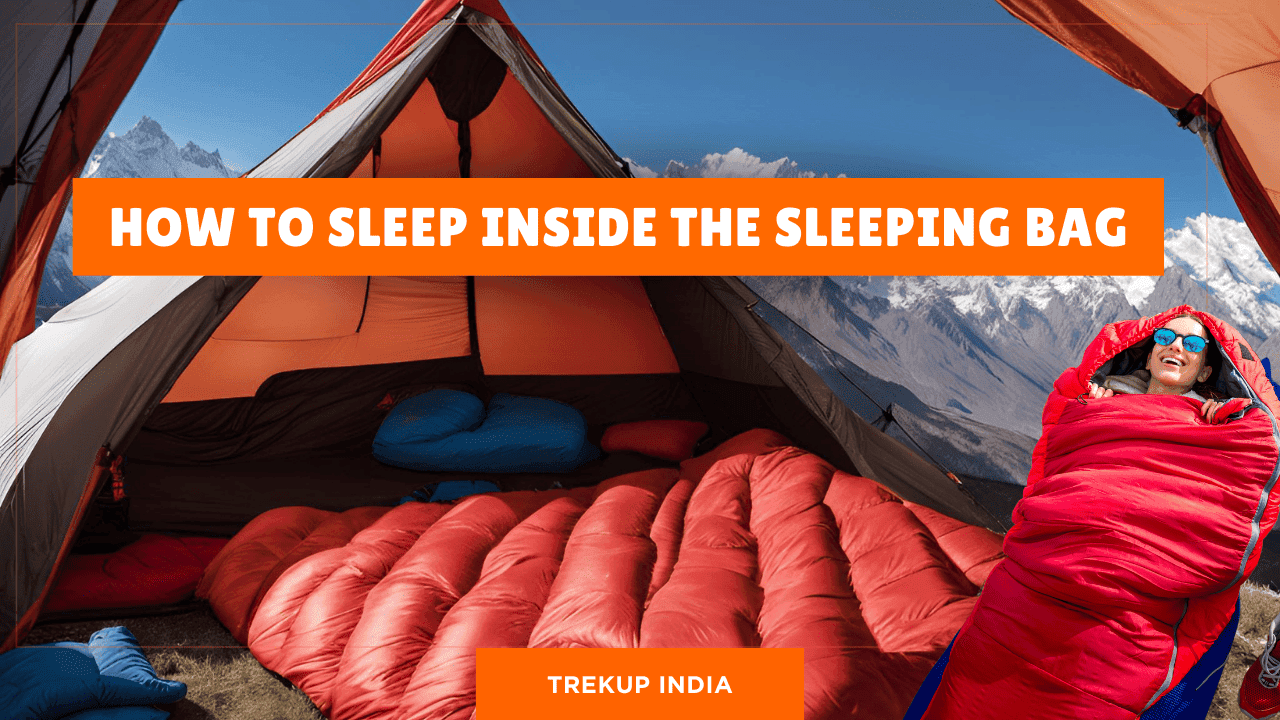 Trek Gears Tips & Reviews
By Anoop Rawat|Apr 27, 2026
Best Sleeping Bags for High Altitudes: Tips to Maximize WarmthCamping at 12,000 feet requires you to bring not just tools but vitality sources as well. A cold Himalayan night can drain both body and soul quickly if unprepared, at Trekup India, where we organize treks through some of India’s toughest terrain, we know first-hand how an appropriate sleeping bag can make an uncomfortable, cold night into a cozy and restful experience. This guide provides all of the important details and strategies necessary for selecting and optimizing an appropriate sleeping bag for high altitude trekking, including in sub-zero temperatures. Temperature rating matters Sleeping bags come equipped with temperature ratings that indicate their best temperatures of operation. When trekking at high altitudes (over 10,000 feet), be sure to select an option with appropriate ratings, such as: Insulation Type: Down vs. Synthetic Waxed Down Insulation (Goose/duck feather) offers lighter insulation options, more compressible warmth, and water repellency properties, making it suitable for dry climates with cold winter conditions. Synthetic insulation offers thicker and heavier warmth retention in damp environments than its counterpart, making it suitable for wetter climates. If trekking at higher altitudes, down sleeping bags with large fill powers of 600 to 900 are recommended due to their superior warmth-to-weight ratios. Shape & Fit Mummy Bags snug fitting mummy bags designed to reduce dead air and increase warmth – the bestsolution for extreme cold conditions. Rectangular bags are larger but less efficient in maintaining heat retention; therefore, they’re best used in more moderate conditions. Use a Sleeping Bag Liner Utilizing a thermal-lined bag (fleece or silk) can add 5 degF-15 degF of warmth while simultaneously keeping it neat. Wear Dry Base Layers Don’t sweat through your daytime clothing in preparation for sleep; switch to dry thermal clothing before bed. Wear a woolen cap (20-30 percent of body heat can escape through your head). Insulate from the Ground Sleeping bag insulation often shrinks over time and reduces warmth; to ensure you keep the same comfort levels throughout. An inflatable pad designed to provide extra comfort when temperatures fall below zero is available. Pre-Wake Your Sleeping Bag Try performing gentle exercises just prior to climbing into your sleeping bag in order to generate thermal energy in your body and warm the bag more efficiently. Place a warm bottle containing hot water close to your center. Keep the Bag Ventilated Be careful not to breathe directly into your bag (as moisture reduces insulation levels). Make use of the drawstring of your hood to trap warmth inside while providing ventilation. Sleeping bags that fit the temperatures in high altitude environments and clever techniques for maintaining warmth could mean the difference between an enjoyable, restful night of restful slumber and one that leaves you awake at night. So invest in high-quality temperature-specific bags, and follow these tips to stay cozy even under challenging circumstances. Trek Gears Tips & Reviews
By Preetam Singh Rawat|Feb 24, 2026
Ultimate Guide to Restful Nights & Quality Sleep on a Himalayan TrekAdequate rest is crucial for a successful trek. While sleeping, your body repairs and rejuvenates the muscles and tissues that have been strained throughout the day’s journey. Additionally, a good night’s sleep enhances your performance for the next day’s adventure. In this article, I’ll guide you on maintaining a comfortable temperature while sleeping in a bag and ensuring a restful night’s sleep. Before diving into the details, let’s take a moment to appreciate how a sleeping bag works magic. A common misconception is that a sleeping bag is a heat source, but it’s the reverse. Your body produces heat, and the sleeping bag helps to trap it, keeping you warm. Following simple dos and don’ts is essential to make the most of your sleeping bag’s insulation. Doing so lets you stay cosy and get a good night’s sleep on your next trek. While you sleep, your body relies on its basal metabolism to regulate its temperature, and this process is fueled by the energy from the food you’ve consumed. This is why it’s essential to have some food in your stomach before sleeping so your body can continue functioning properly and keep you warm throughout the night. Incorporate nutrient-dense foods, rich in intricate carbohydrates, healthy fats, and proteins, into your evening meal. Nuts and dairy products are excellent choices as they digest more slowly than simple carbohydrates, providing sustained energy throughout the night. Additionally, consume your dinner as close to bedtime as possible for optimal benefits. Tip: If you are awake and feeling chilly in the wee hours, consider indulging in a light snack, such as nuts, to warm you up. Most of your body’s heat loss occurs through your extremities, including your hands, feet, and head. Therefore, protecting these areas from the cold is crucial when sleeping during a trek. Wearing woollen socks, fleece or woollen gloves, and a woollen cap can help maintain the warmth of your extremities. Moreover, these are the areas you should cover first after a day of trekking. Tip: Following this tip, your socks will be warm when you put them on inside your cold shoes the following day. Refrain from obstructing your nose with the sleeping bag as it can cause moisture to accumulate within the bag, leading to dampness and reduced heat retention of the fabric. Moreover, the rise in humidity caused by breathing can make it challenging to take in air after a while. Adjust your sleeping bag to create a small gap or vent around your face, allowing for better airflow. Tip: Consider wearing a lightweight balaclava or scarf over your face while you sleep as an alternative. By layering up, you’re reducing the space inside your sleeping bag that needs to be heated, which minimizes the body heat lost to the surrounding air through radiation. You create a tight seal around your body to retain warmth and keep the cold out. Gather your belongings to one side of the tent and huddle together closely like a group of rats. Sleep in proximity to one another to reduce the amount of sleeping bag surface exposed to the cold air in the tent and maximize contact with the warm sleeping bags of your tent companions. Tip: For individuals who are shorter in stature or for children, folding the sleeping bag underneath the legs starting from the foot end is recommended. Instead of placing a hot water bottle at your feet, position it near your body’s core, between your thighs, or against your chest. This will help warm the essential areas and provide more comfort. Ensure the water bottle is securely closed to avoid any accidents. Tip: Start your day off right with a refreshing and healthy drink! By doing this, you’ll have a litre of warm water to enjoy first thing in the morning, which will not only quench your thirst but also kickstart your metabolism. Give it a try and feel the difference! Your body expends additional energy to maintain the temperature of your urine while it’s stored in your bladder. Heed the challenge of leaving your comfortable sleeping bag to empty your bladder at night. A voided bladder will grant you a more restful and tranquil sleep. Tip: Urinating 30 minutes before bedtime and just before sleep is recommended. Additionally, avoid drinking excessive fluids after dinner. You’ll sweat during slumber when you’re cosy inside your sleeping bag. Cotton attire could be better since it soaks up moisture and remains damp for an extended period, leaving you chilly. Opt for moisture-wicking fabrics like wool, polypropylene, and polyester instead of cotton. A good idea is to switch to a fresh set of clothing upon arriving at the campsite. Tip: Make sure to always take off any wet clothes before getting into bed.