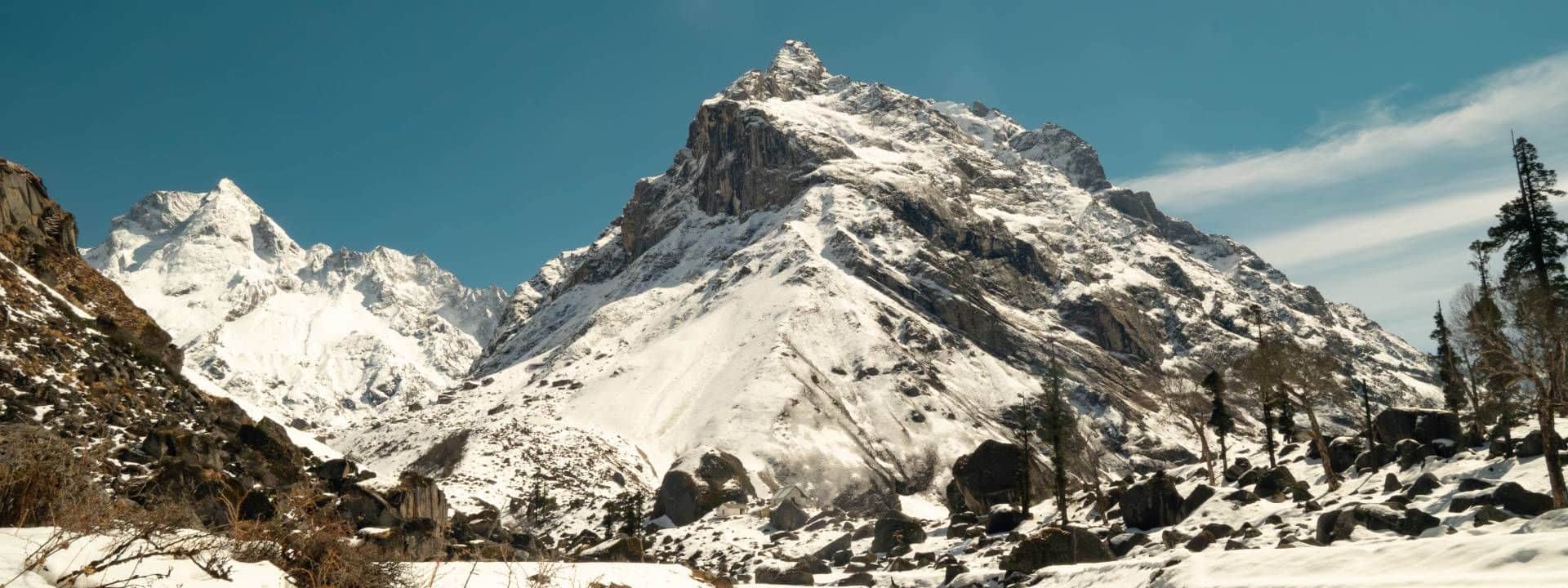
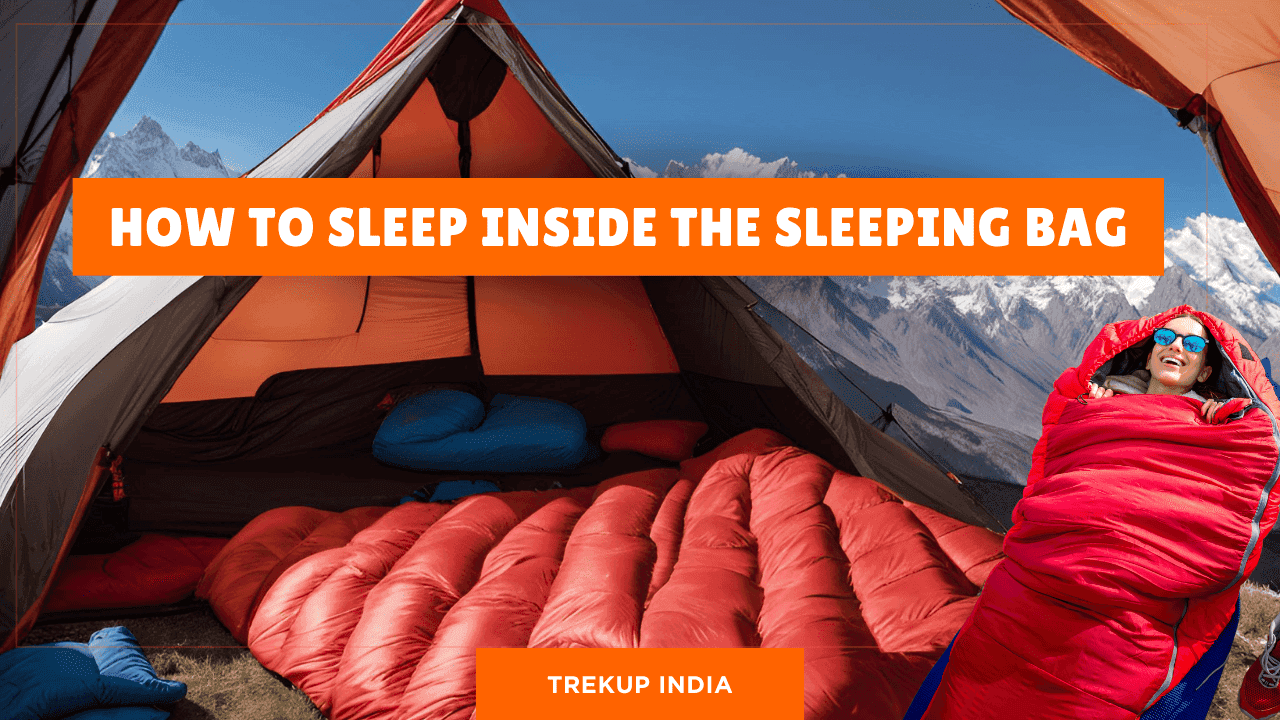
Camping at 12,000 feet requires you to bring not just tools but vitality sources as well. A cold Himalayan night can drain both body and soul quickly if unprepared, at Trekup India, where we organize treks through some of India’s toughest terrain, we know first-hand how an appropriate sleeping bag can make an uncomfortable, cold night into a cozy and restful experience.
This guide provides all of the important details and strategies necessary for selecting and optimizing an appropriate sleeping bag for high altitude trekking, including in sub-zero temperatures.
1. Choosing the Right Sleeping Bag for High Altitudes
Temperature rating matters
Sleeping bags come equipped with temperature ratings that indicate their best temperatures of operation. When trekking at high altitudes (over 10,000 feet), be sure to select an option with appropriate ratings, such as:
- Summer treks should aim for temperatures between 0-20 °F (-18degC to 7 degrees Celsius).
- Winter expeditions typically experience temperatures ranging from 10 degrees Fahrenheit (-23 °C to 12 °C). To protect yourself and be safe during expeditions, select an item that is 10°F cooler than anticipated temperatures in order to create an extra margin of safety.
Insulation Type: Down vs. Synthetic
Waxed Down Insulation (Goose/duck feather) offers lighter insulation options, more compressible warmth, and water repellency properties, making it suitable for dry climates with cold winter conditions.
Synthetic insulation offers thicker and heavier warmth retention in damp environments than its counterpart, making it suitable for wetter climates.
If trekking at higher altitudes, down sleeping bags with large fill powers of 600 to 900 are recommended due to their superior warmth-to-weight ratios.
Shape & Fit
Mummy Bags snug fitting mummy bags designed to reduce dead air and increase warmth – the bestsolution for extreme cold conditions.
Rectangular bags are larger but less efficient in maintaining heat retention; therefore, they’re best used in more moderate conditions.
2. Maximizing Warmth in Your Sleeping Bag
Use a Sleeping Bag Liner
Utilizing a thermal-lined bag (fleece or silk) can add 5 degF-15 degF of warmth while simultaneously keeping it neat.
Wear Dry Base Layers
Don’t sweat through your daytime clothing in preparation for sleep; switch to dry thermal clothing before bed.
Wear a woolen cap (20-30 percent of body heat can escape through your head).
Insulate from the Ground
Sleeping bag insulation often shrinks over time and reduces warmth; to ensure you keep the same comfort levels throughout. An inflatable pad designed to provide extra comfort when temperatures fall below zero is available.
Pre-Wake Your Sleeping Bag
Try performing gentle exercises just prior to climbing into your sleeping bag in order to generate thermal energy in your body and warm the bag more efficiently. Place a warm bottle containing hot water close to your center.
Keep the Bag Ventilated
Be careful not to breathe directly into your bag (as moisture reduces insulation levels).
Make use of the drawstring of your hood to trap warmth inside while providing ventilation.
Conclusion
Sleeping bags that fit the temperatures in high altitude environments and clever techniques for maintaining warmth could mean the difference between an enjoyable, restful night of restful slumber and one that leaves you awake at night. So invest in high-quality temperature-specific bags, and follow these tips to stay cozy even under challenging circumstances.
About the Author: Trekking Expertise You Can Trust
Admin
Anoop has worked for 5 years as a Trek Leader with TrekUpIndia, leading numerous treks across the diverse and challenging terrains of Uttarakhand and Himachal Pradesh. He holds a degree in Geology with a specialization in Geographic Information Systems (GIS) from UPES Dehradun. During his academic years, he actively applied his classroom knowledge in the field—most notably by contributing to a glacier research project on the Jundar Glacier in the Har Ki Dun Valley, Uttarakhand. And now, Anoop is a trekking content writer with TrekUp India, specialising in seasonal Himalayan trekking guides, winter safety content, and trek planning resources. His work is informed by field research, trek leader inputs, and real trail conditions across Uttarakhand, Himachal Pradesh, Ladakh, and Kashmir.