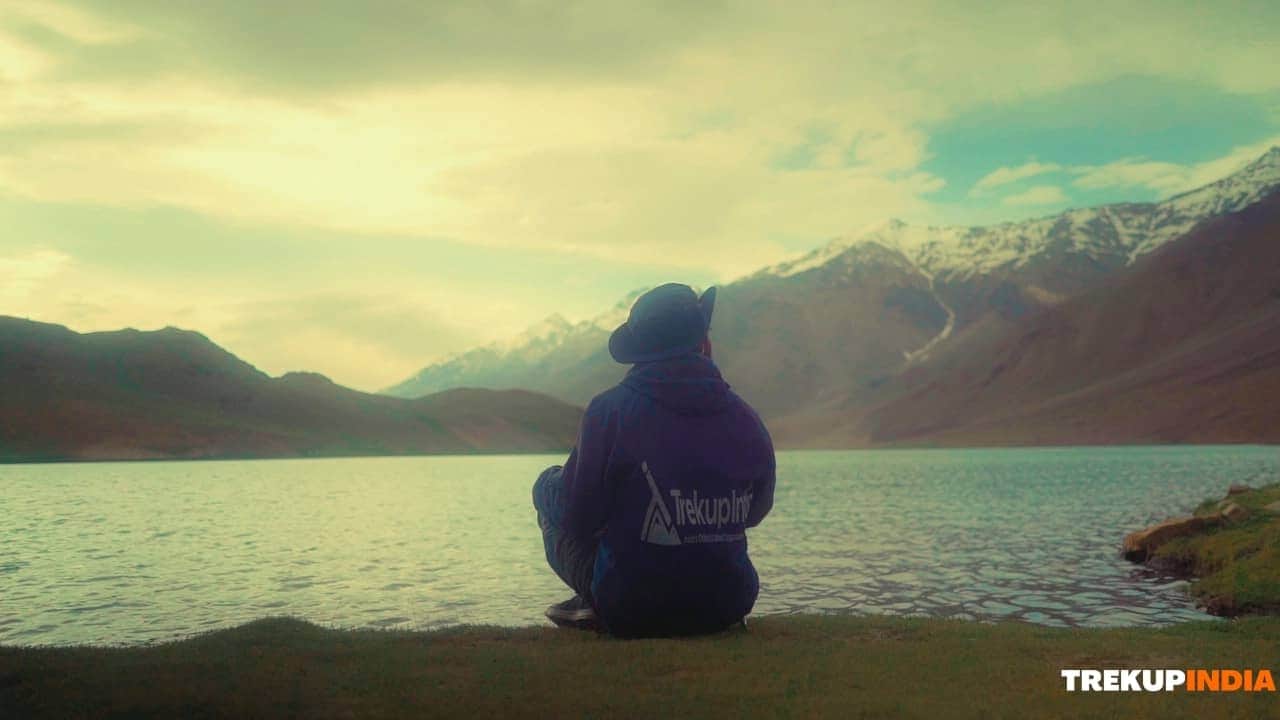
Trekking has become a must-experience activity for people to get away from the hustle and bustle of the city and come close to nature. In recent years, trekking has increased, and because of this, the mountains are being affected, so we must add sustainable practices for eco-friendly trekking. We must adhere to Eco-friendly measures while trekking so that nature remains unaffected for future generations. While trekking to the areas where the wildlife has not held human touch in a while, we need to keep our distance to avoid any disturbance in the wildlife balance. In this article, we will understand eco-friendly trekking, what measures are taken by trekking companies like Trekup India, and what measures an individual trekker must take. The first and most important action a trekker can take is trekking with an organization that follows an Eco-friendly Trekking measure like Trekup India.
Leave No Trace
The first step you as an individual or the trekking company Trekup India follow is to leave no trace. This means leaving nature as it was by coming and leaving the mountains without leaving anything behind, which may disrupt the environment. You can positively impact the environment with each trek, making a meaningful contribution toward a greener and healthier planet. Moreover, trekking is a sustainable recreational activity that does not negatively affect the environment. The environmental impact of trekking is much lower than that of motorized sports. An eco-friendlier experience is achieved using minimal gear depending on one’s physical abilities. Trekup India, as an organization, takes the Leave No Trace policy seriously by giving trekkers a bag to keep all the trash while trekking. Also, their team offers trekkers instructions like staying on the trek, camping on the designated camping site and having less environmental impact.
Respect Wildlife
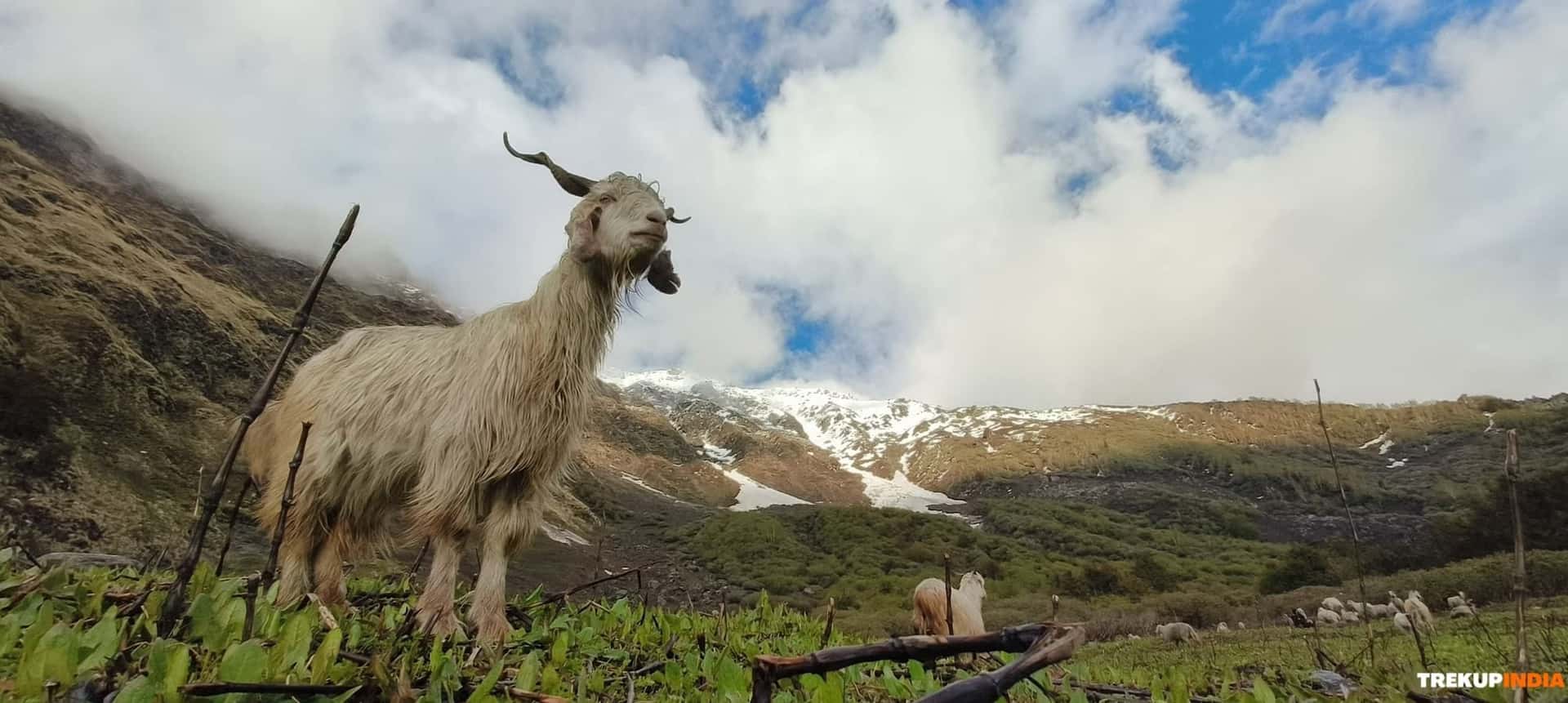
While trekking in the forest area, you may encounter wild animals. So, keeping a few crucial points in mind while interacting with wild animals is essential. The most important thing to remember is not to feed the wildlife or animals, as it may affect them. They may crave human food because they are not accustomed to it, which could worsen the issues. Their behaviour may alter, their hormones may become unbalanced, and other unidentified problems may arise. Avoid water sources when camping since wild animals like ibex, typically seen on Himalayan climbs, are also drawn to salt. Thus, store salt appropriately. Bears and other animals drawn to food and food items have a similar situation. Secondly, please do not throw away litter as the animals might eat it, which can cause problems later. Be cautious when around wild animals and keep a proper distance from them. It is not a good idea to disturb their privacy.
Support and Respect Local Communities
Trekking supports and strengthens local communities by encouraging diversity of culture, improving social inclusion, and opening up economic opportunities. Selecting ethical tour operators like Trekup India for lodging, meals, transportation, and guides is essential to ensure your money goes directly toward helping the community. Trekkers seeking to connect with reputable and local trekking choices in Uttarakhand, Himachal Pradesh, Ladakh, or other famous places can significantly benefit from the services provided by platforms such as Trekup India.
Educate and Spread Awareness
Speaking with people is a fantastic chance. Please make the most of this opportunity to educate and raise their awareness about ecology, its current state, and solutions for improving it. It’s a process.Local people are an Integral component of Ecology, and Mountains are Sensitive: Honor it. The villagers along the route or the local employees working on the project are considered locals. Until you become overly friendly, treat everyone with dignity. Use ‘AAP’ to acknowledge in Hindi.
Speaking with people is a fantastic chance. Please make the most of this opportunity to educate and raise their awareness about ecology, its current state, and solutions for improving it. It’s a process.
Local people are an Integral component of Ecology, and Mountains are Sensitive: Honor it. The villagers along the route or the local employees working on the project are considered locals. Until you become overly friendly, treat everyone with dignity. Use ‘AAP’ to acknowledge in Hindi.
Request permission:
- Before taking a picture of a local, make sure you have their consent.
- Ask the cook if you are allowed to enter the kitchen tent.
- Ask the staff members before giving them money if you would like to tip them.
Wear Appropriate Clothes: In the Indian Himalayas, it is customary for men to refrain from wearing shorts when camping close to a village since native women find them offensive. Women are similarly affected more extensively.
Camping Etiquette
- Never set up camp near a water source. Avoid using it directly for tasks like brushing, washing your face, washing dishes, or cleaning veggies, as these actions might contaminate the water with artificial chemicals like soap and detergent. Animals frequent bodies of water, so it’s critical to maintain your distance.
- It is not a good idea to be loud in the mountains. It agitates the untamed creatures. In avalanche-prone places, loud noises can occasionally cause avalanches as well. Recall that loudness is too much for animal eardrums, even for humans. It’s also possible that other group members or individuals dislike loudness.
- Use cat-style dry toilets exclusively. Before you leave, remember to cover your dump with mud. Never dump in a location adjacent to a water supply. Recall that you and other camping parties utilize the water for drinking, as do locals in the lower regions.
- Never burn rubbish made of plastic. Take them down and dispose of them properly. If available, you can dispose of your garbage using the procedures in the closest village. If not, carry them down to the next town or city where it is accessible. Never forget you are responsible for your waste.
Making Fire
The residue from the fire is just as harmful to the environment as the smoke that emerges from it. It not only ruins the natural wood, but it also ruins the area’s natural beauty. Instead of starting a fire, warm yourself with your cooking supplies. Make use of the modern body warmers that are available. Make sure to dispose of them properly. Make use of a fire extinguisher. Use a fire ring or container if starting a fire is necessary. Ensure the fire is extinguished before leaving the campsite, and only use fallen or dead wood as fuel.
Sustainable Gear
Invest in long-lasting, premium equipment that will last for many years. If hiking is not something you want to do often, consider renting equipment instead of buying it.
Pack Light
Reusables, such as reusable water bottles, water filters, and single-use plastic bottles, are preferable to disposables. To reduce unnecessary packing, pack toiletries that decompose naturally.
Conserve Resources
Use energy and water resources wisely and in moderation. Rather than using disposable plastic bottles, carry a reusable bottle and filter your water using natural sources. Minimize campfires and switch to energy-efficient lights to cut down on wood consumption.
Advantages of Sustainable Hiking
By following these guidelines, you’ll not only preserve the ecosystem but also improve your hiking experience:
- A Closer Bond with Nature: Awareness of your influence encourages a greater reverence and understanding of the natural world.
- Encouraging Local Communities: By preserving their traditional way of life, local communities are empowered by sustainable tourism.
- Enhanced Trekking Satisfaction: Trekking is more satisfying when you know you’re making a difference for a good cause.
Eco-friendly trekking aims to protect the environment for coming generations and to enjoy it. By adopting sustainable practices and responsible tourism, we may reduce our environmental footprint and aid in preserving the planet’s natural treasures. Therefore, let us maintain the wilderness’s natural beauty for future generations by walking gently and leaving only our footprints behind.
About the Author: Trekking Expertise You Can Trust

Content Writer
Kanishk has lived in these hills all his life, so every time he wished to travel somewhere, the hills were his calling card. He completed his schooling in Dehradun and graduated with a degree in Journalism and Mass Communication. As a result, he was open to sharing in detail his personal experience of exploring with friends and his family. He then looked through different career choices but couldn’t find something that made him happy and content. Until he got an opportunity to work in a traveling company and that to trekking. In his mind, this was like the mountains calling, and he began explaining the adventure of going to the hills to people.