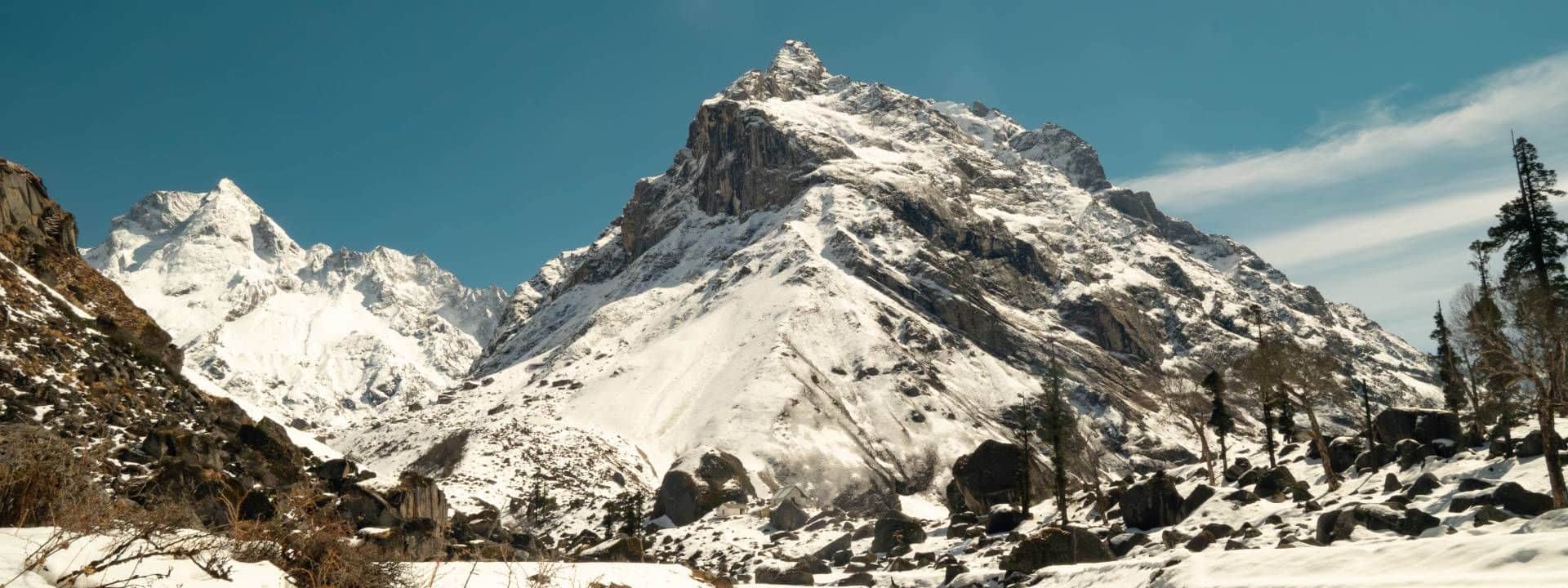
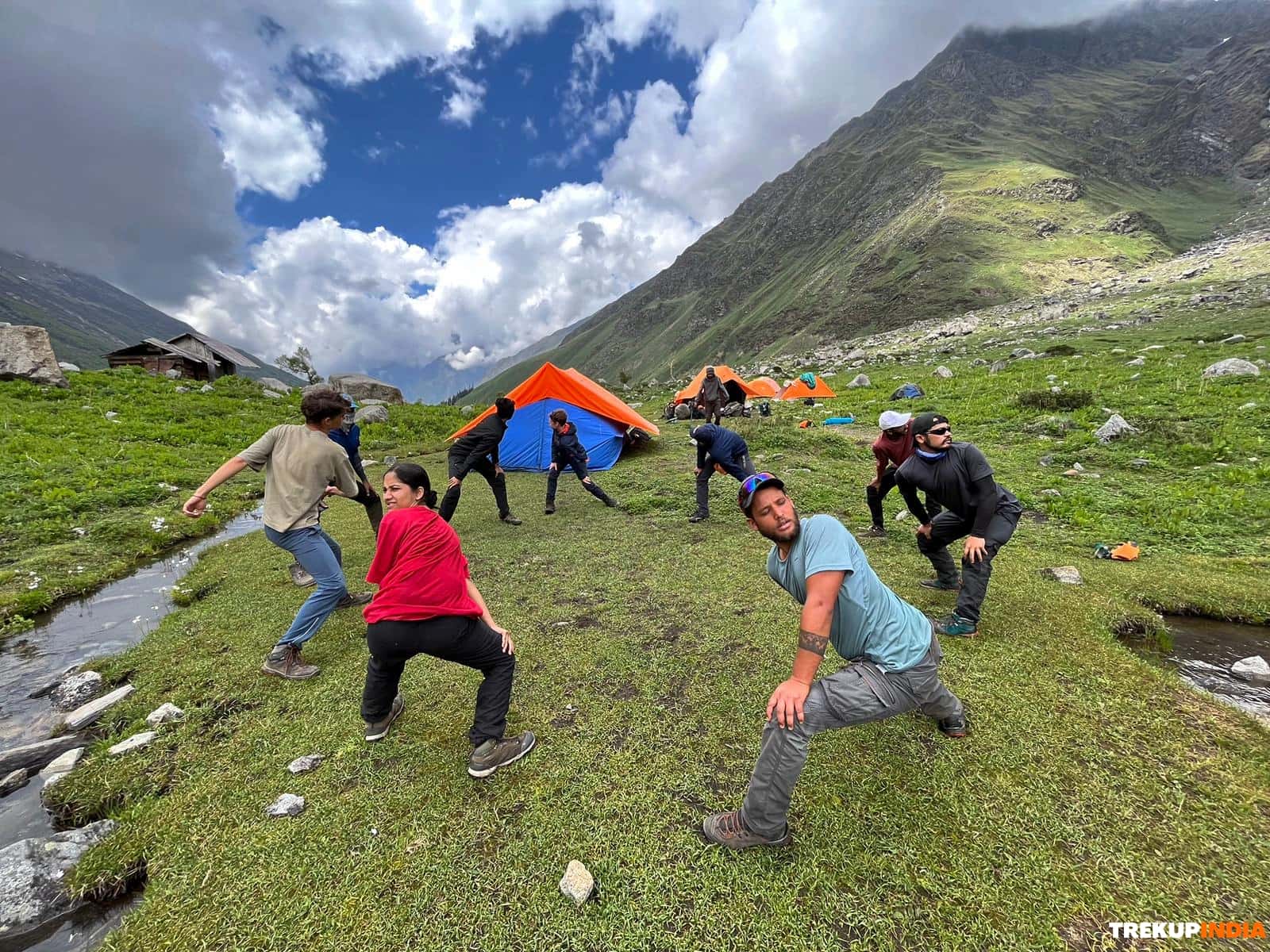
The Indian Himalayas, Western Ghats, and Central Indian forests offer some of the most varied and beautiful trekking landscapes anywhere in the world. But, due to the increasing popularity of trekking these fragile ecosystems are being increasingly impacted by human activities.
In TrekUp India, trek leaders often look at the way seemingly innocuous actions - like littering meadows or stepping out of trails, or injuring wildlife--can result in long-term environmental damage. Alpine grasslands forests, forest ecosystems and high-altitude regions recover extremely slow, and often the damage can be irreparable.
This is the reason that adhering to this principles of the Leave No Trace (LNT) principles is crucial for anyone who is trekking in India. It was initially developed as an global ethics of outdoor recreation, the guidelines are adaptable to Indian conditions for trekking as well as local culture and habitats for wildlife.
Why Leave No Trace Matters on Indian Treks
Indian trekking regions can be notably vulnerable due to:
- The short growing season is common at high altitudes
- The dependence of local communities on meadows and forests
- Wildlife corridors overlapping popular trekking routes
In contrast to many international trails, the environmental damage in Indian mountains can take decades to recover. Responsible trekking will ensure that these areas remain in pristine condition and accessible to the next generation.
1. Plan & Prepare Before You Trek
Planning ahead can greatly reduce environmental impacts even before the hike begins.
- Find out for the best route to take, including weather conditions, elevation, and local laws.
- Bring reusable water bottles steel tiffins, as well as cloth bags.
- Avoid packaging packaged food too tightly, which creates waste plastic.
- Take care to pack light and in a controlled manner to reduce waste when hiking.
2. Travel & Camp on Durable Surfaces
- Follow the marked trails and avoid shortcuts that cause soil erosion.
- Camping is only permitted at designated campsites, on rocky ground, or riverbeds that are dry.
- Beware of camping in meadows or wetlands in the alpine, that can take a long time to fully recover.
- Don't trample the vegetation in order to create new pathways or campsites.
3. Dispose of Waste Responsibly
The management of waste is one of the most difficult issues for trekkers on Indian treks.
- Recycle all non-biodegradable waste such as bottles, wrappers batteries, and hygiene items.
- Create the cat hole between 6 and 8 inches deep and preferably 60-70 m away from sources of water and human garbage.
- Don't dump trash into streams or rivers.
- Restore soil damaged so that it is able to regenerate naturally.
4. Leave What You Find
- Don't pick flowers or herbs. Or medicinal plants.
- Avoid collecting stones, feathers, or souvenirs.
- Flags of prayer shrines, memorials and other local cultural markers.
- You should leave natural and cultural objects exactly as you discovered them.
5. Minimise Campfire Impact
- Do not campfires if you can; make use of portable stoves instead.
- In forested areas such as those of the Western Ghats, campfires can cause wildfires.
- If you are allowed to use fire make use of existing fire rings, and only burn dry sticks.
- Be sure to put out all fires before leaving the camping site.
6. Respect and Protect Wildlife
- Watch wildlife at a safe distance. Never touch or feed animals.
- Securely store food items to keep it from attracting wildlife.
- Beware of loud noises, chasing animals, or shooting with flash.
- In places such as Ladakh animals may become aggressive if they are used to the human diet.
7. Be Considerate to Fellow Trekkers
- Limit the amount of noise in particular close to campsites.
- Allow trekkers to pass uphill.
- Beware of campsites that are overcrowded.
- Take note of the quiet and solitude sought by many hikers in the mountains.
Reviewed by Nitin Rana - Trek Leader, TrekUp India
This article was read by Nitin Rana who has over 10 years of experience on the ground trekking throughout the Indian Himalayas as well as the Western Ghats. The principles discussed above have been verified by real-world conditions for trails as well as environmental challenges and conservation practices implemented in TrekUp India operations.
Conclusion
Leave No Trace is not just a set of rules, it is a responsibilities. It shows respect for nature, the mountains local communities, as well as the future trekkers who will follow these paths.
We at TrekUp India, we believe the true value of a trekker isn't determined by the height they have attained, but rather by how well they walk on the Earth under the feet of their shoes. Any responsible choice -- walking on trails, bringing garbage back, and respecting wildlife helps to preserve the trekking heritage of India.
When you are preparing for your next hike, be mindful to leave behind nothing more than footprints. Do not take anything back, but memories.
About the Author: Trekking Expertise You Can Trust

Operations Manager
Nanda Rawat holds a Master’s degree in Tourism & Hospitality and brings over 16 years of experience in adventure and leisure travel. He has led multiple Himalayan expeditions, contributed to ATOAI, and is trained in first aid by the Indian Mountaineering Foundation. A strong supporter of sustainable and ethical tourism, he plays a key role at Trekup India. Write to him at: nanda@trekupindia.com