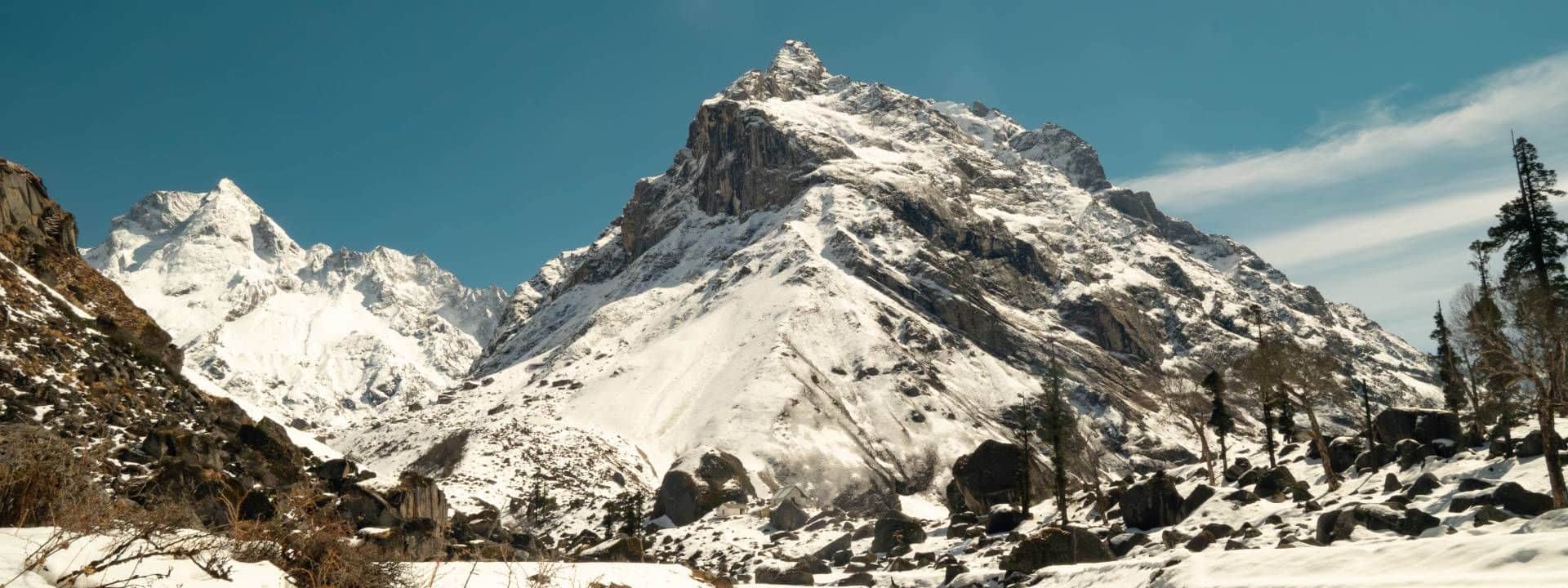
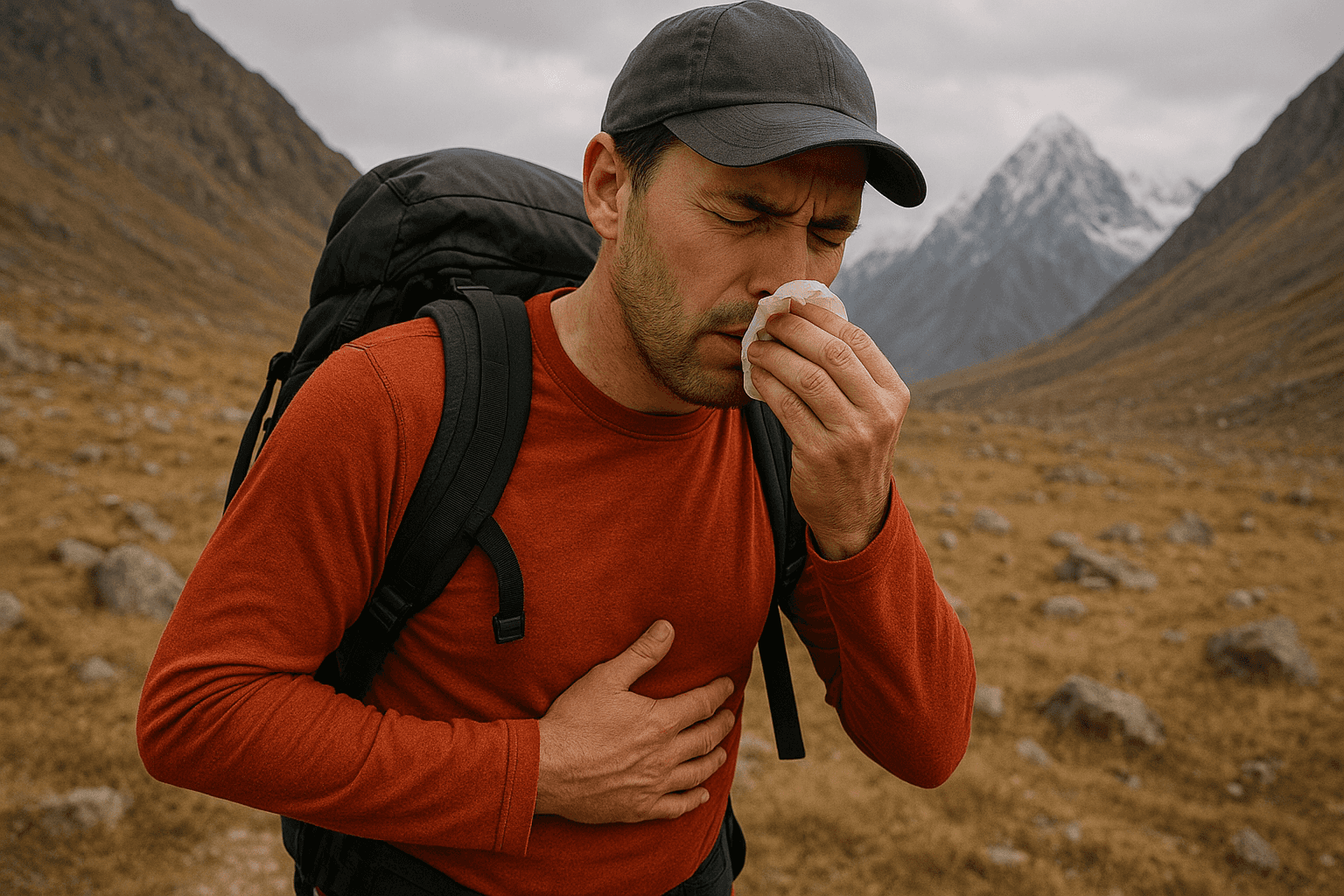
The experience of trekking in the areas like those of the Indian Himalayas or Western Ghats can be a memorable experience that offers breathtaking views, fascinating cultural connections, as well as the excitement of pushing yourself further than ever. But, prior to beginning any trek there is a crucial step that is required that will decide the success or failure of the trek the first step is a pre-trek health assessment.
TrekUp India understands that the importance of a well-planned medical plan can make all the difference between a secure and satisfying trek or one that fails prematurely due to illnesses that are preventable. Your body will be challenged including a drop in oxygen levels due to extreme weather conditions and strenuous hikes so consulting with a doctor before beginning can be considered as making a commitment to your safety as well as the success of your training.
Before embarking on your trek What are the essential considerations you should talk to your doctor?
1. Preventing and preparing for altitude AMS
A high-altitude trekking in India like Roopkund, Stok Kangri, or Goecha La, can put trekkers at risk of developing acute Mountain Sickness (AMS).
Talk to your physician concerning:
- Your body's response is different when you are exposed to altitude changes.
- Acetazolamide (Diamox) could be a good choice as a preventative drug and be highly advised.
- The signs and symptoms of acute Mountain sickle (AMS). Also, HAPE and HACE.
- Are there any efficient methods to speed up ascent or why is it crucial?
2. Respiratory & Cardiovascular
It can be hard and breathing in thinner air can strain the heart and lungs. Therefore, anyone suffering from respiratory problems, COPD as well as heart issues should discuss the subject prior to ascending the mountains.
If you haven't done any strenuous exercises in the past few days, a basic stress test can be conducted.
Oxygen saturation at rest and following exercise should be fairly consistent.
3. Vaccinations & Preventive Care
Medical facilities are often distant in rural areas. Talk to your doctor about any questions regarding vaccinations or preventive health care to ensure the best health under these conditions.
A booster of Tetanus (especially for children who are older than 10 years old).).
Rural and remote trekkers must carry Hepatitis A/B as well as Typhoid vaccines in the event that they go to remote or rural areas.
Rabies vaccination is highly recommended for anyone trekking through areas that are populated by wild animals or other wildlife.
4. Pre-existing conditions and medications
Watch out if you're hypertensive or diabetic, or suffer from other chronic conditions:
Consider altering medication schedules if living remotely.
Find out how exercise and altitude affect blood glucose levels or the levels of blood pressure.
Extra medication should be kept in containers that are waterproof and labeled.
5. Fitness and Physical Fitness is important for Injury Prevention
Your doctor can be of assistance in preparing both your mind and body to go on this trek.
Cover Pre-treks for training can be an a great method to increase strength, endurance and stability.
Ankle back, knee or discomfort that needs bracing or support.
Strategies to recover from fatigue or muscle strain
6. Trek Specific Medical Kit:
Talk to your doctor to obtain their opinion on the selection of the right medical kit for your trek:
Pain relieving and anti-inflammatory drugs.
Oral Rehydration Salts (ORS).
Antihistamines to help with allergies.
Essential items for wound treatment (bandages as well as antiseptics).
7. Nutrition & Hydration Guidance
Your diet is likely to alter as your trek advances.
How can we ensure electrolytes in balance while trekking?
Do not eat certain foods if you are suffering from digestive problems.
Safety practices for water that are applicable to mountain areas.
Conclusion
Before you embark on your trek making a medical exam can be more than a merely a mandatory procedure. It can provide valuable security from the potential hazards of your trek. To ensure that you are able to meet both physical demands as well as the unpredictable terrain of India will necessitate discussing health issues related to altitude issues with your doctor ahead of time and providing essential medical equipment needed for your diet. Discussion of vaccinations and specific requirements regarding fitness training with them and also any other necessary equipment, will help you to trek through the Himalayas of India successfully. TrekUp India has demonstrated how this can make a huge difference in the experience of an trek which is it is interrupted by unexpected issues or finished with excitement as well as safety and enjoyment. Imagine getting ready to use your most crucial piece of equipment prior to beginning the journey of your body!
About the Author: Trekking Expertise You Can Trust
Admin
Anoop has worked for 5 years as a Trek Leader with TrekUpIndia, leading numerous treks across the diverse and challenging terrains of Uttarakhand and Himachal Pradesh. He holds a degree in Geology with a specialization in Geographic Information Systems (GIS) from UPES Dehradun. During his academic years, he actively applied his classroom knowledge in the field—most notably by contributing to a glacier research project on the Jundar Glacier in the Har Ki Dun Valley, Uttarakhand. And now, Anoop is a trekking content writer with TrekUp India, specialising in seasonal Himalayan trekking guides, winter safety content, and trek planning resources. His work is informed by field research, trek leader inputs, and real trail conditions across Uttarakhand, Himachal Pradesh, Ladakh, and Kashmir.