
Prev
1 / 9
Next
 Trekking Tips
By Anoop Rawat|Feb 13, 2026
Organize Your Backpack Like a Pro: Packing TipsIf you're contemplating an trekking vacation with your family in Himachal or trekking high altitudes in Ladakh the contents of your backpack could determine the success or failure of your trip. A well-organized bagpack does more than allow equipment to be accessible, but can also help safeguard against the stress. This is a step-by-step guide to organizing it in a professional hiker Trekup India style including important tips for organizing your bag. In Indian trekking tours that have long, steep and unpredictably rocky routes, poor planning of load distribution can result in lower back and shoulder discomfort, and possibly injuries. The process of searching through your bag every when it's raining (familiar in monsoon seasons) to locate an umbrella can be lengthy and possibly dangerous. Split the contents of your backpack into sections: bottom, middle top, top and external compartments. Imagine baking a cake. Place all the heavy equipment close to the spine for stabilization for stability. This area is located near your hips and lower back. Bring Here Your Packing: Tent, sleeping bag along with layers of thermal clothes to keep warm during the night. Camp shoes (if used). Down jackets (in the summer season used for trekking trips) offer plenty of warmth. They won't be required in the rest of the day. Tip for Trekking: Utilize a compression bag to sleep in to reduce space and increase the stability. Make sure that any heavy objects are placed in line with your spine to ensure the best balance and equilibrium. The Pack: Assuming You are carrying a Stove and fuel (if applicable)--food and other supplies (daily). Poles serve as the frame of the tent. Water bladder (if necessary) and layers of clothing inside compression bags. Notice: If one side of your pack is more heavy and you notice that you are being a bit more leaning towards one side frequently, make sure it's well-adjusted! The top compartment of your home should contain everything you need to often be utilized during the day. These include documents and books you may require for work or school. It is important to ensure that everything you need is at hand when essential. The Pack: Poncho or rain gear Kit for first aid and headlamp; power bank as well as gloves (if trekking in a cold climate). Hand sanitizer, trail snacks along with toilet roll. Guide to Trekup: Your grab-and-go zone will provide immediate solutions in the event of a weather change or you need to eat fast; everything is easily accessible. Gear Outer pockets, or compartments with zippers on your backpack allow easy access to the items that you need throughout the day. Zipper pouches or side compartments provide an additional layer of convenience. Pack here: The water bottle as well as maps/GPS systems and sunglasses, in addition to an various Energy bars as well as trail mix, all of which are indispensable items. The poles used for hiking (attach on poles when they are not being employed). Wipes that are wetted, or soap made from biodegradable materials must be used. Notification: When trekking in India rivers, crossings of rivers as well as trails which are wet might need crossing of rivers. Take a small towel or a bandana inside a mesh pouch externally to safeguard yourself. Tips on packing for Trekup India. Put everything dry in dry sacks or ziplock bags and sort them into groups (clothing snack, clothing and electronic devices) to organize them in a neat manner, then put them in ziplock bags before you leave your home! The color-coding of your bags makes it easier to find the contents. Rolling clothes helps save space and also reduces wrinkles. Both factors can help reduce energy consumption in terms of space-saving as well as wrinkle-free. Make sure your water bottle is balanced. If it is empty then weigh it by putting an equally weight on both sides to level the weights. Rain covers are an important part of treks during the monsoon months across Maharashtra as well as Sikkim. weight distribution: The Golden Rule to ensure optimal Indian Himalayan treks above 10,000 feet, your equipment shouldn't comprise more than 15% of your weight. A good example is: 60 kg trekker maximum weight of the pack is 12 kg Maximum Pack Weight is 15kg for a kg trekker. If you are using porters or mules like is typical to trekking during the treks in Uttarakhand and Himachal Pradesh, require only an all-day pack that contains drinks food, snacks, and warm clothing along with all the other items needed. Your bagpack is your reliable travel companion when you embark on an adventure in India From the snowy trails that lead to Ladakh to the gentle terrain in the Western Ghats. The ease of access and the careful distribution of your load can not only guarantee the comfort of your trip but also assist in avoiding injuries or fatigue, too. By arranging your bagpack in a strategic manner and utilizing Trekup India techniques including dry bags, compression sacks and weight-balancing strategies to ease stress and improve trail preparedness, you will lessen stress and improve trail readiness. Be aware that you must carry everything you need at the exact time you need it, and making every grams count is a goal to strive for. When you first start your trek make sure to arrange your gear in a thoughtful manner. This is a good idea and will be worth the effort when you're in the mountains. Trekking Tips
By Kanishk s|Feb 13, 2026
Waterproof Hiking Gear: Monsoon Protection Tips for TrekkersWhen the monsoon clouds engulf the mountains and turn the trails of the mountains into beautiful spots of water, your trek shouldn't be affected in the event that your gear is dry. Trekup India provides experienced trekkers who will make sure that in the midst of heavy rain your equipment remains clean and is in perfect condition. Starting from Western Ghats treks through to Himalayan tracks Indian monsoon treks are stunning, but could also produce unpredictable patterns of rain. How do experienced trekkers ensure that their equipment is in good condition throughout the Indian monsoon trek? Our experts have compiled a an in-field waterproofing manual, that includes waterproofing advice to shield your equipment from damage in the monsoon months and allow you to go on your adventures without fear of injury. Rain covers are a good option however they will not be completely secure in Indian monsoon conditions. To increase the durability of your backpack under these circumstances, make sure that you line your backpack's interior by: Large garbage bags made of heavy duty (black liner) Rubble bags, compactors or even rubble (thicker and more durable) are worth considering. Specially-designed backpack liner bags for dry bags Once you have lined your bag with your items, put all of the essential items you need-clothes, electronic devices, and sleeping bags into it to ensure secure storage. Check that everything is secure inside the bag. Make use of Ziploc bags or pouches that are waterproof when you transport things. Make sure to store them in a easily accessible area, in a separate dry bag to ensure secure storage. Hack The idea of putting electronics in the ziplock bag and putting them inside clothes will minimize the damage caused by condensation for the item. Waterproofing Your Tent The majority of budget tents sold in India are waterproof, but aren't waterproof. The feet can become painful. To avoid this you should: Wear waterproof or quick-dry socks. Make use of a waterproofing or a wax spray on your shoes (especially mesh and suede designs). This will help keep your footwear as secure as it can be while also extending the life of your footwear. Choose a pair of lightweight shoes or sandals that are floating for traveling through rivers or using camping facilities. Some old tricks provide security (only only when absolutely necessary). For instance, placing plastic bags on your feet prior to putting on socks is a precautionary measure. Set aside money to purchase the minimum of two huge dry goods bags (5-10 Liters each) to store the essentials. This can comprise:Sleeping bag, clothing and spare power banks and electronic components Even if your backpack is waterlogged, these bags can aid in a smooth journey. Rain can be very damaging to flashlights, power banks, and mobile phones, particularly in humid conditions. Utilization: To keep electronics running at their peak during humid conditions. Silica Gel Bags and chalk sticks put inside electronic pouches absorb water. Ziplock and Cloth Layer Make sure to charge your phone or power bank, but don't put it in the water! Quick Dry Clothes and Storage Choose Merino wool yarns as quick-dry alternatives, such as Woolite. The cotton is prone to expand in the presence of moisture. It could dry out in time, resulting in uneven distribution and a unpleasant experience for the user. Sort clothes into dry sacks, ziplock bags or dry containers. Label them label them to make it easier to access to: campwear nightwear, emergency clothing or any other items you need. Take additional garbage bags or plastic These bags make excellent rain equipment, packing cubes and even ponchos made from a poncho. Be careful not to overload the raincover. Too tight could cause it to become broken and too loose can cause it to fall off entirely. While camping, secure your clothes in a Tarp by using manline or paracord. A trek through India's monsoon time is an unforgettable time of stunning beauty, misty cloud and unspoiled wilderness provided your equipment can stand up to the elements. When it's equipped with waterproofing features to protect you from rainstorms, the crossing of rivers, dense jungles or heavy rainy weather it is unlikely that you will be totally lost in. Beginning with a backpack liner, dry bag lined with plastic liner Applying silica gel on electronic devices or footwear and shoes, then waxing them and applying the silica gel simple and simple actions can make a massive impact on any trek. We at Trekup India, we have observed that a seasoned trekker is not just dry and secure in all climates, but they also fly better with fewer risks and more confidence. Before you venture out into the rain, be sure your waterproofing precautions are up-to-date and should be able to serve you and not cause injury. Trekking Tips
By Shivam Shingari|Feb 13, 2026
Gaumukh Tapovan Trekking Guide: Ideal for Beginners or Experienced Trekkers?Discover Uttarakhand on an unforgettable Gaumukh Tapovan Trek, an exceptional high-altitude trek offering adventure, spiritual significance, and breathtaking Himalayan splendour! Start at Gangotri for this breathtaking trek along the Bhagirathi River to Gaumukh and see where the Ganges originates before continuing upstream to Tapovan at 4,400 metres, an alpine pasture offering breathtaking views from Mount Shivling and the Bhagirathi River. There can be difficulties encountered while climbing mountains, such as steep elevations, glacier crossings, and rugged terrain; experts in the field often prefer it; however, well-prepared beginners with guidance from knowledgeable guides may take on this challenge with the proper attitude and practice. Challenges such as low oxygen levels, freezing terrain, and basic campsites cannot be avoided; however, facing them head-on and reaping their rewards is truly rewarding. Gaumukh Tapovan provides an unrivalled combination of spiritual energy, unspoiled natural beauty, and peaceful trekking routes for an unforgettable and revitalizing Himalayan experience. Bhagirathi runs with energy from the Garhwal Himalayas deep within, flowing toward Gangotri Glacier at 30 kilometres in length and across an immense landscape of stones and boulders until eventually connecting with the Alaknanda River in Devprayag to form Ganga River which travels over 2700 kilometres throughout its course to provide vital nourishment to India’s entire population. At 300 vertical metres above Gaumukh, an inviting expanse of rocks becomes transformed into stunning Tapovan meadows filled with vibrant and flourishing meadows brimming with colour. Exploring Gaumukh Tapovan may help us better understand some of our most profound beliefs as well as cultural traditions. Although a well-known trail for pilgrims and easily accessible, don’t make the mistake of thinking it’s easy. Although technically traversing a national park, there may be issues to keep an eye out for along the way. Take an impressive Gaumukh Tapovan Trek journey that traverses dense woods of pine and birch along well-defined pathways, through lush forests filled with vibrant greenery encased in mist to give an illusion that you are walking through a dream landscape. But gradually, the lush forests give way to barren landscapes characterized by rock outcrops and sandy riverbeds as you climb higher, eventually reaching Gaumukh, where rock formations transform into huge boulders before eventually levelling off as slopes steeper still until eventually opening onto stunning Tapovan and its breathtaking sights. Starting your journey can be both exciting and demanding! One of the hardest challenges will be reaching Gangotri in the Himalayas; this sacred city lies 240 km away from Dehradun airport via automobile – taking 10-12 hours depending on traffic conditions – but its scenic ride provides an ideal starting point for this unforgettable trek through stunning landscapes, history and legends – it makes an unforgettable journey experience. As previously planned, we would have crossed the Bhagirathi River via Gangotri Glacier; however, due to changes at Bhojwasa camping site this is no longer an option; rather we must navigate it on our own from Bhojwasa onwards; with one of its major challenges being this massive natural force as part of its crossing process. An ordinary cart suspended from a manual pulley system stretches along the road’s length, leaving travellers at the mercy of those on either side who can pull them over the distance. Absent assistance, passengers may become trapped in midair, exposed to elements and flooding below. Public transportation with these risky iron cages holds more than six people at any one time in cramped conditions, often for as much as two hours at a time. Each trip lasts only 10 minutes, as working it takes twelve people, and each trip lasts approximately 10 minutes, therefore, frequent trekkers must wait long periods up to two hours until their turn. Days one and two cover 11 or 15 km respectively; remaining days cover approximately 5km each; however, the terrain can make these days treacherous for trekking. Day 4 presents one of the more challenging treks, when traveling from Bhojwasa to Tapovan through forest areas before descending through deserted landscape dotted with boulders and rocks. This uneven terrain requires constant attention over its 5-km course with a 500m ascent. As soon as you reach Gaumukh, the trek becomes increasingly strenuous as reaching Tapovan requires vertical climbing over massive rocks alongside a waterfall, necessitating jumping off rocks and making multiple crossings along its 300-meter ascent. Every day presents unique obstacles. Some may come from long distances or the terrain itself; other times they may stem from rockfall zones that shelter wildlife; terrain changes; steep slopes; or steep inclines, etc. It is essential to keep in mind that no mules are on this trail! This choice, which I strongly encourage, may make trekking more difficult; however, its breathtaking landscapes will surely distract you from any frustration with distance or terrain issues along your route. Using Shivling and Bhagirathi Mountains as motivation throughout your trek should make every step worthwhile and your journey unforgettable! Tapovan is an insurmountable challenge that merits our full consideration, with its almost vertical gradient making each move a test of endurance. Add into that its uneven, crummy terrain dotted by boulders and wet stones making movement even more hazardous – as well as potential rainstorms which only add further dangers! Our challenge here is no secret; anyone traveling through the Himalayas knows all too well how rapidly weather patterns can shift here, creating obstacles on our journeys and posing major problems on the trail. Unpredictable weather presents one of the greatest obstacles on any trail, due to parts being particularly susceptible to fluctuations. Particularly vulnerable in poor weather are areas prone to falling rocks and steep ascent towards Tapovan. Trekking beyond Bhojwasa involves mostly rock-covered terrain; rain or snowmelt makes navigating these trails all the more challenging. Bad weather can add extra strain when traveling such vast distances. When considering aesthetics, practicality, and comfort for an individual on this particular trek, favourable weather conditions for weather is truly an enticing gift.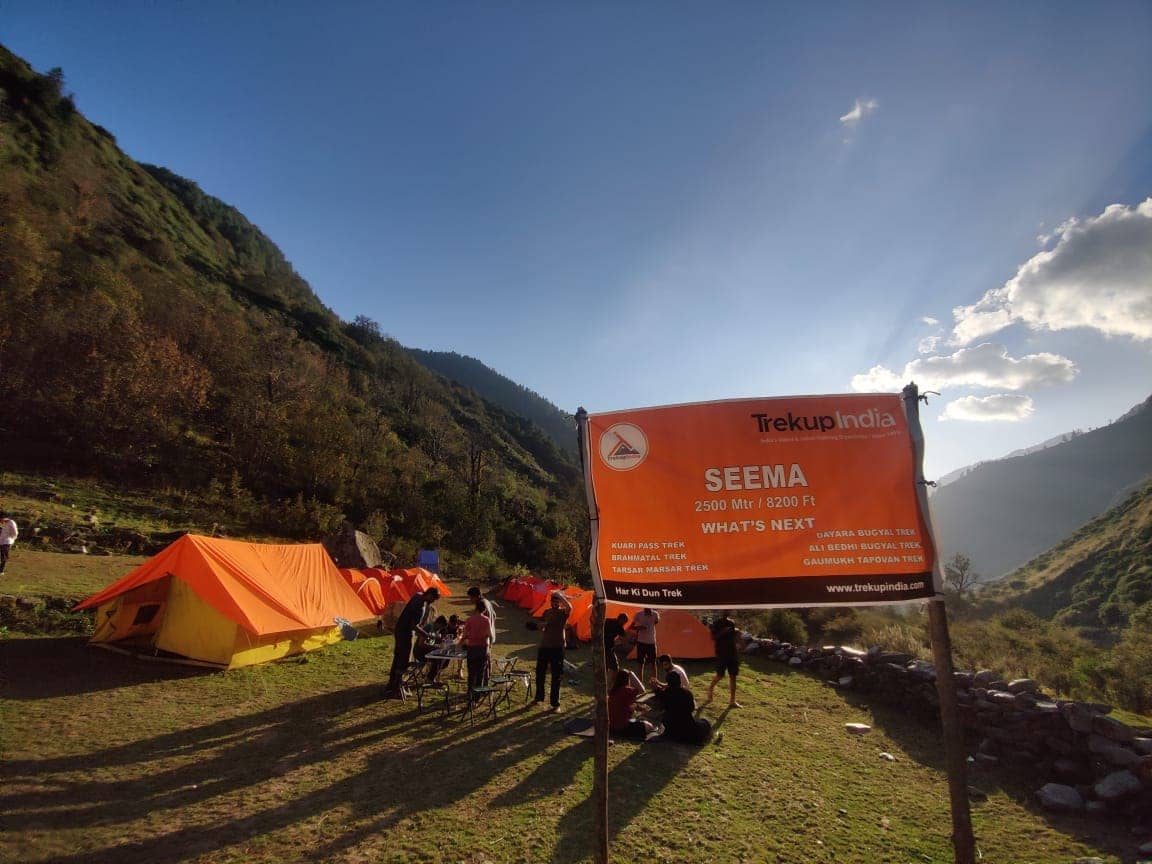 Trekking Tips
By Shivam Shingari|Feb 2, 2026
Fueling Your Trek: High-Altitude Nutrition & HydrationTrekking at high altitudes – whether in Ladakh, Uttarakhand, or Himachal – requires more than mere determination. Cold, thin air temperatures and increased exertion mean your body needs more calories to stay hydrated, as dehydration speeds up the digestion of foods; so having an appropriate diet and water intake plan in place is vital to keep yourself safe while trekking the mountains of the high Himalayas. To aid digestion while trekking at high altitudes, select food items with easy digestion processes. Breakfast: Porridge + dry fruit + hot tea Lunch: Rice/roti, Dal, Vegetables, and Pickle or Chutney. Dining: Enjoy light but energy-rich foods such as soup, khichdi, and paneer or boiled egg for lunch. To maintain energy levels during a trek, snack smart and regularly. This will keep your energy at an even level throughout. Top Indian snack options for an outdoor adventure: Roasted Chanada, energy bars with jaggery peanuts, Till Larddus dry fruit (dates, raisins, almonds, etc). Be wary of: Sugar-loaded candy bars or oily snacks, which may hinder digestion. Mix of proteins and carbs for muscle recovery: Examples are boiling potatoes with eggs or rice with dal, or even energy bars served with warm milk. Drink 500 milliliters of water before beginning your trek – don’t wait until thirst strikes before taking action, because by then dehydration has set in and could have already started its work on you. Your goal should be to hydrate daily at higher altitudes using three to four liters of water. Make sure to use insulated bottles so as to prevent freezing from taking place. Be sure to add an electrolyte powder, sugar, and salt mix or OR (electrolyte powder) every time you consume 1-2 Liters. Drinking lemon water, herbal tea, or hot plain water helps improve circulation while keeping you hydrated. Caffeine can act as a diuretic. Therefore, avoid overconsuming it as this will irritate your bladder and make you sweat more than necessary. A healthy diet will not only boost your exercise routine, but it is also your primary defense against challenges at higher altitudes. When trekking Stok Kangri or the Kashmir Great Lakes Mountains, nutrition and hydration decisions could make or break your trek. At high altitudes, your body is constantly adapting and healing itself. Load up on carbs before your trek; select energy-packed food that’s easy to digest; drink lots of water frequently and maintain an energy boost with recovery food like healthy snacks, warm beverages, or recovery meals; this ensures your body will withstand the elements more readily and stay on the trail longer. This also helps avoid fatigue-related ailments like dizziness, muscle loss, or acute mountain sickness (AMS). Trekking is a holistic experience; taking proper care to fuel and hydrate properly allows you to fully experience India’s high trails while truly appreciating their landscapes, cultures, and challenges. Be sure to fuel appropriately while drinking plenty of water regularly throughout your trek – this way, your strength increases step by step.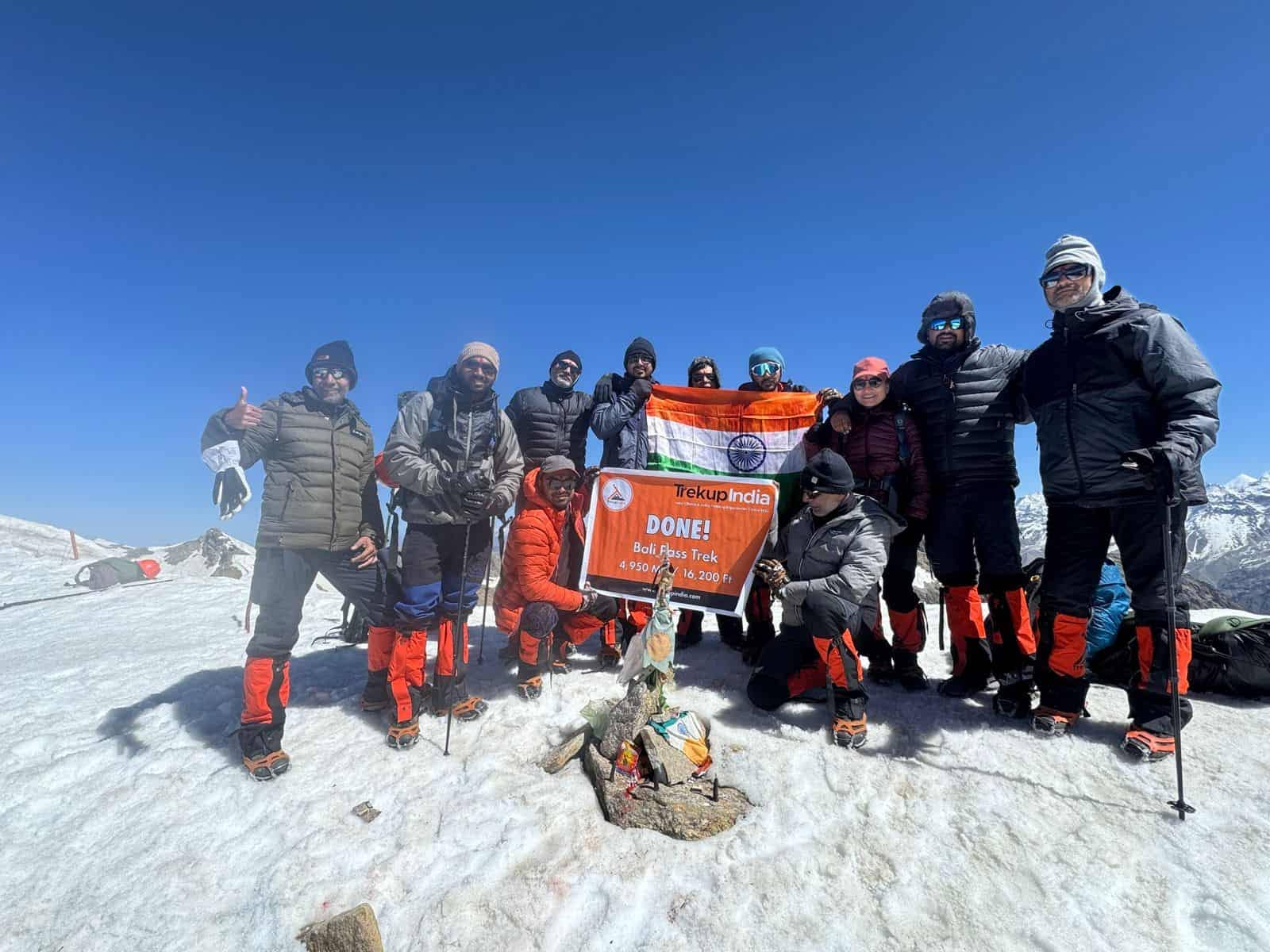 Trekking Tips
By Nanda Rawat|Jan 25, 2026
Solo Trekking vs Group Trekking in India: Pros & ConsThe diverse terrain of Zanskar's rough terrain and the dense forests in the Western Ghats offers experiences suitable for trekkers who are solo as well as those who prefer groups treks. But, deciding between group or solo treks should not be a matter of merely relating to individual preferences. However, you should consider factors such as safety concerns, logistical requirements, as well as the your desired type of experience We've given you a step-by-step guidelines to help you determine which option is the most effective for your trekking requirements. You can determine the pace you prefer or make changes as you go along and soak up all things at your personal speed This is ideal for contemplative travel as much as solo trips into remote regions. With less distractions in your way, it is more easy to become more intimate with nature Every breeze, sound or even sight becomes intimate and exciting. Solo treks can test your endurance, determination and survival capabilities to the test, which increases your self-confidence. The success you achieve on these treks can boost your confidence. For those who are on their own for treks through less-known Indian tracks, like Kanasar and Kugti Pass, may find that getting lost and navigation are major issues, and requires a thorough understanding of GPS devices, maps and topography reading in order to avoid getting lost and lost. Emergencies, such as accidents, altitude sickness, or extreme weather conditions, could be life-threatening if not assisted by other people. Connectivity Problems in High Altitude and Remote Areas Mobile networks are generally out of reach in these areas. Wildlife and Human Encounters Even if encounters with wildlife are not common or hazardous situations are present the situation, they could represent a serious threat if placed in groups. Permits Regulations Some areas (for example, Ladakh and Arunachal) prohibit or ban solo trekking entirely. Treks run by accredited outfits such as Trekup India ensure there will always be someone to help you, from bringing equipment to providing first aid All of this is part of the team effort. Local Expertise guides provide valuable details such as alternatives to routes and weather forecasts and a better understanding of flora/fauna as well as the cultural differences. Rapid emergency response If you suffer an accident or illness, there are people readily available to provide assistance, inform authorities, and even help in the process of evacuation. Motivation and Motivation. Having success in climbing difficult mountains, like Kuari Pass, or Roopkund can be made simpler when backed by your team. Sharing Memories and Community Treks can foster lasting friendships among the group of participants and turn an adventure into an opportunity to share the experience with group members. Trekup India Recommendations: Consider Going Solo If you have knowledge of trekking across India and the Himalayas. Your abilities in navigating the wilderness are well-established. Are You Exploring Short, Popular Trails (Triund, Kareri Lake, or Rajmachi)? Your trip is carefully planned with regard to permits, safety measures and considerations for weather. Choose Group if: You are just beginning Trekking can be intimidating Therefore, joining a planned trek is a smart idea. The trek will comprise the extremely high altitude as well as technical trails (Pin Parvati, Bali Pass as well as Kedartal). Trekup India Safety Tip: If you're traveling by yourself, make certain to share your journey with someone else. Carry an GPS or Map device and have an emergency contact on hand in the event that conditions of the weather or climate are rapidly changing on the highlands of India. Indian trekking treks provide excitement and the opportunity to experience a variety. However, they require planning with regard to awareness of respect and understanding when deciding between group or solo treks. A solo trek gives you the freedom to explore, a connections with nature, as well as the opportunity to grow personally, but it also increases risks that require skills, knowledge and a keen sense of managing risk. Contrarily the group treks like Trekup India provide safe and enjoyable social activities when traveling to high altitudes or remote areas. The best option is determined by the desired trek objective, your level of fitness, as well as confidence in managing risk. If you're looking for peace or camaraderie, you must make sure you are safe and have an ideal mindset to make the most that comes with any trek through India's stunning landscapes. Trekking Tips
By Nanda Rawat|Jan 25, 2026
Breathing Techniques for Uphill Trekking: Trek StrongerWe at TrekUp India, we recognize that the physical demands of climbing can be exhausting, particularly at higher elevations where oxygen levels decrease dramatically. Through practicing proper breathing techniques, and taking regular, controlled breaths and in a controlled manner while climbing uphill endurance is increased when dizziness, fatigue and altitude sickness diminish. Regular, controlled breathing techniques can make climbing easier and more enjoyable. Improve oxygen efficiency. Proper breathing will ensure that muscles get sufficient oxygen and reduce fatigue. It is essential to maintain endurance levels throughout long ascents. Stay clear of Acute Sickness at Altitude: A controlled breathing routine can reduce the chance of altitude sickness, by reducing symptoms like headaches and nausea. Focus and focus on the task to maintain at peace in the face of a difficult situation. To get the most oxygen-rich breaths possible when trekking uphill, choose diaphragmatic breaths instead of deep lung breathing to activate your diaphragm to create an efficient flow of oxygen from your lungs to the air. This is referred to in the field of Diaphragmatic as well as Belly Breathing. Breathe deeply into your nose and notice your stomach expanding. Take your deep breath and exhale your breath through your lips, then allow the air to leave your lung completely. Advantages The treatment increases oxygen absorption and aids in stabilizing heart rate. Make sure you coordinate your breathing and actions to ensure the same pace. As you move ahead, exhale for a couple of steps, then exhale for three or more actions (depending on the strength of your rise). When you take left-right step to the left, breathe deeply and exhale out after steps taken on the right hand side. Advantages It prevents respiratory problems, and maintains a steady walking pace. Mountaineers employ techniques of pressure breathing to fight the thin air that is found at higher altitudes: Relax your breath by putting your nose into. Breathe in deeply and exhale through your lips, exaggerating the exhale (like blowing out the flame of a candle). Benefits aid in removing carbon dioxide build-up while also improving oxygen circulation. To be able to climb steep slopes with ease Combine breathing with using the technique of rest: Pause for a second as you move and keep your knee, putting it behind and resting muscles in the process. Relax before you move forward, and release your knee when you have locked it. The benefits: It helps to conserve energy in muscles and reduces strain on the muscles. Keep hydrated: Dry air at high altitude can rapidly dehydrate you and make breathing harder. Also, make sure you maintain a healthy posture to allow for full expansion of lung capacity as well as the most full expansion of the lungs during treks. Avoid Overexerting Yourself. Walk at a slow pace. Rushing trekking can lead to fast breathing patterns that could compromise the effectiveness. Before you embark on your trek practice breathing exercises to build lung capacity. You can do it prior to setting out. TrekUp India believes that any successful trek starts with a solid understanding of the basics and breathing is among of the most crucial elements. By using diaphragmatic breathing techniques such as diaphragmatic breathing, regular step-sync patterns and pressure breathing along with rest-step strategies can provide your body with sufficient oxygen to last for long hikes without fatigued throughout their journey. Regular breathing does not just improve the endurance of your body, but it also improves your brain's ability to concentrate and remain at peace. Through regular breathing exercises at higher elevations and establishing habitual walking, regular training makes even difficult treks traversing those Himalayan as well as Sahyadri ranges easier and enjoyable. While you prepare for your next adventure Don't just work your legs, train both your lungs. Breathe deeply while you make long treks or climb up a mountain with confidence.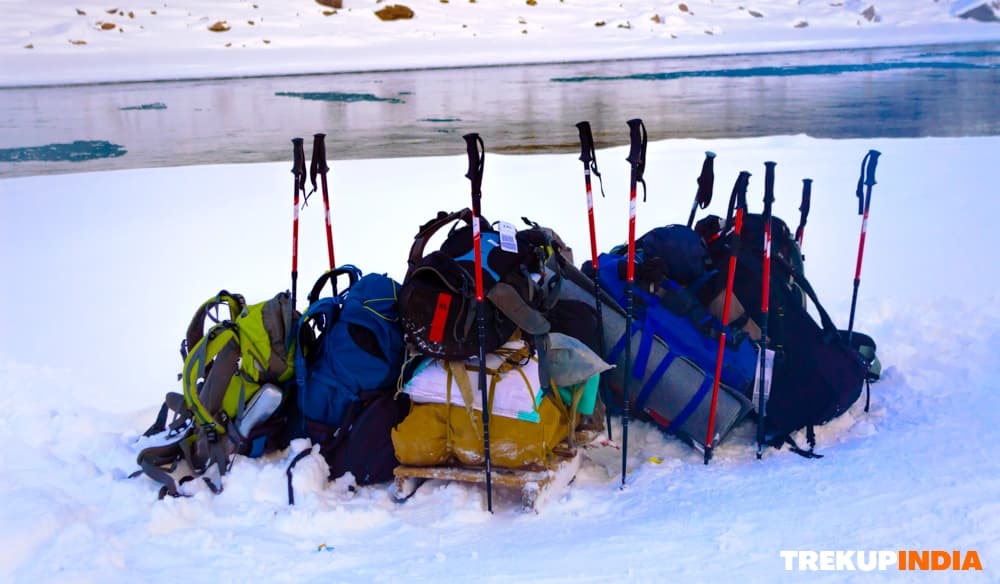 Trekking Tips
By Anoop Rawat|Jan 25, 2026
Backpack Packing Tips for Stress-Free Travel: Prep the Night BeforeAsk any experienced hiker what makes the morning hikes in the mountains easier and the answer isn't necessarily extravagant equipment or fitness. It's usually something easy: Packing the backpack correctly the night prior to. In the TrekUp India We've witnessed the effects of rushing packing, which can result in missing headlamps, lost rain jackets, overloaded loads, and anxiety prior to the trek begins. On the other hand those who pack with calmness the night before start their day refreshed, calm and relaxed. When you live in the mountains, the way you start your day can determine how your day will unfold. Morning rushes are the fastest way to forget essentials--sunscreen, water bottles, gloves, snacks, or even permits. The night before packing allows you to think about your options and make sure that nothing essential is left out. The majority of treks start at a reasonable time. The knowledge that your backpack is prepared will allow your mind to unwind to sleep more soundly instead of focusing on your packing lists after midnight. Instead of rushing around in dim light or looking for lost things, you wake with the confidence that everything is there. Just a quick glance before a cup of tea and you're all set - physically and mentally. These aren't just theories. They are the habits that have been formed over thousands of departures from the beginning. Always make sure to pack the checklist that is specifically designed to suit your particular trek and time of year. For Himalayan treks This typically comprises: The act of removing items from the list reduces uncertainty and helps avoid the over-packing. Bottom of the Backpack Middle Section Top Section Side / Back Pockets Top Lid / Outer Pockets This system will help you not have to unpack your entire bag only to search for one item. The weather in the mountains can be unpredictable. Dry gear means better ease of use and less problems when you're on the trail. Items such as: It should be accessible without having to empty the backpack. Accessibility helps save time and energy. Before turning off your light A headlamp that is not working in the early morning or at dusk isn't something you'd like to face. The process of packing the night before can also be an opportunity for mental practice. When you put each item in its place in your bag, you envision the day ahead: weather, terrain breaks, the challenges. This increases your confidence and calmness. A properly packed backpack can also: A lesser amount of discomfort will mean greater energy and enthusiasm for your trek itself. Prior to each trek, TrekUp India conductors instruct trekkers on what to bring their bags efficiently. We strongly recommend that you finish packing prior to bedtime and utilizing the morning briefings for only final checks or to answer questions. This habit can be improved: Individually and in a group. The prior to bed isn't just about making it easier to get there on time. It will set the tone for your whole trekking adventure. At TrekUp India We've observed how this one habit can lead to more peaceful mornings, more clear minds and more enjoyable day out on the trail. When your backpack is neat your thoughts will follow. An organized backpack does more than just neatness. It demonstrates confidence, awareness of the mountains in front. Therefore, before you embark on your next trek make sure you pack your bags early, carefully and let your journey start with calm and not chaos.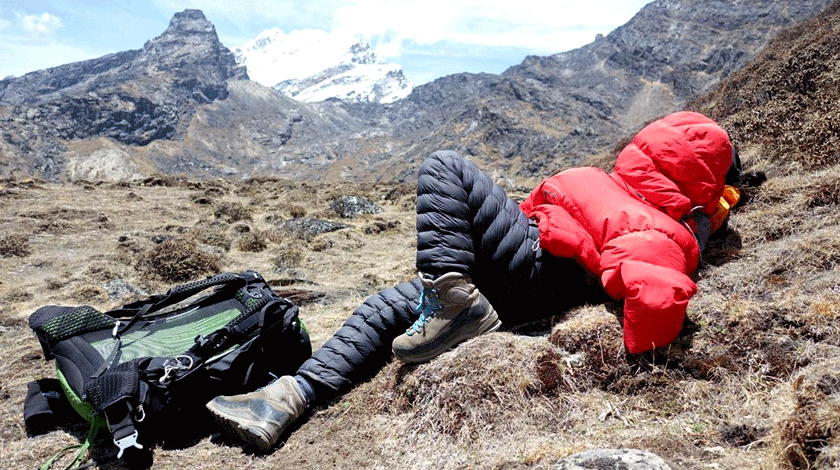 Trekking Tips
By Anoop Rawat|Jan 24, 2026
Sleeping at High Altitude: Why It’s Hard & Tips for Better Rest While TrekkingWhen discussing trekking through the Indian Himalayas, they typically talk about aching legs, breathlessness and cold nights. They also talk about altitude sickness. The thing that is often not mentioned, but is equally real how altitude affects your mind. Higher altitudes can cause trekkers may experience slower mental processing emotional sensitive, a bit nervous, or simply "not their own." On the TrekUp India we've observed the most experienced and skilled trekkers fight with their bodies, not simply because they were failing, but because their minds were unclear and uneasy, or even overwhelmed. Knowing the psychological effects of altitude is as important as training for physical strength. Being aware allows you to react with calmness, safeguard your health and continue trekking without fear and with confidence. At altitudes, decreased oxygen concentrations (hypoxia) impact brain function. You may notice: It could feel like your body is moving faster than your thoughts -- a bizarre and at times unsettling experience. Hunger, fatigue, cold and low oxygen levels can increase the intensity of emotions. Even minor inconveniences can be incredibly irritating. People who tend to be patient might feel irritable, or withdrawing. This is not uncommon and usually temporary. Insularity, vast landscapes the silence and physical discomfort may trigger anxiety, especially for new hikers at high altitude. Think about: These sentiments are more prevalent than many people acknowledge. Sleep can be more sluggish and more fragmented when you are at an altitude. A lack of sleep can trigger: Feeling drained upon waking up regardless of "sleeping," is a well-known altitude effect. Acclimatization through gradual acclimatization isn't just good for lung function, but also for mental clarity. Relaxation days and controlled elevation gain can aid in adjusting your brain. The stress of racing increases the chance from AM and mental stress. Small rituals can provide stability in unsettling environments: Routine provides the mind with something familiar to keep. The brain is powered by glucose and the body needs to hydrate. A lack of eating can lead to mood fluctuations and anxiety. The slow, controlled breathing helps reduce anxiety and mental stress. Simple techniques: TrekUp India guides often introduce the basics of breathing on hard days - for a reason. If you are feeling anxious or irritable, or just mentally "off," speak up. They are trained by guides to spot the first signs of fatigue in your mind. The act of sharing how you feel frequently will relieve you immediately and stops the escalation. The entire route may be overwhelming. Instead, concentrate on: Thinking step-by-step keeps the mind focused and calm. Natural light helps regulate mood. Have a walk outdoors during breaks, and especially in the early morning. The sun's rays help to reset your internal clock and improve your mood. When there is a signal, stay clear of excessive use of phones. The constant stream of news or on social media can create anxiety. Disconnecting can help improve mental peace and concentration. When mental confusion, disorientation hallucinations, mental confusion, or other unusual behavior occur in conjunction with physical symptoms like: They could be a sign of the presence of High Altitude Cerebral Edema (HACE). This is a situation that requires an immediate descend and evacuation of medical personnel. TrekUp India teams are trained to respond in emergency situations and carry oxygen and communication equipment for these situations. High-altitude trekking is more challenging than just muscles. It challenges your mental and emotional ability to focus, and inner strength. If you feel a bit agitated, confused or emotional sensitive in the high altitudes is not suggest you're insecure or unprepared. It's a sign that your body or mind are adjusting to a harsh setting. In TrekUp India, we believe that mental health is equally important as physical fitness. Acclimatizing slowly by eating and hydrating properly and establishing routines that are simple keeping in touch to your group and requesting help early, trekkers are able to stay at ease, focused and optimistic, even on the most difficult days. The true test of endurance in the mountains doesn't have to be about running through in blindness.It's about paying attention to your breath, your body as well as your mind, and then reacting by being aware.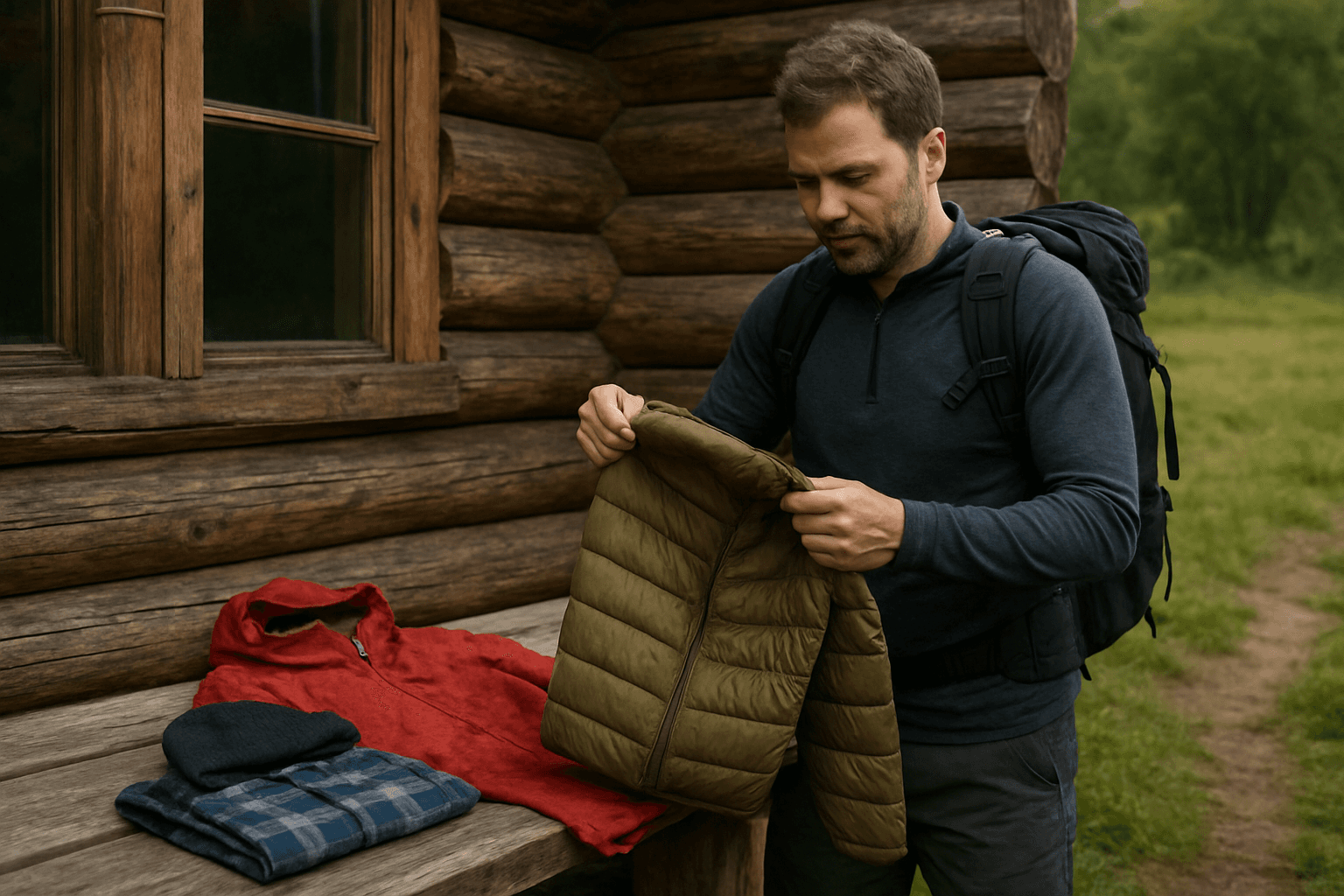 Trekking Tips
By Nanda Rawat|Jan 22, 2026
Seasonal Gear Swaps for Trekking: How to Adapt Your Kit Year-RoundOne of the primary lessons that most trekkers are taught - often by accident--is the fact that Indian trekking isn't the same for everyone. A jacket that is perfect on a summer's ridge in Uttarakhand could be useless in an icy Himachal winter. Shoes that float through the dry, autumnal trails could become a liability during monsoon slush. In the TrekUp India We've witnessed this over and over. The hikers who love the most in the mountains aren't those who carry the largest gear, but rather those who modify their gear each season. With smart seasonal changes, you'll be less heavy, safer and much more comfortable. Let's discuss how your gear needs to change in the course of changing seasons. What does it feel to be:Long hot days, muddy trails, sweaty climbs, and surprising cool nights when the sun sets behind the mountains. A word of advice from the trail:Start early. Then finish early. Relax under shade in peak heat. This saves energy as well as reduces exhaustion. What does it feel as:Lush green landscapes, continuous moisture as well as slippery descents. sounds of rainfall that follows you everywhere. A word of advice for trail users:Avoid river crossings in heavy rain. Any view is not worth the risk of a flash flood. What does it feel is likeclear skies with crisp air warm golden light and that unmistakable sense of being in the mountains at its zenith. The trail's wisdom:Cold mornings are warm and quickly warm. Keep gloves and a hat on hand however, don't put on too much clothing. The way it makes you feelThe crunching of snow on your boots, fingers that are numb, shimmering sunsets - and silence that feels like it's almost sacred. The trail wisdomThe cold is more testing for patience than strength. Keep moving slowly, but not too fast. Whatever you do on your trek, some gear is always in your pack: The seasons change should affect your equipment, but they should not affect safety. Indian trekking alters its nature as the seasons change and the gear you use should be able to adapt with the seasons. From the sluggish summer ridges of Uttarakhand to monsoon-filled forests brimming with leeches within the Western Ghats, and frozen winter trails in Himachal, preparedness is not an option for luxury. It's about survival.. We at TrekUp India, we've learned that the top trekkers aren't defined by their expensive equipment. They are defined by how well they adjust--removing items they don't want and incorporating what they need to meet the demands of the season and embracing the mountains for what they are. Before beginning each trek take a pause. Make sure you check the forecast. Review your packing list. The season will determine your choices. Because when your gear is working in harmony with nature, your journey will be significantly more enjoyable.