
Prev
1 / 9
Next
 Trekking Tips
By Nanda Rawat|Feb 13, 2026
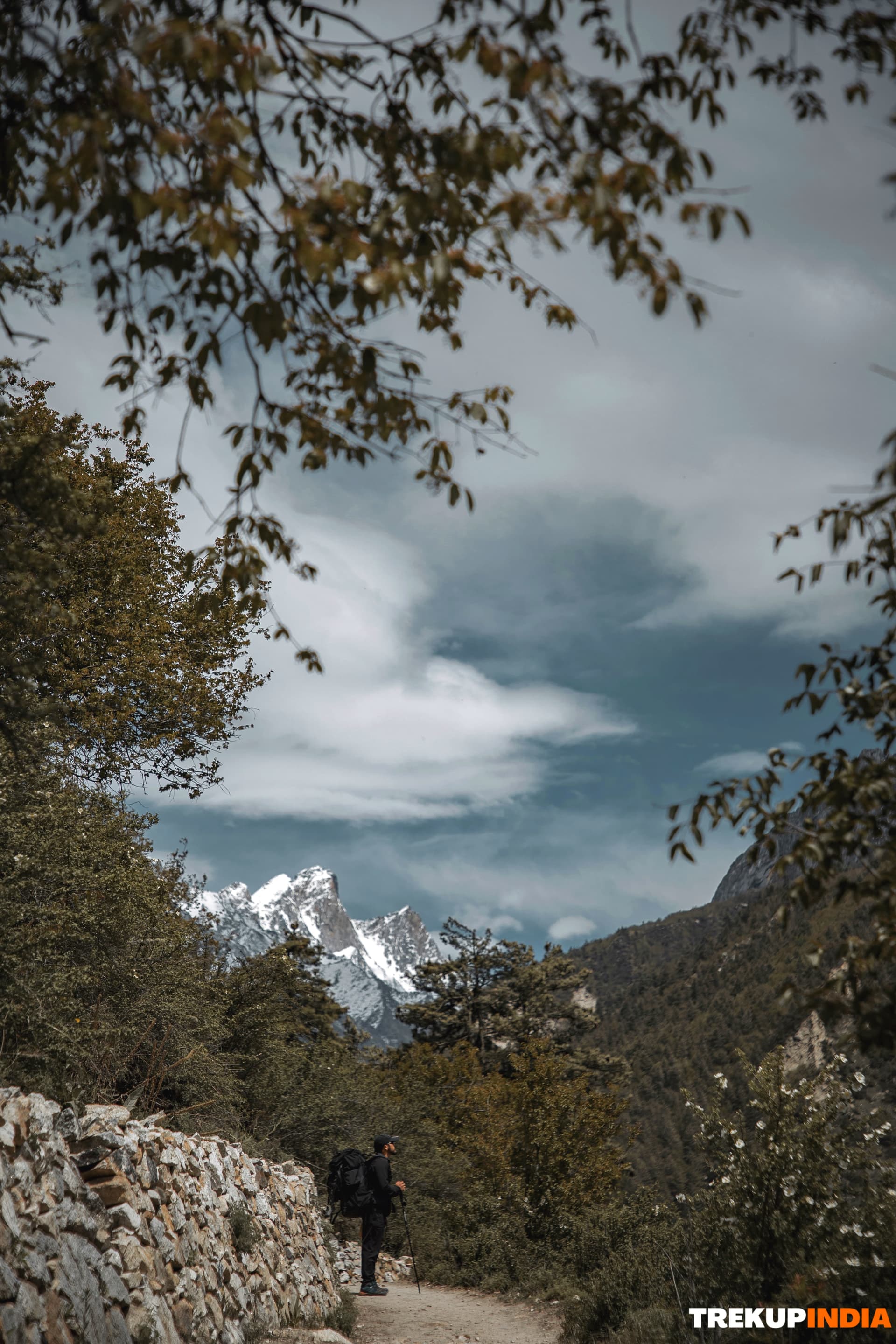
Best Treks to Do in Autumn – Top Himalayan Trekking DestinationsAutumn is recognized as an ideal time for trekking offering a unique experience that many trekkers do not consider. While spring is famous for its flowers The unique appeal of autumn is its abundance of vivid leaves, grass and the sky, including forests that transform into vivid tapestries of red and yellow hues that dominate the landscape. In higher elevations, the grassy terrain becomes deep red before changing to gold. The sky becomes particularly beautiful during the sunset hours. To experience autumn to its peak and see mountains at their most vibrant autumn is the perfect season to go on a trek. A few top recommendations to enjoy autumn's vibrant colors are Har Ki Dun Valley, Goechala Buran Rupin Valleys. The autumn season is often overlooked when it comes to adventure trips like the Dayara Bugyal trek. Many travelers opt for spring or summer excursions. However, this hidden gem of a meadow treks shines the most in autumn, with stunning forest hues, sprawling meadows, and breathtaking mountain views like Mt. Bandarpoonch and the Gangotri Range, making for an experience that should not be missed! Don't miss this brief but unforgettable hike. Deoriatal is a cult destination that is renowned by its stunning mountain views that captivate visitors. When you're on your trek and reaching Deoriatal lake, be awed by the beauty of Chaukhamba Massif, Kedarnath Wildlife Sanctuary with lush forests that are full of birds as well as Kedar Dome surrounding Deoriatal lake You'll never be able to forget Deoriatal and Chandrashila summits with unparalleled panoramic views of all major mountains that lie and both Western as well as Eastern Uttarakhand! Offering visitors a memorable experience! The Kedarkantha trek is one of the most well-known winter hikes, popular for its snow-covered trail that is a great pleasure for trekkers. However because of its popularity in the winter months, crowds can be a problem. For an easier experience, consider to go on it in autumn instead. You will be able to enjoy breathtaking views of snow-covered mountains and the Himalayan ranges from its highest point with 360-degree panoramic views unrivalled in winter. Moreover, the trek is generally less strenuous during autumn, which makes it ideal for exploring with kids! In the course of the Brahmatal hike you'll travel along a ridgeline that is high and has steep inclines along either side, providing the impression of a soaring summit. One of the highlights is the camping at Tilandi in which you can enjoy stunning panoramas of the Himalayan landscape from every angle. Because of its elevated location, Tilandi affords trekkers the unique opportunity to watch both sunrise and sunset from a single campsite making it among the most windy places during the trek. Additionally from Brahmatal Top trekkers can enjoy close-up views of Mt Trishul and Mt Nanda Ghunti. This trek is notable for its closeness to Mt Nanda Devi, India's tallest mountain, which is located entirely within its boundaries. The trekkers who take it on will be able to enjoy breathtaking panoramic views of Mt Dronagiri as well as Hathi Parbat during their trek. The Kuari Pass trek is famous for its stunning forests and camping in them. The climb to Gorson Bugyal brings magnificent mountain views that are even more stunning in autumn; many photos captured from Gorson Bugyal of Mt Nanda Ghunti from Gorson Bugyal have even made their way into our calendars for the year. Ridge treks in India are extremely scarce and there are only a handful being present across the country. It's like walking on a thin edge with mountains sloping down in a steep slope to either side. While small ridge sections can provide an extra thrill, embarking on an all-day ridge walk is truly awe-inspiring. Instead of merely reaching the summit, this hike lets you spend the whole day at 12,000 feet with stunning views of 250 degrees of snow-covered mountain ranges. As you walk along a valley, with mountains following your path meadows on one side and views of the valley on the other make an ever-changing landscape that makes the Phulara Ridge Trek an incredible adventure. Har Ki Dun Har Ki Dun Ruinsara Valley trek remains relatively unexplored during the fall months, allowing a wealth of wildlife to flourish in the unspoiled surroundings. Langoor is a popular destination for its thriving pine forests and a variety of wildlife, including wild boars, black bears, Barasinghas, and Barasingha can all be observed during treks in the region. If lucky, trekkers might get a glimpse of Black Bears, Wild Boars and Barasingha on their journey! The treks take you through a vibrant pine forest that reveal their full range of hues, and provide an unforgettable experience! This valley offers a stunning viewpoint with stunning views of Swargarohini I II and III Bandarpoonch as well as Black Peak from a single spot. The majestic peaks of Swargarohini evoke memories of their infamous climb from the Pandavas. Ruinsara Peaks are readily visible and the gentle hum of streams is heard by those who trek down the hills. Autumn is the ideal time to begin the Har Ki Dun trek; September, October, and November provide stunning displays of colour. The Sandakphu-Phalut Trek is not listed on any ranking list as one of the top autumn treks. The trek is awe-inspiring and offers breathtaking panoramic views of four of the world's most awe-inspiring mountains: Everest, Lhotse, Makalu and Kanchenjunga which makes it a must-do autumn trekking option. The trek is through Singalila National Park, with vibrant colors of rhododendrons bamboo, pine and forests, which is a stunning spectacle to behold. It is also a wonderful time to photograph wildlife and observe red pandas as many birds - one photographer was able to see the bear on his hike! In addition, the fresh mountain air and well-planned views will enliven your senses, and provide peace and tranquility to your mind. Ali-Bedni bugyal provides a breathtaking hike that takes you through our most stunning alpine meadows. In autumn, these meadows turn into colorful displays of hues that range from golden hues, to fiery red hues that create an amazing display of colors that range from crimson to golden hues. At sunset and sunrise the meadows come alive with beauty, bringing unforgettable trekkers moments. The trek to arrive at these meadows is fascinating; Ghairoli and Tolpani meadows have some of the most beautiful oak forests that you can visit during your hike. The feeling of waking up in a camp tucked away in these forest with sun passing through the trees is breathtaking. The panoramic views from the trek of Mt Trishul and Mt Nanda Ghunti mountains adds more appeal as does observing their alpenglow effect at night that leaves even experienced trekkers in awe! A stunning combination of views and colours is truly awe-inspiring in the autumn months! This trip stretches across the renowned Ganga River and majestic Gaumukh glacier. In addition, you'll be in contact with Mtling which offers stunning views from the base to the summit. At Tapovan you can also be able to see Mt Meru and the Bhagirathi sisters right next to Mt Shivling to add more beauty! Buran Ghati provides an unbeatable trekking experience that includes stunning views, beautiful meadows, a rich cultural heritage and a thrilling high-altitude experience. The trek to the base camp is similarly impressive with autumn being the ideal time to start this adventure into a constantly changing spectrum of vibrant colours that change as you ascend through vibrant green hues of the base camp toward warmer hues closer to the pass. Though snow is sometimes present on Buran Ghati, it is melting and could become an exciting descent route! Rupin Pass trek is a classic Indian adventure; an endless adventure with breathtaking scenery and unexpected delights in every direction. The trekkers will notice that as they continue their journey the landscape changes as they discover stunning and new vistas at every turn. The autumn season is a time of new splendour as monsoon rains diminish and Jiskun Valley bursts with vibrant green foliage as monsoon rains ebb away and waterfalls pop up in a flash as meadows made of Saruwas Thatch and Dhanderas Thatch are filled with blooming wildflowers the wildflowers as monsoon rains diminish and leave us feeling refreshed but awe-inspiring throughout their journey! As October approaches the beauty of the valley remains unaffected despite the limited snow cover. Goechala trek offers breathtaking views of imposing mountain peaks. Instead of only seeing only one peak, Kanchenjunga climbers can marvel at a stunning panorama that includes 14 other magnificent summits, taking in the grandeur of the Himalayas! Goechala is an outstanding trekking destination because of its proximity to the mountains which makes it one of the most popular trekking routes within South Asia, rivalling those that are found in Nepal. The journey through Goechala will be enhanced with walking through stunning rhododendron forests, with wooden trails that wind through thick foliage, providing a memorable walking experience. Another attraction of the hike is Samiti Lake, where its serene Mt Pandim provides breathtaking sunrise views, creating an unforgettable experience in the visuals! Few treks allow you to see the beauty of crossing an Himalayan pass in the autumn season, like Bali Pass' breathtaking route that connects Har Ki Dun valley with Yamunotri. It crosses Tons and Ruinsara rivers, the tranquil Ruinsara Valley and the meadows of Devsu Thach, this stunning trek, you can enjoy stunning perspectives of Bandarpoonch, Kalanag, and Swargarohini summits at an altitude of 16,207 feet, and providing the 360-degree view. But, this breathtaking experience requires a lot of effort, and those who are not experienced should avoid this hike. This trek is challenging for those who are not experienced trekkers, and is not recommended as a first step into trekking. Starting at a height of 16,000 feet and climbing to breathtaking Kedartal Lake and provides stunning views of Mt Thalaysagar and Mt Bhrigupanth which are two of the most prominent mountains close by. It is known for its high-end level of endurance and adventure The trek's length rough terrain, as well as the altitude climbs make it an excellent endurance test for those looking for an experience that is similar to Rupin Pass or Gaumukh Tapovan However this trek is best done when you are in great physical condition and if you have prior experience in high altitude trekking. The view from Everest Base Camp The achievement of one's mountain goal is an unparalleled feeling of accomplishment and offers unbeatable panoramic views of Mount Everest despite peak visitor numbers during the season. October is the best time to accomplish this goal despite the peak tourist numbers. It's an experience you'll never forget.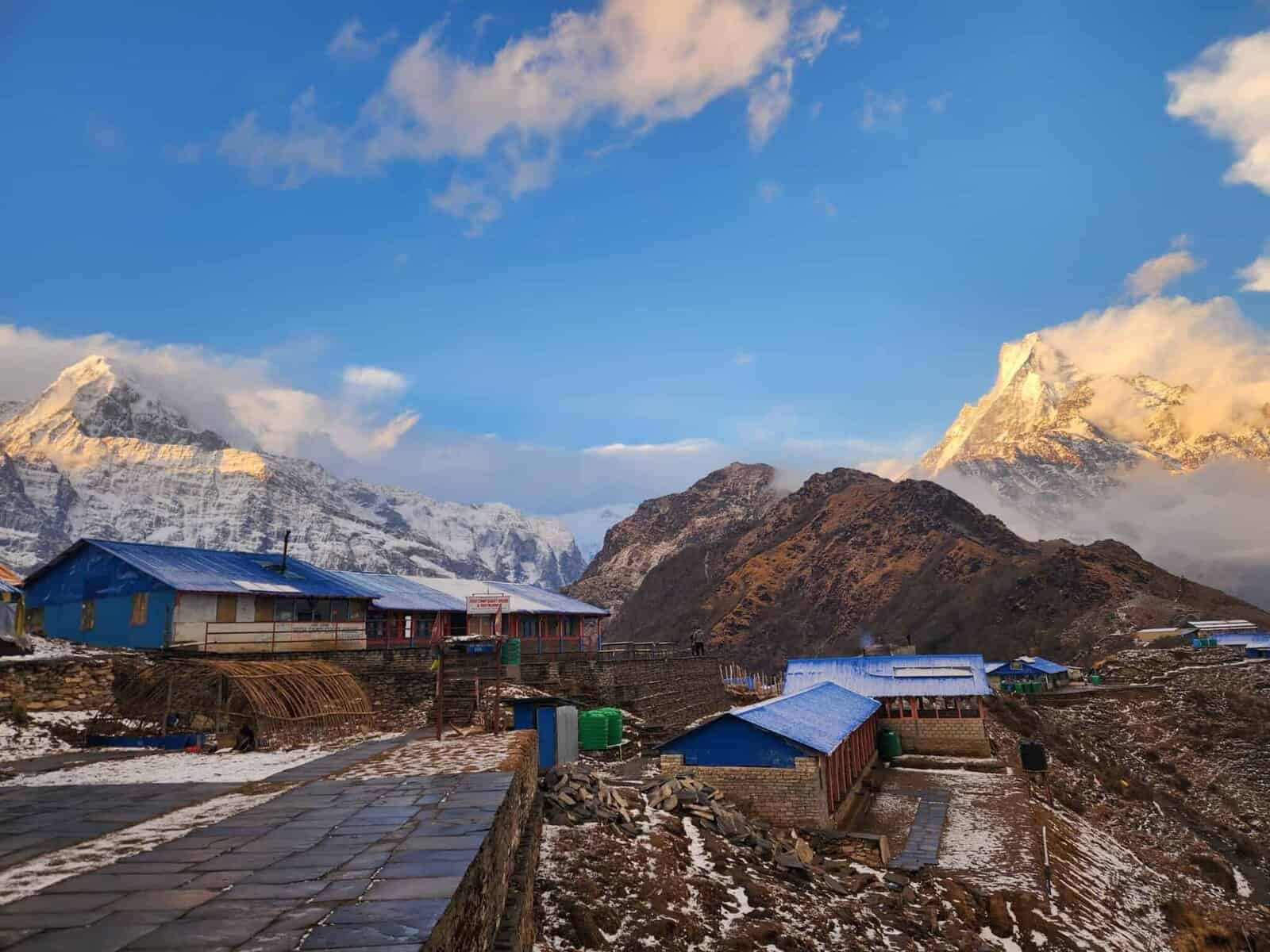 Trekking Tips
By Nanda Rawat|Feb 13, 2026
15 Best Himalayan Treks to Do in 2025 – Ultimate Trekking GuideWe've compiled a list of the top 15 Himalayan treks for adventurers this year. They was not easy because of their many appeal. We are however delighted to share our selection of must-do treks that will leave you in awe of amazement. Pangarchulla Peak Trek provides the perfect blend of adventure and the challenge. With a height of 15,069 feet from its highest point, it can be difficult; however, the rewards more than make the effort worthwhile as hikers enjoy a stunning 360-degree view of Garhwal mountains that include Nanda Ghunti and Trishul ranges which are the first time ever seen here! If you're an adventurer seeking an exciting climb, this trek is definitely one to consider. Trekup India was responsible for finding and documenting the Brahmatal trek as well as many other treks. It is the top elevation at Brahmatal Top, which is 12,250 feet and has stunning views. Along the way, you'll meet Mount Chaukhamba, Neelkanth Hathi Ghoda Trishul Nanda Ghunti; perfect for trekkers on their own with snowfall covering the trail from December to February, and the trekking season continuing until April's end. Dayara Bugyal trek is the perfect example of the classic Himalayan experience, with stunning forests, beautiful campsites and historic villages as thrilling ascensions to high summits and stunning mountain vistas and a few of Uttarakhand's most stunning alpine meadows which transform into tranquil white landscapes! A trek that offers moderate difficulty makes this trek accessible to all adventurers. Kedarkantha was among the first hikes we set out to organize that featured a stunning climb to its top and stunning panoramic views from a variety of Himalayan summits. In the years since, we have discovered thrilling and new routes leading to it, and are now able to offer an even more enjoyable trip all year long! Enjoy a memorable 6-day trip by joining Trekup India on the Deoriatal Chandrashila trek - an unbeatable adventure with breathtaking views of the Himalayan Mountains from its peaks. Ascend to view major mountains in both Western and Eastern Uttarakhand. Begin your trek when blooming rhododendrons make for an incredible setting, adding more beauty. Additionally, this trail acts as a refuge for bird lovers, providing numerous species to observe and is often said to be a birdwatcher's dream! Trekup India has made the Har Ki Dun Trek an unforgettable trip of natural and cultural discovery giving visitors the chance to explore ancient villages, while exploring breathtaking valleys meadows, lakes and valleys. Furthermore, Trekup India has enhanced the trek by incorporating Ruinsara Tal into their itinerary. Many people think that Ruinsara Tal to be more beautiful as compared to Har Ki Dun Valley, making this trek a must. Phulara Ridge trek is ideal for the autumn and spring months September, October, November May, June, and September to be exact - providing an experience unlike any other. Pushtara meadows make the trek particularly appealing to those seeking adventure, while its dense and scenic forests offer numerous opportunities for wildlife viewing and bird watching. Our expeditions have documented sightings of more than 10 species of Himalayan birds, making this Phulara Ridge trek ideal for ornithologists! The Valley of Flowers trek is an experience unlike any other. Locals claim that the scent of blossoming flowers can be stunningly overwhelming, leaving even the most experienced trekkers stunned. When you first set onto the property, a breathtaking magnitude is revealed before your eyes, with flowers in every size, shape, color and size and not forgetting its holy place of worship located at Hemkund Sahib situated high up. Hampta Pass was our first trek outside of Uttarakhand that we took on in the year 2010. The remarkable Himachal Pradesh trek is a favorite in my heart since Trekup India was instrumental in the popularity of it among trekkers. I would love to return to it as it remains one of my most memorable treks, and offers an stunning crossing experiences for trekkers starting at Kullu which has narrow valleys that are similar to gorges, which eventually lead to viewpoints high in the mountains. Upon reaching the point where you will be treated to stunning panoramic views of Spiti Valley stretching in front of you. You must complete this trek as you will be amazed as you reach the final destination that is waiting for you! Buran Ghati trek is an unforgettable journey that is brimming with breathtaking meadows, a thrilling crossing of the pass, and glimpses of the past of village life. Rupin Pass trek follows a different path starting at Janglik through thick forests before reaching Dayara meadows. It's two amazing hikes in one! Rupin Pass Trekking is a legendary Indian adventure that offers thrills through ever-changing landscapes and captivating stories. As trekkers progress through the landscape, new views appear every hour and the experience truly captures the thrill of exploration! One of the most memorable aspects of this famous trek is its challenging but thrilling ascent from the Upper Waterfall campsite to Rati Pheri and then up Rupin Gully towards its endpoint at 15,279 feet. The Sandakphu Phalut trek provides an incredible opportunity to see the four world's highest mountain ranges: Everest, Lhotse, Makalu and Kanchenjunga that makes the Himalayan trek truly unique. In addition, visitors can see the Kanchenjunga range of peaks, known together as the Sleeping Buddha, creating lasting impressions. You'll find unique tea homes that resemble hotels, yet offer a distinct experience that allows you to fully enjoy their warmth. Gaumukh Tapovan hike within the Indian Himalayan wilderness is a renowned Himalayan trek that is famous for its stunning views. See Mt Shiv and explore the Gangotri glacier while you trek from the place where it was born all the way back to its base. Ristreksh is the base camp, and offers visitors an enriching cultural experience they won't want to miss on this adventure! Kashmir is an incredibly beautiful place that boasts lakes of outstanding beauty that compete with each the other in beauty. A walk through these breathtaking lakes is an experience that is similar to watching a film on a big screen instead of watching an typical television show. Don't put off adding the Kashmir Great Lakes trek to your bucket list because the sheer beauty of it will make you swoon. The Pin Bhaba Pass trek is famous for its stunning variety of landscapes, which alter dramatically day-to-day and providing breathtaking scenic beauty and stunning scenery. In contrast to more risky treks such as Pin Parvati Pass which carry serious risks, Pin Bhaba Pass stands out as a stunning and more secure alternative, boasting breathtaking beauty and stunning landscapes.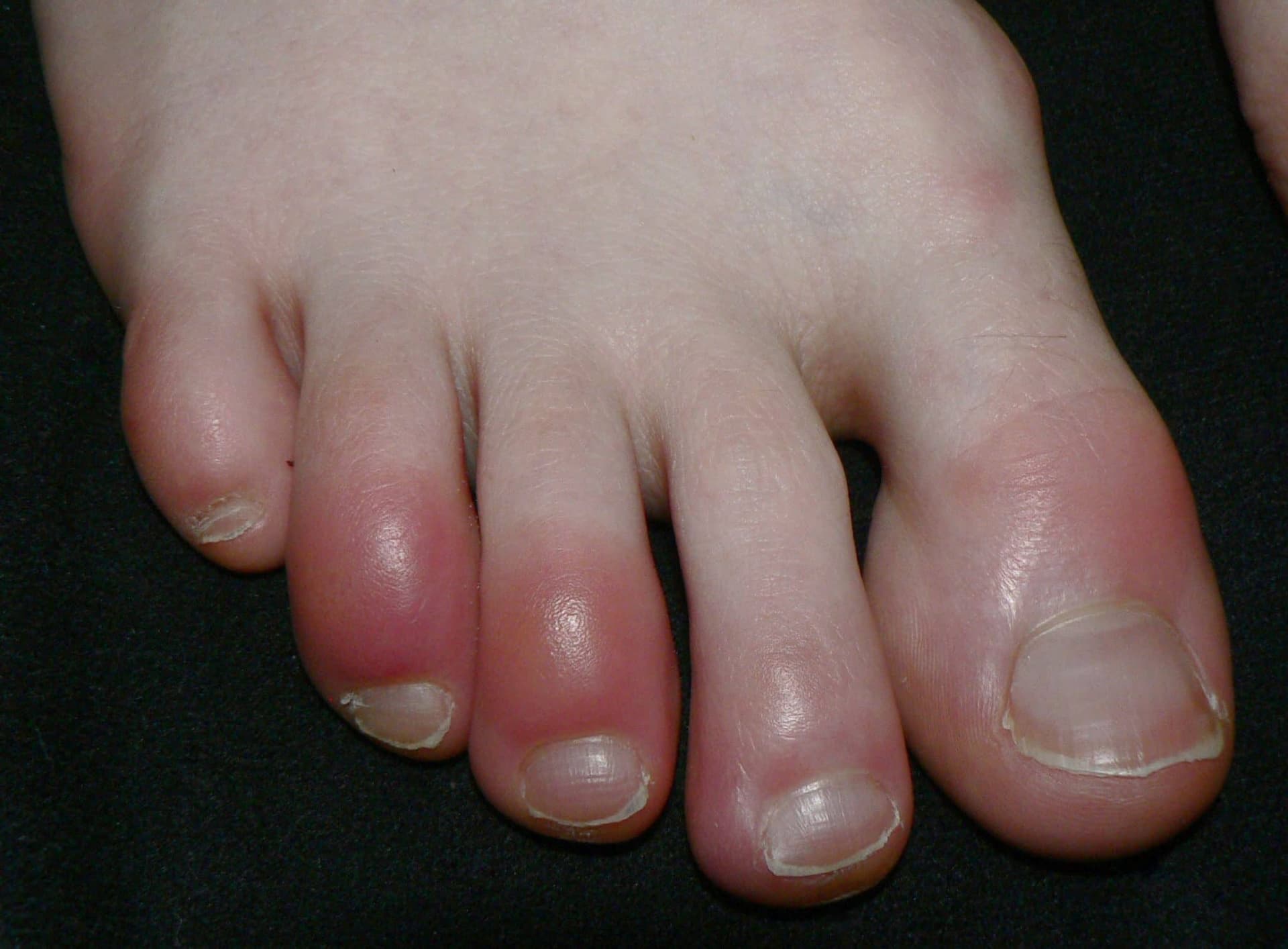 Trekking Tips
By Preetam Singh Rawat|Feb 13, 2026
What Are Chilblains? Causes, Symptoms & Prevention Tips for TrekkersWalking in the cold can be a thrilling experience, thanks to the fresh mountain air and frosty feet. However, winter treks can also bring some health risks, such as lesser-known illnesses such as Chilblains which are easily ignored. If you've suffered from itchy, inflamed or puffy skin due to exposure to freezing temperatures, it is likely that you have experienced Chilblains firsthand. In this article, we'll discuss their causes and signs especially for those who venture out into colder temperatures for trekking or hiking purposes. Explore Here. If you're unfamiliar with the term "chilblain" and are unsure of its significance to trekking, it's important to educate yourself about this condition and its ways to prevent it. Chilblains are skin swellings that cause discomfort that may be painful, itchy and blue or red because of sudden temperature changes Although the majority of Indian trekkers aren't likely to experience Chilblains often, having a thorough understanding regarding their causes and how to prevent them must be vital! Although the majority of Indian trekkers will never experience Chilblains however, it is vital that everyone is informed. Chilblains are characterized through bumpy and itchy areas that range in color from purplish to reddish. They are typically bumpy and itchy on their edges. If left untreated Chilblains could cause ulcers or infection, with severe pain as a result and also the constant itching and numbness of the affected areas. If not treated for a long time they may progress into Frostbite where the tissues under the skin become frozen due to blood vessels that are constricted close to the surface that enlarge blood vessels. They then expand when exposed to heat causing can cause blood leakage into the surrounding tissues results in Chilblains being created only in one region! Certain groups and individuals are more at risk of Chilblain intake, which causes blood vessels to narrow for instance, minors and females who drink excessive amounts of caffeine, those with an insufficient body mass index, and those who suffer from Raynaud's Disease, which affects circulation to the extremities. The incorrectly fitted footwear can increase the chance of Chilblains. So, it's crucial to pay attention to your feet when on your trek to avoid the chance of developing this condition. Take preventative measures as soon as you can to decrease the likelihood of Chilblains occuring. Drinking water can in easing the process of quitting smoking as drinking enough fluids aids in flushing nicotine out via urine. Physical activity can play an important role in removing the toxins in your body. Eating antioxidant-rich fruits like oranges can aid in the natural detoxification process in the body and help flush nicotine faster. To prevent discomfort and the possibility of chilblains, choose footwear and boots that have sufficient space for your forefoot that doesn't restrict your feet. Shoes that aren't properly fitted can cause painful blisters, so footwear must be adjusted prior to beginning any trek or hike. Consuming at minimum one warm meal a day is essential to maintain your body's temperature and preventing sudden temperature fluctuations. Always keep another pair of socks in your bag to ensure that your socks dry frequently and remain at a high level to use. You can hang them under your clothes during the day and around your chest in your sleeping bag to allow them to dry completely. It is advisable to keep at a minimum an extra pair in your bag! Always ensure that you rest with dry, warm feet. The following guidelines are crucial as even a night of wearing cold and damp socks can sabotage all the progress made during the last few days. If you can, carry an additional towel to dry your feet after every shower. Start early and end your trek before sunset Be in tune with nature's rhythm when you walk by beginning early and stopping just before sunset to make the most of the sun's warmth while avoiding colder temperatures. Also, this strategy allows plenty of time to take care of your feet and there is no need to delay this task until after bedtime. immediately change to dry socks once you have reached an area to dry your shoes and socks that are wet due to walking! Regular foot examinations are essential throughout the day, especially in conditions of high altitude, especially when mountain sickness has weakened the communication between body and brain which makes it difficult to recognize symptoms of chilblains. Make it a part of your daily routine to check your feet for any signs of discomfort or injury to ensure you are performing at your best. Chilblains aren't necessarily dangerous, but they serve as a nagging indicator of the body's response to extreme conditions. By taking preventative measures and recognizing the signs, cold weather excursions can be enjoyed without pain or irritation. So, stay warm and dry. And take your time hiking!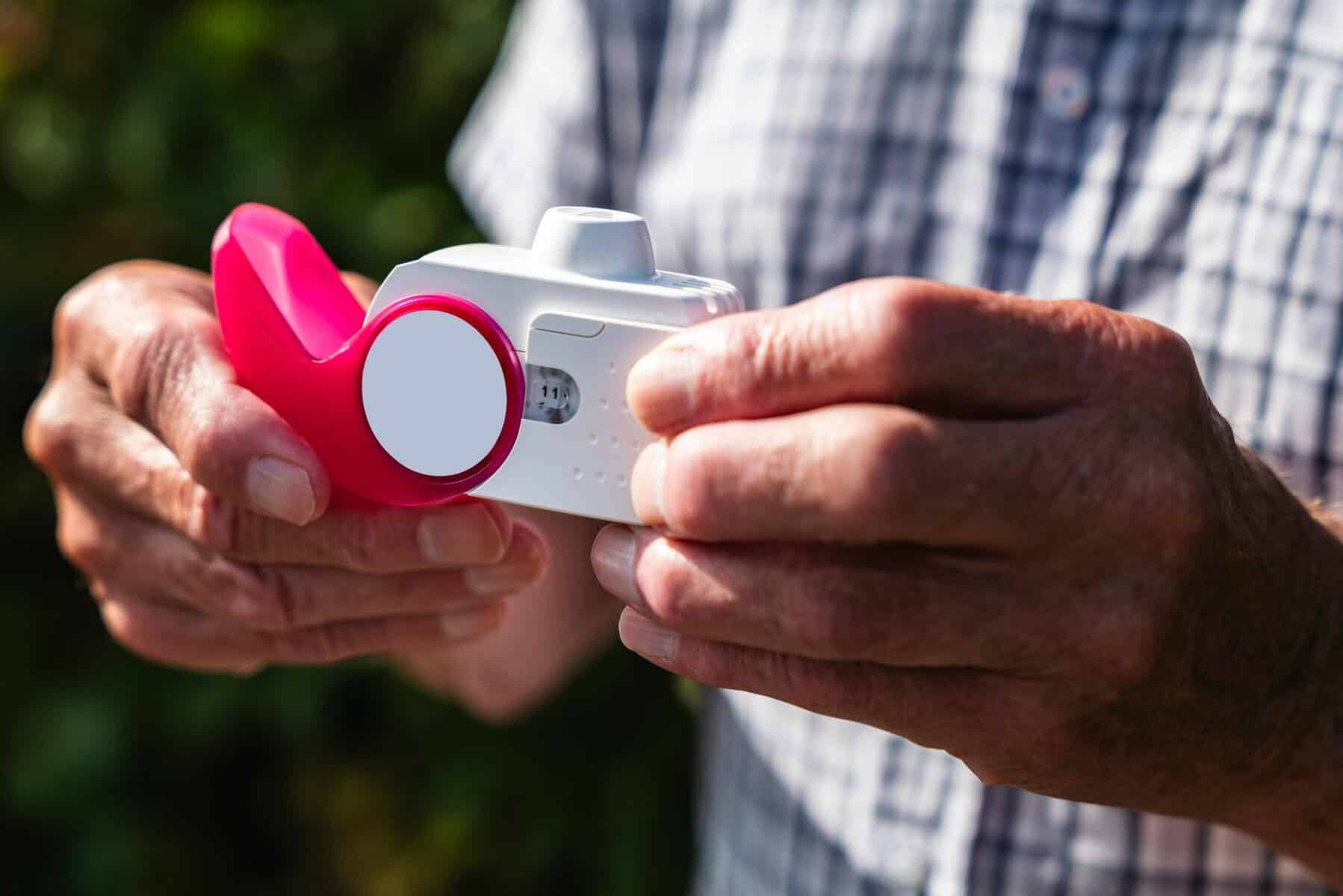 Trekking Tips
By Shivam Shingari|Feb 13, 2026
Trekking with Asthma at High Altitudes: Precautions, Tips & Safety GuideThe trek can be a thrilling experience that is rewarded by stunning views and a humbling feeling of achievement. For those who suffer from asthma, traveling to high altitude regions with low oxygen levels could create challenges in breathing or overall health, such as "Breathing?" or "Is this Trip essential. "Individuals with asthma are able to safely take part in high altitude treks as long as they follow the appropriate precautions and are well-prepared. This complete guide will allow them to recognize the potential dangers and guide them through their trek with confidence. At elevations that exceed 2,500 metres (8,200 feet) atmospheric pressure drops and oxygen levels decrease and affect your respiratory system in a variety of important ways. (1) Insufficient oxygen supply: Your body has to work harder to get enough oxygen, which can cause breathing problems; (2) The cold and harsh air: Cold and chilly temperatures can cause irritation to the airways and lead to asthma-related symptoms such as wheezing, coughing, or chest tightening. (3) The physical strain can be increased physical demands: A higher level of physical stress can cause asthma symptoms to worsen. Asthma can be severe or mild, ranging between mild and severe. Asthma that is mild, referred to as refractory asthma, usually manifests as one of two episodes per week. It is treated with short-acting anti-inflammatory drugs typically, Inhalers are the best method of treatment. Asthma is an ongoing and common inflammation of the airways linking the upper and lower respiratory systems to the lung. It typically begins between 3 and 5 years old old and can be severe throughout the adolescent period, and is usually caused by conditions like pollen, colds, animal dander, pollutant dust and fumes. Symptoms usually include chest tightness and wheezing coughing, and difficulty breathing, especially at night, which can lead to a feeling of being suffocated, or in a position to not breathe freely. A physical activity like hiking might be at risk of creating asthma attacks. Physical exercise has been linked with exercise-induced asthma, an asthma type where intense physical activity causes the airways to narrow. Dry or cold air or both is the most common cause. Engaging in cold physical exercise can trigger more asthma symptoms than exercise in humid and warm conditions and those with asthma should stay clear of exercising in cold or dry conditions with high levels of pollution or dust. Mild asthmatics are able to safely participate in high-altitude trekking, however prior consultation with their doctor is recommended to make sure that their asthma is properly controlled. A five-day trek like Dayara Bugyal might be a great introduction before moving on to more challenging treks such as Buran Ghati Just make sure that your medication is included and bring camping equipment such as sleeping pads for tents for Dayara and Dhunda because the cold temperatures can trigger asthma attacks; severe cases that involve more than two attacks per week require more thorough plans that include medication and inhaled steroids to manage inflammation The most severe cases will require additional steps and inhaled steroids in conjunction with inhaled steroids to manage inflammation effectively. Even for those with asthma that is severe Trekking adventures are feasible with the right planning and safety precautions. Before you embark on your trek make sure you have the medical approval and set up a routine workout routine by beginning with shorter treks like weekends in winter or Nag Tibba, Dayara Bhugyal and Bhrigu Lake treks during summer. Once these smaller treks are completed, you can begin exploring more challenging treks like Har Ki Dun or Hampta Pass treks. Unmanaged asthma that is persistent causes frequent attacks throughout the week, which increases your chance of developing status Asthmaticus. Attacks can occur frequently without relief, and eventually become intense and incompatible with treatment with medications. As the symptoms get worse you might experience breathlessness and coughing that gets worse in the evening, and is particularly acute during times of tension or illness. The breathlessness can become so intense that talking more than one or two words becomes impossible (without the sentences completely completed) frequently requiring hospitalization to receive emergency care. Without prompt treatment and lifesaving injections, it could be the risk of life-threatening situations which is why I strongly suggest against hiking for asthma sufferers who are not controlled due to the fact that research on its effects at high altitudes have produced mixed results when it comes to asthmatics suffering from serious uncontrolled asthma; studies of both groups yielded different results in studies on the impact of it; therefore, I recommend against trekking for sufferers with severe asthma are uncontrolled, because it could lead to risky situations and could lead to life-threatening scenarios for them, as its effects varied based on studies conducted over time and research as high altitude has produced both negative and positive outcomes depending on the variables. Certain people had significant changes in their immune system which resulted in less inflammation, allowing them to decrease the amount of medication they take and lower costs. However, others did not notice any positive changes and are still susceptible to asthma attacks. low oxygen levels and frigid temperatures are well-known to trigger asthma symptoms, while high-altitude conditions are believed to help relieve respiratory illnesses like the common cold that typically happen at higher altitudes, unknown allergens, and asthmatic episodes caused by exercise were identified as causes. If you suffer from asthma and are planning on hiking in higher elevations, get approval from your doctor prior to. Acclimatize at the base camp prior to the trek starts and tell the Trek Leader of your health condition. Staying hydrated to avoid dry throat and lower the risk of developing respiratory illnesses is highly recommended. Trekup India provides oxygen cylinders and oximeters on treks to provide additional safety precautions. Maintaining a healthy lifestyle can reduce the severity and frequency of asthma attacks. Cold temperatures can worsen asthma symptoms and cause people to be more vulnerable to attacks. By remaining warm, you could also reduce the risk of upper respiratory infections. This is especially useful when cold temperatures trigger asthma symptoms. Diamox does not have an adverse effect on asthmatics since the two products function in different ways. If you suffer from asthma and have hiked in high elevations, we invite you to post your story by leaving a comment below. The trek as a person with asthma isn't just a possibility It's truly rewarding. If you follow the right approach, what was thought to be a hindrance becomes an obstacle that can be overcome. So, put into your boots for trekking, load up with care and remember to take a deep breath and walk in a safe manner mountains are waiting to be conquered by you. conquer.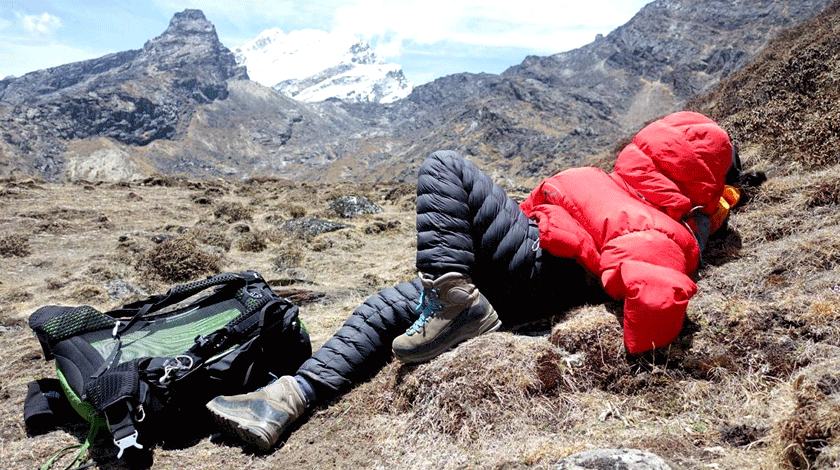 Trekking Tips
By Preetam Singh Rawat|Feb 13, 2026
What Happens to the Body at High Elevations? Effects & Altitude AdaptationThe higher altitudes at which you can trek is an unforgettable experience, both physically and metaphorically. When you climb over 8000m (2,400 feet) or trekking towards Himalayan summits your body goes through a variety of physical changes as it adjusts to lower oxygen at higher elevations. certain changes are manageable while others could be dangerous if not managed. Be aware of any potential physical changes at higher elevations is vital when you are hiking through the mountains. The climb to the Himalayas requires exploration of high altitude areas which is why trekkers must be aware of the impact of this environment on their lives. We prefer the term "exploring" instead of "trekking" because your body reacts similarly to walking, cycling across Khardung La, or simply exploring. So, anyone who is planning an excursion to destinations at high altitudes should read this article and be aware of any possible consequences of high altitude environments. This piece should be required reading! At sea level, your body gets used to the particular amount of oxygen available and will naturally adapt by increasing the intake, which results in you breathing more frequently. When blood oxygen levels are low and discovered your body responds by boosting the circulation of oxygen-rich blood. This causes the heart rate to increase and bone marrow producing numerous red blood cells that supply oxygen throughout your body; ultimately, too numerous red blood cells may cause blood flow to slow down like thickened ketchup resulting in possible clotting when it is not functioning. Higher altitudes mean that increased stress on your lungs and heart causes your body to expelling excess fluids to ease the burden diuresis. Sleep issues at higher elevations can also be caused by breathing in shallowness at night, which prompts your brain to awaken you and remind you to breath properly, which can lead to less restful sleep all over. Adjustments to your body's posture can be a factor in adjusting to higher altitudes. In relation to the physical changes that you're experiencing It's important to understand that they can occur without exerting yourself. They are not related to climbing or hiking. It's simply a result of being at a higher elevation. If you're sitting on an level ground, your body will become more able to adapt to changes. This could be tiring as time passes. It is important to recognize that the changes I've mentioned to date are merely naturally occurring responses to an elevation increase and are not indicators of an issue. The majority of our bodies are able to adjust to higher altitudes. However some times, our bodies are unable to adapt completely, resulting in high-altitude sickness or just being uncomfortable at higher altitudes. Knowing the basics of research makes treating these illnesses fairly simple - the most common issue for trekkers is often to be an inability to recognize the situation which is why I wanted to share this information. Be aware that ignoring stress at altitude could result in serious illnesses that include acute mountain sickness (AMS). This condition is characterized by symptoms like nausea dizziness, headaches fatigue, and a loss of appetite, typically within 6 to 24 hours following ascending to an altitude of more than 8,000 feet. To alleviate the symptoms, you should take frequent breaks and drink plenty of water. Do not ascend or descend if symptoms get worse. Acute Altitude Pulmonary Edema (HAPE) is a condition which could be fatal if it is not treated promptly. The symptoms include breathing problems and chest tightness, as well as coughing that is wet and fatigue. For this reason, it is recommended to quickly descend from high altitudes and seek medical attention immediately. HACE also known as High-Altitude Cerebral edema (HACE) is a serious condition that can cause confusion hallucinations, incoordination and hallucinations as well as a lack of consciousness at higher altitudes. If it occurs rapidly enough, it will require immediate action, including swiftly dropping to lower altitudes and receiving oxygen therapy as quickly as you can. The effects of high altitude differ based on the individual affected. Some individuals might not experience any problems at 10,000 feet, while others may begin to experience symptoms as high as 8000 feet. Fitness doesn't provide protection, but getting acclimatized, drinking enough water and being mindful are the best ways to adapt. Be aware of the signals your body emits and recognize any warning signs when discomfort occurs, and don't risk yourself by attempting to climb the top of the mountain! Trekking Tips
By Nanda Rawat|Feb 13, 2026
Trekking Hygiene: Smart Ways to Stay Fresh & Healthy on the TrekIt is a great way to spend time with friends however, it may also bring challenges of its own such as dealing with grime and dirt and a deficiency of services. Although toughness is a normal part on treks, maintaining good hygiene practices on longer or more intense trips is crucial for health. Simple and healthy hygiene practices can help you stay safe from infections, illness and unpleasant outdoor conditions while also protecting yourself from illnesses, infections, or unpleasant outdoor experiences. Cleaning up after Trekking isn't easy for women who suffer from menstrual issues particularly if there's bathrooms in the vicinity. But there are effective methods and techniques to ensure you are clean and fresh while out on the trails. Trekup India women's Trekking members have put together a list of tips they recommend as methods to keep well-groomed while trekking. Trekup India believes that being healthy does not have to be a struggle however sometimes, taking a few Treks before you know how to manage menstrual flow on outdoor activities is crucial for optimal hygiene practices. The choice of tampons over pads can provide better hygiene. Tampons are small extremely absorbent and efficient in capturing menstrual flow. The main benefit is the fact that they dry rapidly after being inserted, which makes them a great choice for performing activities like walking along rivers or during rainy days. Additionally, their compact dimensions allow them to fit in every backpack, without consuming too much space however, according to Sandhya UC notes, it is essential that users get comfortable with tampons before going on lengthy Treks or walks relying only on them. Don't throw away used products for sanitary use as litter during your trek. Instead, take them home and dispose of them properly when you return to town. If you do not want to use tampons in any way then sanitary pads might be a viable alternative. While they are generally accepted and are accepted in social settings but they might not be practical when you are trekking. Their size makes them susceptible to leakage, however when you find that sanitary napkins make your comfortable, feel free to use them. Menstrual cup is highly recommended. Whatever method you choose make sure that all the items you use return back with you - with newspaper wraps or Ziploc bags - and not leave any items behind at the foot of the mountain. Bio-toilets help menstrual hygiene management while trekking much more convenient due to the eco-friendly materials used in bio-toilets. From pads and tampons to menstrual hygiene, to cups made of sustainable materials allow users to effortlessly maintain the hygiene of their menstrual cycle when they are outdoors. Its size is comparable to a standard bathroom to make it easier to use during outdoor activities. For instance, Lakshmi Selvakumaran, Team Head of Trekup India, has observed her menstrual cycle is consistent while hiking - an easy clean-up using a damp towel is perfect! Prather utilized bio toilets while trekking, but she they could make managing menstrual flow more difficult when outdoors than standard bathrooms. For trekking, you must use wet wipes that are eco-friendly; however their use is now prohibited during treks. Instead, we recommend the use of scentless or soft handkerchiefs made of tissue paper that need to be soaked prior to using to wipe. It is essential to ensure that your hands are clean prior to using them. changing your clothes. "Grooming during extreme temperature fluctuations such as nighttime or the morning hours is advised" according to Sandhya UC. The ideal is to have grooming done early in the morning rather than being put off until later in the afternoon in the manner that is typically done. Morning is the best time to wash and change. If you're planning an excursion one of the first questions you will be asked is what clothes to bring. Women often wonder if new clothes should be packed each day when traveling; according to Sandhya UC's general guidelines is that 3 outfits will suffice on a trip lasting 8-10 days that includes your current clothes and two spare sets. Start by choosing an outfit. Replace sweaty clothes with clean ones inside, while leaving sweaty ones outside making use of both sets for different climate zones. If you can you can wash sweaty clothes by soaking them in water prior to drying them before wear them once more. As you climb higher elevations, where sweat production decreases could necessitate changing clothes less often; if this is the situation, it's sensible to switch clothes every two or three days. Sandhya recommends carrying daily a new set of underwear during menstrual cycles or swapping out cloth panties that are disposable regularly lightweight options that don't take up much space in your bag. You might want to consider having separate bags that can be resealable specifically for sweaty socks and underwear in order to keep them separate from clean clothes inside your bag. This will help keep soiled items separated. Being healthy on the trail can be simpler than you think. Make sure your daily hygiene routines, like washing the hair and washing your face, as well as going to the bathroom are in good order. Camping sites usually provide easy access to clean drinking water to ensure easy drinking. When packing toilet paper, be sure it's biodegradable or organic. Trekking Tips
By Shivam Shingari|Feb 13, 2026
Is Trekking Safe With Diabetes? Precautions, Tips & Safety GuideDiabetic trekkers can climb mountains without having to face any issues, allowing those with diabetes participate in high-altitude treks. However, before beginning the trek many were nervous and overwhelmed. I believe that everyone should not have to go through anxiety and uncertainty prior to embarking on an adventure. The trek can be more than just a physically demanding exercise and is a great source of spiritual nourishment. Being in lush forest and enjoying high altitude views, or climbing mountains, can result in significant change when done in a safe way However, those suffering from diabetes may be concerned about going on treks even though they are diabetic. It is possible to trek for those who suffer of Type 1 or Type 2 diabetes, if they adopt an appropriate and systematic strategy for planning. Not only is trekking safe, but it could aid in general wellbeing Learn to enjoy outdoors activities while living a healthy, happy lifestyle. The endocrine system is an ongoing disease that affects the way your body handles sugar. The cause of diabetes is their body's inability to produce or use insulin produced by specific pancreas cells, called islets. Insulin plays a crucial function in digestion. Insulin plays a crucial function in transporting glucose throughout the body. After every meal, the sugar levels in your body rise. Once the increase is recognized by your pancreas and the pancreas is able to recognize it, insulin gets rapidly released into the bloodstream to reach the cells in your body. These cells then allow the glucose in their cells. This allows glucose into. Once it's in, cells transform the sugar into energy which is used immediately, while storing certain amounts in fat cells to be used later. As per the WHO there are two kinds of diabetes: Type 1. Type 2. Type 1 Diabetes is an autoimmune disease in which immune cells attack and kill pancreatic cells that make insulin, resulting in decreased production. While the majority of diagnoses are among children or adolescents, patients are diagnosed at any time; treatment usually consists of daily insulin injections, since this focuses on its primary causes, which are not food or lifestyle-related however, it is often attributed to genetic and environmental factors such as viruses. The most effective way to treat Type 1 Diabetes is with regular glucose monitoring and therapy, in conjunction with a mindful approach to food preparation and exercises. Type 2 Diabetes Mellitus (T2) is an endocrine disorder that affects metabolism. The resistance to insulin or inability to produce sufficient quantities of insulin are two reasons for T2. The majority of people suffering from diabetes are who are between the ages of 40-70 years old however, its prevalence is increasing in teens and children as a result of inadequate diet and a lack of physical activity. While insulin production remains constant however, its role diminishes. The development of diabetes type 2 is usually due to lifestyle, genetic, and food choices like being overweight, having a poor habits, or making poor food choices. It is possible to control the condition through a balanced and healthy diet, participating in regular physical activity and taking oral medication In certain circumstances the treatment of insulin may be an alternative. While you take a walk through nature on walks or trips outdoors you might come across two additional terms related to diabetes: hypoglycaemia and hyperglycaemia. Both conditions can be seen in people who suffer with Type 1 diabetes. Hyperglycaemia is a term used to describe excessive sugar levels in the blood as a result of poor diet or lifestyle choices typically due to inadequate insulin treatment. The signs of the disease are dry mouth, excessive thirst and depleted energy levels headaches, as being impaired vision and frequent urinary frequency. Hypoglycaemia, though not widely recognized in diabetes, is usually more prevalent in outdoor. Hypoglycaemia is in the body when it produces excessive insulin in comparison to the amount of sugar is available, which causes an acute condition which can quickly escalate. Signs of thyroid dysfunction include irritability, hunger, and fatigue. Hypoglycaemia could pose a danger possibility on hikes. To avoid it, people who suffer from diabetes usually follow a prescribed diet as a part of their regular routine. The amount of food you consume can vary significantly during a trip. Walking can cause your eating habits and exercise routines to shift dramatically which can lead to hypoglycaemia while your body adapts to the new conditions. Making adjustments to a new diet may require changing the amount of insulin you consume at home. Individuals may adjust in various ways. Some may adapt quickly, whereas for others it might take several days to adjust. Hypoglycaemia may occur following any modifications made during surgery. In the end, this is the very reason. Insulin dosage may exceed daily sugar intake. If someone is experiencing digestive discomfort or is able to quickly adjust to new surroundings their blood sugar may fall rapidly despite active insulin therapy. A diet that reduces sugar intake is usually enough to control hypoglycaemia, aiding in the regulation of insulin levels in your body and ensuring the level of glucose in your blood. Diabetes shouldn't stop your from pursuing high-altitude hikes! If you are prepared and adhere to safety guidelines it's possible to overcome the challenges of trekking at higher altitudes while keeping an appropriate level of fitness. Physical Conditioning: To understand and overcome the obstacles that come with fitness, you need to be familiar in intense physical exercise and its limitations. Being early to your base camp will allow your body to adjust easily to a hostile environment. Start by taking a few short walks around town to gain an idea of what you can expect when you travel for longer distances. Medical Preparation: Bring an ample quantity of medications - twice what is normally required. Bring a temperature-controlled container for your insulin so it won't freeze, and stockpile things such as insulin, syringes, and an instrument known as glucometers, as well as replacement batteries (as cold weather drains them quickly). Also, make sure you have adequate glucose tablets and gel available. Insulin Control Two days prior to you begin your journey, you should begin making adjustments to your food intake and insulin dosages in order to help prepare your body for what's ahead. This will allow it to function at its most effectively. Emergency Preparedness: Establish an emergency plan that includes food, insulin or liquid intake in the event that an illness occur or unexpected setbacks occur in your travels. Being prepared means that you are better prepared to deal with any possible challenges that may be thrown your way. Maintain Your Energy and Health During trekking: Eating regularly during your trek is crucial to maintain your health and energy levels So, make sure to include plenty of healthy non-perishable foods in your bag for your trip. If an emergency occurs, it's essential that your trek leader as well as your support group are aware of the current condition of your body as well as any emergency procedures you'll need. Make them aware of the location of any medication are in your bag to ensure they are able to get them in the event of a need. Manage Your Medication Split any medication that you require into two sets and keep them in different locations. If you can, give one set of your trip leader, while keeping the other at home. Monitoring Blood Sugar Levels If your health issues center around the levels of blood sugar, make certain to monitor regularly any changes to ensure the best results. This will help protect yourself and other members of the community. Trekup India trek leaders are equipped with medically certified guides, who are equipped with complete medical kits and oxygen cylinders for every day of trekking and each camp is specifically designed to meet the needs of the needs of our clients. Which treks are suitable for those who have just been diagnosed with diabetes? Although trekking can seem daunting at first, Trekup India has seen numerous diabetics conquer difficult routes without having to deal with any major problems. People who are planning to trek for those with diabetes should be aware that it's an enjoyable experience with two treks that offer an excellent introduction to the Himalayas which include Nag Tibba, Dayara Bugyal, and Deoriatal Chandrashila treks are one of the top options.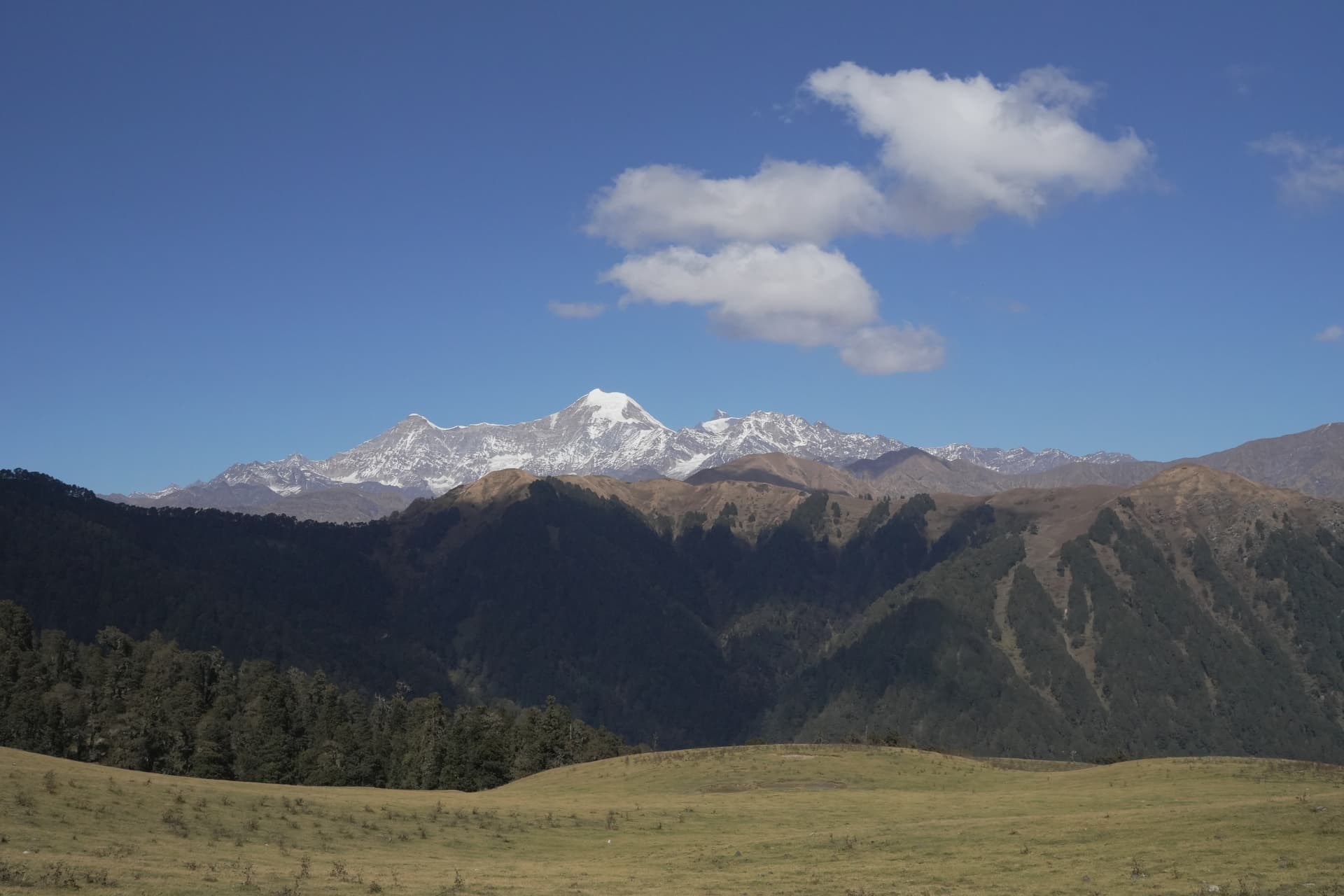 Trekking Tips
By Shivam Shingari|Feb 13, 2026
Are Thermals Good for Trekking? Pros, Cons & Better Clothing AlternativesIf you're going on an adventure at a high altitude or on an excursion in cold weather thermals could be the ideal option to keep warm and cozy during cold conditions in the mountains. However, experienced trekkers as well as outdoor experts recommend against wearing thermals while trekking even though they're ideal as a base layer, they can cause harm if worn on hikes. Thermals are an essential part of high-altitude trekking clothing however, many trekkers believe they should not wear thermals during the trek, despite being intended for post-trek clothes. There are a variety of reasons for this, but to better understand them, it is essential to know how they function they function as a base layer in cold weather conditions, and directly touch skin to conserve body heat and stop loss of heat; polyester is often blended with other fabrics like Lycra or wool for additional comfort and flexibility. Ultimately, thermals fall into two categories referred to as Dynamic and static layers that are what our Trek Guide, Nitin Rana describes as Static and Dynamic thermal layers, respectively. The purpose of thermal clothing is to trap body heat which is beneficial when you aren't moving a lot, for instance when you sleep in tents. However, during activities like trekking, your body produces sweat and heat that the thermals can't capture quickly, resulting in excessive sweat accumulation within them, leaving you feeling uncomfortable and sticky after a while. Thermals that are saturated with moisture as a result of sweat or sudden precipitation could take a long duration to dry out, particularly in mountain areas with low temperatures and humid air. Closely rubbing against your skin the wet thermals can rapidly drain your body's heat, while increasing the risk of hypothermia during periods of apathy or when the night approaches, temperatures drop dramatically. The slender design of thermals and use of materials specifically designed to trap heat can limit airflow considerably, which can be beneficial when you are not physically active. However when you're performing physical activities it can result in your body's temperature to rapidly increase, leading to sensations of heat stress, discomfort or even dehydration. Restrictive Thermal Layers Certain layers aren't flexible and can hinder mobility when traversing steep slopes and steep drops. A garment that has moisture-wicking properties, such as dry-fit tops or light fleece, can provide greater mobility while retaining comfort. Dynamic thermals are light and breathable thermals with a comfortable, breathable design to be used in outdoor activities, such as trekking. The stretchy fabric gives flexibility and mobility and warmth, while swiftly drying off thanks to moisture-wicking properties. Static thermals can cause discomfort since they're made from thicker wool fabrics as opposed to the dynamic ones. The thermals might not be the ideal equipment for trekking: when you are layering for an outing ensure that the clothing closest to you is comfortable and wicks moisture to allow the full range of motion. Thermals are not the best choice in these circumstances. The physical demands of trekking can cause sweating even at cold altitudes. This causes your thermals to become sweaty and damp due to their materials, like cotton, merino wool, or synthetic blends which don't dry as quickly can make it difficult. So wearing damp thermals throughout the day could make them soaked by nightfall damp thermals can make you colder rather than providing warmth. The use of thermal clothing on a hike could cause more sweat in comparison to normal clothes, resulting in dehydration in higher elevations where Acute Mountain Sickness (AMS) poses a serious risk. This can increase sweat production and, in turn, could increase the risk of dehydration. If sweat collects on your thermal clothes during a hike and stays on your skin, it could cause irritation to the skin and increase the risk of developing skin rashes. The thermals act as an insulating layer designed to wrap your body in a snug swath to keep warm, but this can hinder your mobility during treks and cause discomfort during treks. For trips in warmer climates long-sleeved t-shirts can be an alternative to thermals. If you are planning to venture out into colder climates, layering with fleece or a down jacket is the best option. If you notice that dynamic thermals give you greater flexibility and drying faster. Thermals are particularly beneficial in mountainous areas where temperatures can drop rapidly late at night and in the evening when the daytime temperatures vary between 10 and 15 degrees Celsius and temperatures drop dramatically at night even to zero! In this situation thermals can provide a great source of warmth - simply put them on when the sun is set over your campsite and wear them in a way that your body retains warmth. They act as heat insulators, keeping cold out and keeping you warm until you're ready to go to sleeping. They can be a vital element of winter-weather clothing but they should be worn post-trun. Their purpose is to trap heat within and help keep you warm; however, under physical exertion, they could increase sweat accumulation, restrict airflow, and make you uncomfortable-possibly even cold when wet! Wearing them during treks could cause excessive sweating, skin irritation and dehydration, and the risk of hypothermia rising in the event that temperatures drop suddenly. Choose breathable, flexible, and moisture-wicking layers during the day, which allow airflow and flexibility and leave thermals for the night after you're drying off or relaxing on the camping site. They'll keep you warm throughout winter night in the mountains. Be careful when trekking by layering your clothes in a thoughtful manner and allowing the gear you're wearing to move along with your body instead of against it.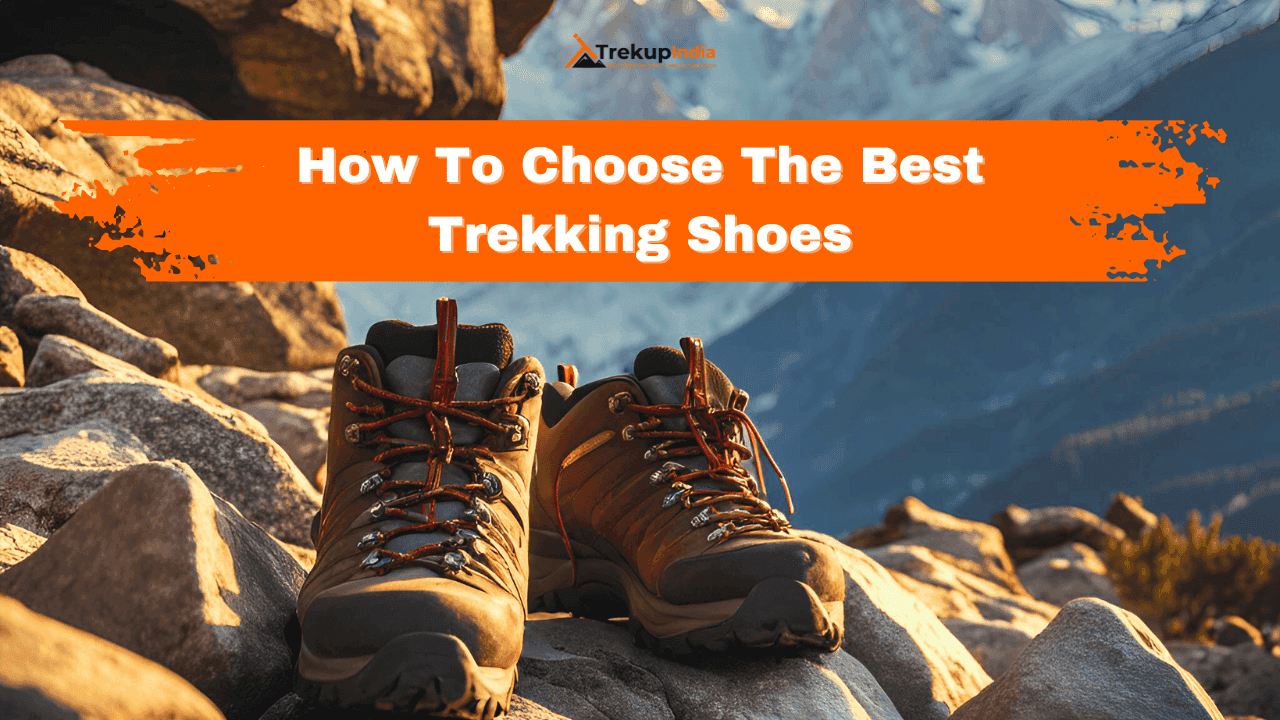 Trekking Tips
By Preetam Singh Rawat|Feb 13, 2026
How to Choose the Right Trekking Shoes | Fit, Grip, and Terrain GuideWith a strong will and the right footwear Any trek that is successful is certain to be successful. While physical and mental preparation are vital, having solid shoes that offer assistance during treks can mean the difference between ease and discomfort on the Indian adventure. Conversely, unfit or poorly-designed footwear can hinder progress or reduce the duration of your trip. What aspects should be taken into consideration when choosing the right trekking shoes to wear on Indian adventures? There are various styles of shoes created specifically for different types of trekking however, they don't restrict the footwear to just one specific area. Good trekking shoes are able to adapt to a variety of weather conditions, making them ideal companions for outdoor adventures. As we get deeper into trekking, a crucial question is asked by both women and men in India in regards to selecting the right pair. Due to the significance of this decision we often get inquiries about the most suitable trekking boots to buy. In response to these inquiries we have developed an extensive guide that covers everything from buying boots online in India up the maintenance process, providing you with the necessary information to make informed decisions when it comes to choosing the best ones. Decathlon, Woodland, and other stores that sell sports provide a huge range of boots and trekking shoes for both males and females whether you shop on the internet or in person. If the options seem wide for you, don't be worried here are five essential factors to consider when choosing the perfect pair of hiking shoes. To determine if the trekking shoe has adequate traction, look at the size of its grooves. A shoe that has excellent grip will gather dirt in its grooves, an indication of traction that is strong. Make sure that your shoes have deep grooves for maximum grip. When choosing a good shoe it is essential to think about the flexibility of its sole when it comes to different types of surfaces. One indicator of pliability is the flexibility and softness of its sole. Check the area carefully for indications of flexibility. To test the tensile strength of the sole simply tap the key. Pay attention to the sounds produced by the sole: soft soles should sound muffled while loud, ringing sounds indicate a hard sole, not suitable for hiking. Be sure to consider ankle stability when choosing trekking shoes to guard against injuries on the uneven Himalayan terrain. While trekking shoes can provide the flexibility and traction you need, they do not provide adequate ankle protection, making you at risk of injuries and twists when ankles are injured or twisted and not protected. To ensure a safe and successful adventure, wear footwear that offers adequate ankle protection. This will help prevent accidents, which can cause you to miss your trip. The best trekking shoes need the best fit to ensure maximum comfort on the trek So, ensure a perfect fit by putting them on and selecting ones that have ample airflow. Also, think about buying hiking boots that are slightly larger than normal to avoid blisters that are that result from friction between your feet and your shoe. A size larger will lessen the discomfort caused by a shoe bite and give your feet enough airflow. Shoes that repel water are essential when you travel across different terrains, such as the Himalayas or Ghats during monsoon particularly when you encounter rain, snow, or lakes along the way If you do not have them, you could be prone to discomfort, foot problems and shoe bites and making the journey unpleasant and uncomfortable for you as well as other trekkers. For maximum performance, it's recommended that footwear rather than waterproof trekking boots, be purchased. The addition of a protective layer made of resin or leather can make a huge impact. This additional barrier serves as a shield against even brief contact with water like getting caught in an evaporation puddle for only a few minutes, by keeping water out. This in turn makes water resistance becomes a vital feature. The market offers a wide range of trekking shoes that are designed to meet a variety of requirements and preferences, ranging from leisurely hikes or outdoor activities to more intense treks. Trekking shoes are available in styles specifically designed for female and male trekkers, with styles and colors that are suited to your personal preferences and preferences. Trekking boots are durable athletic shoes that are designed with improved durability and traction to be used on difficult outdoor terrain. In general they're great for short treks that don't go beyond 3-4 miles. They also offer the following benefits: Ideal for short, leisurely walks These treks are conducted in pleasant weather on dry trails, which makes them ideal for dry seasons. When selecting the right footwear for these hikes, choose shoes that are flexible, breathable midsoles that are comfortable installation, moderate traction, and an easy on/off design. Forclaz Fresh, Woodland and Weinbrenner low-cut ankle models must be able to meet these requirements. Decathlon's wide selection of trekking shoes both on the internet and in stores must also be considered. Trekking shoes provide ankle support over hiking shoes and are designed to provide an enjoyable trekking experience over different terrains and seasons making them ideal for outdoor pursuits of all kinds. Long-distance treks that typically last up to a week or more need special footwear to meet the demands. The weight of backpacks can make these treks more demanding on footwear than other trips, requiring footwear that can withstand these treks. The most important features to look for in a good pair of rain shoes are waterproof materials such as suede, leather or synthetic materials like Gore-Tex or Nova Dry; deep grooves to improve ankle support and traction to avoid injuries, and features like deep tread lugs that provide extra stability and traction for your ankles. However, this extra support can make the boots heavier so it's recommended to break them down over a period of time prior to beginning the trek. When it comes to choosing the right brands, Forclaz and Quechua are well-known choices, with prices ranging from 3000 and 8000 Decathlon trekking shoes are popular with more experienced trekkers. Woodland is also highly regarded by enthusiasts who love to trek. Also known as mountaineering boots, these boots aren't usually required for the standard treks provided by Trekup India; rather, they're specifically designed for difficult terrains like crevasses, ice, rocks and glaciers, and offer the necessary grip for these terrains. Important features to look for in expedition boots are the thick soles that have aggressive tread patterns, sturdy materials with cushioned insoles that maximize comfort, and ankle stability features like thick straps that have aggressive tread patterns to ensure a footing on these tough surfaces. Important features to look for include rugged and thick soles with aggressive tread patterns tough outer materials that have cushioned insoles for increased grip and durability of the outer materials that have cushioned insoles that enhance security on rough surfaces; large tread patterns on soles that have strong tread patterns. large tread patterns on tough outer materials with cushioned inserts for comfort; tough outer materials that have cushioned insoles cushioned insoles, cushioned insoles that enhance ankle stability when required and ankle stability features (if needed). Thick soles that feature high-tread patterns, cushioned insoles with tough tread patterns. Durable outer material with cushioned insoles that provide comfort and ankle stability features such as this, can provide stability on uneven surfaces. cushioned insoles with aggressive tread patterns to ensure durability and cushioned insoles, cushioned insoles, cushioned inserts cushioned for comfort and durability; outer materials that are used and so on. Although more expensive with prices starting at Rs. 10,000, Decathlon products are generally highly regarded and are highly recommended. Other brands might be available, but may be difficult to locate in India. Trekking shoes made specifically for women differ from male counterparts in a variety of key ways. For example, the heel-to-ball length as well as the width of the instep and heel are usually greater in men's shoes, which has led manufacturers to create more slimmer models specifically designed for female feet. Key characteristics to be aware of when choosing women's trekking boots are: Specialized materials are used in the midsole and insole to allow for Q-angle. A snug, secure fit. Decathlon's Trek 100 and MH100 for women are both popular choices. Merrell and Salomon are also top choices. Some of the most popular trekking shoes that are available in India include: Top picks for trekkers three top trekking shoes recommended by trekkers Forclaz Trek 100 Leather are among them. Decathlon representatives say that their most popular product is the Forclaz Trek 100, is their greenest product and comes with a sole made of 100% natural rubber with a 100% recycled inner and a dope-dyed black lining that reduces water usage and CO2 emissions, while reducing emissions and consumption. In addition, Salomon Quest 4 Gore-Tex gives experienced trekkers the option of a shoe that's been improved over time. The best trekking shoe doesn't boil down to fashion or cost alone Instead, you should be a consideration of safety, comfort, and efficiency in a variety of conditions and environments. From easy treks through the dry landscape to lengthy Himalayan excursions, wearing the right footwear for trekking will significantly improve your trip without causing any discomfort or risk. Because India is a home to a variety of climate conditions and zones, trekking in India is a matter of assessing your ankle's support and traction as well as water resistance and selecting footwear that is a good size. It doesn't matter if you're just a casual trekker or a seasoned adventurer, buying a good pair of shoes made by Decathlon, Woodland, or Salomon will not only increase your enjoyment but also increase the efficiency of your trip. Finding the right walking shoe that fits comfortably around your feet while addressing the environmental requirements and facing any challenges that may be that may be thrown at it in the coming days.