
Prev
1 / 9
Next
 Trekking Tips
By Adhish Bhandari|Feb 15, 2026
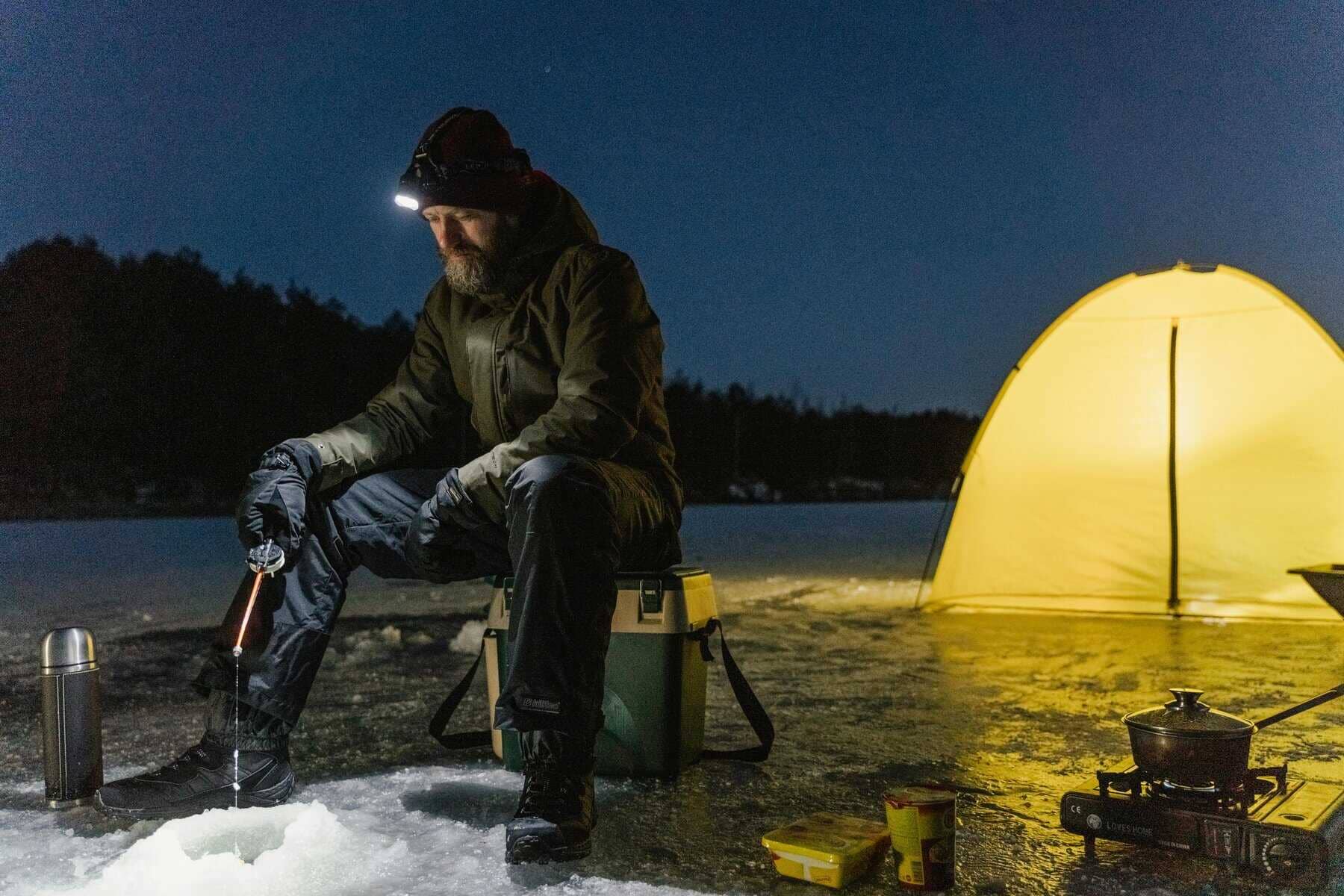
Headlamp Hacks for Trekking: Red Light & Battery TipsHeadlamps offer hands-free illumination for evening hikes and making camp even in darkness. But, with the right use, a quality headlamp will become more effective, from protecting night vision by providing the bright red light to extending the life of batteries and their lifespan. Here are some essential factors that every hiker should be aware of when it comes to headlamp use. Secure Night Vision and prevent bugs:The most modern-day headlamps have an LED red feature that helps preserve night vision and prevent bugs. But, the primary function isn't for glaring as in sci-fi film characters however, it is to safeguard night vision and protect the headlamp from bugs. This mode has two major goals. Night Vision Protection:White lighting can rapidly overpower what your eyes are accustomed to seeing at night. the red light assists in adjusting them to a gradual darkness which is a huge benefit for reading maps and navigating an area in the dark. Stealth Mode In the event that you're watching animals or camp with friends the red light will not be as disruptive to both human beings (and animals). Red light is much less attractive to bugs than its white counterpart and is a good option for camping sites with lots of insects. A battery failure during a run can be extremely frustrating. Here are some suggestions to extend the life of your battery: lower brightness:To accomplish your task completed efficiently and preserve battery power it is recommended to select the most minimal setting. Higher settings will deplete batteries faster. Lock Mode Lights equipped with locks can be set to avoid accidental activation in your bag. Carriers Spares When you are planning to embark on a lengthy excursion, make sure you have additional batteries (or an extra battery bank in the event that your headlamp has rechargeability). battery storage in frigid Weather hack: The lifespan of batteries decreases dramatically in cold temperatures. To extend their lifespan and to keep them cool to ensure optimal performance keep them close to your body. A headlamp can be lifesaving in the event of an emergency Make use of it to call to get assistance! SOS Mode Most headlamps come with An SOS (or Strobe) function that allows you to assist in the event of an emergency. Make use of it when you need to! Mirror trick: Utilizing the beam of your headlamp to reflect reflective surfaces such as the phone's screen or compass to boost visibility is an instant and efficient method to boost the visibility of your headlamp. Tent Lanterns for campers: Hook it onto an elastic strap hook to provide ambient lighting in your RV or camper van and also to provide ambient light. Hands-Free Cooking Set it up on the strap for your pot or on your backpack chest strap to light up the cooking area. Reading Light Use it for reading and not disturb other readers. Use it to point it downwards as you read, and rest sure that you don't disturb other readers who might also be reading at the moment. A faulty or dim headlamp is a waste of time. Maintain its performance in top shape by following these tips for weatherproofing and maintenance Anti-Fog Trick In case your eye is susceptible to fogging, you can use toothpaste (then rinse it off) to clear it up so that condensation is less and fogging. waterproofing test: When trekking through snow or rain, be sure all seals and O-rings remain in their designated locations. When it comes to Indian trekking excursions where the weather may change quickly and routes can are extended over a long period of time in the night, a flashlight can be an essential part of safety equipment. However, you can make use of some clever tricks to transform it into something that is more efficient, allowing safety while at while efficiently utilizing the existing lighting sources. Trekking Tips
By Shivam Shingari|Feb 15, 2026
Trek Hygiene Tips India: Stay Clean on Multi-Day TreksTrekUp India provides simple guidelines to ensure proper sanitation when out on the trail or in the wilderness to make your experience pleasant and safe. By following the most basic hygiene guidelines with minimum effort, you'll remain well-groomed and safe, and will avoid the common health issues in the general population while staying at ease in the remote areas within the Himalayas or Western Ghats. Like everything else preparedness is the most important factor to reducing body odours, dental hygiene and foot hygiene during hiking to control the body odours to dental cleanliness, feet hygiene and eliminating garbage. Cleanliness does not just enhance your trek experience but assures that nature and the other trekkers are treated with respect when you are on the trail. This is because cotton draws sweat, is damp, and eventually becomes the ideal environment for the growth of bacteria. Merino wool/synthetic fabric blends can be naturally antimicrobial, yet dry quickly. You can use two pairs at a time and then turn them around. Professional Tips: Hang sweaty clothing outside your tent during the evening to let the UV rays kill bacteria! What you need: Biodegradable soap such as Dr. Bronner's soap or similar alternatives (such for instance, DTronners soap ) Microfiber light towel which holds 1L of water. How to:Wash a bandana or cloth with soap. Find the most important regions (armpits as well as the groin and the foot). Make sure to wash your hands with water (or wet towels). Dry your clothes with a towel or by air drying. Additional: Use biodegradable baby wipes to refresh your baby's diaper quickly. Dental Hygiene: Don't Neglect Your Teeth Get started with healthy dental hygiene now by putting together an electric toothbrush along with a little bit toothpaste (or baking soda as a backup). Food particles that get caught between your teeth can cause bad breath, gum infections and much more if it is left untreated for a long time. With flossing tools available for buy at the drugstores of today and now more than ever it is imperative to regularly floss to maintain good breath, and maintain your dental health! Mint leaves that are found in Himalayan treks can aid in refreshing your breath. Hacks Avoid rinsing to ensure less water use. Remove any extra paste. Foot Care: Prevent Blisters and Fungus Your feet are important Take good care of them by making sure they are comfortable by airing them off at regular intervals by applying antifungal powder during the evening, and sleeping in dry socks (preferably dry socks) and covering hot spots before blisters develop by using moleskin or tape to prevent any further complications. Warn: Never ignore persistent swelling/redness. Early treatment will prevent from a disaster! Note: When you go on a trek, maintaining your the hygiene of women is essential to ensure your comfort and well-being. It is recommended to carry particular items such as biodegradable pads as well as an menstrual cup or tampons and a small, sealed bag to store the waste. Menstrual cups are an ideal option because it helps reduce the amount of waste generated and can be reused. If you're using pads or tampons be sure to take them along with you. In addition, having a tiny hand sanitizer bottle and the size of a bidet for travel can help. A good hydration level as well as wearing comfortable, quick drying underwear will also help to prevent infections. By focusing on these tips, you can ensure an enjoyable and comfortable walking experience. Use hand sanitizer before meals and at toilet breaks to ensure optimal hand health. Soap leaves provide a gentle alternative. Important: For best results in fighting stomach bugs, try not touching your face with dirty hands. Dry, flaky hair (or baby's powder) can be absorbed through the scalp. The hat or bandana protects you from sun-induced injury by covering up hair exposed to dirt or oil by covering it and securing it. Sunburn protection is crucial. Lip balm and sunscreen can help ease this discomfort. Notice: Long hair should be braided to prevent tangles. To create an efficient kit for hygiene that is light and efficient, we need to design a kit that is both lightweight and powerful. Here's the things you should bring Biodegradable soap, Microfiber towelettes, toothbrush plus paste (biodegradable) Biodegradable wet wipes (biodegradable) ecological that are wet (biodegradable) wipes that are biodegradable (biodegradable) Handsanitizer with antifungal powder as well as Ziplock baggies (for garbage) Specific products designed for menstrual cycles (if required). The incredible treks of India don't necessarily have to come an expense to your personal hygiene. With the proper preparation and equipment at the bag, any trek will be clean, healthy and calming regardless of the length. Through smart choices in clothing and schedules for dry-cleaning and the treatment of feet and dental hygiene tips for women, each little effort can make for an overall relaxed, relaxing and safe trip. In the course of TrekUp India We have discovered that maintaining a healthy lifestyle will boost your morale and also helping to avoid problems such as blisters, infections and digestive problems. So, you should take your health as seriously as you do your equipment and fitness. Healthy people make happy trekkers! That's exactly what we aim for on every hike. Trekking Tips
By Kanishk s|Feb 15, 2026
Altitude Hydration: Why It Matters More at High AltitudesIf you're considering climbing at a high altitude, you should consider India. It could be in the region of Leh-Ladakh, Roopkund or Annapurna Circuit altitude sickness should be treated with care and prompt treatment strategies such as Diamox (Acetazolamide) is highly recommended, even though the use of this drug is a subject to many misperceptions. However, it is true that sometimes medicines such as Diamox (Acetazolamide) can be linked to misinformation, misinformation and abuse. Trekup India believes in creating knowledgeable trekkers. Here's everything you need to be aware of Diamox that was accumulated over the years of experience trekking even on one of India's most challenging trails. Diamox (Acetazolamide) is an antidiuretic as well as a carbonic anhydrase inhibitor that is designed to alleviate severe mountains sickle (AMS). By increasing breathing rate and assisting the body to absorb more oxygen faster it helps to in acclimatizing faster and also helps maintain the blood pH level in a balanced manner - acting as neither an anti-inflammatory or an effective treatment, but rather to be used as a preventative measure. According to Trekup's medical expert and Trek leader, the Diamox could be the most effective when: Rapid ascents to 2,500- three hundred metres is alarming even if you've never had this condition. Begin taking this supplement 24 to 48 hours prior to leaving and then continue for several days following getting to a the highest altitude. The trek route provides several days of acclimatization, before climbing uphill for a few days (similar the Kedarkantha and Pangarchulla Treks). A daily dose of 125 mg, taken every day twice should be enough to stop the onset of OCD. NOTE: Always seek medical guidance prior to self-medicating using Diamox. Do not attempt self-medication before consulting with your doctor first. Reality: No need - as long as your travel plans include appropriate modifications and you're healthy and well-experienced. For maximum performance, it is recommended to only be worn by people who are particularly susceptible or risky. Realism: For optimal effectiveness ensure that you take your medication prior to the symptoms begin to manifest. Taking too soon can decrease its effectiveness and delay improving. Like other medications, Diamox may cause minor to moderate adverse reactions, which require Trekup India trekkers to be cautious about: Taste change: It is especially relevant to carbonated drinks. Nervousness, dizziness, or mild nausea Wear sun block! Allergies (particularly to medicines containing Sulfa-based components) Expert tips: Before travelling, take a test of any medication at home for a week prior to departing for your trip to observe the way your body responds. Diamox is an effective tool for fighting Acute Mountain Sickness if properly and with care. Trekup India has witnessed its application to aid trekkers in navigating difficult terrains at higher altitudes more comfortably. We have also observed its misuse or dependence, which could result in negative outcomes for trekkers. Take note that Diamox should never be used in lieu to acclimatization, exercise, drinking fluids or a thoughtful plan of the best route. Diamox should only be taken for support measures-particularly those who may experience issues at altitude or are traveling along an accelerated ascent path. Before including Diamox into your hiking routine you should consult a doctor to know the body's response and discuss the matter the information with your trek leader. If used correctly it can give additional peace and security when hiking. Trekking Tips
By Adhish Bhandari|Feb 15, 2026
Medication for Altitude: Diamox Uses, Misconceptions & Side EffectsIf you're considering climbing at a high altitude, you should consider India. It could be in the region of Leh-Ladakh, Roopkund or Annapurna Circuit altitude sickness should be treated with care and prompt treatment strategies such as Diamox (Acetazolamide) is highly recommended, even though the use of this drug is a subject to many misperceptions. However, it is true that sometimes medicines such as Diamox (Acetazolamide) can be linked to misinformation, misinformation and abuse. Trekup India believes in creating knowledgeable trekkers. Here's everything you need to be aware of Diamox that was accumulated over the years of experience trekking even on one of India's most challenging trails. Diamox (Acetazolamide) is an antidiuretic as well as a carbonic anhydrase inhibitor that is designed to alleviate severe mountains sickle (AMS). By increasing breathing rate and assisting the body to absorb more oxygen faster it helps to in acclimatizing faster and also helps maintain the blood pH level in a balanced manner - acting as neither an anti-inflammatory or an effective treatment, but rather to be used as a preventative measure. According to Trekup's medical expert and Trek leader, the Diamox could be the most effective when: Rapid ascents to 2,500- three hundred metres is alarming even if you've never had this condition. Begin taking this supplement 24 to 48 hours prior to leaving and then continue for several days following getting to a the highest altitude. The trek route provides several days of acclimatization, before climbing uphill for a few days (similar the Kedarkantha and Pangarchulla Treks). A daily dose of 125 mg, taken every day twice should be enough to stop the onset of OCD. NOTE: Always seek medical guidance prior to self-medicating using Diamox. Do not attempt self-medication before consulting with your doctor first. Reality: No need - as long as your travel plans include appropriate modifications and you're healthy and well-experienced. For maximum performance, it is recommended to only be worn by people who are particularly susceptible or risky. Realism: For optimal effectiveness ensure that you take your medication prior to the symptoms begin to manifest. Taking too soon can decrease its effectiveness and delay improving. Like other medications, Diamox may cause minor to moderate adverse reactions, which require Trekup India trekkers to be cautious about: Taste change: It is especially relevant to carbonated drinks. Nervousness, dizziness, or mild nausea Wear sun block! Allergies (particularly to medicines containing Sulfa-based components) Expert tips: Before travelling, take a test of any medication at home for a week prior to departing for your trip to observe the way your body responds. Diamox is an effective tool for fighting Acute Mountain Sickness if properly and with care. Trekup India has witnessed its application to aid trekkers in navigating difficult terrains at higher altitudes more comfortably. We have also observed its misuse or dependence, which could result in negative outcomes for trekkers. Take note that Diamox should never be used in lieu to acclimatization, exercise, drinking fluids or a thoughtful plan of the best route. Diamox should only be taken for support measures-particularly those who may experience issues at altitude or are traveling along an accelerated ascent path. Before including Diamox into your hiking routine you should consult a doctor to know the body's response and discuss the matter the information with your trek leader. If used correctly it can give additional peace and security when hiking.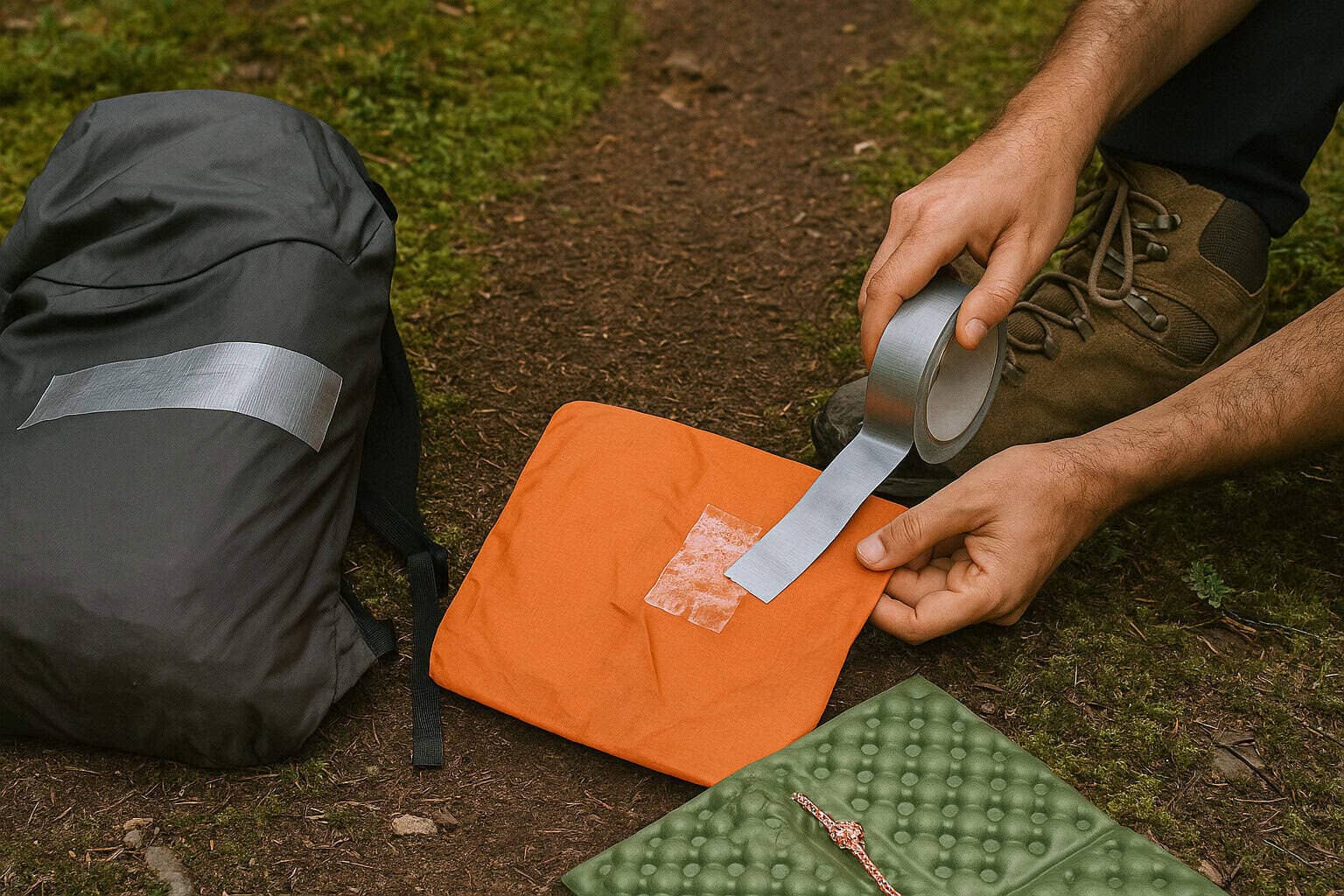 Trekking Tips
By Shivam Shingari|Feb 15, 2026
Trail Gear Repair: Simple DIY Fixes That Work on TreksOnce you've entered the wilderness, problems with gear are likely to strike at suitable times. A strap for your backpack that's not repaired or a tent that's broken, or water bottles that leak could turn into a battlefield that isn't immediately repaired using tools like paracord, duct tape and multi-tools, such as the ones discussed here, which can be used to make repairs that are reliable even when you're the distance is far away from the nearest civilization. This article will demonstrate how quickly and reliably maintenance of gear can occur even when you are miles from the ghetto. It can be an issue when you carry your bag and therefore, replacing a broken strap buckle is a must. To provide quick and simple solutions: Duct tape wrap: It is recommended to fold the strap over, then then secured using Duct tape as an interim fixation in order to achieve this outcome. Paracord Replacement If your belt get completely torn Paracord can be utilized to create a new loop, and then secured with the buckle. Zip Tie trick: Thread the zip tie through the buckle holes in order to assist the strap and keep it in place. Problem: A Rip in the fabric of a tent can allow in rain, wind and insects. To ensure it is sealed, place Duct Tape Patch around both sides of the tear, creating an impermeable barrier around it. Tenacious Tape (if it is available): For repairs lasting a long time, Tenacious Tape may provide the best solution. Sewed and Tape Combination To prevent larger tears Sew the edges first, then apply TapeTape for a secure measure. Issue: A puncture in the water bottle could make you thirsty. Repair: Dry the area first, then seal any gaps using several different layers of duct tape. Superglue for tiny holes: Use using containers made of plastic (allowing the glue to dry in air prior to refilling). A damaged pole could cause disruption to any shelter, trek or even a trip. To stabilize the situation immediately, you can use the strength of a stick to create an splint aligned with the damaged part and secure it with Duct Tape. Tent Pole Repair Sleeve (if included): Slip it over any damaged areas to give additional support and strength. issue: Losing a shoe sole during a trek can be disastrous. To solve the issue, Duct Tape and Cord Wraps offer support. Tape the sole back to its original position and then secure a paracord wrap around the sole to provide additional stability. Zip Tie Lugs are a great way to give temporary grip to worn treads. Problem: A broken or stuck zipper can cause damage to clothes or backpacks. Instead of replacing the zipper pull in entirety with paracord or keyrings instead, try using one of them as a pull tab instead. Make use of lip balm or wax to help lubricate. This can help to loosen any zipper that's become stuck. Safety pins function as emergency stoppers in case the zipper's teeth get disaligned, the zipper's opening is stopped from occurring. In the wilderness, and every milligram matters, being able to make quick and efficient repairs to gear yourself could not only be a benefit It could also save lives. Broken straps tear-strewn tents broken bottles, damaged soles, paracord, zip ties, duct tape and a variety of other tools can stop a trip that is otherwise fun from turning dangerous. Trekup India frequently emphasizes "Prepare to deal with issues. Before you leave, take an emergency kit to repair as well as a solution, and be confident - particularly as in the wild self-reliance is your best friend.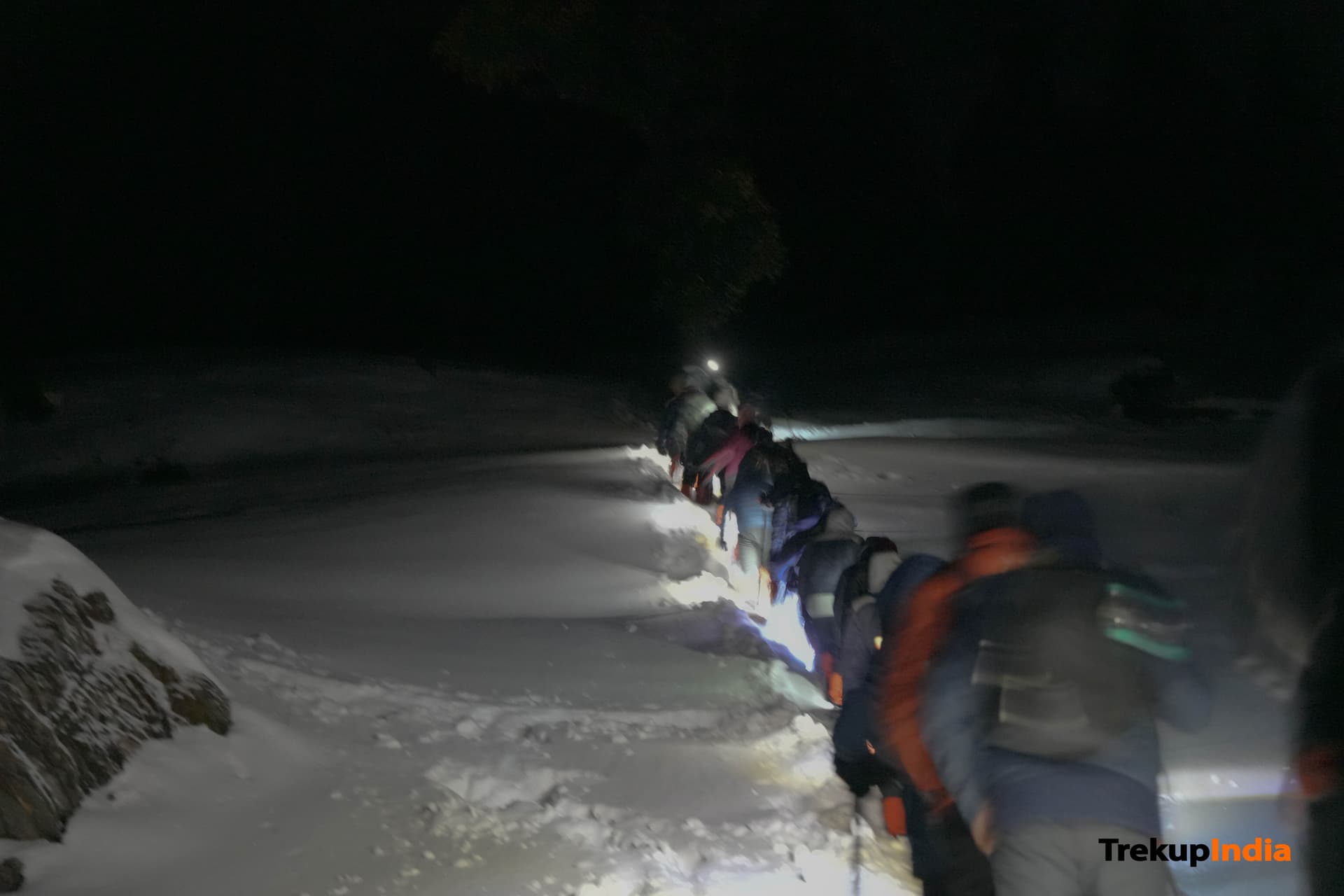 Trekking Tips
By Nanda Rawat|Feb 13, 2026
Remember This Helpful Guide to the Kedarkantha Trek – Complete Trekking TipsThe Kedarkantha Trek, located in the Himalayas, is renowned for hikers because of the stunning landscape, moderate difficulty and its easy access. With winter fast nearing, it's the perfect time to begin planning the Kedarkantha Trek. This article gives a brief overview of what you can expect during the trek, and how to prepare. The Kedarkantha Peak is in the Uttarakhand Govind Garhwal region. The trek usually begins from the picturesque town of Sankri that is renowned for its beautiful scenery and welcoming locals. Sankri can be easily reached via roads from major cities, such as Dehradun and Rishikesh. The Kedarkantha trek takes six days and is appropriate for hikers of all levels, from novices to experienced hikers. A moderate score, Kedarkantha offers a good balance of accessibility and adventure which makes it suitable for both novice or experienced hikers. The gentle slope offers an enjoyable and rewarding experience and makes it a good option for families with children. The best time to visit The most ideal time to go on the Kedarkantha Trek is during winter between December and April. The area transforms into a stunning winter wonderland with the trails covered in snow, frozen lakes and dense forests. The altitude of Kedarkantha is 12,500 feet. The trek from the base camp all the way to the top is an increase in elevation of 6,100 feet in the course of three days, allowing the participants to get used to the elevation. Stays in the Trekup India Luxury Hotel in the village's bottom of Sankari and comfortable twin-sharing tents to share during the trek. Offloading service are available for a fee. If booked online via the website it will cost INR 1600 or at Base Camp Sankri, it will cost INR 2000. The weight of the bag that is used for offloading must not exceed 10 kg. Cloakroom After arriving in Sankri you will be able to keep your luggage in the guesthouse. The final ATM prior to Sankri is located in Mori. For a safe journey taking cash or withdrawing it in Dehradun is recommended.Trekking TipsBy Preetam Singh Rawat|Feb 13, 2026
Why Kedarkantha Trek is Perfect for Beginners – Easy Himalayan Trek GuideGeography and Location: Nestled in the heart of Uttarakhand, India, the Kedarkantha trail takes you through the stunning Govind Wildlife Sanctuary in the Western Garhwal Himalayas. The trail leads you through the captivating Tons Valley, a stunning sight to see and a top trek place in India. The trek from Kedarkantha Peak takes six days and is suitable for novice as well as experienced trekkers. It is a scenic route that passes through beautiful villages, lush forests and meadows that are captivating which highlight the stunning beauty of Uttarakhand's trek. The hike offers an equal amount of difficulty, suitable for those who have no experience. The terrain offers a blend of adventure and accessibility, without becoming overwhelming. Kedarkantha is not just a hike It's a journey that welcomes families, friends and solo travelers with welcoming arms. It has an experience for everyone which makes it a perfect option for people who are new to the sport. This beginner-friendly trail is easy to navigate and doesn't require any technical knowledge. Well-Marked Trail The route within Kedarkantha is clearly marked to reduce the risk of getting lost, and also enhancing the trekking experience. A team of experienced guides Your trip to Kedarkantha is not only about the trek, but also the experience. With the help of knowledgeable guides and trek leaders Your safety is our primary concern. They'll help guide you, and expand your understanding of the culture of the region and its natural environment, making your trip more enjoyable. For those who are just beginning to trek, Kedarkantha is an ideal starting point. It is stunningly beautiful and a profound feeling of accomplishment.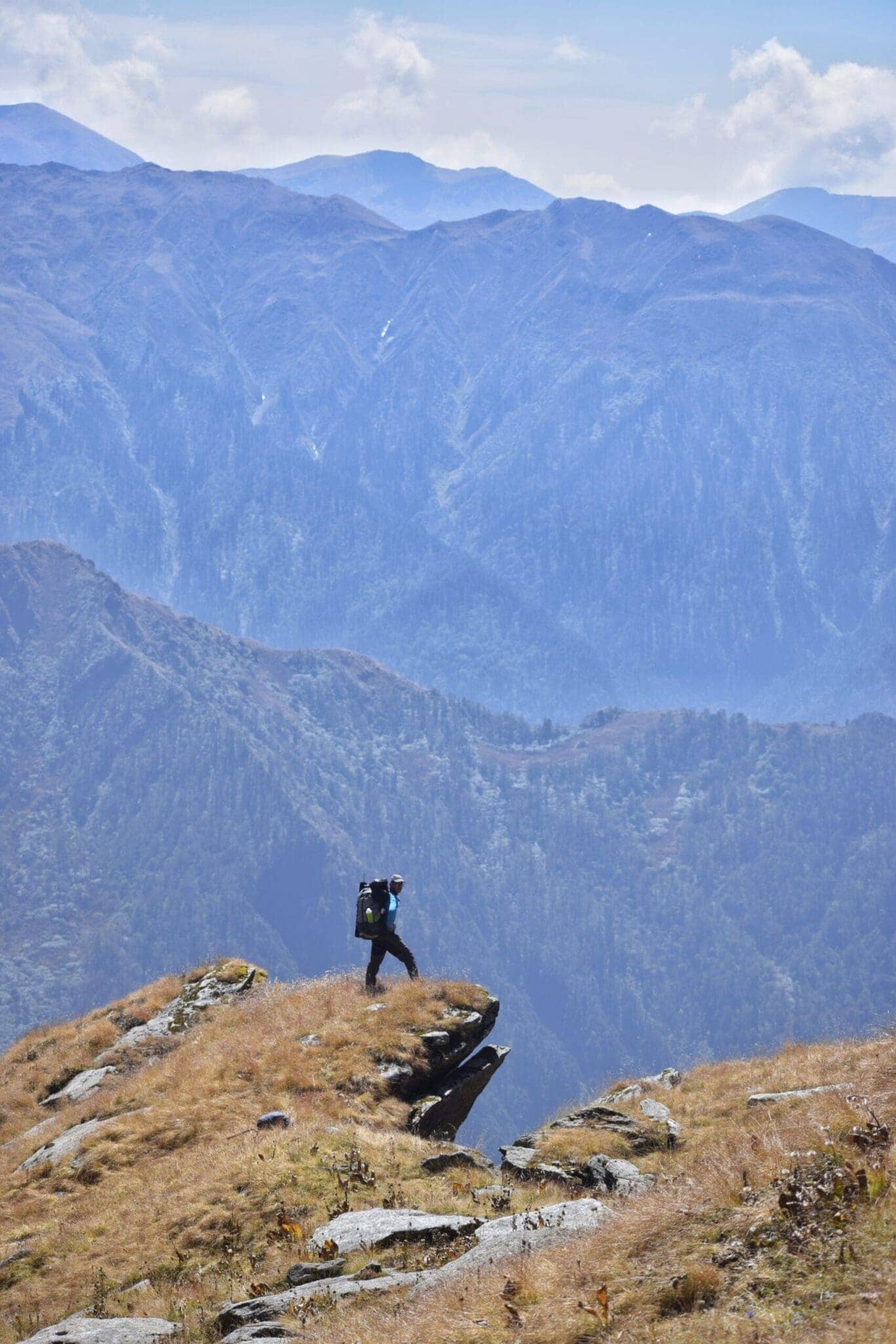 Trekking Tips
By Preetam Singh Rawat|Feb 13, 2026
Har Ki Dun Trek in Autumn – Scenic Himalayan Trekking GuideThe autumnal time in the Har Ki Dun valley reveals its most beautiful state. This time of year offers the chance to take in breathtaking scenery without having to endure the more harsh winter temperatures when snow-capped peaks form stunning backdrops against vibrant red chaulai plants which flourish throughout. When the snow starts melting towards the end of April Har Ki Dun sheds its winter coat and reveals the stunning and raw landscape in which the Supin river flows through with renewed clarity, forming stunning light and shadow between the pine trees that sparkle in the golden glow of pine needles while our mules stroll peacefully by. Har Ki Dun Trek in Uttarakhand's Garhwal Himalayas is particularly enjoyable in the autumn months usually from late September until early November. Once the monsoon season has ended the landscape becomes unbelievable, with stunning images of Swargarohini, Black Peak, and Bandarpoonch against a vivid blue sky. In addition, bronze and golden shades that adorn the oak, maple and walnut trees begin their transformation into magnificent views to behold. Great for nature lovers and photographers alike, the trekking conditions in Nepal provide perfect trekking conditions: pleasant temperatures in the day, cool evenings well-maintained trails, free of leeches and monsoon residue creating the perfect trekking conditions. Osla and Gangad villages add another layer of attraction, where visitors can observe local life including harvest celebrations, as well as traditional celebrations as communities prepare for winter. The autumn season truly reveals the Valley of the Gods' glittering beauty. Following monsoon rains and the fall season, autumn brings a refreshing crispness to the air, allowing us to see breathtaking mountain views for the first time. Swargarohini, Black Peak (Kala Nag) and Bandarpoonch are stunningly visible against a stunning blue background providing us with breathtaking views often obscured by a summer clouds or monsoon veil during other seasons. When the seasons change, the oak, walnut, and maple trees change their colors from gold to bronze to golden-bronze shades offering beautiful landscapes along every path in the valley, awash in autumn leaves that light up every path and offer photographers endless photo opportunities - perfect locations for photographers that love nature! This setting offers excellent photographic opportunities and is an absolute delight for those who love nature. The temperatures during the day are perfect for hiking. Even though nighttime temperatures can be cooler from October onwards, the absence of snow or rain will ensure that the trek is dry and dry; this prevents leeches and other dangers resulting from heavy monsoon rains that can infiltrate the trail and supplying fresh mountain air instead. The fall season is also a season for exploring the culture in remote Himalayan villages like Osla and Gangad. There, you can witness the people who are prepping for winter with harvesting, observing small festivals, or taking part in traditional ceremonies, giving an opportunity to gain an understanding of the culture of mountain communities. Trekking Tips
By Nanda Rawat|Feb 13, 2026
Top Rhododendron Treks in the Indian Himalayas – Scenic Himalayan AdventuresTravelers from all over the world travel to different destinations to take in the beauty of blooming flowers, however many trekkers miss the breath taking beauty of rhododendrons blooming in India. The first signs of spring appear in the Himalayas in mid-March, the buds of rhododendrons begin to pop up from the winter snow to cover mountains with vibrant shades of pink, scarlet red, purple, and scarlet until the first signs of summer appear. This spectacular display, limited to latitudes ranging from 80degN up to 20degS, is typically located within the Sino-Indian Himalayas, particularly Himachal Pradesh, Uttarakhand, Sikkim and Nepal with a higher density in the in the east. It's an absolutely amazing and unforgettable experience. The Rhododendrons flower from the end of winter until the beginning of summer especially between February and April. Uttarakhand is in bloom from mid-March and mid-April. Sikkim, Nepal, and North Bengal can see blossoming the rhododendrons from early April to the beginning of May. Here are five treks that offer an excellent opportunity to see the amazing beauty of our country's Rhododendrons! Goechala trek is renowned for its breathtaking display of rhododendrons. It draws tourists from all over the globe. This natural display is what makes Goechala stand out with its long bloom time: trekkers can witness their first blooms just after passing through Bakhim campsite, and will be able to see stunning flower displays for days afterward. Tshoka and Phedang provide stunning rhododendron experience beyond Tshoka. At elevations between 9,000 and 11,000 feet, a trip between these towns is an amazing rhododendron oasis with vibrant hues of yellow, pink, red and scarlet bursting throughout the landscape, wrapping you in vibrant, kaleidoscopic colors popping out of the scenery like fireworks! Rhododendrons are so dense that their flowers form flowering tunnels that let sunlight through to give this forest stunning beauty, making it an unforgettable experience with rhododendrons!" Sikkim and North Bengal's Eastern Himalayas are well known for their abundance of rhododendron blossoms however, Western Himalayan blooms tend to be less well-known. Trek makes itself known as an exception, with an amazing array of Rhododendrons that make the trek a stunning trek; its breathtaking variety gives the trek the title "Goechala of the West" and demonstrates its unique appeal. Har Ki Dun Trek is ablaze with vibrant rhododendron flowers from April through early May, bringing people through thick forests close to Osla and Seema villages to view stunning displays of pink and red flowers that line the paths, illuminating an otherwise green landscape, strewn with snow, and releasing their sweet, fragrant scent in the air of the mountains. Along with stunning panoramic views of Swargarohini Glacier and Jaundhar Glacier springtime creates Har Ki Dun valley a truly magical spot to explore. The Sandakphu trek is a memorable experience, but in the Rhododendron season, it really becomes a spectacle. Amazing panoramas of Kanchenjunga and the Everest range take center stage as stunning rhododendron blooms stretch across the valley below similar to the Goechala Trek, which is famous for its vivid display in Singalila National Park. Starting at Aal to Gurdum the trekkers can enjoy an explosion of colors that span deep red, pink light pink, white and yellow blossoms that create a memorable journey that is that should not be missed! Brahmatal provides an incredible hike that takes participants on a journey through the rhododendrons right from the beginning starting from Lohajung basecamp, with neatly arranged rhododendrons, to Gujrani where a day hike offers unforgettable Rhododendron adventures within one of the most dense forests. In the Gujraini campsite, you'll enjoy stunning Rhododendron blooms, especially in April. Further to Bekaltal the pink blooms are scattered along the lake, providing another amazing experience for those who want to unwind or discuss stories. Deoriatal Lake rivals its eastern counterpart in every aspect. You immediately are immersed in an amazing rhododendron woodland filled with vibrant blooms from the trees that surround it. the Deoriatal Lake itself features trees with deep crimson shades, magenta tones as well as vibrant pink hues that surround its shores, providing an immersive and enchanting experience! "This'll be spent by the lake," Vivek Saini has said about this region's beauty. Despite Day 1's breathtaking beauty the day 2 and beyond will only be more stunning - the forests that stretch all the way from Deoriatal to Rohini Bugyal to Chopta leave people awestruck, while the unexpected flowering clusters of Rhododendron all around will take your breath away. Chopta-Chandrashila Trek is among the most sought-after short hikes in Uttarakhand to experience the rhododendron bloom from April through May. When you trek through the lush forest of Chopta and Deoriatal the trails come vibrant with vibrant red, pink and white Rhododendron blooms that provide vibrant colors against a vast forest landscape with deodar trees and snow-capped mountain peaks. As you make your way towards Tungnath the world's tallest Shiva temple located at Chandrashila top offers stunning views of Nanda Devi, Trishul, and Chaukhamba mountains, as well as flowering Rhododendrons to give you the sensation of spring magic!