
Prev
1 / 9
Next
 Trekking Tips
By Anoop Rawat|Feb 17, 2026
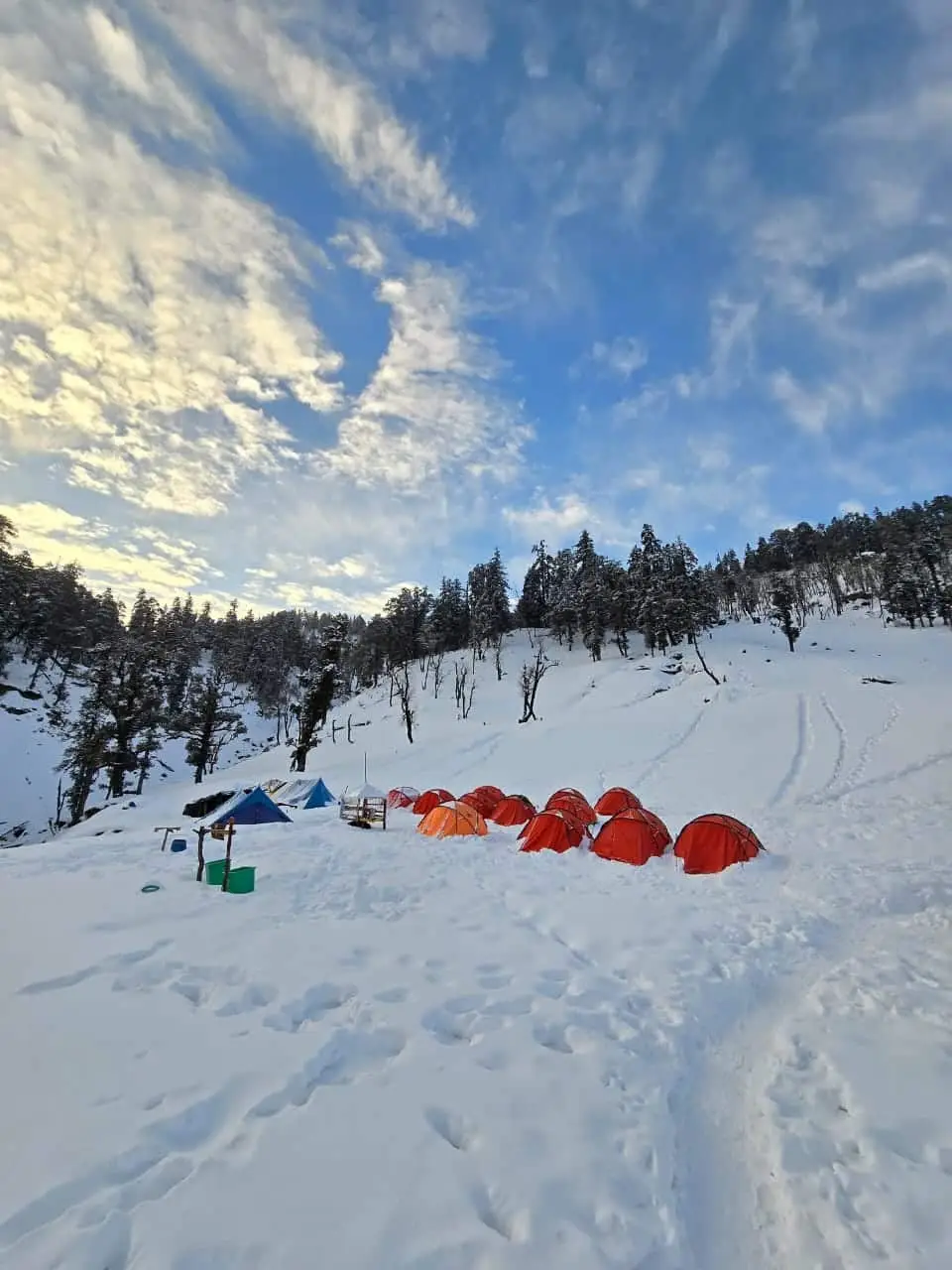
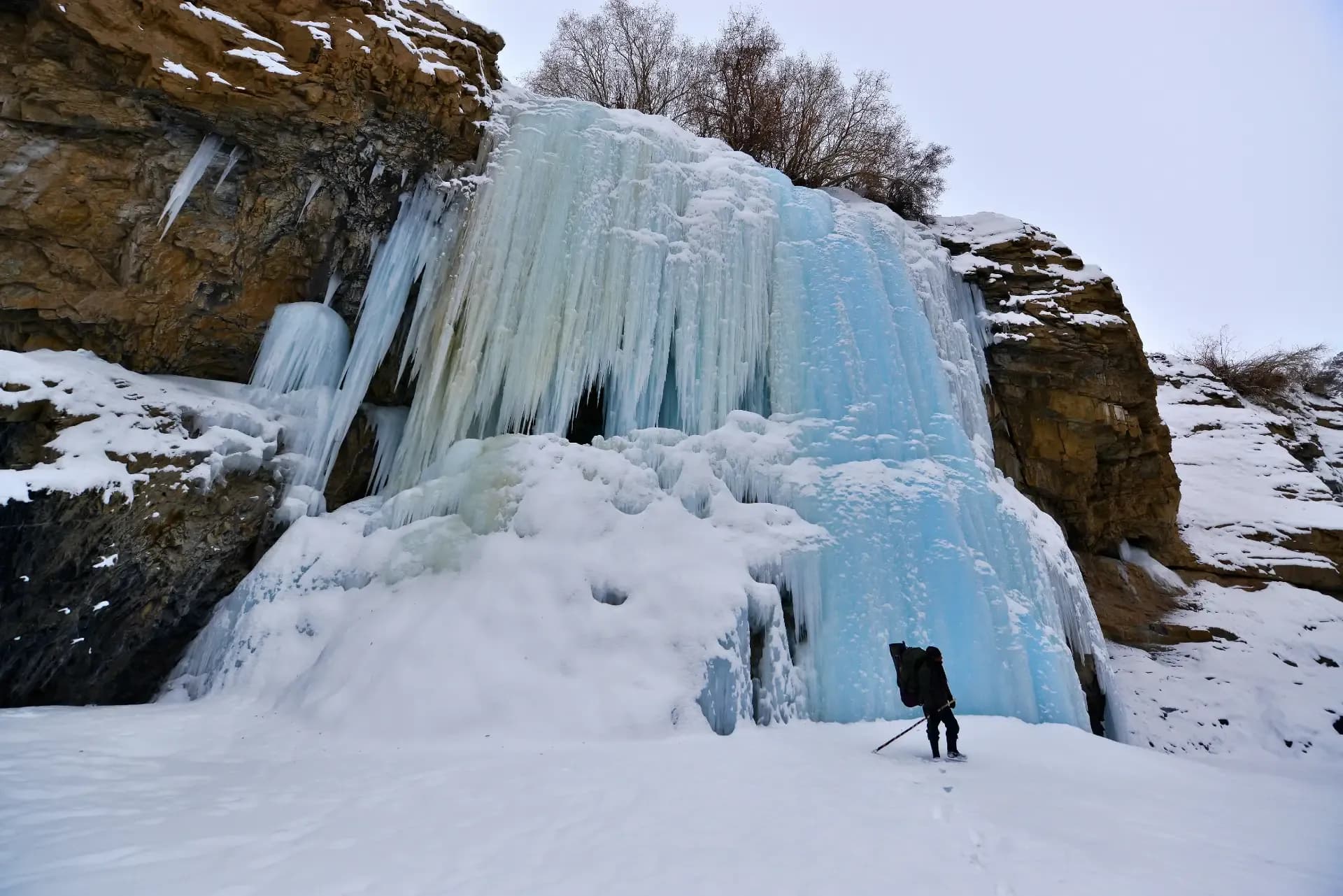
Best Winter Treks: Frozen Lakes, Icy Trails & Snow CampingWinter is the time when the Himalayas take away any the distractions and reveal their real essence. The forests are silent beneath fresh snow, lakes in the alpine become crystal clear mirrors, mountain trails require perseverance and discipline. It is also a time to be resilient. Contrary to summer hikes that are a celebration of blossoms and greenery winter treks are about the solitude endurance, endurance, and mental toughness. The treks at TrekUp India, winter routes are chosen only after considering the reliability of snow as well as safety of the terrain as well as campsite accessibility and evacuation access as determined by the number of years of field operations. This guide includes the best winter treks available in India that range from snow-walks that are easy for beginners to challenging summit climbs, each one designed to give you a secure yet memorable winter experience. Reviewed by Nitin Rana - Senior Trek Leader, TrekUp India Nitin Rana is a professional with more than 10 years of direct Himalayan guides experience as well as extensive knowledge in winter trekking, snow camping and high-altitude safety. The treks in this article have been verified by actual winter activities including snow conditions, trekking feasibility. Sometimes referred to as often the Queen of Winter Treks, Kedarkantha is the perfect introduction to Himalayan treks in winter. Frosted pine forests covered in snow, ice-cold water bodies, and a satisfying summit hike make it ideal for first-time trekkers as well as experienced trekkers. Highlights What makes it special?The consistent snow with safe slopes and the ultimate summit experience - perfect for those who are just starting out. Brahmatal provides some of the best winter trek experiences in India It is a place of frozen lakes of the alpine and expansive Ridge walks that are framed by massive Himalayan mountains. Highlights What makes it unique?It is one of the few winter treks in which trekkers camp alongside frozen lakes at high altitude. Kuari Pass, also known as the Curzon Trail transforms into a magical winter landscape. Soft ridges, snowfields that are open and stunning Himalayan panoramas make the trail a perfect choice for trekkers who are looking to conquer the winter landscape. Highlights What makes it uniqueProvides some of the most stunning snowy mountain panoramas without any technical difficulty. Pangarchulla is designed for hikers who are looking for the ultimate winter test. The climb up the mountain through ice and snow demands strength, balance and determination. Highlights What makes it unique?It is one of very few Winter summits with no technical requirements for trekkers with a strong endurance. The Chadar Trek is among the most difficult winter treks in the world that follow through the frozen Zanskar River under towering canyon walls. Highlights What makes it uniqueIt's an winter survival trip and not just a hike. Dayara Bugyal changes into an expanse of white of land during winter, providing beautiful and safe snow hiking. Highlights What makes it unique?It is a easy winter trek perfect for families and those who are new to snow trekking. Nag Tibba offers a short but rewarding winter trek in close proximity to Mussoorie. Highlights What makes it different?Perfect for those who want rapid winter exposure with a minimal commitment to time. Winter treks in the Himalayas isn't all about snow. It is also about solitude, self-discovery and the power of. Starting with the frozen lakes in Brahmatal and the cold river walks that runs through Chadar and the epic climb of Pangarchulla The winter season reveals some aspects of the mountains only a few can ever experience. In TrekUp India, winter treks are designed to provide the thrill of adventure, security, with authenticity. It doesn't matter if you're taking a step onto new snow on your first trip, or looking for a challenging winter adventure The Himalayas during winter are a place to leave memories in your memory. Be careful, plan your trip carefully and let the snow guide you. Trekking Tips
By Anoop Rawat|Feb 17, 2026
Why Rushing Acclimatization in Ladakh & Spiti Is DangerousLadakh as well as Spiti are the most sought-after high-altitude locations for trekkers cyclists, and adventure travelers. The stark, cold deserts, the ancient monasteries, as well as the dramatic mountain passes provide a unique experience unlike any other within the Himalayas. But, underneath this splendor is a significant and often overlooked issue: altitude sickness caused by inadequate adaptation. Here at TrekUp India, we have always observed that one the most dangerous mistakes travelers do during their travels in Ladakh or Spiti Valley is hurrying their trip. The inability to take acclimatization breaks in order for the sake of "save time" often results in illnesses, delays to travel and, in the worst situations serious medical emergency situations. Acclimatization is a natural process in the body adjusts to lower levels of oxygen at higher altitudes. For Ladakh and Spiti the majority of regions are over 3000 metres (10,000 feet), with passes and villages typically exceeding 4,500 to 5,100 meters. At these elevations: In the absence of proper acclimatization even fit individuals could get sick. AMS is one of the more frequent health issue at altitude, and shouldn't be overlooked. Common symptoms include: If left untreated, AMS can worsen rapidly. Incorrect acclimatization could lead to: Both are medical emergencies that can be fatal if not treated immediately. Travelers often have trouble with: In the case of poor acclimatization, it can lead to: The medical facilities for patients in the remote areas of Ladakh along with Spiti are not as extensive. Evacuation in case of emergency is: Acclimatization to the environment is a significant factor in reducing the chance. The golden rule is: "Climb High, Rest Low." Make sure you spend at minimum two night getting used to: Make use of this time to: Signs of danger should never be ignored. If symptoms get worse: Through the years of running trekking and road trips through Ladakh as well as Spiti, TrekUp India has discovered that travelers who adhere to acclimatization have healthier, safer, and much more satisfying experiences.. Acclimatization does not waste time. It will be an investment into: The mountains are a great place to practice perseverance. Reviewed by Kapil Sharma - Trek Leader, TrekUp India This article was examined by Kapil Sharma who has a wealth of on-the-ground experience in leading treks and high altitude travel programs in Ladakh as well as Spiti. The acclimatization tips above have been confirmed by actual field conditions and medical emergencies related to altitude and safety protocols for operations that are followed by TrekUp India. The rush of Ladakh and Spiti without adequate acclimatization could transform a trip of a lifetime into an unintentional risk. The elevation, the dry weather and the remoteness of these areas need patience, understanding and a respect for the way the body adjusts to the thin air. We at TrekUp India, we remind everyone who travels that acclimatization is not an inefficient time. It safeguards your health, improves your experience and lets you really take in the natural beauty of these beautiful landscapes. Slowly move. Pay attention to your body. Allow Ladakh and Spiti show their magic in their own way.The mountains will reward those who honor their rhythm.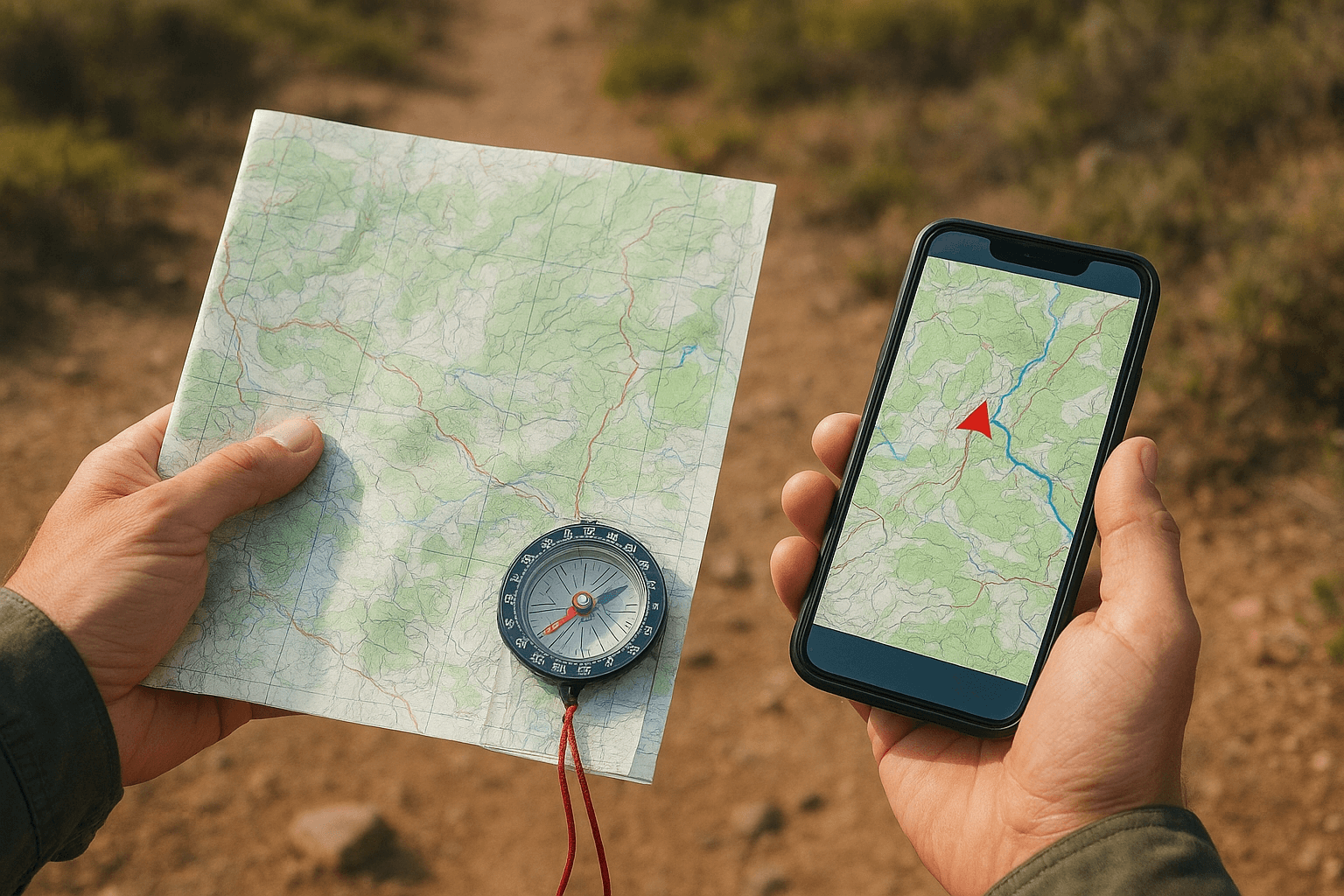 Trekking Tips
By Nanda Rawat|Feb 17, 2026
Navigation Basics for Hiking: Map, Compass & GPS Apps (Offline)In India's wilds, whether traversing high Himalayan passes and the dense Western Ghats forests or remote central Indian landscapes--requires more than physical strength. Navigation is among the least-known but essential abilities required for trekking particularly when trails are hidden by fog, snow or thick forest cover. On TrekUp India, trek leaders have seen time and again that hikers who are familiar with maps as well as compasses and GPS offline tools are more comfortable save energy, and are more responsive to unexpected events. Navigating knowledge eases anxiety, helps avoid dangerous detours and enhances the safety of Indian trails. Numerous trekking routes in India: Strong navigation skills help trekkers: Navigation isn't about speed. It is about safety and control. The Topographic maps is the basis of a secure navigation. Always keep always carry a printed map of the outdoors in a bag that is sealed. Note your routes and campsites ahead of time and keep track of your progress throughout your trek. The compass does not require charging and is able to work in any condition. This technique is invaluable This method is extremely useful fog-filled meadows, snowy conditions, or in forests in which landmarks disappear. Learn to use compass at home, or on short walks before using this in mountain terrain. Smartphones are a great tool for support but only when they are used with care.. Download maps prior to the hike using GPS apps that allow offline usage. Signals are not reliable or even absent in the majority of trekking regions. GPS is supposed to be able to support rather than replace traditional navigation. Reviewed by Dev Rawat - Trek Leader, TrekUp India This article was examined by Dev Rawat, who has vast experience on the ground in leading treks through India's Himalayas, Western Ghats, and forested trails in India. The guidelines for navigation in this article can be verified through real-world conditions on trails that involve fog or snow cover as well as dense forest navigation as well as emergency corrections to routes that were encountered in TrekUp India operations. The wilderness of India isn't just about technology alone. It is about preparation, awareness and a respect for the terrain. People who are able to navigate using maps, an compass, and use GPS applications offline can move more confidently and with lower risk. We at TrekUp India, we have observed that mixing traditional navigation techniques with the latest technology lets trekkers travel more securely, avoid unnecessary stress, and to enjoy their travels more. A reliable navigation system will not hurry you to your location. It can help you to understand the terrain and react calmly to any uncertainty and safely navigate the natural world. Take your map with you. Be sure to trust your compass. Make sure to use your GPS in a responsible manner.And let the navigation guide you and not frighten you. Trekking Tips
By Anoop Rawat|Feb 17, 2026
Best Spring Treks in the Himalayas: Top 15 PicksSpring trekking season transforms the Himalayas into a trekking paradise with blooming rhododendrons, clear mountain views and best temperatures for trekking. It is an adventurer’s and nature lover’s dream come true and these 15 Himalayan treks between March and May provide unforgettable experiences from beginner-friendly treks with breathtaking meadow views to moderate treks with diverse landscapes or challenging high altitude treks for experienced trekkers – come join us as we discover Nepal, India and Bhutan’s top spring trekking destinations during their peak spring trekking seasons when their mountains come alive with life! As temperatures warm, spring turns the Himalayas into an best trekking paradise, providing best walking conditions after an often-brutal winter. From mid-March through April, weather conditions provide best walking conditions without rainy monsoons arriving later. Daytime temperatures (typically 15-20deg C) offer excellent conditions for long treks without freezing temperatures limiting winter excursions. As snowmelt releases its grip, lush green carpets spread across Himalayan meadows. By April alpine pastures were bursting with new grasses and wildflowers reaching ankle height. The transformation is astonishing barren winter slopes give way to vibrant living canvases of purple irises yellow primroses as well as white anemones which serve as stunning natural backdrops for photos as well as peaceful lunch spots during treks. Spring brings with it an exquisite mix of snowy patches and vibrant green vegetation bursting with new life. Higher elevations remain covered with snow-topped peaks while middle elevations begin to show signs of life, providing photographers and nature lovers alike a variety of landscapes on one trek. Rhododendron trees offer one of the most spectacular Himalayan displays, particularly during April when entire hillsides transform into waves of pink, scarlet and white blooms as these gorgeous trees burst open their petals to illuminate entire hillsides with vibrant hues. Walking through forests in April is like walking into another dimension; light filters through canopies to illuminate paths covered in fallen blooms – popular treks like Goechala and Sandakphu are especially renowned for this phenomenon. Spring offers breathtaking mountain views before the heat of summer settles in and clouds cover them in thickets of haze and monsoons. Air clarity offers magnificent panoramic vistas of distant mountains; mornings often provide the clearest views. Many trekkers are charmed at sunrise when first light glimmers off snow-covered peaks with golden hues against pure blue skies – it truly leaves trekkers breathless! This season is filled with incredible wildlife activity. Migratory birds return to higher altitudes, filling the air with their varied calls; Monal pheasants flash their shimmering plumage; Himalayan griffons soar above; you may spot blue sheep, mountain goats or even red pandas in certain locations if you keep an eye out; moderate temperatures also ensure animals are awake during daylight hours – providing best conditions for wildlife photography enthusiasts. Difficulty: Easy–Moderate Duration: 4–5 days Maximum Altitude: ~12,083 ft Deoriatal-Chandrashila Trek stands out as an best spring adventure for beginners in the Himalayas. When taken during springtime, its trek transforms into an idyllic landscape of vibrant pink and red rhododendron flowers against a background of mountainous terrain – providing this moderate trek with just the right combination of challenges and accessibility for newcomers. At 12,083 feet, Chandrashila top is the star attraction on this trek, providing trekkers with unparalleled 360-degree views of some of the major Himalayan peaks including Nanda Devi, Trishul and Kedar ranges. Trekkers begin their adventure at Deoriatal lake – a crystal clear mountain lake which reflects all around it, offering great photography opportunities at sunrise. Difficulty: Easy Duration: 2 days Maximum Altitude: ~9,915 ft Nag Tibba Weekend Trek provides an best weekend adventure. At 9,915 feet, Nag Tibba (Serpent’s Peak) is the highest point within its Garhwal Himalaya range and an excellent introduction to summit trekking. This trek offers breathtaking mountain vistas in two days – making it the best trek for professionals seeking an accessible Himalayan experience. Trekkers can witness beautiful vistas from Bandarpoonch, Swargarohini, Gangotri and Kedarnath summits during this moderate temperature trek with clear skies that enhance these majestic peaks’ sights. Difficulty: Easy–Moderate Duration: 5–6 days Maximum Altitude: ~12,500 ft The Kedarkantha Trek has earned itself an esteemed position as an immensely rewarding, beginner-friendly mountain climb in the Himalayas. Beginning from 12,500 feet and ending up at Chanderkantha Lake, this moderately difficult trek offers stunning views of snow-covered Himalayan peaks amidst green pastures filled with alpine flowers in spring. Kedarkantha Trek offers an best introduction to trekking with its ancient forest of oaks and pines before opening out into wide clearings. Beginner trekkers will appreciate Kedarkantha’s gradual ascent curve and well-marked treks which give them confidence-building experience while feeling the satisfaction of reaching a landmark summit. Difficulty: Easy–Moderate Duration: 4–6 days Maximum Altitude: ~12,100 ft Dayara Bugyal trek is one of the most breathtaking high-altitude meadows in Uttarakhand. Situated between 10,000-12,000 feet, these lush meadows cover 28 square kilometers. When spring arrives, snow melts away leaving behind an alluring green carpet bursting with colorful wildflowers. Soft terrain makes this trek suitable for beginner trekkers while offering stunning views of prominent Himalayan mountain ranges such as Bandarpoonch and Bhagirathi. Trekkers will pass through picturesque mountain villages while experiencing Garhwal culture; morning views from Dayara Bugyal showcase golden Himalayan mountains rising out of clouds-filled valleys creating an ethereal beauty, depicting spring’s first awakening across these glorious mountains. Difficulty: Moderate Duration: 5–6 days Maximum Altitude: ~12,250 ft Experienced trekkers seeking an easy challenge can enjoy Brahmatal Trek this spring of 2025, where it offers stunning ridgeline camping experiences with breathtaking panoramas of Mount Trishul. Reaching altitudes of around 12,100 feet, this trek makes for best trekking experience; blooms of rhododendrons along the trek create a vibrant path towards an alpine lake as you head uphill towards it; clear skies provide amazing views of Himalayan mountain peaks from their campsite. Difficulty: Easy–Moderate Duration: 6–7 days Maximum Altitude: ~12,516 ft The Kuari Pass Trek provides some of the most breathtaking views of India’s highest mountain, Nanda Devi, while spring transforms the route with blooming wildflowers and moderate temperatures, perfect for comfortable trekking. At 12,516 feet, it presents experienced trekkers with an exciting challenge while providing breathtaking views of Kamet, Dronagiri, and Chaukhamba as well as old forest treks where new leaves begin to emerge – particularly beautiful during spring when new leaves emerge from beneath their beds! Difficulty: Moderate Duration: 5–6 days Maximum Altitude: ~12,150 ft Phulara Ridge Trek in Uttarakhand provides a unique ridge-walking adventure few Himalayan treks can match. Experienced trekkers will experience unobstructed views of 250 degree mountain ridges while walking through its captivating ridge. Spring brings clear and sunny weather which makes the trek best for taking stunning photos, with diverse terrain including dense forests and expansive meadows as well as its remarkable ridge walk as its main drawcard. Difficulty: Moderate Duration: 6–7 days Maximum Altitude: ~11,686 ft Springtime is the best time to experience Ali Bedni Buggyal Trek’s famed high-altitude meadows on their Ali Bedni Buggyal Trek bloom with vibrant life. These expansive meadows, one of Asia’s biggest high-altitude meadows, allow experienced trekkers the unique opportunity of walking among a carpet of wildflowers while overlooking mountains covered in snow – an enjoyable moderate trek that covers approximately 11,500 feet and offers trekkers breathtaking 360 degree views of major Himalayan summits like Trishul and Nanda Ghunti. Additionally, spring thaw brings lush greenery that makes this trek truly remarkable. Difficulty: Moderate Duration: 6–7 days Maximum Altitude: ~11,675 ft Har Ki Dun Trek, also known as “Valley of Gods”, provides experienced trekkers with an unforgettable blend of cultural immersion and natural beauty. This moderately challenging trek will take you through old villages that still preserve traditions dating back to Mahabharata period; spring season brings mild temperatures as well as blooming alpine blooms to this valley that is shaped like an ancrane; forests of pine needles and meadows come alive with vibrant colors while offering views of Swargarohini mountains; traditional wooden houses found along the route only add an authentic Himalayan experience that adds even greater cultural significance for your Himalayan experience! Difficulty: Moderate Duration: 6–7 days Maximum Altitude: ~11,950 ft The Sandakphu-Phalut Trek stands out as an exceptional cross-border trekking experience, giving experienced trekkers stunning views of four of the world’s highest peaks, such as Everest, Kanchenjunga, Lhotse and Makalu from one point. Spring provides clear views after winter snow has melted but before monsoon clouds start rolling in. At an elevation of 11,941 feet Sandakphu offers moderate challenges while rewarding trekkers with spectacular spring blooming magnolias and Rhododendrons among many other beautiful blooming floral varieties which bloom all bloom spectacularly every springtime – truly an experience unlike any other. 2025 will bring opportunities for those wanting to take their travels further, with spring being an best season to attempt challenging Himalayan adventures. Low snow levels combined with reliable weather patterns makes these challenging treks more accessible, yet still require preparation and knowledge of their terrain. Difficulty: Moderate–Difficult Duration: 9–11 days Maximum Altitude: ~16,200 ft (Goechala Viewpoint) Goechala Trek in Sikkim is widely recognized as one of the Himalaya’s premier high-altitude treks during spring, offering experienced trekkers breathtaking views of 14 major Himalayan peaks including Kanchenjunga – third tallest peak! The trek typically lasts 8 to 10 days, covering 90 kilometers while reaching an altitude as high as 16,207 feet at Goechala Pass. Spring brings vibrant rhododendron blooms that add splashes of vibrant color along the lower slopes, while higher reaches provide unparalleled views of snow-capped mountains – and Samiti Lake provides one of the most incredible sunrise views across all Himalayan range. Difficulty: Moderate Duration: 5–6 days Maximum Altitude: ~14,100 ft Hampta Pass offers an unforgettable trek that spans from lush Kullu Valley to stark desert landscape of Lahaul – creating one of the most diverse high-altitude treks you’ll find during spring. At 14,100 feet, Hampta Pass requires physical fitness and acclimatization abilities of those willing to venture on its challenging four to five day trek. Spring trekking offers many advantages with flowing streams and reduced snow barriers, making the chance of visiting Chandratal Lake (Moon Lake) all the more spectacular. From lush forests and meadows to barren moonscapes – Hampta Pass makes an arduous but unforgettable adventure for experienced trekkers! Difficulty: Difficult Duration: 6–7 days Maximum Altitude: ~15,069 ft Pangarchulla Peak trek stands as one of the most challenging spring summits in Uttarakhand, reaching 15,069 feet via a strenuous adventure that requires strength, stamina, and endurance to conquer. Spring marks an extraordinary trek by providing meadows of vibrant wildflowers at lower elevations while still retaining enough snow for an authentic alpine climb. Panoramic views from the summit include legendary mountains such as Nanda Devi, Chaukhamba and Neelkanth – with most trekkers finishing this challenging journey in five to six days due to steep slopes and unpredictable weather conditions along the journey. Dayara Bugyal Trek is designed for children 7 and above. Dayara Bugyal trek stands out as an excellent way for families looking to introduce their kids to Himalayan landscapes, designed specifically with children as young as 7 in mind. Dayara Bugyal’s soft slopes and breathtaking meadows provide a pleasant setting in which youngsters can experience trekking while taking in breathtaking panoramas of surrounding mountains. Trekup India has designed unique family treks that go beyond simple trekking through beautiful terrain. Their specially tailored family treks feature numerous outdoor learning activities so children can engage with nature more meaningfully – from identifying fauna and flora species to better comprehending mountain ecosystems, these educational elements turn a regular trek into an engaging learning experience that parents value for both adventure and education purposes. Parents also appreciate how these treks combine adventure with education while creating memories both educational and entertaining for their kids. Spring time in the Himalayas offers best conditions for family adventure. Trekup India recognizes this by organizing specific group treks specifically tailored for families during this period. These groups ensure families trek alongside other similar interests families, creating a sociable trek experience. Furthermore, each guide is specially trained to meet family requirements including setting appropriate paces and providing fun activities whilst adhering to safety guidelines with extra care if children are present on their adventure. Spring treks for families can easily be planned around school holidays, making them convenient and stress-free activities. Their mild temperatures make these meadow treks especially enjoyable for young trekkers who may find other seasons’ extreme temperatures to be challenging. Himalayan spring trekking season offers something truly remarkable for every adventure seeker. Beginning with stunning valley treks for beginners to high-altitude treks for experienced trekkers, this period between March and May sees mountains transform, becoming alive with blossoming rhododendron blooms, pleasant temperatures, clear skies, meadow treks for families traveling with young children making spring an inviting season to explore the Himalayas. As you plan your 2025 spring adventure, be sure to book it well in advance as popular treks sell out quickly during this peak season. From lower altitude treks with plenty of culture and traditions to mountain adventures atop high mountains – spring in the Himalayas offers experiences unlike any other. So pack up your bags, equip yourself and create memories that will stand the test of time on these breathtaking mountain treks. Trekking Tips
By Anoop Rawat|Feb 17, 2026
High Adventure Treks in Uttarakhand: The Thrilling Season Is HereUttarakhand’s high adventure trekking season has officially kicked off! Experienced and daring trekkers alike have access to even the most challenging Himalayan routes. They are already trekking towards several of their most sought after destinations, such as Gaumukh Tapovan and Kedartal at an altitude of 15,500 feet. This guide is tailored to experienced trekkers ready to embark on challenging high altitude excursions as well as outdoor enthusiasts looking for their next mountain adventure. We will review some of the most popular high adventure treks available in Uttarakhand and discuss why this region is considered to be India’s premier spot for hard trekking, along with when and why these challenging mountain adventures should be attempted. Prepare to discover why this time of year provides the best conditions for beginning your most challenging journey to date. Uttarakhand is the jewel in the crown of the Himalayas, boasting some of the world’s premier alpine and winter treks. These include legendary treks such as the Kedarkantha trek for beginners, as well as the Roopkund trek, which draws tourists with its iconic, skeletal like lake. These treks go beyond mere trekking treks they offer unique bucket list experiences which draw in visitors from around the globe. The Garhwal and Kumaon Himalayas offer stunning mountain peaks that rise over 7,000 feet, such as Nanda Devi and Kamet, providing trekkers with access to breathtaking peaks like these. Winter treks provide unique snow covered landscapes which transform routes into breathtaking paradises; Brahmatal trek offers picturesque views of Mt Trishul and Nanda Ghunti while Har Ki Dun trek passes through villages that appear unchanged by time, seemingly timeless valleys, and centuries old villages untouched by time giving trekkers access to these excellent snow covered routes! The attraction of these treks lies in their accessibility, offering authentic alpine adventures. No need for professional mountaineers if you wish to enjoy breathtaking sunrise views over snow capped peaks, or stroll through lush Rhododendron forest covered in fresh snowfall! Uttarakhand offers trek options that range in adventure and difficulty levels, offering something suitable for every level of experience and interest. For beginners to snow trekking, routes like Kedarkantha and Chopta Tungnath provide an accessible introduction. With well marked treks, comfortable camping spots, and moderate gradients that ensure safe travel through snowy conditions, these treks make an excellent place to build confidence in snowy conditions. Adventurers at mid levels may consider routes like Brahmatal and Kuari Pass for greater challenges, longer distances, and unpredictable weather conditions. These treks introduce microspikes, snow analysis techniques, camping in subzero temperatures, and more. Uttarakhand offers experienced trekkers looking for tough challenges, glacier excursions like Gangotri Glacier, Pindari Glacier, and Roopkund Trek are great examples. These journeys include river crossings, boulder hopping, traversing deep crevassed terrain, as well as long treks in remote wilderness regions. Stok Kangri expeditions push boundaries further and require mountaineering skills and acclimatization to high altitude environments. Every difficulty level is represented; therefore, groups with diverse abilities can find an option that matches them while participants gradually develop their skills over different seasons. Uttarakhand offers trekkers an immersive travel experience. Your day may start in dense oak and rhododendron forests where mist clings to ancient trees while birds’ calls echo throughout the canopy; these sections of forest offer natural windbreaks, which provide best spots for taking tea breaks while you adjust to your altitude. As you gain elevation, forests give way to vast alpine meadows locally known as “bugyals” extending like green carpets towards distant mountains. Ali and Bedni Bugyals are particularly famed for their vibrant wildflower displays in summer and breathtaking snow covered landscapes in winter; both locations provide extraordinary camping experiences, offering 360- degree mountain views as well as starry night skies. Ridge walks add drama and technical difficulty to a wide range of treks. Their sharp ridgelines offer unobstructed views while necessitating careful consideration of weather conditions and routes; furthermore, many final climbs involve scrambling across rough terrain for unforgettable photos that capture high altitude achievement. These diverse landscapes ensure your legs and mind remain engaged throughout your trip, constantly adapting to new forms of terrain, each demanding different strategies, while offering different rewards. Now that we understand why Uttarakhand is the go to spot for adventure trekking, let’s examine some of the most challenging routes currently taking place within this region. Expeditions represent the pinnacle of adventure trekking teams traversing some of India’s most challenging Himalayan Mountain terrains! Kedartal trekkers have accomplished an astounding achievement by reaching Kedartal at 15,500 feet. This glacial lake at high altitude lies under the towering mountain ranges of Thalay Sagar, Bhrigupanth, and Meru and represents one of the more technical locations in Uttarakhand. Their success proves their incredible dedication and preparedness as they carefully follow a carefully laid out schedule slated to finish their climb and return to Gangotri by September 22nd showing both endurance and desire for high altitude adventure in one of nature’s most stunning wilderness regions in the Uttarakhand Himalayas! The Pangarchulla Peak trek continues to draw serious mountaineers looking for an altitude challenge in Uttarakhand’s harsh terrain. This trek requires advanced technical climbing skills and is an integral step toward high altitude climbing excellence in this part of India. The Bali Pass trek remains one of Uttarakhand’s most challenging high altitude treks, connecting the Har Ki Dun valley to the Yamunotri region through treacherous ascents, technical terrain, and extreme weather conditions, offering trekkers an unforgettable adventure. Roopkund Trek leads to Skeleton Lake and continues to draw adventurous souls who seek both natural beauty and historical curiosity. This high altitude adventure features both challenging mountain terrain and exciting discoveries of remains from an ancient civilization preserved within a glacial ecosystem. The Gaumukh Tapovan expedition has seen significant advances with trekkers reaching Tapovan the base camp at the source of the holy Ganges River with impressive ease. This achievement marks an important milestone in what many consider one of the toughest, physically and spiritually challenging treks around. As per their itinerary, this team has made excellent progress with an anticipated return trip back to Gangotri on September 21st. Their trek to Tapovan serves as an essential base camp for Himalayan expeditions aiming at summits such as Shivling or Meru. Both Kedartal and Gaumukh Tapovan treks are unfolding according to plan, reflecting careful planning and best weather conditions, which are key ingredients for high adventure trekking in this challenging mountain environment. Uttarakhand’s snowy mountains offer an idyllic winter paradise, making December and February best for snowshoeing adventures. Regular snowfall provides best conditions to experience the Himalayas with all their white beauty. Kedarkantha is widely considered one of the top winter trekking experiences, boasting breathtaking 360-degree views of major Himalayan peaks including Swargarohini, Bandarpoonch, and Kala Nag. At 12,500 feet, this trek provides stunning 360-degree vistas that showcase snow covered pine and oak forests, entrancing pathways that lead to snow-capped peaks at sunrise it can get temperatures as low as 5 °C, making this trek both difficult and manageable for all fitness levels. Brahmatal at 12,250 feet offers an exhilarating winter trek through its frozen Brahmatal lake, surrounded by majestic mountains like Trishul and Nanda Ghunti, thick Rhododendron forests, meadows covered with fresh snowfall, as well as night temperatures that drop as low as 15 degrees Celsius creating stunning Ice formations along the Trek. Both treks require winter gear, including insulation sleeping bags and waterproof layers, as well as traction devices. Additionally, early starts are necessary due to shorter daylight hours, and effective time management is crucial. Conditions in the snow can change rapidly so experienced guides are essential for safety and navigation purposes. Springtime provides best conditions for technical climbing and high altitude passes, with weather patterns becoming more stable due to snowmelt thawing out and temperatures stabilizing from winter. March May is an excellent opportunity to tackle challenging treks. Pangarchulla Peak at 15,069 feet offers serious mountaineers their first taste of technical mountain climbing available in the Garhwal Himalayas. Climbing requires basic mountaineering knowledge such as rope climbing, crampon use and ice axe techniques with spring conditions often providing stable snow bridges and reliable weather windows for a more straightforward ascent than normal along with 7 to 9 day climb time, including stops for acclimatization at Khullara and Kuari Pass with views across Chaukhamba, Kamet and Nanda Devi ranges from its peak! Kuari Pass can serve both as an individual trek and base camp for Pangarchulla’s attempts. At 12,516 feet, this Trek offers excellent opportunities for acclimatization as it passes through old forests of oak, alpine meadows and moraines; its blooming rhododendrons in spring make an additional treat, along with expansive mountain views across Nanda Devi Sanctuary. Bali Pass connects Yamunotri and Har Ki Dun valleys at 16,207 feet and is considered one of Uttarakhand’s toughest passes. The route comprises glaciers and loose scree sections which could potentially rockfall. Spring snowfall makes crevasse navigation safer while more daylight hours offer adequate time to manage technical sections of this challenging pass. Post monsoon seasons offer stunning mountain views and the most predictable weather patterns throughout the year. September through November provides fresh air without precipitation or fog best conditions for navigation and photography. As the monsoon’s retreat leaves vibrant landscapes in its wake, vibrant flowering alpine meadows become vibrantly colored; mountain meadows bloom with Alpine flowering plants while lower elevations showcase beautiful green valleys. Rivers become clear once monsoon sediment has settled while waterfalls reach their maximum flow rates. Weather Stability Post monsoon high pressure systems produce predictable weather patterns. Mornings generally feature clear skies before afternoon clouds build, providing trekkers with timed windows for summit attempts or passes crossings. Temperatures remain pleasant with daytime highs typically reaching 15 degrees Celsius at moderate elevations while nighttime lows rarely dropping below freezing except at the higher camps. Monsoon related damage on the Trek is being repaired by local communities, making most routes accessible again. River crossings become safer when water levels decrease, while landslide prone sections become more stable, thereby drastically reducing any objective hazards present on routes. Wildlife Activity The post monsoon seasons see increased animal activity as they prepare for winter. Trekkers may see blue sheep, snow leopards, and various species of birds that inhabit higher altitudes during these treks; photographers also often enjoy taking advantage of clear air conditions for wildlife photography at this time of year. These two treks mark the opening ceremony for adventure enthusiasts interested in trekking through India’s Greater Himalayas. Adventure enthusiasts see them as the premier trekking season in this part of Asia. Beginning these treks shows that conditions have opened up at high altitude corridors to serious alpine adventures, providing mountaineers with the foundation to plan future high altitude expeditions across this region. These treks transcend adventure tourism; their significance goes well beyond physical challenge or recreational recreation, since these treks pass through landscapes steeped with ancient tales of culture and mythological importance. Additionally, sacred places that have long been pilgrimage destinations combine spiritual adventure with physical challenges to provide an exceptional pilgrimage experience that makes trekking not just recreational but a cultural exploration! Each Trek boasts stories of love, battle and natural reverence along its course creating a dynamic experience unlike any other! As the Greater Himalayas trekking season kicks off, local communities find great benefit in having adventurers visit their region. Mountain guides, homestay operators, porters, and equipment suppliers rely on these intrepid travelers as a reliable income source, preserving traditional mountain communities while supporting sustainable tourism practices. These treks provide crucial acclimatization and training platforms for serious mountaineers in preparation for more demanding expeditions. Their technical and altitude exposure offer best conditions to test equipment, refine techniques, gain strength physically and mentally, and build the strength needed for climbing major Himalayan summits; many successful summit attempts on mountains over 8000 meters trace back their origins to these Greater Himalayan experiences. As soon as the season starts, treks establish safety guidelines, weather patterns, and route conditions that will guide future high altitude adventures across the region. Expedition organizers and independent trekkers rely on data and experiences gained during these initial treks to make informed decisions regarding activities planned throughout the entire season. Treks offer access to some of the most breathtaking and remote Himalayan locations. They serve as gateways to more advanced base camps, hidden valleys, and alpine landscapes that would otherwise only be reachable by experienced mountaineers; thus providing access to incredible natural marvels while maintaining suitable challenge levels. After discussing the most crucial elements of high adventure trekking in Uttarakhand, let us now focus on how Trekup India provides comprehensive monitoring and communication systems for these treks. Communication between base operations and field teams is crucial for any high adventure journey, as field teams must remain connected with trekkers throughout each trek they participate in. This ensures each participant remains part of a network despite visiting distant places during their adventure journey. The strong bonds between trekkers and trek teams provide an unbreakable safety net that spans the diverse landscapes of Uttarakhand. Communication mechanisms are in place seamlessly, enabling rapid response times in case of emergencies during treks. Teams stay connected through various channels, so no trekker feels lonely throughout their thrilling experience on the mountain! Trekup India offers a comprehensive communication system that keeps all trekking expedition participants informed about current treks, providing family, friends, and adventurers with regular progress updates. Regular updates provide vital information that keeps family, friends, and adventurers alike up to date. Posting regular updates about our trek provides transparency into its development, keeping those following along informed about its progress. These updates cover various aspects of its progress through Uttarakhand’s challenging high adventure roads. Continuous team trekker communication combined with regular update postings provides a comprehensive security coordination system throughout an adventure trek. This method ensures top quality safety protocols and communications for an unforgettable trekking experience through Uttarakhand, making the thrilling adventure safe for all participants. Uttarakhand’s high adventure trek season has officially kicked off with numerous successful expeditions to Kedartal and Gaumukh Tapovan, marking the launch of Greater Himalayan adventures. Trekkers reached remarkable altitudes, such as Kedartal at 15,500ft, before safely returning in their designated timeframe testaments to Uttarakhand’s amazing opportunities for those seeking challenging yet rewarding mountain adventures. Real time monitoring and communication among trekking team members are integral parts of ensuring security and transparency during trekking expeditions. When the season unfolds, it provides adventurers a best opportunity to plan treks of their own at high altitude through Uttarakhand’s breathtaking terrain be it challenging climbs or breathtaking lakes at altitude; take part in this fantastic adventure season and see where it takes you!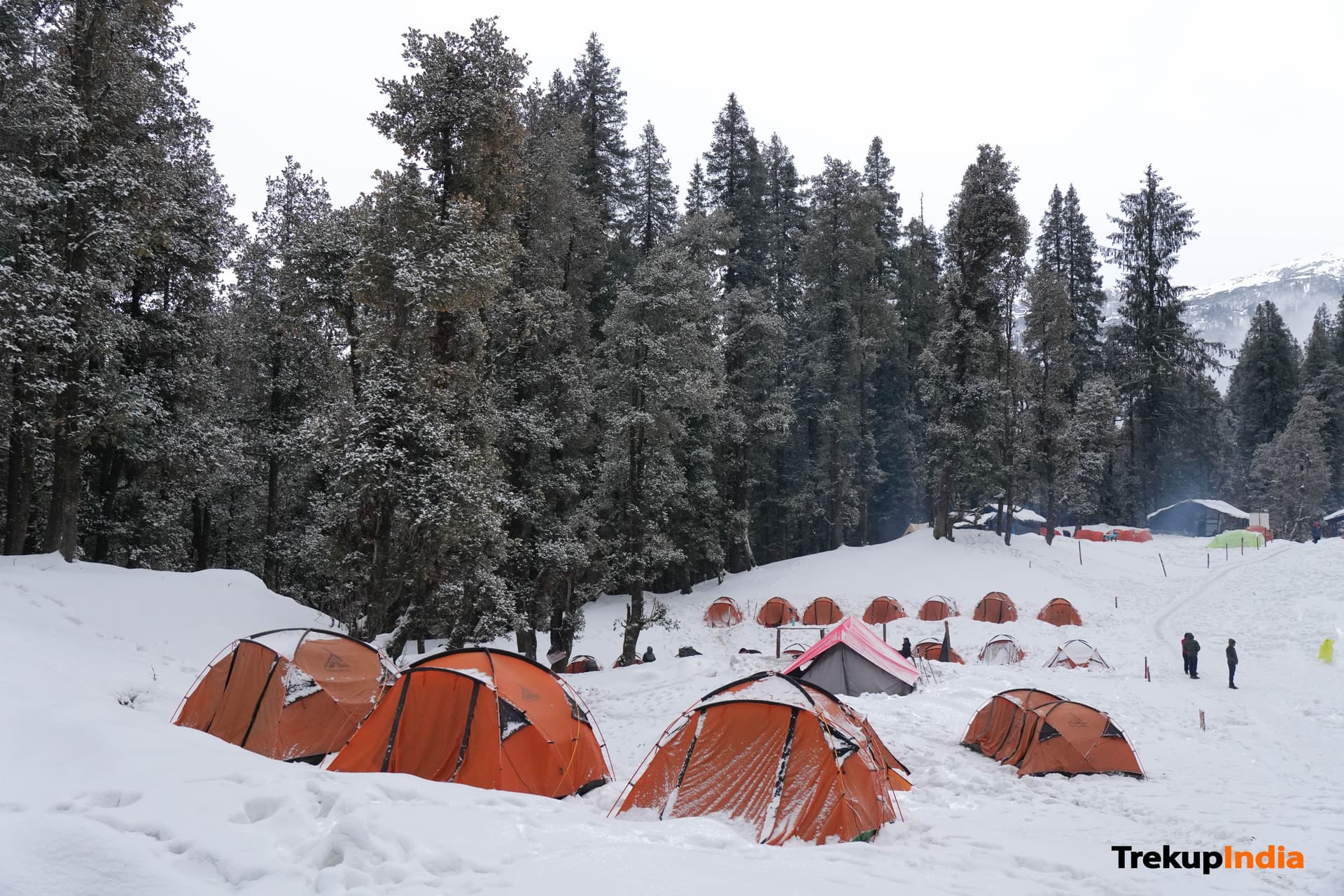 Trekking Tips
By Preetam Singh Rawat|Feb 16, 2026
Trek the Himalayas: Essential Tips for First-Time TrekkersToday, I’m sharing some common mistakes that first-time trekkers often make. These are blunders that many of us have experienced ourselves, and we can’t help but chuckle when we think back on them. However, we’ve also learned from these mistakes and have become better trekkers because of them. Those new to trekking will find this information helpful and avoid making the same errors we did. Let’s get started. Many people bring along excess clothing such as additional t-shirts, pants, layers for warmth, towels, socks, and undergarments when embarking on their first Himalayan trip due to concerns about potential scenarios that may arise. Thoughts in Mind – What should I do if I require a new outfit upon arriving in the urban areas? Gradually, their partially filled backpacks start to fill up and spill over with clothes they no longer want. They carry these bags unnecessarily during the trek, or even worse, they decide to get rid of them by offloading them. Consider packing only the essentials and leaving the rest behind. You’ll be surprised at how much you can accomplish with a smaller wardrobe. Pack a maximum of two T-shirts in addition to the one you’re wearing, and bring only one extra pair of pants or shorts. You can quickly get by with just one team. It’s wise to avoid the discomfort of switching to cold clothing after wearing warm attire. You can minimize the need for multiple extra outfits by practising good hygiene. Jeans may seem warm and comfortable, but they can be problematic. They can be heavy, difficult to move around in and take forever to dry if they get wet. It’s best to avoid wearing jeans on a trek, as they can make the experience much more challenging than it needs to be. Some trekkers opt for a single, thick leather jacket, believing its bulk will provide sufficient warmth. Similarly, when it comes to down jackets, people believe that these lightweight jackets, labelled as suitable for very low temperatures, are sufficient to handle freezing conditions independently. It is frustrating to see stores exaggerate the effectiveness of these jackets. Trekkers realize too late that they were mistaken. Always bring layers with you, regardless of what others may advise. Bring either 3 or 5 layers, depending on the season of your trek. Ensure that each layer is lightweight. Layers help to retain your body heat by trapping it and preventing it from escaping, thus keeping you warm through the insulation provided by your body warmth. Sleeping bags function comparably. Despite claims of handling -10 degrees, sleeping in a t-shirt is not advisable. To effectively retain body heat, it’s essential to wear multiple layers. Therefore, it’s best to disregard the numerical rating and base your decision on what seems practical and reasonable. Many trekkers opt not to use a trekking pole, and it’s unclear why. Is it due to pride or the belief that trekking bars are only for older individuals? Regardless of the reason, this way of thinking needs to be revised. Either they misuse it or need more understanding of its function and purpose, resulting in not fully utilizing their poles and viewing them as ineffective. Employ a trekking pole and utilize it properly. It helps maintain stability and balance, thereby preventing falls. I’ve had numerous instances where a trekking bar has saved me from injuries by breaking my fall. As you go downhill, a trekking pole is a valuable tool. Not only does it help you maintain your stability, a crucial aspect of descending, but it also prevents your knees and toes from experiencing the intense discomfort often associated with going downhill. Moreover, using a trekking pole is a valuable support to reduce the energy you expend. Even a modest 5% energy savings can be significantly appreciated when embarking on a Himalayan journey. A trekking pole can conserve up to 40% of your energy. This significant difference can determine whether your trek becomes an enjoyable experience or a challenging one. Put your ego aside and grab a hiking pole. Learn the proper techniques for utilizing a trekking pole with the help of this instructional video below. Play Video Trekkers often make the mistake of overpacking toiletries for long trips, lugging around unnecessary items like shampoo, conditioner, face wash, sunscreen, moisturizer, face cream, deodorant, perfume, toothbrush, and toothpaste. This takes up valuable space and adds unnecessary weight to their backpacks. After that, grab a little tube of sunscreen. It’ll be your go-to for hydrated skin, a facial moisturizer, a lip balm, and more! To have a pleasant scent, use a tiny roll-on deodorant. When it comes to medications, avoid buying packs of 10 tablets. You only need four tablets (except for Diamox). Your emergency medication should be compact enough to fit into a matchbox. Keep this in mind. Inexperienced trekkers often rely heavily on the advice of sales representatives when purchasing backpacks, failing to conduct their research beforehand. As a result, they may end up with an ill-suited backpack, making them vulnerable to criticism. They often end up with stylish backpacks that need to be more practical for long hikes. Many of these backpacks are similar to potato sacks and can be a hindrance during high-altitude treks. Instead, find out more about the features of a high-quality backpack. A good backpack should include an internal frame, be compact, and maintain its shape even when packed with your belongings. Also, make sure it has all the necessary straps. Perfect! Here’s a rewritten version of the paragraph:This comprehensive guide covers all the essential components of a high-quality backpack, providing valuable insights for anyone looking for a new backpack. Share this article with friends and family members currently shopping for the perfect backpack. Trekking Tips
By Adhish Bhandari|Feb 15, 2026
High-Energy Snacks for Indian Treks: What to Carry & WhyThe trek requires sustained energy and the right food choices could make the difference between endurance and exhaustion. To Indian trekkers, the balance of the need for nutrition along with convenience and the local taste is crucial. Don't buy expensive imported snacks, here are light, inexpensive and energy-rich Indian snack options that will fuel you for your trek. Chikki (Jaggery + Peanut/Besan/Sesame) A energy booster packed of natural sugars, oils, and vitamins for a calorie-burning snack choice. Protein, magnesium and iron are all found in this dish. A material that isn't melting is ideal for winter hikes for example, Brahmatal or Kedarkantha. Pro Tips: Break food down into bite-sized pieces, then wrap them with foil, so it's simpler to get them while hiking. Roasted Makhana (Fox Nuts) It's a light and intriguing snack to fill you up. Potassium and magnesium can be plentifully available. Easy to digest High-elevation living is particularly well-suited to its advantages. Masala and turmeric provide the possibility of variety and flavor without adding any unnecessary ingredients. Sattu Ladoo/ Dry Sattu Mix A protein and fibre-rich product. Sattu powder is a quick way to transform water into a refreshing drink. Ideal for treks with high energy levels such as Pin Parvati or Bali Pass. Dry Fruits & Nuts Mix Almonds, dates, and walnuts give you instant energy boosters and snacks. Mixes natural sugar with antioxidants, healthy fats and essential oils for the greatest nutritional benefits. Your preferred length and style can easily be made to work. For extra flavor, try adding the roasted coconut or jaggery bits to garnish. Thepla/Khakra Long shelf-life Gujarati snacks Fresh, light and easy to digest food items that are light, crisp and easy to digest. Create a protein and energy combo with chutney powder and peanut butter for the foundation of a breakfast energy bowl. Stuffed Parathas in Foil-Wrapping for Quick Summit Days Wrapped in foil, stuffed parathas make a fantastic lunch choice in the event of a short summit day. Fillings like paneer sattu or aloo can be the energy needed for long periods of time. Consume your food for the next 24 hours to prepare for the day one of your journey Homemade Energy Bars The recipe below calls for energy bars made from scratch that are made from honey Oats, dates and dates with nuts. Be sure you're sure that your food items and sweeteners is within acceptable limits. Vacuum-pack and freeze in order to prolong the shelf life and ensure freshness. Trekup India Tip: Do not use chocolate-coated products in the summer months or when hiking at high altitudes because they could easily melt! Sev Murmura/ Poha Chivda Crisp, Light and Delicious High Carb and Low Oil Mix Ideal for snacking during short stops. Incorporate more protein with soy or roasted peanuts to increase the texture and protein content. Peanut Butter Sachets and Snacks for breakfast and Snacks for Breakfast Brunch. They are packed with calories and healthy fats. It is delicious when served with biscuits, rotis or simply all by itself! They are light easy to carry and compact enough for speedy transportation. Glucose Biscuits/ Digestive Cookies Simple sugar is a readily absorbable source of carbs. Energy bars give you a quick energy boost when climbing hard. Refresh yourself during your time in camp by sipping a tea to help your recuperation. Smart snacking is given added importance when Long summit days (e.g., Goechala Peak or Pangarchulla Peak) require multiple summit days of hiking/climbing/ascending to the peak. High altitude traverses (Pin Bhaba, Buran Ghati) For winter hikes, you need food to boost energy levels. cold temperatures can help reduce hunger, and help keep energy levels steady. Travelling to remote locations (where there could be a only limited access to food, and you must carry additional provisions) will require special precautions as well as precautions to prevent potentially stressful experiences. A good trekking meal doesn't require extravagant labels. All you need are sensible food options that are readily available and have been tried by trekkers! When you select Indian choices like these and you'll be able explore the terrain without draining your power or bank accounts! Fuel Right, Trek Light! Trekking Tips
By Priyanka Kathiat|Feb 15, 2026
Safe Mountain Water Sources: What to Avoid While TrekkingThe trek to the Himalayas requires relying on natural water sources. However, not all of them are suitable for drinking. Contaminants can cause extreme stomach upset and dehydration and even life-threatening diseases such as cholera or Giardia. Find out the ways TrekUp India can help locate the source, test, clean and purify the water in nature using the TrekUp India method. Drinking water on Indian treks While mountain waters appear to be pure, they can be contaminated by pathogens. The contaminants are: Microbial contamination, like protozoa, bacteria, and viruses may occur. Organic material decays or decomposes over time. The waste generated by human activities (especially near tea houses or trails) must be handled cautiously. Chemical runoff can occur close to villages or areas of grazing. Water testing and removal are not negotiable tasks. Before taking a sample drinking water, be sure to be aware of these aspects of security: Avoid drinking in the vicinity of campgrounds or areas that are used where livestock are grazing. The water that comes directly from snowmelt deposits or glaciers is often the purest. For added security it is recommended to clean or treat it in order to ensure its purity and effectiveness. Natural springs that originate from the rock formations of high altitude are known to be mineral-rich while being relatively safe. Be on the lookout for evidence of activity from animals in the vicinity. Trekup India Hints: The water sources located at the top of valleys tend to be more clean drinking water sources than the sources that follow them. Avoid drinking from slow-moving streams or puddles which may be contaminated with debris or have been contaminated with algae. The water could be contaminated with parasites that could make you sick. Animal waste is a huge pollutant source. Be cautious of rivers that flow close to Gujjar refuges as well as sheep stations and paths that lead into the forest for the purpose of grazing. Human waste such as soap scum and other waste can be seen floating along streams in the vicinity of popular spots for relaxation, like tea houses and camping sites. It is a mistake to assume that drinking water is always available in mountain areas. However with the right understanding and knowledge you can be adequately hydrated, without compromising your health overall. Trekking Tips
By Anoop Rawat|Feb 15, 2026
Top 5 Lesser Known Trekking Tips in India by Trekup IndiaTrekup India believes that the best treks aren't just about the trails. Trekup India, think that enjoyable hikes don't only focus on the trails, they're also about traveling with an awareness of. While most trekkers know the basics-layering, hydration, and acclimatization-there's a world of lesser-known hacks that can dramatically improve your trekking experience. These are the kinds of techniques experienced trekkers use at an end of their minds that could be an important decision between a good excursion and one that's good quality. If you're planning to visit the frozen regions that are Kedarkantha or the stunning meadows of Brahmatal or the rocky canyons which form Pin Bhaba This is the top five tips for trekking that every Indian hiker must be aware of. Blisters are the most common cause of injuries to your walk. Moisture + friction = painful feet. Spread petroleum jelly (Vaseline) on hotspots prior to wearing socks. In the evening high altitude nights be frigid-sleeping within a cozy location is vital. Keeps the water in your body from freezing during the the night. Rehydrate as soon as you wake up! A mountain-based toilet can be scarce as well, and cat hole digging isn't often possible. Sprinkle baking soda inside to neutralize odor. Repairs each and every product-shoes or backpacks, and also cuts (in the case of the need to repair them in the event of). If you're at altitude the body needs electrolytes in addition to power.. The mountains will reward people who design their trek meticulously - not just those with massive loads. With a few clever modifications and hacks to make your trip more efficient your journey will be easier, more smooth, and a lot more enjoyable.