
Prev
1 / 9
Next
 Trekking Tips
By Anoop Rawat|Apr 28, 2026
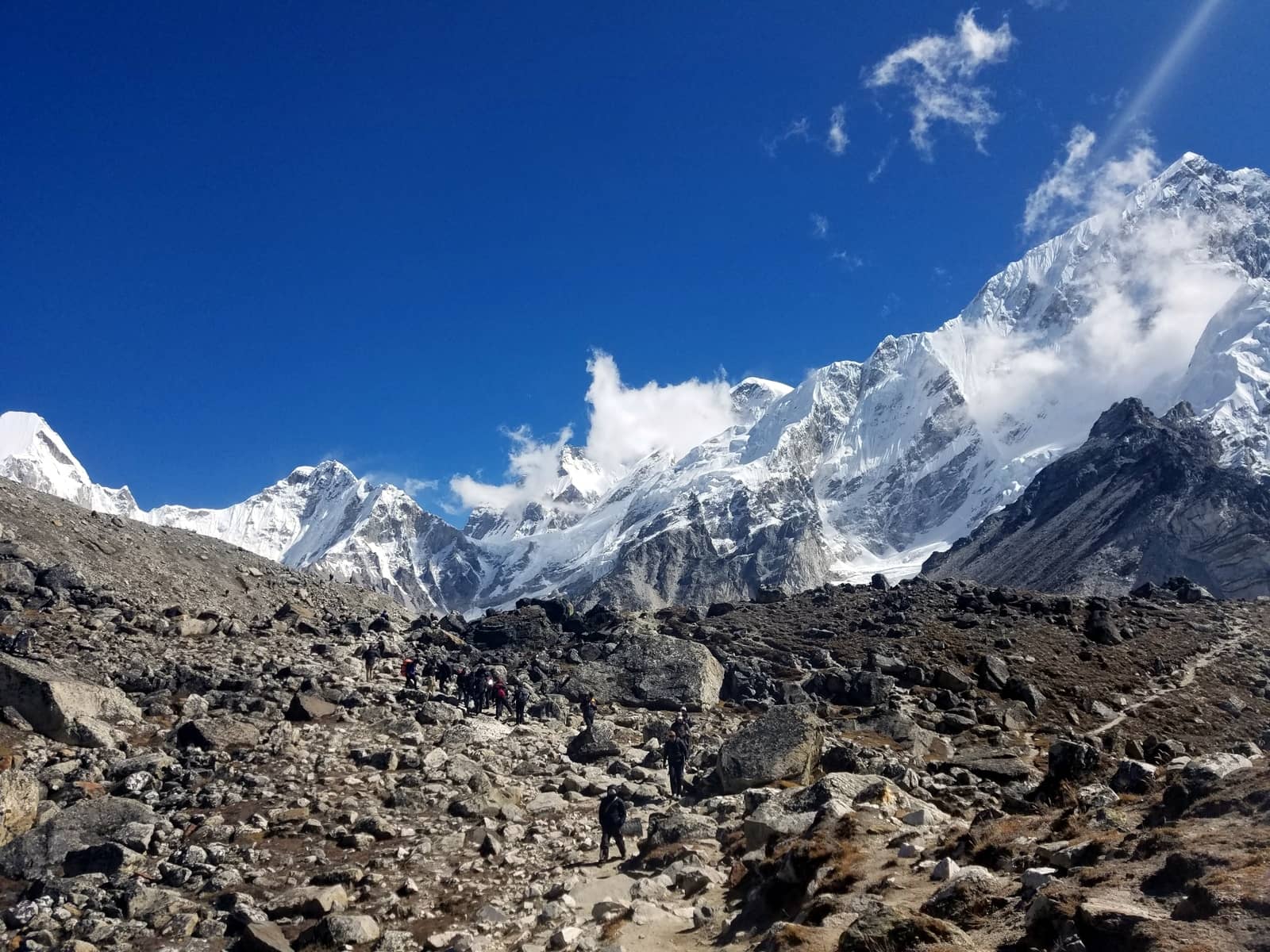
Everest Base Camp Trek Planning Guide: Everything You Need to KnowMost mountaineers aspire to climb Mount Everest at some point during their mountaineering careers for one simple reason: The sensation of reaching its summit. Everest stands as the highest peak on earth at 8,848 meters, making all other things seem smaller and insignificant; conquering it is often described as an incredible achievement for trekkers; many mountaineers train tirelessly toward this feat, but only some ever make it. The EBC trek is often used as an introduction for climbers hoping to conquer Everest one day. Some trekkers find EBC trekking an all-in-one travel dream! Training rigorously, improving patience levels, devising an effective trekking strategy, and procuring reliable trekking equipment are among the many tasks necessary to plan an EBC trek successfully. In addition, finding competent trekking outfitters and being prepared for unpredictable weather are also key components. Discussing with experts beforehand may alleviate most issues; however, there may still be exceptions that arise later. But with every impressive accomplishment comes added risks – sometimes life-threatening ones. To manage this effectively, trust in the odds and do everything in your power to prepare if something major comes up on your EBC trek; chances of this are likely. Here is a comprehensive guide for dealing with problems during an EBC expedition: Mt. Everest lies in an inaccessible region. Being located at an extremely high altitude increases risk exponentially, while medical help becomes harder to access with each step upward. An accident such as minor leg fracture or life-threatening high-altitude sickness such as Acute Motion Sickness or HAP (High Altitude Pulmonary Edema) (also referred to as HACE or High-Altitude Cerebral Edema) and natural disasters like earthquakes, avalanches or rock falls could prove fatal; helicopter rescue will save us before transport to local healthcare facility – however an emergency evacuation via helicopter could cost over US$10,000. Trekking to Everest Base Camp (EBC) is the ultimate adventurer’s bucket list item – and for good reason. Not only does the trek lead adventurers up the world’s tallest peak, but it also offers unforgettable journeys through ancient Sherpa villages, Buddhist monasteries, and breathtaking Himalayan landscapes. Before setting out on your Everest Base Camp Trek adventure, careful planning is essential. This guide will walk you through everything you need to know–from when and how best to go to permits, fitness requirements, and budget constraints–to ensure a successful trek experience. Pre-monsoon (Spring) Season: March to May Post-Monsoon Season (Autumn): September to November These months offer clear skies, stable weather, and breathtaking mountain views. Spring offers trekkers colourful rhododendron blooms while autumn offers crisp air and fantastic visibility. Travel From Kathmandu to Lukla Your EBC journey starts in Kathmandu, Nepal’s bustling capital. Most trekkers then take a short, 30-minute flight to Lukla – home of one of the world’s most exciting airports and your starting point for EBC trekking adventures. Don’t self-diagnose Altitude illness symptoms will vary for everyone, making self-diagnosis impossible and leading to further aggravation of symptoms. Delaying medication is similar to not taking it altogether. Be sure to update your guide regularly. Reassure yourself that they have extensive experience and have a good grasp on this way of traveling, as the advice they offer should not simply be seen as optional but essential too. Consuming garlic, drinking lots of water, and getting sufficient rest are all ways to ease pain, while weight loss remains the only solution. Reaching Lukla Airfield is a small airfield with a narrow runway for landing. As this small airfield can only accommodate planes capable of taking off or landing quickly, such as Dornier 228s, its use should only be undertaken at your own risk. Airplanes do not fly when the weather conditions are poor or visibility is low, thereby cancelling or postponing flights in such cases to ensure safety in case of extreme weather. Make sure that you schedule enough time off after arriving back in Kathmandu, so as not to interfere with your return flight home. By arriving on schedule, Kathmandu provides ample opportunity for exploring its vibrant culture. Ramechhap Airport, approximately 140 KMS or a half drive from Kathmandu as of September 2019, is often chosen for flights to Lukla, as Kathmandu Airport had congested air traffic, which resulted in flight delays, which is not suitable for mountain flights that need to leave early morning to ensure optimal conditions. There are various natural water sources throughout the trek that you may access for purification purposes, and drinking reusability bottles are highly recommended, as every new bottle creates trash that must be managed responsibly. To be prepared, bring tablets for water purification along with large-mouth reusable drinking bottles to EBC, as bottled water becomes increasingly expensive as you near its final destination. Any policy selected should at least cover these aspects: Altitude Limit of 5,700 metres for air evacuation emergencies is mandatory in case of accidents, illnesses or natural catastrophes; cancellation of trips and delays on flights within Lukla; loss of baggage. Your itinerary for travel includes information about each country you intend to visit as well as adventure sports that you plan on partaking in during your journey. Trekking Tips
By Anoop Rawat|Apr 28, 2026
Who Should Do the Hampta Pass Trek? A Complete GuideHampta Pass Trek stands out for its thrilling and amazing experience in the Indian Himalayas. It is awe-inspiring mountains that span from lush green valleys of Kullu up to the brutal desert plains in Spiti. The trek is a perfect balance between both difficulty and variety of scenery, which makes it ideal for those who love adventure from all kinds of backgrounds. Are You Thinking about if you should go on the Hampta Pass Trek Is Right for You? It doesn’t matter if this is the first time you’ve ever walked on a trek or if you’re an experienced hiker seeking exciting Himalayan experience, this guide can assist you in deciding whether or not you should go on the Hampta Pass Trek is the right Trip for you! Hampta Pass trek The route is a loop that begins at Jobra (2743 meters) to Chikka (3048 feet). Day 1 is an easy walk that takes just 2 hours, covering 3km. Walking through the forest, you will be that is dominated by tall oaks as well as maple, you will eventually lead to an open picturesque valley, where tranquil Rani Nallah River waters flow slowly to your left. On the second day of our journey, we begin our five-kilometre hike starting from Chikka toward Balu Ka Gehra at an elevation of 3600 meters. The hike typically lasts 7 to 8 hours, with an ascent that is gradual through difficult terrain, made even more dangerous because of frequent rainfalls across the region. It is then and then a river crossing 2.5 kilometres on our route which is often the toughest part along this section. Beginning with Balu Ka Gehra and ascending fast until reaching an elevation of 4,200 metres, Hampta Pass at 4,200 m. This long and exhausting day ends at Shea Goru, located at 3900 metres. Balu Ka Gehra offers an inaccessible path through big rocks and boulders. The initial two km goes between the two sides of the riverbed. Following that, three challenging kilometres get snowier since water sources and vegetation disappear in this section. The mile-mark is among the most difficult ascents on this trek, with an accumulation of snow that makes progress challenging. At the mile point, there is one of the highlights of this trek: Hampta Pass. The descent downhill of Hampta Pass can be just the same as climbing up towards its top, as per research. Hampta Pass serves as an entrance point into the Spiti and Lahaul regions, with just 50m between them. Roads soon drop at an angle that is 50 degrees as they pass through the gravel. The unstable gravel and huge rocks make the journey difficult. Getting through this region needs the proper equipment and experience. The 3-kilometer stretch can be dangerous during the monsoon time the time when the sandy terrain is extremely hazardous because of winds sloughing massive rock pieces that tumble in the valley. For a safe and secure trek in the rainy season requires knowledge and understanding of your surroundings as well as navigation abilities. Once you have passed the 3-kilometer mark, the trail will become smoother and lead straight to the Shea Goru camping site. It’s a must to go on the Hampta Pass Trek isn’t all about views; it is thrilling as you cross rivers and high passes. On the third day, you’ll be able to experience an exciting high pass crossing of 14,100 feet when you travel over Hampta Pass with breathtaking panoramic views of both Kullu as well as Spiti valleys. Navigating through frozen rivers might need ropes! Furthermore, the remote and picturesque camps like Chika, Balu Ka Ghera, and Shea Goru offer an unparalleled Himalayan adventure. If you like the challenges of crossing rivers and mountains, the trek will be a memorable adventure. The months of June and September are the best times to hike Hampta Pass. Between mid-July and August: Beautiful meadows filled that are bursting with wildflowers, mild temperatures, and lush meadows make an amazing scenery!September – Crisp skies and stunning landscapes are the best month to travel the hill to Chandratal Lake without being hindered by snowfall on the roads. Snow lovers should go at the beginning of June. for stunning views and warm temperatures, the months of August and September are most suitable time. If your wish list includes “an exhilarating date with the mountains and the scenic flora-fauna array interspersed with dramatic landscapes,” Then this must-do trek is to considering. Hampta Pass offers its intrepid climbers crystal-clear rivers that flow swiftly through rough terrain with rhododendron forest, hanging glaciers, all in the beauty of a valley. If you are an adventurer, depend upon the Hampta Pass to witness picturesque alpines such as the Chandratal and the breathtaking quality that is the Pir Panjal range as you stay in the stars of the sky and take in the peacefulness of it. Do You Have a Camera and are Nature Lovers Looking for Beautiful Landscapes? Are you a photographer who loves to capture stunning images? This is for photographers and nature lovers who love taking pictures of beautiful landscapes. Hampta Pass Trek may be exactly what they are seeking! Professional photographers will appreciate this trip through its stunning trails. The lush green valleys of the Green Valley and lush forests await the camera’s lens. There are beautiful wildflowers, misty pine forests, and alpine meadows for you to record in film. The glaciers and snowcapped mountains provide stunning mountain scenes and glaciers that are covered in snow. Find Deo Tibba and Indrasan Peaks that tower over Spiti. Snap photos of Chandratal Lake’s reflections and visit one of the most beautiful Indian lakes at high altitude, Chandratal. Hampta Pass offers plenty of amazing photos for nature lovers as well as photography lovers. Trekking Tips
By Preetam Singh Rawat|Apr 28, 2026
The Mystical Mythology and Folklore of Har ki Dun ValleyHidden in the soul of the Garhwal Himalayas, the Har ki Dun trek of Uttarakhand has more to offer than just stunning vistas; it is a place imbued with ancient lore. The name itself, Har ki Dun, means Valley of Shiva or Valley of the Gods, proof that the deeply rooted myths ring through its hills. It’s truly fascinating how the valley features in one of India’s finest epics, the Mahabharata. The most interesting myth associated with Har ki Dun’s location is the myth of the last journey of the Pandavas. In mythology, the Pandavas began their journey to heaven via the Swargarohini peak. This mighty peak rising to 6,252 meters is said to be the gateway to the afterlife itself. Whereas all five Pandavas and their wife Draupadi set out on the journey, only the oldest Pandava, Yudhishthir, returned with a dog, while the rest died one by one during the journey. This particular part of the story does make people curious about many things. How did Yudhishtir and not Arjun or Bhim survive this journey when Arjun and Bhim were clearly stronger than him? Did this divine land require one to have more than physical stamina? Did it challenge the reservoirs of one’s moral vigor and righteousness? What adds to the mystique of the Har ki Dun valley is a temple located here that is in honour of Duryodhana, the notorious Kaurava prince and arch-rival of the Pandavas. Located in the village of Osla, the temple is a testament to a different point of view, one that mythology tends to overlook. The inhabitants of this valley have long prayed to Duryodhana, calling themselves his descendants. This loyalty raises the question: Why does this village still look up to a character traditionally seen as the villain? Perhaps history, written by the conquerors, did not present Duryodhana fairly? Or perhaps, to the people of this area, he was not the bad guy we’re always told he was. Of all the possible paths in the Himalayan range, why did the Pandavas set their sights on Har ki Dun for their climb to heaven? They had journeyed far and wide, yet this valley marked their final trajectory. Was it an unconscious draw towards a place still dedicated to their sworn foe? Did they feel a need to make peace with their past before their final journey? Or was it the final grand battle, not of swords and arrows, but of inner devils, guilt, and unresolved conflicts? Apart from its connection with Hindu mythology, Har ki Dun trek is a nature lover’s paradise. The trek starts at Sankri, going through scenic villages such as Taluka, Ganghar, Osla, and Seema, all of which reflect an unspoiled cultural heritage. The valley is an old trade route to the Kinnaur valley, and via Borasu Pass (5,450M), it links with the Baspa valley. Among its numerous natural wonders, the valley boasts the Jamdhar glacier (3,700M), Ruinsara and Morinda lakes, Bonga peak, Black peak, Supin River, Fateh Parbat, and wide panoramic views of stunning peaks like Bandar Poonch. The biodiversity is astounding here, with a host of bird species and flora inhabiting this high-altitude region. Trekkers who embark on the Har ki Dun trek even today feel curious about the same questions. Was Yudhishthir’s path a metaphor for the challenges of human existence? Was Duryodhana deservedly punished, or was he misunderstood? The answers are as elusive as the valley itself, isolated, serene, and forever enshrined in legend. Maybe, the actual pilgrimage is not climbing to the top, but rather discovering the secrets hidden deep in these holy lands. The trek to Har ki Dun, Uttarakhand is more than a high-altitude trek—it is a journey through history, mythology, and self-discovery. Whether this interpretation changes how you view Har ki Dun trek Uttarakhand or not, it definitely enriches the experience. As you stand in between the great mountain peaks and century-old trails, you can’t help but find yourself asking such questions. Or maybe this hike isn’t as much about touring a stunning valley, it’s learning about the history and mythology it carries with it and secrets it encourages us to decipher. And if anything, this blog has provided you with a glimpse of the off-beat trails and unknown treasures in Har ki Dun place, waiting to be unearthed by those who look for something more than just a trek—they look for an experience of history, mythology, and the whispers of the past. Many locals believe that one does not simply decide to go to the mountains; rather, it is the mountains that call you. If you’ve been thinking about going on a trek to Har ki Dun, take this as a sign. We at Trekup India invite you to join us on this amazing adventure in 2025. Our seasoned trek leaders, carefully crafted itineraries, and abiding respect for the history and culture of the region will see that your adventure is not only about trekking, but about being immersed in the wonder of the Himalayas. Let us venture into this fabled valley together and reveal the secrets that have attracted seekers for centuries! The best thing about this trek is that it is accessible for almost 8 out of 12 months. The trekking season opens in mid-March. It then closes briefly during the monsoon in July and August and then opens again in late-September to remain open till November end. We recommend that you go during the month of May. This is the best time to explore the valley in all its glory as the flowers are in full bloom making the landscape a beautiful riot of colours. Har ki Dun cannot be explored during the peak winter months of December, January, and February as the valley closes during this time. However, if you still want to experience snowfall, you could go in mid-March when the trekking season just opens. Book & view details of Har Ki Dun Trek Here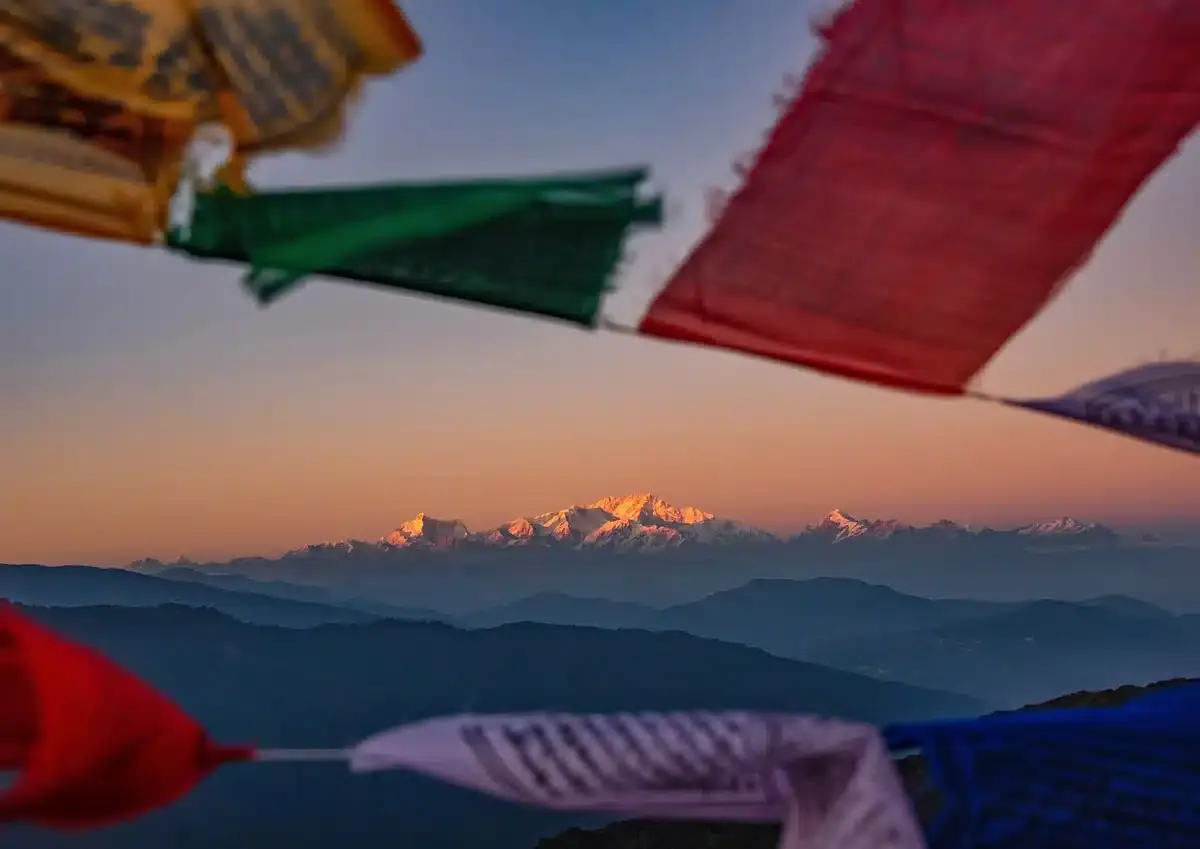 Trekking Tips
By Adhish Bhandari|Apr 28, 2026
Why You Should Do Sandakphu TrekSandakphu Trek is one of the picturesque treks, as you see four of the world’s tallest peaks. The mountain range within the Singalila National Park offers breathtaking Himalayan views. Pine forests and a narrow river surround small clearings through dense bamboo groves. Experience this unique landscape and its distinct nature is well worth the trip. It has stunning views of the peaks within the Himalayan range.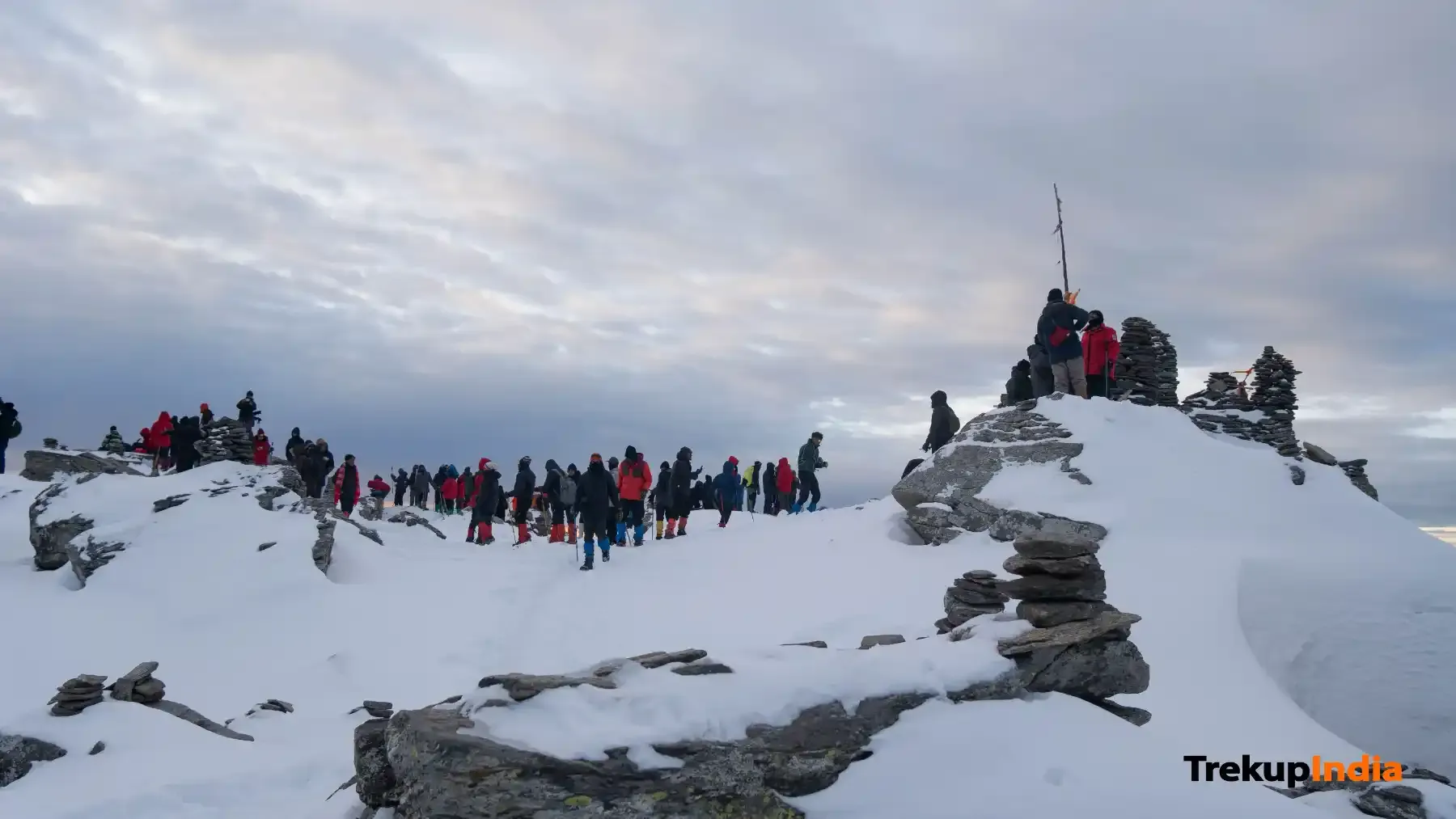 Trekking Tips
By Nanda Rawat|Apr 27, 2026
What is the difficulty of Kedarkantha Trekking?The most common question I receive from trekkers is: What is the difficulty of Kedarkantha Trekking? This question is very pertinent as Kedarkantha has become one of the most popular treks. This article will give you an overview of the difficulty of Kedarkantha and how much preparation is required. Kedarkantha makes a great trek for newbies. Many first-timers choose to do this trek and have an adventurous climb up the summit. They return safe and happy. Kedarkantha is a great trek for anyone, regardless of their experience level. But I do not want you to underestimate this climb, since it’s a summit at high altitude. Kedarkantha is not just a beautiful trek — it’s a true adventure that demands preparation.While it’s considered one of the more accessible Himalayan treks, it’s not without its challenges. The altitude, cold temperatures, steep ascents, and long walking hours can test your endurance and mental strength. Trekkers must be prepared for: To truly enjoy the Kedarkantha experience, it’s important to build physical fitness, pack the right gear, and mentally prepare for a few days away from comfort. With the right mindset and preparation, the Kedarkantha Trek can be one of the most rewarding and scenic journeys you’ll ever take. Start the hike at around 6500 feet. Then, in three days you will climb to the height of 12,500 feet. The trek is a long one, with many climbs. You gain height every day. Next, we’ll talk about the terrain. This trek has few steep climbs. The majority of the ascent is gentle. The summit push, however, is by far the most difficult part of the hike. The rest of your trek is relatively flat and easy. It isn’t the same every day. In winter the trails can be covered in snow, making it a bit more difficult. Our technical team will be there for you at all times. If there is any snow, they clear the whole trail and ensure that you walk on a safe pathway. Verglas can be found in abundance on Kedarkantha. You will need to be careful in certain sections where there is a lot verglas. This is usually only between December and mid-April. You won’t experience this much after that. Now we come to our last problem – temperatures. Winters are the only time this problem occurs. Temperatures can drop as low as -5 or -8 degrees at night. During the day it is bearable. Carry at least five warm layers with you and be sure to take good care of yourself. Kedarkantha can be done by yourself. Winter can be a challenging time for the trek because of snow and verglas. Due to the snow and ice, you need to pay attention to where you are walking. We would not recommend doing the trek in one day even though it’s physically possible. Here’s why: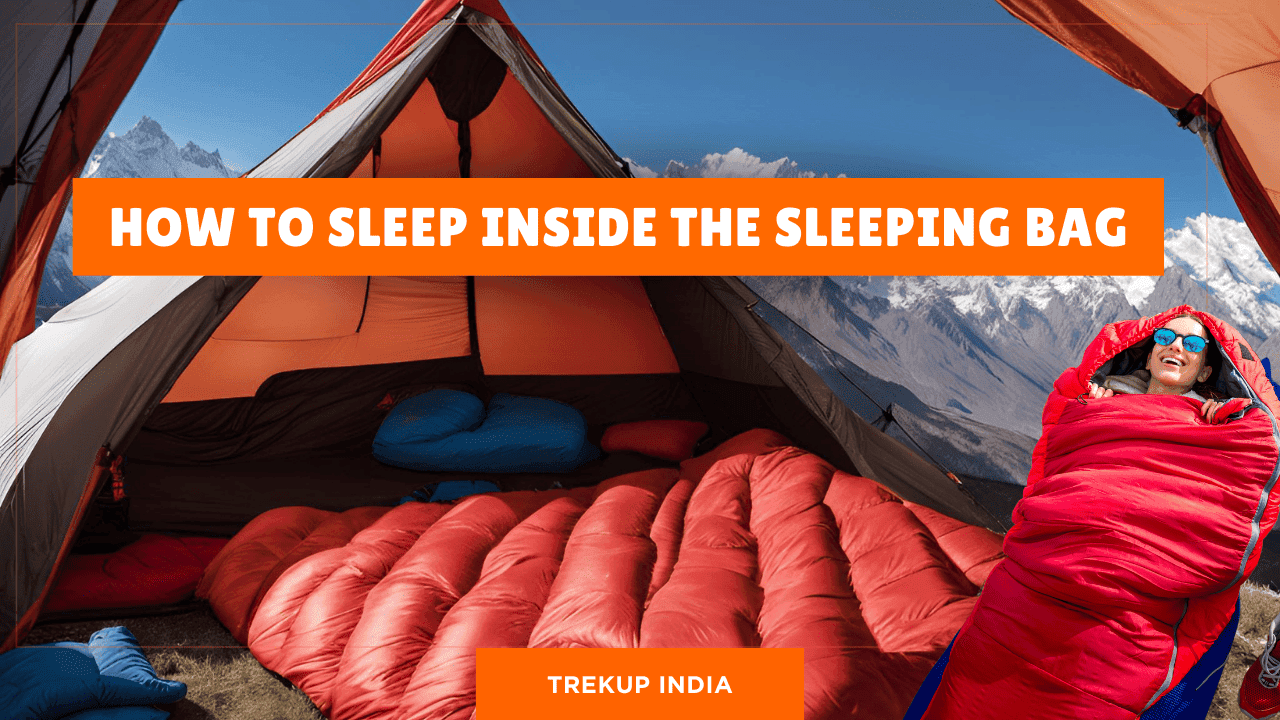 Trekking Tips
By Anoop Rawat|Apr 27, 2026
Best Sleeping Bags for High Altitudes: Tips to Maximize WarmthCamping at 12,000 feet requires you to bring not just tools but vitality sources as well. A cold Himalayan night can drain both body and soul quickly if unprepared, at Trekup India, where we organize treks through some of India’s toughest terrain, we know first-hand how an appropriate sleeping bag can make an uncomfortable, cold night into a cozy and restful experience. This guide provides all of the important details and strategies necessary for selecting and optimizing an appropriate sleeping bag for high altitude trekking, including in sub-zero temperatures. Temperature rating matters Sleeping bags come equipped with temperature ratings that indicate their best temperatures of operation. When trekking at high altitudes (over 10,000 feet), be sure to select an option with appropriate ratings, such as: Insulation Type: Down vs. Synthetic Waxed Down Insulation (Goose/duck feather) offers lighter insulation options, more compressible warmth, and water repellency properties, making it suitable for dry climates with cold winter conditions. Synthetic insulation offers thicker and heavier warmth retention in damp environments than its counterpart, making it suitable for wetter climates. If trekking at higher altitudes, down sleeping bags with large fill powers of 600 to 900 are recommended due to their superior warmth-to-weight ratios. Shape & Fit Mummy Bags snug fitting mummy bags designed to reduce dead air and increase warmth – the bestsolution for extreme cold conditions. Rectangular bags are larger but less efficient in maintaining heat retention; therefore, they’re best used in more moderate conditions. Use a Sleeping Bag Liner Utilizing a thermal-lined bag (fleece or silk) can add 5 degF-15 degF of warmth while simultaneously keeping it neat. Wear Dry Base Layers Don’t sweat through your daytime clothing in preparation for sleep; switch to dry thermal clothing before bed. Wear a woolen cap (20-30 percent of body heat can escape through your head). Insulate from the Ground Sleeping bag insulation often shrinks over time and reduces warmth; to ensure you keep the same comfort levels throughout. An inflatable pad designed to provide extra comfort when temperatures fall below zero is available. Pre-Wake Your Sleeping Bag Try performing gentle exercises just prior to climbing into your sleeping bag in order to generate thermal energy in your body and warm the bag more efficiently. Place a warm bottle containing hot water close to your center. Keep the Bag Ventilated Be careful not to breathe directly into your bag (as moisture reduces insulation levels). Make use of the drawstring of your hood to trap warmth inside while providing ventilation. Sleeping bags that fit the temperatures in high altitude environments and clever techniques for maintaining warmth could mean the difference between an enjoyable, restful night of restful slumber and one that leaves you awake at night. So invest in high-quality temperature-specific bags, and follow these tips to stay cozy even under challenging circumstances. Trekking Tips
By Nanda Rawat|Apr 27, 2026
Himalayan Trek Fitness Training: Prep for the TrailsTrekking in the Indian Himalayas isn’t an easy walk – it’s a test of physical strength, endurance, and ability. From Triund to Stok Kangri treks and beyond, getting ready requires training specifically designed to prepare your body. TrekUp India has created one of the most effective training programs to assist thousands of trekkers in tackling Himalayan trails without issue. Trekking in the Himalayas involves: Trekup India’s 6-Week Trek Fitness Blueprint for Beginners and Intermediate Trekrs can help those exploring Himalayan trails like Har Ki Dun, Brahmatal, Kedarkantha Phulara Ridge or Hampta Pass gain fitness through trekking. Your goal should be to develop the endurance and effectiveness of your breathing to allow for long treks at high altitude. Exercise for weight management. Start walking three kilometers per day until reaching eight-10 kilometers in total. 20-40 Minute Jogging or Running on Treadmills Step Climbing Stairs: 5- 10 Floors and 200-500 Steps Swimming or cycling may provide an enjoyable way to diversify. Trekup India Tips: Do aerobic exercises at a leisurely pace; you should be able to talk, but should not sing. Key Zones Are Quads, Hamstrings, Glutes and Calves Exercise options: Bodyweight Squat 3 sets of 15. Lunges (forward and walking): Three sets of 10 for each leg Step-Ups for Stairs and Benches: Three sets of 12 Step-ups available Wall Sit: For 45-60 minutes. Calf Raises Two Sets of 20 Trekup India Tip: Once your trek has entered its second week, add your backpack as part of your steps. Even those in peak shape may become disoriented when ascending 10,000ft or higher. Training your lungs helps ensure a more pleasant journey to altitude. Pranayama Exercise for alternate nostril breathing. Bhramari Breathing Technique and Deep Belly Breathing Exercise will teach three sets of 10 breaths for the best results. Note: As an extra challenge, try doing breath-holding drills (inhale and hold for 10 seconds before exhaling) to replicate lower oxygen levels. Strong cores mean improved posture and fewer injuries. Exercise plan (plank for 30-60 seconds). Hold it until the timer goes off. Side Plank – 30 seconds per side Glute Bridge – 3 Sets of 15 Trekup India Tips: Combine two sessions of flexibility and core training each week for optimal results. Complete 15km in one day while carrying a 10-kg backpack. Climb 60 steps without stopping; plank for three minutes without moving; do 5 km of trekking at elevations above 3,000m (if it is feasible). Note: For optimal performance during training sessions, break in your walking shoes gradually to prevent blisters! Implement a cold exposure course into your training. Practice walking using microspikes by practicing to walk. Shoulders must be strengthened to enable them to carry heavier loads. TrekUp India has observed that those who follow this plan for six weeks have an easier and more enjoyable Himalayan trekking experience compared to those who don’t, with 50% less fatigue and 100% more fun! Keep in mind that mountains won’t suddenly become easier; rather, you will gain strength! Trekking Tips
By Nanda Rawat|Feb 17, 2026
Wind Chill on Indian Treks: What Every Trekker Must UnderstandIn the Himalayas in India or in other high altitudes that are exposed Cold temperatures are not the only risk. One of the least understood environmental hazards are the wind chill--a condition that makes moderate temperatures appear dangerously cold and dramatically increase the likelihood of frostbite as well as hypothermia. On TrekUp India, our trek guides regularly monitor trekkers who rely entirely on weather forecasts, and not taking into account the wind exposure. This is a frequent source of discomfort due to cold, and safety concerns during high-altitude treks. "Wind chill" is the perceived reduction in temperature due to the wind's ability to accelerate heat loss from the skin exposed. Although the actual temperature is unchanged, moving air removes that thin blanket of warmth that surrounds the body, causing it appear colder than the thermometer indicates. For instance: At higher altitudes this impact can be intensified by: Mountain passes that are exposed, such as Roopkund the Trek, Pin Parvati Pass as well as Stok Kangri frequently encounter strong winds, especially close to ridgelines and campsites. In winter and during shoulder seasons, the wind chill can cause temperatures to be well lower than safe levels even in clear skies. Some peaks like Kalsubai and Tadiandamol are renowned for the strong winds that blow through them throughout and after the monsoon season. The continuous exposure of open summits can quickly lower body temperatures, which can throw hikers off guard due to the moderate altitude. The Base LayerUtilize the moisture-wicking properties of thermal wear. Avoid cotton since it holds in water and speeds up the loss of heat. Insulate LayerDown jackets or fleece retain body heat and offer essential insulation during periods of rest and cold winter mornings. Outside Shell (Critical layer):A windproof (and most importantly, weatherproof) Shell is your most effective protection against the chill of wind. If it isn't, top-quality insulation will lose its effectiveness. Professional Tips: Most heat loss on treks is through wind not due to low temperature alone. Moisture significantly increases the impact of wind chill. Even clothing that is lightly damp can result in rapid cooling when exposed to wind. The best practices are: These methods are based on repeatedly observed observations by TrekUp India trek leaders operating throughout Himalayan as well as Western Ghats treks. Wind chill is among the most under-appreciated but crucial issues faced by trekkers within the mountainous regions of India. It is a rapid process that can transform the weather that is manageable into a significant danger to safety by increasing the risk of losing heat, feeling numb, and the possibility of injuries caused by cold. Knowing how wind chill affects you and making sure you are prepared for it by layers, wind protection and timely insulation can make the difference between having a safe enjoyable, enjoyable hike and an unsatisfactory experience. TrekUp India is a company that focuses on TrekUp India, we emphasize active preparation, as the ability to survive in the mountains starts by being aware. Being prepared does more than increase comfort but also the safety, confidence and overall experience. Trekking Tips
By Nanda Rawat|Feb 17, 2026
Top 4 Treks in Every Season to Explore in the HimalayasThe right choice of a hike isn't just about the destination, but also selecting the right time of year. The same path can be totally different from year to season, with snowfields, rhododendron forest and golden meadows, lakes in the alps or crystal-clear mountain views. On TrekUp India, trek recommendations aren't just generic lists. They are built on more than a decade of experience as a guide on the ground as well as seasonal route assessments as well as weather pattern tracking and safety evaluations throughout India's Himalayas. This guide offers four well-chosen treks that are suitable for all major seasons of trekking that are suitable for new trekkers and those who want to explore the mountains in their prime. Spring is a season of transition where snow is still covering areas higher up, and forests explode in color thanks to flowering Rhododendrons. The visibility is great, and the it is possible to manage the terrain. Famous for its 270-degree views of the mountain The trek blends forests, snowy patches and early spring flowers--a perfect choice for those who are first Himalayan trekkers. Oft referred to as the "Valley of the Gods"," Har Ki Dun turns green in spring, while the higher mountains remain covered in snow, providing an enlightened and beautiful experience. Spring provides close-up perspectives from Mt Trishul and Mt Nanda Ghunti With rhododendron trees that line the trail and snow on the summit points. An opportunity to take in all four world's highest mountains, made more impressive by spring's blossoming forests and the lingering snow. Summer is the ideal time to go on seriously Himalayan trekking as snow melts enough to allow access to high passes. The summer months allow full accessibility to valley as well as higher vantage points, making it the ideal time to acclimatize to altitude. A challenging high-altitude trek that covers more than 15,000 feet, best tried when conditions for snow are at their lowest in summer. Famous for its changing landscapes, waterfalls, as well as an exciting pass crossing accessible only during the summer. This leads to the real origin of the Ganga and to the base of Mt. Shivling which is accessible only in the summer time. Monsoon trekking can be safe as well as rewarding only when you choose the right routes. The treks are most successful in rainy conditions. A dramatic change in vegetation from the dense Kullu Valley to arid Lahaul landscapes, accentuated by the lush greenery of monsoons. An UNESCO World Heritage Site that is at its peak during the monsoon. Multiple lakes of the alpine appear in their brightest form due to the amount of rainfall and melt of glaciers. Twin lakes in the alpine, with meadows filled with flowers ideal for monsoons. The atmosphere after monsoon is completely clear, allowing the most stunning mountain views of the year.. Clear skies increase Swargarohini views of the massif as well as village landscapes. Crystal-clear views and snow-free paths make this window perfect for those who have a good track record. The most spectacular perspectives of the mountain Kanchenjunga and the 14 peaks surrounding it. Two days of full-time activity across Dayara meadows that offer exceptional visibility. The autumn season brings squeaky-clean skies beautiful grasslands with golden hues, as well as mild temperatures. The snowy winter landscape is stunning and unbeatable visibility.