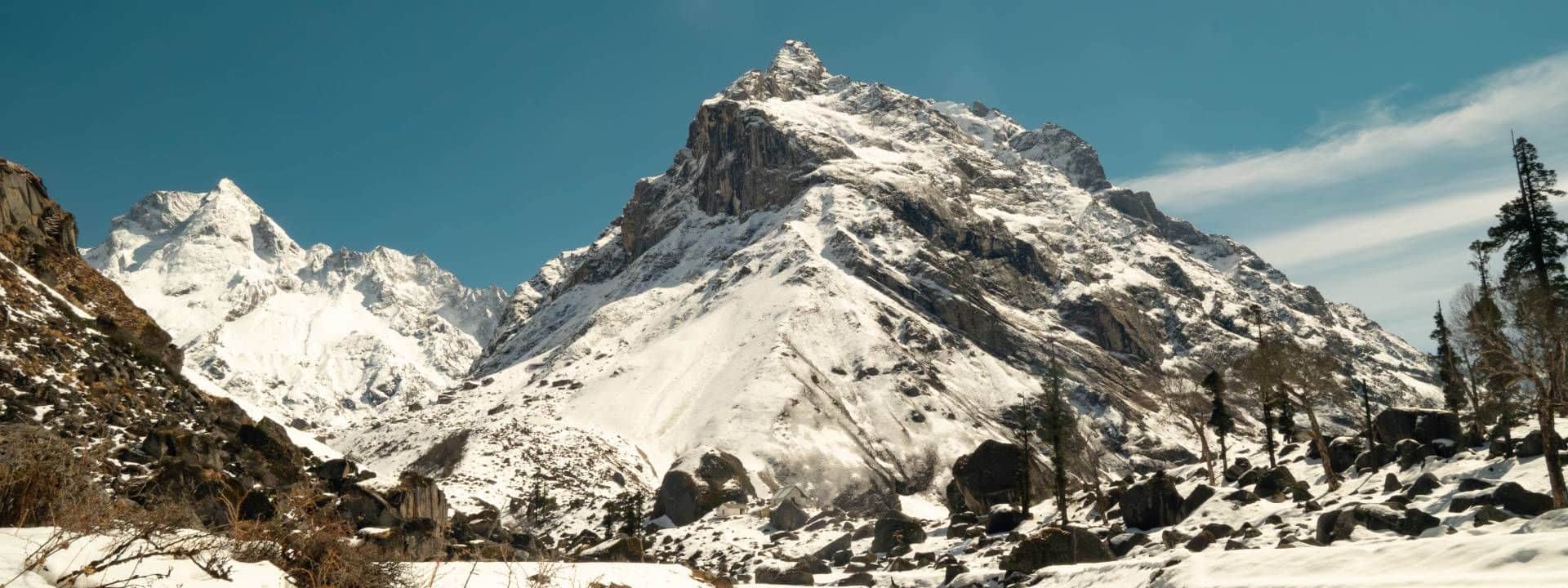
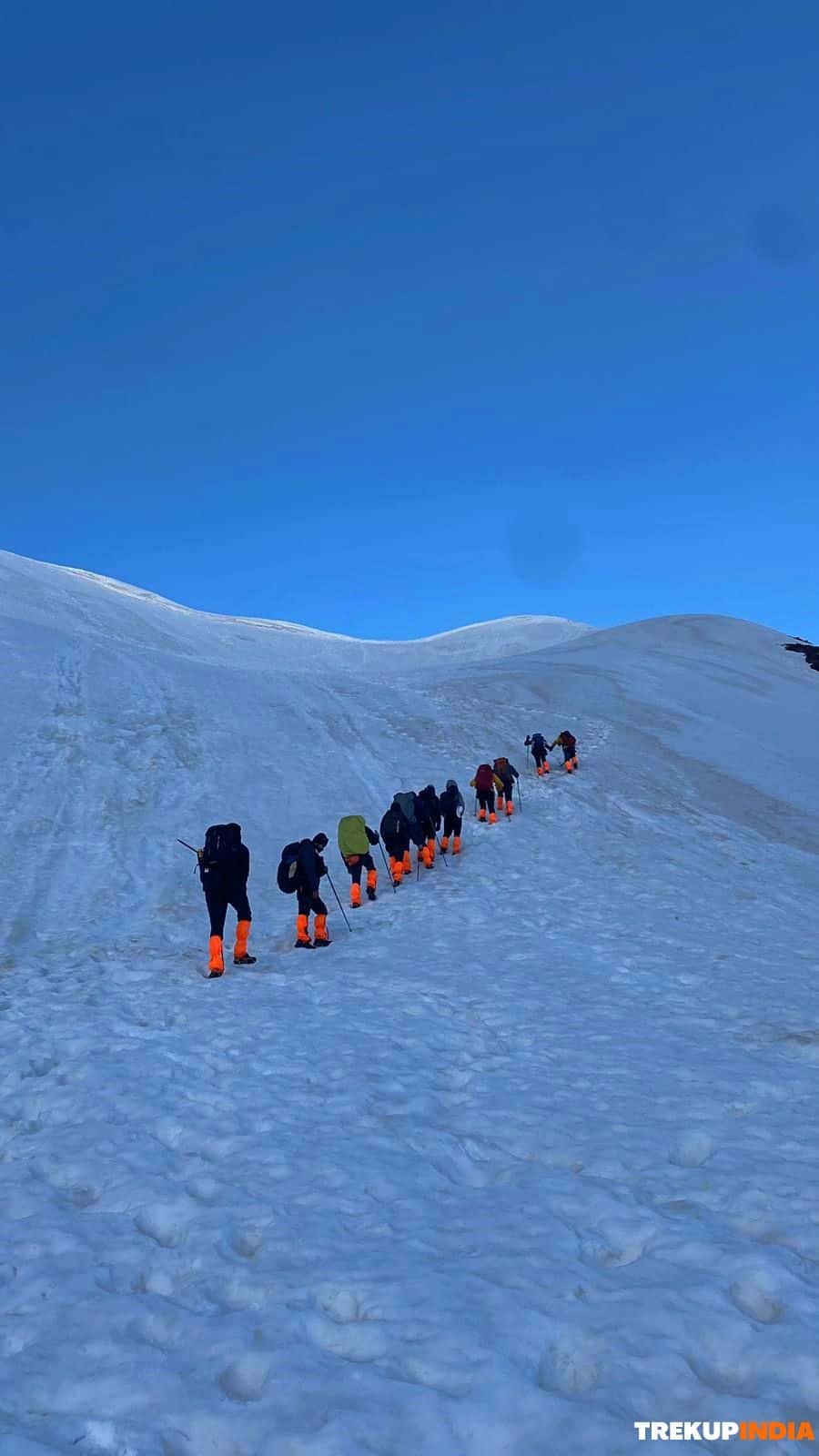
In the Himalayas in India or in other high altitudes that are exposed Cold temperatures are not the only risk. One of the least understood environmental hazards are the wind chill--a condition that makes moderate temperatures appear dangerously cold and dramatically increase the likelihood of frostbite as well as hypothermia.
On TrekUp India, our trek guides regularly monitor trekkers who rely entirely on weather forecasts, and not taking into account the wind exposure. This is a frequent source of discomfort due to cold, and safety concerns during high-altitude treks.
What Is Wind Chill?
"Wind chill" is the perceived reduction in temperature due to the wind's ability to accelerate heat loss from the skin exposed. Although the actual temperature is unchanged, moving air removes that thin blanket of warmth that surrounds the body, causing it appear colder than the thermometer indicates.
For instance:
- In a calm, 0degC temperature the body will be able to hold warmth effectively.
- With the same temperature and powerful winds, the body could experience conditions similar to sub-zero temperatures. This can result in rapid loss of heat.
At higher altitudes this impact can be intensified by:
- Reduced atmospheric insulation
- Lower oxygen availability
- Sudden weather changes
Why Wind Chill Matters on Indian Treks
High-Altitude Himalayan Routes
Mountain passes that are exposed, such as Roopkund the Trek, Pin Parvati Pass as well as Stok Kangri frequently encounter strong winds, especially close to ridgelines and campsites. In winter and during shoulder seasons, the wind chill can cause temperatures to be well lower than safe levels even in clear skies.
Western Ghats Summits
Some peaks like Kalsubai and Tadiandamol are renowned for the strong winds that blow through them throughout and after the monsoon season. The continuous exposure of open summits can quickly lower body temperatures, which can throw hikers off guard due to the moderate altitude.
Dressing Correctly for Wind Chill Conditions
Layering Is Non-Negotiable
The Base LayerUtilize the moisture-wicking properties of thermal wear. Avoid cotton since it holds in water and speeds up the loss of heat.
Insulate LayerDown jackets or fleece retain body heat and offer essential insulation during periods of rest and cold winter mornings.
Outside Shell (Critical layer):A windproof (and most importantly, weatherproof) Shell is your most effective protection against the chill of wind. If it isn't, top-quality insulation will lose its effectiveness.
Professional Tips: Most heat loss on treks is through wind not due to low temperature alone.
Protecting Vulnerable Body Parts
- Head and Face: Utilize balaclavas and buff-style cover-ups to limit the loss of heat in cold weather.
- Hands Insulated, windproof gloves protect dexterity and stop the development of numbness.
- Feet Good socks and footwear that is insulated help to keep warm and circulation going.
Staying Dry Is Staying Warm
Moisture significantly increases the impact of wind chill. Even clothing that is lightly damp can result in rapid cooling when exposed to wind.
The best practices are:
- A dry layer of spare clothing
- Utilizing rain protection when trekking during monsoons
- Change immediately following exercise
Essential Accessories for Windy Conditions
- sunglasses Guard eyes against dust, snow glare and debris driven by winds.
- Gaiters Stop snow Slush, and cold air from getting into boots.
- Hand Warmers Very useful at elevations of 3,500m during winter treks.
Field-Tested TrekUp India Safety Practices
- Layer on more layers prior to when you begin to feel cold.
- Always keep a small windbreaker regardless of "pleasant temperatures" days.
- Insulate immediately during breaks, and on campsites.
- Consume warm liquids and energy-rich food items to aid in the production of heat.
These methods are based on repeatedly observed observations by TrekUp India trek leaders operating throughout Himalayan as well as Western Ghats treks.
Conclusion
Wind chill is among the most under-appreciated but crucial issues faced by trekkers within the mountainous regions of India. It is a rapid process that can transform the weather that is manageable into a significant danger to safety by increasing the risk of losing heat, feeling numb, and the possibility of injuries caused by cold.
Knowing how wind chill affects you and making sure you are prepared for it by layers, wind protection and timely insulation can make the difference between having a safe enjoyable, enjoyable hike and an unsatisfactory experience. TrekUp India is a company that focuses on TrekUp India, we emphasize active preparation, as the ability to survive in the mountains starts by being aware.
Being prepared does more than increase comfort but also the safety, confidence and overall experience.
About the Author: Trekking Expertise You Can Trust

Operations Manager
Nanda Rawat holds a Master’s degree in Tourism & Hospitality and brings over 16 years of experience in adventure and leisure travel. He has led multiple Himalayan expeditions, contributed to ATOAI, and is trained in first aid by the Indian Mountaineering Foundation. A strong supporter of sustainable and ethical tourism, he plays a key role at Trekup India. Write to him at: nanda@trekupindia.com