
Prev
1 / 9
Next
 Trekking Tips
By Preetam Singh Rawat|May 1, 2026
Why Trekking Pants Are Necessary For Trekking?Trekking is one of the best ways to immerse yourself in nature, breathe in fresh air, and disconnect from the hustle and bustle of daily life. However, to fully enjoy your trekking experience, being well-prepared is essential. One key piece of gear that cannot be overlooked is trekking pants. Whether you need them to be lightweight, weather-resistant, quick-drying, or just plain comfortable, the right pair of trekking pants can make a huge difference in your experience. Many trekkers make the mistake of wearing regular jeans, but these aren’t designed for the demands of trekking. Trekking pants, on the other hand, are specifically crafted to meet the unique needs of adventurers. These pants are generally made from Polyamide, a specialized fiber blending polyester and elastane, which provides them with the perfect amount of stretch, durability, and flexibility needed for a variety of terrains. When choosing trekking pants, it’s crucial to research and find the right fit for you, based on the conditions you’ll be trekking in. The right pair will ensure you stay comfortable, dry, and protected as you explore the great outdoors. Below, we’ll dive deeper into why trekking pants are an essential piece of gear for any adventurer. There are several important differences between trekking pants and jeans that every adventurer should consider when gearing up for a trek. Here are some of the key distinctions: Trekking pants are essential gear for any adventurer, as they are specifically designed to ensure comfort, mobility, and protection while trekking through diverse and challenging terrains. Below are some important features that make trekking pants a must-have for outdoor expeditions: Trekking pants are primarily made from durable materials like nylon, polyester, and polyamide (a blend of polyester and elastane). These fabrics are known for their quick-drying, lightweight, and strong properties, making them ideal for harsh conditions. Whether you’re trekking through mud, rocks, or even ice, these pants are built to withstand the elements and provide long-lasting performance. One of the key advantages of trekking pants is their lightweight design. This feature is crucial for trekkers, as it ensures ease of movement and reduces fatigue. Heavy clothing can slow you down and become uncomfortable, especially on long treks, but the lightweight material of trekking pants allows you to move freely without feeling burdened by extra weight. Trekking pants are tailored for maximum mobility. The flexible fabric and design ensure that you can move smoothly, whether you’re climbing hills, navigating rough terrain, or walking for extended periods. Unlike regular pants, trekking pants don’t restrict your movement, meaning you can focus on the trail without constantly adjusting your clothing. This mobility is essential for maintaining good posture while ascending or descending during your trek. During a trek, it’s difficult to wash clothes, especially in remote areas. Trekking pants solve this issue by being quick-drying. Whether you’re caught in a rainstorm, crossing a river, or sweating heavily, these pants won’t retain moisture. The material wicks away water, ensuring that you stay dry and comfortable, even in wet conditions. Breathability is another crucial feature of trekking pants. These pants are designed to allow sweat to evaporate and air to circulate, keeping you dry and cool. The fabric absorbs sweat from your skin and allows it to dry quickly, preventing discomfort or chafing during long hours on the trail. This also helps regulate your body temperature, especially when trekking in fluctuating weather conditions. Trekking pants come with multiple pockets that are perfect for carrying important items like your mobile phone, batteries, power banks, sunglasses, or snacks. These pockets often feature secure closures like zippers or Velcro, ensuring that your belongings won’t fall out while you’re moving. With well-organized pockets, you can keep essential gear within easy reach. Mountain weather can be unpredictable, and temperatures can drop drastically, especially in regions like the Himalayas. Trekking pants are equipped with a layering system that helps protect you from extreme weather conditions, including cold temperatures as low as -10°C. The design of these pants provides a shield against the elements, ensuring that you remain comfortable and warm throughout your trek. Trekking Tips
By Nanda Rawat|May 1, 2026
Sar Pass Trek: A Stunning Journey Through Forest and PeaksTrekking trips of different varieties all offer something special. The Sar Pass Trek in Himachal Pradesh stands out as a particularly beautiful course to traverse. Don’t miss your chance to witness its immense Himalayan grandeur while challenging both yourself and the beauty of its landscape. Sar Pass is an ideal trip for novice and seasoned trekkers alike. Offering an in-depth Himalayan journey without needing advanced climbing abilities, its scenery constantly shifts between open meadows, pine forests, mountains, and snowfields for an ever-evolving journey experience. Sar Pass Trek provides an exciting, captivating, and breathtaking trek experience in Kullu District in Himachal Pradesh at 13800 feet. Perfect for people wanting to immerse themselves in nature’s grandeur, the Sar Pass Trek provides visitors with the chance to be amazed by its magnificence. The Himalayas have long been an inspiration to humanity, offering breathtaking peaks, lush meadows, and crystal-clear rivers as breathtaking vistas that leave visitors speechless. Travel to Sar Pas and discover this beauty for yourself with coniferous trees, Rhododendrons, and colourful flowers adding another dimension. Discover eternal peace and harmony when you reach your location. Visit Sar Pass Trek between March and September to enjoy optimal conditions, in particular, Spring: April to June, September through October for Autumn. These months feature clear skies, moderate temperatures, and minimal rainfall – ideal conditions for trekking! Snowfall tends to be manageable, and views of the Himalayas can be spectacularly clear. Travel during July-August for heavy rainfall, while December to February for extreme cold and heavy snowfall can also be avoided. Day 1 of Our Trek Our journey starts in Kasol, known for its stunning beauty and laid-back ambience. To reach Grahan Village via the Nallah de Grahan, we travel through dense pine forests on our route; once in Grahan, we enjoy an authentic local village experience where trekkers can spend their nights and get their first view of the mountain range. Day Two: Grahan to Min Thach Today’s path climbs steadily through forests that open onto meadows. At Min Thach, you’ll enjoy stunning snowcapped mountain peaks; here lies an oasis of tranquility where one can begin to appreciate their mountain surroundings. Day 3: Min Thach to Nagaru. This can be one of the toughest days due to the steep uphill trek. At an elevation of over 3,000 feet, Nagaru Camp offers breathtaking panoramic views across the valley below and incredible nighttime stargazing experiences. Day 4: Nagaru to Sar Pass and Biskeri Thach. Today will be an incredible and enjoyable trek experience! An early start will take trekkers up to Sar Pass with its breathtaking panoramas; as you descend towards Biskeri Thach, you may enjoy sliding down snowy slopes that offer great thrills for many trekkers. Day 5: Biskeri Thach to Barshaini and Back to Kasol. On their final day of travel, visitors will journey through forests and meadows towards Barshaini in the Barshaini region before being met by vehicles to return them safely home to Kasol. This trip offers adventure, beauty, and personal growth all in one. Write a summary of this. Highs and Lows Kasol serves as the starting point for trekking Sar Pass in Himachal Pradesh and is famous as an area to experience authentic Israeli cuisine. Your journey begins by trekking from Kasol towards Grahan village. At first, the path appears straightforward and allows people to cover an impressive distance in just a few hours. After crossing the river Grahan Nalah, however, the path takes an abrupt and more difficult turn that eventually leads to the village of Grahan situated atop a hilltop; reaching its summit requires an uphill trek lasting an estimated one-hour climb. The beauty and surrealism of the town, established nearly 500 years ago, create an indescribably captivating charm that makes for a captivating visitor experience. Particularly appealing are those with an appreciation of art who find inspiration there; many artists refer to Himachal Pradesh as “stoner’s paradise or painter’s haven.” Dappled with beautiful old-fashioned Himachali homes as well as pine forests with Rhododendron trees lining its paths, visitors can relax peacefully amidst nature. Min Thach, which locals frequently use as an access route to farms and cattle pastures, provides stunning natural beauty along the journey to Min Thach. Watching the sun setting over mountains ablaze with golden hues is among the most relaxing sights after an exhausting trek to Grahan village. As one advances further North, the path becomes steeper and eventually leads into the forest. Yet Rata Pani provides an ideal lunch spot with breathtaking mountainous peaks on one side and deep valleys on the other side, to ease any fatigue that might build up from walking for so long. As you traverse the forest and its breathtaking perspectives, be sure to enjoy the Chanderkhani stretch as well as the mountain peaks from the Min Thatch camping area. Warming up and adjusting is beneficial to replenish energy lost during trekking. On Day Two of this expedition, you’ll trek through a snow-covered pastoral forest as the path that runs from Min Thatch to Nagaru starts at an altitude of 12,500 feet above sea level. One of the highlights of a trek like this one is being able to gaze upon majestic peaks and feel their strength as winds rush past you as you climb ever higher. Snow can make the trek more difficult because its surface can become slippery; thus, it is best to have a trekking stick handy as well as a knowledgeable guide on hand in case it snows during your trek. Starting before noon could also prove useful should any treks be covered with snow; temperatures tend to be more pleasant then. Though at times challenging for those new to kayaking, kayaking can be immensely rewarding and pushes one towards taking on new challenges while becoming more self-aware. Once at Nagaru Campsite, you will experience life differently! Manikaran offers breathtaking views of majestic mountains overlooking Parvati Valley, while seeing its small yet glittering lights that reflect nature’s appeal, and Manikaran town is known for being revered among devotees of religion, with hot springs flowing around gurudwaras that contain healing properties. Moving forward from here, our next trekking destination will be Biskeri Thatch via Sar Pass. Its lush green meadows, wildflowers, and variety of birds that inhabit Biskeri will help restore both body and mind, leaving us refreshed for another round. Biskeri Thatch provides an ideal setting for filmmaking. Offering stunning and clear images of snow-capped peaks and the natural beauty that Biskeri Thatch exudes will enthral visitors as they climb its steep hillsides. Climbers must remember to climb at an even pace to maximize capturing stunning footage while at the same time maintaining safety for climbing safely. Snow can make for easier walking conditions than concrete; however, you are still likely to use up all your energy in doing so. But that shouldn’t worry you: The beautiful surroundings will keep your energy high and encourage you to relish every second of this trek to Sar Pass; with its breathtaking panoramic view of tall mountains, take a deep breath as nature showcases her glorious green beauty before arriving there at last. Trekking Tips
By Anoop Rawat|May 1, 2026
Explore Roopkund Trek: The Enchanting Beauty & Ancient SecretsRoopkund Trek in the Indian Himalayas offers an unrivalled combination of natural beauty and mysticism. Renowned for its Skeleton Lake, Roopkund is set among centuries-old human remains that create an eerie ambience during your trek. Trekkers can enjoy dense forests, bubbling rivers, and vast meadows of alpine Bedni Bugyal, along with breathtaking panoramic views that include Trishul and Nanda Ghunti mountains. As your journey continues and the terrain becomes difficult and snow-covered, culminating in an exhausting yet exhilarating ascent to an incomprehensible glacial lake. Roopkund Lake is often known as the Mystery Lake due to its remoteness. Situated at an astounding altitude of 16,499 feet above sea level within Chamoli district in Uttarakhand, Roopkund is a glacial lake known for the mysterious human bones floating within its waters when snow melts away, adding another element of mystery for visitors trekking to Roopkund.On your trek, you’ll encounter lush green meadows known as “Bugyals,” snow-covered mountain peaks, and lush forest areas. Marvel at stunning images from Mt Trishul and Mt Nanda Ghunti as you pass Roopkund lake – one of the best-known trekking locations within the Garhwal region and beloved among people from across the globe. Roopkund stands out among Himalayan trekking routes due to its breathtaking view, an intimate frozen lake filled with hundreds of human bones that was discovered during World War II in 1944 and is thought to date back as far as the 9th Century CE; their precise reason for its discovery remains disputed. The most widely held hypothesis suggests that pilgrims were caught up in a hailstorm and perished, their remains lying frozen within glaciers for hundreds of years after. Additionally, DNA tests have confirmed their origins from all corners of the earth, adding even further intrigue and mystery. Positioned at the head of Roopkund Lake and surrounded by majestic peaks and ancient bones, being at its end can both captivate and chill you to your core. Lohajung marks the starting point for this trek, offering beautiful landscapes and rich diversity to explore. Navigating its windy, curvy roads, gradually ascending elevation, will be challenging but will undoubtedly provide you with a rewarding sense of achievement and fulfilment. After walking about six kilometres through the Garhwal district of Uttarakhand, Kulling will appear. Beautifully landscaped with fields and houses abounding with concrete paths dividing each sector of the township, Kulling boasts an exquisite town centre complete with a small concrete plain that runs throughout. As you approach Didna village and cross Neel Ganga valley, a moderately steep roadway encased by lush forest full of rhododendron and oak will lead to Dodna village, located 8000 feet up the mountainside. Ali Bugyal, one of the country’s most populous areas, boasts an extraordinary community that should not be missed. There is a path running directly through it which offers two routes for exploration – ascending on one and inclining more steeply on another – but both lead directly to their respective points of departure. Ghora Lutani provides beautiful scenic panoramas as you ascend towards your final location at altitudes between 12,500-14500ft, offering incredible scenic vistas as you climb towards Ghora Lutani’s steep altitude rise of between 12,500-14500 ft. Walking on this rugged terrain can be challenging physically and mentally, as well as being physically exhausting; high altitude conditions may cause breathing difficulties, but the stunning sights surrounding your campsite will bring back its excitement of trekking! Once at camp, it’s time to end your day’s trek and settle down before relaxing for the evening ahead. As you head toward Bhagwabasa on day 2, its terrain may prove challenging, and it should not be easy for travellers. Situated approximately 14000 feet above sea level, Kalyuvinayak Temple stands 200 feet higher. Travellers should make sure they travel at a slower pace as oxygen becomes thinner in this alpine region. As you reach this height, the reward of Roopkund comes into view: sparkling Trishul on one side and bell-shaped Nandagunti on the other. It’s simply breathtaking and captivating. At an elevation of over 16,000 feet, Roopkund is the highlight of any trek to Nanda Devi temple, after having traversed this challenging but rocky terrain. Once there, you will discover multiple photo ops at Nanda Devi temple, so why should you miss this chance for lasting memories with loved ones? Rest and acclimate throughout the day as most trekkers do, then recover well before starting in reverse to ensure you can withstand any potential dangers on the trek up to Roopkund. It will require both perseverance and strength, but Roopkund will provide enough motivation to finish. Although Roopkund can be considered a challenging trek it is moderate to difficult trek, those with sufficient stamina and resolve can conquer it. While reaching its summit requires strenuous climbing, its breathtaking views make the journey well worth your while! The best timing for this trek would be May and June, as well as between August and September. In May/June, you might miss seeing any frozen skeletons due to frozen water; however, the lush bugyals will leave an impressionable memory behind. In contrast, during the monsoon season, when visiting Roopkund Lake is likely to freeze over by September end and it becomes apparent why Roopkund Lake remains so mysterious and alluring.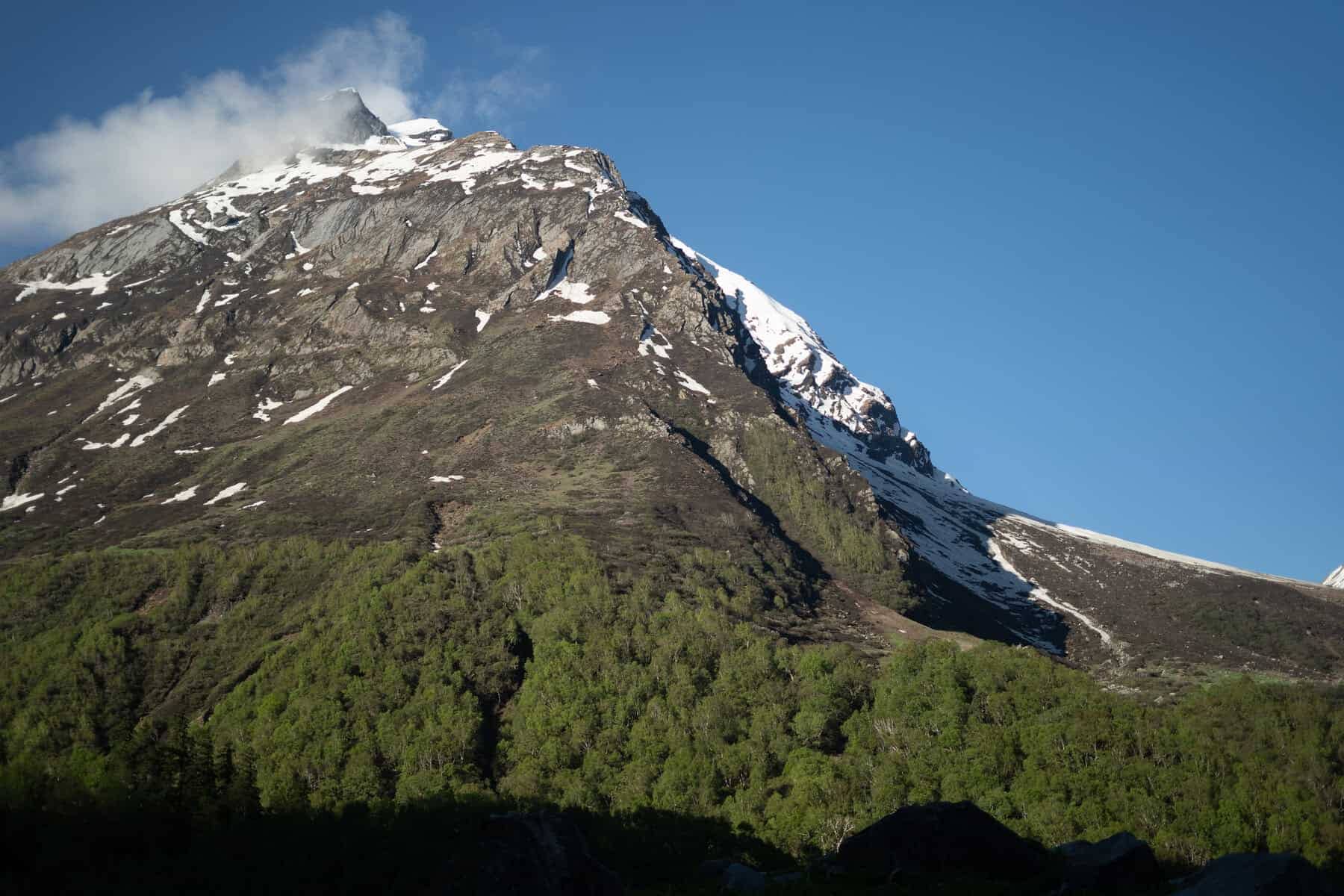 Trekking Tips
By Preetam Singh Rawat|May 1, 2026
Why You Should Do Bali Pass Trek?The Bali Pass Trek is a challenging and exciting trekking adventure in the Garhwal region of the Indian Himalayas. It is a high-altitude trek that takes you through some of the most scenic and breathtaking landscapes, with snow-capped peaks, lush forests, and glacial lakes.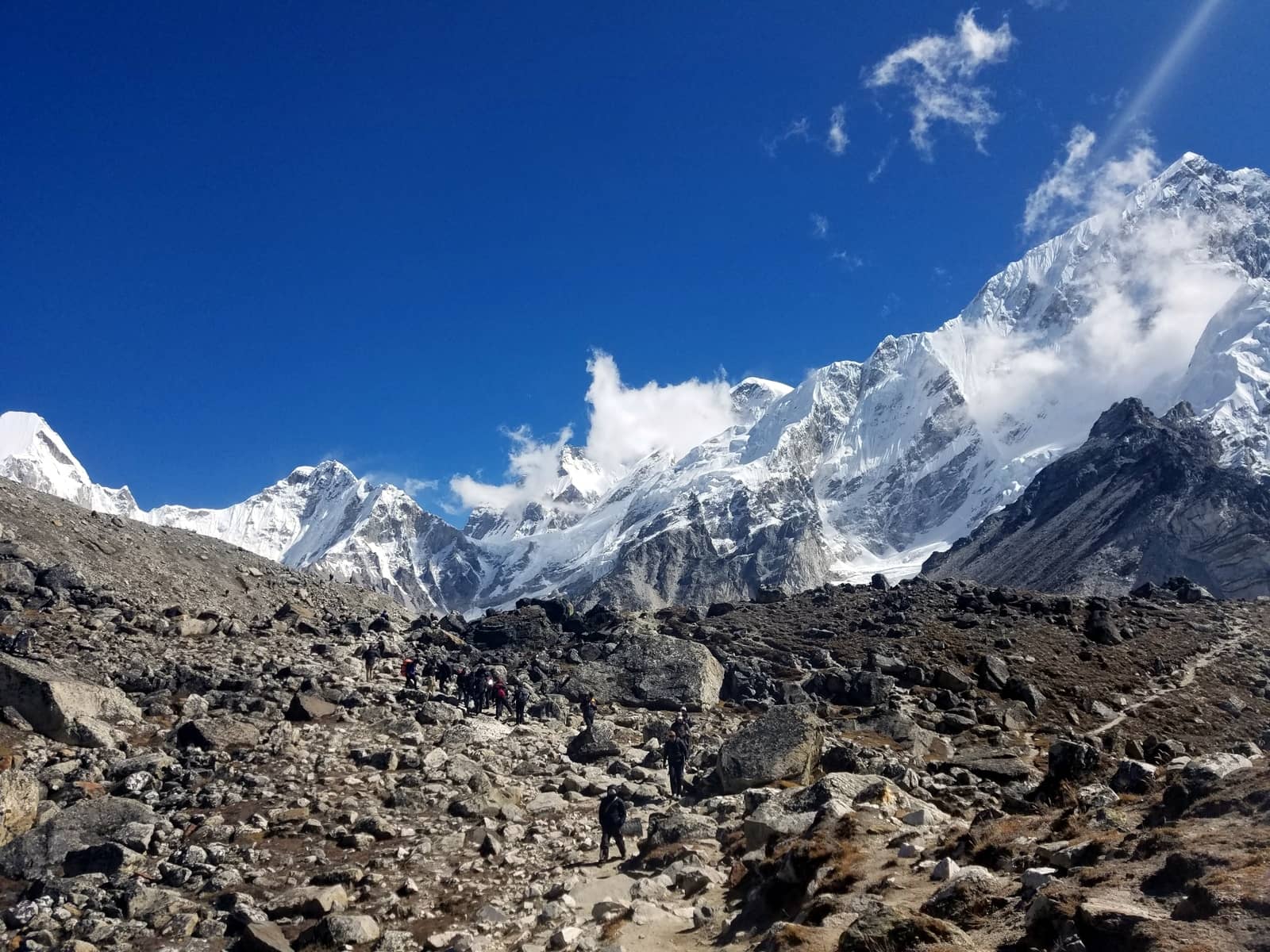 Trekking Tips
By Nanda Rawat|Apr 30, 2026
Everest Base Camp Trek Preparation Checklist: Are You Really Ready?Many great people from around the globe have rightly dubbed Everest as “stairs to heaven”. With breath taking views and fresh air, this wonder of nature attracts visitors from around the world, who come to enjoy nearby bazaars and monasteries (if not itself). Unbelievably beautiful and breathtakingly majestic, this spectacular scene awaits those with enough courage to imagine what an adventure it would be to feel the fresh mountain air, climb its peak, and experience one of Earth’s highest points first-hand. Below is a checklist that covers some of the basic and advanced needs in deciding if an Everest Base Camp (EBC) Trek should be undertaken by you. However, this shouldn’t be taken as definitive information – before taking on such an amazing adventure, it would be prudent to speak with a doctor or experienced trekker first. An Everest Base Camp (EBC) trek is on many bucket lists. But before embarking on such an endeavour, it’s vital to ask yourself: Am I really capable? The EBC Trek isn’t your average trekking trek: It is an extreme, multi-day challenge designed to put both mind and body to the ultimate test. For experienced hikers or those just beginning, this list provides an effective means of measuring how prepared you are to face such an adventure. For obvious reasons, having more experience trekking at higher altitudes, particularly that relating to EBC (29,028 feet), can significantly prepare you mentally and physically for this endeavour. Experienced trekkers tend to be less likely to need to answer distress calls on a similar trip than novice trekkers; when temperatures drop to 60 degrees Celsius during winter months, however, only those who possess exceptional ability should attempt this endeavour. A) These individuals generally are healthy and do not present with any serious diseases that might increase due to altitude (for instance, heart or lung conditions). B) You possess an exceptional capacity for long-distance walking. EBC trekking should take between 4-10 hours with adequate breaks during that time; what’s essential to survive this adventure is exerting consistent effort over a sustained period. C) When traveling, staying focused and motivated are keys to a successful adventure. D) You enjoy working in teams. Knowing this, take heart in knowing that embarking on this challenging journey with like-minded colleagues can boost motivation and help overcome its hurdles! Everyone has flaws and weaknesses, but to ensure success, it is vitally important that we start planning our journey now and increase the intensity of our fitness regimen a minimum six months before our trek. If you are at risk for lung or heart diseases, chances are it won’t be permitted for you to embark on the trek. Furthermore, being a smoker or heavy alcohol consumer makes this task far more difficult in comparison with others in better physical shape for high altitude trekking – smoking restricts breathing at higher elevations; drinking or drug exposure alters judgment could result in further health risks. Acclimatization should not be neglected when traveling at altitude, as Acute Mountain Sickness (AMS) is an actual health risk triggered by high-altitude environments. A higher altitude, with decreased oxygen levels, tension in the air, and stress contributing, can trigger it; often seen around 8000ft or higher and leading to headaches, nausea, dizziness, shortness of breath, as well as headaches. Although usually mild and quickly resolved, occasionally symptoms of altitude illness can become serious and cause lasting complications in the brain or lungs. Rare cases involving brain or lung complications occur, which require hospitalization. Acclimatization to high altitudes through spending several days in certain locations before and during your trek or trek is critical to minimize health problems, and should take 13-20 days on average for EBC Journeys. Keep this in mind as nutrition plays an integral role in finishing any trek successfully. A balanced and nutritious diet must be maintained while trekking towards EBC. Your guides and sherpas will likely serve you light meals that are easily digestible in the tea houses you stay at, such as herbal tea, electrolytes, energy bars, light snack bars, dry fruits, or digestive biscuits to ease hunger pangs. When hunger strikes in between meals served at tea houses, you might require other sources to provide relief – some items could include herbal tea, electrolytes, energy bars, snack bars, light snack bars, dry fruits, and digestive biscuits. At least two to three months before embarking on any trek, it is necessary to develop an efficient workout program designed to build up endurance for trekking over an extended duration. A) Walking for 60 days before embarking on your trek can help prepare you for its physical demands and core strength development. B) Plank exercises may also prove helpful. C) Engaging in some yoga can help alleviate breathing issues as well as strengthen core muscles. D) Swimming or cycling for just a few minutes each week could help build lean, toned muscles. Mt Everest remains one of the world’s most revered mountains, drawing accolades and praise songs that honor it from across all sectors of society. Every year, thousands of trekkers make the trek up to Everest Base Camp; you may just be one of them one day! So have faith!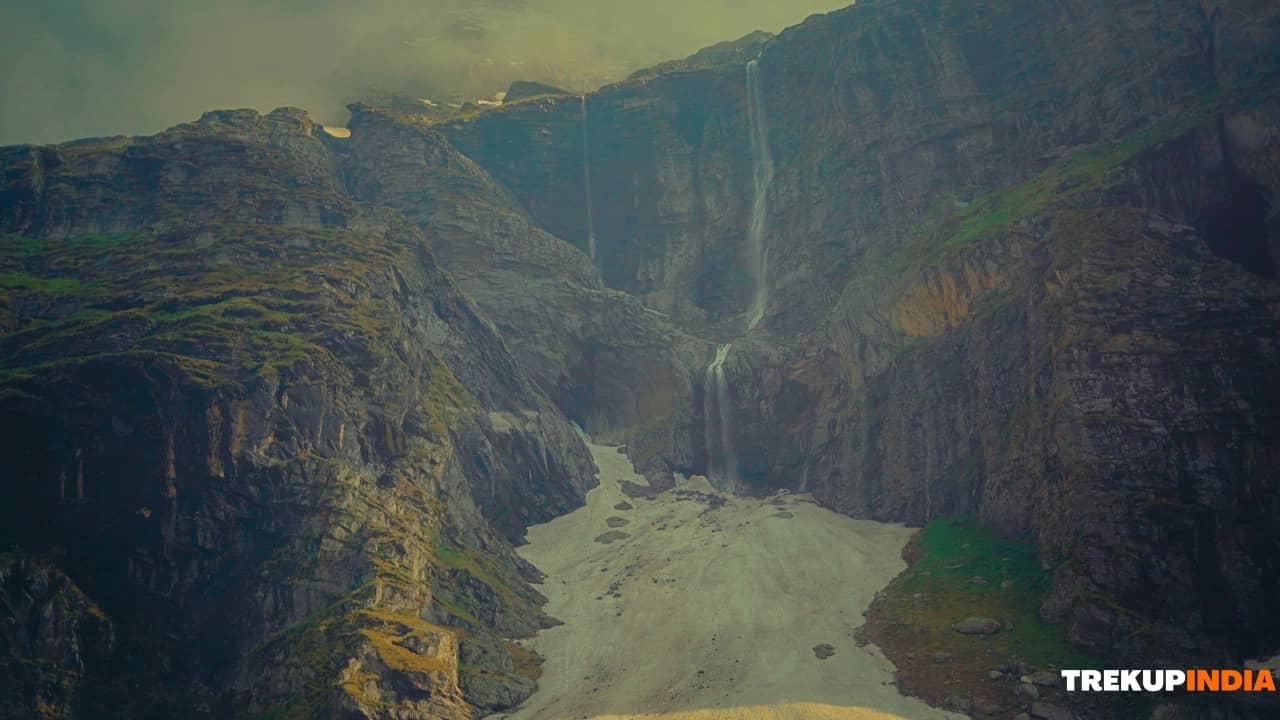 Trekking Tips
By Anoop Rawat|Apr 30, 2026
Hampta Pass Trek Experience – A Night Under the Stars and the UnexpectedExperiences gained during a trip are what make the enjoyment shared after returning home so worthwhile. Hampta Pass and Chandra Tal Lake are two spots often favored by adventurous travelers as part of a travel itinerary. Discover more of why embarking on this adventure will lead to unforgettable memories and how sharing those will benefit the present and future generations. The Hampta Pass trek from Manali to Spiti will provide an unforgettable experience, ideal for beginners in trekking. The scenic trail features gorgeous floral motifs that add flair and make every step an exciting journey. At 14,000 feet, the stunning Spiti desert landscape opens before your eyes as its beauty takes hold. The Hampta Pass Trek from Manali to Spiti is an incredible journey suitable for novice and seasoned trekkers alike, offering lush valleys, rivers, alpine forest, and high mountain passes as you pass from the lush Kullu valley into barren Spiti terrain. Starting in Jobra, the journey passes through Chikka Balu Ka Ghera, Shea Goru, before culminating at 14,100-foot Hampta Pass with exciting rivers to tackle and an arduous climb up an arduous climb to 14,100 feet Hampta Pass before ending back at Jobra at Jobra – perfect. Campsites along the route boast breathtaking views of the Dhauladhar mountains, offering camping under the stars at night. At its heart lies Chandratal Lake (commonly referred to as Moon Lake). A visit here adds an unforgettable flair to this trek. Trekking is best enjoyed during June to September when paths are open and the scenery is at its most captivating. Trekrs come away from such adventures with unforgettable memories and strong connections to nature that inspire future treks through the Himalayas. Hampta Pass is not only beautiful, but it is an uncommon sight. Rising from Kullu Valley and offering views across to long stretches of deserted beauty, there is an enormous difference in scenery when taking this trek. Experience alpine forest trails lined with massive rock formations and diverse flora and fauna to reach Moon Lake, one of the mythicized landmarks of nature. This trek not only gives breathtaking views of Lahaul’s lush vegetation and cool deserts, but also of the Dhauladhar mountain ranges – plus provides insights into life at these high-altitude marvels! That is the essence of the travel experience. The Hampta Pass trek route forms a loop starting in Jobra (2743 metres) and ending at Chikka (3048 meters). Day one involves an easy trek lasting just two hours, with a 3km distance covered. As you walk through a dense woodland area dominated by tall oak and maple trees, eventually leading into an expansive scenic valley where the serene Rani Nallah River waters flow lazily on your left. On Day two of our trip, we begin a five-kilometer trek from Chikka towards Balu Ka Gehra at an elevation of 3600 m. The trek typically takes seven to eight hours with a gradual ascent through treacherous terrain made more treacherous by frequent rainfall in the region, followed by a river crossing at 2.5 kilometers along our trail – its crossing usually being the greatest challenge along this stretch. Chikka: Begin your trek at Hampta Dam and head towards Chikka, close to Manali, for an overnight stop before spending another full day exploring Manali base camp. River Crossings The Hampta Pass Trek isn’t all about panoramic views–it’s also an adrenaline rush when crossing rivers or high passes. On Day 3, you’ll experience an exhilarating high pass crossing at 14,100 feet as you traverse Hampta Pass with breathtaking panoramic views across both Kullu and Spiti valleys. Wading across frozen rivers may require using ropes! Additionally, remote and scenic campsites such as Chika, Balu Ka Ghera, as well as Shea Goru offer an unparalleled Himalayan adventure experience. If you enjoy the challenge of crossing mountains and rivers, this trek promises to be an incredible journey. Balu Ka Ghera: Just below Hampta Pass lies this area known as Balu Ka Ghera – an exquisite campsite to camp out at! You’ll love its picturesque locale alongside an aqueduct; simply marvel at its surroundings Dhauladhar ranges and the outer Himalayan mountains! Hampta Pass via Shia Goru: From Balu ka Ghera it is possible to trek further uphill towards Hampta Pass (4270 m). From here enjoy panoramic views over Lahaul valley as you trek along this mountain path and witness firsthand how drastically the terrain changes along your trek – before returning back downhill towards Shia Goru for an opulent star-studded night of luxury sleeping under the stars. Chatru is located adjacent to Chandra Tal Lake – both are accessible by public transit from Chatru. Chandratal Lake or “Moon Lake” makes the ideal addition to any Hampta Pass Trek itinerary. Chandra Taal (Moon Lake) is the crowning glory of Hampta Pass and truly stands as an eye-catcher with its glacial lake at high altitude, situated directly atop it. According to legend, Yudhisthra was elevated into heaven here. To stand by its side and view its reflection in admiration is nothing short of divine. On your final day of trekking, before making your descent, take time out to visit Chandratal Lake. Begin early in the day, passing through Pir Panjal ranges before reaching Chandratal. From there, head back towards Chatru – an area which joins Spiti valley Rohtang Pass and Hampta Pass – for an overnight stay. Hampta Pass offers visitors the ideal setting to plan an enjoyable escape and experience an enjoyable week from June until the end of September. Most visitors arrive during June or the subsequent month; then, covered with snowy scenery, it provides breathtaking panoramas. Hampta Pass marks the beginning of your Himachal Pradesh adventure. Hampta Pass in Himachal Pradesh is a popular trek for beginners with some trekking experience, offering spectacular mountain vistas as well as vibrant foliage and wildflowers to admire along the route. Trekkers delight in experiencing Himachal’s stunning Himalayan terrain. If you have visited Hampta Pass before, it will always remain a trip you remember fondly and look forward to revisiting. Many trekkers often continue exploring Himachal Pradesh after exploring Hampta Pass – so chances are high that your trek through nature won’t end here.Trekking TipsBy Nanda Rawat|Apr 30, 2026
Trekking Gear Rental India: Should You Rent or Buy for Your Trek?Trekking can bring with it many adventures, yet it sometimes presents difficulties as well. One of the main issues for those trekking throughout India is deciding between renting or purchasing gear – we at Trekup India have assisted hundreds of trekkers when making this decision; here is our advice: Your decision should depend on factors like frequency of trips, goals set forth for them and budget considerations. A practical guideline designed to assist in making the smartest possible choice. When trekking the Himalayas or other trek regions, proper equipment is key – from warm jackets and sleeping bags to waterproof footwear and tents. But gear can be expensive, cumbersome and difficult to maintain; therefore, it is wise to consider which items you should invest in or rent carefully, as well as when renting may be more appropriate. Best for: Newcomers to trekking who are exploring the wilderness (1-2 trips annually), Travelers from all over the world avoiding baggage hassles, High altitude/specialized gear such as ice axes or crampons. Top Items to Rent: Tents (large and seldom utilized outside of trekking) Sleeping bags (season-specific and expensive to purchase) Trekking poles (which can be useful but are often unnecessary) Winter trekking requires proper attire – jackets, gaiters, and microspikes should all be packed away safely in your bag. Pros of Renting: Effective and Cost-Effective Renting is both cost-effective and time-effective, saving between 60 to 80% compared with purchasing, without hassle for storage or mess in your home. Before making a decision to buy or rent equipment, it is wise to ensure its quality before purchasing or renting gear. Cons of Renting: (Hygiene Concerns and Time Constraints) Some gear is only available for short-term rental; peak seasons see it quickly booked up. Where Can I Rent? You can rent all the trekking gear from the Trekup India website rental portal. Best for frequent trekkers (3+ trips annually), who prioritize cleanliness and personal comfort. Also suitable for investors interested in long-term adventure investments. Top Items to Purchase for Trekking: Trekking shoes must fit properly so as to prevent costly rentals. Backpack (personal convenience is of utmost importance). Base layers (hygiene-sensitive) Headlamp/gloves (often utilized) Pros of Purchasing: Improved Hygiene; Sleeping bags or jackets may offer improved hygienic conditions; Convenience is available when any spontaneous journey arises, and long-term savings (less expensive than five treks) Cons of Buying: And the downsides: An Initial investment cost and more storage space needed than expected, due to large sleeping bags/tents are both essential. Budget Buying Tips: Decathlon provides an affordable and robust kit for beginners. Winter gear sales during summer can be significantly discounted. Second-Hand Market (Facebook Group, OLX) As for casual trekkers, the easiest way to begin their adventure is by renting equipment (it will save money and reduce storage pressure). Regular adventurers – invest in essential gear such as shoes or backpacks with layers. Expedition/snow trekkers – Hire technical equipment (ice Axes and tents for expeditions). Pro Tip: Before accepting rental equipment, always conduct a condition inspection! Trekking Tips
By Preetam Singh Rawat|Apr 29, 2026
Explore Hampta Pass Trek – Breathtaking Himalayan LandscapesHampta Pass is a great place for nature lovers and trekkers to explore. This trail is home to oak and maple trees, flowing rivers, meadows covered in snow, deserted terrains and trails, as well as trails. This article highlights each day of the trek to provide a comprehensive review. The Hampta Pass Trek offers an exciting expedition with a stunning fusion of landscapes. This trek in Himachal is popular with adventurers, photographers, and nature enthusiasts. The trek is a combination of lush meadows and rugged, arid mountains. Take a taxi from Manali (2.503 m) to Jobra (2.743 m), the starting point of your trek. Along the route, you can enjoy spectacular scenery with maple, apple, and pinyon trees. The views from the hills are breathtaking, with Manali’s Beas River running through the town. From Jobra, it is 16km to its base village. Start at Jobra, which is at 2743m. Finish at Chikka at 3048m. The routes between Jobra and Chikka offer a variety of interesting sights along the way. Jobra forests, it is said, are filled with tall oak and maple trees, which create an eerie and haunting atmosphere. The light filters through foliage, casting playful shadows and wet logs covered in brown moss that are ready to snap when you touch them. A sturdy metal bridge that spans the Rani Nallah River Sub-Stream is visible after about 500m. After crossing the bridge, you will be rewarded with a breathtaking valley and breathtaking views in every direction. Chikka Camping Site boasts a stunning landscape, with waterfalls nearby, fed by glacial water that originated in the Jobra Ranges, before merging into majestic Rani Nallah, to create ideal grazing ground for horses, mules, and sheep. We’re going to embark on an adventure today that will take us 5km and could last 7-8 hours. The terrain is varied. After the first two kilometres, you’ll be rewarded with a stunning landscape of vibrant colors and breathtaking beauty. Crossings of rivers The river crossings are the heart of every Hampta Pass Trek. Your guide will begin instructing your group late on the second day to join individual chains that provide support against powerful water currents. Once you’ve navigated this water body, the smooth path leading to Jwara Meadows opens up. This adventure is sure to be unforgettable. Jwara Meadows are a beautiful place to relax, unwind, and discover the world around you. The vibrant colors and shades create a captivating scene that will make your day. Enjoy a peaceful lunch or take some time to relax in the natural beauty of this oasis. The trekkers’ final day will begin at Balu Ka Ghera (3600 meters) and then ascend Hampta Pass (4200 meters), before returning to Shea Goru (3900 meters). This day is marked by steep, arduous climbs and a landscape of whites and greens. Balu ka Gehra – Nearby is a camping site called Balu ka Gehra. This area translates as “deep sand regions.” The name is a reference to sand deposits near the beach. This location, like Chikka, features mules, horses, and lush vegetation around a river. You’ll be treated to spectacular mist, clouds, and water displays while you lounge by the fire and sip hot beverages. The Hampta Pass is a breathtaking trek. Hampta Pass is waiting for you once you have conquered the difficult terrain. The scenery is breathtaking. One can see the Kullu Valley landscape against Lahaul’s rugged terrain. In clear weather, you can also view breathtaking glaciers stretching between Indrasan & Deo Tibba. Jamadagni Rishi reportedly traversed Hampta Pass on his spiritual journey, and numerous Lahul shepherds bring their animals through the pass in search of fresh grass. Shea Goru: A Journey Down The most challenging and exciting part of the trek begins once you have crossed the Pass. The steep descent is at a 50-degree angle, and over 3 kilometres. This gradient can be steeper if the weather permits. If the weather is dry, you can easily navigate slippery rocks, gravel, and mud. However, rainy conditions may be dangerous due to slippery surfaces or falling boulders. Make sure your guide advises on how to travel safely, including helmets and walking poles. Shea Goru Campsite After the pass, the trail leads into a flat and peaceful expanse, which takes you to the Shea Goru Campsite. (also known as Cold Street). There are scenic spots at the Shea Goru Campsite along the flowing river, where you can enjoy the ever-changing cloud patterns. The fourth day is the time for us to cover approximately 5km in four hours, from Shea Goru (3900m) to Chhatru (3350m). The journey begins with a thrilling river crossing, followed by a relaxed descent, and culminates with enchanting views of Chandratal Lake. River Crossing This second crossing at the Shea Goru is a thrilling climax of the Hampta Pass Trek, even the teaser shown at its first crossing. The adventure is a combination of excitement, adrenaline, and suspense. It requires planning, collaboration, and ability among the team to cross its icy waters, which are colder than the Rani Nallah River. Trekking to Chhatru After three difficult days, the fourth day offers a chance for relaxation. We begin on the right side of the river, with a gradual downhill slope. Then we follow the Chandra River to Lahaul, before reaching Chattru. This camp is different from other locations because it has rocky terrain, and its proximity to a highway leading to Chandra Tal Lake. Chandra Tal Lake is located at 4,250 metres and approximately 70 kilometres away. It takes three hours to drive there. The road may not be forgiving, but the stunning aquamarine water makes it worth driving. Its reflective surface creates a breathtaking scene sure to please visitors! Return to the campsite after a pleasant visit. Travel from Chatru towards Manali on your last day. Enjoy one final moment in the mountains before you return to civilization. The return journey from Chatru to Manali on Day 5 will be a four-hour trip that brings back wonderful mountain memories.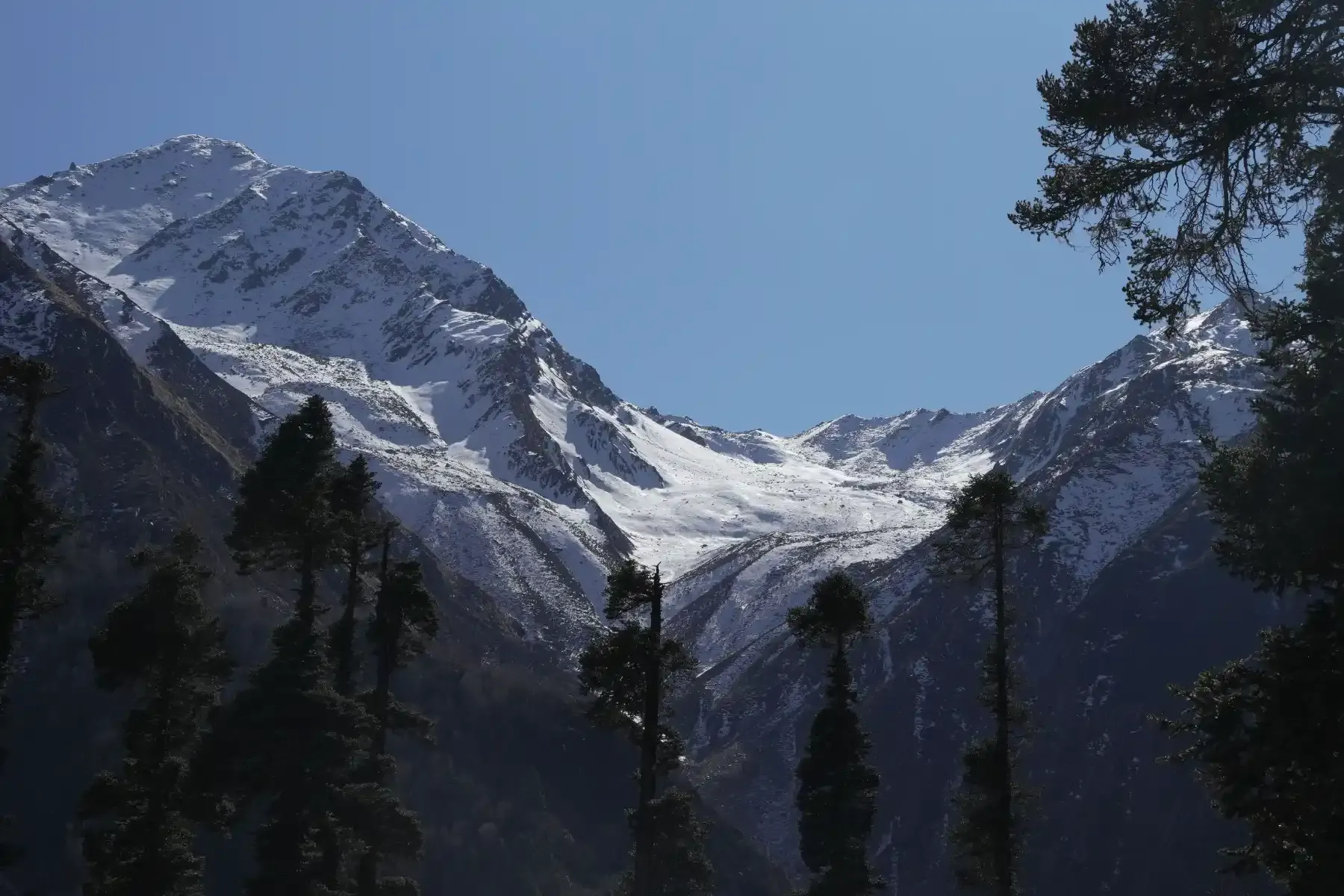 Trekking Tips
By Anoop Rawat|Apr 29, 2026
Why Har Ki Dun Trek Captures Every Trekker's HeartHar Ki Dun lies near the border between Uttarakhand and Himachal Pradesh and offers breathtaking natural beauty that will tantalize all five senses and please any visitor to its beautiful landscapes. Har Ki Dun’s trekkers’ paradise boasts captivating landscapes and villages, thrilling climbs and descents, and the majestic beauty of Mount. Swarogihini and other pilgrimage sites that boast flowing streams and abundant greenery offer beautiful camping spots, making for the ideal journey experience. If you are seeking the ultimate trekking experience in Uttarakhand that is unspoiled in its natural beauty and uncrowded, look no further than Har Ki Dun. Below we have listed some reasons for going in its direction at least once. Traditions dating back to the Mahabharata can be found at Osla Village, accessible via trekking through the Har Ki Dun valley. Villagers revere Duryodhan from the Mahabharata legend as they believe he might have brought blessings during this period, so their temple honouring Duryodhan still exists, and they still worship him rather than any other deity. Villages abide by a local god, Sameshwar Maharaj, policy, and their god visits every month, hosting an elaborate Pooja. When their god visits, an enormous celebration takes place throughout the town. Each village has specific guidelines and regulations you should abide by when visiting there; temples or holy objects should not be touched. Although they consider themselves superior, their hospitality remains as welcoming should you return. Clothing worn by villagers is an indication of their loyalty to heritage, customs, and traditions. Most villagers eke out an existence through farming; making their living from butter and bread while growing rajma (an Afro-Indian crop), potato (for potato chips) and rice for farming while weaving their yarn for coats, jackets and jackets that they can sell directly which will allow farmers to make even more money from selling direct. Har Ki Dun provides nature lovers with their dream camping trip experience, offering beautiful campsites near rivers or valleys for unforgettable camping trips. If your luck holds out, you may witness some breathtaking sunrises against a backdrop of red-orange Himalayas, making this trek unforgettable! Trekkers who trek from Osla to Sankri can see an array of vegetation, trees, and birds found only within the Govind Wildlife Sanctuary. Here you’ll be treated to sightings of brown Bear, Musk Deer, Snow Cock, Golden Eagles, Koklas Pheasants, Bearded Vultures Parakeets as well as Blue Poppy Orchid Lilies Primulas Potentillas Anemones which is sure to delight trekkers during their trek. Did you know that Pandavas from Mahabharata took an identical path to ascend Mount Swargarohini which also dominates Har Ki Dun Valley!? The trek offers stunning mountain views including Swargarohini I II III Bandarpoonch Blackpeak Ruinsara mountain ranges as well as Blackpeak. No other trek can rival it as “Valley of the Gods”. Trekking through alpine meadows, moraine valleys, glacier basins, and pine forests gives trekkers an intimate glimpse into life as rural dwellers do in these mountains, deep within. An unexplored trek offers one the chance to witness all that nature offers in the Himalayan region without interruption from crowds of other tourists. Along this uncharted trek, you can admire its splendour without fearing being overwhelmed. Trekkers on this trek can experience back to simpler times in a stunning natural setting that makes this an excellent trek for all levels of trekkers, from beginners to advanced trekkers alike. Trekkers on this trek can experience it all along its path; from alpine meadows, moraine valleys, glacier basins to pine forests, you’ll experience it all, and more than 3000 old settlements will also enable trekkers to see firsthand what life was like among rural dwellers compared with city dwellers!