
Prev
1 / 9
Next
 Trekking Tips
By Preetam Singh Rawat|May 5, 2026
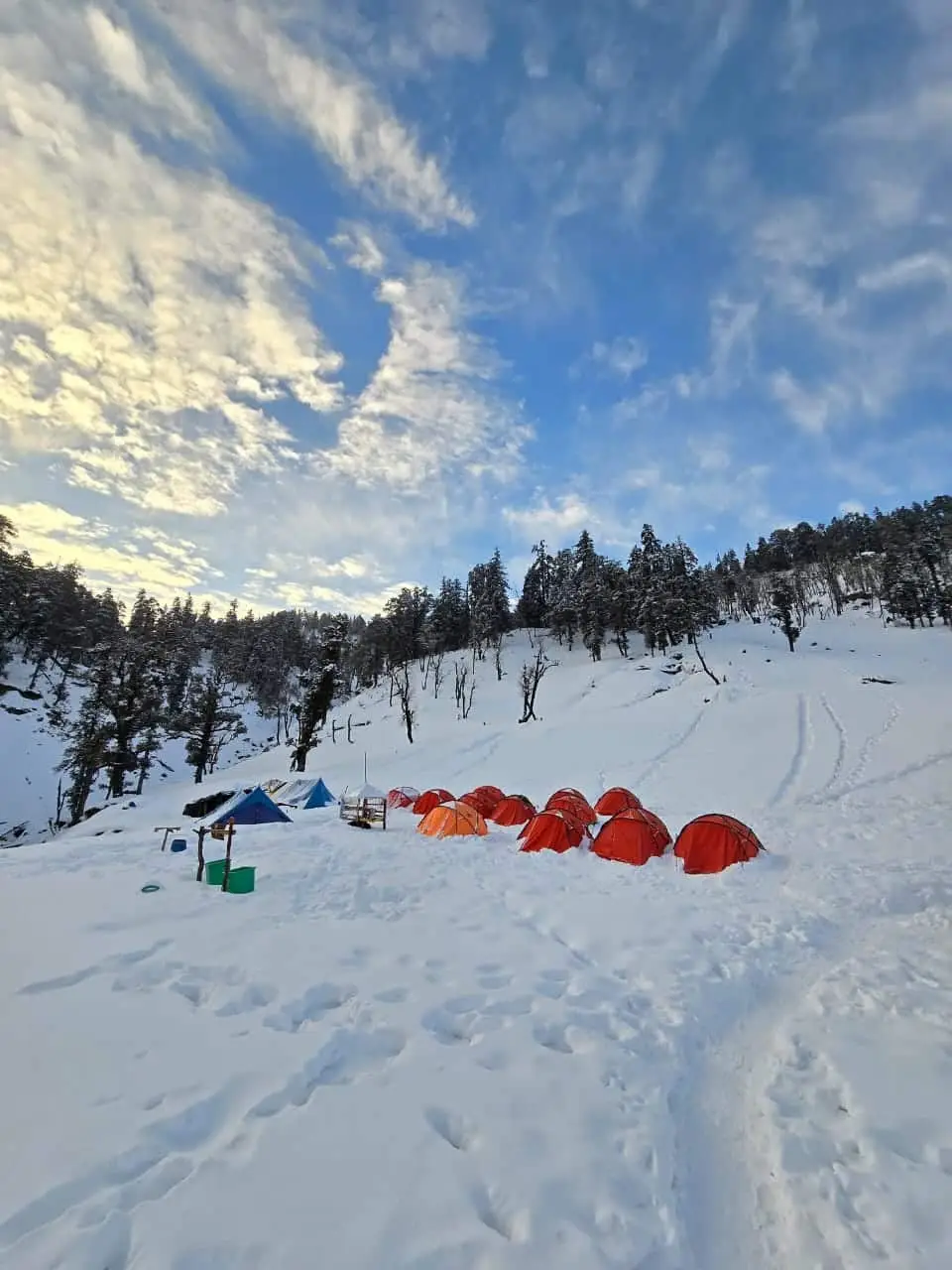
Best Treks for Beginners: Top Himalayan Treks you can start your Trekking Journey withBest Treks for Beginners: Top Himalayan Treks You Can Start Your Trekking Journey WithIf you are a beginner in trekking and seeking the best adventure to begin your journey with, you have come to the right place! The Himalayas in Uttarakhand and Himachal Pradesh offer some of the most stunning yet beginner-friendly trails—no technical expertise required, just a passion for nature and adventure. Whether you’re looking for a short, scenic escape or a slightly more challenging but rewarding experience, these Himalayan treks for beginners promise unforgettable memories and breathtaking views. Dayara Bugyal is one of the most beautiful and an easy trek for beginners. It has huge snow-covered meadows in winter meadows in winter and is covered with colourful flowers in summer. The scenery of mountains such as Bandarpoonch, Black Peak, Srikanth and Draupadi ka Danda is just wonderful. The gradual slope and well-marked paths make it an ideal trek for newbies. Moreover, the ascent and descent are more or less even and there is no summit, making it a suitable choice for introducing yourself to high-altitude trekking in the Himalayas. What adds to the uniqueness of this trek is how easy and accessible it is—it’s perfect for families with children and older people who want to experience the essence of the Garhwal Himalayas without a laborious ascent. Highest Altitude gained: 12,090 ft. Best Time to Visit: March to June, December to February Duration: 3 Nights, 4 Days Base Camp: Raithal Village The Kedarkantha trek is the perfect pick for anyone looking for a winter wonderland experience in the heart of the Himalayas. It has breathtaking views of snow-covered peaks, icy lakes, and thick pine forests. The summit climb is an exciting but feasible challenge, making it a popular destination among first-timers. Fun fact: this trail was first discovered by one of the co-founders of Trekup India in 1993, and since then, it has been a rite of passage for several aspiring trekkers seeking to reach their first Himalayan summit. Highest Altitude gained: 12,500 ft. Best Time to Visit: December to April Duration: 5 Nights, 6 Days Base Camp: Sankari Village Har Ki Dun, or the ‘Valley of Gods,’ is an ideal beginner trek for those interested in mythological stories and scenic beauty. This is not a trek, it’s a walk through culture and folklore. Har Ki Dun is a cultural trail dating back centuries, ideal for trekkers as well as those interested in mythology. It’s an easy trek for beginners that goes through ancient villages, alpine meadows, and thick forests, with a combination of cultural and natural scenery. It’s also one of the best ways to witness how people in the Garhwal Himalayas live, providing an authentic glimpse into mountain life. If you’ve ever wanted to step into a world where mythology and nature intertwine, this is the trek for you. Highest Altitude gained: 12,000 ft. Best Time to Visit: March to June, September to November Duration: 6 Nights, 7 Days Base Camp: Sankari Village If you’re looking to enjoy the unspoiled beauty of Kashmir minus the crowds in popular treks like Kashmir Great Lakes, then the Tarsar Marsar trek is ideal for you. The trek goes through alpine meadows that look straight out of dreams, valleys, and two sparkling lakes, Tarsar and Marsar against the majestic backdrop of snow-covered peaks. The landscape is so unreal that you’ll wonder if you’re still in India. The highlight? It’s a simple hike, which is perfect for novices who wish to experience the stunning beauty of Kashmir without undertaking a taxing challenge. The tranquillity of the location, coupled with its postcard-pretty scenery, will leave you completely enchanted. Highest Altitude gained: 13,498 ft. Best Time to Visit: July to mid-September Duration: 6 Nights, 7 Days Base Camp: Aru Kuari Pass Trek, popularly known as the ‘Curzon Trail’, is one of the best Himalayan treks for beginners. The trek sees a combination of dense forest cover, open pasturelands, and majestic views of peaks such as Nanda Devi and Dronagiri. It’s excellent for fit beginners looking for a moderately challenging trek. Other than this, if you’re an experienced trekker looking for a slightly more different trek, then you can consider going on the Pangarchulla Peak trek that not only covers Kuari Pass but also takes you to the thrilling summit of Pangarchulla Peak. Highest Altitude gained: 12,516 ft. Best Time to Visit: December to March Duration: 5 Nights, 6 Days Base Camp: Joshimath Ali and Bedni Bugyal are two of India’s most scenic high-altitude meadows. The trek is one of the largest green pastures, the most spectacular mountain scenery, and a gentle trail that is beginner-friendly. The trek through lush rhododendron groves and scenic campsites makes it an outdoorsman’s dream trek. In spring, the meadows are a riot of colours, while winter turns them into a fairy-tale white carpet. It’s among the best beginner treks for a serene and scenic Himalayan experience. Highest Altitude gained: 12,557 ft. Best Time to Visit: April to June, September to November Duration: 5 Nights, 6 Days Base Camp: Lohajung Sandakphu Trek is a special trek in the sense that it provides glimpses of four of the world’s highest mountains: Everest, Kanchenjunga, Lhotse, and Makalu. Trekking on the Indo-Nepal border, you’ll get to see a combination of cultures, sunrises that will take your breath away, and a ridge walk that makes this trek stand out from any other trek in India. The gradual climb and well-trodden paths make it an excellent beginner’s trek for those who desire to witness the majesty of the Himalayas with not too demanding a climb. Highest Altitude gained: 12,950 ft. Best Time to Visit: January to April, September to December Duration: 6 Nights, 7 Days Base Camp: Sepi A UNESCO World Heritage Site, the Valley of Flowers trek is a most captivating starter trek in India. The route goes through a colourful valley that’s laden with exotic and rare flowers, thus turning out to be nature enthusiasts’ dream trek. The extensive diversity of flora set against the stunning background of snow-covered peaks results in a surreal experience of sorts. It is a well-trodden path, so it is an easy but satisfying endeavour, and monsoon is the peak time to visit if the valley is in bloom. It’s an experience that is like a splashing fairy tale. Highest Altitude gained: 14,100 ft. Best Time to Visit: June to September Duration: 5 Nights, 6 Days Base Camp: Pipalkoti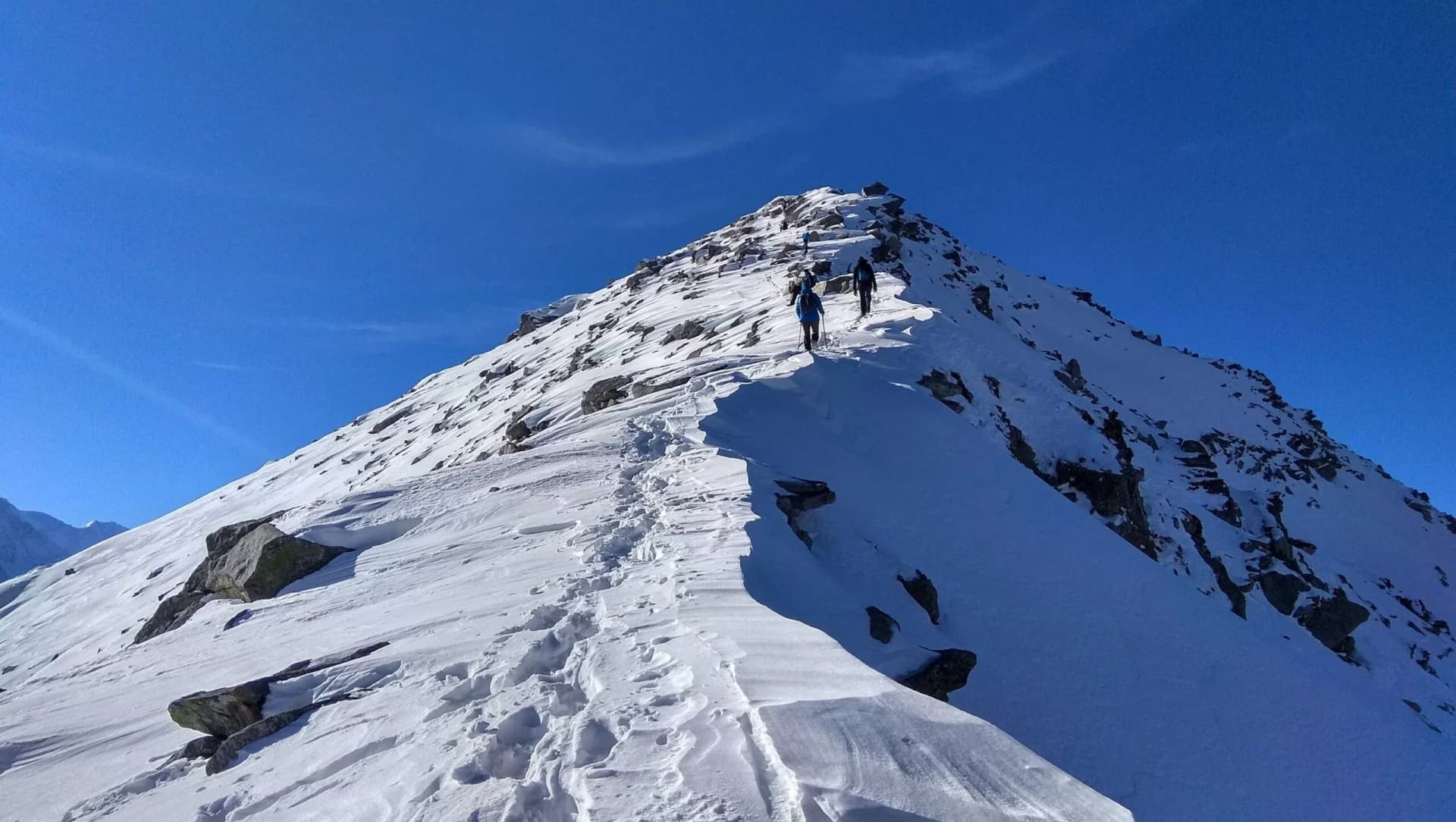 Trekking Tips
By Preetam Singh Rawat|May 5, 2026
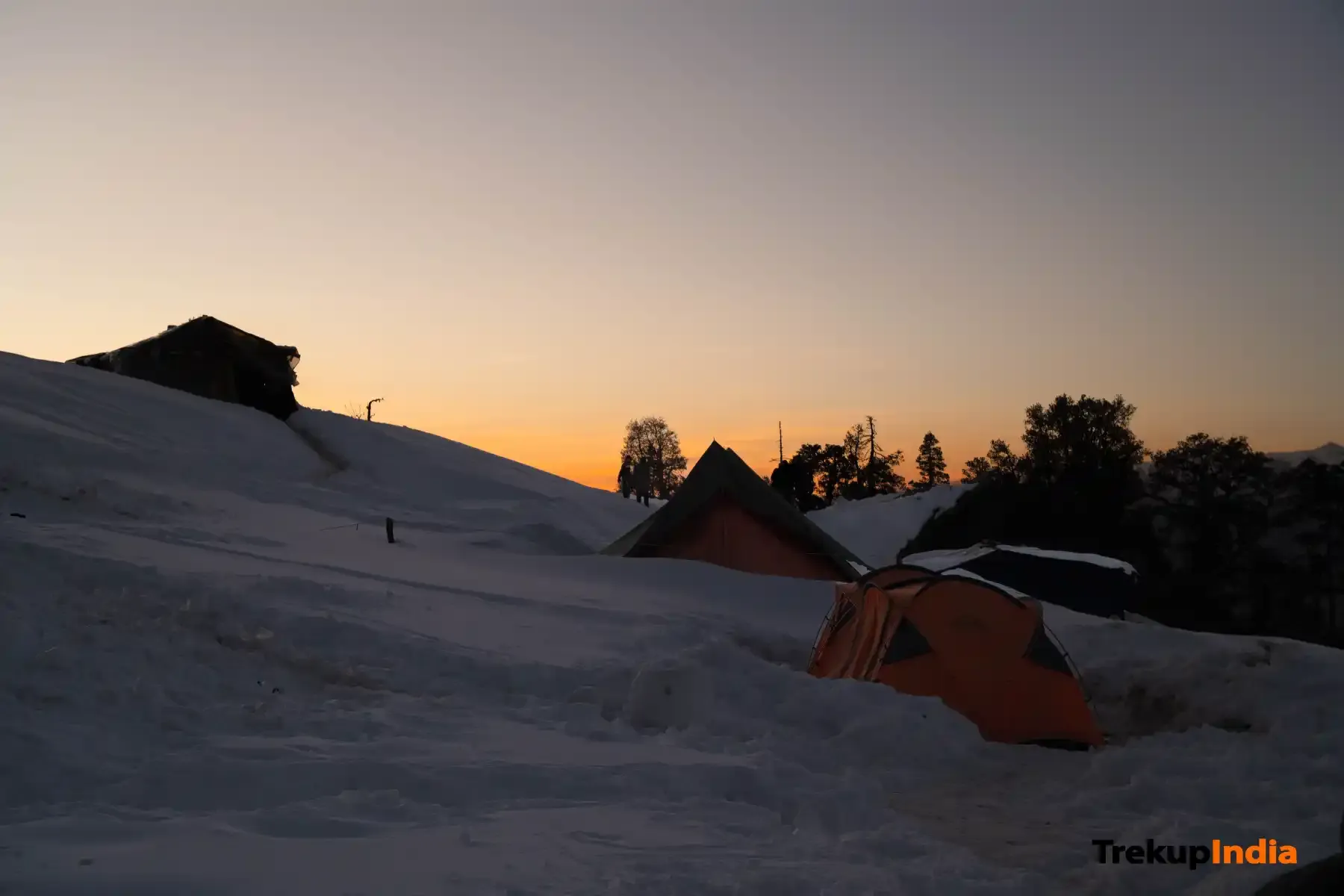
Kuari Pass v. Pangarchulla Peak: Which trek is suitable for you?The Garhwal Himalayas in Uttarakhand feature some of India’s most lovely treks, among which the Pangarchulla Peak Trek and the Kuari Pass Trek are the most popular. Both the treks feature breathtaking scenery, an opportunity to get in touch with nature, and a good challenge for adventure-seekers who love trekking. But each trek has its unique characteristics, making a choice between the two challenging, particularly for first-time trekkers or those inexperienced with high-altitude trekking. To guide you in making the right choice, we’ve pitted these two iconic treks against each other based on essential considerations such as trail difficulty, scenery, best bits, and the optimal time to visit. If you prefer a trek that’s easier for first-timers, the Kuari Pass Trek may be a better choice. The trek is a gentle rise through well-paved trails, making it a good introduction to trekking in the Himalayas. The difficulty of the trek is usually graded as moderate, and it is suitable for beginners or those with little trekking experience. However, the Pangarchulla Peak Trek is a little tougher. Being nothing but an extension of Kuari Pass, the first half of the trek remains equally challenging. Therefore, Pangarchulla is ideal for those who wish to venture further than Kuari Pass. Steeper ascents and greater altitudes in the hike to Pangarchulla Peak make it a little tougher. This trek is classified as moderate to challenging and is more appropriate for trekkers with some experience in high-altitude trekking or those who are physically fit for a more demanding hike. The final push to the top can push you to your limits, particularly as you go beyond 14,000 feet. So, if you’re ready for a more demanding experience, the Pangarchulla Peak Trek is the option to choose. Both treks have stunning views, but the scenery is different. Kuari Pass Trek: Popularly referred to as the “Lord Curzon Trail,” Kuari Pass Trek provides panoramic vistas of the Garhwal Himalayas, such as Nanda Devi, Chaukhamba, and Dronagiri. The trek is renowned for its white landscapes (depending on the season) and walking through untouched rhododendron forests and traditional villages. It’s ideal for trekkers who want a serene and scenic trek along green meadows, with tall mountains looming all around. Pangarchulla Peak Trek: The Pangarchulla Peak also provides more breathtaking views, including a view of the entire Nanda Devi range and the imposing Chaukhamba Peak. The summit itself is the highlight of this trek. At the summit of Pangarchulla Peak, one can have a view of not only the panoramic view of the entire Garhwal range but also of the Badrinath valley, and even the Trishul and Kamet peaks. The trek gives you a higher altitude experience, with stunning views from over 14,000 feet, which is ideal for those seeking a more immersive high-altitude hiking experience. Kuari Pass Trek: March-April and September-November are the best times to trek to Kuari Pass. The path is easier during these times, with better climatic conditions and less likelihood of heavy snowfall. It is a wonderful trek for experiencing the spring flowers or autumn leaves. Pangarchulla Peak Trek: Pangarchulla Peak is only accessible during March-April. This is the time when snow-capped mountains make a beautiful contrast with deep blue skies. The weather can be a bit harsh during this time, but you are able to get a better view of the Himalayan range. During winter, the trek becomes inaccessible because of excessive snowfall, and hence, April proves to be the best time to go for such Himalayan treks. For First-Timers and Less-Experienced Trekkers: If you’re just starting to get into Himalayan treks or you only have some experience, the Kuari Pass Trek will probably be the better option. It is a more gentle rise and has not so demanding paths, which are ideal for one seeking an easy-level trek. For Experienced Trekkers and Thrill Hunters: If you already have high-altitude trekking experience and would like to challenge yourself further, the Pangarchulla Peak Trek is a more satisfying challenge with its challenging climbs and summit view. It’s also ideal for those looking for an added boost of adventure and opportunity to hike on the less traveled routes of the Garhwal Himalayas. When selecting the best trekking agency in India, Trekup India is excellent because of its years of experience and competence in organizing Himalayan treks. Being one of the best trekking agencies in India, they have everything you require for an adventure to remember, right from high-quality equipment such as microspikes for walking on ice to professional local guides who know the trails like the back of their hand. Trek Up India is also focused on sustainability, operating the Save the Trail program to keep the scenic landscapes unspoiled for other trekkers in the future. Apart from this, Trekup India’s skilled chefs will have you taste the local cuisine of the region, providing mouth-watering meals during the trek. Whether you are an individual traveller, a female, or have particular needs, Trek Up India keeps safety and care in mind and is thus the perfect option for anyone who wishes to trek in the Garhwal Himalayas. Selecting the Kuari Pass Trek or the Pangarchulla Peak Trek boils down to how experienced you are and what type of trekking experience you want. While both offer unique experiences and the beauty of the Garhwal Himalayas, the Kuari Pass Trek is better suited for beginners, whereas Pangarchulla Peak offers a more challenging and rewarding experience for those ready to test their endurance. Either way, both treks provide a chance to experience the splendor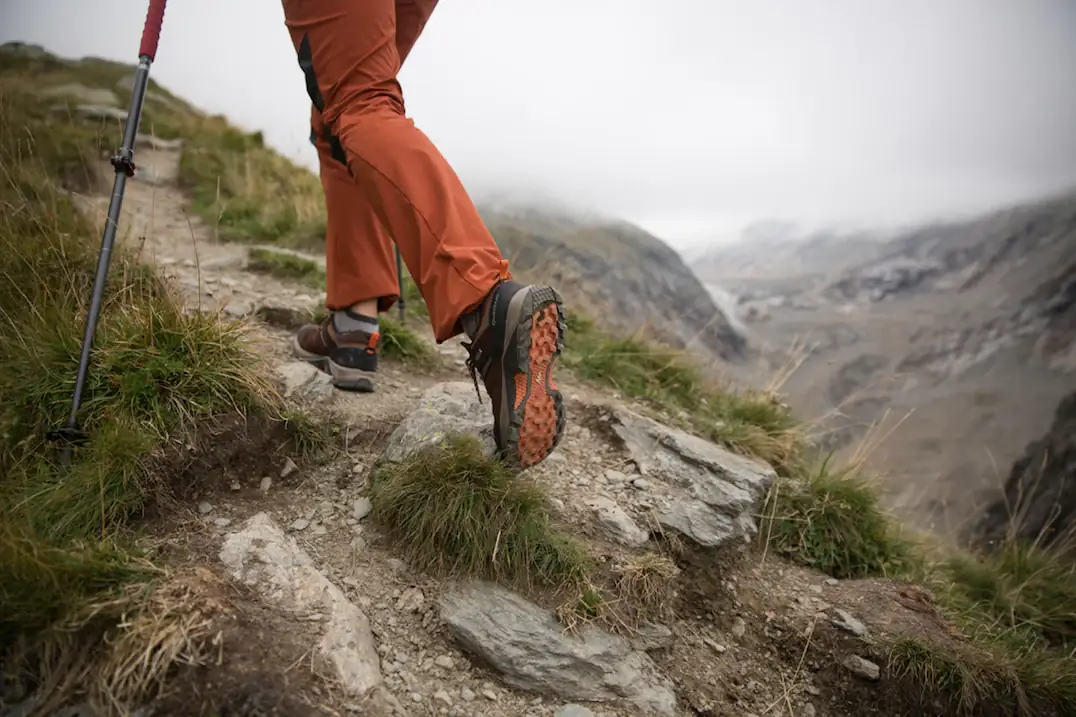 Trekking Tips
By Shivam Shingari|May 4, 2026
Trekking Boots India Tips: Break-In & Blister PreventionBlisters can quickly turn a wonderful Himalayan trek into a nightmare. Trekup India has witnessed many trekkers struggle through high passes, snowstorms and blisters due to poorly fitting footwear. Your footwear serves as your foundation – so breaking in and blister protection are both equally essential parts of trekking the Himalayas. This guide serves as your ultimate footwear SOS manual–Indian trails tested and trek leader approved. New boots (made of leather or synthetic material with rubber soles) require breaking in before taking on long treks – wearing them straight out of the package may result in uncomfortable situations! When worn directly onto a trek, new materials might cause discomfort as you navigate rocky terrain and change of elevation. Utilize Indoor Practice (30 Minutes per day). Gradually increase wear time to 2 to 3 hours. To test out different terrain conditions for trekking, attempt crossing stairs, hills or uneven surfaces such as dirt roads to simulate actual trekking conditions.If it is within your means to do so, continue with your trekking adventure. If possible, take a brief trek (5-6 kilometers) prior to beginning. It is best to choose Merino wool or synthetic socks (avoid cotton as it retains water) when selecting socks to wear for activity.Two-layer socks (a thin liner inside and thick outer layer) may help reduce friction. Heel Lock Lacing allows a tight fit, preventing slippage of the heel that leads to blisters and soreness. Toe-Relief Lacing can alleviate pressure on the forefoot. If you notice hotspots, rubbing or blisters forming on your skin, apply moleskin or tape immediately in order to stop further irritation and possible blisters forming. Fitness: When selecting boots for trekking, ensure your toes can move freely while at the same time your heels do not elevate above a natural point.Ankle Support Is Essential on Indian Tracks (e.g. Quechua MH500, Woodland and Columbia).Waterproofing Process: Leather treated with Gore-Tex can withstand monsoon treks without becoming waterlogged or wet, providing for dry trekking excursions. Replace damp socks as soon as they appear. Utilize powders designed to prevent snow storms as well as foot-based antiperspirant for best results. Vaseline/BodyGlide helps reduce friction. Leukotape/Kinesiology tape stays put even when wet, providing reliable support. Avoid popping blisters as this increases your chance of infection and spread of illness.Cover the area with an adhesive blister (Compeed and Band-Aid).If the burst occurs, use antiseptic to clean, then cover the wound with gauze for protection. Your success on any journey begins with your feet. Wearing the appropriate footwear, along with high-quality socks and simple methods of prevention can ensure a more seamless journey from start to summit – whether that means trekking Har Ki Dun, Rupin Pass or Kedarkantha–comfortable feet equal happy hearts!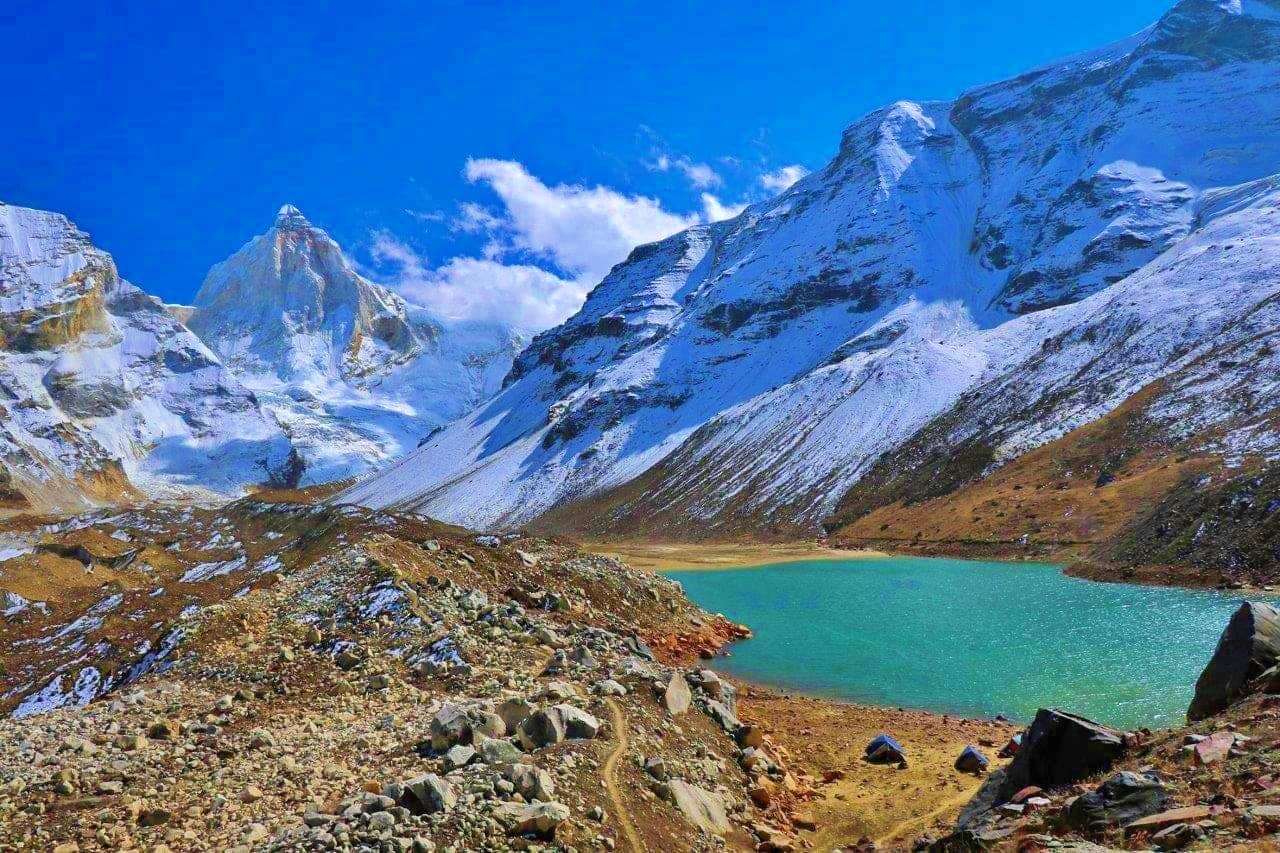 Trekking Tips
By Nanda Rawat|May 4, 2026
Kedartal Trek: A Hidden Gem Every Trekker Must ExploreAt high altitudes in the Garhwal Himalayas where air becomes thinner and mountain peaks reach for the sky is Kedartal Trek, an impressive trekking journey through an incredible lake at 4800 feet altitude surrounded by some of India’s most revered peaks – an experience beyond an excursion through mountains; more like an adventure into an unforgettable world of natural beauty and spiritual significance. Kedartal Trek in the Garhwal Himalayas provides an exciting adventure, far beyond what one would expect from a trek. Join us as we journey along this stunning trek, as we reveal incredible attractions and marvels along its length in this article. Gangotri, located in Uttarakhand, serves as a starting point for numerous trekking adventures and treks, including Aarti (nightly Aarti ceremony at ancient temple), tranquil caves and ashrams, fragrant pine forests, spiritual seeking, peace, and serenity – Gangotri offers something special! Dubbed the Gateway of the Gods by locals. Gangotri boasts its unique mix of cultural and historical heritage, making it a superb starting point for any trek. Starting Trek in Gangotri. Our trek will commence after a night of restful relaxation in Gangotri on our third day. Ascending along Kedar Ganga river towards higher altitudes with lush pine forest on either side and birch grove on either side, leading up to Bhoj Kharak, where our initial camping spot awaits, providing comfortable shade from its trees as vibrant purple rhododendrons dance through the air in the distance! This campsite sets the bar high for future campsites we will visit. Kedartal Trekking is known for its breathtaking scenery and spiritual significance, but also offers a challenging obstacle called The Spider Wall. Before reaching the Bhoj Kharak camp, trekkers face an unforgiving 60-degree tilted rock with limited footholds, which tests both their skills and courage. Along this 15-meter-long granite slab are two narrow ledges that offer sufficient room to firmly grip their shoe edges for progressing forward on this trek. To navigate this area effectively and successfully, one must imitate the speed and movement of spiders, making this experience truly exceptional and unforgettable. Climbing this Spider Wall offers breathtaking views from every step. Step after step brings breathtaking panoramas of the surrounding mountains and Kedartal Lake below you, turning this journey into an unforgettable adventure. Kedar Kharak, the second campsite of this trek, lives up to the high standard set by Bhoj Kharak – with stunning mountainous settings surrounding this idyllic campsite and snow-capped summits that shimmer in the sunlight, as well as steep slopes offering stunning vistas and snowy mountain slopes that create stunning vistas – not forgetting those adorable blue sheep roaming freely through this region and adding nature-based charm. Ruggedness of Kedar Kharak’s campsite is part of its allure. Partly destroyed by an earlier landslide, its route presents hazards and is steep. Cliffs that drop towards both riverbanks offer thrilling adventures along this trek towards Kedar Kharak. On the third day of your travels, the breathtaking beauty of Mt. Thalaysagar appears from behind an evergreen forest in the Garhwal Himalayas. However, while traversing through difficult spider wall terrain and rough terrain can be easy to lose track of the breathtaking scene that awaits. Mt. Thalaysagar stands out in the distance with its striking and irregular surface covered by snow. The place exudes power and grandeur. The mountains’ peaks shimmer in sunlight, creating a breathtaking display of nature’s magnificence and beauty. Mountain enthusiasts and photographers will find Thalay Sagar an enthralling sight. Situated within the Kedar Kharak campsite, visitors can view this majestic mountain up close and appreciate its magnificence in person. When gazing upon Thalay Sagar, one cannot help but be taken aback by its strength and magnificence amongst the Himalayas. On your fifth and final day of trekking to Kedar Tal, you’ll navigate over rugged hills dotted with boulders and dirt tracks woven through ridges, as well as treks marked with towering rock formations known as cairns that act as guides along your journey. After conquering your first two ridges, you may catch sight of another ahead, prompting you to explore it further. Reaching its summit, an incredible view awaits! There’s nothing quite as spectacular as Kedartal Lake, an awe-inspiring frozen emerald perched atop an altitude of 4,800 meters and formed glacially by nature itself. At Kedartal Lake, there is a clear view of the peak you named – imagine yourself sitting by its edge while breathing in fresh mountain air, while being surrounded by Thalay Sagar, Mt. Bhrigupanth, and Mt. Meru are just two of many Himalayan mountains renowned for their peace. Here you’ll find crystal-clear waters of Lake Pangong reflecting the majestic mountains that encase it, creating an astonishing scene that leaves visitors speechless. Kedartal offers more than its striking scenery; it provides an intense spiritual experience. According to legend, Lord Shiva reportedly meditated here at one time and left an immovable, mysterious presence behind. While trekking through the valley, you might come across religious people searching for spiritual awakening – watching their religious practices or simply taking in their environment will enhance your experience and leave an impactful memory in your heart that won’t soon fade away. Sadhus of the Himalayan region regularly invite travellers to attend their sacred rituals, providing an unparalleled understanding of their unrivalled spirituality. Becoming part of these spiritual ceremonies can give visitors an unforgettable experience. Travel through this beloved landscape to be delighted by nature’s magnificent sights and to develop a deeper appreciation for its religious significance – something which pilgrims have been drawn to do for many years. We hope that soon enough you’ll experience these wonders for yourself; should any questions arise, feel free to contact us anytime!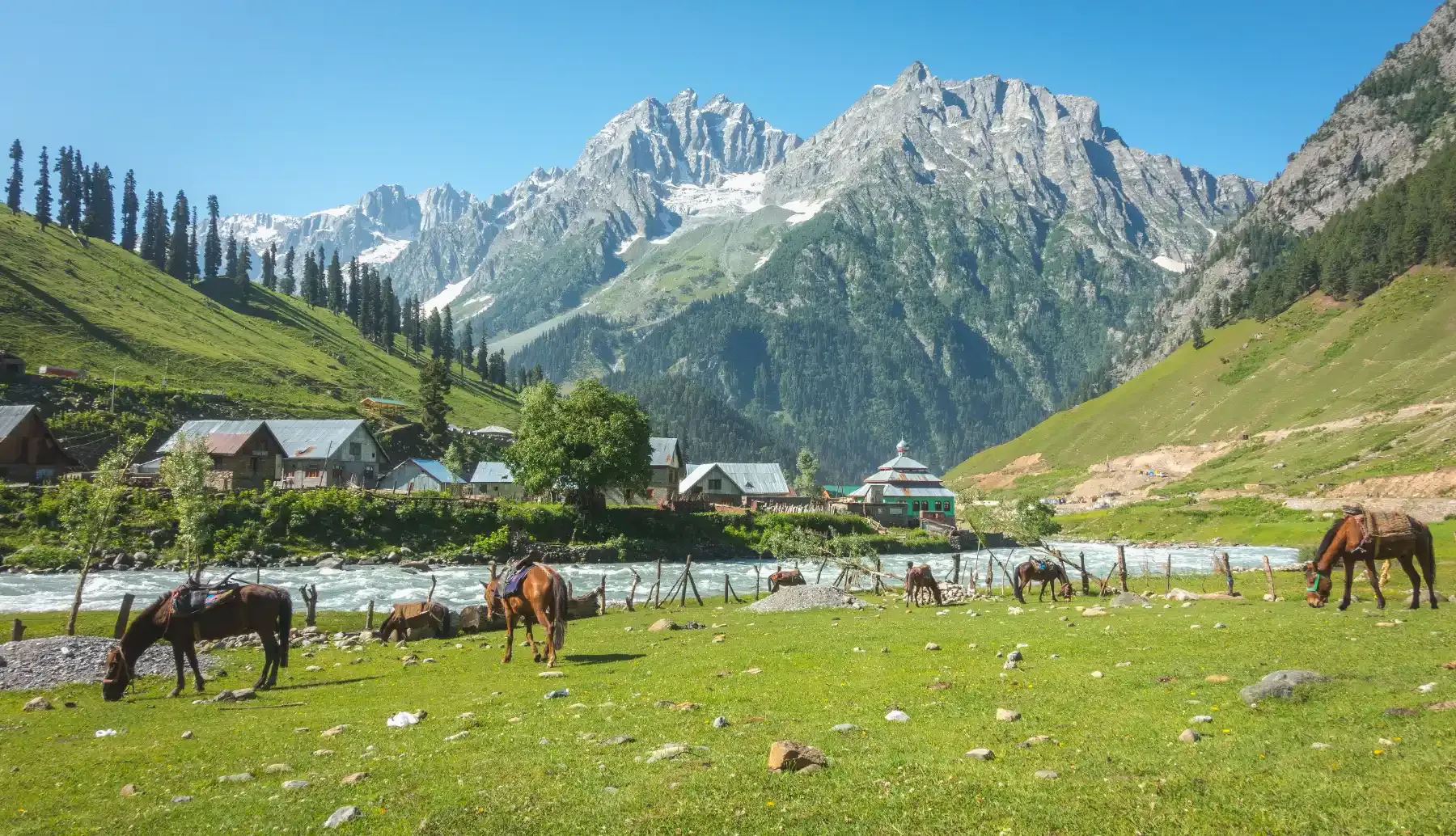 Trekking Tips
By Anoop Rawat|May 4, 2026
How Difficult Is Kashmir Great Lakes Trek?Maximum Altitude: ~13,800 ft Trek Duration: 7–8 days The Kashmir Great Lakes Trek is one of the more challenging high altitude treks in India, demanding strong physical and mental stamina from experienced trekkers. Not recommended for novice or casual walkers, this trek is designed for advanced to intermediate trekkers looking to push themselves while taking advantage of some of India’s breathtaking alpine landscapes. Ascending steeply along with unpredictable weather and trekking from altitudes of 9,000 to 13,000 ft over seven beautiful alpine lakes presents you with the challenge and reward of trekking at altitudes ranging 13750 feet over remote terrain, your fitness, gear selection and mental state can have a direct effect on both enjoyment and safety. We will discuss the specific challenges along your route, including the types of terrain you will face, the mental and physical demands required of trekking the Himalayan region, as well as any necessary safety precautions before setting out on this rewarding Himalayan adventure. The Kashmir Great Lakes Trek travels through the stunning mountain landscapes of Kashmir, providing travelers with some of the most spectacular mountain vistas found anywhere on the Indian subcontinent. Trekkers traverse through an area whose landscape has long been used for geologic research and mountaineering expeditions. Trekking provides access to remote and unexplored regions of Kashmir, which have remained virtually untouched for hundreds of years. The trekking trek passes various high altitude lakes as it traverses intricate mountain passes and valleys which have served as natural passageways for surveyors and explorers throughout history. The Kashmir Great Lakes Trek presents trekkers with numerous challenges that test both their endurance and technical abilities. Elevation changes require trekkers to traverse at different altitudes that could significantly impact physical performance as well as any necessary acclimatization needs. Trekkers encounter meadows, mesas, rock outcrops, glacial moraines and rocky outcrops as well as steep ascents requiring physical and mental toughness. Additionally, as their journey moves up higher altitudes the terrain becomes increasingly challenging; each section poses its own set of unique challenges which must be met using specific skills and strategies for preparation. Harmukh Mountain, standing majestically at over 16,000 feet and surrounding the landscape like an impressive beacon, stands as one of the most striking geographical features on any trek to this area. As its presence alone provides both inspiration and challenge to any trekker attempting this trip. Harmukh Mountain creates captivating microclimates and weather patterns, directly impacting conditions for trekking. Due to its height and position, Harmukh serves as an invaluable guide in terms of navigation and route planning during treks. Harmukh holds immense historical and recreational significance for trekking. In 1856, Thomas Montgomerie’s Great Trigonometric Survey expedition to Harmukh led by Thomas Montgomerie first discovered K2, forever linking mountaineering regions and trekking histories together. K2 was given its distinctive moniker due to a special circumstance within the region. While most mountains had traditional local names, K2 didn’t forcing a team of surveyors to assign temporary names for it during a temporary survey. Trekkers who experience trekking in this area will gain a deeper understanding by traversing terrains where one of the world’s most treacherous mountain ranges was first explored and documented by early mountain explorers. Now that we understand the route and its unique terrain, understanding the mental and physical demands of trekking the Kashmir Great Lakes Trek is essential for its preparation. The challenging journey tests your physical endurance as well as mental resilience in multiple dimensions. Kashmir’s mountain climate provides extreme and unpredictable weather patterns that can change within minutes, even for experienced spiritual seekers. According to historical accounts even experienced spiritual seekers have encountered extreme difficulty when traveling under these circumstances; one mythological tale recounts a 12 year journey for one saint up Harmukh Mountain alone! These tales demonstrate that weather can become life threatening if one fails to prepare adequately and respect mountain environments. Temperature fluctuations can be dramatic, with scorching midday sun turning to cold evenings. Snow, rain, and sudden storms are regular occurrences that turn manageable treks into treacherous ones; and combined with extremes in precipitation, wind speed, and temperature extremes, create an environment which demands constant attention and flexibility from its inhabitants. Altitude challenges are among the most significant difficulties on any trek. Pilgrims participating in “Yatras” to honour Shiva at Harmukh Mountain can ascend as high as 14,000 feet, underscoring the religious significance that motivates them to these lofty heights, despite the potential risks involved. At these elevations, oxygen levels typically decline dramatically reaching approximately 60% of sea level levels compromising every bodily function from circulation and breathing to cognitive abilities and sleeping patterns. Altitude sickness is a serious complication ranging from nausea and headaches to potentially life threatening issues such as cerebral or pulmonary swelling. Physical exertion combined with altitude exposure can be taxing even for experienced trekkers, and could become challenging at high altitudes. Your body requires time to adapt, so rushing things could result in serious health concerns for trekkers. Long distance trekking requires consistent physical effort across consecutive days while carrying essential equipment and supplies, building on each previous day’s exhaustion to create more strain on joints, muscles and cardiovascular system. Mental toughness must also be considered a vital asset when pushing through discomfort, uncertainty and psychological strain of spending long periods in difficult wilderness conditions. Endurance requires more than walking abilities; it necessitates sleep deprivation, diet modifications and mental toughness that can keep one safe throughout their journey. The Kashmir Great Lakes Trek holds significant spiritual meaning due to its connection to ancient Hindu mythology. Local legend holds that Lord Shiva can be found at the top of Harmukh Mountain over 16,000 feet in elevation! With this belief comes an experience of sacred landscape that leads you closer to God Himself! Spiritual significance has grown through legends passed down from generation to generation. One powerful tale depicts a pilgrim’s extraordinary 12 year quest to climb Harmukh and see Shiva; eventually reaching Nirvana and disappearing into God’s realm. This tale illustrates both the transformative power of pilgrimages and their spiritual value for trekkers today, inspiring them to tread lightly as they traverse this sacred land. Spirituality of this region can be seen in its ongoing religious worship rituals that continue into modern day society. Harmukh Day marks an annual “Yatra”, with devotees ascending 14,000 feet on an ascent that honors Shiva as their patron god of worship. This pilgrimage showcases an ongoing spiritual tradition that connects adventurers of today with ancient practices of prayer and spiritual pursuit. Pilgrimage routes highlight the balance between physical effort and spiritual fervor when devotees undertake strenuous climbs to adhere to their faith. Modern trekkers are following paths venerated by millions of pilgrims over many decades. Harmukh holds a great deal of significance beyond spirituality; its significance extends into scientific exploration and historical discovery as well. Thomas Montgomerie led his first known expedition into Harmukh as part of the Great Trigonometric Survey expedition in 1856, which marked a critical moment in exploring this Himalayan region. K2 was discovered during this trip proving Kashmir Great Lakes region played an instrumental role in some of history’s most outstanding mountaineering achievements and discoveries. After examining the challenges and significance of the Kashmir Great Lakes Trek, it’s essential to discuss safety precautions that can make the difference between a safe adventure and one fraught with potential perils. To stay safe while trekking at such altitude, careful planning and training must take place before embarking upon this breathtakingly beautiful yet perilous mountain environment. As Kashmir’s weather patterns can be highly unpredictable, it requires extensive planning of clothing. Your layers must consist of moisture wicking layers of moisture management combined with insulating mid layers and waterproof outer shells; temperatures can drop drastically in the evening even in summer! Essential items for four season camping include a four season sleeping bag suitable for subzero temperatures. This sturdy tent can withstand severe winds, and trekking boots with ankle support are recommended, as navigation devices (GPS devices, topographic maps, and compasses) are essential in case the weather can rapidly shift and impact visibility. First aid kits and tablets for water purification, headlamps with batteries as an emergency safety backup, rain gear during monsoon conditions and sun protection such as sunglasses or sunscreen may help shield from intense UV radiation at higher altitudes. Past trekkers have often underestimated the physical demands of this challenging route. The Kashmir Great Lakes Trek requires exceptional fitness and endurance from trekkers, particularly in the legs and core muscles. Training should start 8 – 12 weeks before departure, focusing on building endurance through regular running, trekking, or stair climbing exercises to build stamina for endurance gains. Strength training exercises that target your hamstrings, quadriceps, glutes, and calves are also important when trekking. Train with a weighted backpack during treks to simulate conditions for treks. Acclimatizing to altitude is crucial when trekking; so if possible take time at lower elevations before starting your trek. Mental preparation for any participant in a trek is also of utmost importance; these treks test both physical and psychological endurance by forcing participants to endure numerous conditions that cause physical discomfort while being removed from modern amenities. Knowing the weather patterns of Kashmir is essential to planning a safe trek. The optimal timeframe for trekking is July September when most high altitude passes are accessible and weather is relatively stable. Post monsoon and pre monsoon seasons bring their own set of challenges. Early season treks may encounter snow that remains on high passes while late season may bring sudden weather changes that lead to snowfall. Furthermore, afternoon thunderstorms make early morning hours essential when traversing exposed ridges or passes safely. Temperature fluctuations can be dramatic; daytime temperatures often reach comfortable levels while nighttime lows drop below freezing. Wind patterns tend to become more intense at higher elevations and create dangerous wind chills which could result in hypothermia if appropriate precautions aren’t taken. The Kashmir Great Lakes Trek presents an arduous yet rewarding challenge that puts physical endurance and mental toughness to the test. Traveling across various terrains and high altitude conditions while understanding sacred mountains such as Harmukh where pilgrims have traveled for centuries to worship Lord Shiva at 14,000 feet are just part of its charm; moreover it requires careful preparation in terms of safety, appropriate precautions, and respecting its sacred heritage that has attracted pilgrims and adventurers for millennia alike. Though its difficulty might appear daunting, the Kashmir Great Lakes Trek’s stunning alpine lakes, rich cultural experiences, and personal achievements more than make up for any perceived difficulty. To fully experience this trek, prepare both mentally and physically by immersing yourself in local culture. Understanding local practices thoroughly as part of your trek preparation is also highly recommended, if applicable. The journey is more about embarking on an incredible transformational experience in one of nature’s most majestic mountain landscapes!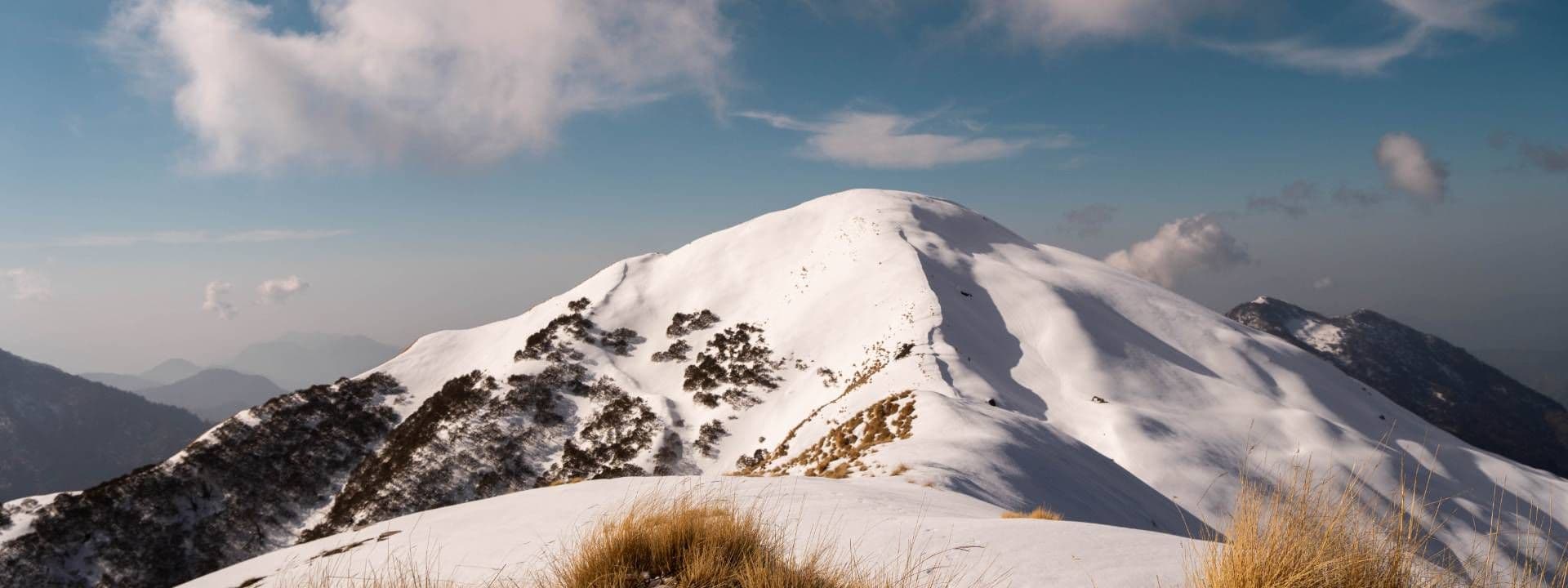 Trekking Tips
By Shivam Shingari|May 2, 2026
How to physically prepare yourself for the Himalayan TreksTrek Preparation Plan: 30-Day Fitness Routine for Easy Level Treks As a Mountain Expert at Trekup India, I’ve seen many trekkers assume that running or a few hours of cardio are enough to prepare for a Himalayan trek. But trekking in the mountains is vastly different from walking or jogging on flat terrain. The uneven paths, changing altitude, and thinner air require a more targeted fitness approach. To help you get trek-ready, I’ve put together a 30-day pre-trek fitness routine, designed in collaboration with fitness experts. This plan assumes you’re preparing for an easy-level trek and have 30 days before departure. Our goal is to build endurance, enhance breathing capacity, and improve flexibility. 1. Walk – 40 MinutesBegin with a brisk 40-minute walk. This helps activate your muscles and gradually builds endurance and strength, preparing your body for the coming days of training. Consistent walking improves cardiovascular health and mimics the effort needed for uphill trekking. 2. Body Stretching – 20 to 25 MinutesIncorporate a full-body stretching routine focusing on legs, hips, and back. Stretching improves joint mobility, flexibility, and blood circulation. It also reduces the risk of common trekking injuries like cramps, strains, and stiffness, especially after long walking sessions. 3. Breathing Exercises (Cool-down)End your session with 15–20 minutes of deep breathing exercises (e.g., Pranayama). These techniques expand your lung capacity and strengthen respiratory muscles, critical for trekking at high altitudes where oxygen levels drop. Regular breathing practice supports faster and easier acclimatization as your body adapts to lower oxygen saturation in the mountains. Now that you’ve completed your walking phase, it’s time to level up by introducing jogging, deeper stretching, and focused breathing exercises. Tip: Focus on maintaining good form — keep your shoulders relaxed, breathe rhythmically, and land softly to reduce joint impact. Tip: Stretch right after jogging when your muscles are warm for best results. Tip: Perform breathing exercises in a quiet, seated position, preferably in fresh air or a ventilated space. After six consistent days of physical activity, Day 7 is your designated rest day — a crucial part of your fitness journey. Rest allows your muscles to recover, rebuild, and grow stronger. More importantly, it helps prevent injury and mental burnout. While it’s a rest day, gentle movement can still support recovery: Note: Keep the pace light, the goal is recovery, not intensity. Physical activity and proper nutrition go hand-in-hand. Without the right fuel, your body won’t fully benefit from your workouts. Focus on balanced, clean eating. Tip: If you’re non-vegetarian, include fish or eggs regularly. Vegetarians can rely on paneer, tofu, lentils, peanut butter, and soy. Stick to a consistent three-meal structure: Staying hydrated is essential for recovery, muscle function, and energy levels. A backpack is an essential accessory for trekking, as it carries important items like snacks, water, extra clothing, and other essentials. To prepare your body for the actual trekking experience, it’s helpful to practice walking or running with your backpack. This helps you get accustomed to the added weight and improves your posture, balance, and stamina under load. Trekking is more than just a physical activity — it has significant mental health benefits as well. Spending time in nature and engaging in moderate-to-intense physical movement helps to reduce stress, lower anxiety levels, and improve overall mood. It also plays a supportive role in managing symptoms of ADHD (Attention-Deficit/Hyperactivity Disorder) by enhancing focus, reducing impulsivity, and promoting calmness. The combination of fresh air, scenic views, and physical exertion creates a powerful environment for both mental clarity and emotional balance. In conclusion, trekking is one of the most effective ways to improve both physical fitness and mental well-being. When combined with a consistent workout routine, proper rest, and a balanced, nutritious diet, it becomes even more beneficial. By following the plan outlined above, you’ll build the strength, stamina, and resilience needed to enjoy your trek without unnecessary strain or difficulty. With the right preparation, trekking can become a fulfilling and enjoyable experience rather than a challenging task.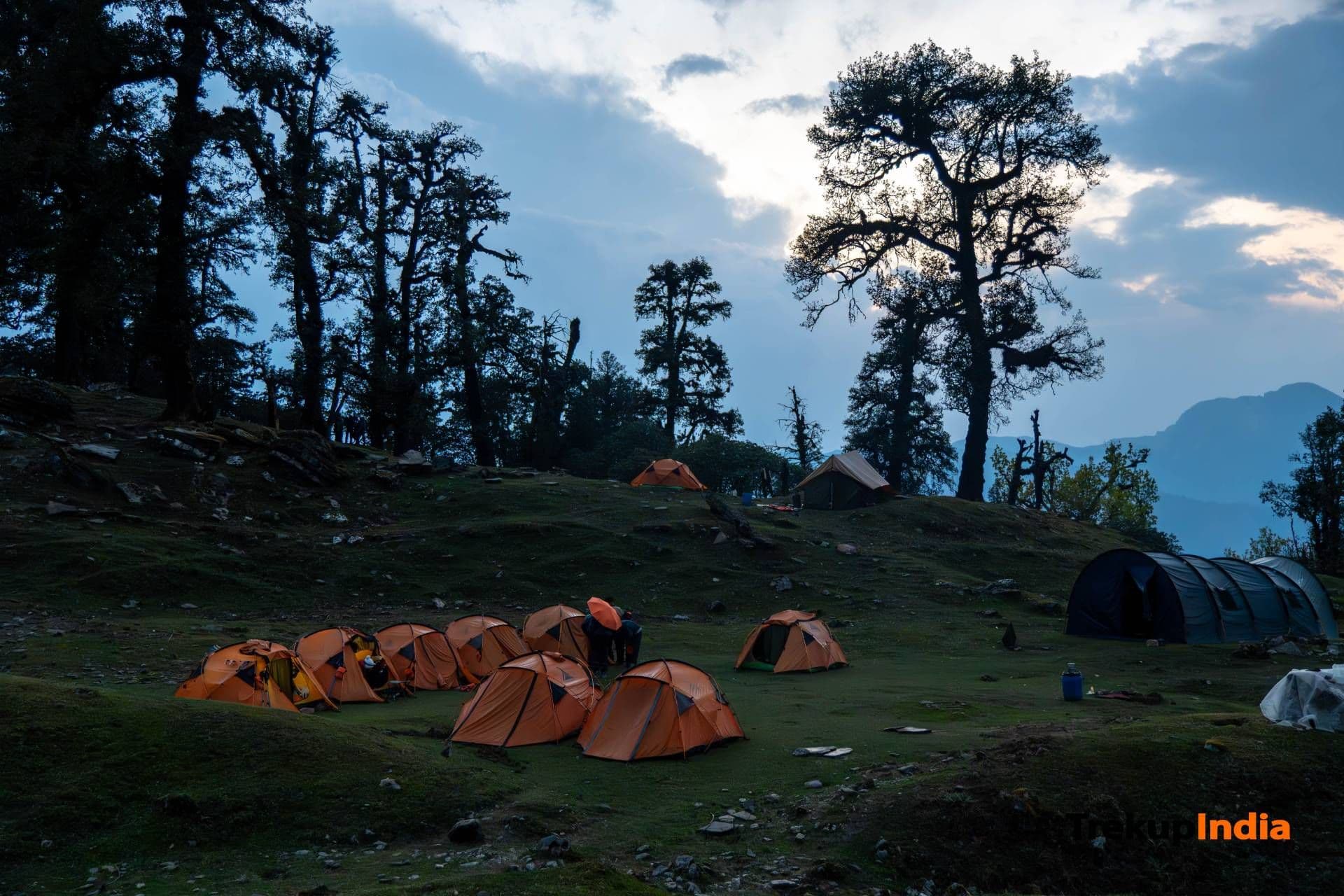 Trekking Tips
By Anoop Rawat|May 2, 2026
Monsoon Trekking Tips: Stay Dry, Safe & Comfortable on Rainy TrailsMonsoon treks are breathtaking – lush green valleys, cascading waterfalls and mist-laced trails with earthenware aroma await your visit. Unfortunately, however, not everything about these monsoon excursions is poetry: rain can fall for days on end, making trails slippery while your gear remains wet until reaching your campsite. Here at Trekup India, we have assisted numerous trekkers during monsoon season treks and gained valuable lessons that we have put into this guide on staying dry, safe and secure while trekking during rainy conditions. A watertight backpack and rain cover are essential in order to keep equipment dry in case it rains, such as dry bags for electronic devices, as well as zip-lock bags containing important documents. Clothing That Dries Fast Cotton clothing absorbs moisture quickly and takes some time to dry; try instead choosing quick-dry clothing made of materials like polyester that evaporate quickly, such as: Leeches can be a major problem during monsoons. But you can help protect yourself by following a few easy tips: Plastic Bags for Clothing and Waste (including plastic garbage bags). Extra socks (wet feet can cause blisters!) will prevent this scenario. Clean your phone in an environmentally-friendly and fast-drying microfiber pouch (with waterproof lining). For even faster drying times, grab an accompanying microfiber towel. Electronics in silica gel packs (to prevent moisture damage) is another effective way of protecting them from moisture damage. Take care when walking over slippery surfaces by carefully testing each step before placing weight on it. Use trekking poles for balance when trekking. Be cautious of shortcuts and follow trail markers. Be careful around waterfalls & river crossings (water levels can quickly rise!). Also, exercise extra caution at waterfalls & river crossings as water levels can quickly change! Place tents on elevated surfaces to prevent water from pooling underneath them, thus avoiding possible flooding issues at your campsite. Use a groundsheet under your tent. Be sure to keep wet shoes out of the tent by placing them upside-down for drying purposes. Before embarking on any journey, ensure you are aware of the weather forecasts before making plans to travel. Stay ahead of heavy afternoon rainfall by rising early. Always be ready for unexpected fog conditions by carrying a whistle and a torch with you. Monsoon trekking can be an exhilarating adventure, yet it requires more caution and awareness than other excursions. By equipping yourself with appropriate gear and keeping an open mind, you can successfully traverse treacherous slopes, avoid insects, and enjoy nature’s raw beauty. Are you heading out on a monsoon trek? Make sure that you pack carefully, travel safely and let the rain fuel your adventures!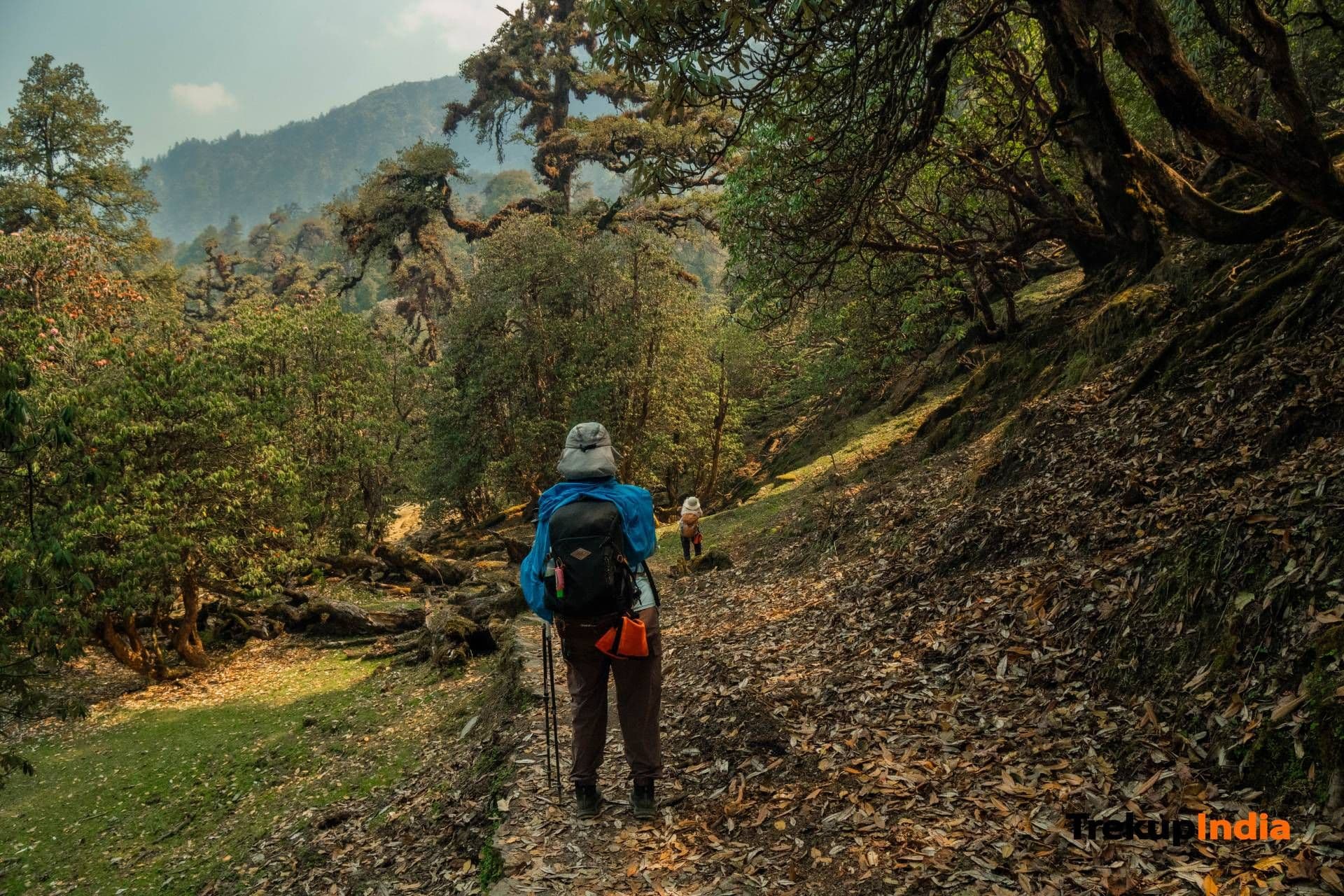 Trekking Tips
By Preetam Singh Rawat|May 2, 2026
Solo vs Group Trekking in India: Which One Suits You Best?The sound of the gravel underfoot, the huge expanse of mountains that unfold before you, the utter silence, and the experience of trekking is pure bliss. One of the most important choices that any trekker has to make is whether to go on your own or join a group? Both solo trekking (embarking on your own) and group trekking (with families, friends, or organised excursions) are growing in popularity throughout the country’s incredible landscapes. Individual trekkers seek to connect with the natural world and their own inner selves, while group trekkers are drawn to shared experiences and the camaraderie. There is no one “right” answer, however understanding the subtleties is crucial. What trail style is best suited to your love of adventure? Let’s put on our boots and start exploring. Solo trekking is the act of going on a trek solely on your own, accountable for the entire planning as well as navigation, safety and even decision-making. Imagine a lonely figure walking through the valley, setting up camp at night, and relying solely on their own abilities and preparedness. Ideal for: Experienced trekkers with solid navigational skills, excellent fitness, and self-resilience, who also have a comfortable relationship in a quiet environment. The perfect choice for those who want the challenge of a lifetime or a calm moment of reflection. Group trekking involves hiking with other trekkers that range from a small group of buddies to more extensive organized tours that include guides and personnel (like the ones provided through Trekup India ). Ideal for:- Beginners who are learning to walk, trekkers with a focus on safety (especially in high-altitude and remote regions), Social butterflies who are drawn to group activity, or those looking for a hassle-free logistical experience, and anyone who is tackling difficult routes in the beginning. Here’s a quick breakdown to help you weigh the essentials: “Solo treks can be spiritually rewarding but require high preparedness. For high-altitude or technical trails, group treks are definitely safer and more enjoyable.”— Nitin, Trek Leader at Trekup India “When I started trekking, I loved the freedom of solo hikes. But the best laughs and memories came from group treks.”— Neha, 12 trek veteran from Mumbai We at Trekup India are open to individuals as well as groups of trekkers. We will be supporting each of them: Explore Upcoming Group Treks The decision between group and solo trekking isn’t about which one is more effective but rather the one that suits you most at this point on your trek. Consider this: For experienced trekkers an individual trek could be the most powerful expression of independence. For beginners the structure and the support of a group could help to build confidence and transform a trek into a lifetime of memories. Here at Trekup India, we’re here for you, no matter if it’s to trek by yourself in peace and contemplation or join an energetic group of people sharing stories in the night. Be aware: There’s a perfect trail for each trekker – Choose the one that is in tune with your love of adventure as well as the peaks will be there to reward you in ways that you’d never have thought of.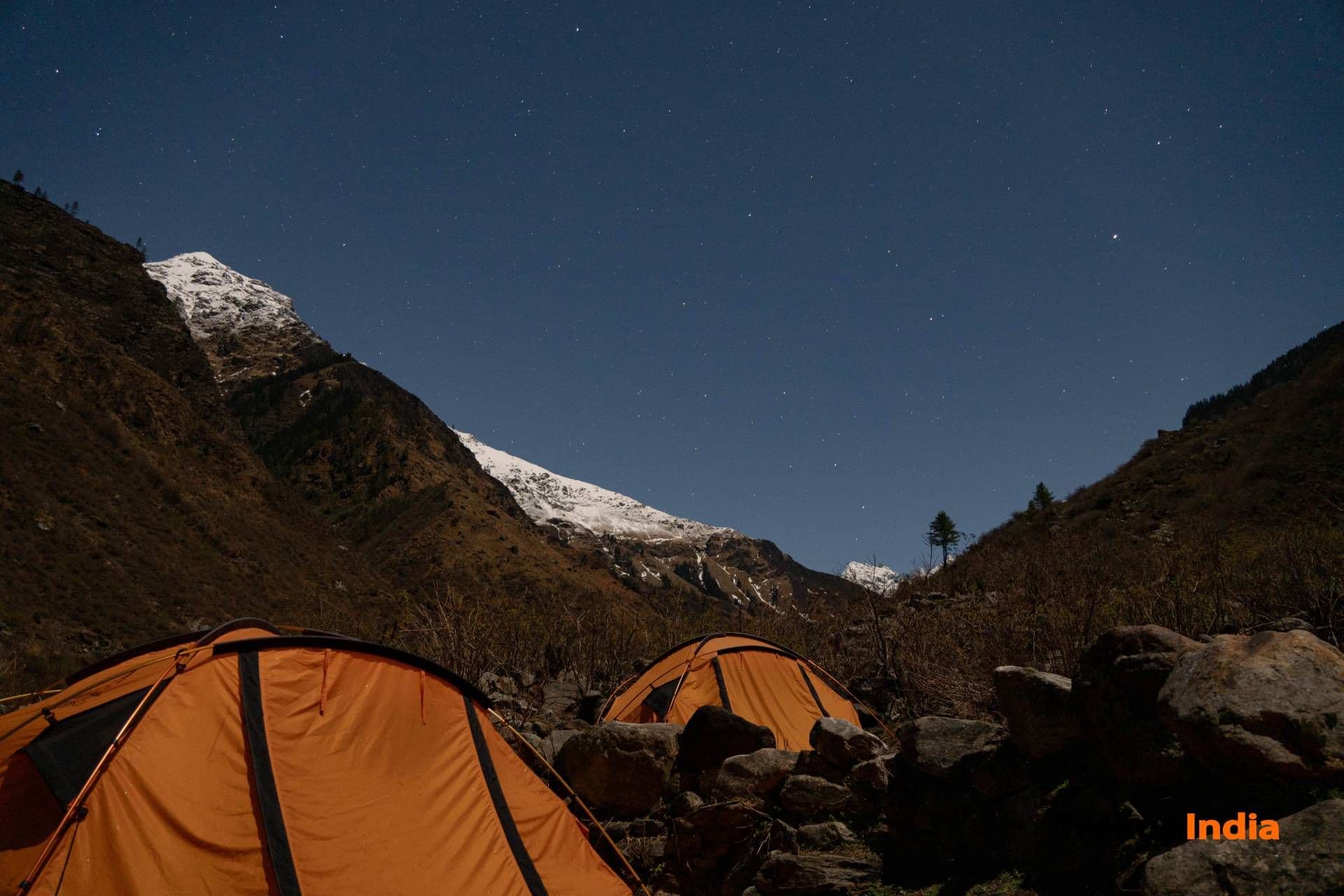 Trekking Tips
By Nanda Rawat|May 2, 2026
When and Why Trek Cancellations Happen | Trekup India InsightsTrekup India is a place where you can experience the best of both worlds. Trekup India we are obsessed with the mountains, We dream of beautiful trails, stunning summits, and the joy that comes from sharing an adventure. The decision to cancel the trek is probably the last thing we’d ever want to do as it upsets the trekkers as well as sabotages our enthusiasm. But, the mountains are unpredictable and deserve a great deal of respect. Your safety is our primary concern. Sometimes, cancellation is the only choice that’s safe. Knowing what and what happens when this is happening, and also how Trekup India handles it according to our Terms and Conditions helps to manage expectations and establish trust. Let’s open the curtains: We recognize that cancellations can be disruptive. Our Terms and Conditions define a clear and well-organized refund policy that is fair and fair in covering the unavoidable costs of operation prior to cancellation (Important Be sure to look up the cancellation page and the most up-to-date T&C on our site for specific percentages and timelines since they can differ somewhat for each trek). Refunds cover the trek cost that you pay by Trekup India. The refund does not cover: doesn’t pay for: Trek cancellation, although very regrettable, it is a important safety tool. We at Trekup India, we don’t take it lightly. It is a result of our unwavering determination to bring our trekkers back from the mountains without any hassle, and with amazing memories and without unnecessary risk. Our Terms and Conditions offer a clear and concise framework for these events that are rare to ensure fairness and honesty. Through understanding how to answer the “why” and “when,” and then preparing for the event accordingly (especially using insurance) it is possible to make a reservation for an Himalayan trek by contacting Trekup India confidently, knowing that your safety is our top priority above everything else.