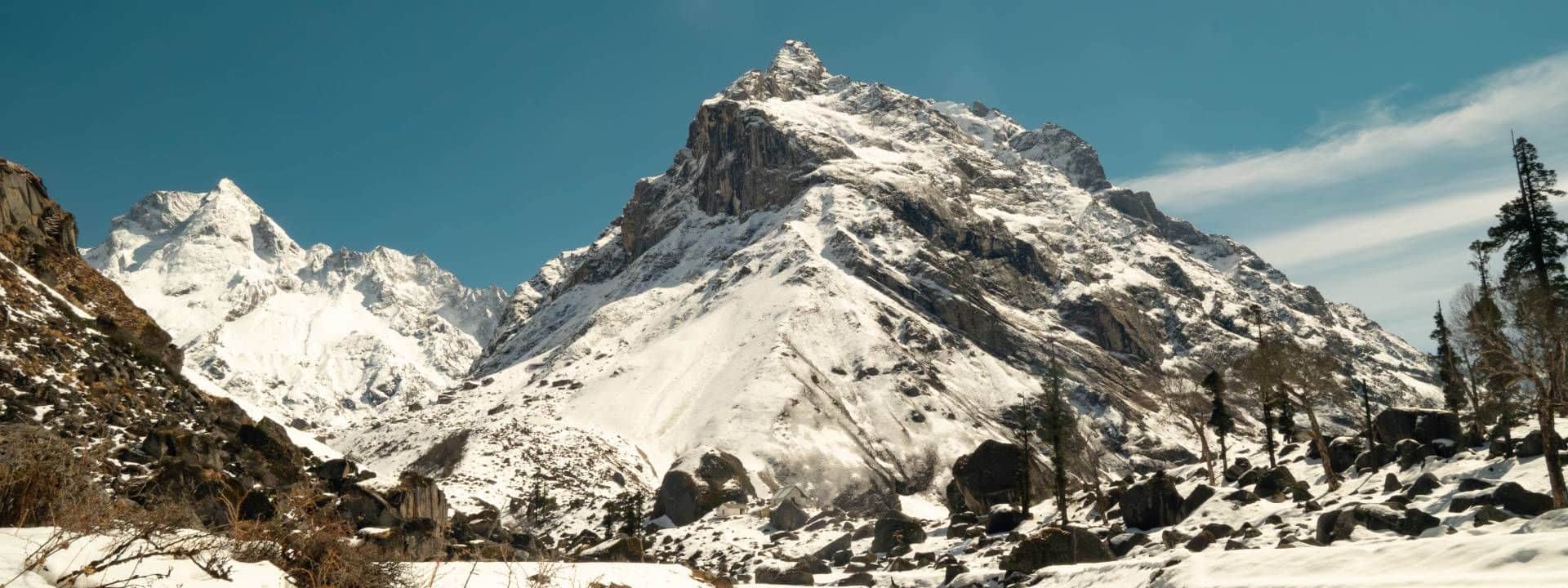

Ladakh as well as Spiti are the most sought-after high-altitude locations for trekkers cyclists, and adventure travelers. The stark, cold deserts, the ancient monasteries, as well as the dramatic mountain passes provide a unique experience unlike any other within the Himalayas. But, underneath this splendor is a significant and often overlooked issue: altitude sickness caused by inadequate adaptation.
Here at TrekUp India, we have always observed that one the most dangerous mistakes travelers do during their travels in Ladakh or Spiti Valley is hurrying their trip. The inability to take acclimatization breaks in order for the sake of "save time" often results in illnesses, delays to travel and, in the worst situations serious medical emergency situations.
Why Acclimatization Is Essential at High Altitude
Acclimatization is a natural process in the body adjusts to lower levels of oxygen at higher altitudes. For Ladakh and Spiti the majority of regions are over 3000 metres (10,000 feet), with passes and villages typically exceeding 4,500 to 5,100 meters.
At these elevations:
- Oxygen availability decreases sharply.
- The breathing becomes difficult
- The body requires time to make more red blood cells in order to transport oxygen
- The risk of acquiring altitude-related illness is significantly increased
In the absence of proper acclimatization even fit individuals could get sick.
Dangers of Rushing Acclimatization
Acute Mountain Sickness (AMS)
AMS is one of the more frequent health issue at altitude, and shouldn't be overlooked.
Common symptoms include:
- Chronic headache
- Nausea or vomiting
- Dizziness
- Loss of appetite and fatigue
If left untreated, AMS can worsen rapidly.
Severe Altitude Illnesses
Incorrect acclimatization could lead to:
- The High Altitude Pulmonary Edema (HAPE) - an accumulation of fluid in the lungs.
- HACE - High Altitude Cerebral Emedema (HACE) - swelling of the brain
Both are medical emergencies that can be fatal if not treated immediately.
Reduced Physical Performance
Travelers often have trouble with:
- Even small slopes can be climbed, or steps to the monastery
- Breathlessness in short walks
- Fatigue that is severe and can affect decision-making
Itinerary Disruptions
In the case of poor acclimatization, it can lead to:
- Lost passes or treks
- Additional rest day days in lower altitudes
- Cancellation of routes
Emergency Evacuations
The medical facilities for patients in the remote areas of Ladakh along with Spiti are not as extensive. Evacuation in case of emergency is:
- Expensive
- Time-consuming
- Weather dependent
Acclimatization to the environment is a significant factor in reducing the chance.
Safe Acclimatization Practices in Ladakh and Spiti
Ascend Gradually
The golden rule is: "Climb High, Rest Low."
- Above 3,000m Don't increase the altitude of your bed in excess of 500-600 m in a day.
- Do not attempt a rapid ascent of high passes within the first couple of days
Rest Days Are Mandatory
Make sure you spend at minimum two night getting used to:
- Leh (for Ladakh)
- Kaza (for Spiti)
Make use of this time to:
- Short walks
- Light sightseeing
- Your body can adapt naturally
Stay Hydrated and Eat Light
- Drink water frequently (urine should not be cloudy (or light yellow)
- Eat light, carbohydrate-rich meals
- Avoid smoking or drinking alcohol especially within the initial 48 hours
Medication Support (If Needed)
- Preventive medicine, like Diamox (Acetazolamide) may help
- Always consult with a physician prior to making use of
- The use of medication is not an alternative for the process of acclimatization
Listen to Your Body
Signs of danger should never be ignored.
- Chronic headache
- Nausea
- Breathlessness while at rest
If symptoms get worse:
- Stop ascent immediately
- If necessary, descend
- Seek medical help
TrekUp India Field Advice
Through the years of running trekking and road trips through Ladakh as well as Spiti, TrekUp India has discovered that travelers who adhere to acclimatization have healthier, safer, and much more satisfying experiences..
Acclimatization does not waste time. It will be an investment into:
- Health
- Safety
- Enjoyment
- Trip great success
The mountains are a great place to practice perseverance.
Reviewed by Kapil Sharma - Trek Leader, TrekUp India
This article was examined by Kapil Sharma who has a wealth of on-the-ground experience in leading treks and high altitude travel programs in Ladakh as well as Spiti. The acclimatization tips above have been confirmed by actual field conditions and medical emergencies related to altitude and safety protocols for operations that are followed by TrekUp India.
Conclusion
The rush of Ladakh and Spiti without adequate acclimatization could transform a trip of a lifetime into an unintentional risk. The elevation, the dry weather and the remoteness of these areas need patience, understanding and a respect for the way the body adjusts to the thin air.
We at TrekUp India, we remind everyone who travels that acclimatization is not an inefficient time. It safeguards your health, improves your experience and lets you really take in the natural beauty of these beautiful landscapes.
Slowly move. Pay attention to your body. Allow Ladakh and Spiti show their magic in their own way.The mountains will reward those who honor their rhythm.
About the Author: Trekking Expertise You Can Trust
Admin
Anoop has worked for 5 years as a Trek Leader with TrekUpIndia, leading numerous treks across the diverse and challenging terrains of Uttarakhand and Himachal Pradesh. He holds a degree in Geology with a specialization in Geographic Information Systems (GIS) from UPES Dehradun. During his academic years, he actively applied his classroom knowledge in the field—most notably by contributing to a glacier research project on the Jundar Glacier in the Har Ki Dun Valley, Uttarakhand. And now, Anoop is a trekking content writer with TrekUp India, specialising in seasonal Himalayan trekking guides, winter safety content, and trek planning resources. His work is informed by field research, trek leader inputs, and real trail conditions across Uttarakhand, Himachal Pradesh, Ladakh, and Kashmir.