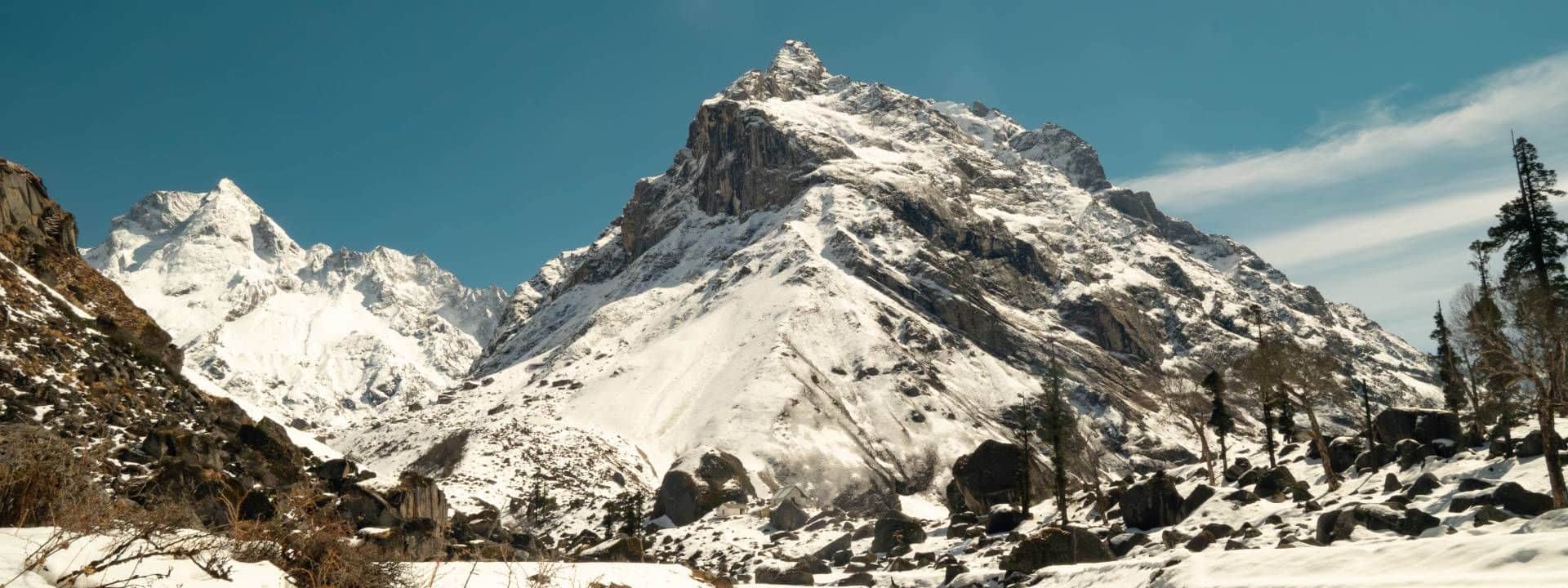
Diabetic trekkers can climb mountains without having to face any issues, allowing those with diabetes participate in high-altitude treks. However, before beginning the trek many were nervous and overwhelmed. I believe that everyone should not have to go through anxiety and uncertainty prior to embarking on an adventure. The trek can be more than just a physically demanding exercise and is a great source of spiritual nourishment. Being in lush forest and enjoying high altitude views, or climbing mountains, can result in significant change when done in a safe way However, those suffering from diabetes may be concerned about going on treks even though they are diabetic. It is possible to trek for those who suffer of Type 1 or Type 2 diabetes, if they adopt an appropriate and systematic strategy for planning. Not only is trekking safe, but it could aid in general wellbeing Learn to enjoy outdoors activities while living a healthy, happy lifestyle.
What is diabetes?
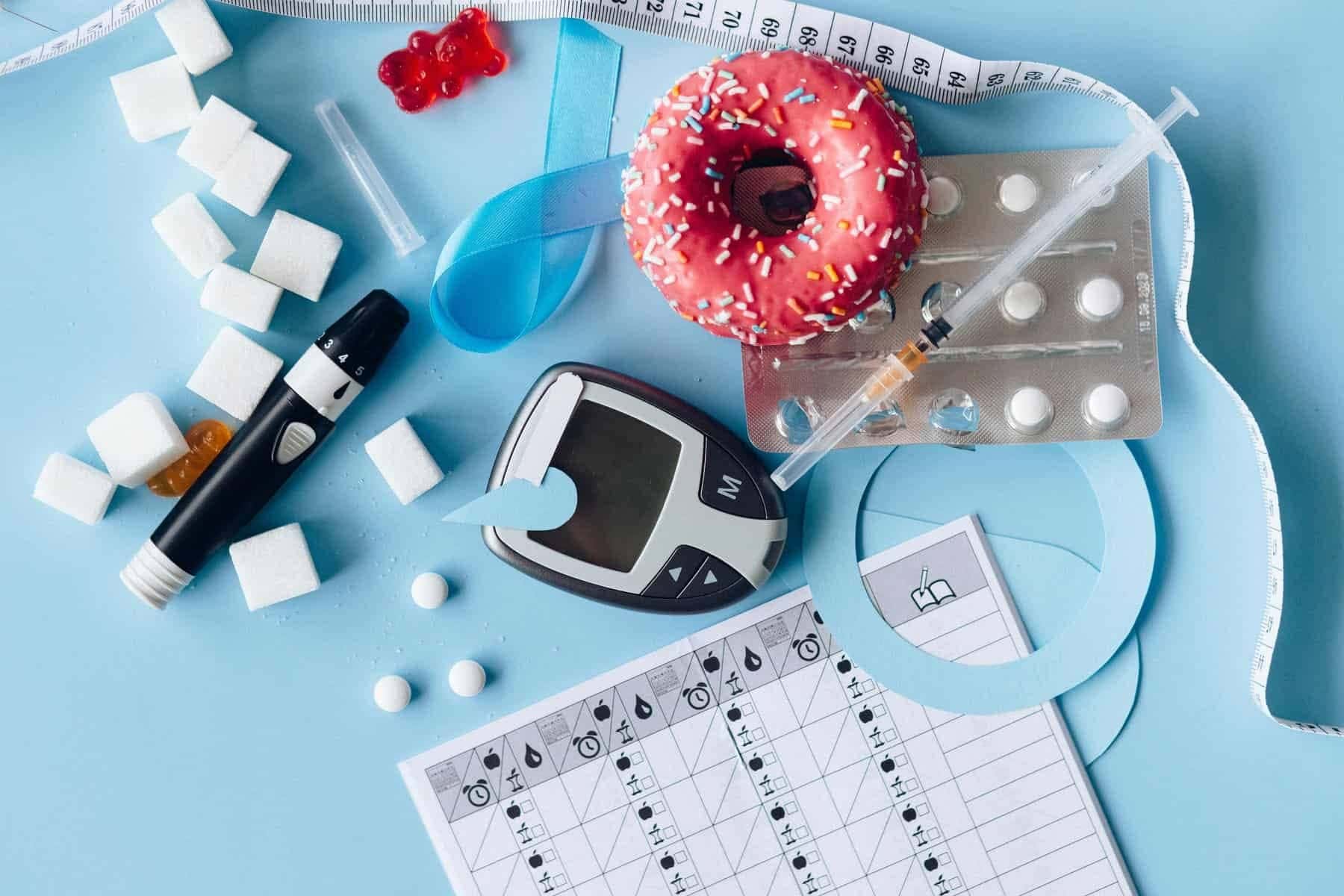
The endocrine system is an ongoing disease that affects the way your body handles sugar. The cause of diabetes is their body's inability to produce or use insulin produced by specific pancreas cells, called islets. Insulin plays a crucial function in digestion. Insulin plays a crucial function in transporting glucose throughout the body. After every meal, the sugar levels in your body rise. Once the increase is recognized by your pancreas and the pancreas is able to recognize it, insulin gets rapidly released into the bloodstream to reach the cells in your body. These cells then allow the glucose in their cells. This allows glucose into. Once it's in, cells transform the sugar into energy which is used immediately, while storing certain amounts in fat cells to be used later. As per the WHO there are two kinds of diabetes: Type 1. Type 2.
Type 1
Type 1 Diabetes is an autoimmune disease in which immune cells attack and kill pancreatic cells that make insulin, resulting in decreased production. While the majority of diagnoses are among children or adolescents, patients are diagnosed at any time; treatment usually consists of daily insulin injections, since this focuses on its primary causes, which are not food or lifestyle-related however, it is often attributed to genetic and environmental factors such as viruses. The most effective way to treat Type 1 Diabetes is with regular glucose monitoring and therapy, in conjunction with a mindful approach to food preparation and exercises.
Type 2
Type 2 Diabetes Mellitus (T2) is an endocrine disorder that affects metabolism. The resistance to insulin or inability to produce sufficient quantities of insulin are two reasons for T2. The majority of people suffering from diabetes are who are between the ages of 40-70 years old however, its prevalence is increasing in teens and children as a result of inadequate diet and a lack of physical activity. While insulin production remains constant however, its role diminishes. The development of diabetes type 2 is usually due to lifestyle, genetic, and food choices like being overweight, having a poor habits, or making poor food choices. It is possible to control the condition through a balanced and healthy diet, participating in regular physical activity and taking oral medication In certain circumstances the treatment of insulin may be an alternative. While you take a walk through nature on walks or trips outdoors you might come across two additional terms related to diabetes: hypoglycaemia and hyperglycaemia. Both conditions can be seen in people who suffer with Type 1 diabetes.
Hyperglycaemia
Hyperglycaemia is a term used to describe excessive sugar levels in the blood as a result of poor diet or lifestyle choices typically due to inadequate insulin treatment. The signs of the disease are dry mouth, excessive thirst and depleted energy levels headaches, as being impaired vision and frequent urinary frequency.
Hypoglycaemia
Hypoglycaemia, though not widely recognized in diabetes, is usually more prevalent in outdoor. Hypoglycaemia is in the body when it produces excessive insulin in comparison to the amount of sugar is available, which causes an acute condition which can quickly escalate. Signs of thyroid dysfunction include irritability, hunger, and fatigue. Hypoglycaemia could pose a danger possibility on hikes. To avoid it, people who suffer from diabetes usually follow a prescribed diet as a part of their regular routine. The amount of food you consume can vary significantly during a trip. Walking can cause your eating habits and exercise routines to shift dramatically which can lead to hypoglycaemia while your body adapts to the new conditions. Making adjustments to a new diet may require changing the amount of insulin you consume at home. Individuals may adjust in various ways. Some may adapt quickly, whereas for others it might take several days to adjust. Hypoglycaemia may occur following any modifications made during surgery. In the end, this is the very reason. Insulin dosage may exceed daily sugar intake. If someone is experiencing digestive discomfort or is able to quickly adjust to new surroundings their blood sugar may fall rapidly despite active insulin therapy. A diet that reduces sugar intake is usually enough to control hypoglycaemia, aiding in the regulation of insulin levels in your body and ensuring the level of glucose in your blood.
Beginning the process of a High-Altitude Trek with Diabetes - A Guide to Safe Exploration.
Diabetes shouldn't stop your from pursuing high-altitude hikes! If you are prepared and adhere to safety guidelines it's possible to overcome the challenges of trekking at higher altitudes while keeping an appropriate level of fitness.
Preparing for a Trek Essential Pre-Trek Planning
Physical Conditioning: To understand and overcome the obstacles that come with fitness, you need to be familiar in intense physical exercise and its limitations. Being early to your base camp will allow your body to adjust easily to a hostile environment. Start by taking a few short walks around town to gain an idea of what you can expect when you travel for longer distances.
Medical Preparation: Bring an ample quantity of medications - twice what is normally required. Bring a temperature-controlled container for your insulin so it won't freeze, and stockpile things such as insulin, syringes, and an instrument known as glucometers, as well as replacement batteries (as cold weather drains them quickly). Also, make sure you have adequate glucose tablets and gel available.
Insulin Control Two days prior to you begin your journey, you should begin making adjustments to your food intake and insulin dosages in order to help prepare your body for what's ahead. This will allow it to function at its most effectively.
Emergency Preparedness: Establish an emergency plan that includes food, insulin or liquid intake in the event that an illness occur or unexpected setbacks occur in your travels. Being prepared means that you are better prepared to deal with any possible challenges that may be thrown your way.
How to Prepare for a Trek Important for Trek Planning
Maintain Your Energy and Health During trekking: Eating regularly during your trek is crucial to maintain your health and energy levels So, make sure to include plenty of healthy non-perishable foods in your bag for your trip.
Communication
If an emergency occurs, it's essential that your trek leader as well as your support group are aware of the current condition of your body as well as any emergency procedures you'll need. Make them aware of the location of any medication are in your bag to ensure they are able to get them in the event of a need.
Manage Your Medication Split any medication that you require into two sets and keep them in different locations. If you can, give one set of your trip leader, while keeping the other at home.
Monitoring Blood Sugar Levels If your health issues center around the levels of blood sugar, make certain to monitor regularly any changes to ensure the best results. This will help protect yourself and other members of the community.
Trekup India trek leaders are equipped with medically certified guides, who are equipped with complete medical kits and oxygen cylinders for every day of trekking and each camp is specifically designed to meet the needs of the needs of our clients. Which treks are suitable for those who have just been diagnosed with diabetes? Although trekking can seem daunting at first, Trekup India has seen numerous diabetics conquer difficult routes without having to deal with any major problems. People who are planning to trek for those with diabetes should be aware that it's an enjoyable experience with two treks that offer an excellent introduction to the Himalayas which include Nag Tibba, Dayara Bugyal, and Deoriatal Chandrashila treks are one of the top options.
About the Author: Trekking Expertise You Can Trust
Head Of Mountain Experts