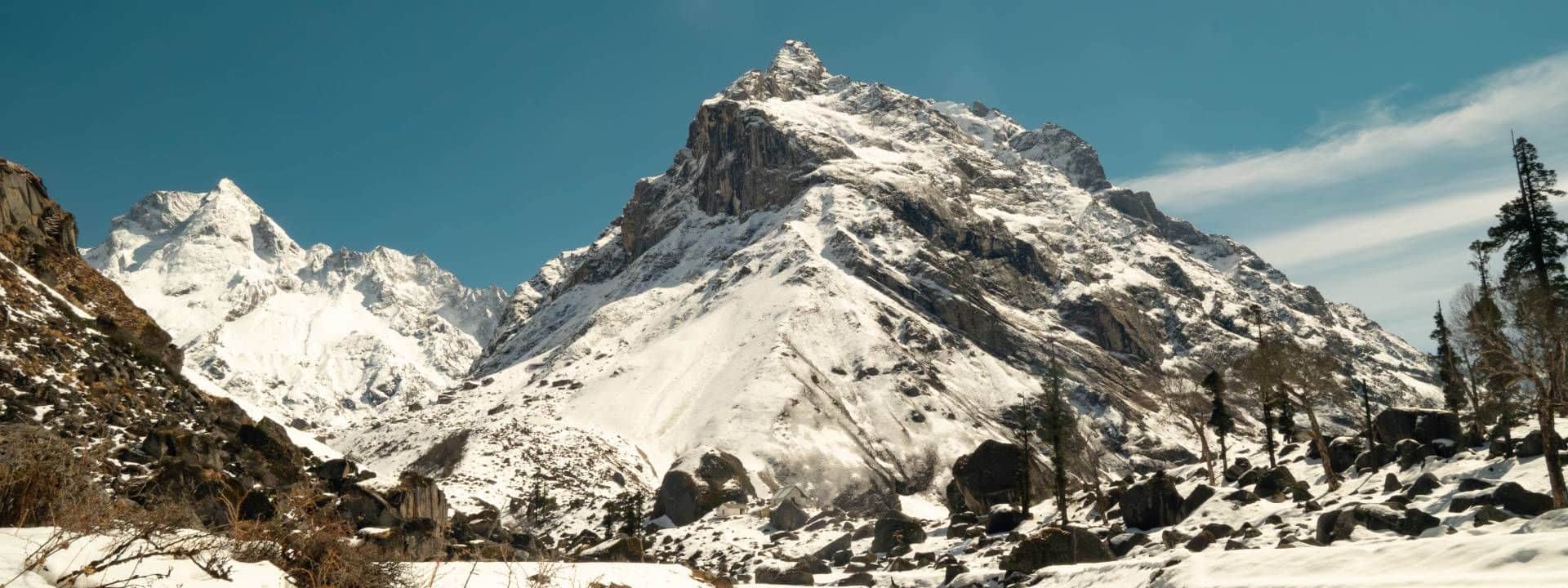
The trek can be a thrilling experience that is rewarded by stunning views and a humbling feeling of achievement. For those who suffer from asthma, traveling to high altitude regions with low oxygen levels could create challenges in breathing or overall health, such as "Breathing?" or "Is this Trip essential. "Individuals with asthma are able to safely take part in high altitude treks as long as they follow the appropriate precautions and are well-prepared. This complete guide will allow them to recognize the potential dangers and guide them through their trek with confidence.
What are the effects of high Altitude on Asthma?
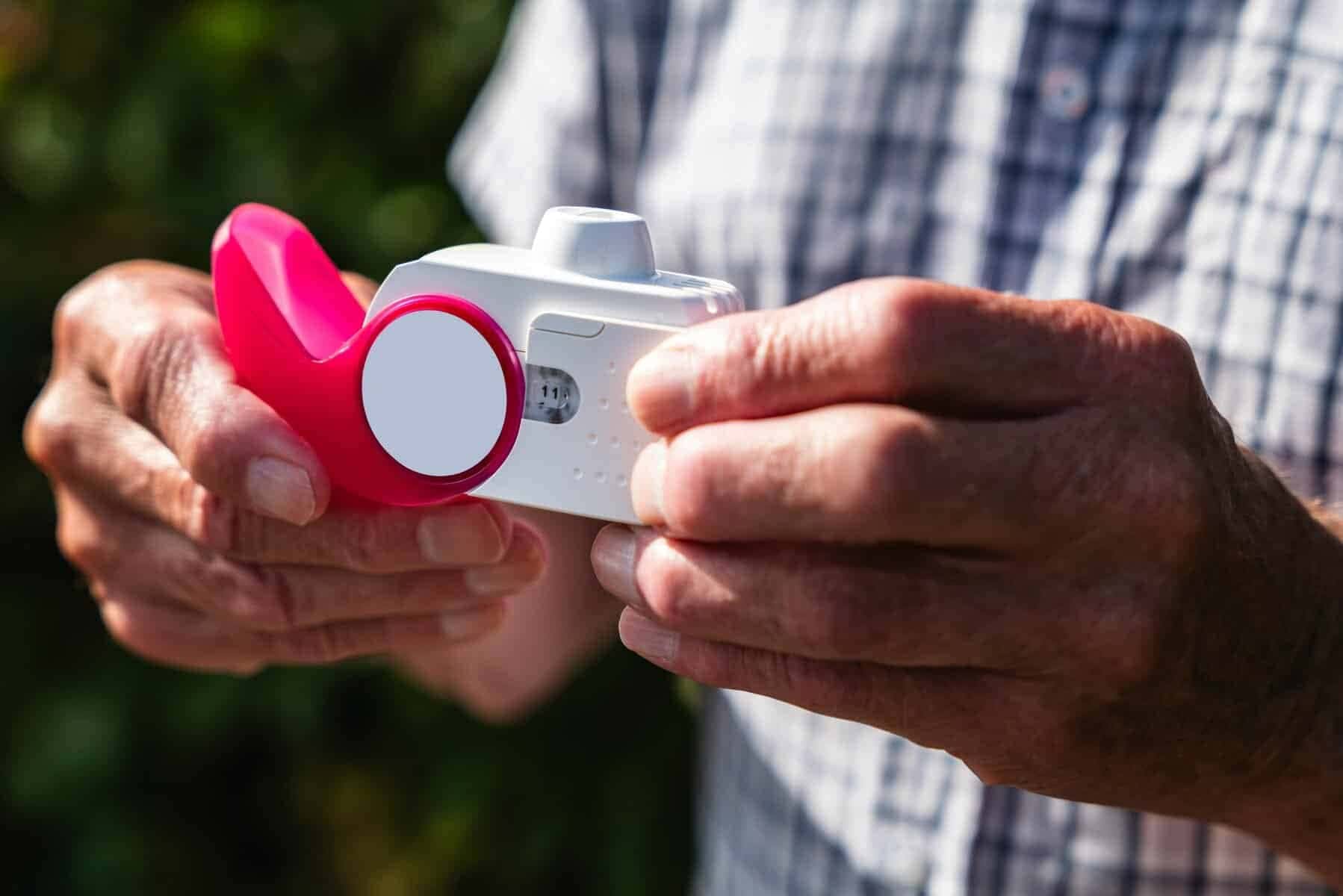
At elevations that exceed 2,500 metres (8,200 feet) atmospheric pressure drops and oxygen levels decrease and affect your respiratory system in a variety of important ways. (1) Insufficient oxygen supply: Your body has to work harder to get enough oxygen, which can cause breathing problems; (2) The cold and harsh air: Cold and chilly temperatures can cause irritation to the airways and lead to asthma-related symptoms such as wheezing, coughing, or chest tightening. (3) The physical strain can be increased physical demands: A higher level of physical stress can cause asthma symptoms to worsen. Asthma can be severe or mild, ranging between mild and severe. Asthma that is mild, referred to as refractory asthma, usually manifests as one of two episodes per week. It is treated with short-acting anti-inflammatory drugs typically, Inhalers are the best method of treatment.
What causes Asthma?
Asthma is an ongoing and common inflammation of the airways linking the upper and lower respiratory systems to the lung. It typically begins between 3 and 5 years old old and can be severe throughout the adolescent period, and is usually caused by conditions like pollen, colds, animal dander, pollutant dust and fumes. Symptoms usually include chest tightness and wheezing coughing, and difficulty breathing, especially at night, which can lead to a feeling of being suffocated, or in a position to not breathe freely. A physical activity like hiking might be at risk of creating asthma attacks. Physical exercise has been linked with exercise-induced asthma, an asthma type where intense physical activity causes the airways to narrow. Dry or cold air or both is the most common cause. Engaging in cold physical exercise can trigger more asthma symptoms than exercise in humid and warm conditions and those with asthma should stay clear of exercising in cold or dry conditions with high levels of pollution or dust.
Mild Asthma
Mild asthmatics are able to safely participate in high-altitude trekking, however prior consultation with their doctor is recommended to make sure that their asthma is properly controlled. A five-day trek like Dayara Bugyal might be a great introduction before moving on to more challenging treks such as Buran Ghati Just make sure that your medication is included and bring camping equipment such as sleeping pads for tents for Dayara and Dhunda because the cold temperatures can trigger asthma attacks; severe cases that involve more than two attacks per week require more thorough plans that include medication and inhaled steroids to manage inflammation The most severe cases will require additional steps and inhaled steroids in conjunction with inhaled steroids to manage inflammation effectively.
Asthma severe
Even for those with asthma that is severe Trekking adventures are feasible with the right planning and safety precautions. Before you embark on your trek make sure you have the medical approval and set up a routine workout routine by beginning with shorter treks like weekends in winter or Nag Tibba, Dayara Bhugyal and Bhrigu Lake treks during summer. Once these smaller treks are completed, you can begin exploring more challenging treks like Har Ki Dun or Hampta Pass treks. Unmanaged asthma that is persistent causes frequent attacks throughout the week, which increases your chance of developing status Asthmaticus. Attacks can occur frequently without relief, and eventually become intense and incompatible with treatment with medications.
As the symptoms get worse you might experience breathlessness and coughing that gets worse in the evening, and is particularly acute during times of tension or illness. The breathlessness can become so intense that talking more than one or two words becomes impossible (without the sentences completely completed) frequently requiring hospitalization to receive emergency care. Without prompt treatment and lifesaving injections, it could be the risk of life-threatening situations which is why I strongly suggest against hiking for asthma sufferers who are not controlled due to the fact that research on its effects at high altitudes have produced mixed results when it comes to asthmatics suffering from serious uncontrolled asthma; studies of both groups yielded different results in studies on the impact of it; therefore, I recommend against trekking for sufferers with severe asthma are uncontrolled, because it could lead to risky situations and could lead to life-threatening scenarios for them, as its effects varied based on studies conducted over time and research as high altitude has produced both negative and positive outcomes depending on the variables. Certain people had significant changes in their immune system which resulted in less inflammation, allowing them to decrease the amount of medication they take and lower costs. However, others did not notice any positive changes and are still susceptible to asthma attacks. low oxygen levels and frigid temperatures are well-known to trigger asthma symptoms, while high-altitude conditions are believed to help relieve respiratory illnesses like the common cold that typically happen at higher altitudes, unknown allergens, and asthmatic episodes caused by exercise were identified as causes.
Asthma and Trekking: What You Should Do Prior to Hitting the Trek
If you suffer from asthma and are planning on hiking in higher elevations, get approval from your doctor prior to. Acclimatize at the base camp prior to the trek starts and tell the Trek Leader of your health condition. Staying hydrated to avoid dry throat and lower the risk of developing respiratory illnesses is highly recommended. Trekup India provides oxygen cylinders and oximeters on treks to provide additional safety precautions.
Maintaining a healthy lifestyle can reduce the severity and frequency of asthma attacks. Cold temperatures can worsen asthma symptoms and cause people to be more vulnerable to attacks. By remaining warm, you could also reduce the risk of upper respiratory infections. This is especially useful when cold temperatures trigger asthma symptoms. Diamox does not have an adverse effect on asthmatics since the two products function in different ways. If you suffer from asthma and have hiked in high elevations, we invite you to post your story by leaving a comment below. The trek as a person with asthma isn't just a possibility It's truly rewarding. If you follow the right approach, what was thought to be a hindrance becomes an obstacle that can be overcome. So, put into your boots for trekking, load up with care and remember to take a deep breath and walk in a safe manner mountains are waiting to be conquered by you. conquer.
About the Author: Trekking Expertise You Can Trust
Head Of Mountain Experts