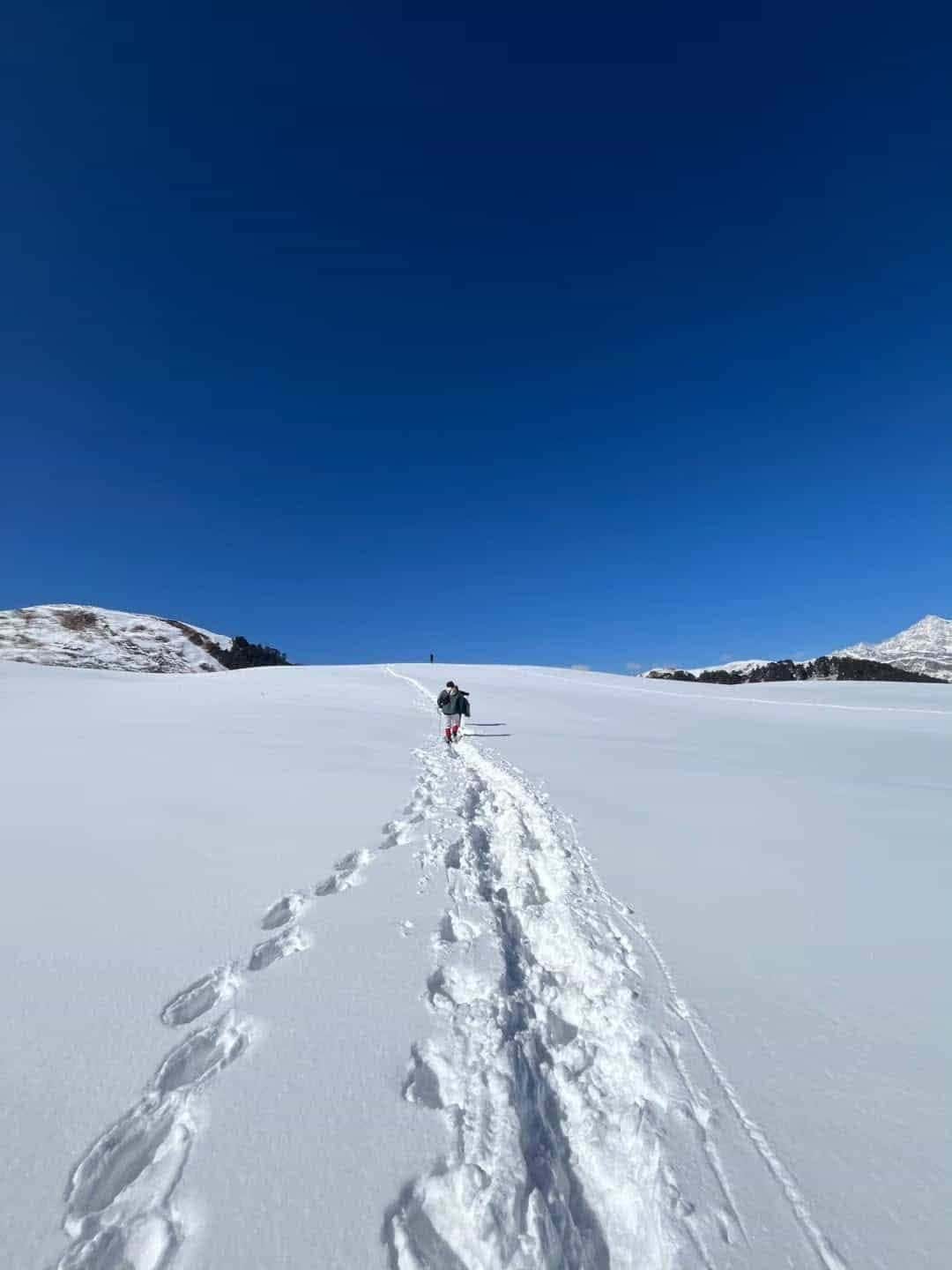
We at TrekUp India, we recognize that the physical demands of climbing can be exhausting, particularly at higher elevations where oxygen levels decrease dramatically. Through practicing proper breathing techniques, and taking regular, controlled breaths and in a controlled manner while climbing uphill endurance is increased when dizziness, fatigue and altitude sickness diminish. Regular, controlled breathing techniques can make climbing easier and more enjoyable.
Why Proper Breathing Matters
Improve oxygen efficiency. Proper breathing will ensure that muscles get sufficient oxygen and reduce fatigue.
Maintain Stamina
It is essential to maintain endurance levels throughout long ascents.
Stay clear of Acute Sickness at Altitude: A controlled breathing routine can reduce the chance of altitude sickness, by reducing symptoms like headaches and nausea.
Focus and focus on the task to maintain at peace in the face of a difficult situation.
Diaphragmatic (Belly) Breathing
To get the most oxygen-rich breaths possible when trekking uphill, choose diaphragmatic breaths instead of deep lung breathing to activate your diaphragm to create an efficient flow of oxygen from your lungs to the air. This is referred to in the field of Diaphragmatic as well as Belly Breathing.
Breathe deeply into your nose and notice your stomach expanding.
Take your deep breath and exhale your breath through your lips, then allow the air to leave your lung completely.
Advantages The treatment increases oxygen absorption and aids in stabilizing heart rate.
Rhythmic Breathing (Step-Sync Technique)
Make sure you coordinate your breathing and actions to ensure the same pace.
As you move ahead, exhale for a couple of steps, then exhale for three or more actions (depending on the strength of your rise).
When you take left-right step to the left, breathe deeply and exhale out after steps taken on the right hand side.
Advantages It prevents respiratory problems, and maintains a steady walking pace.
Pressure Breathing for Steep Climbs and High Altitude)
Mountaineers employ techniques of pressure breathing to fight the thin air that is found at higher altitudes:
Relax your breath by putting your nose into.
Breathe in deeply and exhale through your lips, exaggerating the exhale (like blowing out the flame of a candle).
Benefits aid in removing carbon dioxide build-up while also improving oxygen circulation.
Combining Paced Breathing and Rest Steps.
To be able to climb steep slopes with ease Combine breathing with using the technique of rest:
Pause for a second as you move and keep your knee, putting it behind and resting muscles in the process.
Relax before you move forward, and release your knee when you have locked it.
The benefits: It helps to conserve energy in muscles and reduces strain on the muscles.
Additional Tips to Achieve Better Breathing While Trekking
Keep hydrated: Dry air at high altitude can rapidly dehydrate you and make breathing harder. Also, make sure you maintain a healthy posture to allow for full expansion of lung capacity as well as the most full expansion of the lungs during treks.
Avoid Overexerting Yourself.
Walk at a slow pace. Rushing trekking can lead to fast breathing patterns that could compromise the effectiveness.
Before you embark on your trek practice breathing exercises to build lung capacity. You can do it prior to setting out.
Conclusion
TrekUp India believes that any successful trek starts with a solid understanding of the basics and breathing is among of the most crucial elements. By using diaphragmatic breathing techniques such as diaphragmatic breathing, regular step-sync patterns and pressure breathing along with rest-step strategies can provide your body with sufficient oxygen to last for long hikes without fatigued throughout their journey.
Regular breathing does not just improve the endurance of your body, but it also improves your brain's ability to concentrate and remain at peace. Through regular breathing exercises at higher elevations and establishing habitual walking, regular training makes even difficult treks traversing those Himalayan as well as Sahyadri ranges easier and enjoyable.
While you prepare for your next adventure Don't just work your legs, train both your lungs. Breathe deeply while you make long treks or climb up a mountain with confidence.
About the Author: Trekking Expertise You Can Trust
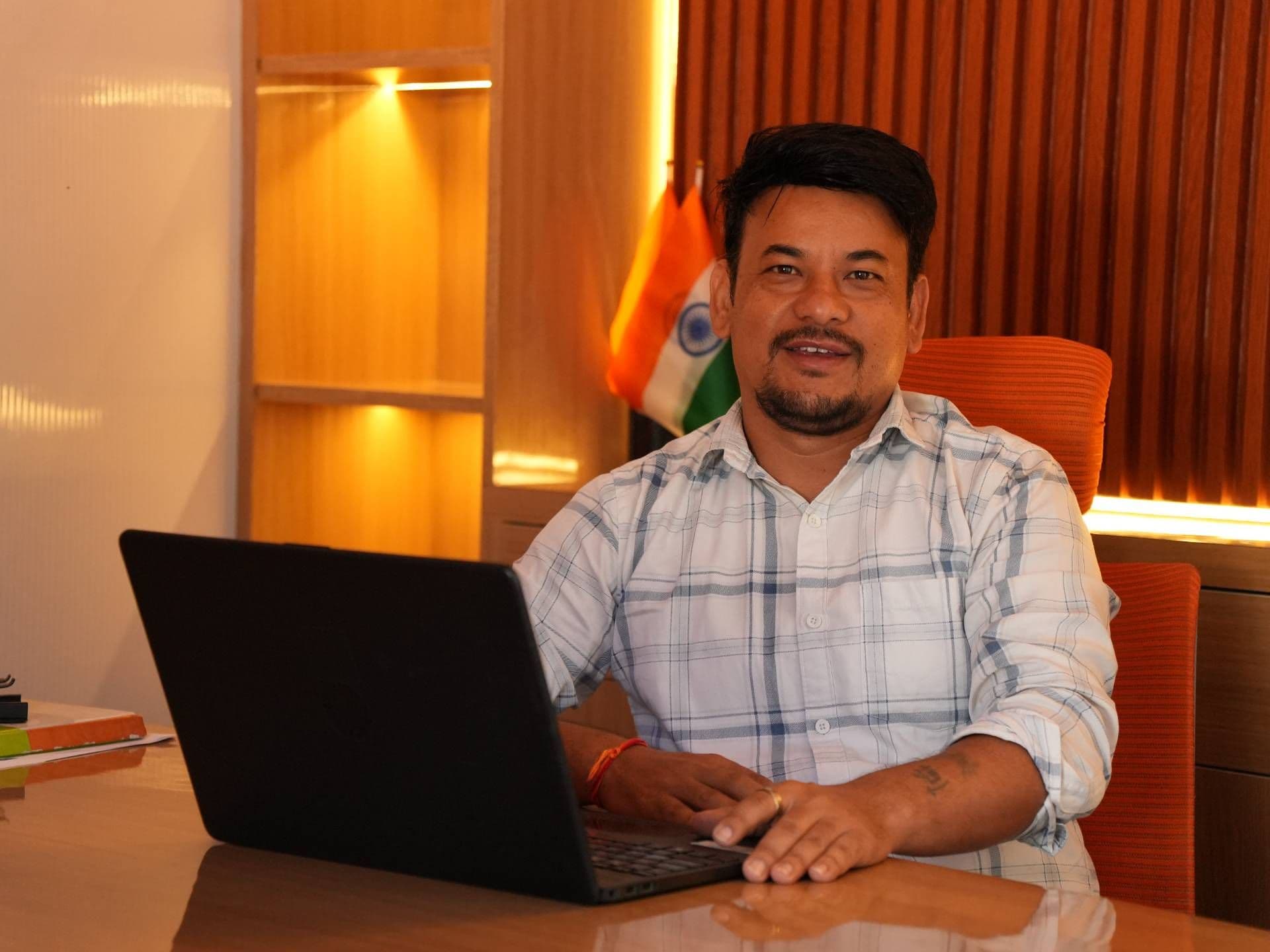
Operations Manager
Nanda Rawat holds a Master’s degree in Tourism & Hospitality and brings over 16 years of experience in adventure and leisure travel. He has led multiple Himalayan expeditions, contributed to ATOAI, and is trained in first aid by the Indian Mountaineering Foundation. A strong supporter of sustainable and ethical tourism, he plays a key role at Trekup India. Write to him at: nanda@trekupindia.com