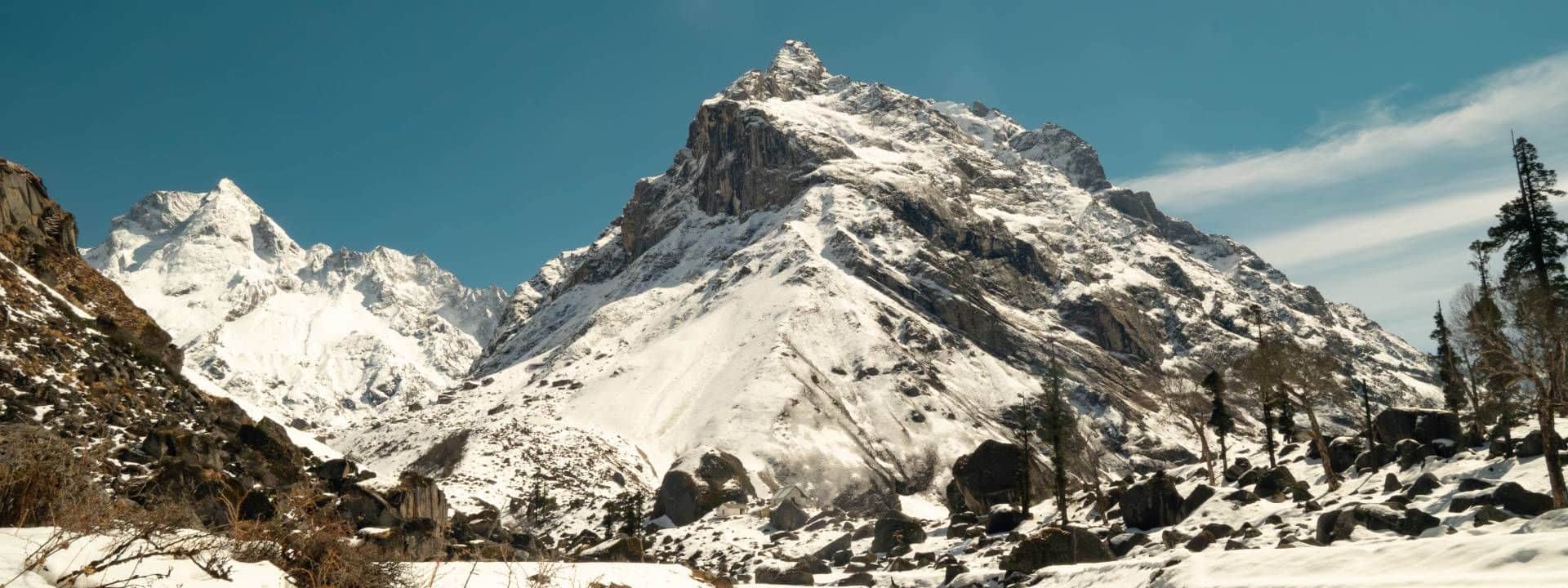
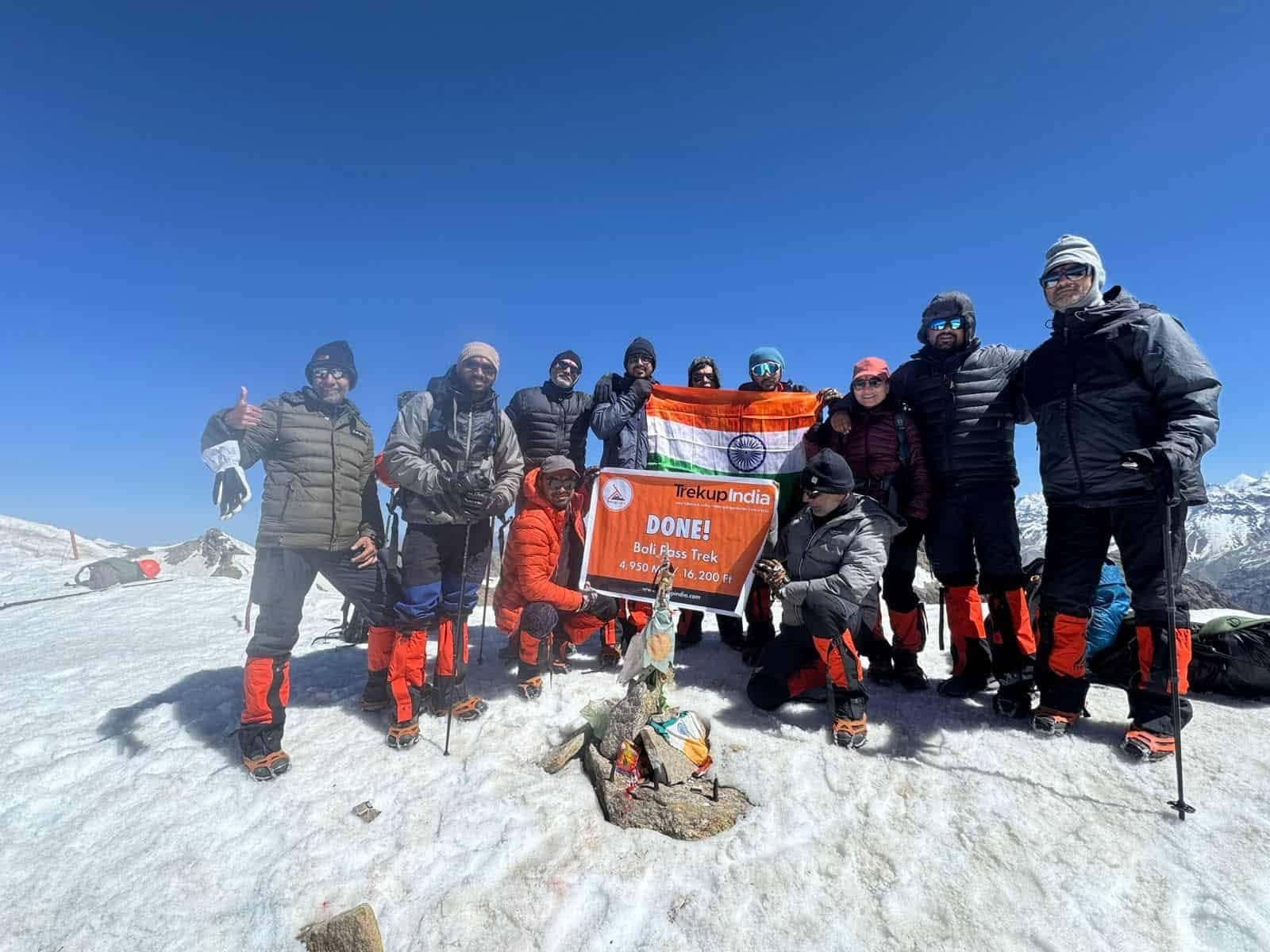
The diverse terrain of Zanskar's rough terrain and the dense forests in the Western Ghats offers experiences suitable for trekkers who are solo as well as those who prefer groups treks. But, deciding between group or solo treks should not be a matter of merely relating to individual preferences. However, you should consider factors such as safety concerns, logistical requirements, as well as the your desired type of experience We've given you a step-by-step guidelines to help you determine which option is the most effective for your trekking requirements.
Why Solo Trekking Is Attractive?
Solo trekking offers great freedom
You can determine the pace you prefer or make changes as you go along and soak up all things at your personal speed This is ideal for contemplative travel as much as solo trips into remote regions.
Your intimate connection with Nature
With less distractions in your way, it is more easy to become more intimate with nature Every breeze, sound or even sight becomes intimate and exciting.
Personal Development and Self-Reliance
Solo treks can test your endurance, determination and survival capabilities to the test, which increases your self-confidence. The success you achieve on these treks can boost your confidence.
Risks & Challenges of Solo Trekking in India
For those who are on their own for treks through less-known Indian tracks, like Kanasar and Kugti Pass, may find that getting lost and navigation are major issues, and requires a thorough understanding of GPS devices, maps and topography reading in order to avoid getting lost and lost.
Emergencies, such as accidents, altitude sickness, or extreme weather conditions, could be life-threatening if not assisted by other people.
Connectivity Problems in High Altitude and Remote Areas
Mobile networks are generally out of reach in these areas.
Wildlife and Human Encounters
Even if encounters with wildlife are not common or hazardous situations are present the situation, they could represent a serious threat if placed in groups.
Permits Regulations Some areas (for example, Ladakh and Arunachal) prohibit or ban solo trekking entirely.
Why Group Trekking Is Safer & Smarter for Most
Treks run by accredited outfits such as Trekup India ensure there will always be someone to help you, from bringing equipment to providing first aid All of this is part of the team effort.
Local Expertise guides provide valuable details such as alternatives to routes and weather forecasts and a better understanding of flora/fauna as well as the cultural differences.
Rapid emergency response
If you suffer an accident or illness, there are people readily available to provide assistance, inform authorities, and even help in the process of evacuation.
Motivation and Motivation. Having success in climbing difficult mountains, like Kuari Pass, or Roopkund can be made simpler when backed by your team.
Sharing Memories and Community
Treks can foster lasting friendships among the group of participants and turn an adventure into an opportunity to share the experience with group members.
Trekup India Recommendations: Consider Going Solo If you have knowledge of trekking across India and the Himalayas.
Your abilities in navigating the wilderness are well-established.
Are You Exploring Short, Popular Trails (Triund, Kareri Lake, or Rajmachi)?
Your trip is carefully planned with regard to permits, safety measures and considerations for weather.
Choose Group if: You are just beginning Trekking can be intimidating Therefore, joining a planned trek is a smart idea.
The trek will comprise the extremely high altitude as well as technical trails (Pin Parvati, Bali Pass as well as Kedartal).
Comparison
| Aspect | Solo Trekking | Group Trekking |
| Freedom | Maximum | Moderate (fixed itineraries) |
| Safety | It is risky (especially difficult (especially remote treks) | Higher (first-aid assistance, guidance, assistance) |
| Cost | Lower (no guides or porters) | A bit higher (shared between members) |
| Skill Requirement | High (navigation or survival) | Moderate (guide-led) |
| Social Experience | Minimal | High (ideal for social and beginner hikers) |
Trekup India Safety Tip:
If you're traveling by yourself, make certain to share your journey with someone else. Carry an GPS or Map device and have an emergency contact on hand in the event that conditions of the weather or climate are rapidly changing on the highlands of India.
Conclusion
Indian trekking treks provide excitement and the opportunity to experience a variety. However, they require planning with regard to awareness of respect and understanding when deciding between group or solo treks. A solo trek gives you the freedom to explore, a connections with nature, as well as the opportunity to grow personally, but it also increases risks that require skills, knowledge and a keen sense of managing risk. Contrarily the group treks like Trekup India provide safe and enjoyable social activities when traveling to high altitudes or remote areas. The best option is determined by the desired trek objective, your level of fitness, as well as confidence in managing risk. If you're looking for peace or camaraderie, you must make sure you are safe and have an ideal mindset to make the most that comes with any trek through India's stunning landscapes.
About the Author: Trekking Expertise You Can Trust
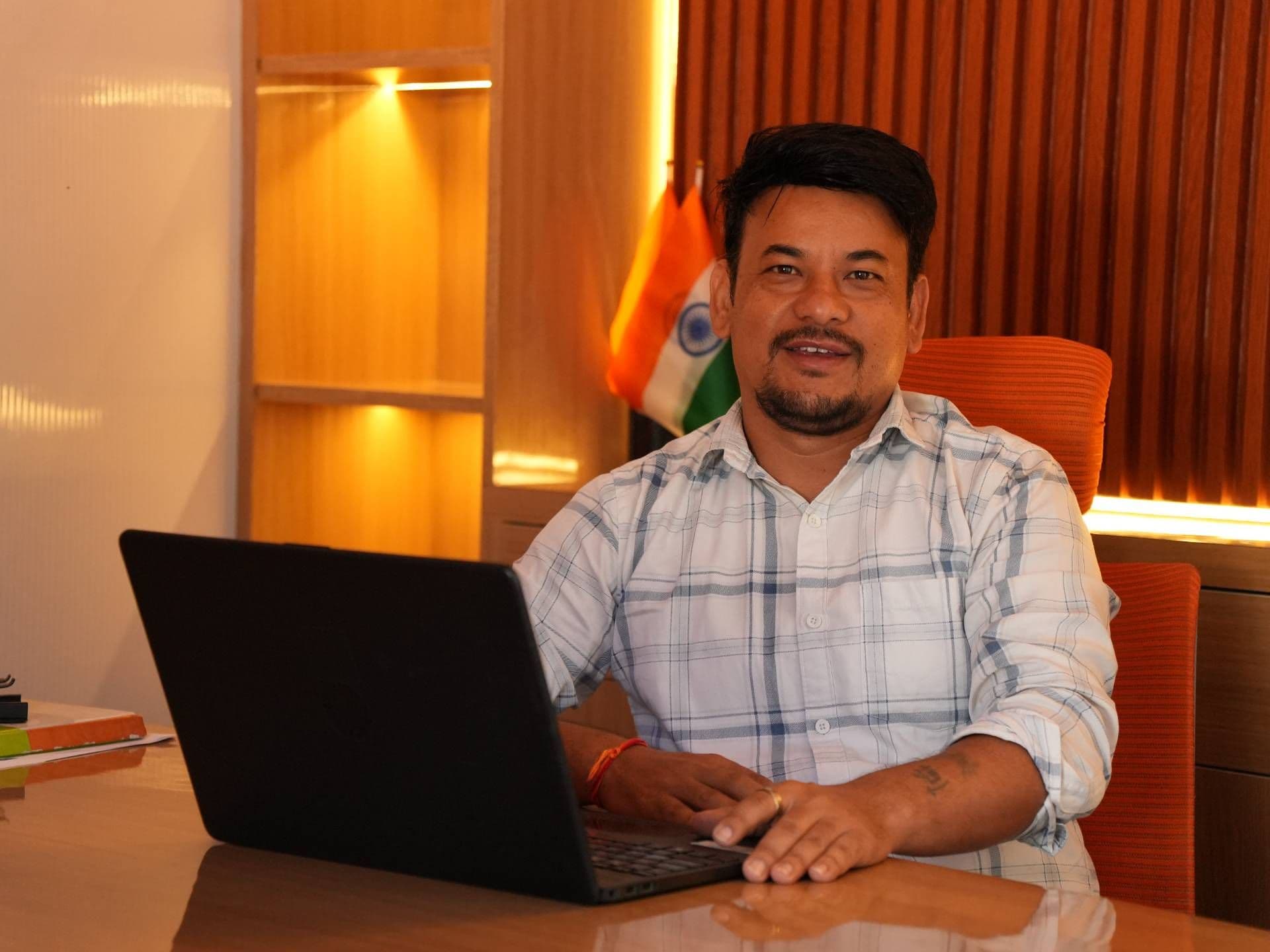
Operations Manager
Nanda Rawat holds a Master’s degree in Tourism & Hospitality and brings over 16 years of experience in adventure and leisure travel. He has led multiple Himalayan expeditions, contributed to ATOAI, and is trained in first aid by the Indian Mountaineering Foundation. A strong supporter of sustainable and ethical tourism, he plays a key role at Trekup India. Write to him at: nanda@trekupindia.com