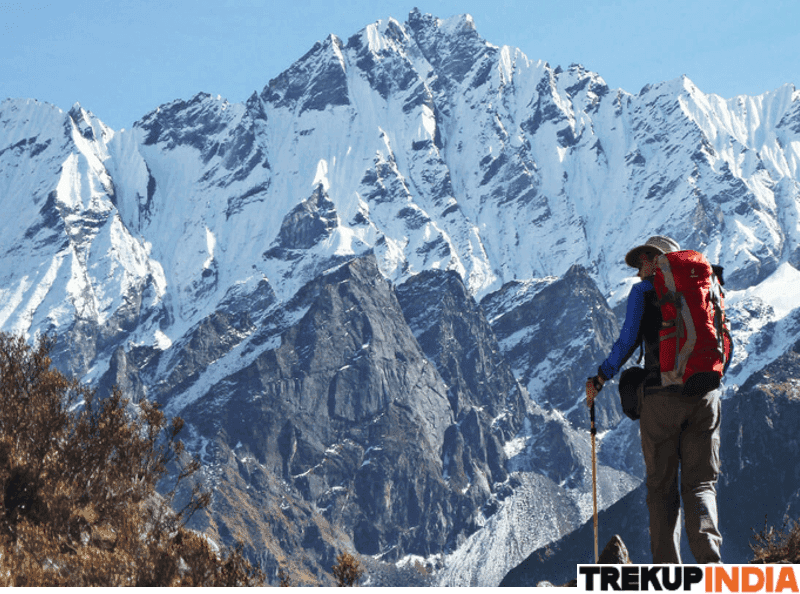
If you're contemplating an trekking vacation with your family in Himachal or trekking high altitudes in Ladakh the contents of your backpack could determine the success or failure of your trip. A well-organized bagpack does more than allow equipment to be accessible, but can also help safeguard against the stress. This is a step-by-step guide to organizing it in a professional hiker Trekup India style including important tips for organizing your bag.
Why Proper Packing Is Crucial on Indian Treks.
In Indian trekking tours that have long, steep and unpredictably rocky routes, poor planning of load distribution can result in lower back and shoulder discomfort, and possibly injuries. The process of searching through your bag every when it's raining (familiar in monsoon seasons) to locate an umbrella can be lengthy and possibly dangerous.
Backpack Organization:
Split the contents of your backpack into sections: bottom, middle top, top and external compartments.
Imagine baking a cake. Place all the heavy equipment close to the spine for stabilization for stability.
Bottom Zone: Bulky but Unnecessary on Trail.
This area is located near your hips and lower back.
Bring Here Your Packing: Tent, sleeping bag along with layers of thermal clothes to keep warm during the night. Camp shoes (if used).
Down jackets (in the summer season used for trekking trips) offer plenty of warmth.
They won't be required in the rest of the day.
Tip for Trekking: Utilize a compression bag to sleep in to reduce space and increase the stability.
Core Zone (Center) - To Hold Heavy Items Close to the Spine.
Make sure that any heavy objects are placed in line with your spine to ensure the best balance and equilibrium.
The Pack: Assuming You are carrying a Stove and fuel (if applicable)--food and other supplies (daily). Poles serve as the frame of the tent. Water bladder (if necessary) and layers of clothing inside compression bags.
Notice: If one side of your pack is more heavy and you notice that you are being a bit more leaning towards one side frequently, make sure it's well-adjusted!
Affordable and Essential Gear
The top compartment of your home should contain everything you need to often be utilized during the day. These include documents and books you may require for work or school. It is important to ensure that everything you need is at hand when essential.
The Pack: Poncho or rain gear Kit for first aid and headlamp; power bank as well as gloves (if trekking in a cold climate). Hand sanitizer, trail snacks along with toilet roll.
Guide to Trekup: Your grab-and-go zone will provide immediate solutions in the event of a weather change or you need to eat fast; everything is easily accessible.
Outer Pockets and Straps - Quick Access
Gear Outer pockets, or compartments with zippers on your backpack allow easy access to the items that you need throughout the day. Zipper pouches or side compartments provide an additional layer of convenience.
Pack here: The water bottle as well as maps/GPS systems and sunglasses, in addition to an various Energy bars as well as trail mix, all of which are indispensable items.
The poles used for hiking (attach on poles when they are not being employed).
Wipes that are wetted, or soap made from biodegradable materials must be used.
Notification: When trekking in India rivers, crossings of rivers as well as trails which are wet might need crossing of rivers. Take a small towel or a bandana inside a mesh pouch externally to safeguard yourself. Tips on packing for Trekup India.
Tips for packing from Trekup India
Put everything dry in dry sacks or ziplock bags and sort them into groups (clothing snack, clothing and electronic devices) to organize them in a neat manner, then put them in ziplock bags before you leave your home! The color-coding of your bags makes it easier to find the contents. Rolling clothes helps save space and also reduces wrinkles. Both factors can help reduce energy consumption in terms of space-saving as well as wrinkle-free. Make sure your water bottle is balanced. If it is empty then weigh it by putting an equally weight on both sides to level the weights. Rain covers are an important part of treks during the monsoon months across Maharashtra as well as Sikkim.
weight distribution: The Golden Rule to ensure optimal Indian Himalayan treks above 10,000 feet, your equipment shouldn't comprise more than 15% of your weight.
A good example is: 60 kg trekker maximum weight of the pack is 12 kg Maximum Pack Weight is 15kg for a kg trekker. If you are using porters or mules like is typical to trekking during the treks in Uttarakhand and Himachal Pradesh, require only an all-day pack that contains drinks food, snacks, and warm clothing along with all the other items needed.
Conclusion
Your bagpack is your reliable travel companion when you embark on an adventure in India From the snowy trails that lead to Ladakh to the gentle terrain in the Western Ghats. The ease of access and the careful distribution of your load can not only guarantee the comfort of your trip but also assist in avoiding injuries or fatigue, too.
By arranging your bagpack in a strategic manner and utilizing Trekup India techniques including dry bags, compression sacks and weight-balancing strategies to ease stress and improve trail preparedness, you will lessen stress and improve trail readiness. Be aware that you must carry everything you need at the exact time you need it, and making every grams count is a goal to strive for.
When you first start your trek make sure to arrange your gear in a thoughtful manner. This is a good idea and will be worth the effort when you're in the mountains.
About the Author: Trekking Expertise You Can Trust
Admin
Anoop has worked for 5 years as a Trek Leader with TrekUpIndia, leading numerous treks across the diverse and challenging terrains of Uttarakhand and Himachal Pradesh. He holds a degree in Geology with a specialization in Geographic Information Systems (GIS) from UPES Dehradun. During his academic years, he actively applied his classroom knowledge in the field—most notably by contributing to a glacier research project on the Jundar Glacier in the Har Ki Dun Valley, Uttarakhand. And now, Anoop is a trekking content writer with TrekUp India, specialising in seasonal Himalayan trekking guides, winter safety content, and trek planning resources. His work is informed by field research, trek leader inputs, and real trail conditions across Uttarakhand, Himachal Pradesh, Ladakh, and Kashmir.