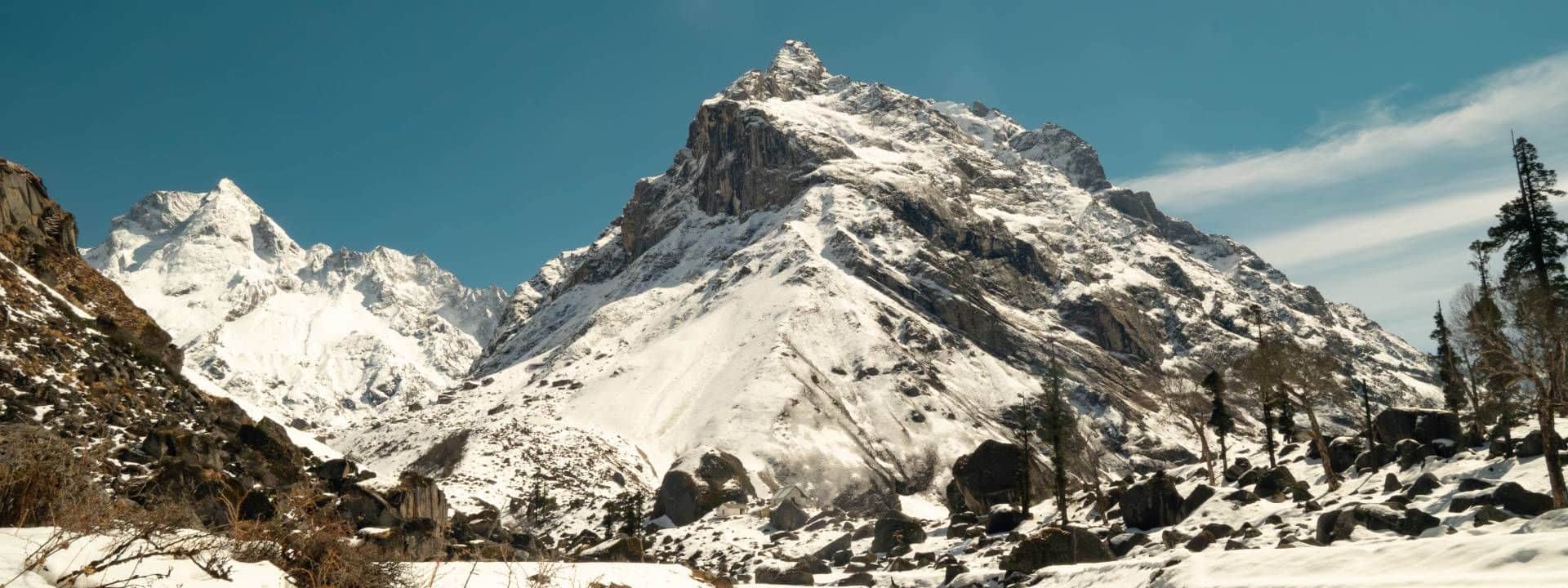
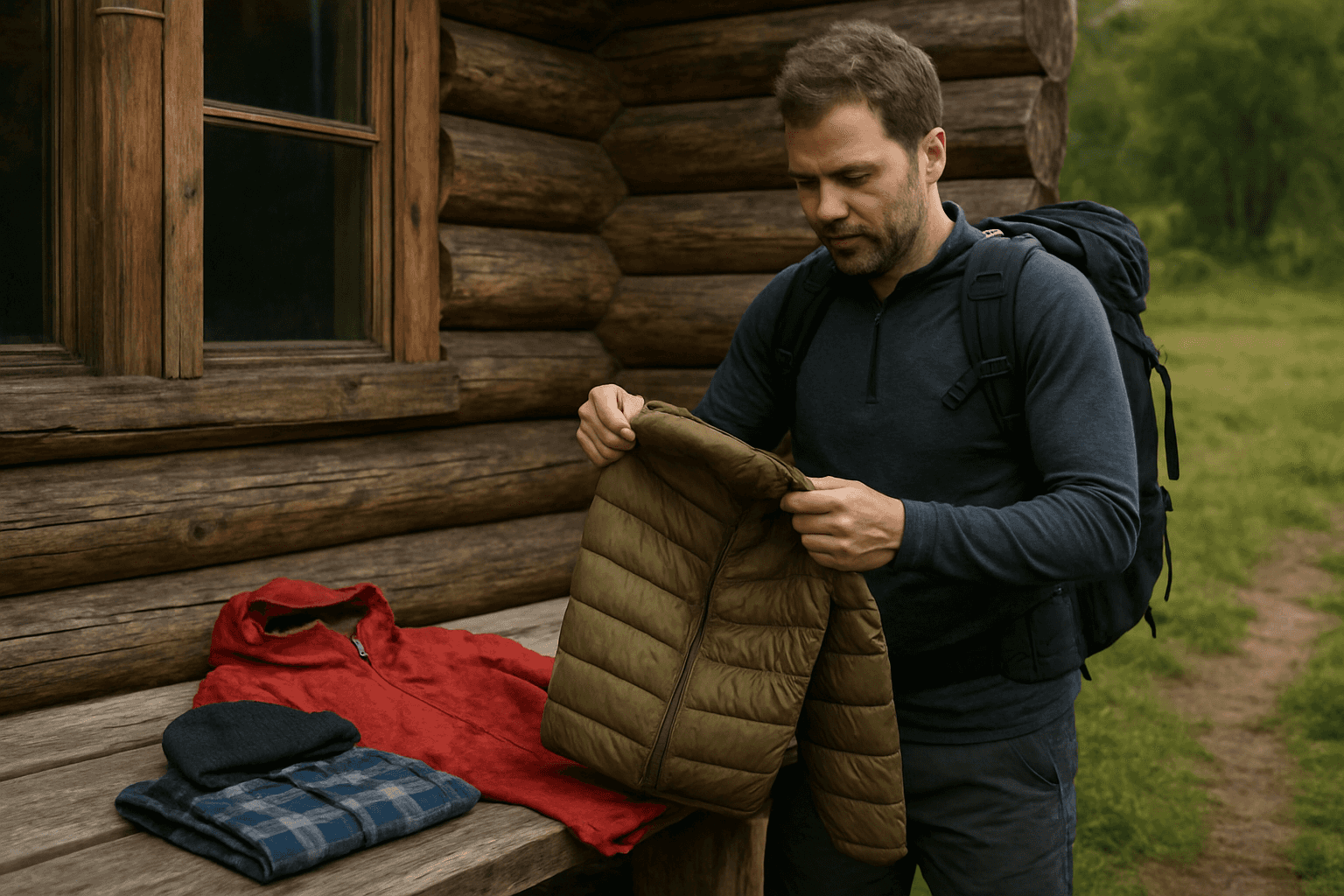
One of the primary lessons that most trekkers are taught - often by accident--is the fact that Indian trekking isn't the same for everyone. A jacket that is perfect on a summer's ridge in Uttarakhand could be useless in an icy Himachal winter. Shoes that float through the dry, autumnal trails could become a liability during monsoon slush.
In the TrekUp India We've witnessed this over and over. The hikers who love the most in the mountains aren't those who carry the largest gear, but rather those who modify their gear each season. With smart seasonal changes, you'll be less heavy, safer and much more comfortable.
Let's discuss how your gear needs to change in the course of changing seasons.
Summer Trekking (March to June)
What does it feel to be:Long hot days, muddy trails, sweaty climbs, and surprising cool nights when the sun sets behind the mountains.
Key Gear Adjustments
- Wearing clothes:Light and breathable, moisture-wicking garments like shirts as well as convertible trekking pants can make a big impact on the temperature of climbing. This is the time of year when the airflow is more important than insulation.
- Sun ProtectionIn high altitudes, the sun can hit more forcefully than you would expect. Protected by UV, sunglasses, SPF 50+ sunscreen and a t-shirt or a bandana to cover your neck aren't just for show. They're vital.
- Hydration:Dehydration sneaks up fast in dry heat. Keep at minimum 3 litres of water at a minimum, and in preferably the form of a bladder for hydration, along with electrolytes.
- Sleep SystemAn light mattress or a sleeping the liner (10-15degC rating) is enough for the majority of summer camps.
- footwear:Well-ventilated trekking shoes that have good grip are able to handle the dry terrain and snow patches with ease.
A word of advice from the trail:Start early. Then finish early. Relax under shade in peak heat. This saves energy as well as reduces exhaustion.
Monsoon Trekking (July to September)
What does it feel as:Lush green landscapes, continuous moisture as well as slippery descents. sounds of rainfall that follows you everywhere.
Key Gear Adjustments
- Protecting Rain:A appropriate rain jacket or poncho dry bags for electronics and clothes and an umbrella for your backpack are essential. The purpose of monsoon gear isn't to stay dry, it's about keeping you useful..
- Quick-Dry Clothes:The synthetic or the merino layers dry quicker and help keep you warm. Cotton gets bulky, cold, and uncomfortable. Avoid it entirely.
- Leech protection:Leech socks or salt, or even permethrin treated clothing are small items that can help prevent discomfort.
- Walking Poles:They are essential for the slippery mud, roots and sections of wet rock.
- footwear:Shoes that have lugs with a deep profile or trail runners that have drainage are the best. The likelihood of wet feet is inevitable. Stable feet are not a matter of choice.
A word of advice for trail users:Avoid river crossings in heavy rain. Any view is not worth the risk of a flash flood.
Autumn Trekking (October to November)
What does it feel is likeclear skies with crisp air warm golden light and that unmistakable sense of being in the mountains at its zenith.
Key Gear Adjustments
- Layering SystemThe lighter foundation layer of fleece and a windproof jacket are typically sufficient. The temperature fluctuates rapidly between the morning and the afternoon.
- Sleep SystemThe 5-10degC sleep bag is perfect for nights when temperatures start to cool.
- footwear:Good grip is still crucial. Monsoon runoff can make trails wet and uneven.
- Other Features:This is the best time to shoot. If you like photographing landscapes, be sure to ensure your camera is protected from the cold and dusty mornings.
The trail's wisdom:Cold mornings are warm and quickly warm. Keep gloves and a hat on hand however, don't put on too much clothing.
Winter Trekking (December to February)
The way it makes you feelThe crunching of snow on your boots, fingers that are numb, shimmering sunsets - and silence that feels like it's almost sacred.
Key Gear Adjustments
- InsulationBase layers of thermal insulation, fleece middle-layers and an down jacket and an outer shell windproof are not negotiable.
- Sleep SystemAn 5degC to 10degC rated sleeping bag and an insulate sleeping mat is crucial for restorative sleep at the end of the night.
- The Snow Gear:Gaiters, microspikes and waterproof gloves, as well as trekking poles equipped with snow baskets ensure security and stability.
- Food and NutritionA cold diet can cause rapid loss of calories. Foods that are high-energy help keep your body's heat and stamina.
- Electronics care:Batteries run out quickly in cold temperatures. Keep cameras and phones near your physique.
The trail wisdomThe cold is more testing for patience than strength. Keep moving slowly, but not too fast.
Essentials You Need in Every Season
Whatever you do on your trek, some gear is always in your pack:
- Kit for first-aid (including the care of blisters and your personal medications)
- Headlamp with additional batteries
- Tools for navigation (map, GPS, compass)
- Multi-tools or knives
- Additional socks, emergency layer and other layers
The seasons change should affect your equipment, but they should not affect safety.
Conclusion
Indian trekking alters its nature as the seasons change and the gear you use should be able to adapt with the seasons. From the sluggish summer ridges of Uttarakhand to monsoon-filled forests brimming with leeches within the Western Ghats, and frozen winter trails in Himachal, preparedness is not an option for luxury. It's about survival..
We at TrekUp India, we've learned that the top trekkers aren't defined by their expensive equipment. They are defined by how well they adjust--removing items they don't want and incorporating what they need to meet the demands of the season and embracing the mountains for what they are.
Before beginning each trek take a pause. Make sure you check the forecast. Review your packing list. The season will determine your choices. Because when your gear is working in harmony with nature, your journey will be significantly more enjoyable.
About the Author: Trekking Expertise You Can Trust
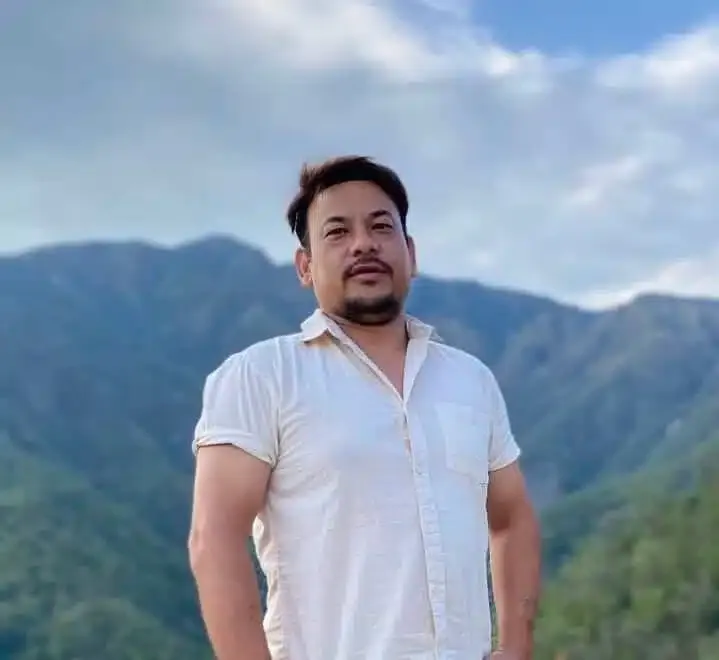
Operations Manager
Nanda Rawat holds a Master’s degree in Tourism & Hospitality and brings over 16 years of experience in adventure and leisure travel. He has led multiple Himalayan expeditions, contributed to ATOAI, and is trained in first aid by the Indian Mountaineering Foundation. A strong supporter of sustainable and ethical tourism, he plays a key role at Trekup India. Write to him at: nanda@trekupindia.com