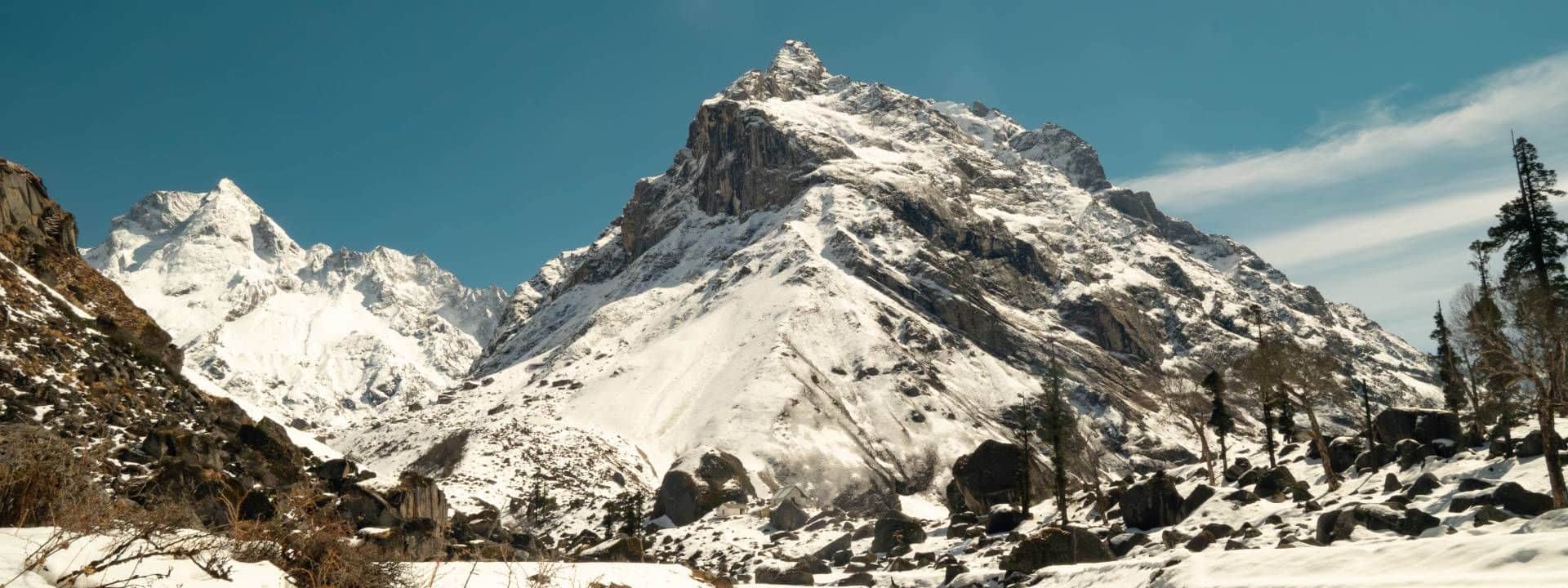
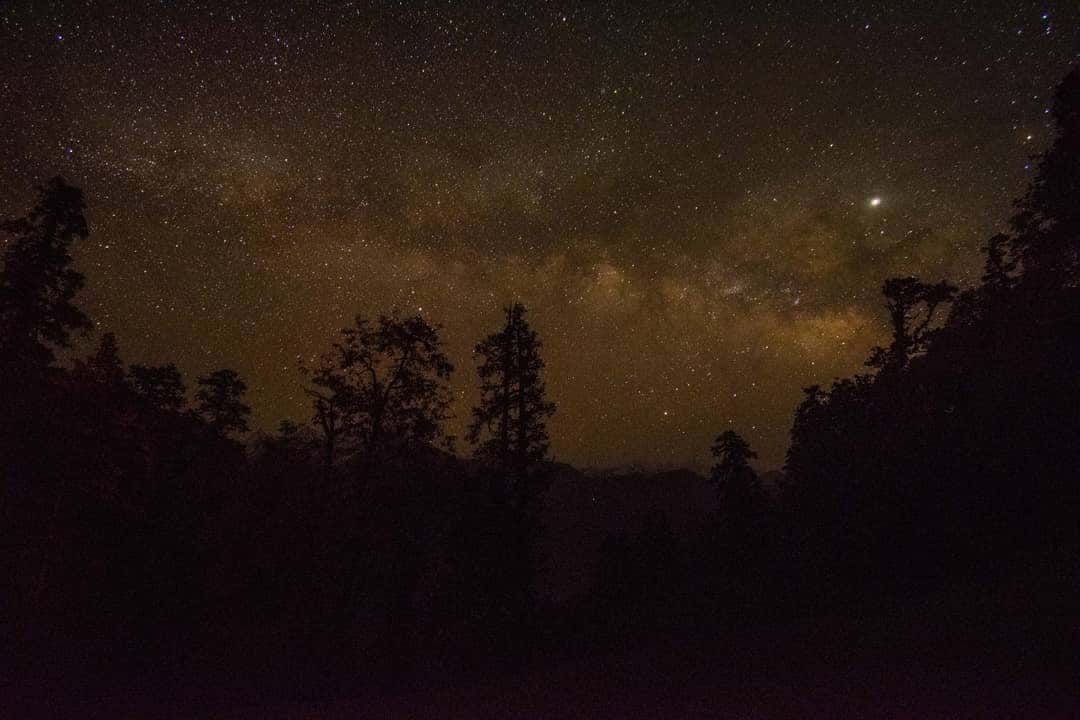
Nighttime trekking gives a new perspective on the mountains. The trails that are illuminated by the moon as well as cooler temperatures and the peacefulness of night are an experience many trekkers are able to deeply enjoy. But, the reduced visibility, falling temperatures and heightened risks make nighttime trekking demands more preparation and discipline than hiking in the daytime..
TrekUp India TrekUp India We've conducted numerous night walks, usually for summit pushes, sunrise views or short acclimatization hikes. Based on our experience on the ground it is evident that one thing is certain: night treks are enjoyable and safe only if planned with the appropriate plan as well as the right equipment and mental attitude.
Essential Night Trekking Tips
1. Select the Best Lighting
The use of a flashlight is crucial for nighttime trekking because it keeps your hands free as well as provides constant lighting.
Best practices:
- Choose a headlamp with at minimum 200 lumens
- Have spare batteries on hand or an emergency light
- Utilize the red-light mode whenever possible to maintain night vision
Do not rely on flashlights for your smartphone because they can drain batteries fast and reduce usability.
2. Dress in appropriate layers
The temperature drops rapidly when it gets dark even in summer.
Wear:
- Moisture-wicking base layers
- Mid-layers that are insulated
- Windproof outer layers
- A warm cap and gloves
Heat loss is the fastest in the hands and head so layering is essential to ensure safety and comfort.
3. Use familiar or marked Trails
Nighttime trekking on unexplored routes greatly increases the chance of becoming lost.
- Pick trails you've already done in daylight hours.
- Take well-marked routes with clearly-defined trail indications
- Reflective markers and glow sticks can aid in keeping track of the direction.
Beware of shortcuts and unfamiliar routes at night.
4. Always join a group for a hike.
A night of solo trekking is strongly advised against.
Tips for securing your group:
- Affix a leader at front, and sweep (last person)
- Keep in contact with either verbally or visually at all times
- Use simple, negotiated signals, such as flashes of light or calls
The coordination of groups reduces stress and avoids dissociation.
5. Slow down and adjust Your Tempo
The lack of visibility makes it difficult for dangers to detect.
- Make smaller, controlled steps.
- Be on the lookout for any loose or broken rocks and uneven ground
- Beware of sudden jumps or sudden movements.
A slower pace lowers risk of injury and keeps the group in sync.
6. Guard Your Night Vision
The direct light of a bright fixture may temporarily blur vision.
- Beware of shining headlamps in other people's's eyes
- Relax your eyes prior to starting
- Use lower light settings if the terrain permits
The night vision that is preserved improves awareness and balance.
7. Be alert for wildlife
In certain areas there are areas where wildlife activity is more active at the night.
- Be sure to make a gentle sound while walking to prevent awe-inspiring animals from catching you.
- Store food in a sealed container and store it in a safe manner
- Do not attempt to take photos or approach wildlife.
Respect and awareness are essential in avoiding confrontations.
8. Drink plenty of fluids and snack smart
A thirsty person is often disguised by cold conditions.
- Drink plenty of water even if you don't feel thirsty.
- Keep snacks that are quick and energy-boosting such as dried fruits or energy bars
Keeping hydrated and energized helps improve concentration and coordination.
9. Embrace the Experience--Mindfully
Night trekking is not only about achieving your goal.
- Stop occasionally to take in the silence and stars
- Enjoy natural sounds
- Be alert and calm
A thoughtful approach can increase enjoyment and safety.
Conclusion
Nighttime trekking transforms regular trails into awe-inspiring experiences that provide peace, solitude and a deeper connection to nature. However, the circumstances that can make night hikes amazing also present risky situations that need to be taken care of.
With the right lighting, layers of clothing, coordination of groups, as well as route confidence, night hikes can be safe and deeply satisfying. At TrekUp India, we believe the true value of night trekking lies not just in reaching a viewpoint or summit, but in moving thoughtfully through the mountains--respecting their rhythm, silence, and unpredictability.
When approached with a sense of preparation as well as awareness trekking beneath the starry skies can be a memorable experience that stays for a long time after the trail is over.
About the Author: Trekking Expertise You Can Trust

Operations Manager
Nanda Rawat holds a Master’s degree in Tourism & Hospitality and brings over 16 years of experience in adventure and leisure travel. He has led multiple Himalayan expeditions, contributed to ATOAI, and is trained in first aid by the Indian Mountaineering Foundation. A strong supporter of sustainable and ethical tourism, he plays a key role at Trekup India. Write to him at: nanda@trekupindia.com