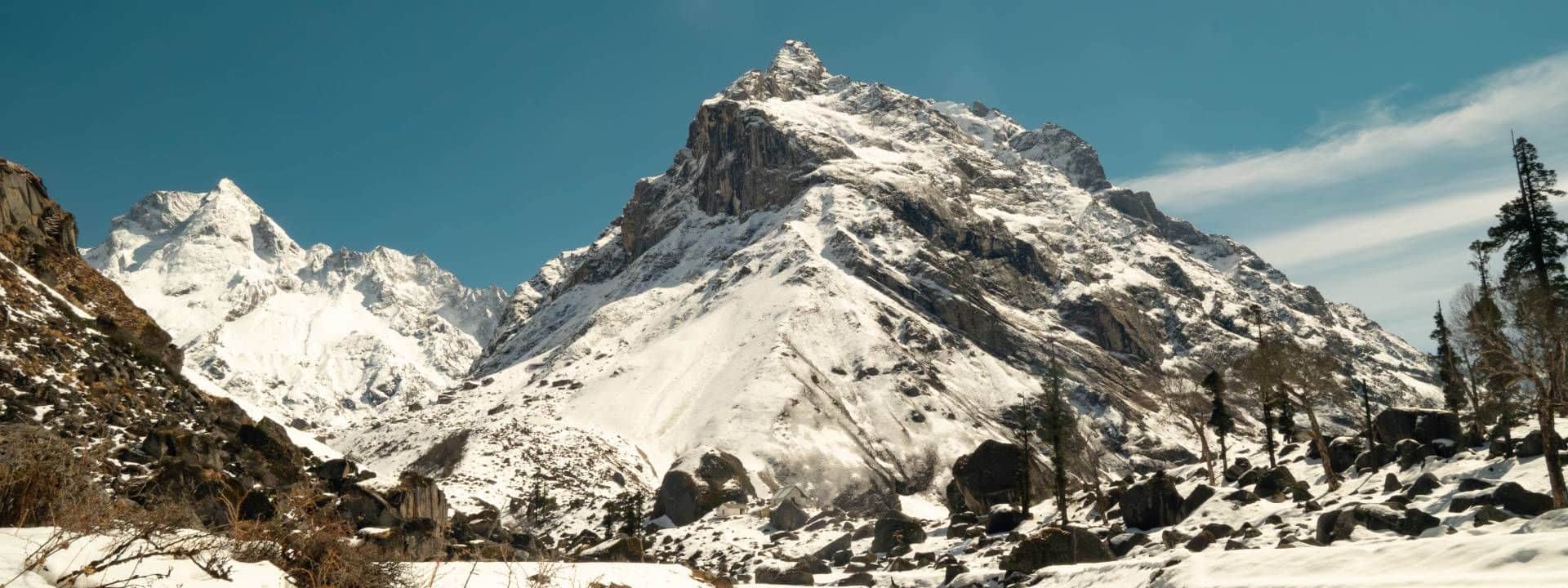
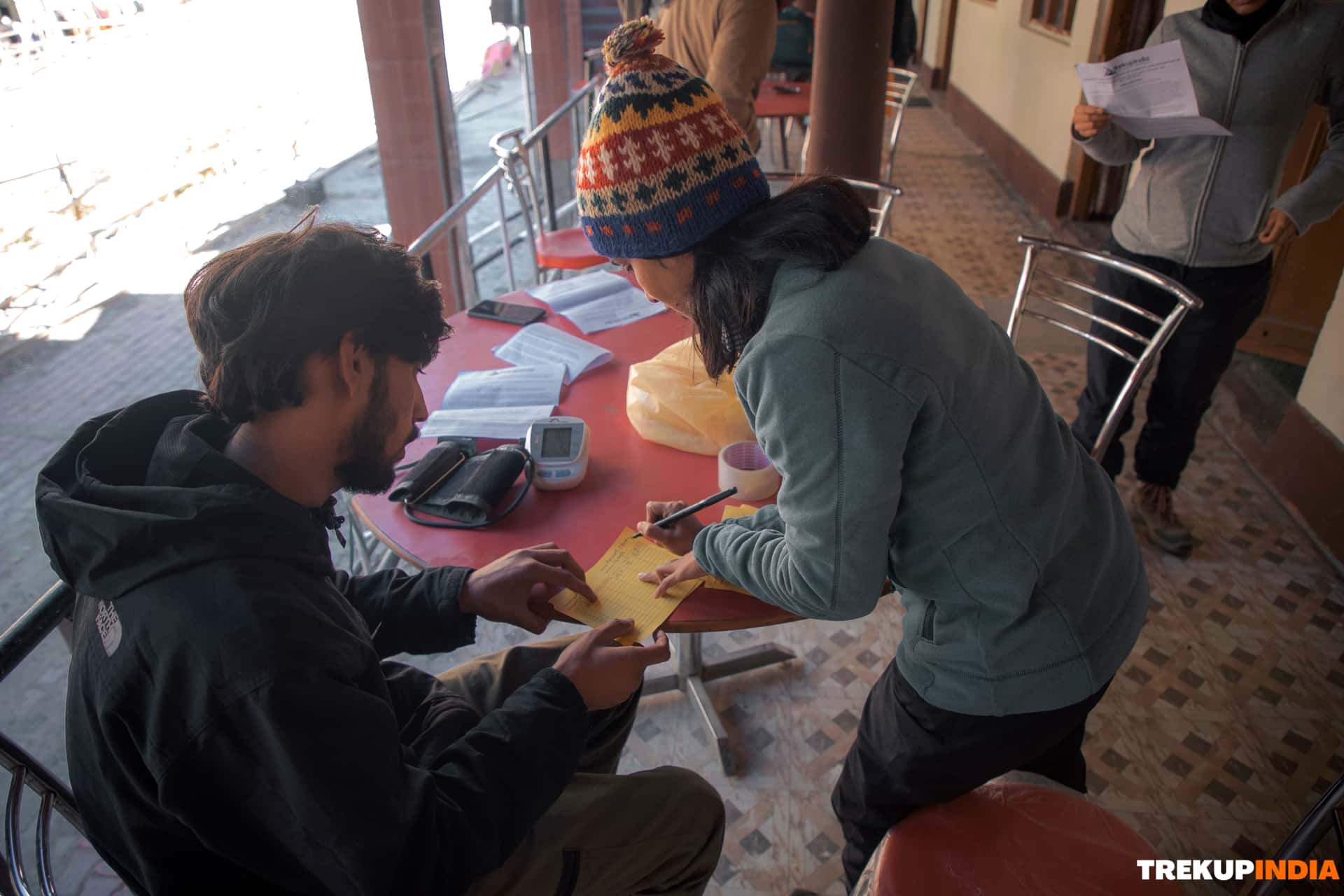
The Himalayas attract climbers and trekkers all over the world due to breathtaking scenery and high altitude difficulties. However, these very same altitudes can pose dangerous physical risks in the event that climbers climb too quickly, without giving their bodies the time to adjust.
In TrekUp India We have observed firsthand how inadequate adaptation can result in avoidable medical emergencies, forced evacuations and even abandoned expeditions. Conditions like An acute Mountain Sickness (AMS), High Altitude Pulmonary Edema (HAPE), and High Altitude Cerebral Edema (HACE) are not rare, but they are foreseeable results of an ascent that is rushed without proper rest and proper monitoring.
This guide will explain why acclimatization is crucial and how altitude sickness develops and the secure, tested strategies each trekker should use when trekking in the Himalayan Mountains.
Why Acclimatization Is Essential in the Himalayas
Above the 2,500 m at 2,500m, oxygen levels decrease dramatically, putting strain to the human body. Higher altitudes mean that your lungs are able to absorb less oxygen each breath and your body needs to gradually adjust by increasing the rate of breathing and heart rate as well as the production of red blood cells.
If the ascent rate is too fast the body is unable to compensate adequately, leading to ailments related to altitude.
Common Altitude Illnesses
Acute Mountain Sickness (AMS)
- Headache
- A loss of appetite or nausea
- Dizziness
- Sleeping disorders and fatigue
High Altitude Pulmonary Edema (HAPE)
- The lungs are a reservoir of fluids.
- Breathlessness that is severe even when in a relaxed state
- Chronic cough
- Chest tightness
High Altitude Cerebral Edema (HACE)
- The brain is swelling
- Changes in behaviour or confusion
- Lack of coordination
- A risk of coma or even death If not treated
The ascent of the rush is among the main factors of these ailments.
Smart Acclimatization Strategies for Safe Trekking
1. Follow the "Climb High, Sleep Low" Principle
During acclimatization days:
- Ascend to higher altitudes during the day.
- Return to a lower altitude to rest
This lets the body feel less oxygen, while recovering in a safe and secure manner at night.
2. Ascend Gradually
Above 3000m at this point, adhere to the following guidelines:
- Do not increase the altitude of your bed to more than 300-500 metres per night.
- Plan an acclimatization day following any significant elevation increase
- Make sure you spend at minimum 2 days at this altitude whenever possible.
Gradual ascent drastically reduces the risk of contracting AMS.
3. Stay Well Hydrated and Eat Properly
Altitude-related symptoms are exacerbated by dehydration.
Best practices:
- Drink 3-4 litres of drinking water each day
- Eat carbohydrate-rich meals for energy
- Avoid smoking or drinking alcohol as they reduce the efficiency of oxygen.
Nutritional support for acclimatization is crucial.
4. Recognise Early Warning Signs
Early detection can save lives.
Mild AMS:
- Headache, nausea, fatigue
- Action Take action: End ascent and hydrate and then rest.
Severe symptoms (HAPE/HACE):
- Intoxication, confusion, breathlessness and loss of balance
- Steps to take: Immediate descent and medical treatment
Do not ignore the symptoms or try to "push through."
5. Use Medication Responsibly
Acetazolamide (Diamox) may help in acclimatizing some trekkers, but
- It is best to only use it in conjunction with medical supervision
- The method is not an alternative for a steady ascent.
- Avoid sleeping pills since they may cause an increase in breathing.
Medication supports--but never replaces--safe trekking practices.
Why Rushing Is Dangerous: Real-World Consequences
People who don't acclimatize to the terrain frequently encounter:
- Evacuation procedures in emergency (including expensive helicopter rescues)
- Permanent lung or brain damage
- Failure of an expedition caused by forced descent
For instance, high altitude treks like Roopkund have been known to produce many AMS cases. Many of them could have been avoided with appropriate acclimatization, pacing and training.
Conclusion
The trek in the Himalayas is not a race, it is an gradual acclimatization to the altitude. Be aware of your body's limitations and scheduling acclimatization days and being able to recognize symptoms greatly improves your safety and enjoyment.
Here at TrekUp India, we consistently observe that those who slow down do not just ensure their health, but also feel the mountains with more depth. The Himalayas will always be present, but your body won't allow for speed at altitude.
Be patient. Relax deeply. Let the mountains come to life in a step-by-step fashion.
About the Author: Trekking Expertise You Can Trust
Admin
Anoop has worked for 5 years as a Trek Leader with TrekUpIndia, leading numerous treks across the diverse and challenging terrains of Uttarakhand and Himachal Pradesh. He holds a degree in Geology with a specialization in Geographic Information Systems (GIS) from UPES Dehradun. During his academic years, he actively applied his classroom knowledge in the field—most notably by contributing to a glacier research project on the Jundar Glacier in the Har Ki Dun Valley, Uttarakhand. And now, Anoop is a trekking content writer with TrekUp India, specialising in seasonal Himalayan trekking guides, winter safety content, and trek planning resources. His work is informed by field research, trek leader inputs, and real trail conditions across Uttarakhand, Himachal Pradesh, Ladakh, and Kashmir.