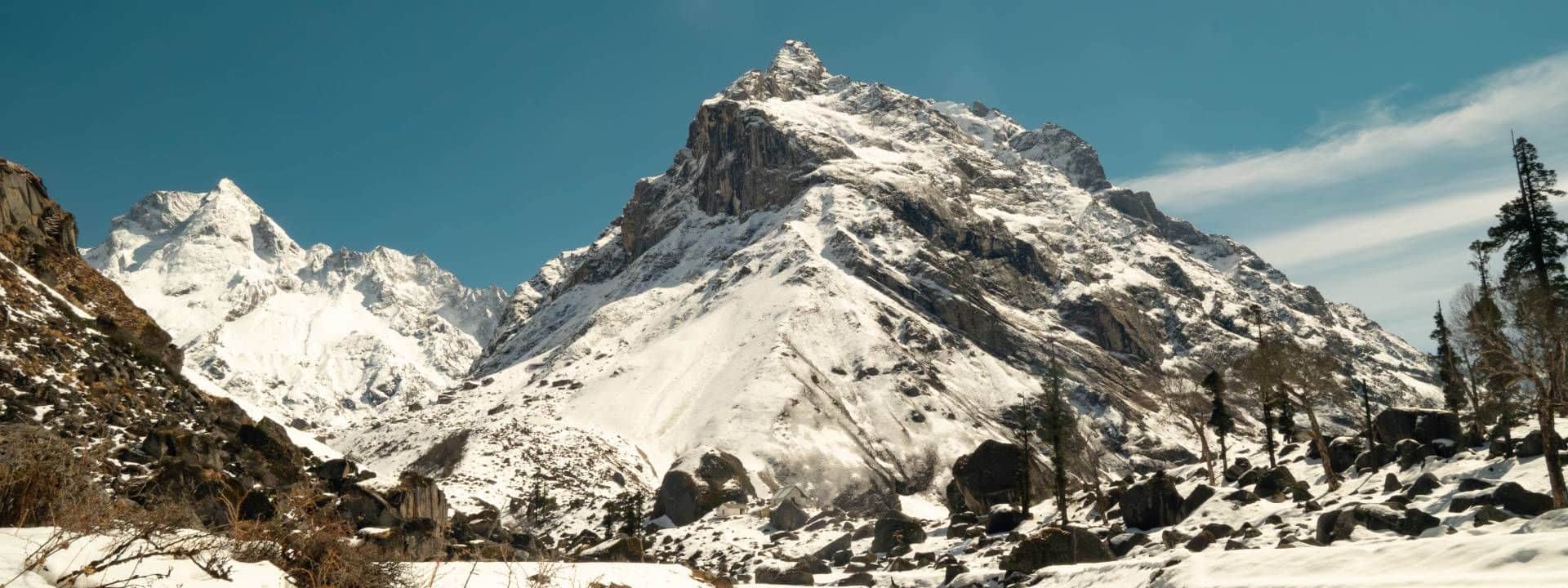

Mountain trekking is equally a mental test in the same way as physically demanding. Languish ascents in the Himalayas as well as slippery monsoon tracks through the Western Ghats, biting cold close to summits, and the loss of oxygen levels at high altitudes can be a test for a hiker's determination. Muscles can hurt, breath could be sluggish and worries can sneak into the trail becomes more difficult.
We at our TrekUp India We've witnessed time and time again that, while fitness is what gets trekkers going, physical strength and mental stamina is the thing that keeps them up and running. Contrary to equipment that can be packed away or upgraded, mental strength is built through preparation by focusing, awareness, and regular practice both prior to and during the trek.
Following strategies provide methods of mental resilience that have been tested in the field and utilized by more experienced trekkers and trek leader to navigate difficult terrains safely and with confidence.
Mental Toughness Tips for Taking on the Most Expensive Treks
1. Reduce the Trek into manageable, small goals
Concentrating on the whole distance, which could be 15 km or more, can quickly become overwhelming. Instead, focus on the specifics.
- Try to find the next bend or ridge or resting point
- Steps to count (e.g., "just 50 more steps")
- Keep your eyes on the next landmark that is visible
Every little achievement builds momentum and increases confidence, making the entire experience feel more manageable.
2. Take control of your breathing to calm your Mind.
Physical exhaustion can lead to rapid, shallow breathing which then causes anxiety and negative thoughts.
- Breathe slowly through the nose
- Take a deep breath and exhale through your mouth.
- Keep a steady breathing pattern
A controlled breathing pattern can slow down heart rate, boosts oxygen consumption, and aids in to keep your mind off of stressful stretching.
3. Make Positive Self-Talk a part of your daily routine
In times of stress it is common for the mind to amplify the discomfort. Removing negative thoughts by using positive self-talk can dramatically alter perception.
Examples:
- "I am more powerful in this area."
- "This discomfort is only temporary."
- "Every step is a sign of progress."
While it may seem unnatural at first, positive affirmation is a great way to keep you focused and motivated as fatigue begins to set in.
4. Imagine your "Next Camp"
Mental imagery is an effective tool.
Imagine yourself:
- Remove your boots
- Tea drinking hot
- Relaxing in a comfortable camp setting with views of the mountains
Reward and rest makes difficult terrain feel more purposeful and helps you remember that hard work leads to relaxation and success.
5. Get the strength of Group Energy
When trekking with other people, the collaboration becomes a shared goal.
- Talk, joke or sing to lift the mood
- Encourage fellow trekkers
- Accept the encouragement offered when it is it is offered
A group effort can often propel people through areas they would be unable to finish on their own.
6. Be able to accept discomfort instead of fighting It
Aversion to discomfort is often a source of the pain. Recognizing that cold, fatigue and strain are all an element of trekking can help reduce mental tension.
Instead of thinking "This should not occur," remind yourself:
- "This is a part of your journey."
- "Discomfort does not mean danger."
Acceptance transforms hardship into an important part to the overall experience.
7. Keep Focused and in the Present
Doing nothing but dwell on the past or pondering the future's problems drains your mental energy. Instead, focus on the present instead.
- Take note of your breath
- Be aware of your steps
- Enjoy the surroundings
Focusing on mindfulness diverts attention away from fatigue and shifts difficult upwards into moments of mindfulness and tranquility.
Conclusion
Mental toughness is not about absconding with difficulties, it's about accepting the challenges and overcoming these. Each steep ascent, icy wind or exhausting stretch is an chance to increase resilience, confidence and self-confidence.
Set smaller goals, managing breathing, practicing positive self-talk, imagining your success, gaining the strength of others, embracing the discomfort and remaining in the moment, trekkers can transform obstacles into achievements.
We at TrekUp India, we have repeatedly observed that it's usually the mind, not the legs, that determines whether a hiker can reach the final destination. When you finally take a look back at the end of your trek these moments of uncertainty and adversity often turn into the most memorable and powerful aspects of the trek.
About the Author: Trekking Expertise You Can Trust

Operations Manager
Nanda Rawat holds a Master’s degree in Tourism & Hospitality and brings over 16 years of experience in adventure and leisure travel. He has led multiple Himalayan expeditions, contributed to ATOAI, and is trained in first aid by the Indian Mountaineering Foundation. A strong supporter of sustainable and ethical tourism, he plays a key role at Trekup India. Write to him at: nanda@trekupindia.com