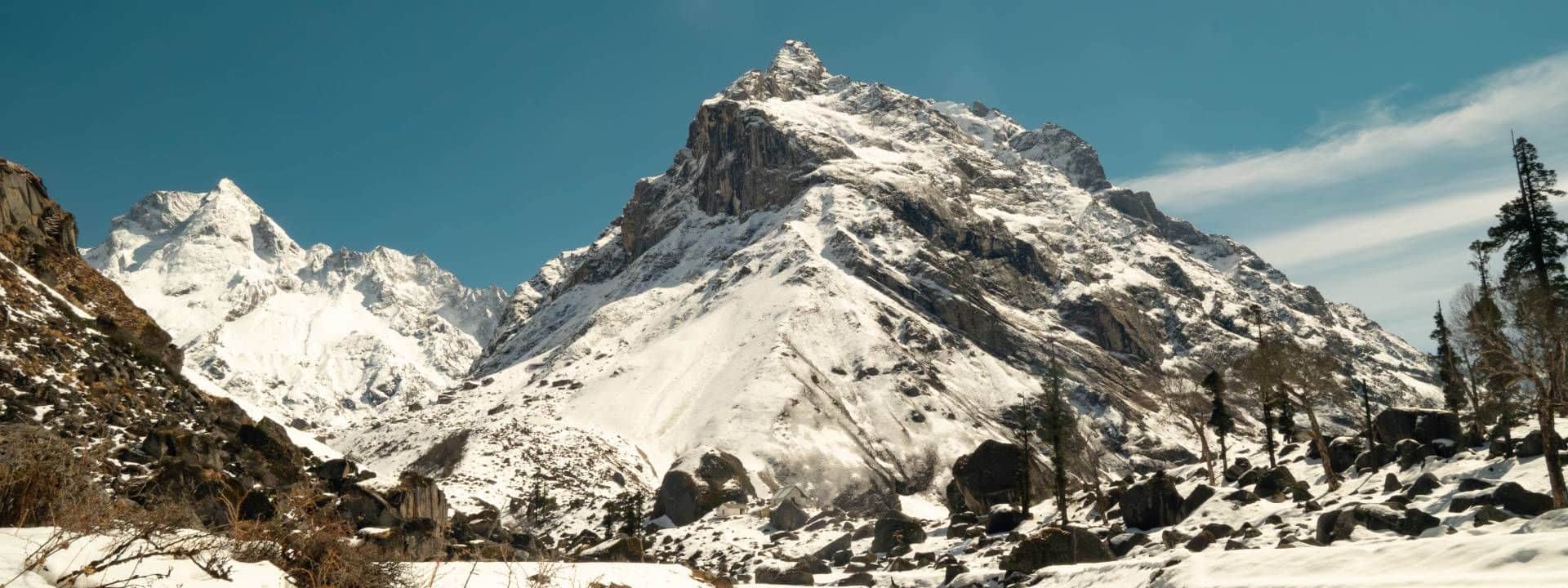
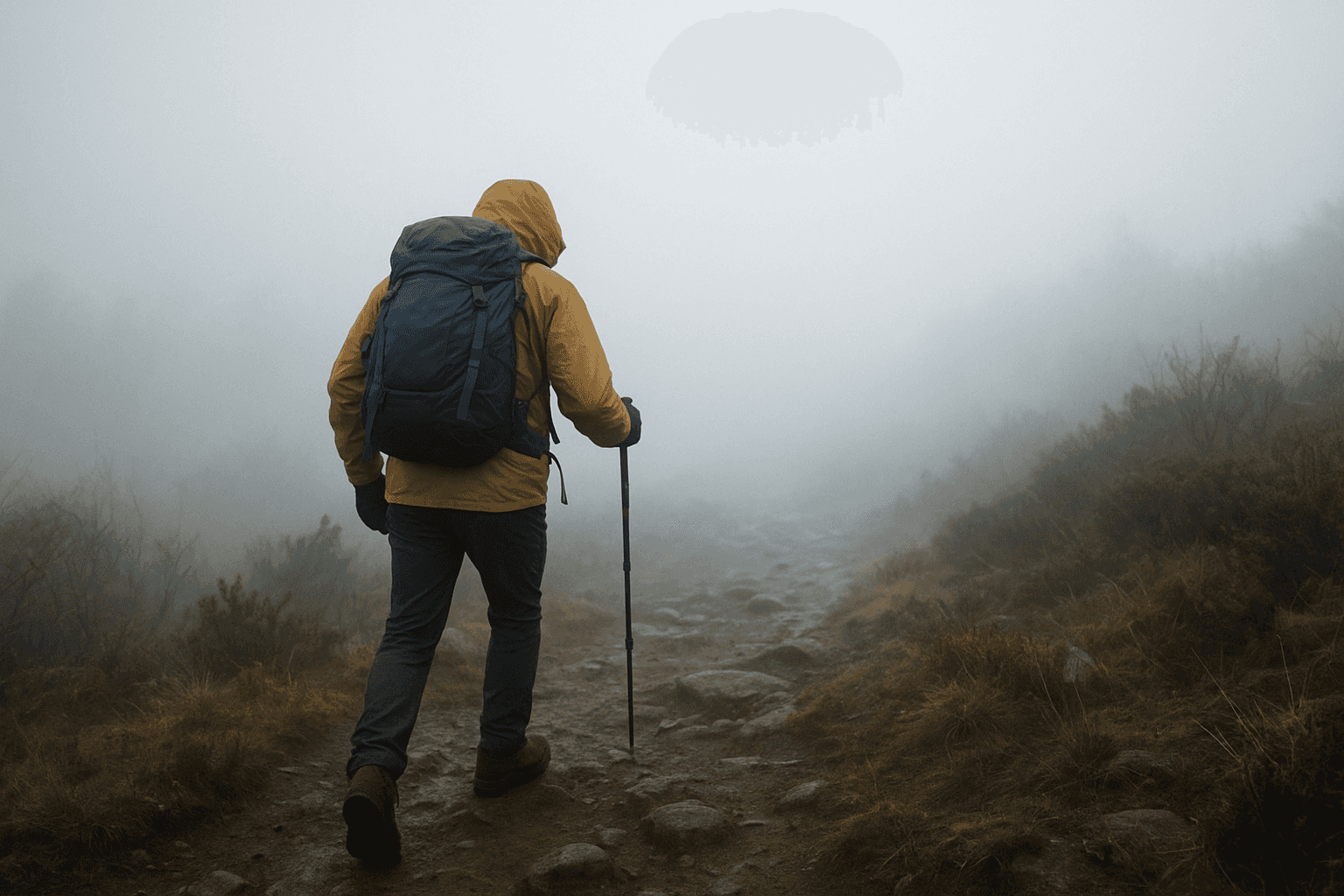
The India's trekking regions -- from to the Himalayan highlands to dense forests of Western Ghats - frequently experience fog, particularly in the early mornings, monsoon seasons and seasonal transitions. Although fog can provide an eerie and mysterious atmosphere to the trail but it can also drastically decreases visibility and increases the risk of navigation errors, and increases the chance of detours, slips, and accidents.
The team at TrekUp India Fog safety at TrekUp India is viewed as an important operational issue. Based on years of experience with trails that are prone to fog This guide will show how hikers can deal with low visibility conditions using calm decision-making using the correct tools, as well as well-controlled movements.
Why Fog Is a Serious Risk on Indian Treks
- The visibility can fall to less than 10 metres.
- Trail markers are difficult to find in alpine areas and dense forest
- The condensation and wet ground can increase the risk of slips
- GPS accuracy may degrade in deep valleys
- Disorientation can happen even when you're on well-known trails
Fog requires slowing pace, greater awareness, and organized teamwork.
1. Plan Trek Timing Strategically
The most common form of fog is:
- Early mornings
- Late evenings
- In monsoon, or during seasonal shifts
Best practices:
- Be sure to start late on days of heavy fog and then wait for the sun to lift the low clouds
- Plan shorter walking hours during fog-prone mornings
- On Himalayan treks the fog usually is cleared by mid-morning. This window can be used for challenging sections
Do not rush into low visibility.
2. Stay Strictly on Marked Trails
The fog obscures well-defined routes.
- Be sure to follow the official trail markers like painted rocks, cairns or cairns. ribbons, flags or flags
- Be sure to not cut corners or design alternative routes
- If you're not sure, stop immediately and take a second look
Being blinded in fog is among the most common reasons for hikers losing their way.
3. Use Reliable Navigation Tools
Technology can be beneficial, but only if it is properly planned.
The recommended tools are:
- Offline GPS applications (route download in advance)
- Compass and physical map as backup
- Distance and altitude tracking to determine the speed of progress
Make sure you enable "breadcrumb" tracking to ensure that you can trace steps even if your visibility decreases.
4. Dress for Cold, Wet, and Damp Conditions
Fog can bring the elements of moisture and cold, even in summer.
Essential clothing items:
- Waterproof outer layer, or Poncho
- Layers of synthetic or merino wool (avoid cotton)
- Warm gloves and cap particularly at higher altitudes.
Keep your backpack dry by using a rain cover or umbrella to keep extra layers dry.
5. Slow Down and Trek as a Cohesive Group
The speed of a car is a risk in fog.
- Keep eye and/or verbal contact throughout the day.
- Designate an leader trekker as well as an sweeper
- Don't allow anyone to hurry ahead or get behind.
If visibility is low, stay at an level, safe location until the conditions improve.
6. Use Light and Sound for Group Awareness
If sight is impaired the sound is crucial.
- Make sure you have whistles to play and agree on the basic signals
- Always keep a torch or headlamp available, even during the daytime.
- Put reflective tape on jackets and backpacks
These measures can prevent separation.
7. Recognise and Respond to Disorientation Early
Fog can distort perception.
In the event of confusion:
- Stop immediately
- Find the last landmark that was confirmed or GPS location
- Check distance and altitude
- Retrace steps by using saved routes
In extreme situations in extreme circumstances, you should set up a temporary shelter, and sit rather than putting yourself in danger of moving.
8. Stay Alert to Terrain and Wildlife
The risk of terrain erosion increases when visibility is low.
- Be aware of the cliffs, ravines and scree slopes
- If you are in Western Ghats forests, watch for sudden crossings of wildlife
- Make use of trekking poles in order to measure the stability of your ground
Don't assume that you know the trail ahead is straight and clear.
Conclusion
Fog is a great way to add mystery to your trek, but it also requires perseverance, discipline and an increased sense of. The reduced visibility turns simple trails into complicated navigation challenges that should be handled with respect.
We at TrekUp India, we emphasise that fog isn't an issue to be feared, but rather something you need to be prepared for. If you plan it carefully, use the correct gear, reliable navigation and solid team coordination, hikers are able to travel safely in conditions of low visibility.
Be cool. Keep your head together. Be sure to let clarity, both mental and physical guide each step.
About the Author: Trekking Expertise You Can Trust

Operations Manager
Nanda Rawat holds a Master’s degree in Tourism & Hospitality and brings over 16 years of experience in adventure and leisure travel. He has led multiple Himalayan expeditions, contributed to ATOAI, and is trained in first aid by the Indian Mountaineering Foundation. A strong supporter of sustainable and ethical tourism, he plays a key role at Trekup India. Write to him at: nanda@trekupindia.com