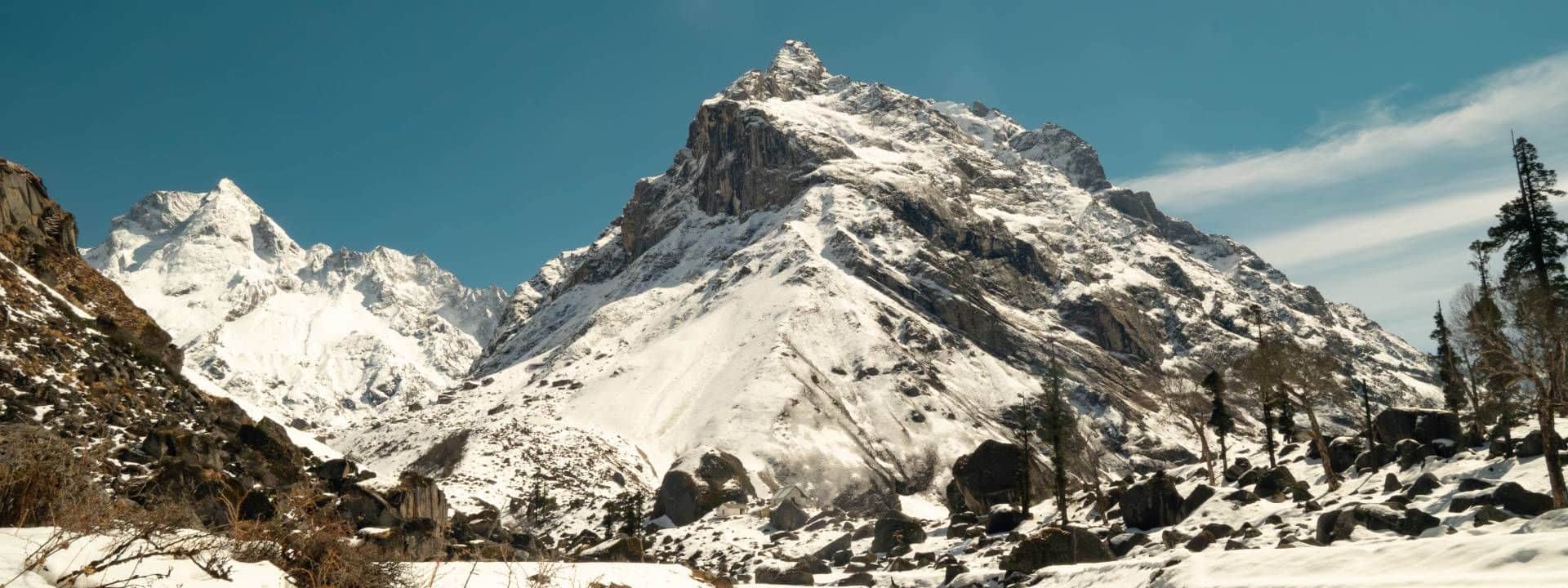
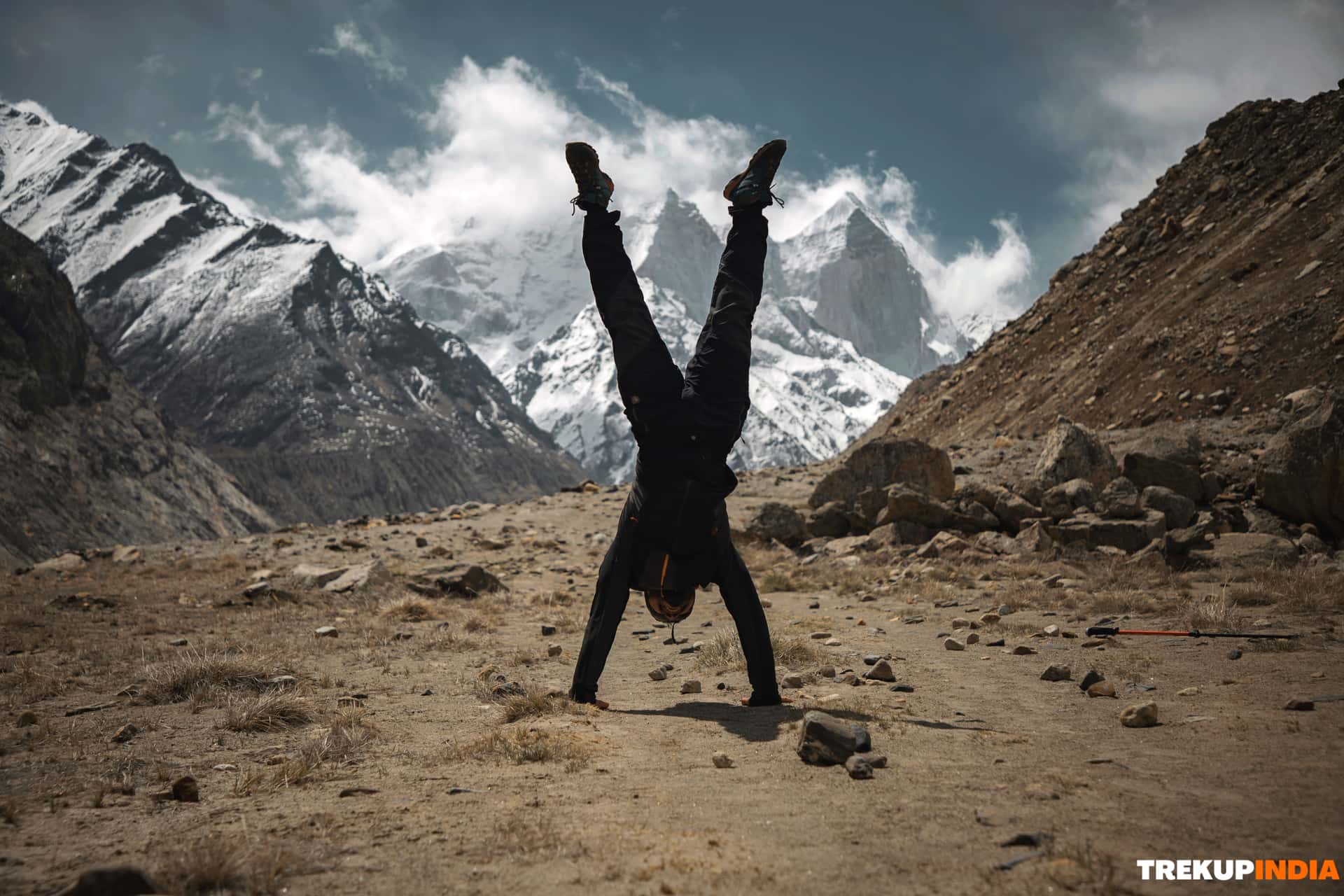
The mountains of India, from the rugged routes that wind through Zanskar as well as Himachal Pradesh to the snow-covered passes and a soaring ascent of Uttarakhand -- offer much more than just beautiful scenery. They offer physical, mental and psychological challenges that push hikers out of their areas of comfort. At altitudes higher than 2,000 feet it is difficult to find comfort the air gets thinner, the nights get colder, the climbs seem like they're never ending, and muscles hurt in unimaginable ways.
We at TrekUp India TrekUp India, we've always observed that it's the moments of pain, not ease that leave the most lasting impression on trekkers. When it is initially difficult or unsettling often becomes the most enjoyable aspect of the trek when you look back.
Why Discomfort Is an Essential Part of Trekking
Growth Begins Outside the Comfort Zone
It is the perfect opportunity to ditch everyday necessities like hot showers, soft beds high-speed connectivity, and instant food. When they aren't there, hikers build resilience, grit flexibility, adaptability, as well as mental clarity. The mountains require effort and presence In the process, they demonstrate strengths that are not often seen in everyday life.
Discomfort Sharpens Gratitude
After a tiring time on the trail simple things like a cup of hot tea at camp, sharing laughing in the cold shelter, and the warmth that comes from a sun-drenched day after a dark, cold night -- are profoundly significant. A difficult life can increase appreciation, and turns everyday pleasures into unforgettable rewards.
Shared Challenges Build Connection
The challenge of navigating challenging terrain, weather, and fatigue together can create bonds of friendship. The stress of being uncomfortable encourages teamwork, empathy and camaraderie, frequently turning strangers into long-lasting acquaintances through shared efforts and mutual help.
Common Sources of Discomfort on the Trail
- Physical stress: long walking sessions and weighty backpacks and muscles that are sore and breathing problems at altitude.
- Extreme weather conditions: Rapidly falling snow, sudden rain and strong winds. intense exposure to sunlight
- Facilities are limited: Basic toilets, no electricity, food items that are basic and limited resources
- Mental issues: Self-doubt, fatigue homesickness, self-doubt, or the desire to quit.
These discomforts aren't indications of failure. They are part to your trekking experience.
How to Confront Discomfort and Find Joy
Shift Your Mindset
Instead of seeing the discomfort as a hindrance take it as a part of the journey. Every difficult experience is the possibility of improvement, growth and self-discovery.
Acknowledge Small Wins
Make sure to celebrate progress, even if it's minor:
- The next bend is just around the corner.
- Achieving a difficult climb
- Making it through a cold, chilly morning
Small wins add up to the confidence, motivation and determination.
Plan Well, Stay Flexible
The preparation is crucial, however flexibility is equally crucial. The terrain is unpredictable and adjusting quickly to changes in the weather reduces stress and increases enjoyment.
Stay Present in the Experience
If fatigue is beginning to set into your body, immerse yourself in the present:
- Be aware of the snow crunch under your shoes.
- Relax and enjoy the aroma of pine trees
- See shifting light on distant the peaks
Mindfulness can transform exhaustion into awareness.
Lean on Your Team
Hearing stories from others or sharing experiences, as well as providing encouragement can boost morale. The mutual support can make difficult times easier and more important.
TrekUp India's Perspective
Through years of leading treks and treks, we've discovered that the most memorable memories aren't always from the easiest days. They're the result of muddy climbing, freezing camp and gruelling mornings when people doubted their abilities but persevered. These moments are often the most memorable of the trek and change the way people think about their own abilities.
Conclusion
Mountain discomfort is not a hindrance, but an opportunity to build a bridge. A bridge that leads to growth, gratitude and resilience. It is also a bridge to unforgettable memories. Every blister or cold night and the steep ascent is part of a personal narrative lasting far beyond the trek the trek itself.
When they embrace discomfort instead of refusing to accept it, hikers discover their strength that they never knew they had, and experience happiness in places that they would never have imagined. TrekUp India is a company that believes in the power of embracing discomfort. TrekUp India, we believe that the greatest reward from trekking is beyond the comfort zone. This is where challenges shape character and the experience is as important in the long run as its destination.
About the Author: Trekking Expertise You Can Trust

Operations Manager
Nanda Rawat holds a Master’s degree in Tourism & Hospitality and brings over 16 years of experience in adventure and leisure travel. He has led multiple Himalayan expeditions, contributed to ATOAI, and is trained in first aid by the Indian Mountaineering Foundation. A strong supporter of sustainable and ethical tourism, he plays a key role at Trekup India. Write to him at: nanda@trekupindia.com