
Prev
1 / 9
Next
 Trekking and Health
By Anoop Rawat|Jan 24, 2026
Sleeping at High Altitude: Why It’s Hard & Tips for Better Rest While TrekkingWhen discussing trekking through the Indian Himalayas, they typically talk about aching legs, breathlessness and cold nights. They also talk about altitude sickness. The thing that is often not mentioned, but is equally real how altitude affects your mind. Higher altitudes can cause trekkers may experience slower mental processing emotional sensitive, a bit nervous, or simply "not their own." On the TrekUp India we've observed the most experienced and skilled trekkers fight with their bodies, not simply because they were failing, but because their minds were unclear and uneasy, or even overwhelmed. Knowing the psychological effects of altitude is as important as training for physical strength. Being aware allows you to react with calmness, safeguard your health and continue trekking without fear and with confidence. At altitudes, decreased oxygen concentrations (hypoxia) impact brain function. You may notice: It could feel like your body is moving faster than your thoughts -- a bizarre and at times unsettling experience. Hunger, fatigue, cold and low oxygen levels can increase the intensity of emotions. Even minor inconveniences can be incredibly irritating. People who tend to be patient might feel irritable, or withdrawing. This is not uncommon and usually temporary. Insularity, vast landscapes the silence and physical discomfort may trigger anxiety, especially for new hikers at high altitude. Think about: These sentiments are more prevalent than many people acknowledge. Sleep can be more sluggish and more fragmented when you are at an altitude. A lack of sleep can trigger: Feeling drained upon waking up regardless of "sleeping," is a well-known altitude effect. Acclimatization through gradual acclimatization isn't just good for lung function, but also for mental clarity. Relaxation days and controlled elevation gain can aid in adjusting your brain. The stress of racing increases the chance from AM and mental stress. Small rituals can provide stability in unsettling environments: Routine provides the mind with something familiar to keep. The brain is powered by glucose and the body needs to hydrate. A lack of eating can lead to mood fluctuations and anxiety. The slow, controlled breathing helps reduce anxiety and mental stress. Simple techniques: TrekUp India guides often introduce the basics of breathing on hard days - for a reason. If you are feeling anxious or irritable, or just mentally "off," speak up. They are trained by guides to spot the first signs of fatigue in your mind. The act of sharing how you feel frequently will relieve you immediately and stops the escalation. The entire route may be overwhelming. Instead, concentrate on: Thinking step-by-step keeps the mind focused and calm. Natural light helps regulate mood. Have a walk outdoors during breaks, and especially in the early morning. The sun's rays help to reset your internal clock and improve your mood. When there is a signal, stay clear of excessive use of phones. The constant stream of news or on social media can create anxiety. Disconnecting can help improve mental peace and concentration. When mental confusion, disorientation hallucinations, mental confusion, or other unusual behavior occur in conjunction with physical symptoms like: They could be a sign of the presence of High Altitude Cerebral Edema (HACE). This is a situation that requires an immediate descend and evacuation of medical personnel. TrekUp India teams are trained to respond in emergency situations and carry oxygen and communication equipment for these situations. High-altitude trekking is more challenging than just muscles. It challenges your mental and emotional ability to focus, and inner strength. If you feel a bit agitated, confused or emotional sensitive in the high altitudes is not suggest you're insecure or unprepared. It's a sign that your body or mind are adjusting to a harsh setting. In TrekUp India, we believe that mental health is equally important as physical fitness. Acclimatizing slowly by eating and hydrating properly and establishing routines that are simple keeping in touch to your group and requesting help early, trekkers are able to stay at ease, focused and optimistic, even on the most difficult days. The true test of endurance in the mountains doesn't have to be about running through in blindness.It's about paying attention to your breath, your body as well as your mind, and then reacting by being aware. Trekking and Health
By Nanda Rawat|Jan 24, 2026
Mental Effects of High Altitude: Staying Focused and Positive While TrekkingWhen discussing trekking through the Indian Himalayas, they typically talk about aching legs, breathlessness and cold nights. They also talk about altitude sickness. The thing that is often not mentioned, but is equally real how altitude affects your mind. Higher altitudes can cause trekkers may experience slower mental processing emotional sensitive, a bit nervous, or simply "not their own." On the TrekUp India we've observed the most experienced and skilled trekkers fight with their bodies, not simply because they were failing, but because their minds were unclear and uneasy, or even overwhelmed. Knowing the psychological effects of altitude is as important as training for physical strength. Being aware allows you to react with calmness, safeguard your health and continue trekking without fear and with confidence. At altitudes, decreased oxygen concentrations (hypoxia) impact brain function. You may notice: It could feel like your body is moving faster than your thoughts -- a bizarre and at times unsettling experience. Hunger, fatigue, cold and low oxygen levels can increase the intensity of emotions. Even minor inconveniences can be incredibly irritating. People who tend to be patient might feel irritable, or withdrawing. This is not uncommon and usually temporary. Insularity, vast landscapes the silence and physical discomfort may trigger anxiety, especially for new hikers at high altitude. Think about: These sentiments are more prevalent than many people acknowledge. Sleep can be more sluggish and more fragmented when you are at an altitude. A lack of sleep can trigger: Feeling drained upon waking up regardless of "sleeping," is a well-known altitude effect. Acclimatization through gradual acclimatization isn't just good for lung function, but also for mental clarity. Relaxation days and controlled elevation gain can aid in adjusting your brain. The stress of racing increases the chance from AM and mental stress. Small rituals can provide stability in unsettling environments: Routine provides the mind with something familiar to keep. The brain is powered by glucose and the body needs to hydrate. A lack of eating can lead to mood fluctuations and anxiety. The slow, controlled breathing helps reduce anxiety and mental stress. Simple techniques: TrekUp India guides often introduce the basics of breathing on hard days - for a reason. If you are feeling anxious or irritable, or just mentally "off," speak up. They are trained by guides to spot the first signs of fatigue in your mind. The act of sharing how you feel frequently will relieve you immediately and stops the escalation. The entire route may be overwhelming. Instead, concentrate on: Thinking step-by-step keeps the mind focused and calm. Natural light helps regulate mood. Have a walk outdoors during breaks, and especially in the early morning. The sun's rays help to reset your internal clock and improve your mood. When there is a signal, stay clear of excessive use of phones. The constant stream of news or on social media can create anxiety. Disconnecting can help improve mental peace and concentration. When mental confusion, disorientation hallucinations, mental confusion, or other unusual behavior occur in conjunction with physical symptoms like: They could be a sign of the presence of High Altitude Cerebral Edema (HACE). This is a situation that requires an immediate descend and evacuation of medical personnel. TrekUp India teams are trained to respond in emergency situations and carry oxygen and communication equipment for these situations. High-altitude trekking is more challenging than just muscles. It challenges your mental and emotional ability to focus, and inner strength. If you feel a bit agitated, confused or emotional sensitive in the high altitudes is not suggest you're insecure or unprepared. It's a sign that your body or mind are adjusting to a harsh setting. In TrekUp India, we believe that mental health is equally important as physical fitness. Acclimatizing slowly by eating and hydrating properly and establishing routines that are simple keeping in touch to your group and requesting help early, trekkers are able to stay at ease, focused and optimistic, even on the most difficult days. The true test of endurance in the mountains doesn't have to be about running through in blindness.It's about paying attention to your breath, your body as well as your mind, and then reacting by being aware. Trekking and Health
By Nanda Rawat|Jan 24, 2026
Meal Planning for Multi-Day Treks: Balancing Nutrition and Pack WeightIf you're planning to take a multi-day trek through the Indian Himalayas, whether on Kashmir's rugged routes and Himachal's high mountain passes or Sikkim's forested trails, food quickly turns into more than just an item on your list. It's your fuel source, motivational booster as well as a tool for recovery that you can pack into your backpack. In the TrekUp India we've seen trekkers carrying plenty of food "just to be safe," only to struggle with their heavy backpacks. There have been trekkers who under-pack or select the wrong type of food that causes fatigue, a slow recovery, stomach problems, and a poor performances when on trail. A good meal plan is about making sure you have the right balance between weight, nutrition and the ease of cooking--so every kilogram you carry can help to improve your walking. At high altitudes the body is working harder even when you're at rest. Oxygen levels are lower, digestion slows, and calorie burn increases--especially during long climbs. Planned meals can will help you: A warm and familiar food at camp may inspire more than any other view. Each item in your backpack has to earn its spot. Select foods that have lots of calories per grams to ensure you have maximum energy while not carrying too much weight. This makes your pack less bulky and your body hydrated, particularly during long ascents. Carbs are the body's most efficient energy source in high altitudes. Excellent options: Protein is a repair for muscles worn out from long descents and ascents. Excellent options: Fats can help keep warm and provide long-lasting energy. The best options are: Dry food items are lighter, however dry foods are heavier, but depend on the availability of water. Electrolytes prevent cramps, fatigue, and dehydration--especially on hot or high-effort days. At altitude: Pick meals that Simple food = consistent eating = better energy. Pack meals day-wise in ziplock bags.This: Get rid of wrappers that are not needed and use the pouches that can be reused. There is less waste and less weight. Baked or roasted items, such as parathas, reduce the need for fuel, time and energy at camp. Chapatis, eggs, or simple meals that are served in villages provide flavor and nutrition to the local cuisine, if the hygiene allows. At altitude, digestion is slower--simple food works best. When you are on long Himalayan treks the food you eat is not only about calories. It: Every bite should have some reason. TrekUp India TrekUp India, we believe that food during the trek should be more than just satisfy your appetite. It should aid your body, raise your spirits, and assist to keep you moving as the terrain challenges your endurance. If you plan meals in advance and balancing weight with nutrition and selecting food items which are easy to cook and digest, walkers can be more fit more quickly, recover quicker and enjoy their journey more completely. Before you embark on your next trek examine your food items the similar way you do your equipment:If it isn't helping you to move better recuperate faster, feel more energized, it shouldn't be in your bag.Trekking and HealthBy Nanda Rawat|Jan 24, 2026
Descending for Altitude Sickness: The Most Proven High-Altitude RemedyThe trek in the Indian Himalayas - whether it's across the vast tranquil valleys in Ladakh or along the forested, rocky slopes of Uttarakhand--offer amazing benefits. However, altitude comes with risks which should not be brushed aside. One of them is altitude sickness is the most significant and feared risk. TrekUp India the TrekUp India we adhere to the unbreakable mountain rule which is followed by guides all over the globe: "When in doubt, descend." Hydration, medications and rest all play supporting roles, but it is the only most efficient and fastest treatment for any altitude-related disease that includes Acute Mountain Sickness (AMS), High Altitude Pulmonary Edema (HAPE), and High Altitude Cerebral Edema (HACE). The condition is caused by the body's ability to adapt enough to the lower oxygen levels at higher altitudes. The symptoms usually begin above the 2,500 m (8,200 feet), though individual tolerance to altitude varies. The severity of altitude-related illness varies across the spectrum of mild discomfort up to life-threatening situations. Early warning signs can be invisible and easy to miss: These signs are your body's early warning system Not something you need to "push across". Severe altitude illness can escalate rapidly. HAPE (Lungs): HACE (Brain): These situations can be immediate risky and require immediate evacuation. The reason for altitude sickness is low levels in oxygen. The higher you climb the more thin the air, and the more difficult your body has to be able to handle. Descending: There is no medication that works faster or more consistently than getting lower. When the symptoms are identified at an early stage, the symptoms are emitted to: 300-500 meters (1,000-1,600 feet)can produce an immediate improvement in the space of a few hours.. If you wait too long, it can transform something manageable into an evacuation emergency. Our trek leaders adhere to a strict set of unalterable guidelines: If symptoms of AMS persist even after the hydration and rest for a few hours the symptoms are taken very seriously. A person who is suffering from AMS is not allowed to climb further altitude. The only option is to hold altitude, or descend. option that is safe. Any indication of HAPE or HACE will trigger an immediate drop without discussion, and no delays. Oxygen supplementation, Diamox (acetazolamide) as well as Dexamethasone can be utilized only under the supervision of a professional. Medication supports descent--it never replaces it. A trekker who is sick is always supported by a professional guide or a team member. A solo descent is risky and unacceptable. While descent saves lives, prevention reduces risk: Many trekkers are reluctant to descend due to: In TrekUp India, we've seen rapid descents that save lives--sometimes in just a few minutes. It's not worth it. summit view, view or trip should be risked for an injury that could last forever or even death. Mountains will always be around. Your health might not be. The illness of altitude does not require courage, it requires the wisdom and humour. While rest, hydration and medications can help, descent remains the fastest, most secure and most reliable treatment for altitude sickness. We at TrekUp India, we emphasise this in a clear manner:If symptoms occur, act early, immediately descend, and notify your trek leader promptly. A step down isn't a failure, it's an excellent mountain judgment. In the Himalayas Survival is the key to survival before the summits. Always. Trekking and Health
By Nanda Rawat|Jan 22, 2026
Rain Trek Adjustments: Safety Tips for Sudden Downpours While TrekkingIf you trek for long enough in India, whether within the Himalayas, or in the Western Ghats, you will eventually traverse under blue skies that will turn gray without warning. In one moment, you're enjoying the steady beat on the trail then the next, you begin to feel the first cold drops on your shoulders. In the mountains, rain seldom requires permission. In trekUp India we've watched this play out numerous times. The trekkers who deal with rain the best aren't necessarily those who wear the most luxurious equipment, but the ones who respond calmly, adapt quickly, and continue to move efficiently. A sudden downpour doesn't need to ruin your trek if you're prepared. This is a practical, tried-and-true guide to handle unexpected rain in a safe and comfortable manner. The most frequent mistake made by trekkers is putting rain gear too deep in the backpack. When you get to the end of your hike to unpack and look for it, you're already soaked. Human Truth:That 30-second delay is often the deciding factor in whether your day is damp or totally miserable. When rain starts to fall be sure to protect your backpack. Even light rain can seep in quickly. Extra safety tip:Line the interior the backpack using either a dry or garbage bag. This is a great way to save the sleeping bag, extra clothing, and electronic devices when rain makes its way into. Wet trails can change everything under your feet. On certain Western Ghats monsoon treks, experienced trek leaders may even recommend open trekking sandals with good grip for stream crossings--counter-intuitive, but far safer than waterlogged boots. Rain is a method to locate electronic gadgets. Store them items in sealed ziplock bags, dry pouches: Many experienced trekkers add silica gel bags inside electronic pouches that help absorb moisture. A small thing, huge reward. A combination of wind, rain and altitude can cause body temperature to drop rapidly, even in summer. Layer carefully: In TrekUp India, we insist on a single principal:Always have at minimum a completely dry set of clothing that is sealed and unworn regardless of the time of year. Regular trails are transformed by rain into slippery zones. The majority of rain-related injuries don't occur due to extreme weather conditions, they occur when trekkers attempt to keep their normal pace. Sometimes the rain pours down fast enough that advancing isn't a good idea. If you're caught in a severe downpour: Afraid of rainy days is typically the best choice that isn't a failure. After the rain has stopped: Rain alters the trail. Consider it as a new section, not as a continuation of the previous. Rain during an trek can test your patience in preparation, mental strength, and even the mind. But it also shows that the mountain in completely different way. Mist sweeping through the pine forests, waterfalls appearing to be alive and the gentle hum of rain falling on leaves are all experiences that you won't easily forget. At TrekUp India We are of the belief that rain shouldn't diminish your enthusiasm, but increase your awareness. By making calm adjustments, sensible gear selection, and a keen eye for the unpredictable conditions, trekking in sudden rain can be not only feasible, but also deeply memorable. The mountains are where adaption is the key to survival. It's often the place where the most memorable stories start.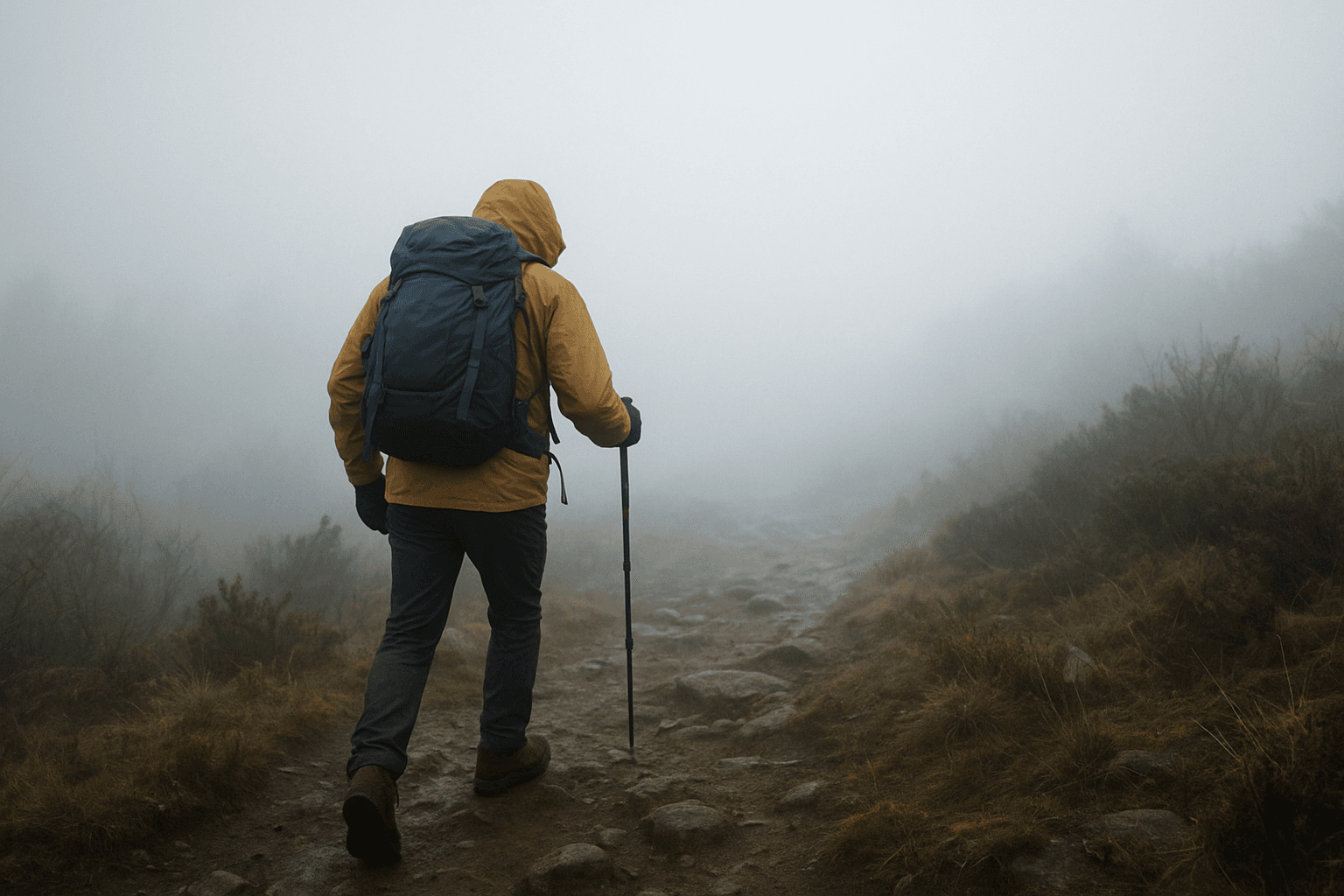 Trekking and Health
By Nanda Rawat|Jan 22, 2026
Trekking During Fog: Essential Safety Tips for Low Visibility TrailsThe India's trekking regions -- from to the Himalayan highlands to dense forests of Western Ghats - frequently experience fog, particularly in the early mornings, monsoon seasons and seasonal transitions. Although fog can provide an eerie and mysterious atmosphere to the trail but it can also drastically decreases visibility and increases the risk of navigation errors, and increases the chance of detours, slips, and accidents. The team at TrekUp India Fog safety at TrekUp India is viewed as an important operational issue. Based on years of experience with trails that are prone to fog This guide will show how hikers can deal with low visibility conditions using calm decision-making using the correct tools, as well as well-controlled movements. Fog requires slowing pace, greater awareness, and organized teamwork. The most common form of fog is: Best practices: Do not rush into low visibility. The fog obscures well-defined routes. Being blinded in fog is among the most common reasons for hikers losing their way. Technology can be beneficial, but only if it is properly planned. The recommended tools are: Make sure you enable "breadcrumb" tracking to ensure that you can trace steps even if your visibility decreases. Fog can bring the elements of moisture and cold, even in summer. Essential clothing items: Keep your backpack dry by using a rain cover or umbrella to keep extra layers dry. The speed of a car is a risk in fog. If visibility is low, stay at an level, safe location until the conditions improve. If sight is impaired the sound is crucial. These measures can prevent separation. Fog can distort perception. In the event of confusion: In extreme situations in extreme circumstances, you should set up a temporary shelter, and sit rather than putting yourself in danger of moving. The risk of terrain erosion increases when visibility is low. Don't assume that you know the trail ahead is straight and clear. Fog is a great way to add mystery to your trek, but it also requires perseverance, discipline and an increased sense of. The reduced visibility turns simple trails into complicated navigation challenges that should be handled with respect. We at TrekUp India, we emphasise that fog isn't an issue to be feared, but rather something you need to be prepared for. If you plan it carefully, use the correct gear, reliable navigation and solid team coordination, hikers are able to travel safely in conditions of low visibility. Be cool. Keep your head together. Be sure to let clarity, both mental and physical guide each step.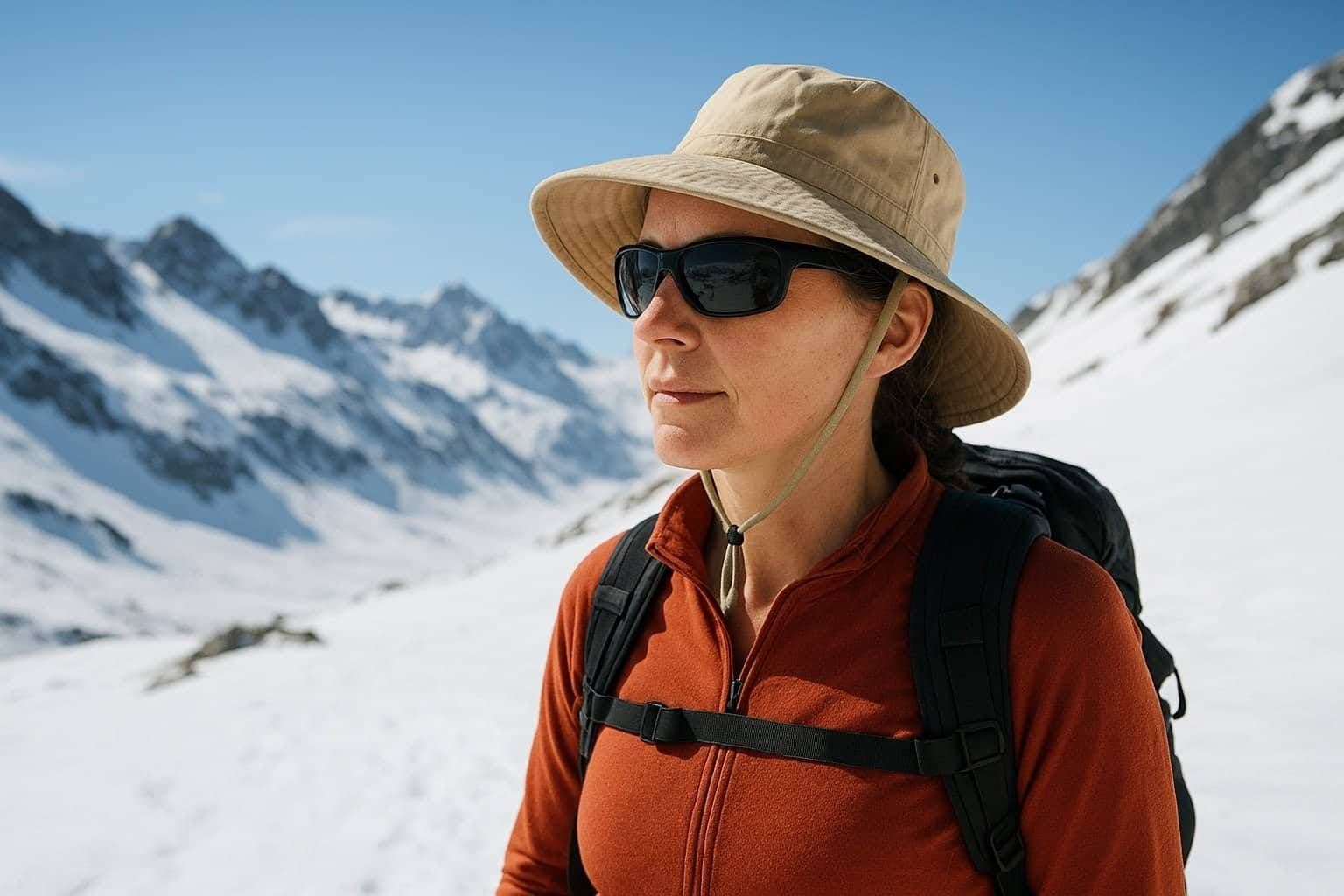 Trekking and Health
By Nanda Rawat|Jan 22, 2026
Sun Protection at High Altitude: Essential UV Safety Tips for TrekkersBeing at a high altitude can expose you to more than the thin air and cold winds. The sun itself is a major danger. In the Himalayas extreme UV (UV) radiation could cause intense sunburn, dehydration, as well as blindness to snow even on cloudy or cool days. We at trekUp India We frequently witness trekkers ignoring the sun's exposure because temperatures are low. This is among the most frequently made mistakes at high altitudes. Sun protection isn't only an option but an vital safety requirement in any over-the-top trek. Higher elevations mean that the air is less dense and able to filter out ultraviolet radiation. The exposure to UV radiation increases by around 10-12 percent for every 1,000 meters increased in altitude, significantly increasing the chance of eye and skin injuries. Snow is able to absorb up to 80percent of UV rays and expose trekkers from the above as well as below. This greatly increases the chance of: Cold weather can hide early signs of sunburn which causes trekkers to notice the harm only after a severe injuries have already taken place. Do not overlook areas of vulnerability: Your clothing is the best protection against sun damage. Wearing appropriate clothing can reduce the need for regular application of sunscreen. Lips can be burned easily when altitude is high. Lips that are sunburned or cracked can be uncomfortable and painful. They can also become infected. It is a short-lived but extremely painful eye problem caused by UV reflections from snow. Don't trek through snow without protection for your eyes, even for shorter distances. Eye fatigue can be caused by constant squinting. A scarf or buff may assist in blocking reflected light from below, while enhancing the comfort. Sun protection in high altitude is not about comfort but about making sure that serious injuries are not caused. The thin air, reflective snow and cool temperatures cause dangers from UV exposure that could damage eyes, skin and general health. Utilizing high-SPF sunblock with UV-protective clothing, top quality sunglasses, and a smart schedule Trekkers can stay safe while enjoying the mountains. TrekUp India TrekUp India, we believe that preparation is the key to safe trekking. Make sure you are protected from sun's rays so that you can concentrate on what really matters: the experience along with the view and the overall experience that the Himalayan Mountains offer.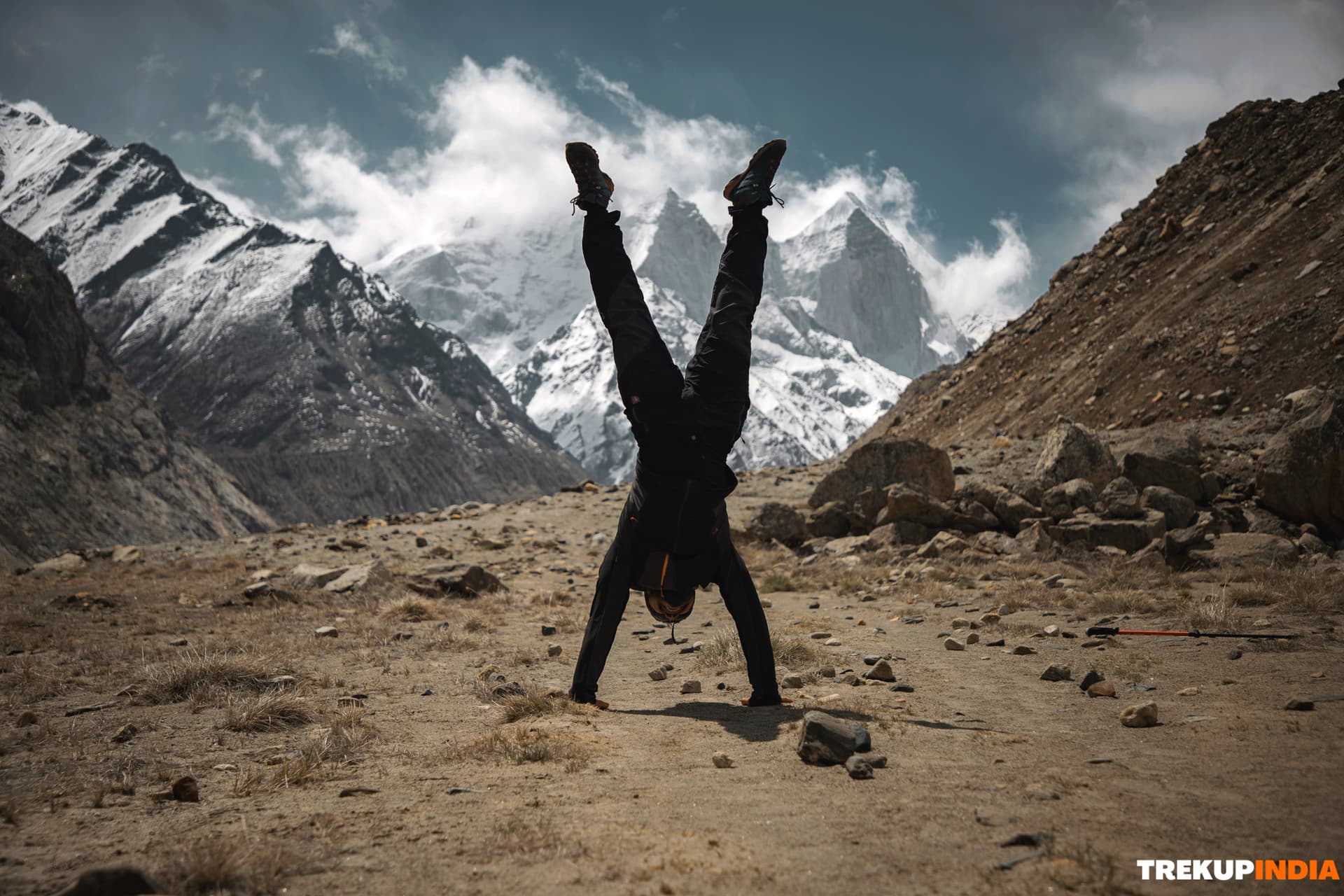 Trekking and Health
By Nanda Rawat|Jan 22, 2026
Embracing Discomfort While Trekking: Finding Joy Beyond the Comfort ZoneThe mountains of India, from the rugged routes that wind through Zanskar as well as Himachal Pradesh to the snow-covered passes and a soaring ascent of Uttarakhand -- offer much more than just beautiful scenery. They offer physical, mental and psychological challenges that push hikers out of their areas of comfort. At altitudes higher than 2,000 feet it is difficult to find comfort the air gets thinner, the nights get colder, the climbs seem like they're never ending, and muscles hurt in unimaginable ways. We at TrekUp India TrekUp India, we've always observed that it's the moments of pain, not ease that leave the most lasting impression on trekkers. When it is initially difficult or unsettling often becomes the most enjoyable aspect of the trek when you look back. It is the perfect opportunity to ditch everyday necessities like hot showers, soft beds high-speed connectivity, and instant food. When they aren't there, hikers build resilience, grit flexibility, adaptability, as well as mental clarity. The mountains require effort and presence In the process, they demonstrate strengths that are not often seen in everyday life. After a tiring time on the trail simple things like a cup of hot tea at camp, sharing laughing in the cold shelter, and the warmth that comes from a sun-drenched day after a dark, cold night -- are profoundly significant. A difficult life can increase appreciation, and turns everyday pleasures into unforgettable rewards. The challenge of navigating challenging terrain, weather, and fatigue together can create bonds of friendship. The stress of being uncomfortable encourages teamwork, empathy and camaraderie, frequently turning strangers into long-lasting acquaintances through shared efforts and mutual help. These discomforts aren't indications of failure. They are part to your trekking experience. Instead of seeing the discomfort as a hindrance take it as a part of the journey. Every difficult experience is the possibility of improvement, growth and self-discovery. Make sure to celebrate progress, even if it's minor: Small wins add up to the confidence, motivation and determination. The preparation is crucial, however flexibility is equally crucial. The terrain is unpredictable and adjusting quickly to changes in the weather reduces stress and increases enjoyment. If fatigue is beginning to set into your body, immerse yourself in the present: Mindfulness can transform exhaustion into awareness. Hearing stories from others or sharing experiences, as well as providing encouragement can boost morale. The mutual support can make difficult times easier and more important. Through years of leading treks and treks, we've discovered that the most memorable memories aren't always from the easiest days. They're the result of muddy climbing, freezing camp and gruelling mornings when people doubted their abilities but persevered. These moments are often the most memorable of the trek and change the way people think about their own abilities. Mountain discomfort is not a hindrance, but an opportunity to build a bridge. A bridge that leads to growth, gratitude and resilience. It is also a bridge to unforgettable memories. Every blister or cold night and the steep ascent is part of a personal narrative lasting far beyond the trek the trek itself. When they embrace discomfort instead of refusing to accept it, hikers discover their strength that they never knew they had, and experience happiness in places that they would never have imagined. TrekUp India is a company that believes in the power of embracing discomfort. TrekUp India, we believe that the greatest reward from trekking is beyond the comfort zone. This is where challenges shape character and the experience is as important in the long run as its destination.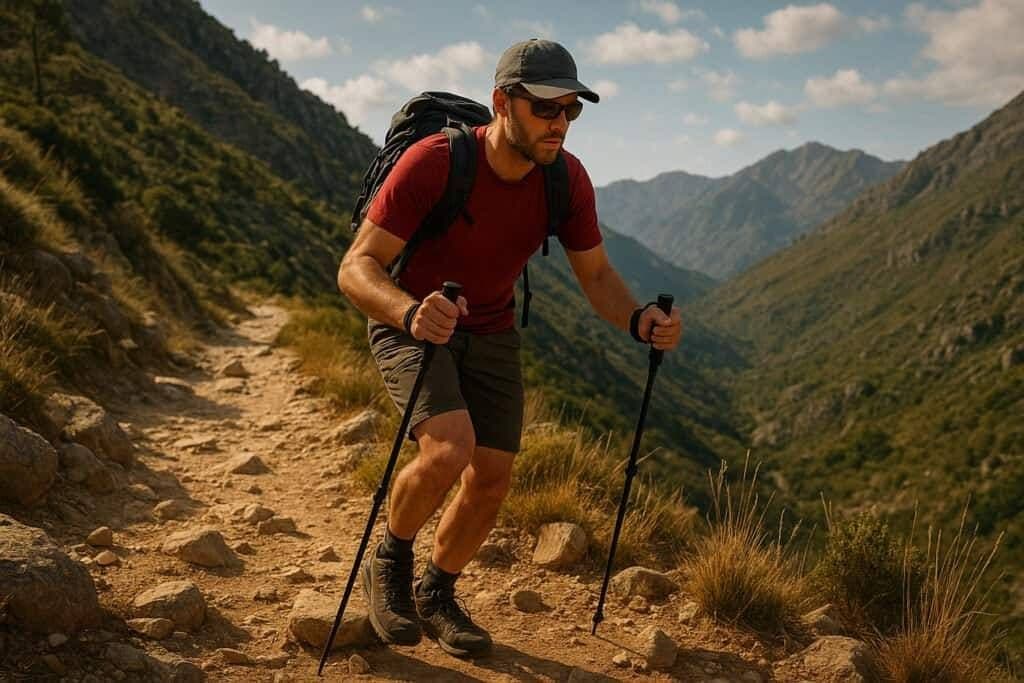 Trekking and Health
By Preetam Singh Rawat|Jan 22, 2026
Knee Pain While Downhill Hiking: Prevention & Safe Descent TechniquesMany trekkers find that perhaps the toughest portion of an mountain trek isn't the difficult upward climb, but the long steep, unending descent. Trails in Himachal Pradesh, Ladakh, and Uttarakhand frequently involve long descents over rough uneven terrain. If not properly prepared and mastered these downhills can put an immense strain on knees making a trek to a painful and uncomfortable experience. In the TrekUp India We have noticed knee pain slowing down, or even stop treks for those who are otherwise fit. The positive side is that knee pain on downhills is generally prevented. With the proper training, equipment and the right movement technique Trekkers can secure their knees, and enjoy ascends and downs with equal ease. The descent of a hill puts more than three times the entire body's weight on your knee joint with each step. Repetition of impact during long inclines can significantly increase the stress on your knee joint. When you descend, your quadriceps are working in an eccentric way to regulate movements. The constant braking force puts an unending tension upon the joint of knee as well as the surrounding tissues. Loose gravel, wet stones and uneven steps create uncomfortable foot positions, which increase the strain on ligaments and tendons. As muscles get older and weaken, shock absorption decreases which makes joints more susceptible to injury and pain, especially towards the end of the day. Strong muscles absorb impacts and help protect joints. The focus should be on: The stronger quadriceps, hamstrings glutes, and calves decrease strain on the knee joint. Regular stretching aids in maintaining flexibility in joints and decreases stiffness. Stretch: Flexible muscles facilitate more smooth movement and improved shock absorption. Training in cardio helps prepare your legs to endure a steady descent. Options that work: Endurance can reduce knee strain caused by fatigue. The extra weight causes knee stress when descending. A lower load means a lower joint impacts. Make smaller, controlled steps to lessen the force of impact. Beware of long strides that can cause painful heel strikes. Maintain a slight bend at the knees, not keeping them straight. This will allow muscles to take on the shock. The trekking poles transfer some weight from your knees onto your arms. Tips: A properly used pole can dramatically lower knee stress. Descending through switchbacks lessens the strain on joints and the severity of gradients when compared to straight downhill movements. The proper footwork can stop sudden knee jolts. The ability to listen to your body's signals is as important as executing the correct technique. Downhill trekking doesn't have the pain of a sling. If you train your muscles properly and flexibility, load management and descent techniques injuries to knees can be drastically diminished or eliminated altogether. We at TrekUp India, we believe that descents should be as fun as ascends. With careful planning, steady pace and precise movement make downhill sections from an unwelcome challenge to an easy, safe part of the trekking journey. Make sure your knees are protected, move carefully, and let each step, whether up or down, add to the enjoyment of the trek.