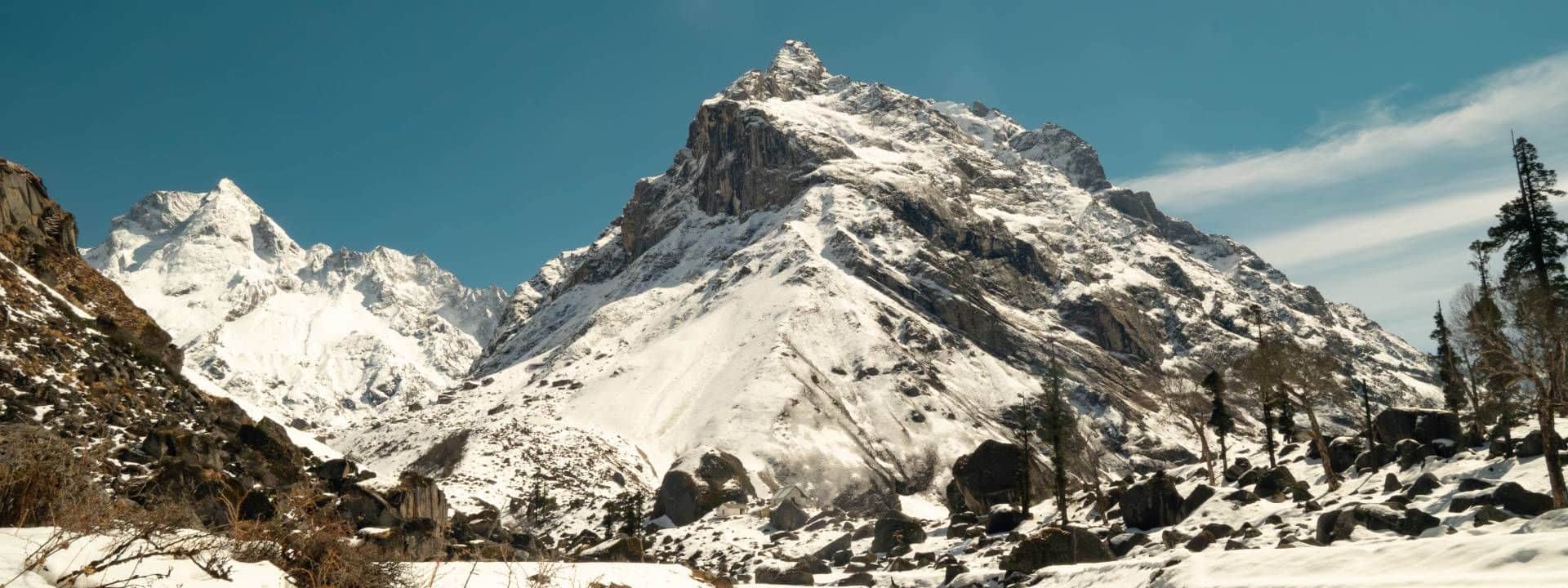
Being at a high altitude can expose you to more than the thin air and cold winds. The sun itself is a major danger. In the Himalayas extreme UV (UV) radiation could cause intense sunburn, dehydration, as well as blindness to snow even on cloudy or cool days.
We at trekUp India We frequently witness trekkers ignoring the sun's exposure because temperatures are low. This is among the most frequently made mistakes at high altitudes. Sun protection isn't only an option but an vital safety requirement in any over-the-top trek.
Why Sun Protection Is Critical at High Altitude
Thinner Atmosphere = Higher UV Exposure
Higher elevations mean that the air is less dense and able to filter out ultraviolet radiation. The exposure to UV radiation increases by around 10-12 percent for every 1,000 meters increased in altitude, significantly increasing the chance of eye and skin injuries.
Snow and Ice Reflection
Snow is able to absorb up to 80percent of UV rays and expose trekkers from the above as well as below. This greatly increases the chance of:
- Severe sunburn
- The condition is known as snow blindness (photokeratitis)
Cool Temperatures Mask Damage
Cold weather can hide early signs of sunburn which causes trekkers to notice the harm only after a severe injuries have already taken place.
Essential High-Altitude Sun Protection Measures
1. Use High-SPF, Broad-Spectrum Sunscreen
- Select SPF 50+ with broad-spectrum (UVA + UVB) for protection
- Use sunblock 30 minutes prior to exposure
- Apply each two hours or more often when you are sweating
Do not overlook areas of vulnerability:
- Ears
- Neck
- Nose
- Lips
- Hands in the back
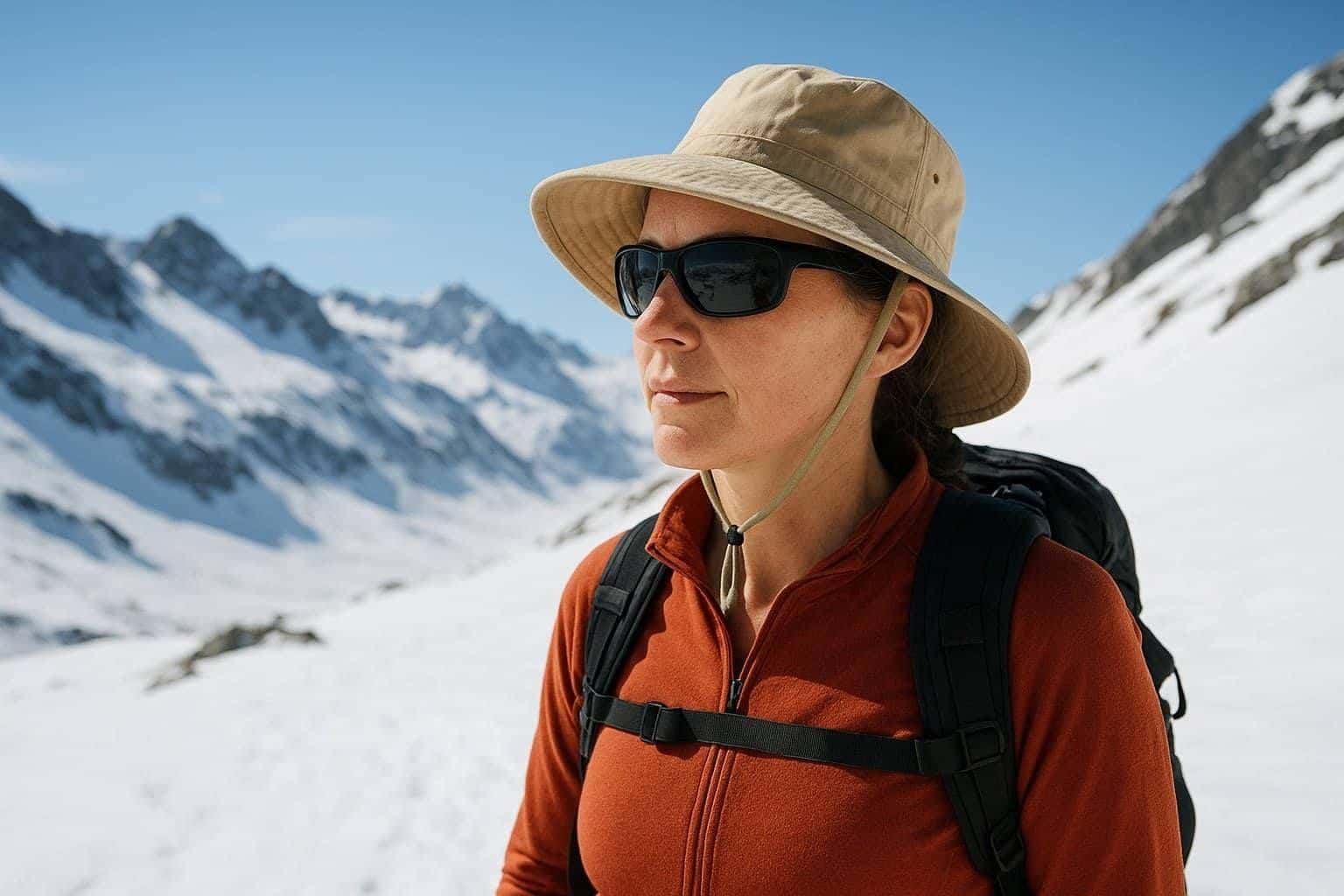
2. Wear UV-Protective Clothing (UPF Rated)
Your clothing is the best protection against sun damage.
- Long-sleeved shirts as well as trousers made of UPF-treated fabric
- Caps with wide-brims or wide-brims that have neck flaps
- Protect hands with gloves against UV reflection as well as cold
Wearing appropriate clothing can reduce the need for regular application of sunscreen.
3. Protect Your Lips
Lips can be burned easily when altitude is high.
- Use SPF 30+ lip balm
- Make sure to apply it frequently, particularly when it is cold or windy.
Lips that are sunburned or cracked can be uncomfortable and painful. They can also become infected.
Preventing Snow Blindness (Photokeratitis)
It is a short-lived but extremely painful eye problem caused by UV reflections from snow.
Common Symptoms
- Watery eyes, red eyes
- Burning or gritty sensation
- Sensitivity to light
- Vision blurred
Eye Protection Guidelines
- Wear sunglasses that provide 100 percent UV or UV400 UV protection.
- Make use of Polarised lenses to minimize the glare
- Lens Categorization 3 and 4 is perfect for high altitude
- Always have an backup pair of shoes
Don't trek through snow without protection for your eyes, even for shorter distances.
Avoid Squinting
Eye fatigue can be caused by constant squinting. A scarf or buff may assist in blocking reflected light from below, while enhancing the comfort.
Additional Sun Safety Tips at Altitude
- Keep hydrated sun exposure and altitude can increase the risk of becoming dehydrated
- Pause in shade when feasible.
- Watch weather forecasts for UV exposure. It remains high, even in cloudy days.
- Plan trekking hours so that you be sure to avoid peak ultraviolet intensities ( 10:00 AM - 4:00 pm)
Conclusion
Sun protection in high altitude is not about comfort but about making sure that serious injuries are not caused. The thin air, reflective snow and cool temperatures cause dangers from UV exposure that could damage eyes, skin and general health.
Utilizing high-SPF sunblock with UV-protective clothing, top quality sunglasses, and a smart schedule Trekkers can stay safe while enjoying the mountains. TrekUp India TrekUp India, we believe that preparation is the key to safe trekking. Make sure you are protected from sun's rays so that you can concentrate on what really matters: the experience along with the view and the overall experience that the Himalayan Mountains offer.
About the Author: Trekking Expertise You Can Trust
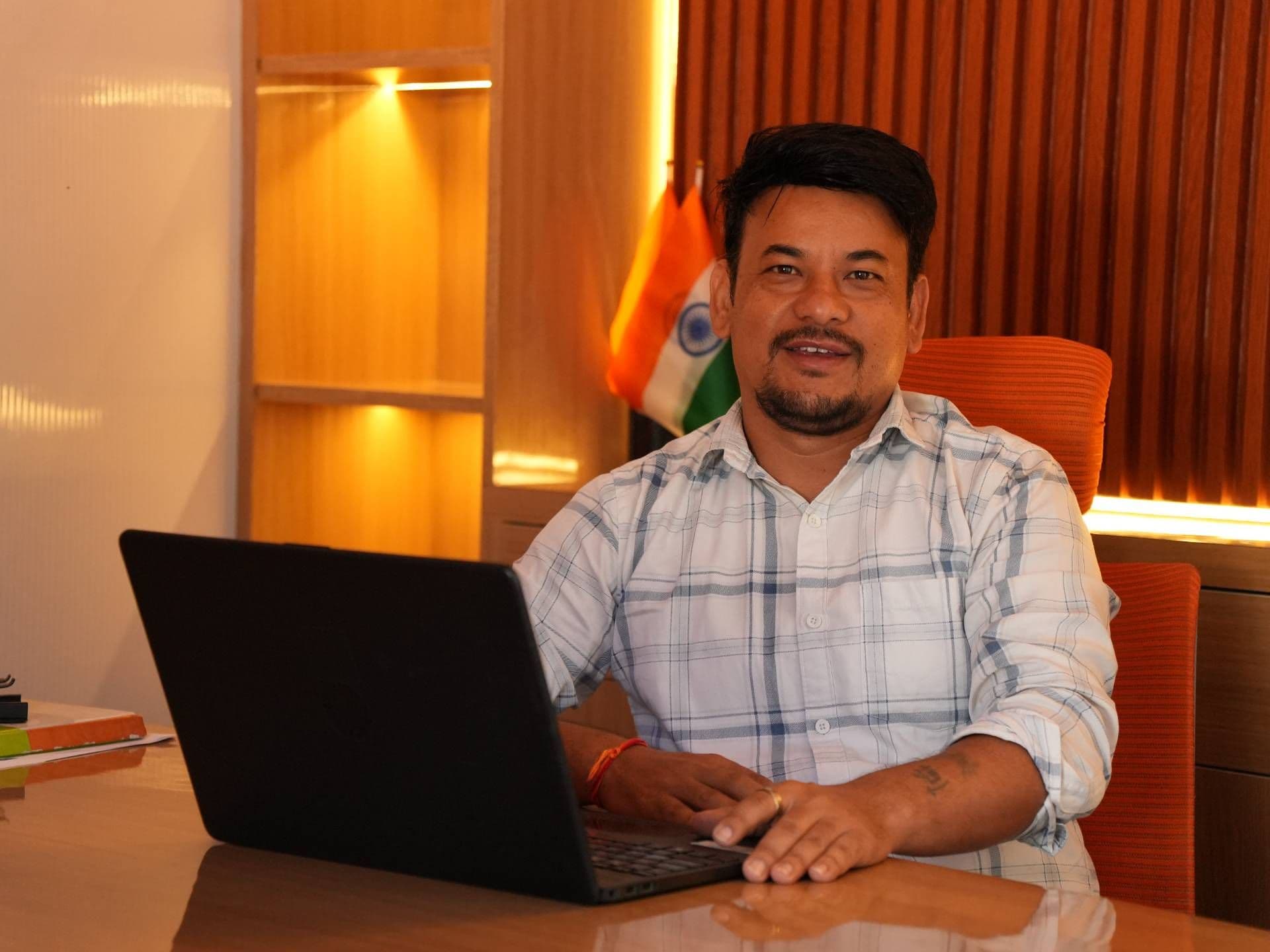
Operations Manager
Nanda Rawat holds a Master’s degree in Tourism & Hospitality and brings over 16 years of experience in adventure and leisure travel. He has led multiple Himalayan expeditions, contributed to ATOAI, and is trained in first aid by the Indian Mountaineering Foundation. A strong supporter of sustainable and ethical tourism, he plays a key role at Trekup India. Write to him at: nanda@trekupindia.com