
Prev
1 / 9
Next
 Trekking and Health
By Nanda Rawat|Jan 25, 2026
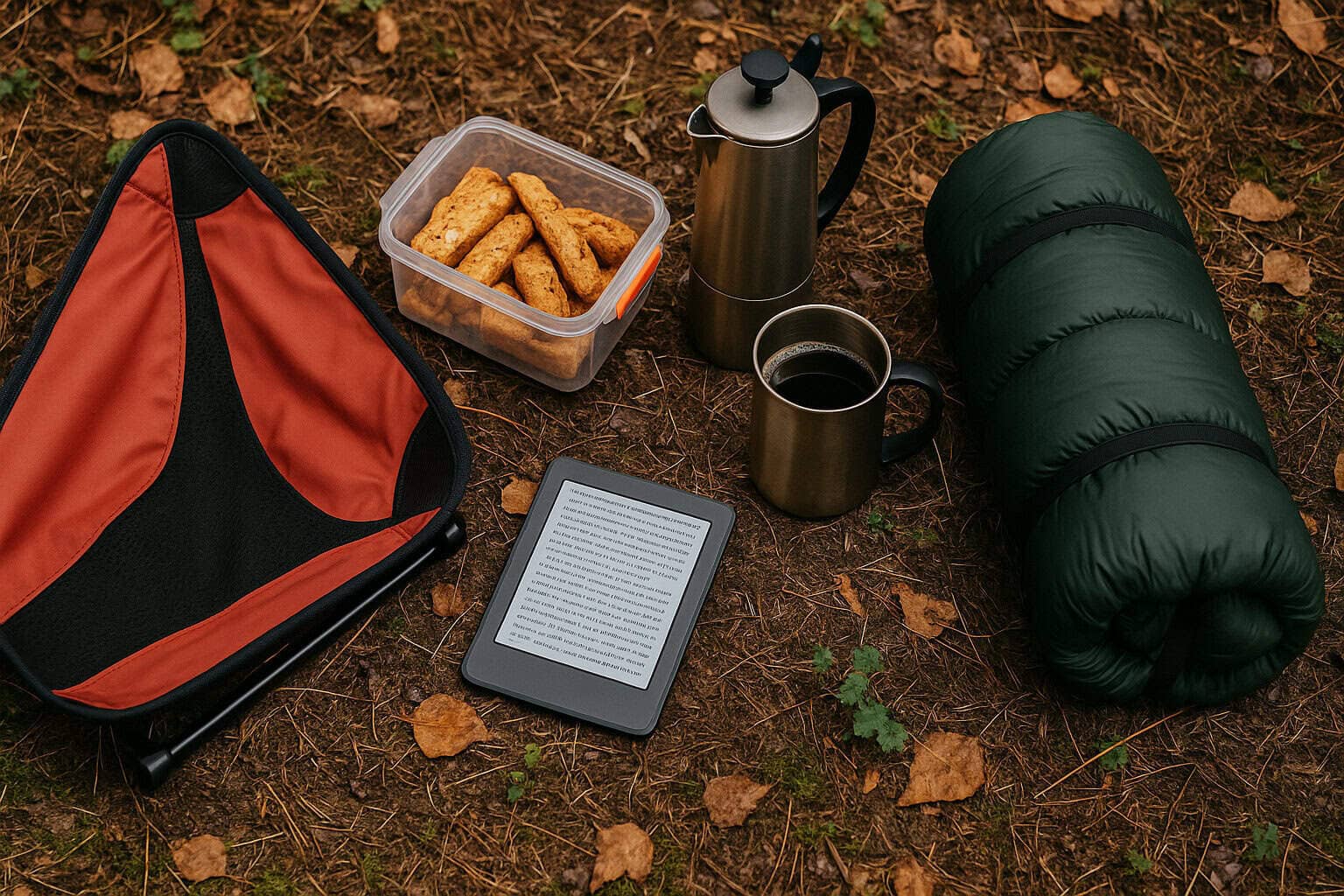
Luxury Items for Trekking Worth Carrying Extra WeightThe process of packing for long-distance trek is a matter of weighing every gram. The most experienced trekkers can balance essentials without difficulty, while also taking into consideration the occasional luxury items that can make a difference when on the trek. While ultralight enthusiasts might dismiss certain items, other less essential items can boost the recovery process, morale, and overall enjoyment out on the trek. It's worth the investment: After hours of walking or sitting on a hard rock or muddy, damp ground can be incredibly uncomfortable. The purchase of portable camping chair that weighs less than 500 grams provides support for the back when eating or watching the sunset in addition to providing security during trips like those! NOTE: If space is limited, think about an affordable foam sit pad and more than enough! This investment will pay dividends. Instant coffee can be handy however there is nothing like freshly-brewed coffee at the mountain! It weighs just 380g and boasting barista-quality results AeroPress Go is a great choice. AeroPress Go (380g). NOTE: For maximum freshness grind coffee beans prior to placing them in the ziplock bag. What it offers: Allowing your feet to breathe after trekking will help reduce the formation of blisters and also swelling. A pair of ultralight Crocs or sandals (200-300g) can also double-duty as water shoes while traveling along rivers. Notice: Foldable designs offer huge space savings. This investment yields dividends Making jackets roll up to use as pillows can be tiring and an inflatable compact pillow (60-100g) provides neck support to aid in more sleep and restful sleep, two of the key elements to help you regain your fitness and health. NOTE:For optimal hardness, increase the volume of air to reach the desired level of hardness. The reasons to buy: If you're documenting or using GPS during your travels A powerful battery of 200-300 grams should ensure that your device is completely charged all the time. Solar-powered models are excellent long-term solutions. NOTE: Switching your phone into airplane mode will keep battery power intact and prolong the life of your battery. It is a good idea for economics investing in a lighter camping towels (50-100g). Microfiber that is quick drying and absorbent towel is ideal to remove sweat and drying off after bathing, removing streams or for washing cooking appliances. Note: For maximum odor prevention, opt for antimicrobial-treated towels. It's always worthwhile treating yourself to something indulgent following an intense trek such as dark chocolate bars with hard cheese or nuts could be a source of motivation and help replenish your energy levels after a workout. NOTE: For optimal freshness wrap the food items in wax so that it retains its freshness over a longer period. Then, you can refrigerate it. This purchase will be useful in the time of camp when you can read or writing, and will keep the mind active with an extra large notebook (100-150g) to stimulate thinking processes. NOTE: For weight savings Try reading online on Kindle or a phone instead of using a laptop computer. It's an investment worth making:Music or podcasts can provide a boost in breaks or on camping trips and can inspire all the members of your group. The use of a portable, water-proof speaker that weighs around 200g can be an effective option to get the group motivated! The reason it is worth it: Cleanliness while camping can be a challenge. Wet wipes made of the biodegradable leaves of soap (50g) help to quickly clean up without affecting the environment. NOTE: For easy transportation of unused wipes, put them in a ziplock bag. The most important thing to do for successful trekking is packing light but having a few carefully selected "luxury" products can dramatically improve your experience over multiple sessions of trekking without adding extra weight to your backpack. From a cup of hot coffee at sunrise, and a comfortable pillow following an uphill hike to chocolate and music under the evening sky of the Himalayas these items can boost your spirits, recover and mental wellbeing. Similar to their predecessors This trekker is enjoying every step of her way. A 200-gram camping chair or solar power bank could help you relax in your evenings and your mornings more lively It could be worth the effort to boost this aspect of your travels. Select what you value most. Happy trekkers are better trekkers.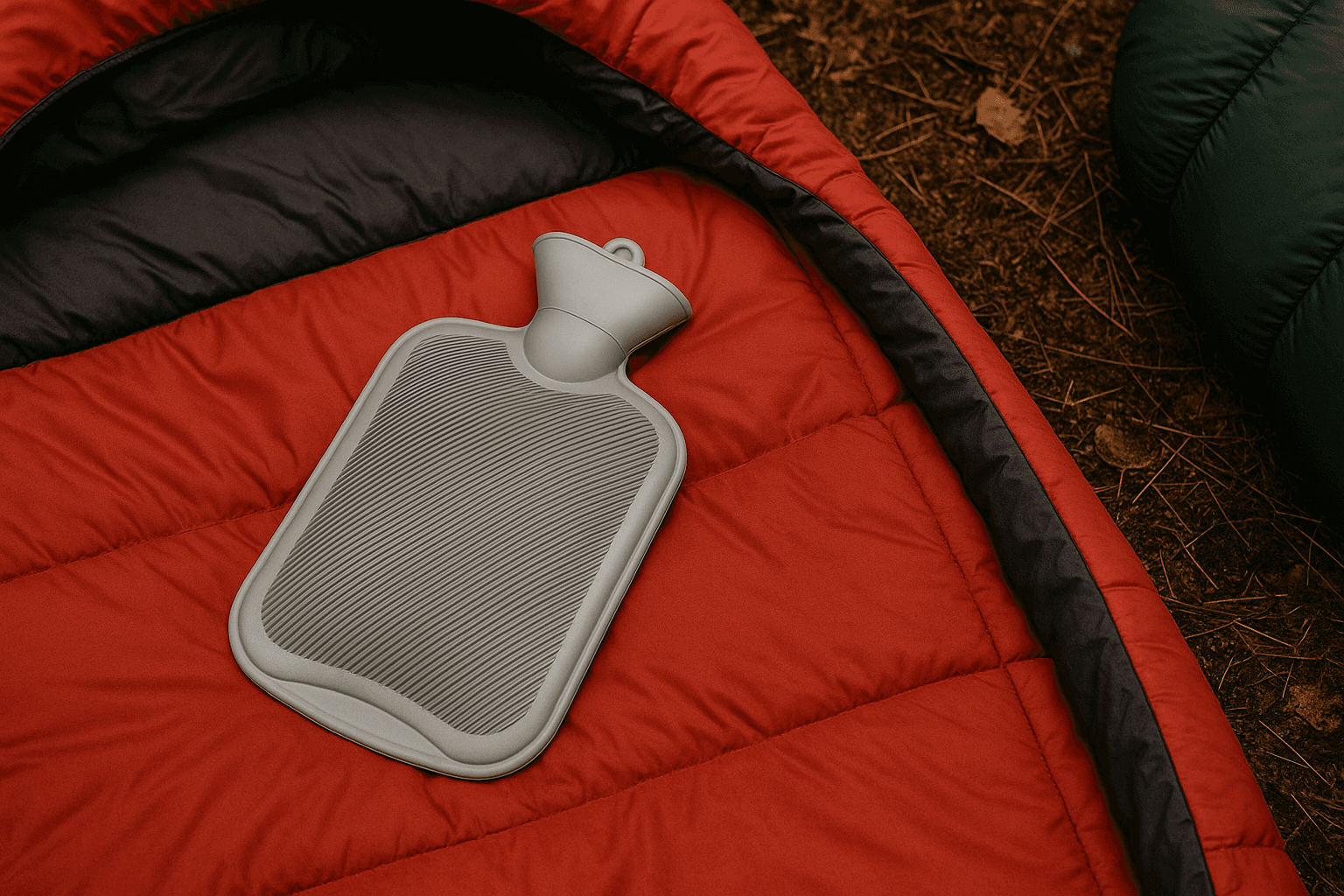 Trekking and Health
By Anoop Rawat|Jan 25, 2026
Hot Water Bottle Sleeping Bag Hack for Cold NightsHiking in the highest altitude Himalayas within Ladakh, Spiti, or Uttarakhand can lead to temperatures to drop swiftly at sunset, even during the summer months. A winter night that is cold in your tent could make you feel cold and sleepy as well as reducing your safety and performance when you go on a trek. Trekkers who have been through this know and know the trick to hot water bottles. Simply put it simply, the Hot Bottle Hack involves filling up an empty plastic container with hot water and placing it in your sleeping bag to create instant comfort in a microclimate. While it seems like a small thing the method has proved its effectiveness in supplying warmth, improving sleep quality and reducing energy consumption over the course of the night. Indian Himalayan treks often include cold temperatures at night, despite the generally pleasant conditions. Camping close to Chandratal, Roopkund, and Har Ki Dun can make sleep a challenge; the hot water bottle trick could be particularly useful in these areas. Improved quality of sleep: essential to recovery at altitudes. Natural heat without batteries and the risk of fire! What you will need: A metal or hard plastic bottle for drinking (Nalgene-style is recommended), whereas soft plastic could create deformation). A great sleeping bag (rated by the temperature you are likely to experience at night) can suffice. A different option is to use a small sock or a cloth to wrap the bottle. TIPS FOR TRAVEL: Most treks offering camping aid offer hot water during lunch or tea time. take advantage of this chance! This Hack After having a meal or drinking tea and drinking tea, fill the glass by filling it with hot (but still not boiling) water between 70 and 80 degrees Celsius - ensure that the lid is secure because it could be very risky in the event of a leak! (Optional) Cover it in an afghan or put it inside an unclean sock to avoid burns that result from direct contact with your skin. Make sure not to allow direct contact between you as well as the bottle! To combat cold feet and lessen the impact on your sleep put the bottle near your feet inside the sleeping bag. This will help ease cold feet. To soothe and relax your muscles, put it next to either your belly or the thighs (near the femoral arterial). You could also put it on your lower back, when you feel it's sore or stiffness. Keep warm by snoozing in the sleeping bags, sealing in warmth while enjoying sleep at peace even at temperatures that fall below freezing. It is helpful in the event that your bottle is able to hold warmth overnight. Take advantage of this by using it wash your skin, sooth the hands or keep hydrated by drinking a hot glass of water every morning. When you travel through India's Himalayan Mountains in winter be mindful that the importance of recovery and comfort aren't just luxury things - they're essential. The hot water bottle hack is an easy and low-effort method which can dramatically improve and the overall quality of your sleep as well as your energy levels. It doesn't matter if you are you are camping near Roopkund or gazing up at Chandratal starry skies, this method makes your bed an inviting retreat even in conditions of sub-zero temperatures. Utilizing the natural warmth of nature and ditching large gadgets to make use of the facilities at camp will not only aid in surviving frigid temperatures but trek more efficiently too. If you are preparing for the mountains, take note of this hidden resource as a secret weapon that is not widely known.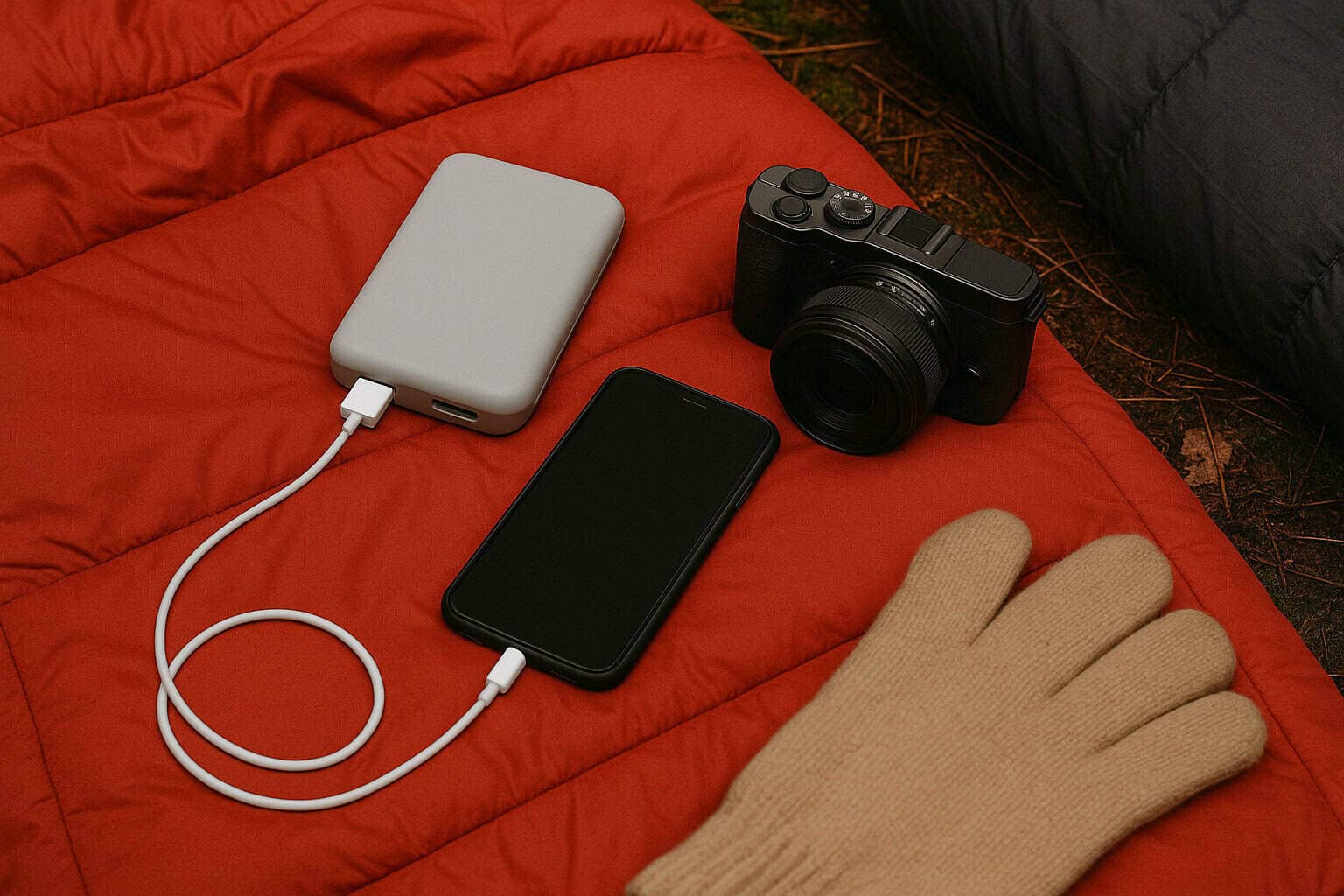 Trekking and Health
By Nanda Rawat|Jan 25, 2026
Battery Saving Hacks to Keep Electronics Alive in ColdBroken phones or cameras can make it difficult to enjoy breathtaking photographs of the mountains, or even GPS navigation, more than any other thing. The cold temperatures drain batteries at an the rate of a million times faster which means that trekkers aren't able to connect to information, navigation or even pictures. However, with these tried and tested tricks to save battery to ensure your device will continue to function in frigid temperatures. Lithium-ion batteries that are used in phones, cameras and power banks depend on chemical reactions that decrease performance when temperatures are lower which is why their capacity is reduced briefly when temperatures fall below the threshold of 0 degC In extreme instances when temperatures drop below 10 degC, the battery can stop working abruptly. To ensure optimal care for your device Make sure to keep your electronic devices close to your body (such in the inside pockets of a jacket, or the chest strap bag). Wrap it in an insulating sock or jacket (foil-lined pouches are extremely effective). Hand warmers are an efficient solution; put them in close proximity to the device, but not touching the device directly (to avoid overheating the device). Prior to bed, put your smartphone as well as a power bank and camera inside your sleeping bag, as body heat can help to prevent the draining of cold water. Cold-Weather Power Banks When looking for power banks that are cold-weather (e.g., Goal Zero Venture 75 or Anker PowerCore Thermal), be sure to choose ones specifically made for operation at lower temperatures like Anker PowerCore Thermal. Keep power banks safe and secure. Better yet keep them inside the jacket when they are not utilized. Solar Chargers for Long-Distance Treks Foldable solar panels (like BioLite SolarPanel 10+ ) permit devices to recharged whenever sunlight is available, for instance when trekking for long distances. Ideal option for treks in high altitude in the summer when the sun is intense. Utilize a standard map and compasses for the best security. Informing the members of your trek group or the leader of the current state the battery is in. Best Tips For extremely Cold: Use a Ziploc bag to travel between cold and warm zones to minimize condensation. Before you embark for any long journeys it is advisable to charge your electronic devices in advance since cold weather can decrease the maximum capacity. Be cautious of any metal that touches you directly, since this can conduct the cold rapidly through it. The cold winter weather makes electronic devices seem even colder, making their batteries important when you're out walking trails or hiking routes. The loss of these precious devices because of a failed battery isn't just frustrating, it's embarrassing. Learning how cold can affect lithium-ion batteries and making use of the majority the the Trekup India's tricks, such as body heat insulation and hand warmers in airplane mode and safe charging methods that will increase the battery's lifespan can significantly extend its life and minimize the chance of having to stop mid-way through a trek. When trekking through snow-covered hills in Ladakh or through the alpine forests in Uttarakhand, just a few simple steps can ensure that electronics are working and secure.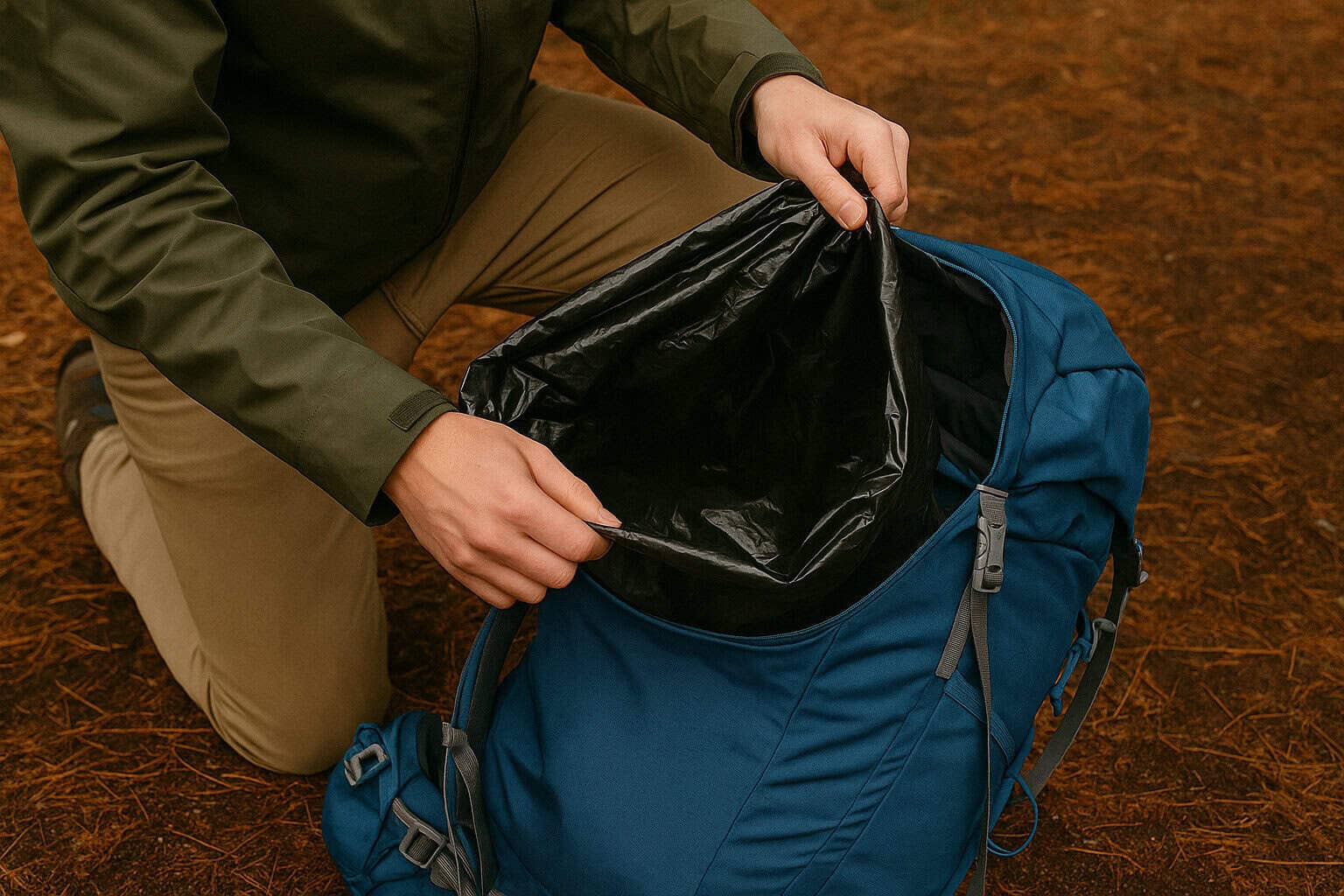 Trekking and Health
By Nanda Rawat|Jan 25, 2026
Compactor Bag Pack Liner: Budget Waterproofing SolutionWhen you trek through the varied circumstances of the Indian Himalayas ranging from monsoon-fed valleys of Himachal to the snow-covered roads of Uttarakhand making sure to keep all your gear dry and clean a necessity. However, waterproof backpack liners or dry bags can be expensive and bulky. We therefore designed Compactor bags as a budget-friendly but lightweight and efficient method to keep important items, like trekking important items, clean during any trip. Compactor bags are heavy-duty plastic bags made to hold household garbage. In contrast to traditional garbage bags, these bags tend to be heavier (2-3 mil) as well as more puncture-resistant and last longer they are the ideal option for internal packaging liners. The heavy monsoon rains in the mountains and crossings of rivers in Sikkim and snowfalls in Kashmir can cause havoc to your gear if the water seeps in your bag. Although the majority of trekking packs are waterproof however, a handful of them provide waterproof protection. Compactor bags are completely protected against rain, snow and humidity. The first step is to line your backpack. Open your bag, put the compactor bag in the bottom corner, shape it in line with its interior shape, and then seal it up. The next step is making it fit these contours, if needed, and then attaching the compactor bag to be used later on. Include Your Most Valuable Items in:Secure all of the most delicate and risky objects (clothes bags, bags, sleeping bag, electronics, etc.) in the compactor bag, instead of scattering them within the bag. Twist, then Tuck When your compactor is filled, open its top bag to form an impervious sealing around the contents. Fold back the excess material prior to packing it into your backpack. This creates an impenetrable barrier against spills and air leakage. For added security when you are trekking (e.g., Valley of Flowers in July) Two bags or compactors can be placed inside one another to create a double layer. Cost-effective: Five packs are available for less than 200 rupees in hardware stores as well as online stores. Ultralight Ultralight bags provide little mass (roughly 100-100g per bag). Bags that are highly tear-resistant More durable and tear-proof than normal bags. The flexibility: Use as a dry bag that could be used as a personal poncho in case of emergency or a miniature groundsheet if needed. Color Code In order to make compactors easier for you to identify objects opt for transparent and clear bags. In this way objects will become easier to identify inside. To safeguard the double layer inside your compactor, put electronics as well as clothing in Ziploc bags before putting them in its liner. Refresh frequently: Though compactor bags will last for a long time however, as time passes their longevity can decrease. Be sure to check for holes prior to each trip. How to Apply It: A backpack should always be used during monsoon treks like Kudremukh, Harishchandragad, or Tarsar Marsar. An essential item for smart Trekkers If you're trekking across India's many and frequently humid regions compactor bags are often unnoticed heroes, being cheap, but durable, light and useful. If you're backpacking with the tightest budget or are an experienced mountaineer, incorporating this technique in your packing regimen could be the difference between pleasant travel and a sour experience.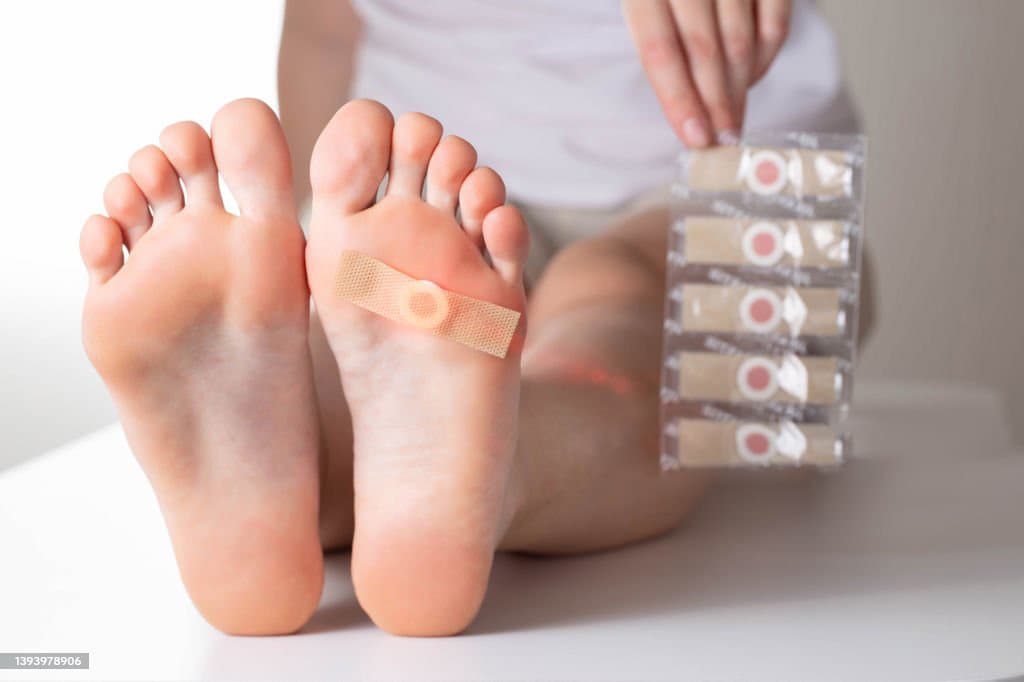 Trekking and Health
By Anoop Rawat|Jan 25, 2026
Pre-Taping Feet for Blister Prevention While TrekkingBlisters are among the most significant obstacles to long treks. The smallest puncture may quickly become the most painful and life-threatening injuries. The right socks and footwear can be helpful, as tape-taping areas of concern is a different method used by mountaineers and thru-trekkers to ensure safe travel for their feet. Here's how to get it done right. Tape creates a durable protection barrier that helps reduce friction. Protects the your skin from breaking (the principal reason for blisters). It is targeted and cheaper than moleskin once blisters start to form. Be sure to keep feet protected from blisters before starting any trip. After blisters develop they may become difficult to treat without becoming damaged and requiring medical intervention. Before you begin pre-taping, determine the location where blisters could appear by looking for hotspots. Heels (from boots that rub) Footballs (pressure points). Toes (especially the large and pinky toes, particularly the big and pinky ) require extra care when wearing shoes. Achilles Tendon (Strap Friction) Make use of your finger and move the sole of your foot. any reddish or rough area that appears after an trek might be a source of worry. For the best performance and longevity under wet conditions, I suggest Leukotape P as the ultimate tape solution. It has proven to be reliable every time! Alternative to budget: 3M Micropore is less breathable, but is still more durable. Don't apply the tape directly to your skin, because sweat can weaken its adhesive and cause skin to break in time. To achieve the best results, rinse then dry feet thoroughly prior to tape application, as the moisture in your feet can cause it to stick properly. Cleanse with alcohol over the affected area in order to remove the accumulation of oil. For better grip Try benzoin tincture (an adhesion enhancer). More lengths than the area that has an immediate hotspot must be cut to allow for the tape application. Remove the edges (this will help prevent peeling). Do not press too for too long! It will stop wrinkles. For Toes Cover "Horseshoe" on each foot, taking care not to strike nail with it. Tips for Professionals: Use socks to look for areas of friction. Draw lines on those areas. Retape Edges which peel during crossings of rivers (common in the event of submersion). In a few days (Leukotape can last longer). Beware of cutting tape too quickly and peeling it slowly before applying oil to soften it. Tape Fails: Moleskin + Lube. If you notice blisters, put donuts made from Moleskin and Vaseline inside to ease symptoms. Reduce friction between toes. Double Sock Layer An edging as well as wool socks (to decrease herring forces) are usually combined to provide additional support. Always tape your feet at night prior to (this will ensure that they stick better in the morning). Take along an extra roll of tape in the event of any problems that occur during your trek and also carry additional tape rolls on longer treks to fix any issues midway. For more extended treks: make sure that you air your feet regularly at your campsite and then air them thoroughly, and then retape them whenever needed. Blisters are more than an inconvenience. They're also one of the most common reasons for cutting treks shorter. Spend a few minutes tapering your feet prior to trekking to safeguard them from injuries as well as the possibility of infection or accidents that occur during your trek. Taping your feet prior to trekking can be a cheap simple and effective method to protect yourself when hiking along rough ridgelines throughout Himachal and traveling through the wet, monsoon treks in Maharashtra or completing long-distance treks through the mountains of Uttarakhand. Pre-taping offers effective protection for the lowest cost. Trekking and Health
By Nanda Rawat|Jan 25, 2026
Breathing Techniques for Uphill Trekking: Trek StrongerWe at TrekUp India, we recognize that the physical demands of climbing can be exhausting, particularly at higher elevations where oxygen levels decrease dramatically. Through practicing proper breathing techniques, and taking regular, controlled breaths and in a controlled manner while climbing uphill endurance is increased when dizziness, fatigue and altitude sickness diminish. Regular, controlled breathing techniques can make climbing easier and more enjoyable. Improve oxygen efficiency. Proper breathing will ensure that muscles get sufficient oxygen and reduce fatigue. It is essential to maintain endurance levels throughout long ascents. Stay clear of Acute Sickness at Altitude: A controlled breathing routine can reduce the chance of altitude sickness, by reducing symptoms like headaches and nausea. Focus and focus on the task to maintain at peace in the face of a difficult situation. To get the most oxygen-rich breaths possible when trekking uphill, choose diaphragmatic breaths instead of deep lung breathing to activate your diaphragm to create an efficient flow of oxygen from your lungs to the air. This is referred to in the field of Diaphragmatic as well as Belly Breathing. Breathe deeply into your nose and notice your stomach expanding. Take your deep breath and exhale your breath through your lips, then allow the air to leave your lung completely. Advantages The treatment increases oxygen absorption and aids in stabilizing heart rate. Make sure you coordinate your breathing and actions to ensure the same pace. As you move ahead, exhale for a couple of steps, then exhale for three or more actions (depending on the strength of your rise). When you take left-right step to the left, breathe deeply and exhale out after steps taken on the right hand side. Advantages It prevents respiratory problems, and maintains a steady walking pace. Mountaineers employ techniques of pressure breathing to fight the thin air that is found at higher altitudes: Relax your breath by putting your nose into. Breathe in deeply and exhale through your lips, exaggerating the exhale (like blowing out the flame of a candle). Benefits aid in removing carbon dioxide build-up while also improving oxygen circulation. To be able to climb steep slopes with ease Combine breathing with using the technique of rest: Pause for a second as you move and keep your knee, putting it behind and resting muscles in the process. Relax before you move forward, and release your knee when you have locked it. The benefits: It helps to conserve energy in muscles and reduces strain on the muscles. Keep hydrated: Dry air at high altitude can rapidly dehydrate you and make breathing harder. Also, make sure you maintain a healthy posture to allow for full expansion of lung capacity as well as the most full expansion of the lungs during treks. Avoid Overexerting Yourself. Walk at a slow pace. Rushing trekking can lead to fast breathing patterns that could compromise the effectiveness. Before you embark on your trek practice breathing exercises to build lung capacity. You can do it prior to setting out. TrekUp India believes that any successful trek starts with a solid understanding of the basics and breathing is among of the most crucial elements. By using diaphragmatic breathing techniques such as diaphragmatic breathing, regular step-sync patterns and pressure breathing along with rest-step strategies can provide your body with sufficient oxygen to last for long hikes without fatigued throughout their journey. Regular breathing does not just improve the endurance of your body, but it also improves your brain's ability to concentrate and remain at peace. Through regular breathing exercises at higher elevations and establishing habitual walking, regular training makes even difficult treks traversing those Himalayan as well as Sahyadri ranges easier and enjoyable. While you prepare for your next adventure Don't just work your legs, train both your lungs. Breathe deeply while you make long treks or climb up a mountain with confidence. Trekking and Health
By Nanda Rawat|Jan 25, 2026
Importance of Rest Days on a Trek: Why Slowing Down Keeps You Safe & StrongIn the mountains it's not determined by how much you walk each day, but rather by how quickly you recover. Here at TrekUp India TrekUp India, we've witnessed this reality unfold often. Trekkers are often motivated and eager to push further and gain more ground every day. The views are stunning and the body feels strong and the desire to "just continue on" is powerful. However, one of the most crucial, yet neglected aspects of a safe pleasant trek are your relaxation day. A properly planned rest day could make the difference between completing an trek well and having to pull back because of injury, exhaustion and altitude sickness. The constant strain of trekking puts stress on your knees, legs back, core, and. Each ascent causes tiny muscle tears that require some time for healing. Insufficient rest: The body needs time to fix, reset and rehabilitate to reduce soreness, as well as keeping damage from lasting. Above 2,500m it becomes crucial to rest, not an option. As altitude increases as you climb, your oxygen levels decrease and your body requires the time to adapt. Rest days allow: This is the reason treks like Kedarkantha, Rupin Pass, and Stok Kangri include built-in acclimatization days. Not taking advantage of them is among the most frequently-made mistakes trekkers make. It's also deeply psychological. A constant pace of activity cold nights, constant movement, anxiety, and fatigue can be a drain on motivation. A break day allows your mind the space to: Many hikers rekindle their enthusiasm after a few minutes of slowing down an entire day. TrekUp India guides are trained to be alert for warning signs, but trekkers must be aware of their own thoughts as well. Common indicators are: If you notice these signs an opportunity to rest isn't in any way weakness. It's just wisdom. A rest day isn't about being slouch for the entire day (unless you're sick). The aim is active recuperation. Good practices for rest days include: These little activities help allow blood to flow and allows an intense recovery. Through treks across Uttarakhand, Spiti, Himachal and beyond, TrekUp India has observed one consistent pattern:Trekkers who take their time to rest and enjoy the day are stronger and more secure. They are also happier. People who don't pay attention to fatigue frequently suffer later, often having to come down in the early hours of. The purpose of rest days is not slowing down progress, they're focused on safeguarding momentum. The itineraries we offer are created with pauses planned for a purpose, whether for those who are just beginning their treks or mountaineers. We are planning rest days to: It will never stop. Your health should be the first priority. This is the principle that guides each TrekUp India trek. The days of rest aren't an opportunity to rest from trekking, they are an integral element of trekking. Being aware of your body, recognizing the fatigue and for recovery is essential to have the safety and success of your adventure within the hills. TrekUp India is a company that believes in TrekUp India, we believe that the true trekking strength is found in awareness, patience and balance, not exhaustion. While you trek through the Himalayas keep in mind:The journey isn't one of a race. Let the mountains be an inspiration and not make you tired. Trekking and Health
By Anoop Rawat|Jan 25, 2026
Himalayan River Crossing Techniques: Essential Safety Tips for TrekkersThere's a time on a lot of Himalayan treks that the trail is merely a flowing water. The clear, icy rivers caused by glaciers or sudden rains might appear innocent at first. However, when we look at the TrekUp India we've observed how swiftly these rivers alter the character of these rivers, and how one mistake could turn a peaceful crossing into a risky one. River crossings aren't only obstacles to an trek They are crucial points of decision. The way you approach them determines whether your day goes on without a hitch or turns into an emergency. The mountain streams can be unpredictable. Water levels can rise in minutes because of: Rapidly moving, cold water coupled with slippery rocks can throw even the strongest hikers off their feet. Add fatigue, poor visibility and fatigue and the danger increases. Within the Himalayas, rivers don't appear to be dangerous until they are. Do not rush through a river crossing. If you are feeling uncertain about a crossing then make sure to stop. By waiting ten minutes longer, you will help prevent injury. Before you go in the water: A well-secured backpack could cause you to slide when you fall. The ability to remove your backpack quickly could make a difference in your life. This is a mandatory rule to be followed in all TrekUp India guides. Trekking poles are one of your most reliable allies when you are in the water. This position allows you to slightly lean into the current, while still remaining balanced. Socks or feet with no socks provide no grip and can cause injuries. Drying shoes after drying is more efficient to deal with cuts and injuries. For deeper or faster crossings, group techniques add safety. This common resistance decreases individual strain and improves stability. The most secure time to cross Himalayan streams is early in the morning. Why? In general, TrekUp India plans river crossings before 10 AM when it is possible. Do not cross the street if: If the conditions are unsafe, you should wait for a reroute or stop, or even stay in camp. A schedule is not worth the risk of a life. Even with the best of precautions accidents can occur. If you fall: Do not directly fight the current. Be in partnership together with it to get back control. Each TrekUp India trek leader is educated to: We don't cross rivers in order to "save the time." We cross only when the conditions are favorable. The crossings of rivers throughout the Himalayas are challenging moments that require patience and a sense of humility. The Himalayan mountains remind us that the nature creates the rules and not our itineraries. TrekUp India believes that safety is a matter of making the right decision. TrekUp India, we believe that safe trekking means taking the correct choice at the right time even if it requires waiting or turning around. If you are respectful of the river, follow your guides and adhere to established methods crossings become more safe, peaceful and a source of confidence for the trip. Keep in mind that Mountains can be climbed over again. A river that is crossed in recklessness is the only chance you have. Trekking and Health
By Anoop Rawat|Jan 25, 2026
Pre-Trek Planning Essentials: Insurance, Emergency Contacts & Itinerary SharingBefore boots are tied and backpacks are zipped, trekking actually begins with the paperwork. We at TrekUp India We've mastered this lesson in the real world--not out of a textbook, but rather from real-life scenarios in Himalayas where a little preparation could mean the difference between a calm and unneeded anxiety. The majority of trekkers concentrate in fitness, their gear and food. A few pay equal focus to information about insurance such as emergency contact information, sharing their itinerary--until the unexpected happens. In the mountains the "boring administrative tasks" are often your most reliable security net. The Himalayas are stunning However, they can also be remote, unstable and unforgiving when plans fail. Injuries, weather shifts as well as altitude-related issues and logistical issues are commonplace, not the exceptions. An effective pre-trek strategy will help: Simply stated: when things go wrong, preparation can save you time. Time saves lives.. Even the most experienced trekkers may have to face: The cost of helicopter evacuations in high-altitude areas can be thousands. Insurance isn't about fear. It's about accountability. Before you leave, make sure that your insurance policy is in place. TrekUp India requires trekkers to provide valid insurance information prior to departure but not on the trek, as emergencies aren't waiting around for. If something goes wrong, it is important to be clear. Your trek conductor must have access to current Emergency contacts who: On TrekUp India, emergency contact information is available at all times to in-ground trek leaders as well as base operations in order to avoid any delay in communicating. Don't ever set foot in the mountains without discussing your plans with someone else who isn't on the trek. The shared itinerary should contain: This information is crucial This information is required if: Families don't panic if they have a plan, but they fear when they don't. Tell the trek director about This is to protect your safety, not judgement. These documents explain: Check them out. Being aware of risk is an essential an essential part in responsible trekking. Before a trek commences, TrekUp India ensures: Families are notified in advance when there are route modifications, delays or other emergencies. Safety doesn't begin on the trail, it begins long before. Preparing for a trek isn't just about the gear you carry around on your back. It's about how you do prior to setting off on the trail. Emergency contacts, insurance and sharing of your itinerary might not be exciting however they're the silent systems that will safeguard you in the event that your adventure becomes uncertain. Here at TrekUp India, we've seen how these steps can stop panic, prevent confusion and can save precious time during crucial moments. Prior to your next trek take more than just gear.Pack clarity. Communication with your pack. Responsibility of the pack. The mountains can test you but the preparation will ensure you're never in a bind when they will.