Planning to visit India or trekking, having an emergency plan and a first aid kit that's tailor-made specifically for Indian hikes are both essential components. From Himalayas trekking to Western Ghats trekking or another remote trail - having one ready can be lifesaving! Here is our complete guide for packing a kit to protect yourself on an outing or trek adventure in India.
Why a Trekker's First-Aid Kit is Non-Negotiable
Remote trails may provide limited or no access to health services, while weather, terrain, and elevation variations all pose health risks. A comprehensive first aid kit will enable you to manage fundamental issues on the go until professional assistance becomes readily available.
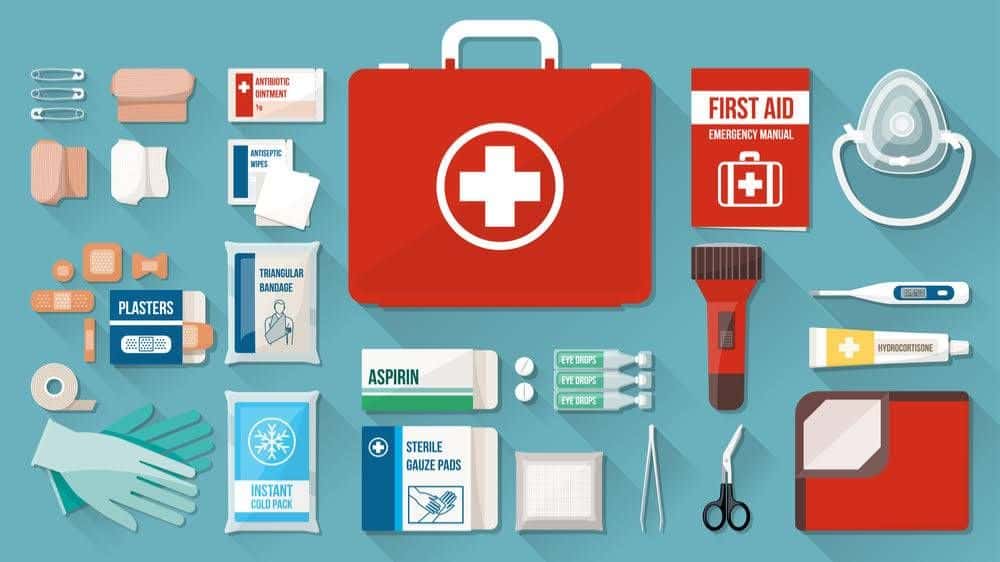
1.Essential Medical Supplies
Bandages with Adhesive (Various Sizes): For cuts and blisters/abrasions
Gauze pads constructed of sterile gauze and medical tape can help cover larger wounds.
Antiseptic wipes & solutions (Betadine/Savlon): For cleaning wounds. Cotton roll and cotton swabs
Tweezers and scissors: Useful tools for extracting splinters as well as cutting tape and gauze.
An accurate digital thermometer should be purchased.
2. Medications (Commonly Used in India)
Paracetamol: should only be taken to treat mild discomfort.
Ibuprofen (Brufen) can help treat muscle inflammation or pain.
Antacid: Antidiarrheals can help with acidity or indigestion issues.
Antihistamines such as Avil and Cetirizine may help relieve allergy reactions caused by insect bites or allergic reactions to them.
Antidiarrheals such as Norflox-TZ and Loperamide may help alleviate stomach issues or loose stools.
Oral Rehydration Salts (ORS): Oral rehydration can help combat dehydration at high altitudes or on extended hikes, providing essential hydration support.
Antinausea medications: When dealing with nausea and motion sickness at higher altitudes.
Neosporin or Soframycin antibiotic cream may also be suitable.
3. High-Altitude Medication
Diamox (Acetazolamide) should be taken under medical supervision to prevent and treat symptoms associated with Acute Mountain Sickness (AMS).
Dexamethasone Steroid can be used as an emergency measure in cases of HAPE/HACE; only qualified staff should administer this medicine.
4. Foot Care
Diamox (Acetazolamide) should be taken under medical supervision to prevent and treat symptoms associated with Acute Mountain Sickness (AMS).
Dexamethasone Steroid can be used as an emergency measure in cases of HAPE/HACE; only qualified staff should administer this medicine.
5. Insect & Snake Protection
insect repellent with Citronella or DEET for added protection.
Kit for snake bites in areas where snakes pose a high risk
Creams for itching relief (e.g., Calamine lotion and Lacto Calamine) may provide temporary relief.
Pro Trekker Tips from Trekup India
- Discover how to use the kit, heal wounds, apply ORS, and recognize signs of AMS.
- Consider taking your medication, including those prescribed to manage conditions that are chronic, like diabetes, asthma, and hypertension.
- Do not overpack. Focus on functional and mobile travel solutions when choosing your luggage.
- Make sure you divide up your gear responsibly when embarking on a group trek: distribute larger items such as scissors, ORS sachets, or liquid antiseptic among everyone in the group.
Conclusion
Weather can be unpredictable, but your preparation need not be. Whether you're an experienced trekker or just beginning your Himalayan trek, having an adequate first aid kit provides security and peace of mind during your exploration. Trekup India takes safety very seriously. At Trekup India, we believe security is of utmost importance. A trip that meets its objectives must provide essential security measures - pack smart, hike safely, and let nature handle everything else!
About the Author: Trekking Expertise You Can Trust

Content Writer
Kanishk has lived in these hills all his life, so every time he wished to travel somewhere, the hills were his calling card. He completed his schooling in Dehradun and graduated with a degree in Journalism and Mass Communication. As a result, he was open to sharing in detail his personal experience of exploring with friends and his family. He then looked through different career choices but couldn’t find something that made him happy and content. Until he got an opportunity to work in a traveling company and that to trekking. In his mind, this was like the mountains calling, and he began explaining the adventure of going to the hills to people.