
Prev
1 / 9
Next
 Trekking and Health
By Shivam Shingari|Feb 13, 2026
Himalayan Trekking Meditation for Healing and Peace | Mindful Treks in the HimalayasIn the crowded world, it's challenging to achieve peace. We live in a world where silence seems impossible to attain and solitude is scarce and noise from the internet has become a regular phenomenon. However, the desire for peace isn't gone, bringing people back to nature. One of the most effective methods to reconnect with nature is walking-especially in the tranquil heart-warming Himalayas. The walk is more than about exercise. It's also an contemplative experience that can lead to mental healing and spiritual clarity. If you go through long-standing forests, stroll over the clouds along ridgelines or sit in the lakes in the mountains and alpine you will experience an inner shift in your self. This is why no other place can provide more of this than the Himalayas, particularly when you go on a trek through Trekup India's meticulously planned trekking excursions that aren't just focused on thrills but also on the inner alignment. The Himalayas aren't only a mountain range; they're holy places. Over the many thousands of years the spiritual gurus, sages and monks and seekers have walked the same paths, searching for peace, truth and freedom. This energy is an energy frequency that soothes the mind and awakens the soul. It's about the spirituality of Uttarakhand or the mystical lakes of Kashmir or the peace valleys of Himachal's hidden valleys, Trekup India offers trekking experiences that go beyond beauty. They alter. The purpose of mindfulness is being present. What is a better method to cultivate mindfulness than taking a step at a time walking through the woods? Trekking demands awareness: Your feet are where you rest. The way that your breath is coordinated with the movements of your body. The body's response to altitude and terrain. Walking in a mindful manner reduces thoughts and keeps your focus on the present. As time passes, this constant awareness is reflected in the core of meditation. The experience becomes more stimulating not only with the world and nature but also with you. Trekup India Treks That Offer Meditative Healing Location: Uttarakhand Best Season: May-June, September-October Phulara Ridge is unique to any other trek route in India. It's a ridge hike that offers 360-degree views of the Himalayas for an extended period of time. The pace of the hike is an tranquil mental state that takes place as you're walking through the ridge. It's similar to walking along the spine of the earth. There aren't any crowds or commercial noises, making this a authentic meditative experience that offers a serene environment and peace. Healing Highlight A lengthy, steep hike that requires conscious movement stillness, reflection, and silence on your soul. Location: Uttarakhand Best Season: December to April Kedarkantha is often described as"the "Winter Wonder Trek"-but it's actually a charming spiritual retreat that's hidden as. It's a path that runs through old woodlands charming towns and temples. It culminates in a ridge that offers a stunning sunrise over the clouds. This hike is perfect for those who want to experience an inner release from their emotions and relaxation, especially with the tranquility of snow. The snow-white, pure landscape can give you the tranquil effect-as as when you're letting go of the weight of your problems by every step you take on the snow. Healing Summary The peace of the mountains covered in snow as well as the sunrise temple energy and summits in Juda ka Talab. Location: Himachal Pradesh Best Season: July to September Within the shadows of Kinnaur, Yulla Kanda is located in Kinnaur. It is an lesser-known spiritual treasure. It takes you to a sacred lake believed to be Lord Shiva's meditation spot. The trek is long and rough, but the final destination, a beautiful lake surrounded by snow-capped mountains, is awe-inspiring. The trek encourages reflection. Many trekkers linger at the edge of the lake watching their reflections as they dance across the serene waters. This is the perfect place for anyone seeking answers to their questions, peace and clarity. Amazing Healing A tranquil lake with importance to the spiritual perfect for contemplation or quiet journaling. Location: Uttarakhand Best Season: December to March Brahmatal is the source of legends. The name refers to Lord Brahma The trek takes visitors to two lakes in the alpine which are buried in oak forests that are encased in snow, and on top of the ridgelines. But it's not just stunning views, but legends and potential of the area attracts you. In this location you can walk around in peace as you feel like nature was waiting to breathe. The snow blocks sound, while the frozen lakes act as mirrors of the soul. Ideal for those seeking internal healing and it helps to align their energy. Healing Highlight Highlight: Pine forest silence of frozen lakes, the ancient mythological resonance. Location: Uttarakhand Best Season: May-June, September-October If you're hoping to be able to feel the sensation of meditation while moving, Dayara Bugyal is the ideal trek. The vast meadows in the alpine seem endless, as if green oceans in blue skies. Every step is breathing. Each air feels like a blessing. The hike is relatively easy and is perfect for those who want to to be in nature, but without the physical strain. It is perfect for yoga lovers and nature lovers and those who are recovering from fatigue or burnout. Healing Summary Meadows with gentle slopes are ideal for yoga, walking meditation and for regaining your balance. Location: Kashmir Best Season: July to September There is no other place that can rival the stunning emotional awe of Tarsar or Marsar Lakes. The two lakes in the alpine located in Kashmir offer an incredible magical, surreal and mystical experience. These lakes are bordered by impressive rocks and also flowers. These lakes are perfect for meditation during long periods of solitude as well as journaling. The trek is about getting rid-of the past, the pain and identity that was lost in the past. Many trekkers have stated that the tranquility of Tarsar will stay with them for a long time after they returned home. Healing Summary The blue glacial lakes are surrounded by natural beauty, which triggers an emotional cleansing. However, each conscious trek across the Himalayan mountains can bring you to an experience of meditation, some routes are blessed with energy and past physical form and their history, making them powerful conduits for exploration and healing. Here are a few walks that can be an exercise in meditation What is it that it is that it contemplates: Often called the "classic" trek, its long length (traditionally between 15 and 21 days) gives you a profound experience and a rhythm. The gradual ascent through a variety of landscapes, such as dense subtropical valleys, lush Rhododendron-filled forests, and the high desert that is dry (Manang) and finally the imposing and soaring Thorong La pass (5,416m) is an expression of an inner experience. Walking every day can create an intense flow. Meditative Elements The nature of the circuit reflects the constantly changing, non-linear pathways of life. The journey across Thorong La isn't just about physical challenges. It's also an indication of letting go and commitment, and requires total presence. The presence of ancient Hindu and Buddhist villages (like Braga, Manang, Muktinath) along with monasteries and chortens provide the opportunity to meditate in natural moments. Hot springs in Tatopani are both a metaphorical and literal cleansing. Ideal for shedding the burden of stress, gaining an overall perspective and gaining endurance through constant efforts and adapting. The long length allows the buried emotions to have sufficient space to surface and be integrated. What does it mean: This strenuous hike (Kongma La, Cho La, Renjo La at 5,300m and all above) explores valleys that aren't as crowded (like Gokyo and the sacred Thame) beneath several of the most stunning mountains on earth. The high altitude, vast glacial terrains and extreme physical strain create a powerful setting for change. The silence that envelops the clouds is profound. Meditative Elements The mountains demand total focus on breathing and walking There's no room for distraction. The sheerness and force of the mountains (Nuptse, Lhotse, Everest, Ama Dablam) induce the humble and sloughing away of the self-defence. The clear and crystal-clear Gokyo Lakes are a place where you can enjoy moments of complete quiet and meditation. The simple lifestyle of high Sherpa communities can help you get away from the shackles of unnecessary things. Healing Concentration Effective in overcoming fears (of extremes and exposure, or personal limits) and also feeling a profound humility and peace through the simple cleansing the body. Its intensity builds a deep connection with the vitality and breath. What is it about: Set in the high-altitude desert moonscapes of Ladakh, "The Land of High Passes," this excursion provides stunning beauty, as well as tranquil silence and an extensive experience of Tibetan Buddhist culture. Crossing passes like Kongmaru La (5,260m) reveals surreal vistas. The surroundings are beautiful and peaceful. Meditational Elements The dry, large areas create a vast space for meditation and peace. The squeak rhythmic of a pair of shoes smacking against the gravel creates a powerful sound. Staying in a traditional homestay in Ladakhi villages is a chance to experience a cultural immersion as well as a simple life. The monasteries' passage that have been in existence since the beginning of time (Hemis, Thiksey) and many mani walls and chortens constantly remind that we are in the spirit side. Sky is vast, ideal for a meditation on the sky. Healing Concentration A wonderful method for bringing inner peace into the middle of immense emptyness, and learning from the lasting happiness of the Ladakhi people, and observing the deep stillness of the desert mountains. The Buddhist environment naturally encourages mindfulness and meditation practices. What does it mean? This extraordinary trek, which is often associated with Hemkund Sahib, doesn't just about mountain passes, but much as it is a trip through meadows that are breathtaking at high altitude, full of rare blooms (July-August). It's a trip that is both sensory and an opportunity to celebrate the world's stunning beauty. Walking turns into an energizing flowing movement that runs across a variety of colors. It's a shift of concentration to the senses and the variety of flowers as well as the scent of the earth and flowers and the sound of water falling and the chirping of insects. The beautiful landscape contrasts with the peaks of snow that are in the background. The scene is a symbol of "walking beauty," a kind of exercise that is characterized by walking with gratitude. Profoundly restorative for anxiety or mental fatigue, stress and tension. It helps you reconnect to the earth's gorgeous and abundant beauty. It also encourages happiness, gratitude, as well as a sense of reverence. The ideal choice for a easy, open-hearted meditation that can heal the healing power of nature. The reason it's a Meditate is that Mount Kailash is widely thought of as the axis (center of the universe) according to Hinduism, Buddhism, Jainism as well as Bon. The circular trek (Kora) around the summit (52km and up to 5,650m at Dolma La Pass) is one of the most venerated pilgrimages in the world. It is designed to be a workout in walking. Meditative Elements It is believed that the Kora is performed with intention and often in silence or singing mantras (like "Om Mani Padme Hum"). The Kora is adorned with mani stones, prayer flags, and places to prostrate. Physical challenges (altitude or distance) is not important in the pursuit of spirituality. The pilgrims of various faiths unite in a powerful force of devotion. The harmony of the mountain is breathtaking. Healing Concentration This is an intense soul-level process. It's about cleansing, releasing the cycle of karmic rebirth (symbolized via the Kora) and deep reverence, as well as reconnecting with God (however it's defined). Healing is often described as transformative and transcendental. What these journeys have they share is the simplicity. No Wi-Fi, no concrete, no deadlines. Only the sky, the tracks of trees and the time. With this simple approach, there is an inner peace that is calming your soul. It's easy to recall the person you were before the turmoil. Then, you are reminded of it. You listen again. It is for the second time, a human being-not an individual doing. The most significant impact of the walks will not be just present but also in the way they do with what they've left behind after. Once you are back you'll be able to focus greater focused. It is obvious that you're less reactive and you are more adaptable. It is at this point that you start to believe in the process of life as if you believed in the journey. The best way to heal is by trekking. It's not through preaching but rather through dawns. This isn't with the therapeutic value of hikes on trails. It's not due to the pressure but the presence. The Himalayan mountains aren't just challenging your body but also cleanse your spirit. If you go in the right direction, the right path, and have the right goals the journey becomes more than a mere journey of adventure. It's an experience that will make you feel alive.. Trekup India is not just an organization for trekking, but rather a network that is comprised of seekers, travelers, and healers. Each trek is designed to give you not just excitement but also the therapeutic advantages.. Trekking and Health
By Preetam Singh Rawat|Feb 13, 2026
What Happens to the Body at High Elevations? Effects & Altitude AdaptationThe higher altitudes at which you can trek is an unforgettable experience, both physically and metaphorically. When you climb over 8000m (2,400 feet) or trekking towards Himalayan summits your body goes through a variety of physical changes as it adjusts to lower oxygen at higher elevations. certain changes are manageable while others could be dangerous if not managed. Be aware of any potential physical changes at higher elevations is vital when you are hiking through the mountains. The climb to the Himalayas requires exploration of high altitude areas which is why trekkers must be aware of the impact of this environment on their lives. We prefer the term "exploring" instead of "trekking" because your body reacts similarly to walking, cycling across Khardung La, or simply exploring. So, anyone who is planning an excursion to destinations at high altitudes should read this article and be aware of any possible consequences of high altitude environments. This piece should be required reading! At sea level, your body gets used to the particular amount of oxygen available and will naturally adapt by increasing the intake, which results in you breathing more frequently. When blood oxygen levels are low and discovered your body responds by boosting the circulation of oxygen-rich blood. This causes the heart rate to increase and bone marrow producing numerous red blood cells that supply oxygen throughout your body; ultimately, too numerous red blood cells may cause blood flow to slow down like thickened ketchup resulting in possible clotting when it is not functioning. Higher altitudes mean that increased stress on your lungs and heart causes your body to expelling excess fluids to ease the burden diuresis. Sleep issues at higher elevations can also be caused by breathing in shallowness at night, which prompts your brain to awaken you and remind you to breath properly, which can lead to less restful sleep all over. Adjustments to your body's posture can be a factor in adjusting to higher altitudes. In relation to the physical changes that you're experiencing It's important to understand that they can occur without exerting yourself. They are not related to climbing or hiking. It's simply a result of being at a higher elevation. If you're sitting on an level ground, your body will become more able to adapt to changes. This could be tiring as time passes. It is important to recognize that the changes I've mentioned to date are merely naturally occurring responses to an elevation increase and are not indicators of an issue. The majority of our bodies are able to adjust to higher altitudes. However some times, our bodies are unable to adapt completely, resulting in high-altitude sickness or just being uncomfortable at higher altitudes. Knowing the basics of research makes treating these illnesses fairly simple - the most common issue for trekkers is often to be an inability to recognize the situation which is why I wanted to share this information. Be aware that ignoring stress at altitude could result in serious illnesses that include acute mountain sickness (AMS). This condition is characterized by symptoms like nausea dizziness, headaches fatigue, and a loss of appetite, typically within 6 to 24 hours following ascending to an altitude of more than 8,000 feet. To alleviate the symptoms, you should take frequent breaks and drink plenty of water. Do not ascend or descend if symptoms get worse. Acute Altitude Pulmonary Edema (HAPE) is a condition which could be fatal if it is not treated promptly. The symptoms include breathing problems and chest tightness, as well as coughing that is wet and fatigue. For this reason, it is recommended to quickly descend from high altitudes and seek medical attention immediately. HACE also known as High-Altitude Cerebral edema (HACE) is a serious condition that can cause confusion hallucinations, incoordination and hallucinations as well as a lack of consciousness at higher altitudes. If it occurs rapidly enough, it will require immediate action, including swiftly dropping to lower altitudes and receiving oxygen therapy as quickly as you can. The effects of high altitude differ based on the individual affected. Some individuals might not experience any problems at 10,000 feet, while others may begin to experience symptoms as high as 8000 feet. Fitness doesn't provide protection, but getting acclimatized, drinking enough water and being mindful are the best ways to adapt. Be aware of the signals your body emits and recognize any warning signs when discomfort occurs, and don't risk yourself by attempting to climb the top of the mountain! Trekking and Health
By Nanda Rawat|Feb 13, 2026
Trekking Hygiene: Smart Ways to Stay Fresh & Healthy on the TrekIt is a great way to spend time with friends however, it may also bring challenges of its own such as dealing with grime and dirt and a deficiency of services. Although toughness is a normal part on treks, maintaining good hygiene practices on longer or more intense trips is crucial for health. Simple and healthy hygiene practices can help you stay safe from infections, illness and unpleasant outdoor conditions while also protecting yourself from illnesses, infections, or unpleasant outdoor experiences. Cleaning up after Trekking isn't easy for women who suffer from menstrual issues particularly if there's bathrooms in the vicinity. But there are effective methods and techniques to ensure you are clean and fresh while out on the trails. Trekup India women's Trekking members have put together a list of tips they recommend as methods to keep well-groomed while trekking. Trekup India believes that being healthy does not have to be a struggle however sometimes, taking a few Treks before you know how to manage menstrual flow on outdoor activities is crucial for optimal hygiene practices. The choice of tampons over pads can provide better hygiene. Tampons are small extremely absorbent and efficient in capturing menstrual flow. The main benefit is the fact that they dry rapidly after being inserted, which makes them a great choice for performing activities like walking along rivers or during rainy days. Additionally, their compact dimensions allow them to fit in every backpack, without consuming too much space however, according to Sandhya UC notes, it is essential that users get comfortable with tampons before going on lengthy Treks or walks relying only on them. Don't throw away used products for sanitary use as litter during your trek. Instead, take them home and dispose of them properly when you return to town. If you do not want to use tampons in any way then sanitary pads might be a viable alternative. While they are generally accepted and are accepted in social settings but they might not be practical when you are trekking. Their size makes them susceptible to leakage, however when you find that sanitary napkins make your comfortable, feel free to use them. Menstrual cup is highly recommended. Whatever method you choose make sure that all the items you use return back with you - with newspaper wraps or Ziploc bags - and not leave any items behind at the foot of the mountain. Bio-toilets help menstrual hygiene management while trekking much more convenient due to the eco-friendly materials used in bio-toilets. From pads and tampons to menstrual hygiene, to cups made of sustainable materials allow users to effortlessly maintain the hygiene of their menstrual cycle when they are outdoors. Its size is comparable to a standard bathroom to make it easier to use during outdoor activities. For instance, Lakshmi Selvakumaran, Team Head of Trekup India, has observed her menstrual cycle is consistent while hiking - an easy clean-up using a damp towel is perfect! Prather utilized bio toilets while trekking, but she they could make managing menstrual flow more difficult when outdoors than standard bathrooms. For trekking, you must use wet wipes that are eco-friendly; however their use is now prohibited during treks. Instead, we recommend the use of scentless or soft handkerchiefs made of tissue paper that need to be soaked prior to using to wipe. It is essential to ensure that your hands are clean prior to using them. changing your clothes. "Grooming during extreme temperature fluctuations such as nighttime or the morning hours is advised" according to Sandhya UC. The ideal is to have grooming done early in the morning rather than being put off until later in the afternoon in the manner that is typically done. Morning is the best time to wash and change. If you're planning an excursion one of the first questions you will be asked is what clothes to bring. Women often wonder if new clothes should be packed each day when traveling; according to Sandhya UC's general guidelines is that 3 outfits will suffice on a trip lasting 8-10 days that includes your current clothes and two spare sets. Start by choosing an outfit. Replace sweaty clothes with clean ones inside, while leaving sweaty ones outside making use of both sets for different climate zones. If you can you can wash sweaty clothes by soaking them in water prior to drying them before wear them once more. As you climb higher elevations, where sweat production decreases could necessitate changing clothes less often; if this is the situation, it's sensible to switch clothes every two or three days. Sandhya recommends carrying daily a new set of underwear during menstrual cycles or swapping out cloth panties that are disposable regularly lightweight options that don't take up much space in your bag. You might want to consider having separate bags that can be resealable specifically for sweaty socks and underwear in order to keep them separate from clean clothes inside your bag. This will help keep soiled items separated. Being healthy on the trail can be simpler than you think. Make sure your daily hygiene routines, like washing the hair and washing your face, as well as going to the bathroom are in good order. Camping sites usually provide easy access to clean drinking water to ensure easy drinking. When packing toilet paper, be sure it's biodegradable or organic. Trekking and Health
By Shivam Shingari|Feb 13, 2026
Is Trekking Safe With Diabetes? Precautions, Tips & Safety GuideDiabetic trekkers can climb mountains without having to face any issues, allowing those with diabetes participate in high-altitude treks. However, before beginning the trek many were nervous and overwhelmed. I believe that everyone should not have to go through anxiety and uncertainty prior to embarking on an adventure. The trek can be more than just a physically demanding exercise and is a great source of spiritual nourishment. Being in lush forest and enjoying high altitude views, or climbing mountains, can result in significant change when done in a safe way However, those suffering from diabetes may be concerned about going on treks even though they are diabetic. It is possible to trek for those who suffer of Type 1 or Type 2 diabetes, if they adopt an appropriate and systematic strategy for planning. Not only is trekking safe, but it could aid in general wellbeing Learn to enjoy outdoors activities while living a healthy, happy lifestyle. The endocrine system is an ongoing disease that affects the way your body handles sugar. The cause of diabetes is their body's inability to produce or use insulin produced by specific pancreas cells, called islets. Insulin plays a crucial function in digestion. Insulin plays a crucial function in transporting glucose throughout the body. After every meal, the sugar levels in your body rise. Once the increase is recognized by your pancreas and the pancreas is able to recognize it, insulin gets rapidly released into the bloodstream to reach the cells in your body. These cells then allow the glucose in their cells. This allows glucose into. Once it's in, cells transform the sugar into energy which is used immediately, while storing certain amounts in fat cells to be used later. As per the WHO there are two kinds of diabetes: Type 1. Type 2. Type 1 Diabetes is an autoimmune disease in which immune cells attack and kill pancreatic cells that make insulin, resulting in decreased production. While the majority of diagnoses are among children or adolescents, patients are diagnosed at any time; treatment usually consists of daily insulin injections, since this focuses on its primary causes, which are not food or lifestyle-related however, it is often attributed to genetic and environmental factors such as viruses. The most effective way to treat Type 1 Diabetes is with regular glucose monitoring and therapy, in conjunction with a mindful approach to food preparation and exercises. Type 2 Diabetes Mellitus (T2) is an endocrine disorder that affects metabolism. The resistance to insulin or inability to produce sufficient quantities of insulin are two reasons for T2. The majority of people suffering from diabetes are who are between the ages of 40-70 years old however, its prevalence is increasing in teens and children as a result of inadequate diet and a lack of physical activity. While insulin production remains constant however, its role diminishes. The development of diabetes type 2 is usually due to lifestyle, genetic, and food choices like being overweight, having a poor habits, or making poor food choices. It is possible to control the condition through a balanced and healthy diet, participating in regular physical activity and taking oral medication In certain circumstances the treatment of insulin may be an alternative. While you take a walk through nature on walks or trips outdoors you might come across two additional terms related to diabetes: hypoglycaemia and hyperglycaemia. Both conditions can be seen in people who suffer with Type 1 diabetes. Hyperglycaemia is a term used to describe excessive sugar levels in the blood as a result of poor diet or lifestyle choices typically due to inadequate insulin treatment. The signs of the disease are dry mouth, excessive thirst and depleted energy levels headaches, as being impaired vision and frequent urinary frequency. Hypoglycaemia, though not widely recognized in diabetes, is usually more prevalent in outdoor. Hypoglycaemia is in the body when it produces excessive insulin in comparison to the amount of sugar is available, which causes an acute condition which can quickly escalate. Signs of thyroid dysfunction include irritability, hunger, and fatigue. Hypoglycaemia could pose a danger possibility on hikes. To avoid it, people who suffer from diabetes usually follow a prescribed diet as a part of their regular routine. The amount of food you consume can vary significantly during a trip. Walking can cause your eating habits and exercise routines to shift dramatically which can lead to hypoglycaemia while your body adapts to the new conditions. Making adjustments to a new diet may require changing the amount of insulin you consume at home. Individuals may adjust in various ways. Some may adapt quickly, whereas for others it might take several days to adjust. Hypoglycaemia may occur following any modifications made during surgery. In the end, this is the very reason. Insulin dosage may exceed daily sugar intake. If someone is experiencing digestive discomfort or is able to quickly adjust to new surroundings their blood sugar may fall rapidly despite active insulin therapy. A diet that reduces sugar intake is usually enough to control hypoglycaemia, aiding in the regulation of insulin levels in your body and ensuring the level of glucose in your blood. Diabetes shouldn't stop your from pursuing high-altitude hikes! If you are prepared and adhere to safety guidelines it's possible to overcome the challenges of trekking at higher altitudes while keeping an appropriate level of fitness. Physical Conditioning: To understand and overcome the obstacles that come with fitness, you need to be familiar in intense physical exercise and its limitations. Being early to your base camp will allow your body to adjust easily to a hostile environment. Start by taking a few short walks around town to gain an idea of what you can expect when you travel for longer distances. Medical Preparation: Bring an ample quantity of medications - twice what is normally required. Bring a temperature-controlled container for your insulin so it won't freeze, and stockpile things such as insulin, syringes, and an instrument known as glucometers, as well as replacement batteries (as cold weather drains them quickly). Also, make sure you have adequate glucose tablets and gel available. Insulin Control Two days prior to you begin your journey, you should begin making adjustments to your food intake and insulin dosages in order to help prepare your body for what's ahead. This will allow it to function at its most effectively. Emergency Preparedness: Establish an emergency plan that includes food, insulin or liquid intake in the event that an illness occur or unexpected setbacks occur in your travels. Being prepared means that you are better prepared to deal with any possible challenges that may be thrown your way. Maintain Your Energy and Health During trekking: Eating regularly during your trek is crucial to maintain your health and energy levels So, make sure to include plenty of healthy non-perishable foods in your bag for your trip. If an emergency occurs, it's essential that your trek leader as well as your support group are aware of the current condition of your body as well as any emergency procedures you'll need. Make them aware of the location of any medication are in your bag to ensure they are able to get them in the event of a need. Manage Your Medication Split any medication that you require into two sets and keep them in different locations. If you can, give one set of your trip leader, while keeping the other at home. Monitoring Blood Sugar Levels If your health issues center around the levels of blood sugar, make certain to monitor regularly any changes to ensure the best results. This will help protect yourself and other members of the community. Trekup India trek leaders are equipped with medically certified guides, who are equipped with complete medical kits and oxygen cylinders for every day of trekking and each camp is specifically designed to meet the needs of the needs of our clients. Which treks are suitable for those who have just been diagnosed with diabetes? Although trekking can seem daunting at first, Trekup India has seen numerous diabetics conquer difficult routes without having to deal with any major problems. People who are planning to trek for those with diabetes should be aware that it's an enjoyable experience with two treks that offer an excellent introduction to the Himalayas which include Nag Tibba, Dayara Bugyal, and Deoriatal Chandrashila treks are one of the top options. Trekking and Health
By Shivam Shingari|Feb 13, 2026
Are Thermals Good for Trekking? Pros, Cons & Better Clothing AlternativesIf you're going on an adventure at a high altitude or on an excursion in cold weather thermals could be the ideal option to keep warm and cozy during cold conditions in the mountains. However, experienced trekkers as well as outdoor experts recommend against wearing thermals while trekking even though they're ideal as a base layer, they can cause harm if worn on hikes. Thermals are an essential part of high-altitude trekking clothing however, many trekkers believe they should not wear thermals during the trek, despite being intended for post-trek clothes. There are a variety of reasons for this, but to better understand them, it is essential to know how they function they function as a base layer in cold weather conditions, and directly touch skin to conserve body heat and stop loss of heat; polyester is often blended with other fabrics like Lycra or wool for additional comfort and flexibility. Ultimately, thermals fall into two categories referred to as Dynamic and static layers that are what our Trek Guide, Nitin Rana describes as Static and Dynamic thermal layers, respectively. The purpose of thermal clothing is to trap body heat which is beneficial when you aren't moving a lot, for instance when you sleep in tents. However, during activities like trekking, your body produces sweat and heat that the thermals can't capture quickly, resulting in excessive sweat accumulation within them, leaving you feeling uncomfortable and sticky after a while. Thermals that are saturated with moisture as a result of sweat or sudden precipitation could take a long duration to dry out, particularly in mountain areas with low temperatures and humid air. Closely rubbing against your skin the wet thermals can rapidly drain your body's heat, while increasing the risk of hypothermia during periods of apathy or when the night approaches, temperatures drop dramatically. The slender design of thermals and use of materials specifically designed to trap heat can limit airflow considerably, which can be beneficial when you are not physically active. However when you're performing physical activities it can result in your body's temperature to rapidly increase, leading to sensations of heat stress, discomfort or even dehydration. Restrictive Thermal Layers Certain layers aren't flexible and can hinder mobility when traversing steep slopes and steep drops. A garment that has moisture-wicking properties, such as dry-fit tops or light fleece, can provide greater mobility while retaining comfort. Dynamic thermals are light and breathable thermals with a comfortable, breathable design to be used in outdoor activities, such as trekking. The stretchy fabric gives flexibility and mobility and warmth, while swiftly drying off thanks to moisture-wicking properties. Static thermals can cause discomfort since they're made from thicker wool fabrics as opposed to the dynamic ones. The thermals might not be the ideal equipment for trekking: when you are layering for an outing ensure that the clothing closest to you is comfortable and wicks moisture to allow the full range of motion. Thermals are not the best choice in these circumstances. The physical demands of trekking can cause sweating even at cold altitudes. This causes your thermals to become sweaty and damp due to their materials, like cotton, merino wool, or synthetic blends which don't dry as quickly can make it difficult. So wearing damp thermals throughout the day could make them soaked by nightfall damp thermals can make you colder rather than providing warmth. The use of thermal clothing on a hike could cause more sweat in comparison to normal clothes, resulting in dehydration in higher elevations where Acute Mountain Sickness (AMS) poses a serious risk. This can increase sweat production and, in turn, could increase the risk of dehydration. If sweat collects on your thermal clothes during a hike and stays on your skin, it could cause irritation to the skin and increase the risk of developing skin rashes. The thermals act as an insulating layer designed to wrap your body in a snug swath to keep warm, but this can hinder your mobility during treks and cause discomfort during treks. For trips in warmer climates long-sleeved t-shirts can be an alternative to thermals. If you are planning to venture out into colder climates, layering with fleece or a down jacket is the best option. If you notice that dynamic thermals give you greater flexibility and drying faster. Thermals are particularly beneficial in mountainous areas where temperatures can drop rapidly late at night and in the evening when the daytime temperatures vary between 10 and 15 degrees Celsius and temperatures drop dramatically at night even to zero! In this situation thermals can provide a great source of warmth - simply put them on when the sun is set over your campsite and wear them in a way that your body retains warmth. They act as heat insulators, keeping cold out and keeping you warm until you're ready to go to sleeping. They can be a vital element of winter-weather clothing but they should be worn post-trun. Their purpose is to trap heat within and help keep you warm; however, under physical exertion, they could increase sweat accumulation, restrict airflow, and make you uncomfortable-possibly even cold when wet! Wearing them during treks could cause excessive sweating, skin irritation and dehydration, and the risk of hypothermia rising in the event that temperatures drop suddenly. Choose breathable, flexible, and moisture-wicking layers during the day, which allow airflow and flexibility and leave thermals for the night after you're drying off or relaxing on the camping site. They'll keep you warm throughout winter night in the mountains. Be careful when trekking by layering your clothes in a thoughtful manner and allowing the gear you're wearing to move along with your body instead of against it.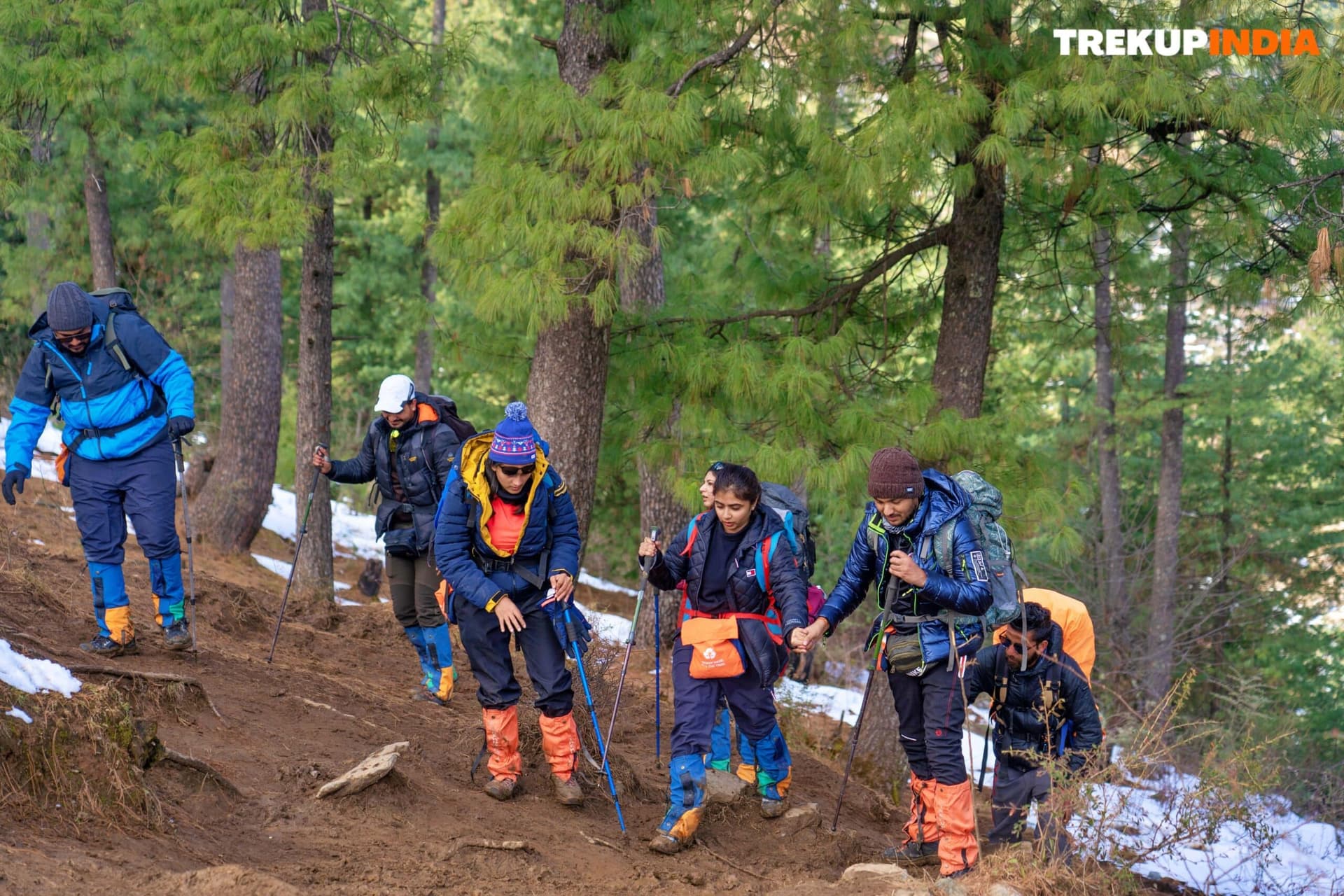 Trekking and Health
By Adhish Bhandari|Feb 13, 2026
Pacing Yourself on a Trek: How to Find a Sustainable Trekking RhythmThe trekking experience isn't the same as running. The mountains don't value speed, they are rewarded for regularity. In TrekUp India We've seen this similar pattern across Himalayan treks along with Western Ghats trails The trekkers who are quick to start frequently struggle later, whereas those who have the rhythm to be steady end stronger, more secure and more content. A steady pace helps conserve energy, shields your body from injury, aids in acclimatization and allows you to truly feel the place you've come to experience. Speeding up too much can result in: A well-managed pace will help you: If you can talk in complete sentences with ease while walking, then your pace is steady. This is great for gradual Himalayan ascents and forest trails too. If you are on a steep slope, consider: This helps keep your heart rate stable and stops abrupt tiredness.It's especially beneficial on mountain climbs in which rushing rapidly depletes oxygen reserves. Make sure to lock your knees at the end of each step, transferring the weight to your skeleton, instead of your muscles. This method: It's subtle, but extremely powerful over time. A solid rhythm to last for long hours: Breaks allow: The short, planned breaks are much better than long, frantic breaks. Each terrain requires an individual rhythm. Adapt instead of pushing speed. Remember: Your trek is your speed, your routine. Small steps can make long days easy to manage. It's not about how fast you can move, but about how long you're able be able to move comfortably. Finding your rhythm can transform difficult climbs into a smooth journey, whether you're traversing Himalayan passes or navigating in the Western Ghats. When you take your time and pace yourself with mindfulness and your body is healthy, your mind stays relaxed and the trek transforms into a memorable experience rather than a test of endurance. We at TrekUp India, we've seen time and time again that those who take their time slowing down aren't only able to complete their treks; they take pleasure in them more. Utilizing simple methods such as talking test, Mountain Step Talk Test, Mountain Step and planned rest, and resisting the urge to compete, you offer you the greatest chance to enjoy having a pleasant, secure trip. The mountains won't be going away. You should walk at a pace that allows you to be present throughout. Trekking and Health
By Shivam Shingari|Feb 13, 2026
Water Purification Hacks: Beyond Bottles, Tablets & FiltersThe trek requires plenty of safe, clean water, but finding it can be a challenge. Although water bottles can be handy and light however, long treks require better options like tablets filtering, filters, and UV light sources that purify water before drinking. Here's a quick guide on the benefits of drinking safe water when trekking through the desert landscapes of India. The chemicals-treated water purification tablets release iodine or chlorine which kills viruses and bacteria. They are ideal for situations of emergency or short hiking excursions. Pros:Ultralightweight and conveniently sized to fit into a pocket or bag. Pros: They may contain substances and neutralizing tablets can assist in the elimination of their presence. Top choices: Potable Aqua and Aquatabs. How it works: With this water filtering system, a very small web (0.2 microns) eliminates bacteria, protozoa and dirt. This is the best choice for long-distance trips that require frequent refills and fresh water supply without waiting around! Advantages Drinking water that's clean is delivered instantly, without waiting! Con:Improves taste and removes dirt. However, it isn't able to protect against the spread of viruses (unless when combined in conjunction with another chemical). Silt-filled water could lead to the clogging. It operates as follows: the UV light eliminates microorganisms rapidly and make water safe to drink within a matter of minutes. This is ideal for hikers who require high levels of technology and rapid water-cleaning capabilities. Pros: The process will take only 90 seconds! A little good taste will never go amiss. To function properly, it needs batteries or chargers. Top Picks for Filtration Systems: Steripen Adventurer and Philips UV Water Purifier. What does it do: Boil water for approximately 1-3 minutes at high altitudes. This makes this the ideal choice to base camp if there is an oven available. Advantages Eliminates all pathogens, without any additional equipment required and also eliminates the need for fuel but it is time-consuming. is. Con: Requires continuous attention.This does not affect the taste or levels of particles however, it does not eliminate them completely. Natural Methods (for Emergency Use Only) Sunlight Infection (SODIS): Fill the pet bottle completely with sunlight for a minimum of six hours in order to activate UV radiation that kills the bacteria that reside in it and provide an effective disinfection. Charcoal Filtration The charcoal that has been crushed on a cloth can assist in eliminating contaminants (but it is not able to remove viruses). Sand Filters and Cloth Removal of Debris Water is pumped through layers of fabric that are that are covered with sand to aid in debris removal. When trekking in the mountains, water isn't the only requirement. However its water purification is not to be considered a given. It ranges from Himalayan stream to distant springs in the forest, even sources that appear to be clean could have concealed dangers which could impede your journey or worse, your health. Chlorine tablets that are fast-acting, high-efficiency filters, advanced UV pens and boiling water could serve different purposes based on the location, time and what sources are available. We at Trekup India, we emphasize the importance of being prepared and self-reliant. one important aspect of this includes water purification. Always keep a backup plan in place and be aware of how to clean any polluted water sources, even those that appear to be safe! Water that is clean within the wild is more than just a source of comfort. It is essential for survival. Take care of your drink and trek hard!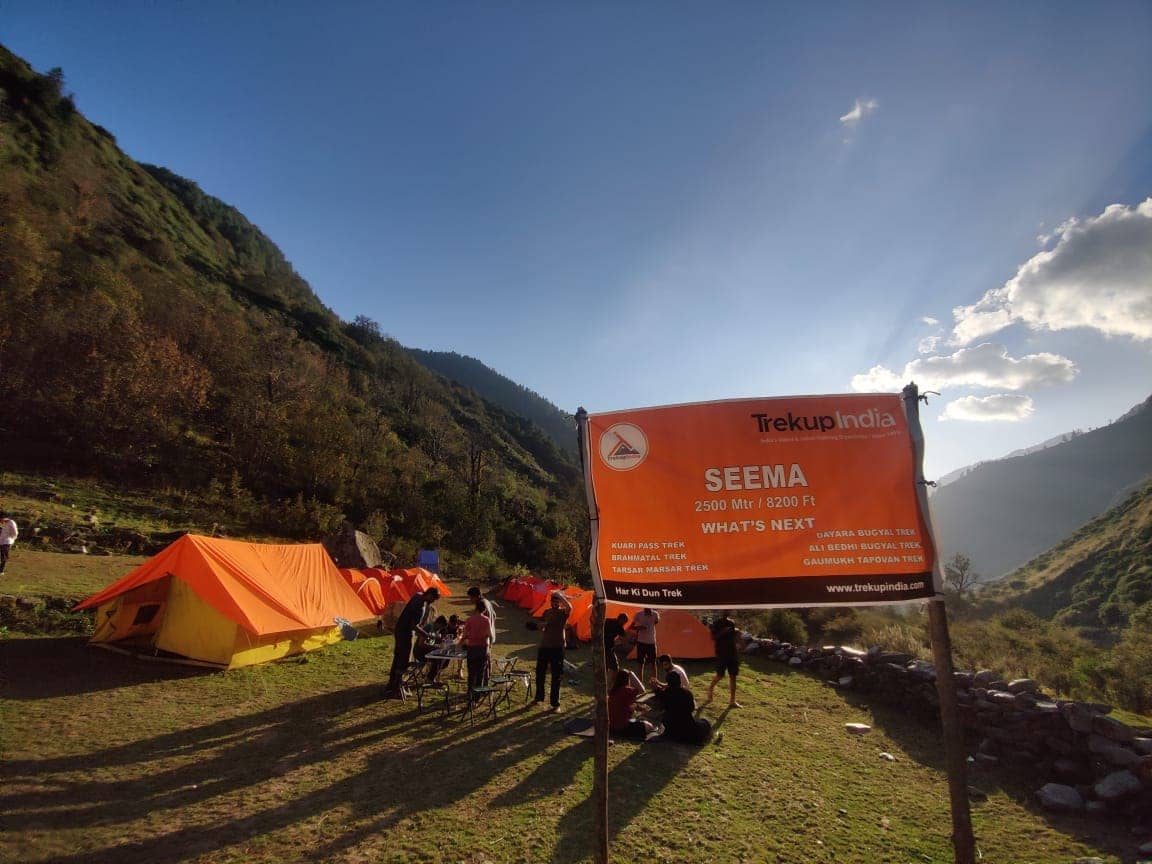 Trekking and Health
By Shivam Shingari|Feb 2, 2026
Fueling Your Trek: High-Altitude Nutrition & HydrationTrekking at high altitudes – whether in Ladakh, Uttarakhand, or Himachal – requires more than mere determination. Cold, thin air temperatures and increased exertion mean your body needs more calories to stay hydrated, as dehydration speeds up the digestion of foods; so having an appropriate diet and water intake plan in place is vital to keep yourself safe while trekking the mountains of the high Himalayas. To aid digestion while trekking at high altitudes, select food items with easy digestion processes. Breakfast: Porridge + dry fruit + hot tea Lunch: Rice/roti, Dal, Vegetables, and Pickle or Chutney. Dining: Enjoy light but energy-rich foods such as soup, khichdi, and paneer or boiled egg for lunch. To maintain energy levels during a trek, snack smart and regularly. This will keep your energy at an even level throughout. Top Indian snack options for an outdoor adventure: Roasted Chanada, energy bars with jaggery peanuts, Till Larddus dry fruit (dates, raisins, almonds, etc). Be wary of: Sugar-loaded candy bars or oily snacks, which may hinder digestion. Mix of proteins and carbs for muscle recovery: Examples are boiling potatoes with eggs or rice with dal, or even energy bars served with warm milk. Drink 500 milliliters of water before beginning your trek – don’t wait until thirst strikes before taking action, because by then dehydration has set in and could have already started its work on you. Your goal should be to hydrate daily at higher altitudes using three to four liters of water. Make sure to use insulated bottles so as to prevent freezing from taking place. Be sure to add an electrolyte powder, sugar, and salt mix or OR (electrolyte powder) every time you consume 1-2 Liters. Drinking lemon water, herbal tea, or hot plain water helps improve circulation while keeping you hydrated. Caffeine can act as a diuretic. Therefore, avoid overconsuming it as this will irritate your bladder and make you sweat more than necessary. A healthy diet will not only boost your exercise routine, but it is also your primary defense against challenges at higher altitudes. When trekking Stok Kangri or the Kashmir Great Lakes Mountains, nutrition and hydration decisions could make or break your trek. At high altitudes, your body is constantly adapting and healing itself. Load up on carbs before your trek; select energy-packed food that’s easy to digest; drink lots of water frequently and maintain an energy boost with recovery food like healthy snacks, warm beverages, or recovery meals; this ensures your body will withstand the elements more readily and stay on the trail longer. This also helps avoid fatigue-related ailments like dizziness, muscle loss, or acute mountain sickness (AMS). Trekking is a holistic experience; taking proper care to fuel and hydrate properly allows you to fully experience India’s high trails while truly appreciating their landscapes, cultures, and challenges. Be sure to fuel appropriately while drinking plenty of water regularly throughout your trek – this way, your strength increases step by step.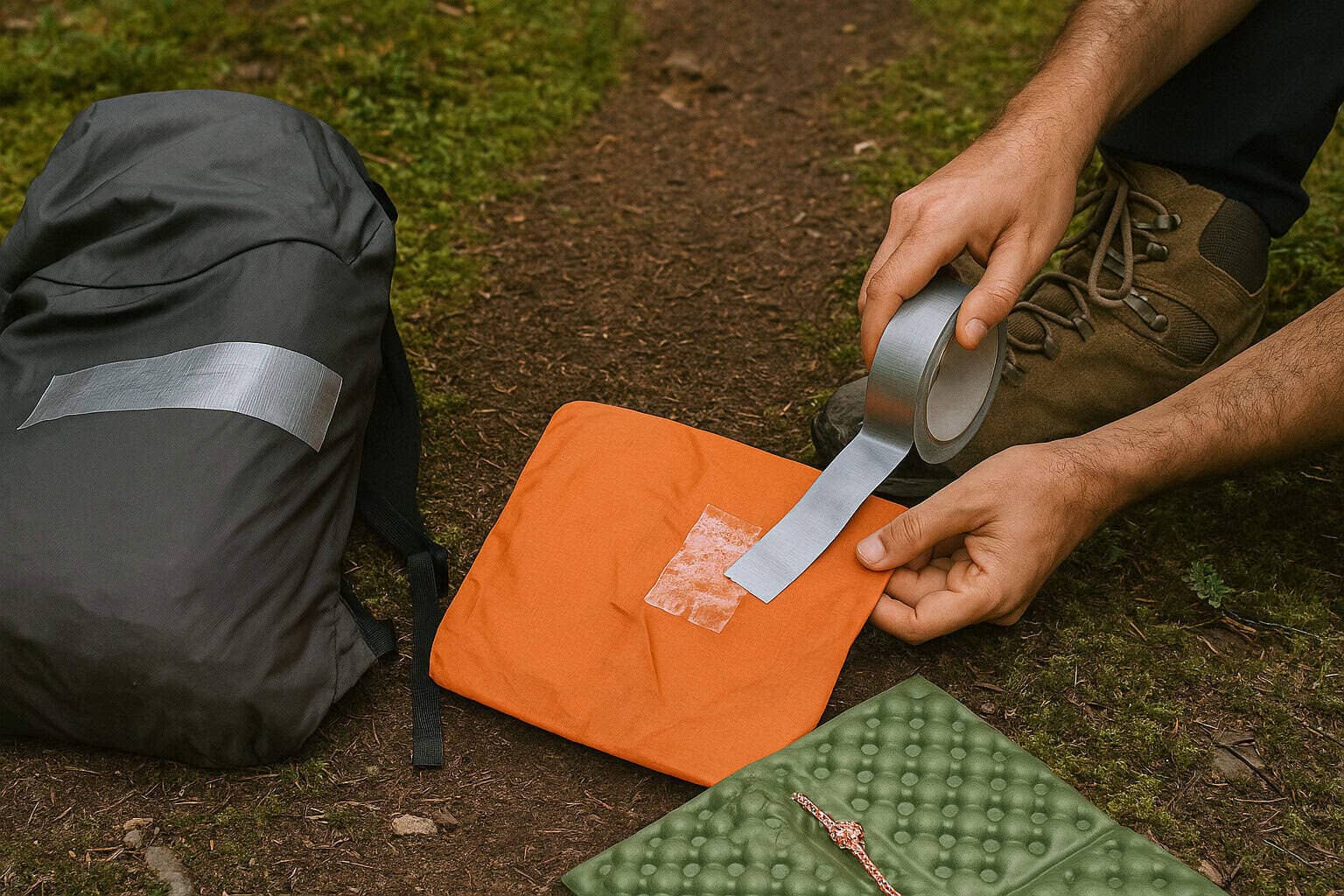 Trekking and Health
By Shivam Shingari|Feb 2, 2026
Trail Gear Repair: Simple DIY Fixes That Actually WorkOnce you've entered the wilderness, issues with gear are likely to strike at suitable times. A backpack strap that isn't repaired or tent that's damaged, or water bottles that leak could be a potential battlefield if not quickly fixed using tools like paracord, duct tape and multi-tools like those mentioned here - that can be used to make repairs that are reliable even when you're the distance is far away from the nearest civilization. This article will demonstrate how quick and reliable maintenance of gear can be carried out even when far from the ghetto. It could be a hassle when you carry your bag around which is why replacing a damaged strap buckle should be your top priority. To provide quick and simple solutions: Duct Tape Wrap This strap must be folded and secured with the duct tape for an interim fixation in order to achieve this outcome. Paracord Replacement If your belt be completely damaged the paracord could be used to make a loop that can be secured with the buckle. Zip Tie trick: Thread the zip tie through the buckle holes, allowing it to assist the strap and secure it. Problem: A Rip in the fabric of a tent can let in rain, wind and insects. To ensure it is sealed, place Duct Tape Patch around both sides of the tear in order to create an impermeable barrier around it. Tenacious Tape (if there is one available): For repairs lasting a long time, Tenacious Tape may provide the most effective solution. Sewed and Tape Combination To repair larger tears make sure you sew the edges first, then apply TapeTape to secure the measure. Problem: A puncture in the water bottle could make you thirsty. Repair: Dry the area first, then seal any gaps with multiple different layers of duct tape. Super glue to fill in small holes Use using glass bottles (allowing for it to air-dry prior to refilling). A damaged pole could ruin any trek or shelter excursion. For immediate stabilization, you should use an extremely strong stick to serve as an splint that is aligned with the damaged portion and secure it with Duct Tape. Tent Pole Repair Sleeve (if included): Slip it over damaged areas to provide additional support and strength. issue: Losing a shoe sole when trekking can be catastrophic. To solve the issue, Duct Tape and Cord Wraps offer support. Tape the sole back into place Then, tie a paracord wrap around the sole to provide additional stability. Zip Tie Lugs are a great way to give temporary grip to worn treads. issue: A broken or stuck zipper can cause damage to backpacks or clothing. Instead of replacing the zipper pull in entirety with keyrings or paracord, you can use an alternative pull tab instead. Apply lip balm or wax to moisturize, which can help to loosen any zipper that is stuck. Safety pins are used as emergency stoppers in the event that the zipper's teeth are disaligned, the zipper's opening is prevented from happening. If you are in the wilderness and every milligram matters, being able to make quick and efficient repairs to gear yourself could not only be useful It could also save lives. Broken straps tear-strewn tents, ruined bottles or soles that are worn, paracord, duct tape zip ties and other tools can keep an fun trip from becoming dangerous. Trekup India frequently emphasizes "Prepare to face difficulties. Before leaving, bring with you a kit for repairs to come up with solutions and be confident - particularly because in the wilderness self-reliance is the best friend.