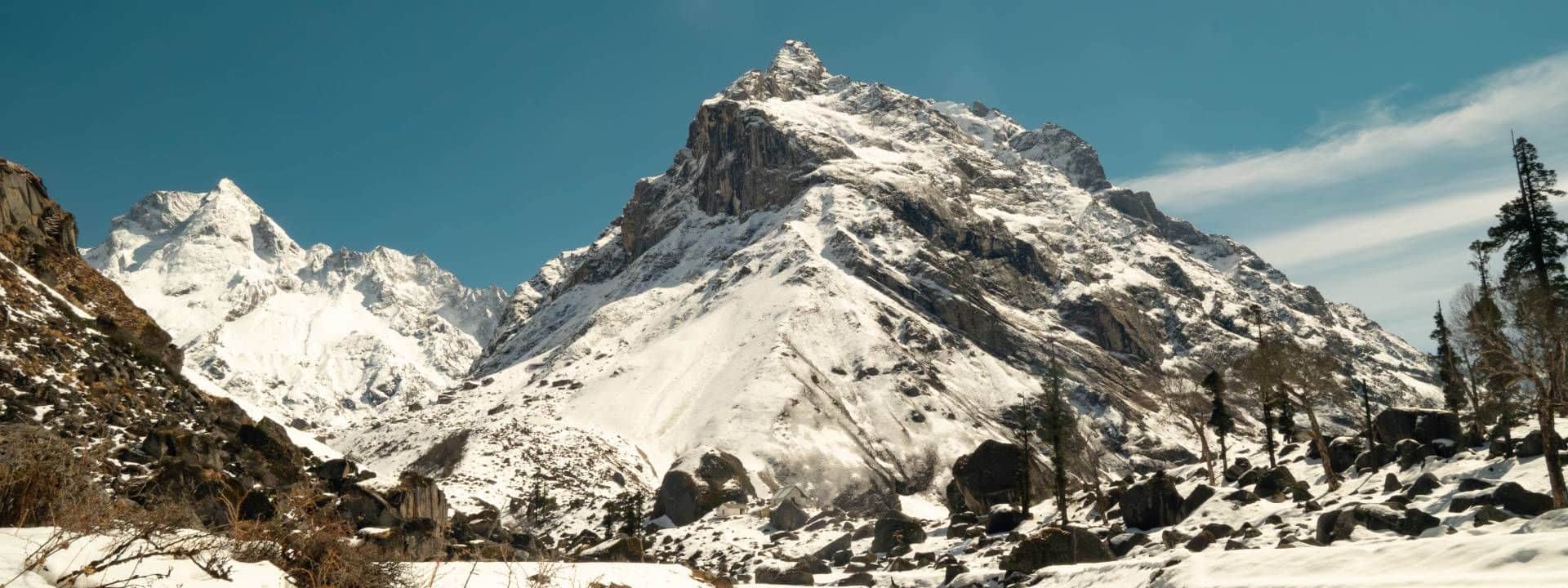
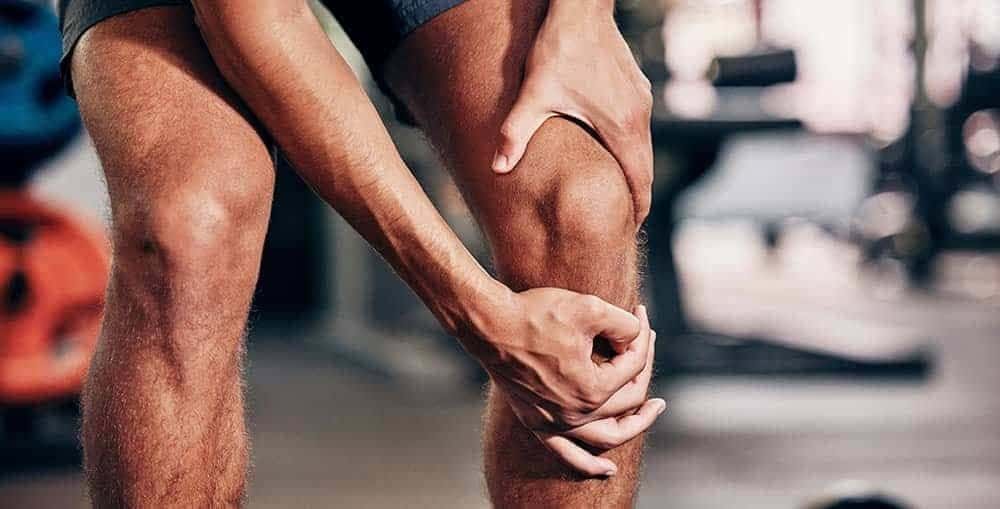
Imagine you are nearing the midpoint of your trek along the Himalayan Ridge It's a beautiful scenery, however your legs begin to cramp and fatigue starts to creep in. It could be due to an electrolyte imbalance. Trekup India has seen fit trekkers suffer from low electrolyte levels because of lack of hydration even though they train to the maximum extent they can prior to starting any hike - regardless of whether Kedarkantha, Buran Ghati or Goechala is your destination, maintaining the balance of electrolytes is crucial for maintaining fitness and performance of the muscles and endurance of muscles traveling towards it all.
Why Are Electrolytes Crucial at High Altitudes?
Higher altitudes cause electrolytes to are lost faster because of factors like a higher frequency of the need to urinate (a normal response to the elevation) sweating as a result of exercising and breathing fast (losing water via breathing). The low levels of oxygen make muscles more strained.
Important electrolytes like magnesium, sodium, potassium and calcium- play an important role in our lives.
Treatments for muscle contractions and cramps
Nerve impulse transmission Signals from nerves
Balance and hydration of fluids
Production of energy and endurance.
Signs of Electrolyte Imbalance
The Muscles Cramps (especially on calves and the legs ) Persistent fatigue (even after a rest ) Dizziness or lightheadedness
Headaches or Nausea, Hemiplegic Heartbeat (in extreme circumstances ).
If you ignore these warnings, it can lead to severe thermal exhaustion and dehydration or worsened altitude illness.
- Hydrate With Electrolyte Solutions
Use the ORS (Oral Rehydration Salts) or electrolyte tablets such Hydralyte Nuun or Hydralyte when needed (local alternatives may also be available).
Drinking too much plain water could reduce the electrolytes that are essential and cause cramps.
- Eat Electrolyte-Rich Snacks
Snacking on foods rich in electrolytes For example: Pickles, nuts and trail mix are all rich sources of sodium. Potassium is found in dried apricots. Magnesium is found from dark chocolate nuts, and pumpkin seeds. calcium-rich foods like cheese or yogurt (if available) sesame seeds, sesame seeds or yogurt (if there) can also provide vital electrolytes.
- Minimize Caffeine & Alcohol
Alcohol and caffeine both boost the frequency of urination, and also eliminate electrolytes more rapidly which aids in the faster elimination of electrolytes out of your body.
If you intend to drink it, ensure that an electrolyte supplement will be consumed.
- Choose Natural Solutions
Coconut water is a fantastic organic source of potassium.
The combination of lemon and salt makes an easy drink to make at home for rehydration.
- Evaluate Urine Colour & Sweat Loss
Clear urine suggests an over-hydration (you might require extra electrolytes).
The presence of dark urine could be a sign of dehydration. Drink more fluids that contain electrolytes to remain well-hydrated.
The white marks of salt that appear in clothing (high salt loss) must be dealt with promptly by replenishing the salt reserve.
Emergency Solutions for Electrolyte Deficiency
For relief from muscles from cramps, massage them and drink an electrolyte-rich beverage.
To fight fatigue, sleeping, having an ice cold snack and replenishing electrolytes can aid.
To ease nausea Try munching on ginger-flavored sweets or drinking small sips out of the ORS solution.
Conclusion
The management of electrolytes in higher elevations is just as important as drinking sufficient water, inattention to this can lead to cramps, discomfort and a decrease in hiking performance. Plan your hydration plan by adding electrolytes into the water source, or eating foods that are rich in minerals, while staying clear of dehydrating substances for more intense, longer trekking while being safe and secure.
About the Author: Trekking Expertise You Can Trust
Operations Manager
Nanda Rawat holds a Master’s degree in Tourism & Hospitality and brings over 16 years of experience in adventure and leisure travel. He has led multiple Himalayan expeditions, contributed to ATOAI, and is trained in first aid by the Indian Mountaineering Foundation. A strong supporter of sustainable and ethical tourism, he plays a key role at Trekup India. Write to him at: nanda@trekupindia.com