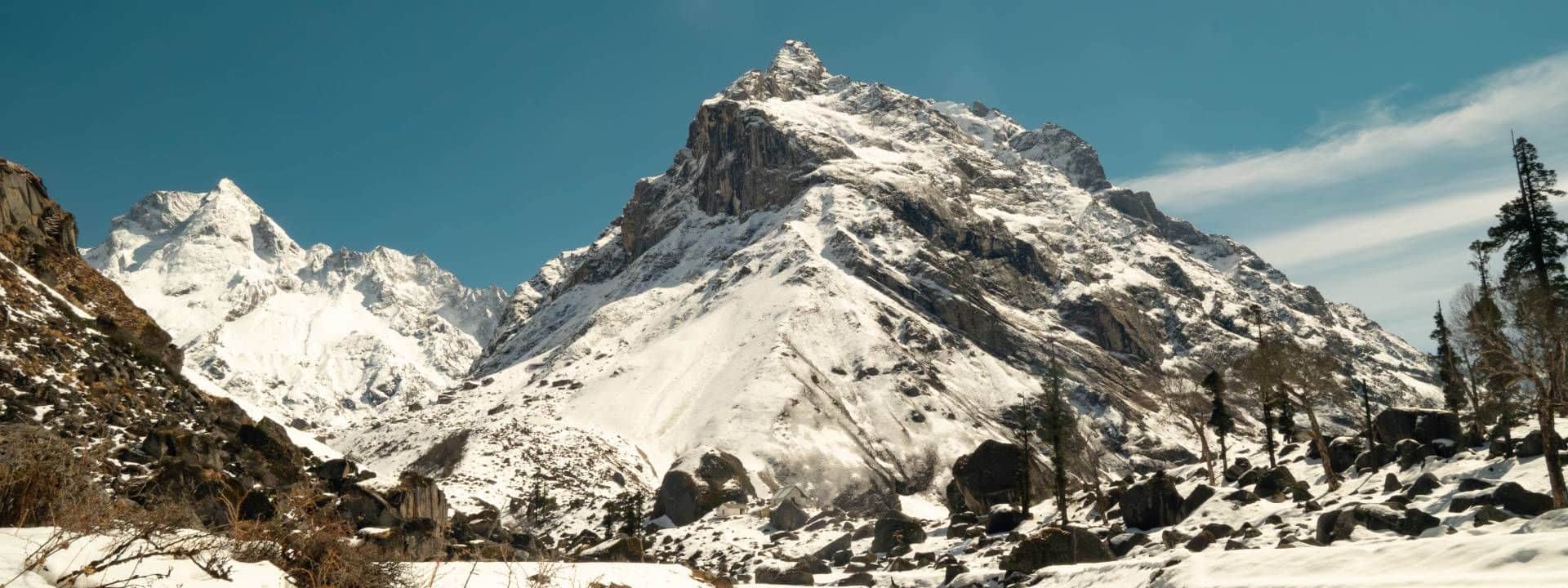
Cold air can mask the intense sun's heat when you are hiking through high altitude passes, such as Kongmaru La or Bali Pass. At altitudes of between 4000 and 5500 meters exposure to sunlight is particularly dangerous, and could result in sunburn and other severe medical complications. We've seen that failing to recognize the dangers of sunlight can result in sunburns as well as more severe medical issues, including altitude sickness.
Why Is Sun Exposure Worse at High Altitude?
Thicker Atmosphere- More radiation is a result of lower UV filtering.
Reflection off snow & Ice: Up to 80 percent of UV rays can reflect off ice or snow and increase your UV exposure.
Cool temperatures cause burns Although you may not feel the heat directly on your skin, it's being removed from your body.
Dry Air and Wind: Exposure to dry air and wind can cause dryness of the skin cells as well as chapping.
Common Sun-Related Hazards for Trekkers
SunburnAt high altitudes sunburns of any kind can appear within 20 minutes. They will appear on the face, neck and hands.
Snow BlindnessCornea damages caused by UV radiation can cause snow blindness. Symptoms include watery and red eyes, as blurred vision, or temporary blindness.
Dehydration In cooler climates sunlight can accelerate the loss of water from our bodies when it is combined with extreme exercise and mountain air that is dry.
Heat exhaustion:Even in winter conditions the prolonged exposure to sunshine on clear days can cause heatstroke, dizziness and fatigue.
Trekup India's Sun Safety Strategy for Trekkers
- Use high-SPF sunscreen SPF 50and broad spectrum sunscreen is highly recommended.
Use the Sunscreen every 2 to 3 hours. This is especially important if you sweat often.
Don't forget to protect your ears, neck, nose and under your chin with a protective shield against UV radiation.
- Wear Sunglasses Offering 100% UV Protection
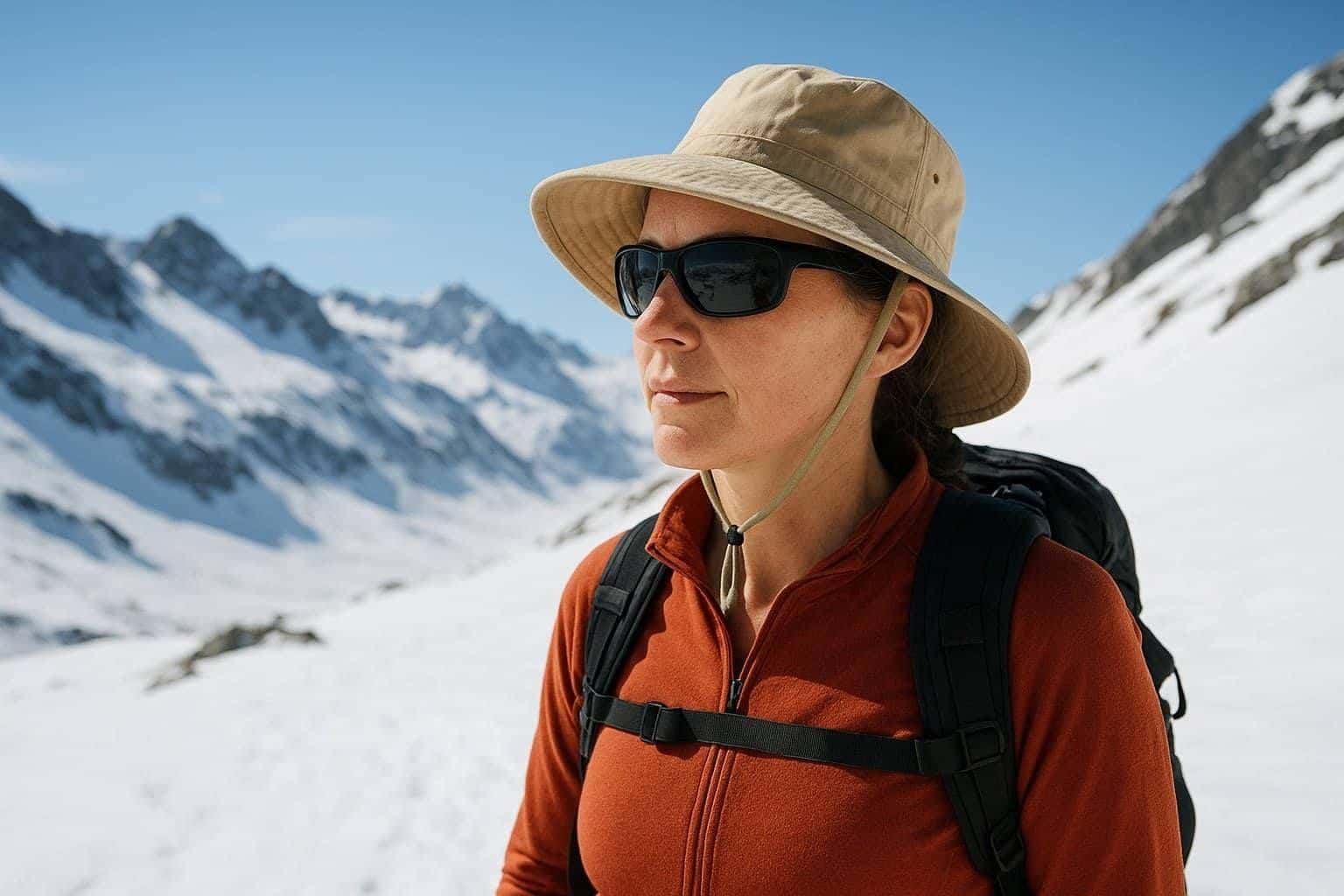
Wear sunglasses that provide 100% UV-protection. cover on the sides (wraparound style is the most popular).
Glacier glasses are a must-have item for those who trek Brahmatal, Kedartal or Goechala in snow conditions.
Do not leave the snow lights under direct sun for more than an instant, or even for a few minutes.
- Protect Your Skin
Wear a hat with a wide brim or one with an opening on the neck to cover any skin areas.
Wear shirts with full sleeves that offer UV protection.
Be safe from the sun and wind by wearing the bandana over your head and neck. protect yourself.
- Stay Hydrated
It is recommended that you carry at minimum 2 litres of water per day.
Even if you're not thirsty, drink regularly. Even if it seems insignificant you should take time every day to replenish your body with a glass of.
To maintain a healthy balance of salts, you can supplement with ORS electrolyte capsules or tablets.
- Planning Your Treks Wisely
To ensure maximum the safety of hikers on exposed passes and climbs, try to avoid hiking during peak sun hours (11:30 am to 2 pm).
Relax in shaded areas as much as you can.
Pro Tips from Trekup India Trek Leaders
- Use a lip balm that contains SPF. Sunburnt, cracked lips are one of the most frequently-reported problems.
- Make sure you keep a spare pair of glasses on hand.
- Be alert for warning signs: Make sure to shield yourself from sunburn prior to feeling hot and burning.
- Make sure you wear gloves, or even full-finger ones when your hands are susceptible to burning or tanning.
Essential Sun Safety Kit for Trekkers
| Item | Purpose |
| SPF 50+ Sunscreen | Prevent sunburn |
| UV-protection sunglasses | Protect your eyes from UV rays and snow glare |
| Wide-brim hat or cap | Shade face & neck |
| Lip balm containing SPF | Prevent dry, cracked lips |
| Bandana or buff | Cover neck and face |
| Clothing that is UV-protective | Cover shoulders and arms |
| ORS tablets / Electrolytes | Maintain hydration |
Conclusion
Don't be fooled by the fresh air and bright skies into thinking that sun protection is not necessary for high altitude treks. At Trekup India we train our trekkers to control the sun's rays as part the training prior to trekking, and provide preventative steps to will allow them to enjoy stunning views without feeling sunburn every day.
About the Author: Trekking Expertise You Can Trust
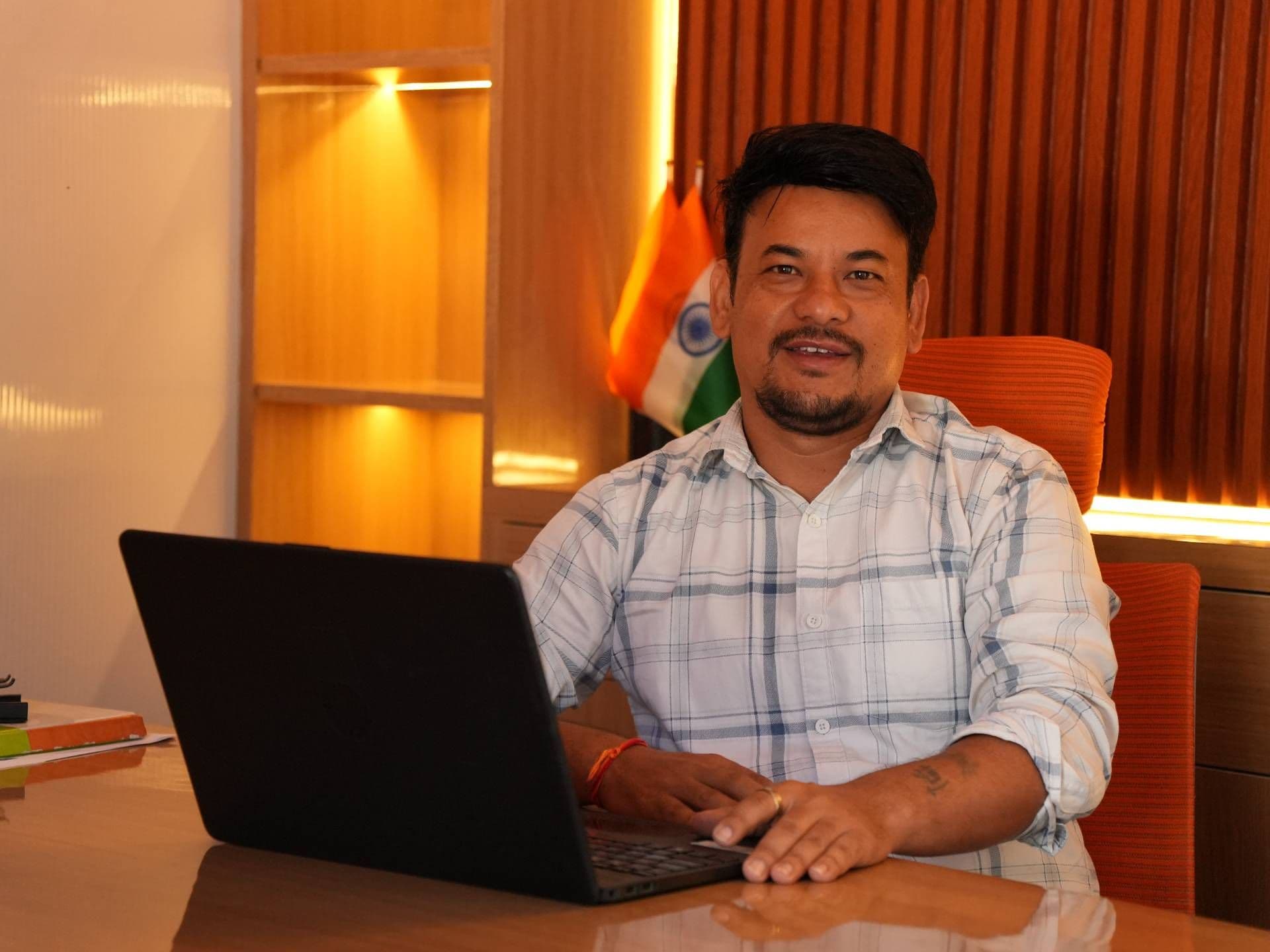
Operations Manager
Nanda Rawat holds a Master’s degree in Tourism & Hospitality and brings over 16 years of experience in adventure and leisure travel. He has led multiple Himalayan expeditions, contributed to ATOAI, and is trained in first aid by the Indian Mountaineering Foundation. A strong supporter of sustainable and ethical tourism, he plays a key role at Trekup India. Write to him at: nanda@trekupindia.com