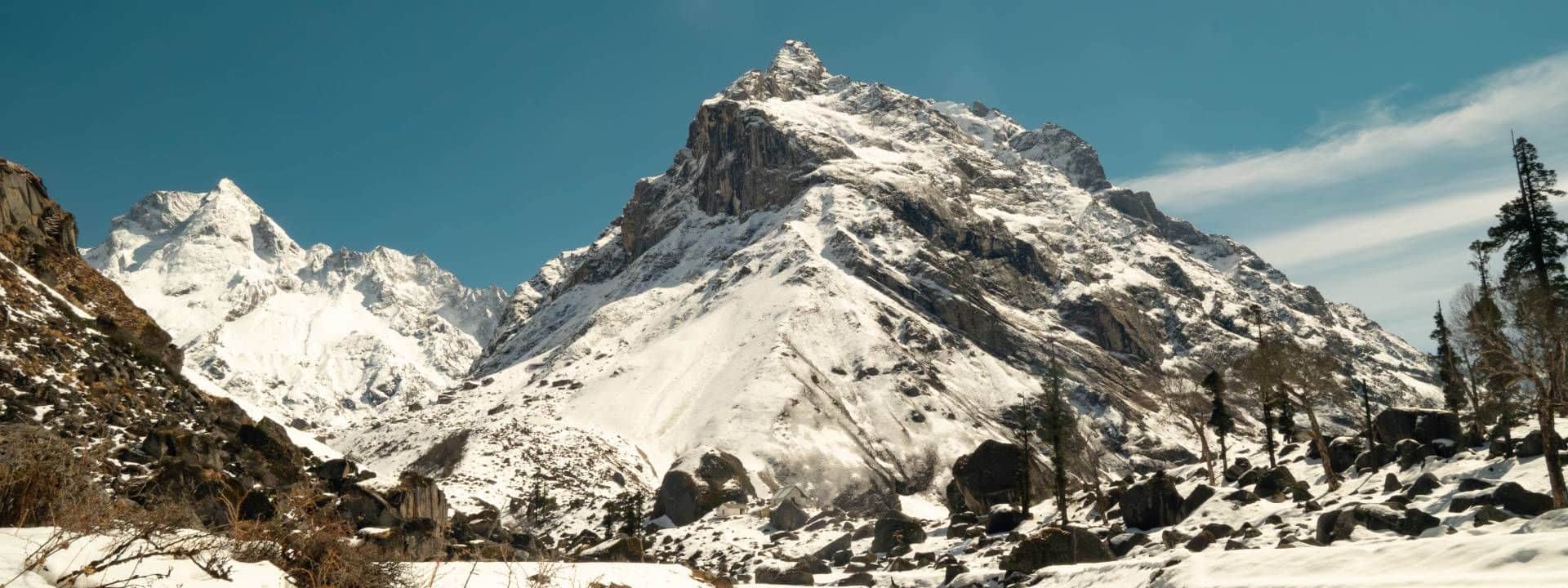
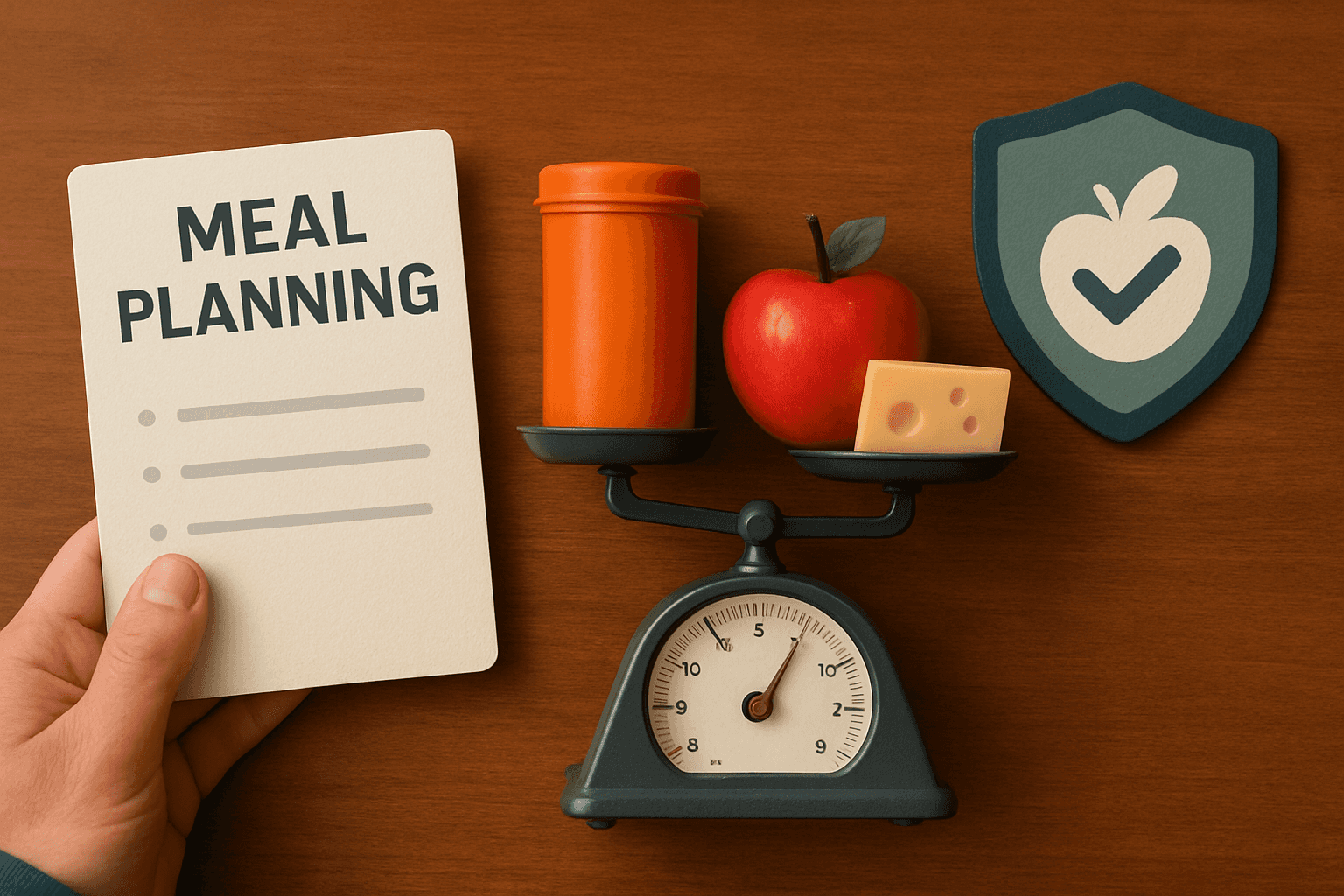
If you're planning to take a multi-day trek through the Indian Himalayas, whether on Kashmir's rugged routes and Himachal's high mountain passes or Sikkim's forested trails, food quickly turns into more than just an item on your list. It's your fuel source, motivational booster as well as a tool for recovery that you can pack into your backpack.
In the TrekUp India we've seen trekkers carrying plenty of food "just to be safe," only to struggle with their heavy backpacks. There have been trekkers who under-pack or select the wrong type of food that causes fatigue, a slow recovery, stomach problems, and a poor performances when on trail.
A good meal plan is about making sure you have the right balance between weight, nutrition and the ease of cooking--so every kilogram you carry can help to improve your walking.
Why Meal Planning Matters on Multi-Day Treks
At high altitudes the body is working harder even when you're at rest. Oxygen levels are lower, digestion slows, and calorie burn increases--especially during long climbs.
Planned meals can will help you:
- Keep your energy level steady throughout the day
- Get more energy back after long walking hours
- Avoid digestive problems at altitude
- Maintain a positive attitude when times get difficult
A warm and familiar food at camp may inspire more than any other view.
The Golden Rule: Weight-to-Energy Ratio
Each item in your backpack has to earn its spot.
Select foods that have lots of calories per grams to ensure you have maximum energy while not carrying too much weight. This makes your pack less bulky and your body hydrated, particularly during long ascents.
Nutritional Balance: What Your Body Needs on the Trail
Carbohydrates - Your Primary Fuel
Carbs are the body's most efficient energy source in high altitudes.
Excellent options:
- Instant noodles
- Rice, poha, upma mixes
- Rice and oats, flattened
Proteins - For Recovery and Strength
Protein is a repair for muscles worn out from long descents and ascents.
Excellent options:
- Nuts and nut mix
- Dal powder
- Soya chunks
- Protein bars
Fats - Slow, Long-Lasting Energy
Fats can help keep warm and provide long-lasting energy.
The best options are:
- Ghee sachets
- Peanut butter
- Nut-based ladoos
Hydration: Food Needs Water to Work
Dry food items are lighter, however dry foods are heavier, but depend on the availability of water.
- Be sure that your route is water-safe
- Use filters or tablets to purify your water.
- Utilize ORS or electrolyte powders every day
Electrolytes prevent cramps, fatigue, and dehydration--especially on hot or high-effort days.
Easy Preparation Is Not a Luxury--It's Survival
At altitude:
- Fuel burns slower
- Boiling can take longer
- The energy supply is constrained
Pick meals that
- Only require a short cooking time
- Require less fuel
- Can be made by boiling water and
Simple food = consistent eating = better energy.
TrekUp India's Recommended Foods for Multi-Day Treks
Breakfast
- Instant oats
- Poha or upma packs
- Dry fruit and nuts
Snacks (On the Trail)
- Energy bars
- Chana that has been roasted
- Dry fruits, and trail mix
Lunch (No-Cook or Minimal Cook)
- Theplas, also known as theplas, or
- Peanut ladoos
- Khakhra
Dinner (At Camp)
- Instant noodles
- Soup packets
- Pre-mixed khichdi or dalia
Add-Ons That Matter
- Ghee sachets
- ORS Electrolyte powder
- Sachets of tea or coffee
The most efficient packing tips from the Trail
Portion Control by Day
Pack meals day-wise in ziplock bags.This:
- Stops over-packing
- It helps track consumption
- Helps cook at camp
Reduce Packaging
Get rid of wrappers that are not needed and use the pouches that can be reused. There is less waste and less weight.
Pre-Cook Where Possible
Baked or roasted items, such as parathas, reduce the need for fuel, time and energy at camp.
Use Local Food When Available
Chapatis, eggs, or simple meals that are served in villages provide flavor and nutrition to the local cuisine, if the hygiene allows.
What to Avoid on Multi-Day Treks
- Food canned in cans (heavy as well as bulky)
- Sugar overdose (quick crash following a quick boost)
- Highly processed food items (hard for the body to process at high altitudes)
- Foods with a high amount of salt (increase the risk of dehydration)
At altitude, digestion is slower--simple food works best.
Food Is More Than Fuel on the Trail
When you are on long Himalayan treks the food you eat is not only about calories. It:
- You are warm on cold nights.
- Helps muscles recover
- Make sure you have your mind on the right track in times of difficulty
Every bite should have some reason.
Conclusion
TrekUp India TrekUp India, we believe that food during the trek should be more than just satisfy your appetite. It should aid your body, raise your spirits, and assist to keep you moving as the terrain challenges your endurance.
If you plan meals in advance and balancing weight with nutrition and selecting food items which are easy to cook and digest, walkers can be more fit more quickly, recover quicker and enjoy their journey more completely.
Before you embark on your next trek examine your food items the similar way you do your equipment:If it isn't helping you to move better recuperate faster, feel more energized, it shouldn't be in your bag.
About the Author: Trekking Expertise You Can Trust
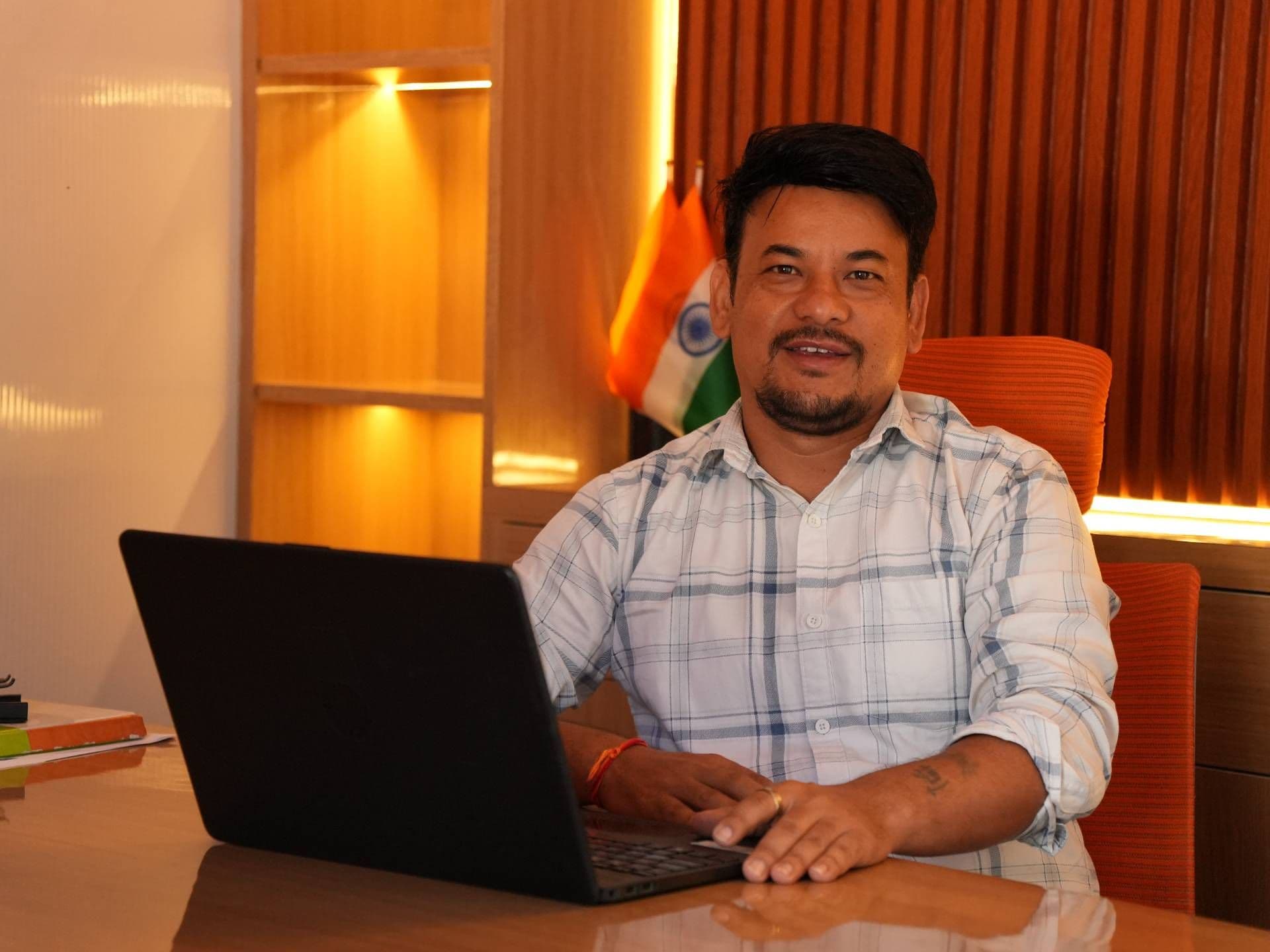
Operations Manager
Nanda Rawat holds a Master’s degree in Tourism & Hospitality and brings over 16 years of experience in adventure and leisure travel. He has led multiple Himalayan expeditions, contributed to ATOAI, and is trained in first aid by the Indian Mountaineering Foundation. A strong supporter of sustainable and ethical tourism, he plays a key role at Trekup India. Write to him at: nanda@trekupindia.com