When discussing trekking through the Indian Himalayas, they typically talk about aching legs, breathlessness and cold nights. They also talk about altitude sickness. The thing that is often not mentioned, but is equally real how altitude affects your mind.
Higher altitudes can cause trekkers may experience slower mental processing emotional sensitive, a bit nervous, or simply "not their own." On the TrekUp India we've observed the most experienced and skilled trekkers fight with their bodies, not simply because they were failing, but because their minds were unclear and uneasy, or even overwhelmed.
Knowing the psychological effects of altitude is as important as training for physical strength. Being aware allows you to react with calmness, safeguard your health and continue trekking without fear and with confidence.
How High Altitude Affects the Mind
1. Cognitive Slowness (Altitude Brain Fog)
At altitudes, decreased oxygen concentrations (hypoxia) impact brain function.
You may notice:
- Slower thinking
- Trouble concentrating
- Forgetting simple tasks
- Trouble with directions
It could feel like your body is moving faster than your thoughts -- a bizarre and at times unsettling experience.
2. Mood Swings and Irritability
Hunger, fatigue, cold and low oxygen levels can increase the intensity of emotions.
Even minor inconveniences can be incredibly irritating. People who tend to be patient might feel irritable, or withdrawing. This is not uncommon and usually temporary.
3. Anxiety or Panic
Insularity, vast landscapes the silence and physical discomfort may trigger anxiety, especially for new hikers at high altitude.
Think about:
- "What do I do if something goes wrong?"
- "Am I causing everyone to slow down?"
- "Why am I feeling insecure and uneasy without a reason?"
These sentiments are more prevalent than many people acknowledge.
4. Sleep-Related Emotional Dips
Sleep can be more sluggish and more fragmented when you are at an altitude.
A lack of sleep can trigger:
- Mornings are often a bit gloomy.
- Sensitivity to emotions
- Mental fatigue despite physical rest
Feeling drained upon waking up regardless of "sleeping," is a well-known altitude effect.
TrekUp India's Practical Tips to Stay Mentally Strong at Altitude
Acclimatize Slowly--For the Mind Too
Acclimatization through gradual acclimatization isn't just good for lung function, but also for mental clarity.
Relaxation days and controlled elevation gain can aid in adjusting your brain. The stress of racing increases the chance from AM and mental stress.
Create Simple, Grounding Routines
Small rituals can provide stability in unsettling environments:
- Relaxing in the evening
- Reading or writing
- The tea party at camp
Routine provides the mind with something familiar to keep.
Fuel Your Brain Properly
The brain is powered by glucose and the body needs to hydrate.
- Consume regular, high-carbohydrate meals (rice, the dal, khichdi, and rotis)
- Drink plenty of fluids even if your body doesn't appear thirsty
A lack of eating can lead to mood fluctuations and anxiety.
Use Breath to Calm the Nervous System
The slow, controlled breathing helps reduce anxiety and mental stress.
Simple techniques:
- Deep nasal breathing
- Short mindfulness pauses during breaks
TrekUp India guides often introduce the basics of breathing on hard days - for a reason.
Talk It Out--Don't Carry It Alone
If you are feeling anxious or irritable, or just mentally "off," speak up.
They are trained by guides to spot the first signs of fatigue in your mind. The act of sharing how you feel frequently will relieve you immediately and stops the escalation.
Divide the Trek into small Mental Goals
The entire route may be overwhelming.
Instead, concentrate on:
- At the next water stop
- Lunch break
- Stay in camp for the night
Thinking step-by-step keeps the mind focused and calm.
Get Sunlight Whenever Possible
Natural light helps regulate mood.
Have a walk outdoors during breaks, and especially in the early morning. The sun's rays help to reset your internal clock and improve your mood.
Reduce Information Overload
When there is a signal, stay clear of excessive use of phones.
The constant stream of news or on social media can create anxiety. Disconnecting can help improve mental peace and concentration.
When Mental Symptoms Become a Medical Emergency
When mental confusion, disorientation hallucinations, mental confusion, or other unusual behavior occur in conjunction with physical symptoms like:
- A severe headache
- Vomiting
- Lack of coordination
- Dizziness
They could be a sign of the presence of High Altitude Cerebral Edema (HACE).
This is a situation that requires an immediate descend and evacuation of medical personnel. TrekUp India teams are trained to respond in emergency situations and carry oxygen and communication equipment for these situations.
Conclusion
High-altitude trekking is more challenging than just muscles. It challenges your mental and emotional ability to focus, and inner strength. If you feel a bit agitated, confused or emotional sensitive in the high altitudes is not suggest you're insecure or unprepared. It's a sign that your body or mind are adjusting to a harsh setting.
In TrekUp India, we believe that mental health is equally important as physical fitness. Acclimatizing slowly by eating and hydrating properly and establishing routines that are simple keeping in touch to your group and requesting help early, trekkers are able to stay at ease, focused and optimistic, even on the most difficult days.
The true test of endurance in the mountains doesn't have to be about running through in blindness.It's about paying attention to your breath, your body as well as your mind, and then reacting by being aware.
About the Author: Trekking Expertise You Can Trust
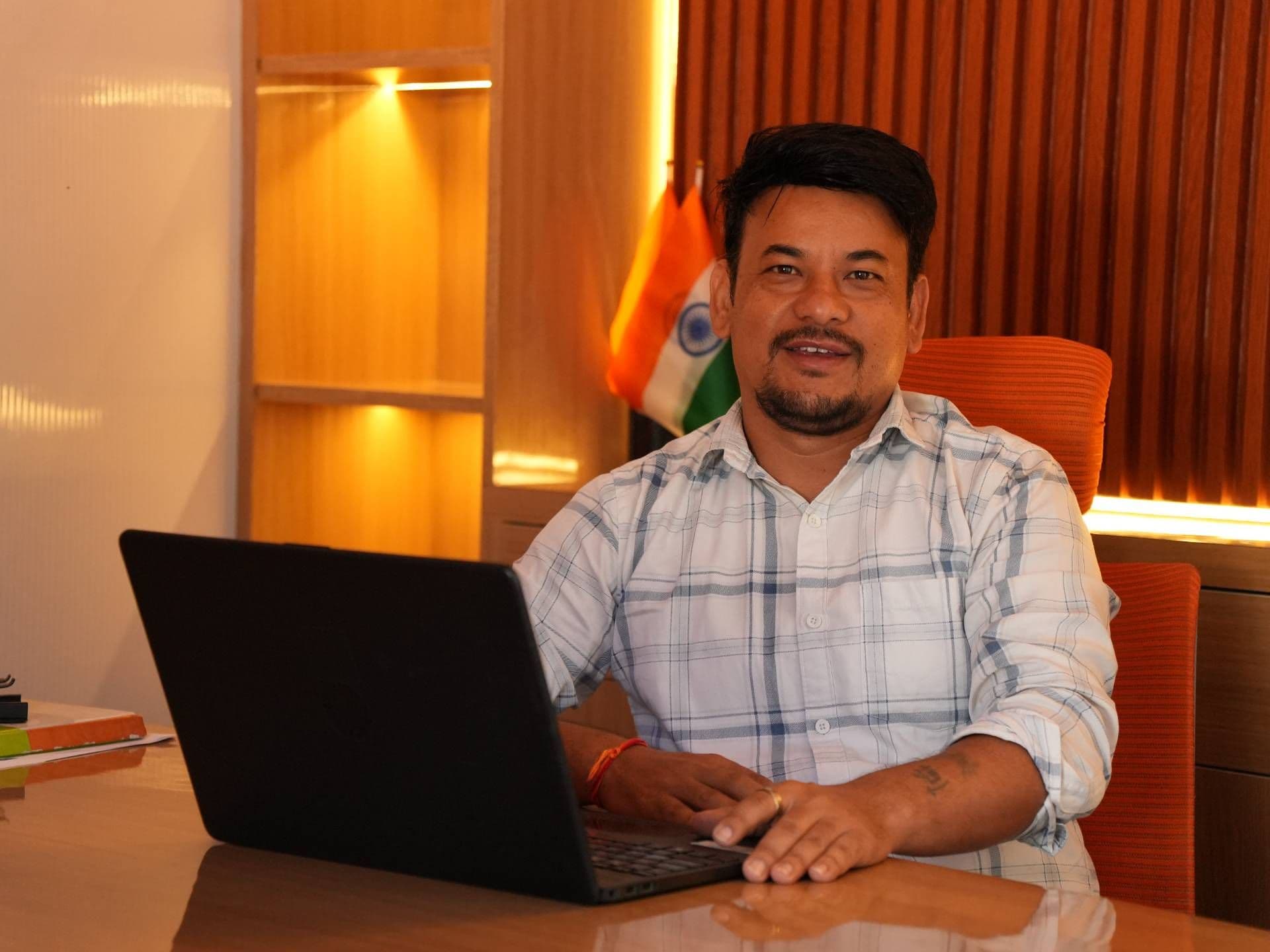
Operations Manager
Nanda Rawat holds a Master’s degree in Tourism & Hospitality and brings over 16 years of experience in adventure and leisure travel. He has led multiple Himalayan expeditions, contributed to ATOAI, and is trained in first aid by the Indian Mountaineering Foundation. A strong supporter of sustainable and ethical tourism, he plays a key role at Trekup India. Write to him at: nanda@trekupindia.com